
Written By: Brad Campbell | April 12, 2023
Many smash-and-grabs are over in just one to two minutes, which is less than the average police response time in most cities. In that short window of time, a burglary crew can shatter a storefront window with a hammer or a brick, strip a display case bare, and be gone before officers even reach the block.
For retailers across the US, these types of attacks have become an all-too-common occurrence. The problem they face is that standard storefront glass was never built to buy time during forced entry attempts, and time is the one thing that stands between a would-be thief and thousands of dollars in stolen merchandise.
Anti-theft glass, on the other hand, is designed to buy time. Instead of giving way to the first hard strike, it holds up under repeated blows long enough to turn a quick smash-and-grab into a failed attempt.
Anti-theft glass, also called forced-entry-resistant glazing, is specialized security glass engineered to resist forced entry by holding together under impact instead of shattering apart. It's built to absorb hit after hit from hammers, bricks, crowbars, and similar tools without giving way and offering a path inside.
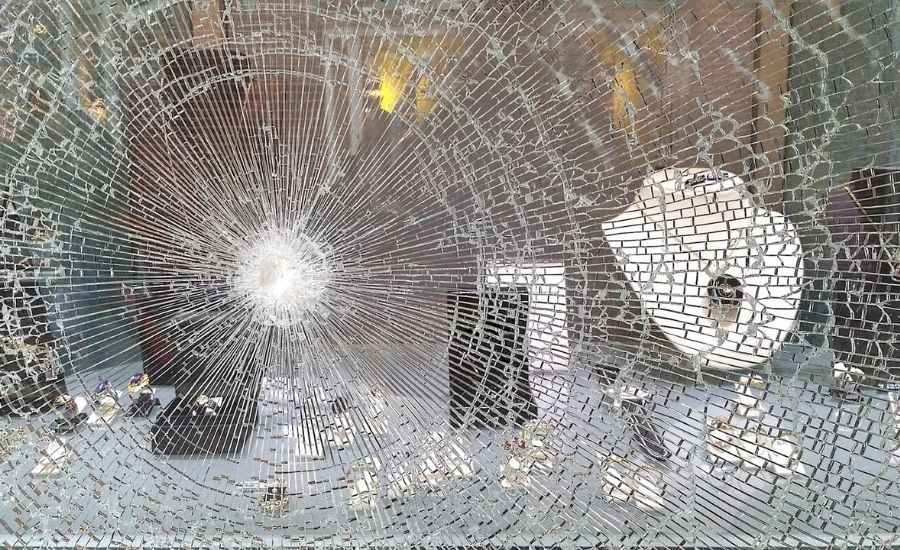
One common type of anti-theft glass is laminated security glass, which sandwiches layers of reinforced glass on either side of a thermoplastic interlayer. Even when the outer surface cracks, the interlayer holds the fragments in place instead of letting them fall away.
Polycarbonate glazing takes a different approach. Instead of glass, it uses a thermoplastic polymer that's roughly 250 times more impact-resistant than standard annealed glass, and it flexes rather than fractures, so blunt-force attempts largely bounce off the surface.
Both options can be retrofitted directly over existing storefront windows and doors, or used to replace the glass outright. That flexibility makes anti-theft glass a practical, cost-effective upgrade for businesses looking to prevent smash-and-grab theft, after-hours break-ins, burglary, vandalism, and looting during periods of civil unrest, without a full storefront renovation.
Laminated security glass and polycarbonate glazing both deliver serious forced entry resistance, but they get there differently. Understanding the differences is important when you're choosing a system.
| Feature | Laminated Security Glass | Polycarbonate Glazing |
| Behavior under impact | Can crack and spall at the surface; interlayer holds fragments together | Flexes and absorbs energy rather than shattering |
| Weight | Heavier, closer to standard glass | Lighter, easier to retrofit over existing framing |
| Appearance | Matches the exact look and feel of standard commercial glass | Virtually invisible once installed, minimal distortion |
| Durability over repeated attacks | Strong, but visible damage can accumulate | Engineered to hold through sustained, multi-person attacks |
| Best suited for | Storefronts prioritizing a glass-identical appearance | Retrofits, high-risk locations, and repeat-attack scenarios |
For most retail storefronts, polycarbonate glazing is the stronger overall solution. It's lighter, which simplifies retrofitting into existing frames, and its resistance to cracking and spalling means it keeps performing attack after attack rather than degrading with the first one.
Upgrading storefront glazing with anti-theft glass pays off in ways that go well beyond the moment of an actual break-in attempt.
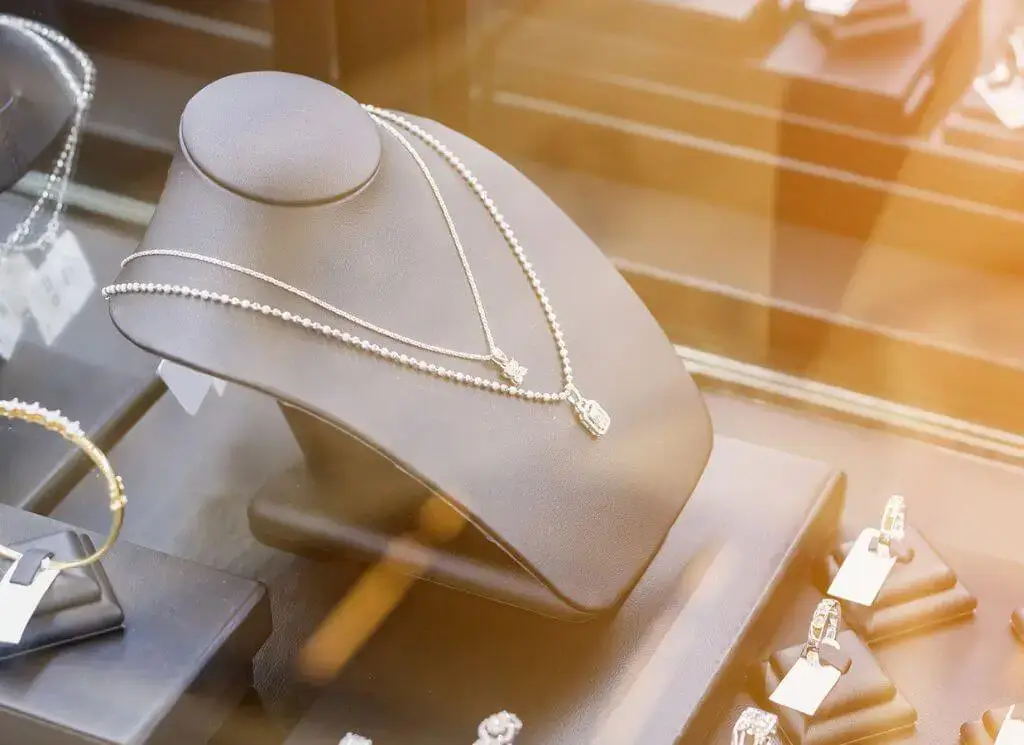
Some businesses face a higher baseline risk of forced entry and theft, which makes anti-theft glazing more of a necessity. That includes:
Any storefront carrying high-value, easily resold merchandise, or operating extended or overnight hours, is a common target for organized smash-and-grab crews.
Standard storefront glass simply isn't built for the threats retailers face today. A smash-and-grab crew doesn't need much time, and once the glass gives way, everything behind it is exposed. Anti-theft glass removes that vulnerability.
Whether you choose laminated security glass for a look that's identical to standard glazing or polycarbonate glazing for maximum impact resistance in a lighter, even more retrofit-friendly package, the result is the same: a storefront that holds its ground when it matters most.
If your business carries high-value inventory, operates extended hours, or sits in an area prone to break-ins or unrest, it's worth having a conversation about which anti-theft glass solution fits your storefront. Contact Riot Glass today to discuss your options and get a recommendation tailored to your property.
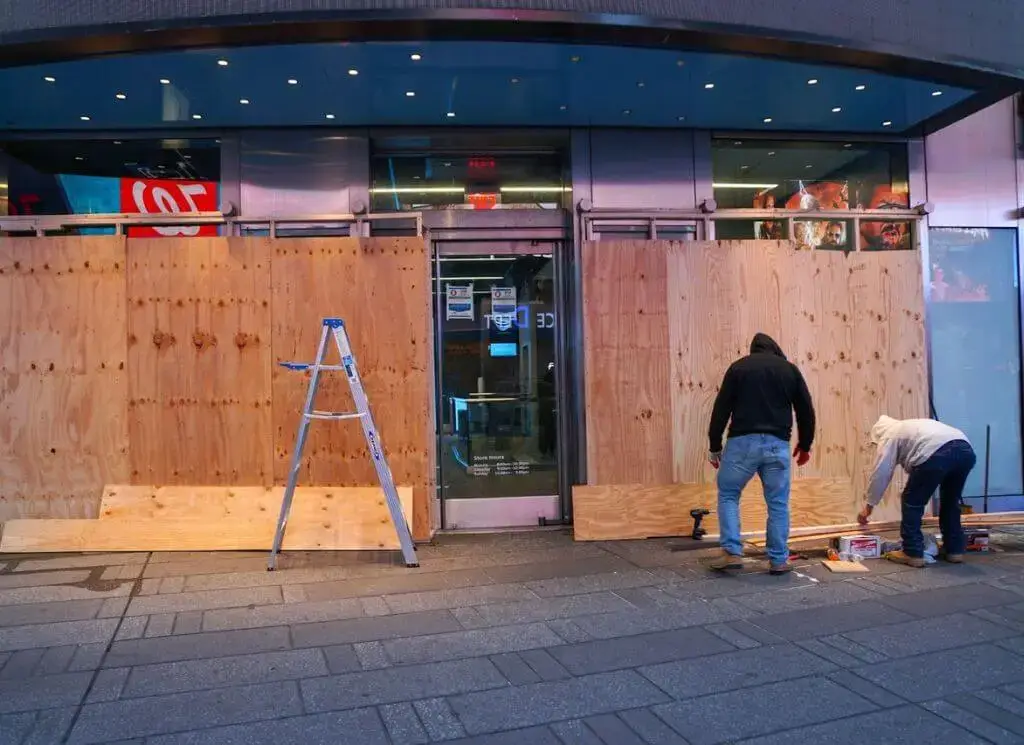
That depends on the specific type of anti-theft glass you choose. Many Riot Glass products are designed to install over existing glass using retrofittable security framing that adapts to the current window or door opening. Some unusually sized or configured openings may need custom framing, which is why an assessment is typically done before installation.
Yes. Anti-theft glazing is commonly used on entryway and storefront doors, not just fixed windows, since glass doors are just as vulnerable to forced entry attempts.
No. Polycarbonate glazing is virtually invisible once installed, and laminated security glass matches the exact look and feel of standard commercial glass. Either option keeps full visibility for window displays and natural light.
Polycarbonate is generally the better fit for retrofits since it's lighter and easier to fit into existing framing. Laminated glass is a solid option too, but its added weight can make retrofit installation more involved.

HOW CAN WE HELP YOU?