Written By: Brad Campbell | June 5, 2020
Riot Glass may be incredibly robust and resilient, but it still benefits from routine cleaning just like your regular windows. Security glazing is built to withstand forced entry, ballistic impacts, and severe weather, but the surface itself still needs regular attention to stay clear and perform as intended over the long term.
In order to prolong the lifespan of Riot Glass AP-Series glazing, we recommend periodically cleaning the polycarbonate following the procedures and guidelines below. Doing so helps preserve the security glazing’s UV- and abrasion-resistant coating, not to mention keeps panels crystal clear to maximize visibility and natural light!
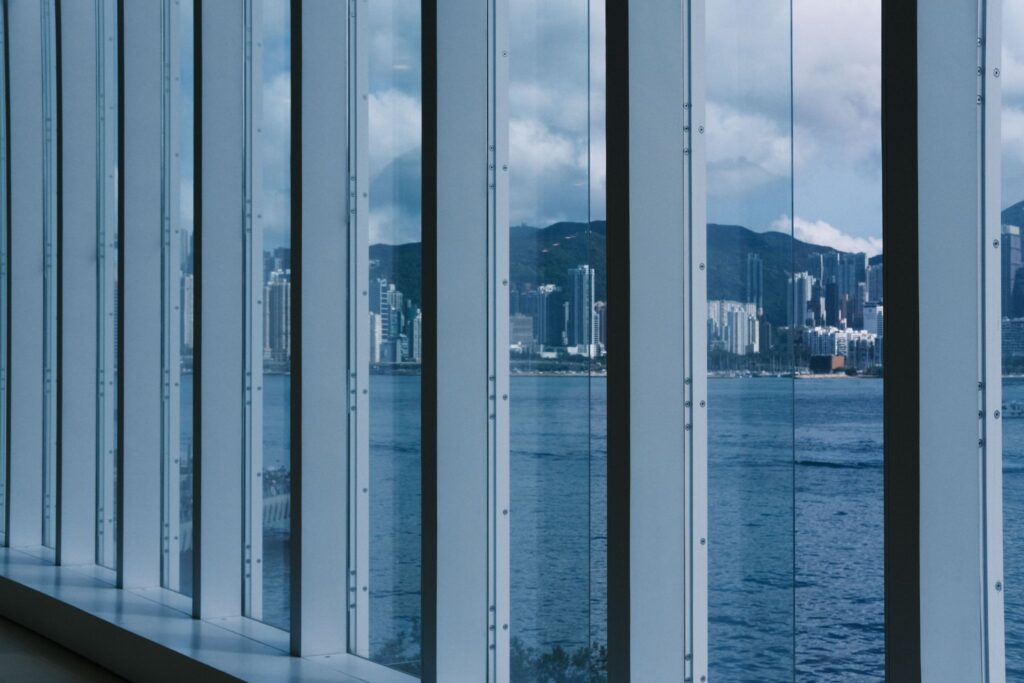
Before getting into specific cleaning scenarios, there are a handful of ground rules that apply every time you clean Riot Glass polycarbonate panels:
These rules exist because the AP-Series coating, while highly resistant to UV exposure and everyday wear, is still a surface treatment. Harsh chemicals, abrasive tools, or cleaning under intense heat can compromise it well before the underlying polycarbonate itself would show any wear.
The following cleaners have been tested on Riot Glass in a laboratory setting and are considered safe to use to clean Riot Glass AP-Series panels.
However, it’s important to note that favorable laboratory performance is no guarantee of identical performance in field-installed, real-world conditions. Therefore, these results should be used as a guide only. We recommend that products be tested under actual field conditions by the end user in a small area before cleaning an entire surface.
For everyday dust, fingerprints, and light grime, routine cleaning is usually all that's needed:
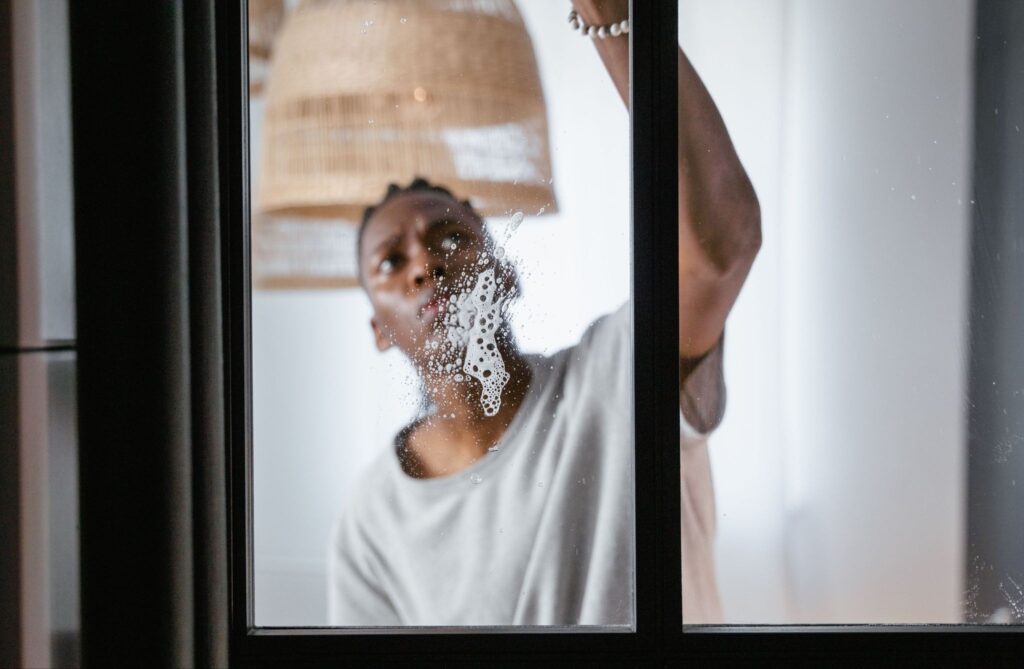
Oil, tar, and similar residues call for a slightly stronger approach than routine cleaning, though still nothing abrasive:
Graffiti and similar markings require solvent-based cleaning. As with all Riot Glass cleaning, this should never be done in direct sun or high heat, since heat can accelerate solvent evaporation and increase the risk of surface damage:
Stickers, decals, and adhesive residue can be removed with:
A hairdryer can be used to gently warm the graphic or label before removal, which helps loosen the adhesive and makes it easier to lift without scraping. Once removed, rinse and dry the area immediately to clear any leftover residue.
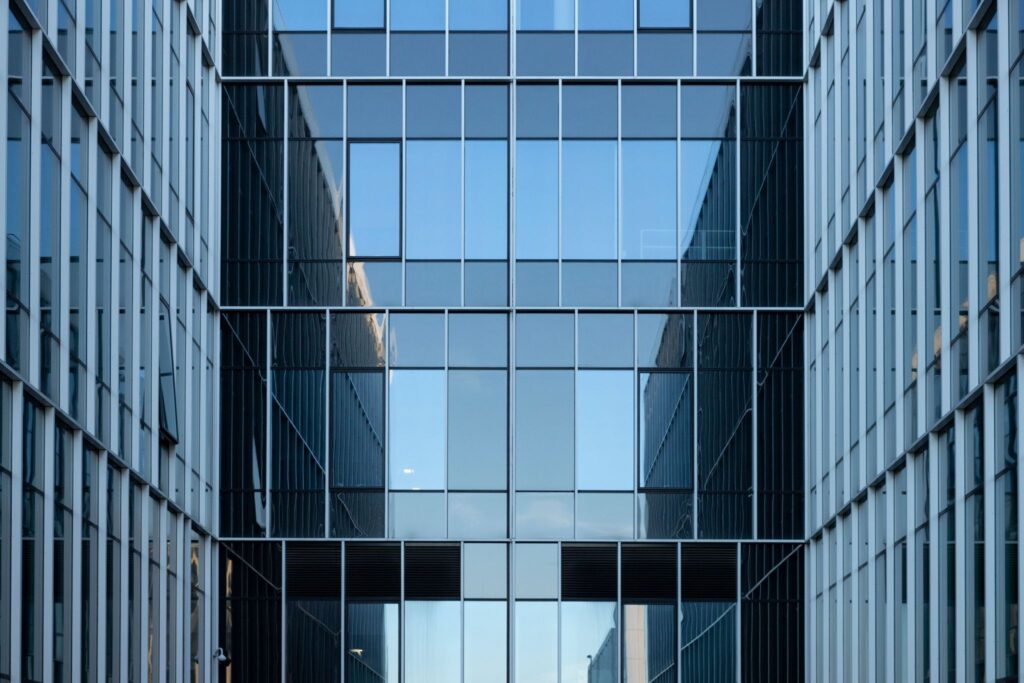
The glass side can be cleaned like regular glass windows, while the polycarbonate side should be cleaned following the guidelines and procedures outlined above.
Interior surfaces should be cleaned every one to three months, and exterior surfaces every three to six months, or whenever there is visible grime or substances present. Businesses or facilities with higher foot traffic generally need more frequent interior cleaning, while exterior cleaning frequency depends on outdoor conditions such as traffic, dirt, and dust.
No. Riot Glass polycarbonate panels can be cleaned with many of the same household products used on standard glass, such as diluted mild soap or ammonia-free Windex. The main difference is technique rather than difficulty. Polycarbonate is more prone to surface scratching than glass, so abrasive tools, gritty cleaners, and pressure washers need to be avoided. Once that habit is in place, cleaning Riot Glass takes no more effort than cleaning any other window.
No. Pressure washers, along with scrapers, razors, and squeegees, should never be used on Riot Glass polycarbonate. The force and pressure can scratch or otherwise damage the protective coating.
No. Buffing or polishing does not repair scratches and can damage the coating further. If a panel develops visible scratches or damage, contact Riot Glass directly for guidance rather than attempting to treat it with polishing compounds.
It's best to avoid cleaning in direct sunlight or high heat. Cleaning solutions can dry too quickly under these conditions, which increases the risk of streaking, water spots, and reduced cleaning effectiveness. Choose a shaded time of day or a cooler day in the forecast instead.
Rinse the area generously right away. Letting cleaners or solvents sit along panel edges can lead to residue buildup or, in some cases, affect the seal or frame over time.
No specialized equipment is required. A soft microfiber cloth or non-abrasive sponge, mild soap, and clean water cover most routine cleaning needs. For tougher jobs like graffiti or adhesive removal, the solvents listed above should be paired with a soft cloth, never a hard brush or scraper.
For questions or additional guidance on cleaning your Riot Glass panels, contact Riot Glass directly.
HOW CAN WE HELP YOU?