
Written By: Brad Campbell | January 27, 2026
As tragic shootings continue to plague schools across the United States, districts are constantly working to improve lockdown effectiveness and implement more robust security measures to keep active threats out and protect school occupants from harm.
However, while locked doors and school lockdown protocols are crucial parts of active threat mitigation, school buildings are only as safe as their weakest link, which is often an unprotected pane of glass set within (or next to) a door.
An attacker can easily shoot out a vulnerable glass panel to open a door from the inside, quickly gaining access to supposedly secure areas where they can do the most harm.
That’s where bulletproof doors for schools come in.
The term bulletproof is widely used but often misunderstood. In reality, nothing is truly 100% bulletproof. Given enough time, ammunition, or firepower, virtually any material can eventually be compromised.
So, when we talk about bulletproof doors for schools, what we’re really referring to are ballistic-resistant door systems designed to stop, slow, and withstand one or more rounds from specific types of firearms, particularly those most commonly used in active threat scenarios.
These systems are engineered to:
In a school environment, the additional reaction time provided by ballistic-grade school doors is crucial. Every second an attacker is delayed is more time for students and staff to barricade, escape, communicate with first responders, or await law enforcement intervention.
Many school doors appear secure at a glance. They lock. They’re solid. They comply with fire codes. Unfortunately, most fail to protect against active threats when glass is involved.
Common school door vulnerabilities include:
During an attack, the perpetrator often doesn’t even need to break through the door itself. Instead, they can:
This tactic has been documented in real-world incidents and security assessments, and it can turn a locked classroom into an unsecured space in seconds. Bullet-resistant school door systems address this vulnerability.
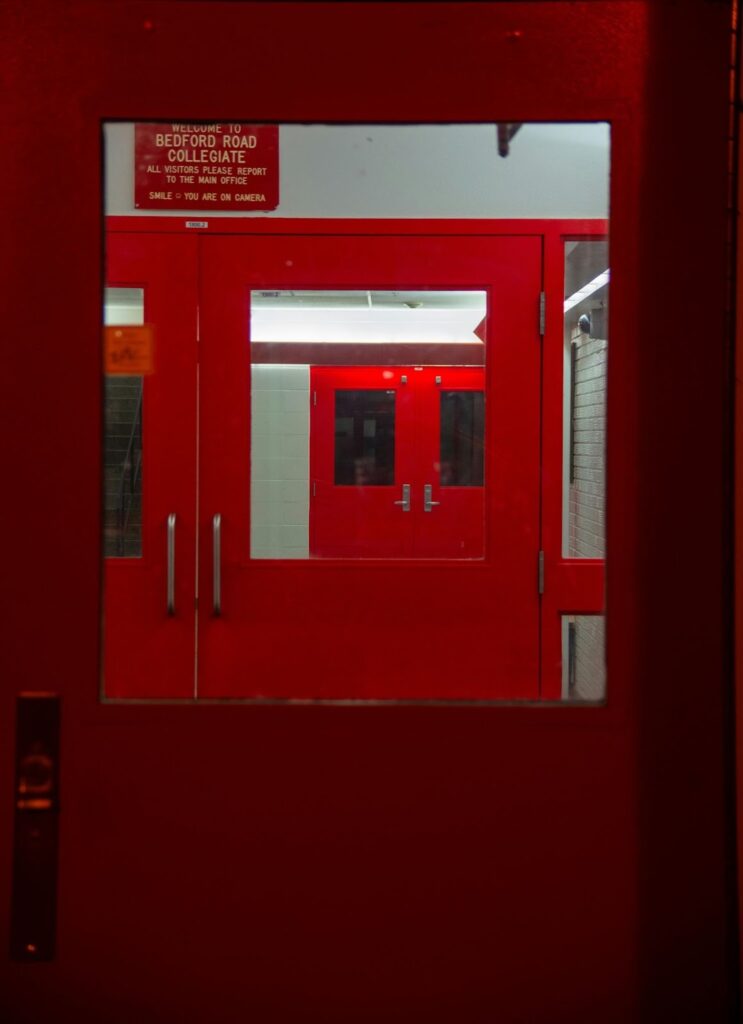
Riot Glass offers ballistic-resistant security glazing systems specifically engineered for school environments, including both classroom doors and main entryway doors.
Rather than replacing entire doors and frames, which can be costly, disruptive, and often unnecessary, Riot Glass specializes in retrofittable security glazing solutions available in multiple protection levels, including up to UL 752 Level 7 ballistic-grade systems.
UL 752 Level 7-rated security glazing is tested to stop 5.56mm M193 ball ammunition fired from rifles such as the AR-15, one of the most common firearm platforms used in school shootings.
These systems are designed to absorb and disperse ballistic energy, preventing penetration and, just as importantly, preventing glass fallout that would otherwise create an access point.
The primary goal of Riot Glass ballistic solutions is access denial during active threat scenarios. Even if an attacker fires multiple rounds at a door retrofitted with Riot Glass:
It’s incredibly important to understand that, when it comes to active threat mitigation, stopping bullets is only part of the equation. Preventing the attacker from entering the room is what ultimately saves lives.
When vulnerable door glass (and any adjacent window glass) is reinforced with Riot Glass school security glazing, attackers are unable to bypass locked doors through the glass, ensuring lockdown procedures remain effective.
Riot Glass ballistic-resistant systems can be applied to:
Classroom Doors:
Main Entryway Doors:
Thanks to Riot Glass’s retrofittable Universal Framing System, these upgrades are cost-effective, efficient, and minimally disruptive, making them ideal for occupied schools that cannot afford prolonged construction projects.
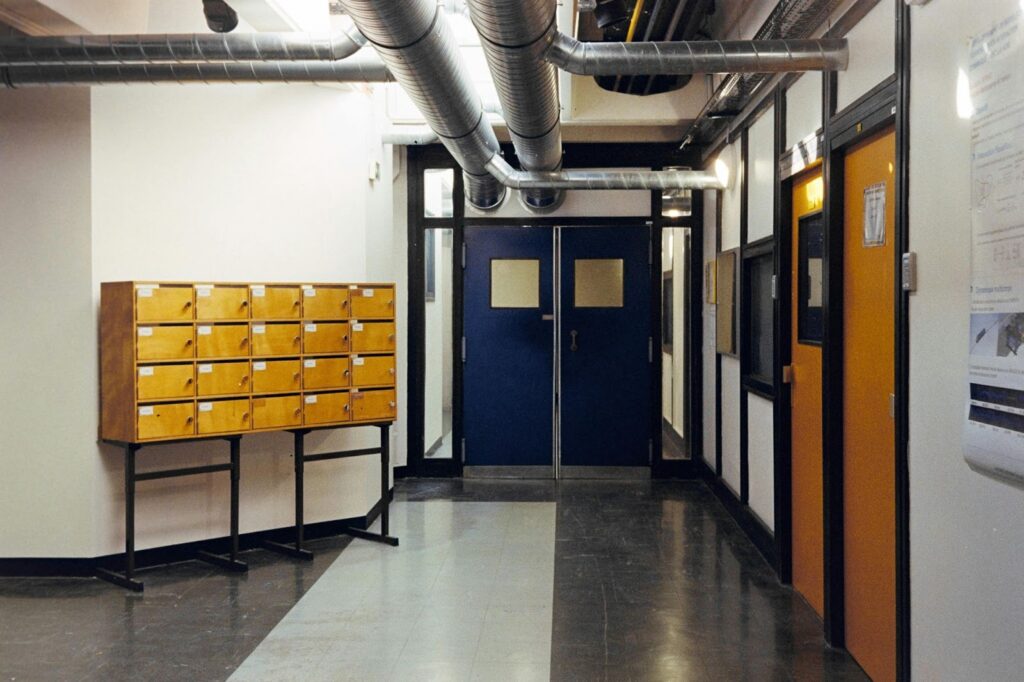
Riot Glass also offers ASTM F3561-tested systems designed specifically to address the realities of active shooter and forced-entry scenarios in schools.
ASTM F3561 testing:
This testing provides schools with peace of mind and confidence that their security glazing systems will perform when it matters most.

When it comes to school safety and security, reaction time and access control are the goals. Bullet-resistant school doors and windows won’t make a building indestructible, but they can prevent one of the most common failure points in lockdowns: broken glass that allows attackers inside.
Ultimately, Riot Glass school security solutions delay threats and keep attackers out of secure spaces, giving students, staff, and first responders the time they need in those critical moments.
There are door systems and materials designed to stop bullets, including ballistic-resistant glazing, frames, and door components used in school security applications. However, with enough time, firepower, or sustained attack, any material can eventually be defeated.
What matters most is access denial. Bullet-resistant doors significantly delay attackers, prevent unauthorized access, and keep secured spaces closed. That delay saves lives by giving occupants time to respond and allowing law enforcement time to intervene.
Riot Glass offers ballistic-rated solutions up to UL 752 Level 7, which are tested to stop 5.56mm M193 ammunition commonly fired from AR-15-style rifles. These systems are designed to prevent penetration and maintain door integrity during attack scenarios.
Yes. Riot Glass specializes in retrofittable solutions that reinforce existing doors and windows without requiring full replacement. This allows schools to upgrade security quickly and cost-effectively.
No. Riot Glass systems are designed to be clear and discreet. They preserve visibility, natural light, and a welcoming learning environment while providing powerful security benefits.
Riot Glass solutions also protect against forced entry, vandalism, riots and civil unrest, burglary, and smash-and-grab attempts. This makes them a comprehensive safety upgrade for schools concerned about multiple threats.

HOW CAN WE HELP YOU?