
Written By: Brad Campbell | June 25, 2026
When an active threat occurs at a school, the building's doors and windows often determine how quickly an attacker can reach students and staff.
Standard glazing offers no meaningful resistance to firearms or forced entry attempts. In an active threat scenario, the time it takes an attacker to breach a door or window directly affects how many people can reach safety.
ASTM F3561 is one testing standard specifically designed to evaluate whether fenestration systems, including doors, windows, and their full assemblies, can hold up under an active shooter attack.
ASTM F3561 is a standard test method published by ASTM International that evaluates the forced entry resistance of fenestration systems following a simulated active shooter attack.
Unlike standards that test glazing materials in isolation, ASTM F3561 protocols test the full assembly, including glass, frame, and hardware, under conditions designed to replicate a real-world breach attempt.
The standard is not limited to testing fenestration systems for applications in schools, though its testing methodology is directly related to the type of worst-case active threat scenario schools must be prepared for: a shooter attempting to break through a window or door to gain entry to a building.
The ASTM F3561 test runs in two sequential phases:
The ASTM F3561 testing methodology starts by firing 10 AR-15 5.56 rifle rounds into the transparent glazing portion of the assembly. This simulates an attacker shooting at a pane of glass as a precursor to forcing entry.
After the ballistic impacts, a 100-pound steel impactor is swung at the glazing with progressively increasing force.
A product passes the test by preventing the creation of a hole large enough for an attacker to reach through and manipulate door hardware, such as an emergency egress panic bar or lock release.
ASTM F3561 uses a tiered rating system up to Level 8. Higher levels require the assembly to withstand greater impact force after the ballistic phase.
Systems that attain a Level 8 rating can resist over 400 pounds of force. In real-world terms, they can withstand repeated blows from a sledgehammer.
In most active threat scenarios at schools, an attacker either enters through an unlocked door or attempts to force entry through a glazed opening. The sidelight panels beside entry doors, typically narrow panes of standard glass, are a common breach point. An attacker can break the glass, reach through, and unlock the door from the inside in seconds.
Standard laminated glass or security film products can slow entry, but they are not designed or tested to withstand the combined ballistic and forced entry attacks that ASTM F3561-certified systems resist.
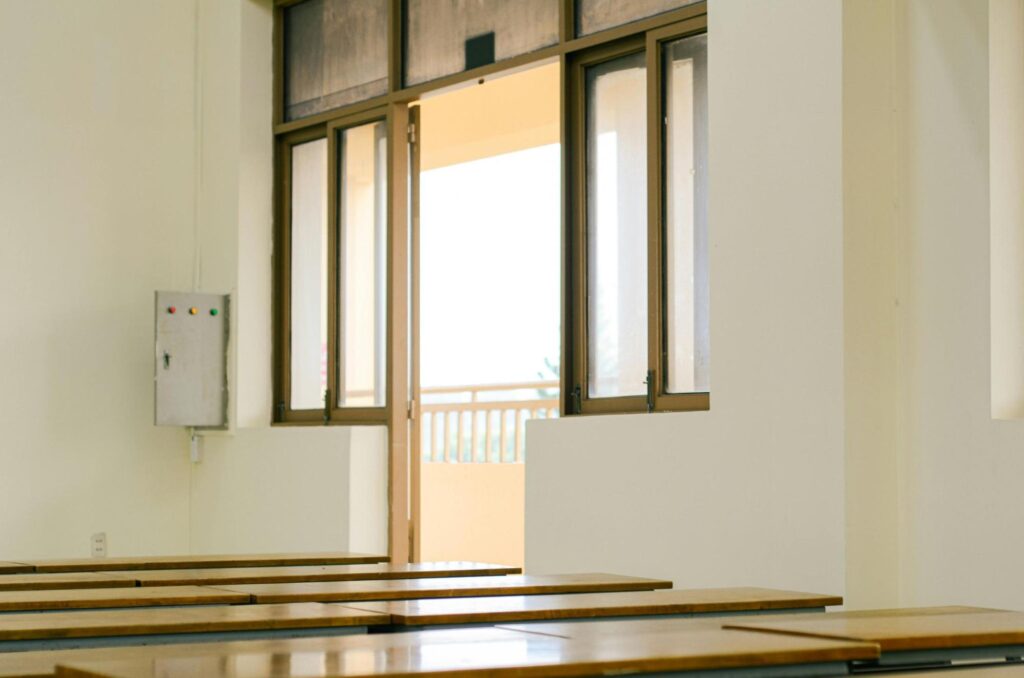
Physical security measures in schools are not designed to stop a determined attacker forever. They are designed to buy time; enough for occupants to run, hide, or barricade themselves inside safe areas, and enough for law enforcement to respond.
Research on active threat incidents consistently shows that most casualties occur within the first few minutes. A door or window that delays a breach by several additional minutes can drastically change outcomes.
ASTM F3561-rated glazing systems are specifically designed to extend that window of time, maintaining the integrity of an opening even after multiple ballistic impacts and sustained forced entry attempts.
Several states have implemented or proposed legislation requiring school glazing to meet specific security standards. ASTM F3561-rated security glazing can potentially help schools meet those requirements.
Even where school glass hardening mandates don't yet exist, implementing ASTM F3561-tested products offers a proactive, globally-certified approach to active threat mitigation.
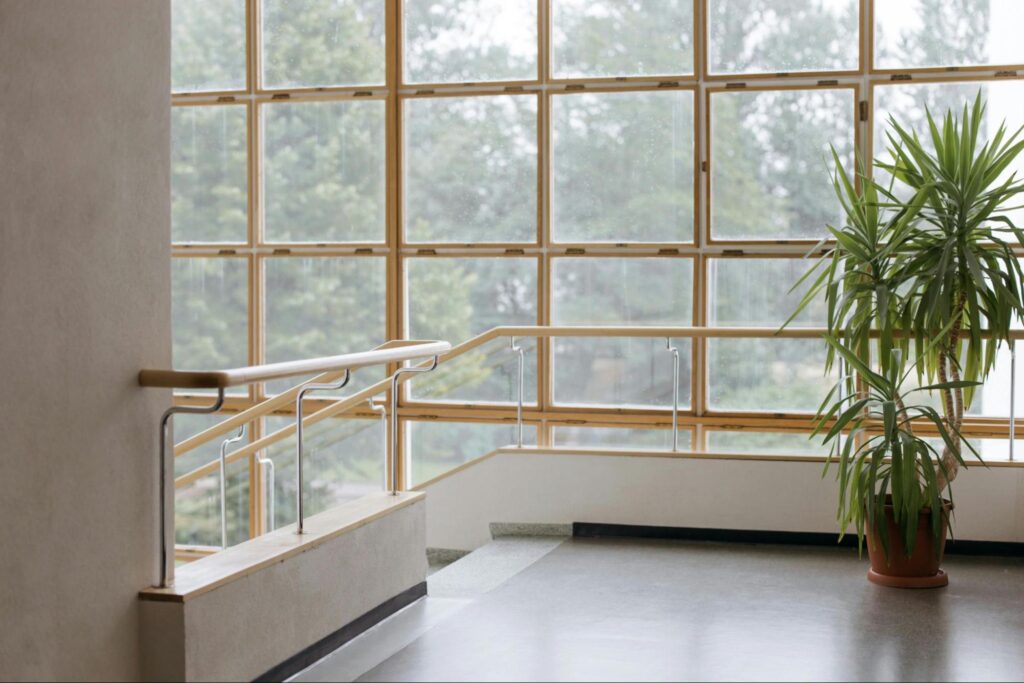
When evaluating ASTM F3561-certified window and door security systems, or any other type of security glazing, there are a few different considerations schools factor in to their decision:
The standard evaluates the full fenestration assembly, including the glass, framing, and hardware, together. This makes it more meaningful than material-only tests, which don't necessarily reflect how a product performs once installed in a real door or window opening.
Not necessarily. Some ASTM F3561-rated glazing systems are designed to retrofit into existing frames, reducing cost and installation time significantly. Whether a retrofit is appropriate depends on the condition and specifications of the existing framing.
Quality ASTM F3561-rated glazing maintains optical clarity comparable to standard glass and should not meaningfully reduce natural light or compromise sightlines inside or outside the building.
UL 752 tests ballistic resistance only, while ASTM F3561 tests forced entry resistance after a ballistic attack, reflecting the reality that an attacker may shoot through glass as a precursor to physically forcing entry. For schools, the combined test is highly relevant to active threat scenarios.
Evaluating security glazing starts with identifying where the vulnerabilities are. Entry vestibules, sidelight panels beside main doors, classroom door windows, and exterior-facing windows are typically the highest-priority openings.
A qualified fenestration security expert should conduct a site-wide threat assessment, identify the highest-risk openings, and recommend ASTM F3561-tested solutions (or other forced-entry or bullet-resistant glazing) appropriate for each location, whether that means a full door replacement, a retrofit glazing system, or a combination of both.
Riot Glass specializes in security glazing for schools, working with educational facilities to assess vulnerabilities, recommend appropriate solutions, and manage installation through certified professionals.
To get started, contact Riot Glass for a free consultation or to schedule a threat assessment.

HOW CAN WE HELP YOU?