
Glass is everywhere in modern hospital design, and for good reason. Natural light, outdoor views, and visual openness have been proven to contribute positively to both patient recovery and staff performance. However, hospital glass also presents several significant risks and vulnerabilities.
In a healthcare environment where impacts, emergencies, and volatile situations are facts of daily life, standard commercial glazing is often inadequate. This is why it’s so important for hospital administrators, facility managers, and architects to consider ways to reinforce hospital glass against impacts.
The presence of natural light in patient care environments has been extensively studied, and the findings consistently show that it offers many benefits.
Patients in rooms with access to daylight report lower pain levels, require less pain medication, experience shorter hospital stays, and show improved sleep quality. Exposure to outdoor views, even a simple sightline to trees or sky, reduces psychological stress and supports faster recovery.
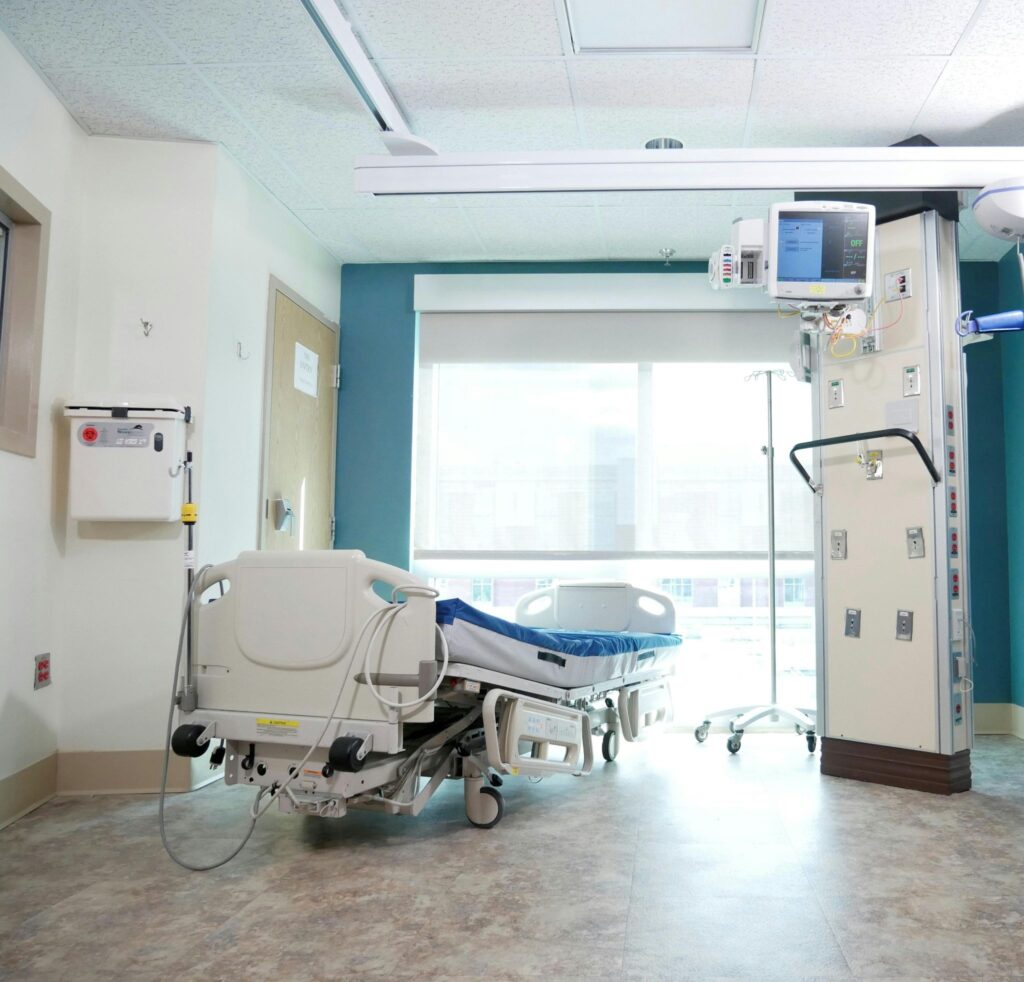
For staff, the benefits are equally significant. Healthcare workers exposed to natural light throughout their shifts report lower fatigue, better mood, and higher job satisfaction. In high-stress work environments where burnout and turnover are persistent problems, plentiful daylight provides measurable benefits.
Hospital glass also supports various operational aspects of healthcare facilities. Transparency between corridors and patient rooms allows staff to monitor patients without entering the room. It also improves facility navigation, reduces the institutional feeling that contributes to patient anxiety, and opens up spaces that would otherwise feel confining.
For these reasons, contemporary hospital design incorporates glass extensively, from floor-to-ceiling patient room windows to glazed partition walls, observation panels, and public-facing service windows.

Understanding the vulnerabilities of hospital glazing starts with knowing where glass is used and what it is exposed to in each location:
Standard commercial glass, even tempered safety glass, is not designed to withstand significant levels of impact without breaking. In a hospital environment, that creates several categories of risk.
Equipment impacts are routine. Stretchers, supply carts, IV poles, and wheelchairs are moved through corridors and patient rooms constantly. Any of these can potentially strike a glass surface with enough force to cause cracking or full breakage. Any amount of broken glass in a clinical setting is a serious hazard.
Human impacts range from accidental to deliberate. A disoriented patient, an emotionally distressed family member, or an individual in a psychiatric crisis may strike a glass partition or door with considerable force. In emergency intake areas, triage windows, and behavioral health units, this is a serious concern.
Forced entry is another risk for hospitals, which have faced an increase in security incidents over recent years. Exterior glazing, particularly at ground-level entry points, can be a target for individuals attempting unauthorized access (or egress). Standard hospital glass provides minimal resistance and can be breached quickly.
Storm and weather damage is also a threat for facilities in hurricane zones, tornado corridors, or areas prone to high winds and windborne debris. Exterior glazing failure during a storm puts patients, staff, and critical operations at risk simultaneously.
There are several approaches to improving glazing performance in healthcare settings, but the most effective and versatile solution is implementing impact-resistant hospital security glazing.
Security glazing products are engineered to absorb and distribute impact energy rather than fracturing and collapsing. These panels can resist repeated blows from blunt objects, sustained forced entry attempts, and windborne projectiles. Some systems are rated to ballistic resistance standards as well, which may be relevant for facilities that face higher-level security threats.
A major advantage of modern security glazing systems is that they are not limited to new construction. They can be implemented in three ways:
This flexibility makes impact-resistant glazing accessible to facilities at varying stages of construction or renovation, and at a range of budget levels.
Not all hospital glazing carries the same risk level, and facilities working within budget constraints should prioritize accordingly.
Emergency department intake windows, triage areas, and behavioral health unit partitions are the areas where impact-resistant glazing provides the most immediate risk reduction. Staff in these areas face a statistically higher likelihood of encountering aggressive behavior, and the glazing separating them from the public is often their primary physical barrier.
Payment windows, administrative service counters, and pharmacy pickup windows also warrant attention. These are points of public contact where financial stress and wait times can contribute to confrontational behavior.
Exterior glazing at ground-level entry points should be evaluated for both security and weather performance.
Corridors and patient room partitions, while potentially lower in terms of security threat levels, benefit from impact-resistant glazing as protection against the routine equipment and accidental contact that is inevitable in active clinical environments.
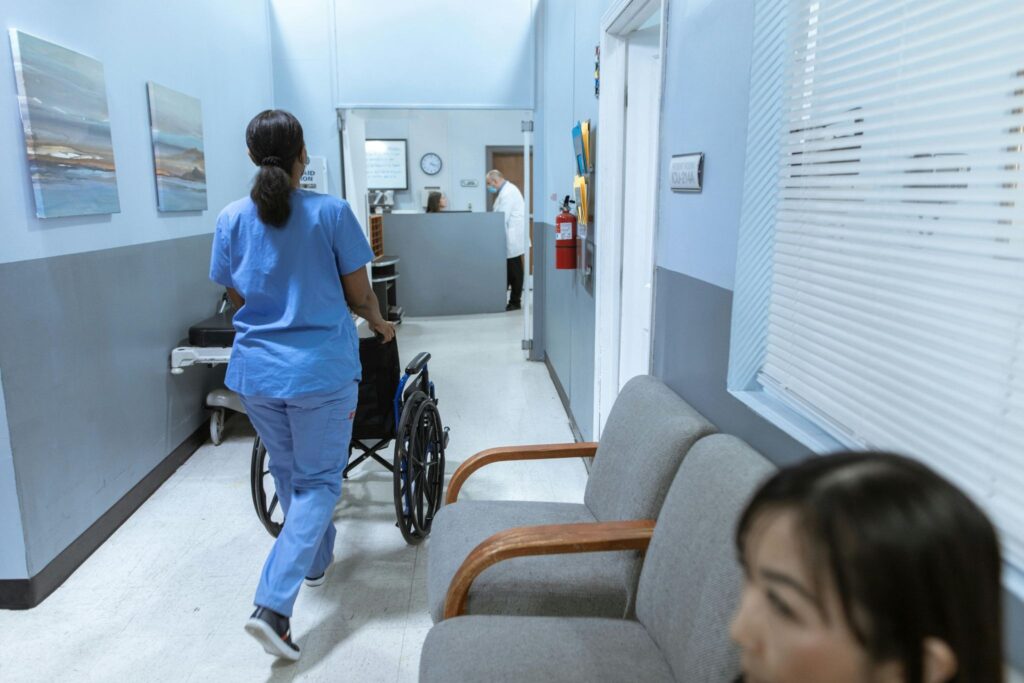
Hospitals are complex environments that balance openness, transparency, and access with the need to protect patients, staff, and operations.
Hospital glass is integral to making healthcare spaces functional and therapeutic, but it requires a level of durability that standard glazing does not provide. Impact-resistant security glazing addresses the full range of threats present in healthcare settings, and its compatibility with new construction, replacement, and retrofit applications means that every facility has a viable path to implementation.
Ready to explore healthcare facility security glazing options from Riot Glass? Contact our team today for a free consultation.

Riot Glass is excited to participate in the upcoming NRF Protect conference, taking place from June 8-10, in Grapevine, TX. The conference, hosted by the National Retail Federation, brings together professionals from across the country to address the ever-changing challenges of asset protection, loss prevention, and retail security.
Riot Glass will feature our range of advanced security glazing solutions designed to protect retailers' assets, enhance operational efficiency, and reduce risk. Among the featured solutions are durable and high-performance RG-Series and AP-Series. All products provide robust protection while maintaining an inviting and functional store environment.
We are proud to be part of this event and look forward to demonstrating how our security products can help retailers protect their assets, reduce losses, and improve safety for both employees and customers. For more information about Riot Glass’ retail security solutions, visit us at booth #519.
The last thing any restaurant owner or manager wants is to arrive at work and find a shattered storefront, an emptied register, and a kitchen or dining room stripped of equipment. Yet it happens constantly. Restaurants, bars, and fast-food chains are frequent targets for forced entry and burglary, not to mention the risks of rioting and looting, vandalism, and severe storm damage in certain regions.
Standard restaurant storefront glass offers little to no protection against these threats, but security glazing can change that. In fact, it’s one of the smartest investments a restaurant can make in its long-term security.
Before we explore restaurant storefront security solutions, let’s take a closer look at the threats many restaurant businesses face.
The common thread across all of these threats is the vulnerability of the storefront glass itself. Once it breaks, the building envelope is breached, and everything inside is at risk.
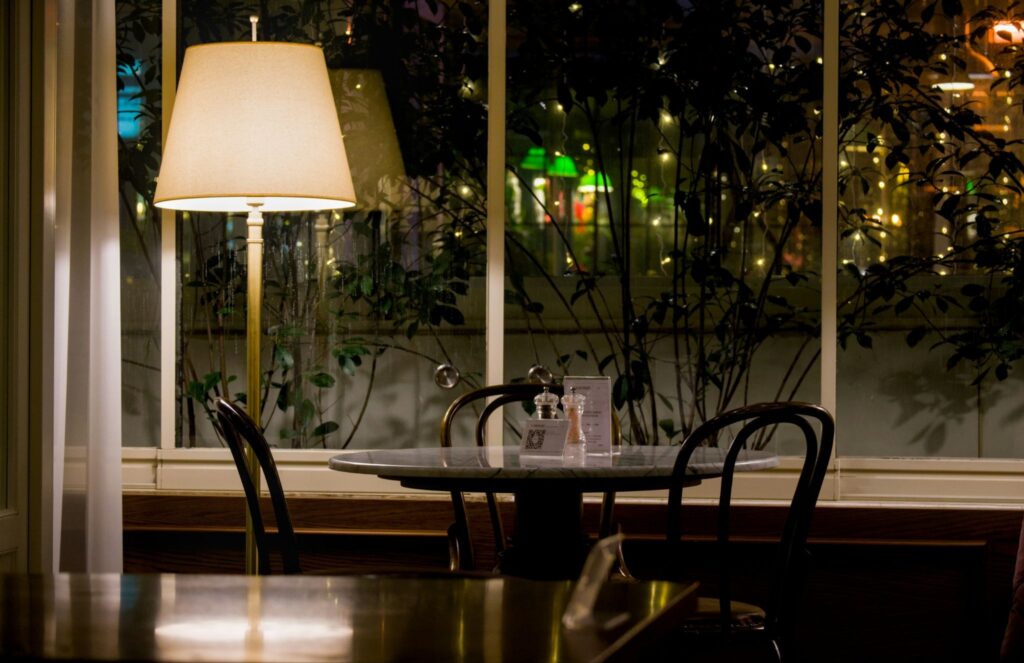
Restaurant storefront security glazing refers to impact-resistant glazing materials, either glass or non-glass alternatives, installed in a restaurant's windows, doors, and other glass openings specifically to resist forced entry attempts and physical damage.
Unlike standard commercial tempered glass, which shatters under impact and can be cleared from a frame in seconds, security glazing is engineered to absorb and withstand repeated blows without breaking apart. It keeps the storefront intact even under sustained attack, buying time and, in most cases, deterring would-be intruders entirely.
One of the most practical benefits of modern security glazing is its flexibility of installation. It can be incorporated into new construction from the ground up, installed as a direct replacement for existing glass panels, or, perhaps most conveniently, retrofitted over existing glass using specially designed framing adapters.
These retrofittable systems hold the security glazing in place within or on top of the existing framing, meaning restaurants don't have to tear out their current storefront infrastructure to upgrade their glass protection. For businesses looking to improve security with minimal disruption and downtime, this is often the most attractive path.
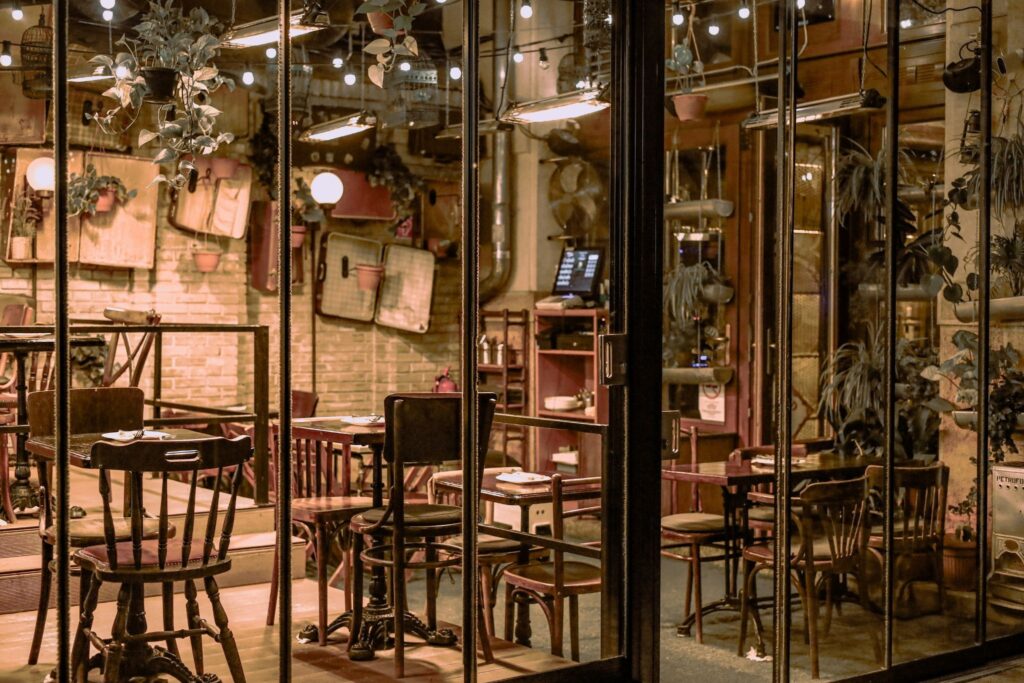
Security glazing isn't made from a single material. It's a glazing category that encompasses several different compositions, each with its own performance characteristics.
Depending on the manufacturer and the required security specifications, reinforced restaurant glazing products may be made from strengthened laminated glass, plastics such as acrylics or polycarbonates, or hybrid combinations of both. Glass-clad polycarbonate, for example, bonds a polycarbonate core to an outer glass layer, delivering exceptional impact resistance with an all-glass look and feel.
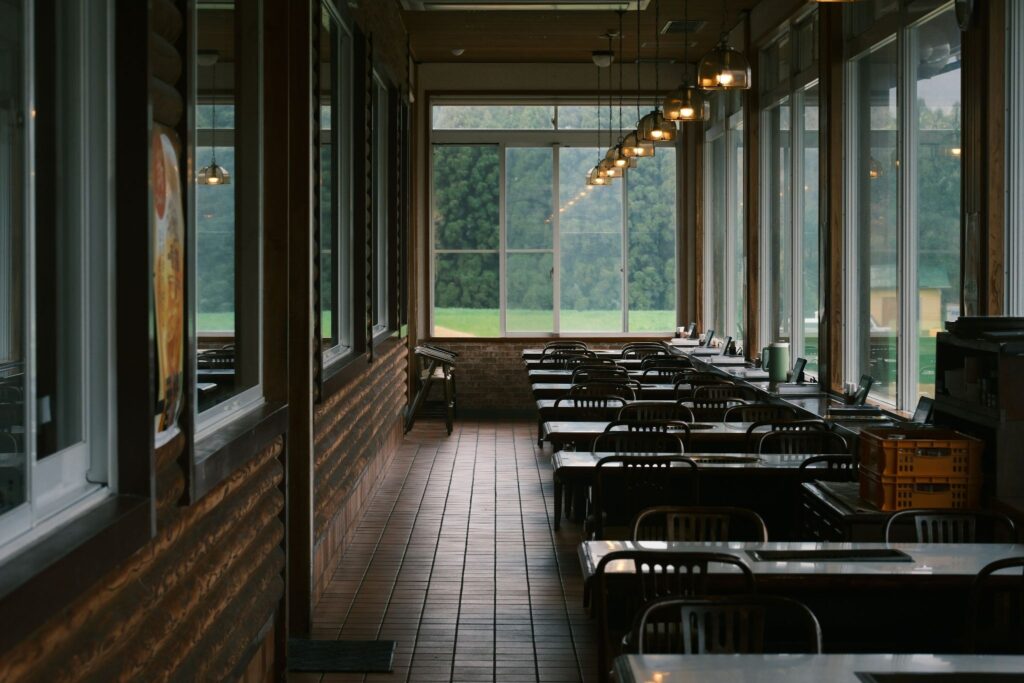
For most restaurant storefront applications, polycarbonate-based glazing stands out as the optimal solution. Polycarbonate is virtually unbreakable. It can withstand repeated hammer and bat strikes, as well as the prolonged attacks that can unfold during a smash-and-grab or riot scenario without cracking or shattering.
Critically for restaurant owners, polycarbonate looks and feels very much like standard storefront glass. It maintains the clean, transparent aesthetic that restaurants depend on to invite guests in and showcase their interior. There's no visual trade-off, no window bars, and no signal to customers that anything is different. The upgrade is essentially invisible.
The science behind restaurant security glazing comes down to its ability to absorb and disperse impact force rather than giving way to it.
Standard tempered glass is designed to shatter into small, relatively harmless pieces when struck hard enough. That's a useful safety feature in some contexts, but it's a major liability in a security context. A tempered glass storefront can be cleared in a few swift strikes. Annealed glass is even worse, breaking into large, jagged shards that create an immediate opening.
Security glazing behaves entirely differently. When struck, it flexes and absorbs the energy of the impact, spreading the force across the panel rather than concentrating it at a fracture point. Even under sustained attack, the glazing holds, maintaining the building envelope and denying entry to anyone trying to get through.
For restaurants that opt for a retrofit solution, or installing security glazing in front of existing glass rather than replacing it, the protection extends to the glass behind it as well. Because the polycarbonate layer absorbs impacts before they can transfer to the underlying pane, the existing glass stays intact. That means no glass cleanup, no emergency board-up calls, and no expensive storefront repairs after an incident.
This is a huge operational benefit for restaurants. Even when an attempted break-in or act of vandalism occurs, a retrofitted storefront can often be left in service the next morning without any intervention at all.
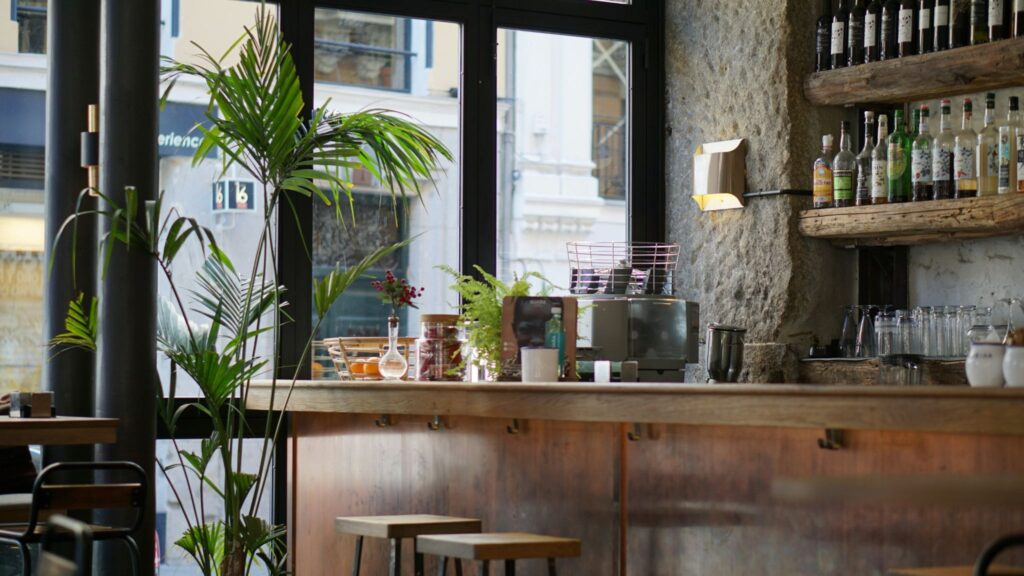
The question for most restaurant owners isn't whether a security incident could happen. It's when.
Reinforcing your storefront glass with security glazing is one of the most cost-effective ways to protect your business, your assets, and your ability to keep operating after an attempted break-in, a riot, or a severe storm.
Riot Glass specializes in security glazing solutions designed specifically for commercial storefronts, including restaurants, bars, and food service chains. Whether you're building new, replacing glass, or looking for a retrofit solution that works with your existing framing, Riot Glass has the products and expertise to help.
Contact Riot Glass today to discuss your restaurant storefront security needs and find the right solution for your location.
When most people think about data center security, their minds go straight to firewalls, encryption, and multi-factor authentication. But protecting the sensitive data stored inside these facilities isn't purely a digital challenge. It's a physical one, too.
A sophisticated cyberattack can be thwarted by the best digital defenses in the world, yet all of that effort becomes meaningless if a bad actor can simply walk through a glass door. Physical security and cybersecurity are two sides of the same coin, and a truly robust data center breach prevention strategy depends on both working together seamlessly.
Data centers are the backbone of the modern digital economy. These facilities house the servers, networking equipment, and storage systems that power everything from cloud computing platforms and financial institutions to healthcare networks and government agencies. The data they hold, proprietary business information, personal customer records, classified communications, represents an extraordinarily high-value target for cybercriminals, corporate spies, and other malicious actors.
Enter data center breach prevention. This term refers to the full range of measures put in place to stop unauthorized access to that data, whether through digital intrusion or physical infiltration. While cybersecurity protocols protect against remote attacks, physical security measures guard data centers against threats that arrive in person: intruders attempting to steal hardware, sabotage equipment, or gain proximity to systems that would otherwise be digitally unreachable.
In short, without a strong physical security layer, even the most hardened digital defenses can be bypassed entirely.
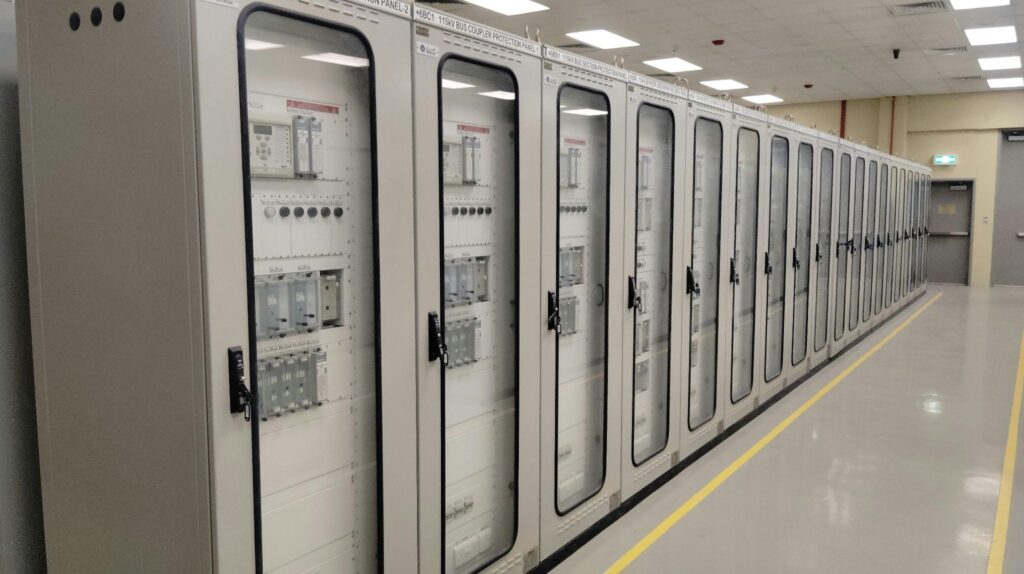
Glass is any facility’s biggest architectural vulnerability. However, when properly selected and installed, security glazing turns that vulnerability into a robust physical barrier.
Data centers don’t typically feature many exterior-facing windows. There’s simply no operational reason for them. However, glass entryways are common, and they represent one of the most accessible points for forced entry attempts.
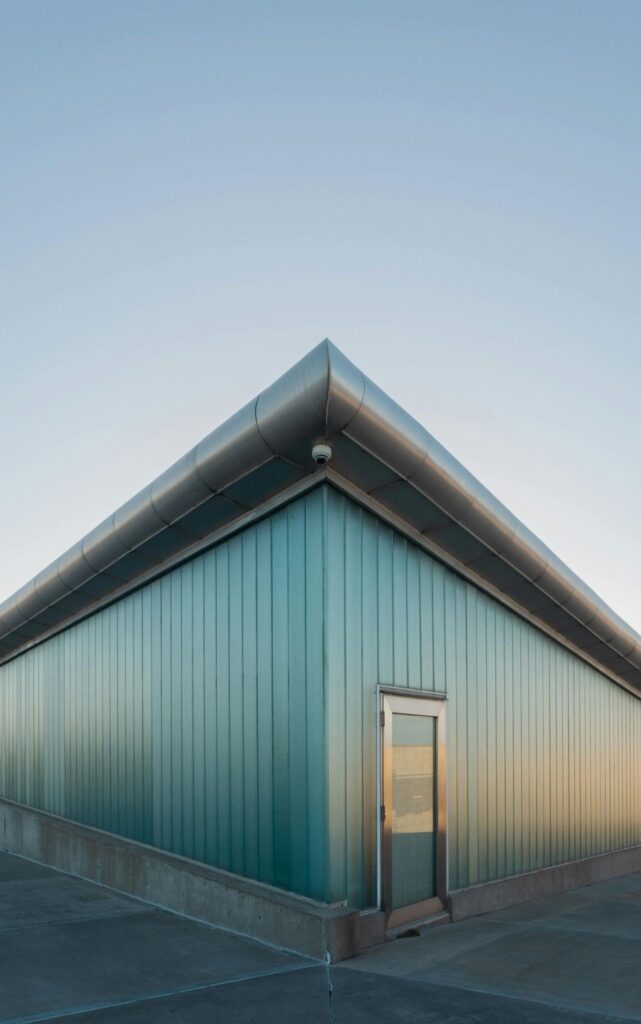
Standard commercial glass can be shattered in seconds, giving an intruder rapid access. Forced-entry-resistant and ballistic-grade (bullet-resistant) security glazing, on the other hand, is engineered to absorb and deflect significant impacts. This dramatically slows or stops intrusion attempts altogether.
Upgrading the glass in front entry doors and any other exterior glass panels is a foundational step in hardening a data center’s perimeter to prevent breaches.
Many modern data centers incorporate glass partitions and interior glass doors between zones, around server rooms, network operations centers, or between secure and general access areas.
This architectural choice provides valuable sightlines and visibility across the facility, making it easier for staff and surveillance systems to monitor activity. However, standard glass in these applications introduces interior data center breach risks that are just as serious as exterior vulnerabilities.
Any interior glass that separates secure areas from less restricted ones should be reinforced with forced-entry-resistant security glazing. This ensures that visibility can be maintained without compromising the integrity of physical access control between zones. If a perimeter is breached, reinforced interior glazing provides critical secondary containment that can prevent a threat from reaching the most sensitive areas of the facility.

The value of security glazing for data centers extends well beyond stopping deliberate attacks. Data centers located in regions prone to severe weather can benefit from the storm damage resistance that security glazing provides, helping protect the facility from wind-driven debris that could otherwise damage or compromise the building perimeter.
In environments where blast risks are a concern, such as facilities near industrial zones or high-profile government installations, blast mitigation glazing can significantly reduce the potential for damage from a nearby explosion.
There’s also the potential for increased energy efficiency. Data centers already operate under large power demands, driven largely by the cooling systems required to manage server heat loads. Security glazing with enhanced thermal performance can reduce heat transfer through glass surfaces and improve insulation, contributing to improved energy efficiency and lower operating costs, a meaningful benefit for any facility looking to optimize its energy footprint without sacrificing security.
Security glazing is a critical layer in any data center breach prevention strategy. But it’s just that, a layer. A comprehensive strategy requires a multi-layered approach to data center security.
Here are some examples of different measures that work alongside security glazing to prevent data center breaches.
Controlling who can enter each area of a data center is fundamental. Biometric access systems offer the highest level of assurance since credentials cannot be shared, stolen, or duplicated the way a keycard or PIN can be.
A comprehensive camera network with 24/7 monitoring ensures that activity throughout the facility is recorded and reviewed in real time. AI-assisted video analytics can flag anomalous behavior automatically, enabling faster response to potential threats.
Motion detection systems in restricted areas provide an additional layer of alerting, particularly during off-hours when foot traffic should be minimal or nonexistent. Any unexpected movement triggers an immediate notification for investigation.
A mantrap, a controlled entry vestibule with two interlocking doors, prevents tailgating by ensuring that only one person can pass through at a time and that authentication is required at each stage. This is one of the most effective physical controls for preventing unauthorized personnel from piggybacking on legitimate access.
Human error and social engineering remain among the most common vectors for data center security breaches. Regular training that teaches staff to recognize suspicious behavior, challenge unfamiliar individuals, and follow proper access protocols ensures that people are an asset to security rather than a liability.
Even the best-secured facility needs a clear, rehearsed plan for when something goes wrong. Defined incident response protocols, covering everything from a suspected intrusion to a hardware theft, ensure that staff respond quickly, consistently, and effectively to minimize damage and preserve evidence.
Physical barriers around the facility's exterior, including reinforced fencing, vehicle barriers, and controlled parking, add a critical outer ring of protection that slows or deters would-be intruders before they ever reach the building itself.
Data centers sit at the intersection of the digital and physical worlds, and the security strategies that protect them must address both dimensions equally. From reinforced glass entryways to interior security glazing around server areas, the right data center glazing solutions eliminate vulnerabilities that standard construction materials simply cannot address.
Riot Glass specializes in security glazing solutions engineered to meet the unique demands of high-security environments. Whether you're hardening an existing facility or specifying glazing for a new build, our team can help you identify the right products for every data center breach prevention application.
Contact Riot Glass today to learn how our forced-entry-resistant and ballistic-grade security glazing can strengthen your data center's physical security from the outside in.