
High-profile executives, senior corporate leadership teams, and the employees who work alongside them are increasingly exposed to targeted threats that demand more than conventional security measures.
Access control systems, security personnel, and surveillance cameras remain important layers of protection, but they cannot stop a determined attacker from breaching a building or office space through its most vulnerable points: the glass.
Windows, glass doors, and glazed partitions make up a significant portion of most modern commercial office buildings. They create open, professional environments that employees and clients appreciate, but they also represent the path of least resistance for anyone intent on forced entry or an armed attack.
For organizations looking to provide genuine executive threat protection, upgrading the glazing throughout a facility is one of the most impactful and permanent investments available.
Riot Glass offers forced-entry-resistant and bullet-resistant security glazing solutions that can be retrofitted into existing commercial properties without requiring full window or door replacements.
Designed to protect executives, staff, and assets across a wide range of threat scenarios, these solutions bring a new standard of protection to the places where leadership teams frequently work.
In recent years, the threat environment surrounding corporate executives and high-profile organizations has grown more complex and more dangerous. Understanding the specific nature of these threats is essential for making informed decisions about building security.
Executives, board members, and senior leadership can become targets for a range of reasons, including corporate disputes, disgruntled former employees, activist hostility, or personal vendettas.
Unlike random criminal acts, targeted attacks are often planned in advance. Threat actors may surveil a building, identify weak points, and select entry routes that give them the greatest speed and element of surprise. Glass entryways, ground-floor office windows, and glazed conference rooms near the building perimeter are likely first targets for forced entry attempts in these scenarios.
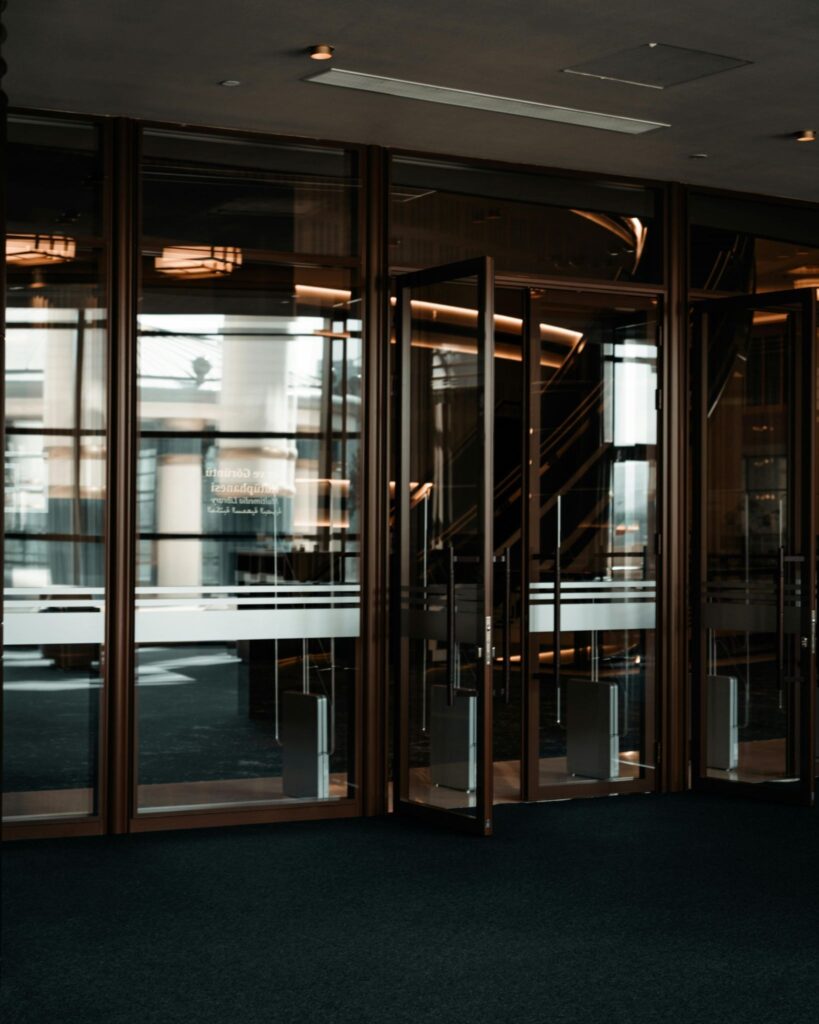
In a targeted attack, every second matters. Standard annealed or tempered glass offers virtually no resistance to forced entry. It can be breached in a matter of seconds with basic tools, thrown objects, or ballistics. Security glazing that delays or defeats forced entry buys critical time for executives to reach safe rooms, for staff to initiate lockdown procedures, and for law enforcement to respond.
Active shooter incidents at corporate facilities, while statistically less common than other forms of workplace violence, carry catastrophic consequences. The FBI and other law enforcement agencies have documented a steady rise in workplace active shooter events over the past decade, with office buildings and corporate campuses among the affected environments.
In these scenarios, bullet-resistant glazing becomes a direct life-safety measure. Glass that can withstand one or more rounds from common firearms, whether handguns or assault rifles, creates physical barriers that can stop an attacker, redirect their path through a building, and protect occupants sheltering in place behind glazed walls, doors, and partitions.
For executives and leadership teams who occupy identifiable offices or conference rooms, implementing this level of executive threat protection can mean the difference between survival and tragedy.
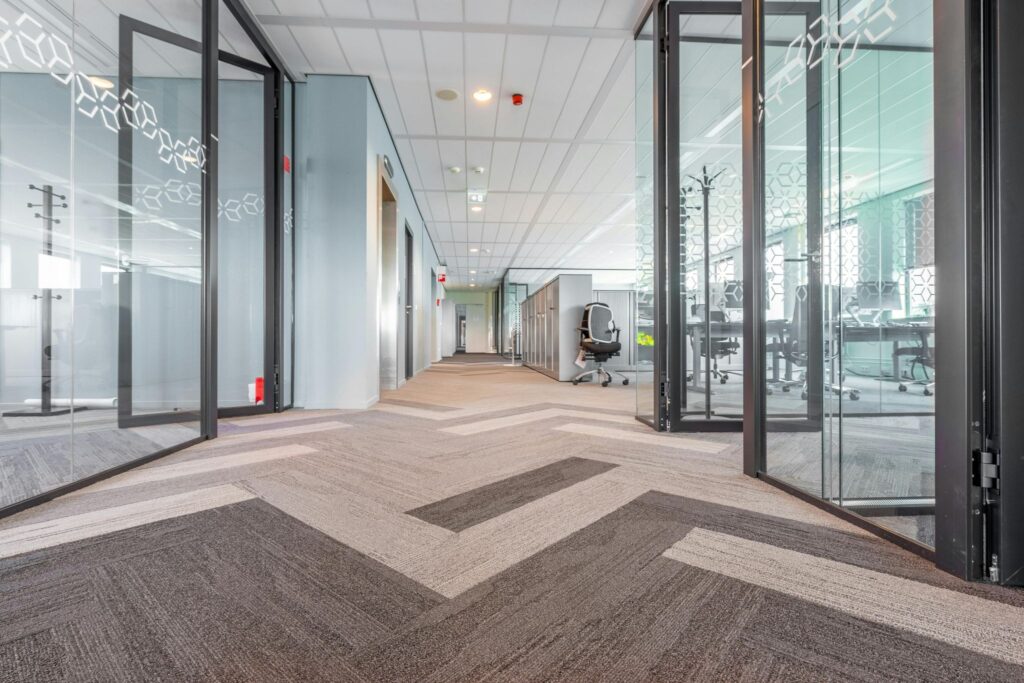
It’s also important to recognize that targeted attacks and broader active shooter events are not always separate threat categories. A targeted attack on an executive can escalate into a broader active threat scenario. A disgruntled employee or external actor may arrive at a facility intending to confront a specific individual but ultimately threaten anyone in their path.
Comprehensive security glazing that protects the entire facility, not just a single office, provides protection for everyone while ensuring that critical executive areas receive the highest level of ballistic and forced entry resistance available.
One of the defining advantages of Riot Glass products is their versatility. Whether a building was constructed decades ago or is a recently completed commercial development, security glazing can typically be retrofitted into existing windows, doors, and other glazing assemblies throughout the property.
The following are some examples of key areas where Riot Glass solutions deliver executive threat protection in commercial office environments.
No matter what type of facility it is, the building perimeter is the first line of defense. Lobby entrances, glass vestibules, and ground-floor exterior windows are the primary access points for any forced entry attempt.
Riot Glass polycarbonate and glass-clad polycarbonate (GCP) laminates can be applied to existing glazing or installed as replacement panels in existing frames, creating entry points that resist blunt force attacks, smash-and-grab breaches, and ballistic threats, depending on the protection level selected.
Hardening the building envelope means that even if a threat actor approaches with intent, they face a delay to entry that standard glass would never provide. That delay activates the entire security response chain.
Conference rooms are among the most exposed spaces in any executive environment. Glass walls and doors create a sense of openness and collaboration, but they also put executives and leadership teams on full visual and physical display during meetings.
Retrofitting these glazed surfaces with forced-entry-resistant or ballistic-grade Riot Glass panels maintains the aesthetic and functional benefits of the open design while adding a critical protective layer.
In a lockdown scenario, a conference room reinforced with security glazing becomes a defensible space rather than a liability.
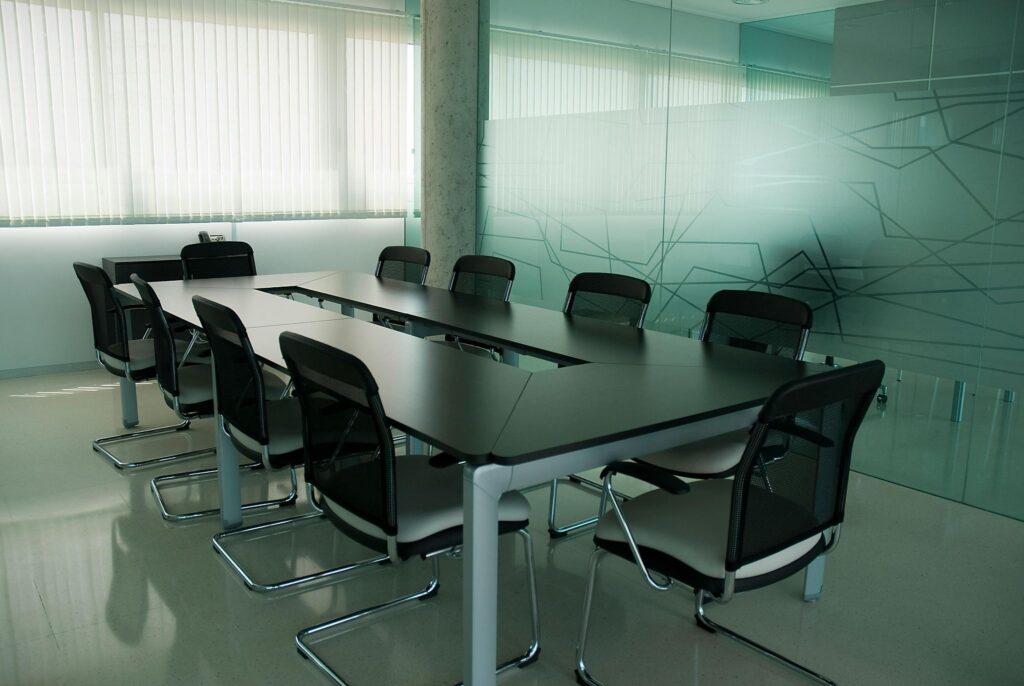
The private offices of C-suite executives and other high-value targets within an organization require the highest level of protection available.
Glass doors and glazing panels leading into executive offices can be upgraded with ballistic-rated glass-clad polycarbonate, providing different levels of protection against ballistic attacks depending on the UL 752 rating. Even if penetrated, the glazing remains a barrier to entry, providing access denial that keeps attackers on the other side of the glazing.
These upgrades are discreet and maintain the professional appearance of executive suites while drastically changing their protective capability.
Many commercial office buildings use glass partitions and internal glass doors to divide floors into sections, departments, or wings. These internal barriers are often overlooked in security planning, yet they represent critical chokepoints in any active threat scenario.
Upgrading internal glazing with forced-entry-resistant security glass creates compartmentalization throughout the building. If a threat actor breaches the perimeter, internal Riot Glass barriers slow their movement, limit their access to executive areas, and provide additional time for evacuation or law enforcement response.
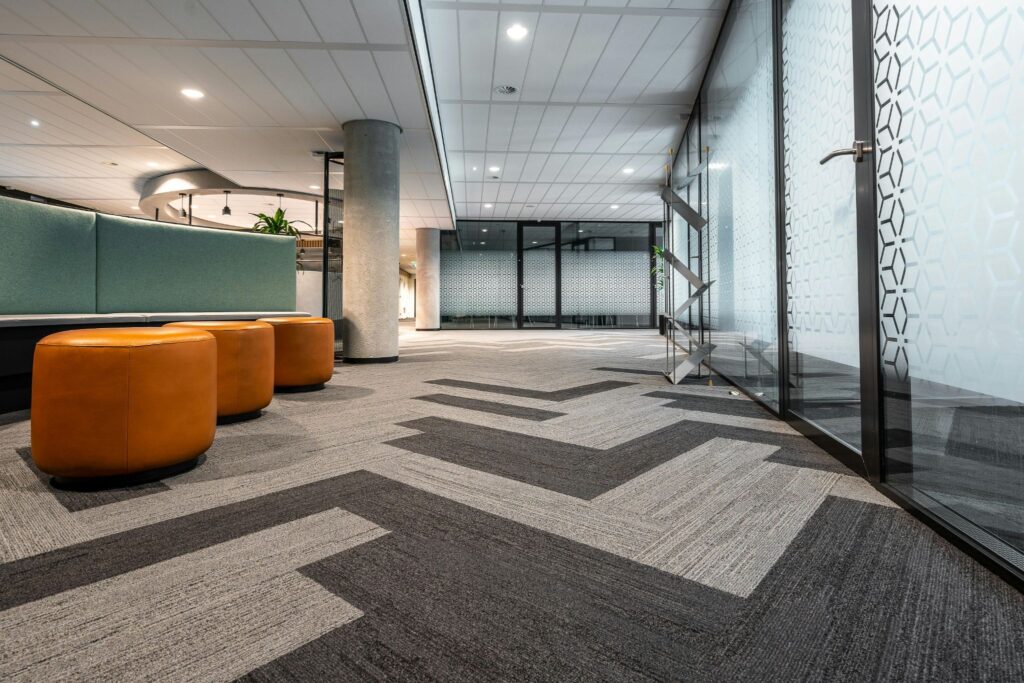
A common concern among facility managers and security directors is the disruption and expense associated with major structural upgrades.
The Riot Glass retrofit approach allows polycarbonate and glass-clad polycarbonate security glazing to be installed into existing window and door frames throughout a commercial property — no demolition, no reconstruction, and minimal disruption to daily operations. This makes it practical to implement executive threat protection at scale, across an entire building or campus, within a realistic budget and timeline.
Protection levels can also be customized by zone, with higher ballistic ratings applied to executive areas and forced entry resistance prioritized at the building perimeter.
Organizations that take executive protection seriously understand that physical security infrastructure is a foundational investment, not an optional upgrade.
Security glazing that resists forced entry and ballistic threats does not expire, does not require monthly fees, and does not fail due to human error. It is always in place, always performing, and always buying the time that saves lives.
Riot Glass security glazing solutions bring a high level of executive threat protection to commercial office buildings of every type, helping organizations protect their leadership, their people, and their operations against real-world threats. Contact us today for a free consultation.
Smash-and-grab theft is not restricted to opportunistic crimes committed by lone individuals. It has become an increasingly coordinated threat, with organized groups executing rapid, large-scale smash-and-grabs, even in broad daylight.
In the post-Covid years, waves of organized smash-and-grabs swept through many major U.S. cities, with crews of up to 80 people looting luxury retailers like Louis Vuitton and Nordstrom in coordinated, rapid-fire smash-and-grab attacks that became known as “flash robs.” Jewelry stores, cannabis dispensaries, and sneaker boutiques have faced similar incidents across the country, with thieves using sledgehammers or vehicles to breach storefronts in seconds.
This means that smash-and-grab-resistant glass has become a necessity for most businesses, whether they’ve already been repeatedly targeted by thieves or simply want to take proactive steps to prevent the first smash-and-grab attempt before it has a chance to succeed.
Criminals today are more organized and less deterred by conventional security measures. Coordinated crews can clear businesses in under a minute and disappear before law enforcement arrives, making physical barriers one of the most effective tools a business can deploy against targeted smash-and-grabs.
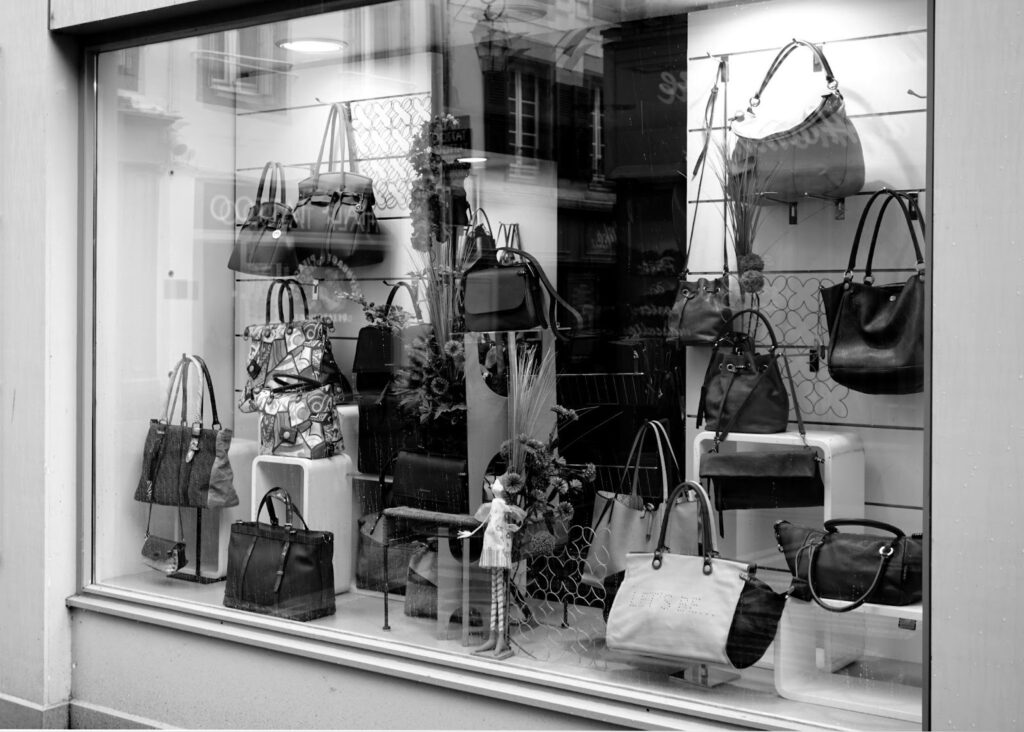
Civil unrest presents a separate but equally serious threat. When protests escalate into rioting, retail businesses are frequently targeted by mobs of looters. Reinforced glazing can be the difference between a secure storefront and a total loss.
Key threat scenarios that smash-and-grab-resistant glass addresses:
Standard commercial glass, even tempered or basic laminated glass, can be compromised quickly (read: in a matter of seconds) using repeated blunt-force strikes, especially if multiple individuals are involved in the attack.
Smash-and-grab-resistant glazing, on the other hand, is engineered to withstand sustained, multi-person forced entry attacks, forcing thieves to abandon the attempt rather than allowing them to gain entry.
The most effective smash-and-grab-resistant glass protection solutions are not actually glass at all. They’re polycarbonate-based. Riot Glass AP-Series polycarbonate security glazing, for example, is virtually unbreakable under typical forced entry conditions. Hammers, bats, and pry bars fail to penetrate the material, and the panel absorbs and distributes impact energy without shattering.
The reason polycarbonate outperforms tempered or laminated glass comes down to material behavior under impact. Standard glass fractures. It absorbs energy only until it reaches its breaking point, then begins to crack and spall until total failure. Polycarbonate flexes. It distributes and absorbs impact energy across the panel rather than concentrating stress at a single point, which is why repeated strikes from heavy tools still fail to breach it.
Most smash-and-grab attempts are over within 60 seconds. If thieves cannot breach the barrier in that window, they typically flee. The merchandise stays protected, and the business avoids the chaos of a completed break-in.
There's an operational benefit beyond security, too. Even if an AP-Series panel sustains surface marring from a failed forced entry attempt, it remains structurally intact. A business can schedule individual panel replacement at its convenience, rather than dealing with emergency glass cleanup and same-day repair crews.
The building's exterior is the first line of defense. Upgrading storefront glazing with polycarbonate-based security panels turns vulnerable windows and doors into smash-and-grab-proof barriers, significantly delaying and deterring would-be thieves before they ever set foot inside.
For many smash-and-grab crews, encountering a reinforced storefront that resists initial impact is enough to send them elsewhere, but even stubborn criminals won’t get past something as strong as AP-Series glazing using common burglary tools.
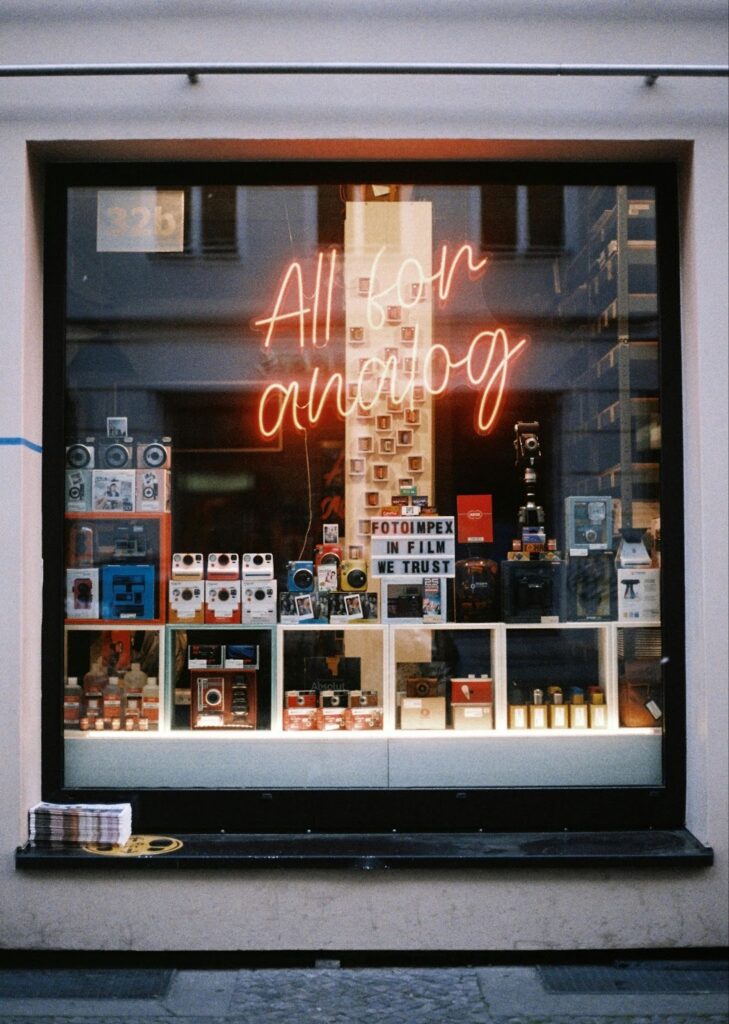
For most retail and commercial applications, Riot Glass AP-Series AP25 is the recommended solution. It delivers containment-grade, or non-ballistic, forced entry protection to stop smash-and-grab attempts and foil prolonged break-in attempts.
AP25 panels are engineered to hold through sustained attacks well beyond the 60-second window most smash-and-grab crews will tolerate before abandoning the attempt.
Additionally, AP25 is a fully retrofittable solution, designed to integrate seamlessly with standard storefront window and door framing systems using retrofittable framing adapters.
Businesses operating in high-crime areas or higher-risk industries, such as cannabis dispensaries or jewelry retailers, may require an elevated level of protection.
Riot Glass ballistic-grade glazing provides the same or greater forced entry resistance as AP25 while also protecting against firearm attacks. This provides extra security during armed robbery scenarios or other violent attacks, where employees face direct physical danger in addition to merchandise loss.
For businesses that need to plan for looting scenarios, Riot Glass offers ASTM F3038-certified glazing, the same protection standard used by government buildings to withstand prolonged, mob-style forced entry attempts.
This certification reflects real-world riot conditions: sustained, high-force attacks by multiple individuals over an extended period. For businesses in areas prone to civil unrest, or those that have been targeted before, this level of glazing provides reliable physical protection and the peace of mind that comes along with it.
Summary of recommended Riot Glass smash-and-grab-resistant glass protection levels:
Choosing the right security glazing to mitigate the risks of smash-and-grab theft depends on your industry, location, existing framing and glazing, and the specific threats your business faces.
Riot Glass works with business owners, security consultants, and glazing contractors to identify the right solution for each application.
Contact our expert team today to discuss your security requirements and get a recommendation tailored to your storefront.
Specialty retailers often invest heavily in custom glass retail display cases for jewelry, luxury goods, electronics, collectibles, cannabis, and other merchandise that’s vulnerable to theft, yet needs to be on display. However, the standard glass used in many showcases is incredibly fragile, making it highly vulnerable to smash-and-grab theft.
That’s where polycarbonate-based security glazing comes in, offering a virtually unbreakable alternative to traditional display case glass that still maintains full visibility, yet withstands smash-and-grabs better than any other material.
Smash-and-grab theft has become an escalating crisis for specialty retailers across the United States, Canada, and elsewhere. Organized retail crime groups have become more sophisticated, coordinated, and brazen, and display cases filled with high-value, compact, and easy-to-resell merchandise are among their favorite targets.
The speed of the average smash-and-grab (about one minute) means that even a few seconds of vulnerability can result in thousands of dollars in losses, not to mention the disruption to business and potential for reputational damage.
Removing those seconds of vulnerability by reinforcing the glazing in display cases is one of the most direct, proactive, and cost-effective steps retailers can take to reduce the risk of smash-and-grabs.
There are a few key reasons to use this non-glass glazing material when customizing your retail display cases:
Unlike glass, even strengthened tempered glass, polycarbonate-based security glazing simply won’t shatter under impact. This makes it virtually unbreakable using common forced entry and smash-and-grab methods, including sledgehammer strikes.
Even though it’s not glass and doesn’t contain any glass at all, polycarbonate security glazing is designed to look and feel as close to traditional glass as possible, so it doesn’t compromise product presentation. Specialized coatings increase its scratch resistance and give it an even more glass-like surface hardness.
Abrasion- and UV-resistant coatings, combined with its incredible impact resistance, ensure your custom display cases have a long service life. Even if there’s a smash-and-grab attempt, the glazing doesn’t shatter. If there’s any surface-level marring, it’s much more cost-effective to replace a single panel of security glazing than an entire custom glass retail display case.
Polycarbonate is significantly lighter than glass, making it an advantageous choice for large freestanding or modular display units. This also means it’s highly flexible in terms of potential applications, and can be used to fabricate new custom display cases, replace existing display case glass, or even be retrofitted right on top of existing glass.
Any retailer who displays high-value merchandise in a showcase is a potential candidate for polycarbonate security glazing. However, there are several types of high-risk businesses where it's an especially smart investment.
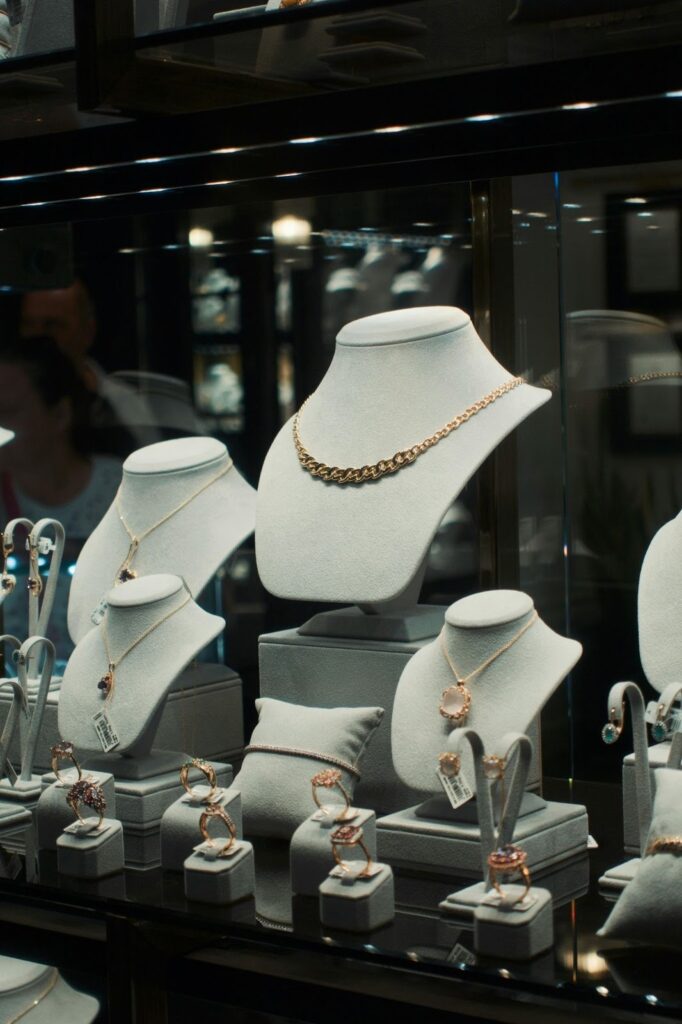
High-value, compact items in highly visible, accessible glass display cases make jewelry retailers one of the most frequent smash-and-grab targets. Polycarbonate glazing eliminates the risk of a shattered case leading to an instant loss of merchandise worth thousands of dollars.
Like jewelry, cannabis products are high-value, easy to transport and resell, and frequently displayed in glass showcases. Polycarbonate panels protect cannabis products and ensure compliance with dispensary security requirements.
Compact, high-resale-value tech items like smartphones, tablets, and accessories are prime smash-and-grab targets. Reinforced custom glass retail display cases significantly raise the effort required for theft, foiling and deterring attempts.
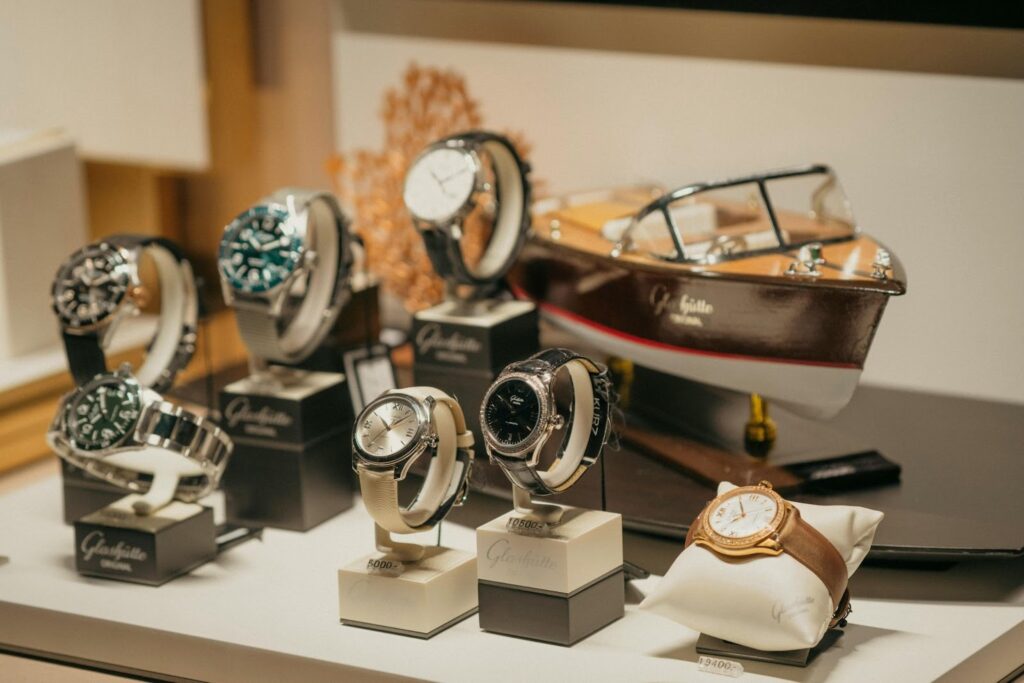
Watches, handbags, fashion sneakers, and other luxury items command premium pricing that makes even a single theft event costly. Polycarbonate glazing protects the investment without diminishing the premium shopping experience.
For collections of irreplaceable artifacts or art, polycarbonate offers the combination of optical clarity and impact resistance needed to protect items that can't simply be replaced or reimbursed by insurance.
Rare, authenticated collectible items, from trading cards to memorabilia, often have significant monetary and sentimental value, making secure custom display cases a logical priority for shops that deal in these types of goods.
For most custom retail display case applications, containment-grade (non-ballistic) AP-Series AP25 is the ideal starting point. It's the entry-level product in the AP-Series lineup, offering virtually unbreakable forced-entry resistance in a thin, lightweight panel that's easy to work with for display case fabrication and retrofits.
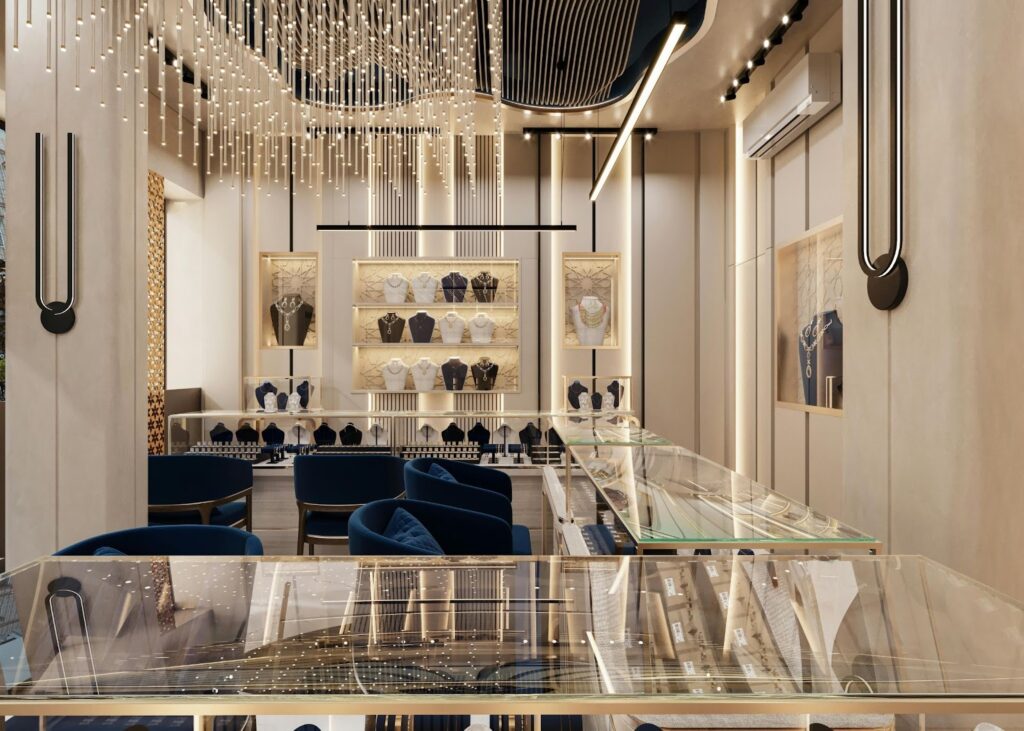
For retailers in higher-risk environments or those storing particularly high-value merchandise, thicker AP-Series options like the AP75 provide even greater impact resistance to meet more demanding security requirements.
AP75 has passed the ASTM F3038 forced entry test for prolonged, mob-style attacks, making it even more secure against organized smash-and-grabs or looting attempts. Additionally, it provides UL 752 Level 1 ballistic resistance to 9mm handgun rounds.
All AP-Series products feature abrasion- and UV-resistant coatings, maintaining optical clarity and resisting yellowing or hazing over the life of the product.
One of the biggest advantages of AP-Series polycarbonate glazing is that you don't necessarily need to invest in entirely new display cases to benefit from it.
The panels can often be used to replace the glass in an existing showcase, or even retrofitted directly on top of it, the same approach Riot Glass uses to secure storefront windows and doors without requiring full frame replacement. This makes it a highly cost-effective security upgrade, especially for retailers who have already invested in custom glass retail display cases or branded display fixtures they don't want to replace.
Riot Glass AP-Series polycarbonate security glazing is available to retailers, contractors, and display case fabricators who want to build or upgrade showcases with the highest level of smash-and-grab protection available.
To discuss your specific display case dimensions, security requirements, and the right AP-Series product for your application, contact a Riot Glass retail glazing security specialist today.
If you own a retail business with glass entryway doors, these are both one of your most valuable aesthetic assets and one of your most vulnerable security liabilities.
A well-designed retail store glass door draws customers in, floods your space with natural light, and puts your products on display for the world to see. Yet that same transparency and accessibility make it a prime target for forced entry, including smash-and-grab burglaries and mob-style looting events.
The good news is that you don’t have to choose between a beautiful, functional storefront and a secure one. With the right retail security glass solutions, you can turn almost any glass storefront door into an anti-theft barrier, without significantly altering its appearance, blocking out natural light, or reducing visibility.
Before diving into threats and solutions, it's worth acknowledging why glass doors are so popular in retail environments in the first place.
Your storefront is your first impression. A sleek, modern commercial glass entryway door communicates professionalism and openness, confidently inviting customers inside.
For luxury goods retailers, including high-end fashion boutiques, electronics stores, and jewelry shops, the humble retail store glass door is a core part of the brand experience. Swapping it out for a solid steel security door or covering it up with unsightly bars would drastically change how customers perceive your business.
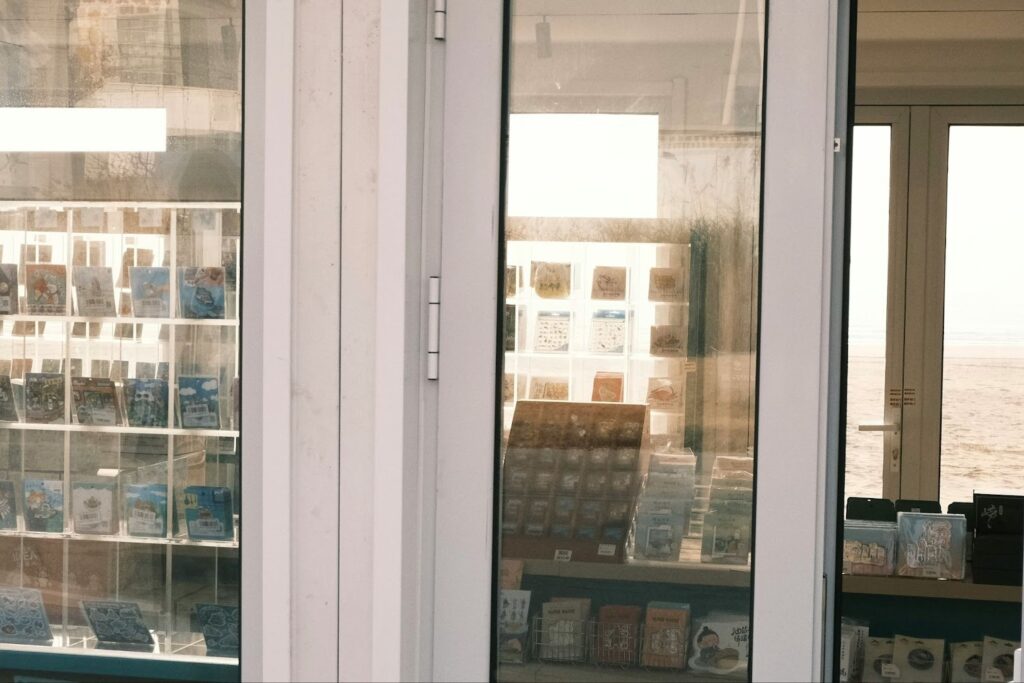
Glass doors allow natural light to penetrate deep into your retail floor, reducing the need for artificial lighting during daytime hours.
This isn't just good for your energy bill. Studies consistently show that naturally lit retail environments improve customer mood, dwell time, and purchasing behavior. In this context, a retail store glass door is, in many ways, a passive sales tool.
Storefront window and door visibility is a cornerstone of retail merchandising. Whether you're displaying seasonal promotions, featured products, or simply letting passersby see an inviting and active store interior, a glass storefront door gives you a transparent canvas that solid alternatives simply can't match. It also allows your staff to more easily monitor the sidewalk and parking lot, which has its own safety and security benefits.
Despite all of these benefits, standard retail store glass doors have a serious and well-documented vulnerability: they are extremely easy to break.
Standard commercial glass, even tempered safety glass (the most common type used in retail door applications), shatters quickly and completely under a single hard blow. A hammer, a spark plug, or a brick can breach a standard glass door in seconds. When that door is the only thing standing between criminals and thousands of dollars in merchandise, that vulnerability becomes a major business risk.
Smash-and-grab and crash-and-grab burglaries have surged dramatically in recent years, hitting retailers of all sizes across the country.
In a smash-and-grab, a team of thieves, sometimes numbering in the dozens, targets a retail store’s glass door or display window, shatters it in seconds, and floods the store to grab merchandise before law enforcement can respond. The entire incident often lasts less than 60 seconds.
Crash-and-grab incidents go even further, with criminals using stolen vehicles to ram directly through storefront glass doors and windows. High-end jewelry stores, electronics retailers, sneaker boutiques, and cannabis dispensaries have all been targeted repeatedly using this method.
Regardless of method, the financial losses from a single incident can reach into the hundreds of thousands of dollars, and that's before accounting for the cost of emergency glass replacement, cleanup, and lost business days.
Beyond targeted burglaries, retailers also face the threat of opportunistic looting during periods of civil unrest. A retail store’s glass door offers virtually no resistance to a crowd of individuals armed with bricks, tools, or other blunt objects.
During a riot event, multiple storefronts on a single block can be breached and cleared out in a matter of minutes. For business owners, this represents a catastrophic and largely uninsured loss scenario.
Standard security measures like security cameras and alarm systems offer some deterrence, but they do little to physically stop a determined group once they've decided to act. The door itself needs to be part of the security solution.
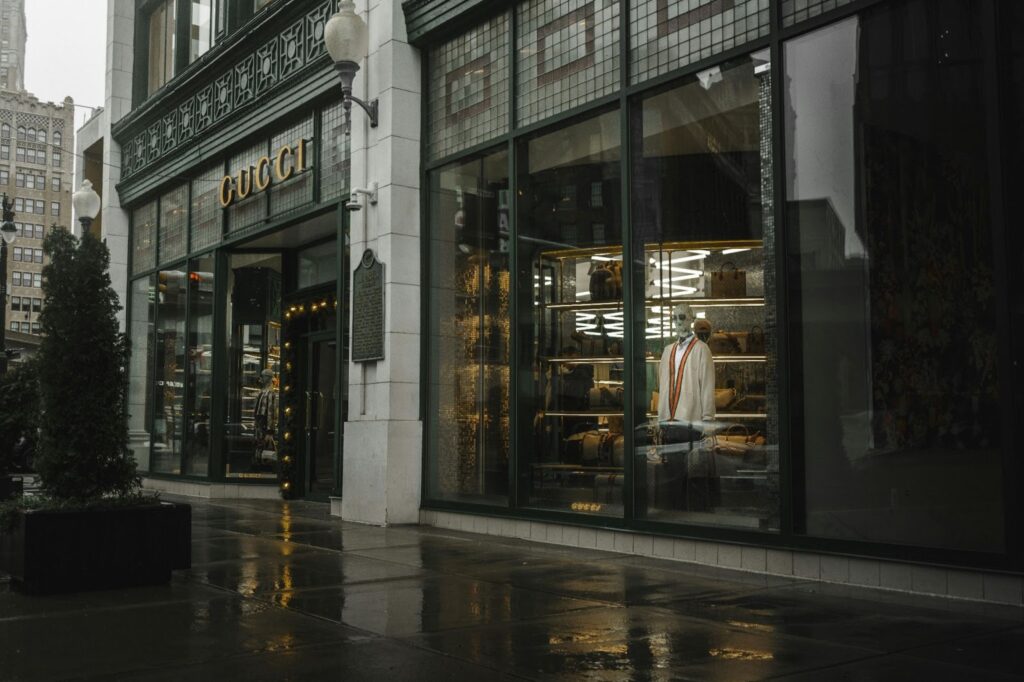
Riot Glass specializes in solving exactly this problem: making existing glass storefronts dramatically more resistant to forced entry without requiring a complete architectural overhaul or sacrificing the visual qualities that make glass doors so valuable in the first place.
There are two recommended approaches you can take, depending on your security goals, budget, and existing door configuration.
For retailers who want to significantly upgrade the security of their existing retail store glass door without replacing the entire unit, Riot Glass offers its AP-Series forced-entry-resistant glazing.
These panels are designed to retrofit directly over your current glass using specialized framing adapters, turning a standard commercial glass door into a hardened barrier against impact and forced entry.
AP-Series AP25 is the recommended starting point for most retail applications. This is a single-ply (one layer), optically clear panel that looks virtually identical to standard glass but is made from specific composition of polycarbonate, engineered to absorb and redistribute impact energy.
This containment-grade (non-ballistic) solution holds together under repeated blows that would instantly shatter a conventional glass door. Where standard tempered glass fails on the first strike, AP25 glazing keeps the door intact , buying critical time, defeating smash-and-grab attempts that rely on speed, and deterring attackers who move on when a target doesn't yield quickly.
The retrofit approach is cost-effective, preserves your existing door frame and hardware, and can typically be completed outside of business hours to avoid business disruption.
For retailers who need a higher level of protection, or who are replacing an aging door anyway, Riot Glass offers a complete unbreakable door conversion kit that turns a standard storefront entryway into a virtually unbreakable secured entry point.
<iframe width="560" height="315" src="https://www.youtube.com/embed/vmag4D-uk9I?si=3R4CEeF1T1UbB5cd" title="YouTube video player" frameborder="0" allow="accelerometer; autoplay; clipboard-write; encrypted-media; gyroscope; picture-in-picture; web-share" referrerpolicy="strict-origin-when-cross-origin" allowfullscreen></iframe>
The conversion kit uses AP-Series AP75 infill panels, which represent a substantial step up in protection. AP75 meets UL 752 Level 1 ballistic resistance standards, meaning it provides protection against handgun fire in addition to forced entry resistance. For retailers in high-crime areas, or businesses that handle high-risk merchandise like jewelry, cannabis, or pharmaceuticals, this level of protection can offer additional peace of mind.
Additionally, AP75 passes the ASTM F 3038 timed forced entry attack test, a rigorous standard specifically designed to simulate mob-style attacks like those carried out by rioters and organized looting crews. This means your retail store’s glass door isn't just resistant to a single opportunistic blow; it's engineered to hold up against sustained, coordinated assault by multiple attackers using hand tools and readily available blunt objects.
Despite all of this, AP75 maintains high optical clarity and a standard storefront glass appearance. From a customer's perspective, it looks like a regular glass entryway door, meaning the visual identity of your storefront remains fully intact.
| Feature | AP25 Retrofit Glazing | AP75 Door Conversion Kit |
| Installation Type | Retrofit over existing glass | Full door replacement |
| Disruption to Business | Minimal | Moderate |
| Forced Entry Resistance | ✅ Yes | ✅ Yes |
| ASTM F 3038 (Mob Attack Test) | ❌ No | ✅ Yes |
| Ballistic Protection | ❌ No | ✅ UL 752 Level 1 |
| Preserves Existing Frame | ✅ Yes | ❌ No |
| Optical Clarity | ✅ High | ✅ High |
| Best For | Budget-conscious upgrades | Maximum protection needs |
| Smash-and-Grab Deterrence | ✅ Strong | ✅ Maximum |
| Riot/Looting Protection | ✅ Good | ✅ Certified |
Your retail store’s glass door doesn't have to be a liability. The same opening that draws customers in, showcases your merchandise, and fills your space with natural light can also be one of the most secure points in your building, if it's built or retrofitted with the right glazing.
Whether you retrofit your existing door with AP25 panels using Riot Glass's framing adapter system, or go all-in with a door conversion kit featuring AP75 ballistic- and forced-entry-resistant infills, you're investing in protection that addresses the real-world threats modern retailers face, from organized smash-and-grab crews to mobs of looters.
Contact Riot Glass today to find out which solution is right for your storefront.