
Written By: Brad Campbell | December 2, 2025
Active threats, burglary, smash-and-grab theft, rioting and looting — these are all very real threats to commercial properties and the people inside them.
Whether it’s after-hours burglary or a brazen daytime smash-and-grab theft targeting a high-end retail store, or an active threat scenario at a school or government building, hardening your building’s vulnerable glass doors and windows is one of the most effective ways to mitigate risks.
Polycarbonate security glazing systems offer a cost-effective solution that can often be retrofitted right over existing doors and windows, negating the need for full glass replacement and securing buildings in a fraction of the time.
There are generally two types of polycarbonate-based security glazing:
While both types of polycarbonate security glazing can be used for similar applications, there are some key differences to understand.
Polycarbonate security glazing is composed primarily of polycarbonate plastic, a non-glass glazing material that can be made to look and feel very much like traditional commercial window and door glass, but contains no glass itself. The reason for bypassing glass altogether is to create an incredibly light, yet virtually unbreakable, type of security glazing that is highly retrofittable.
Traditional laminated security glass is much thicker and heavier than polycarbonate, making it more complex to retrofit into existing buildings. It may require removing and replacing the existing glass, and in some cases may require a full rebuild of the surrounding framing.
On the other hand, polycarbonate security glazing can typically be retrofitted into or onto existing window and door frames using specialized framing adapters, which hold the glazing securely in place. This protects the existing glass from impacts and breakage and, most importantly, makes forced entry incredibly difficult.
Now, you might be wondering just how strong is polycarbonate security glazing? You may be surprised to find out that polycarbonate on its own can actually achieve very high levels of ballistic resistance, meaning it can stop bullets. For example, Riot Glass AP-Series glazing comes in ballistic-grade models up to UL 752 Level 6, capable of stopping five shots of 9mm ammunition at increased velocity (e.g., an Uzi submachine gun attack).
Their unique properties and incredible resistance to both blunt-force and ballistic threats make full polycarbonate security glazing systems ideal for hardening windows and doors in everything from luxury boutiques to schools.
Glass-clad polycarbonate security glazing combines the flexibility and virtually unbreakable strength of polycarbonate with the hardness and bullet-resistance of laminated security glass.
What this typically looks like is an outer layer (attack side) made of strengthened, ballistic-grade security glass, and an inner layer (safe side) of polycarbonate, hence the name “glass-clad polycarbonate.” The two layers are bonded together to create a single, high-strength security glazing system.
Some building owners prefer GCP over full polycarbonate or glass because the attack side has the hardness and appearance of glass (it is glass, after all), while the safe side prevents spalling (pieces of glass flying inwards) in the event of an attack, since polycarbonate does not chip or shatter like glass when impacted or penetrated.
Like full polycarbonate systems, GCP security glazing can provide high levels of ballistic resistance. For instance, Riot Glass RG-Series glazing is available with up to a UL 752 Level 7 rating for 5.56mm M193 ball ballistic attacks.
| Feature | Full Polycarbonate Security Glazing | Glass-Clad Polycarbonate (GCP) Security Glazing |
| Primary Material | 100% polycarbonate or mix of polycarbonate and acrylic (no glass) | Laminated security glass bonded to polycarbonate |
| Weight | Very lightweight compared to glass | Heavier than full polycarbonate, lighter than all-glass ballistic systems |
| Breakage Behavior | Will not shatter, crack, or spall | Glass may fracture on impact; polycarbonate layer prevents spalling inward |
| Appearance | Can closely mimic standard glass | True glass appearance on the attack side |
| Impact Resistance | Extremely high resistance to blunt-force and forced-entry attacks | Very high resistance with added surface hardness from glass |
| Ballistic Capability | Available in ballistic-rated configurations (up to UL 752 Level 6) | Available in ballistic-rated configurations (up to UL 752 Level 7) |
| Retrofit Compatibility | Highly retrofittable over existing glass and frames | May require more robust framing solutions |
| Spall Protection | Inherent (no glass present) | Polycarbonate safe-side layer retains glass fragments |
| Maintenance Considerations | More resistant to repeated impacts; may show surface abrasion over time | Glass attack side resists scratching better than polycarbonate, but can spall |
| Ideal Use Cases | Retail storefronts, schools, government buildings, high-risk forced-entry environments | Applications requiring glass hardness, appearance, and ballistic protection |
Polycarbonate security glazing systems are used across a wide range of industries to protect people, assets, and critical infrastructure without sacrificing visibility or natural light. Their strength, versatility, and retrofit-friendly design make them well-suited for both new construction and existing buildings.
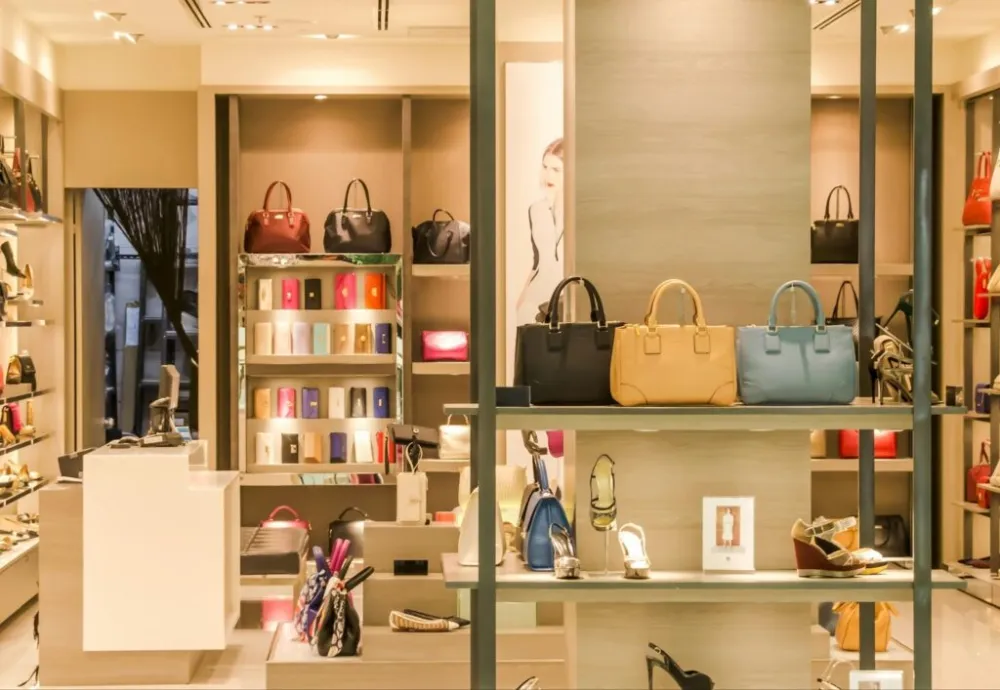
Retail environments are frequent targets for smash-and-grab theft, burglary, and civil unrest. Polycarbonate security glazing helps protect high-value merchandise by reinforcing storefront windows and doors against repeated impacts and forced entry attempts.
Because these systems maintain clear sightlines and can closely resemble traditional glass, they allow retailers to preserve curb appeal while significantly increasing security.
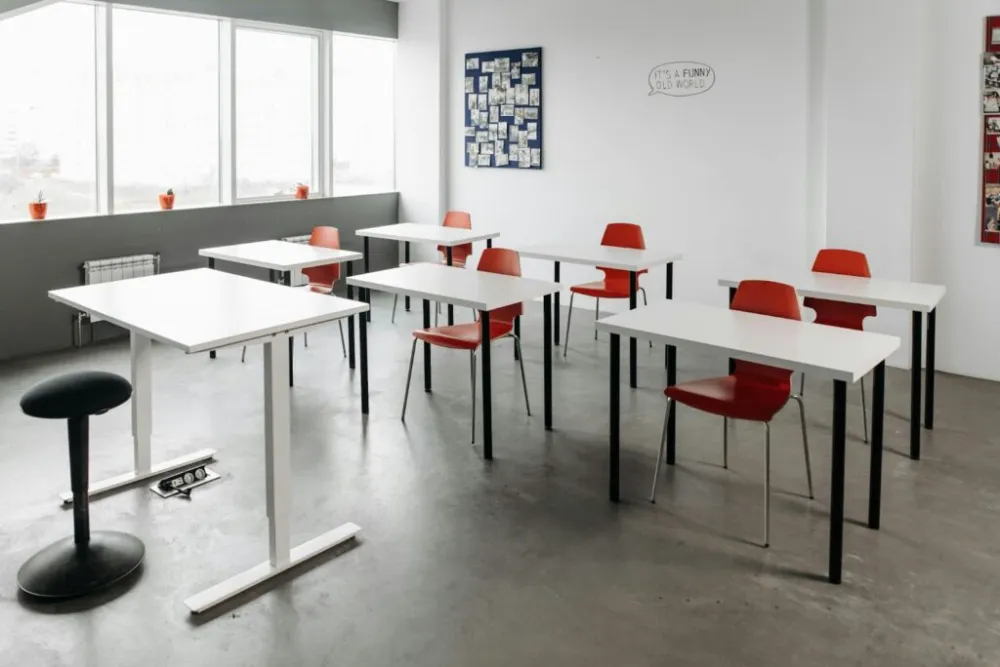
Schools require security solutions that protect students and staff while maintaining a welcoming environment.
Polycarbonate security glazing is commonly used to harden school entryways, classroom windows, and administrative areas against forced entry and active threat scenarios. Its resistance to shattering and spalling helps reduce the risk of secondary injuries, while its lightweight construction allows for faster retrofits with minimal disruption.
Courthouses, city halls, and other government facilities often face elevated security risks. Polycarbonate security glazing systems are used to reinforce doors, windows, and public-facing areas where ballistic resistance and impact protection are critical.
Both full polycarbonate and glass-clad polycarbonate options can meet stringent security requirements while supporting compliance with building and safety standards.
Banks, credit unions, and other financial service centers rely on security glazing to protect teller windows, entrances, and customer-facing areas.
Polycarbonate-based systems provide high levels of forced-entry and ballistic resistance while maintaining transparency, helping create a secure environment without feeling closed off or intimidating to customers.
Hospitals, clinics, and behavioral health facilities benefit from glazing solutions that prioritize safety, durability, and visibility.
Polycarbonate security glazing is often used in entrances, waiting areas, and sensitive zones where breakage resistance and occupant safety are essential. The non-shattering properties of polycarbonate make it especially valuable in environments where injury prevention is critical.
Office buildings and corporate campuses use polycarbonate security glazing to protect lobbies, ground-floor windows, and controlled access points. These systems help deter unauthorized entry and vandalism while maintaining a professional appearance and allowing natural light to flow throughout the space.
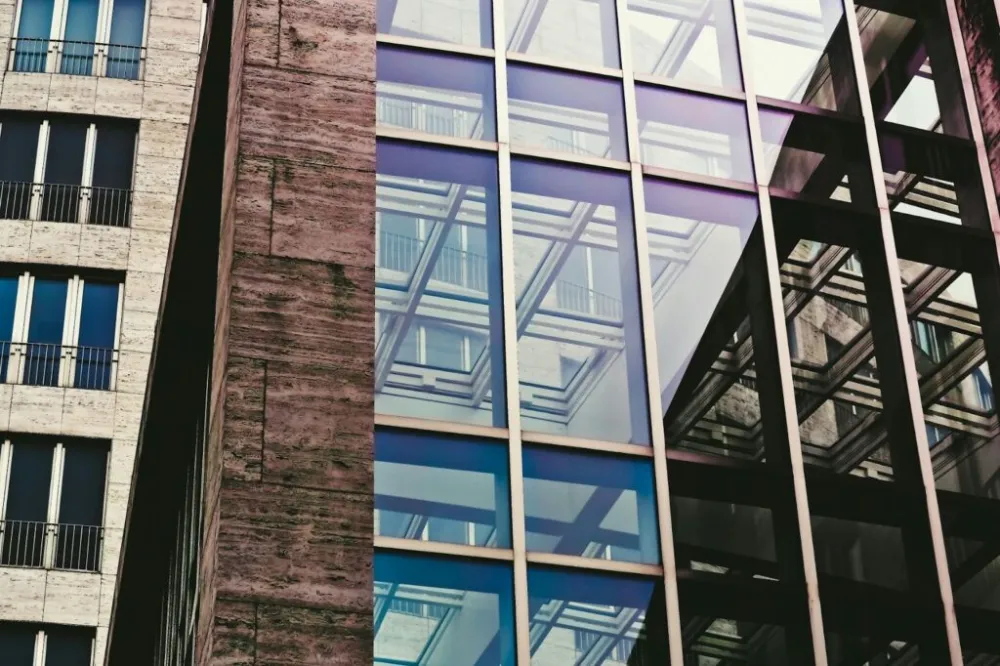
Because they’re so adaptable to different risk levels, building types, and aesthetic requirements, polycarbonate security glazing systems are an incredibly flexible and cost-effective solution for protecting both property and people across a wide range of applications.
Whether you choose full polycarbonate or glass-clad polycarbonate, the right security glazing system can dramatically strengthen your building’s most vulnerable points without sacrificing visibility, functionality, or design.
Riot Glass can help you assess your threat level and retrofit requirements to customize a polycarbonate security glazing solution that delivers the protection you need today while remaining adaptable for the risks of tomorrow. Contact us today to get started.

HOW CAN WE HELP YOU?