
Written By: Brad Campbell | May 3, 2026
The last thing any restaurant owner or manager wants is to arrive at work and find a shattered storefront, an emptied register, and a kitchen or dining room stripped of equipment. Yet it happens constantly. Restaurants, bars, and fast-food chains are frequent targets for forced entry and burglary, not to mention the risks of rioting and looting, vandalism, and severe storm damage in certain regions.
Standard restaurant storefront glass offers little to no protection against these threats, but security glazing can change that. In fact, it’s one of the smartest investments a restaurant can make in its long-term security.
Before we explore restaurant storefront security solutions, let’s take a closer look at the threats many restaurant businesses face.
The common thread across all of these threats is the vulnerability of the storefront glass itself. Once it breaks, the building envelope is breached, and everything inside is at risk.
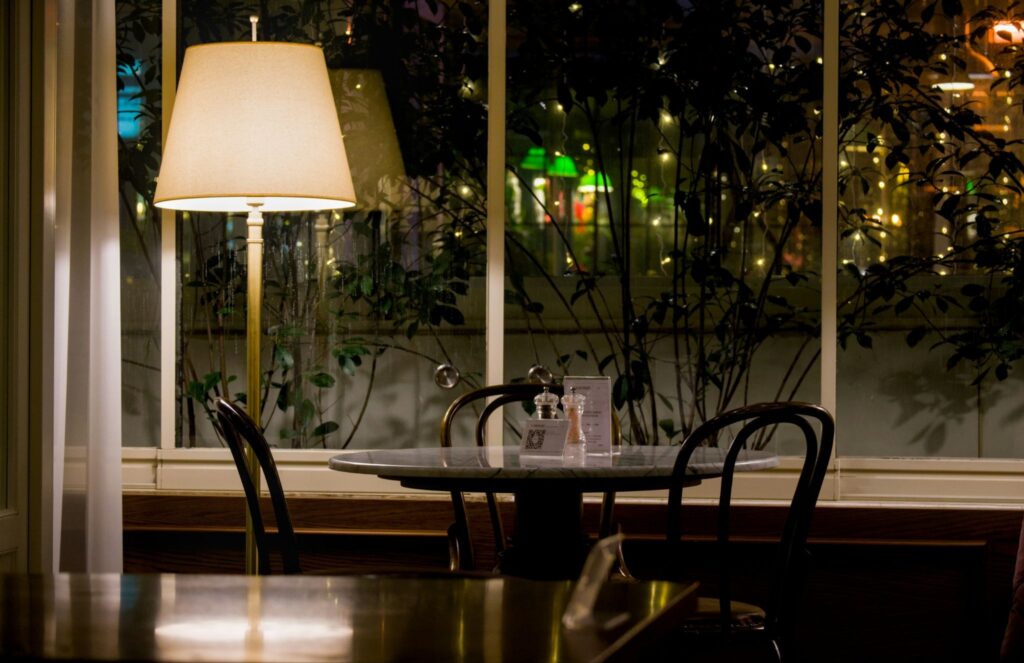
Restaurant storefront security glazing refers to impact-resistant glazing materials, either glass or non-glass alternatives, installed in a restaurant's windows, doors, and other glass openings specifically to resist forced entry attempts and physical damage.
Unlike standard commercial tempered glass, which shatters under impact and can be cleared from a frame in seconds, security glazing is engineered to absorb and withstand repeated blows without breaking apart. It keeps the storefront intact even under sustained attack, buying time and, in most cases, deterring would-be intruders entirely.
One of the most practical benefits of modern security glazing is its flexibility of installation. It can be incorporated into new construction from the ground up, installed as a direct replacement for existing glass panels, or, perhaps most conveniently, retrofitted over existing glass using specially designed framing adapters.
These retrofittable systems hold the security glazing in place within or on top of the existing framing, meaning restaurants don't have to tear out their current storefront infrastructure to upgrade their glass protection. For businesses looking to improve security with minimal disruption and downtime, this is often the most attractive path.
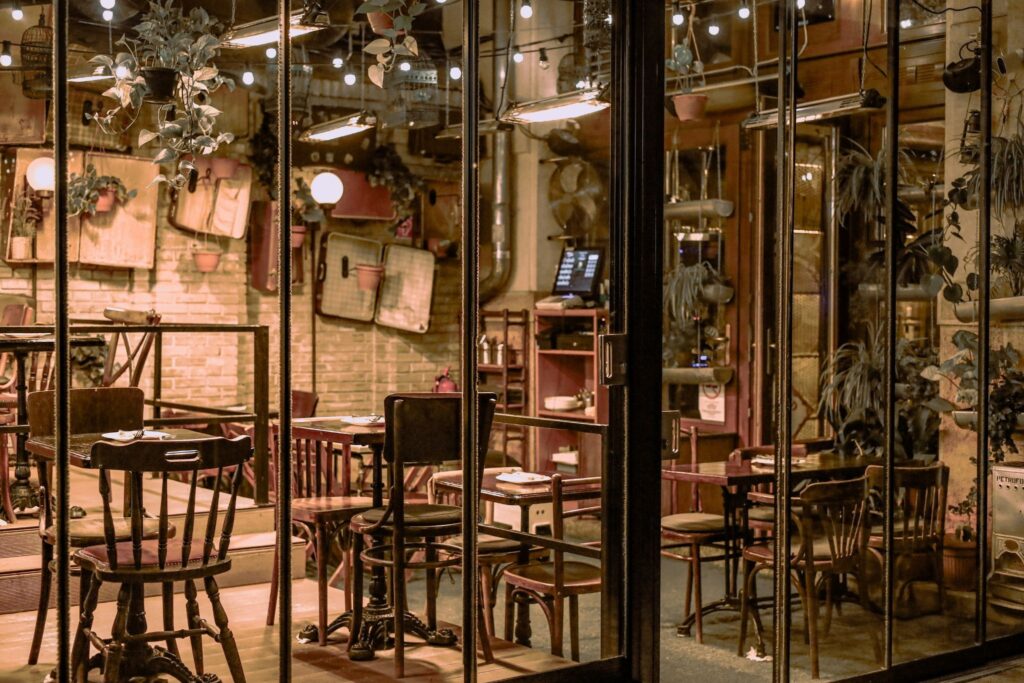
Security glazing isn't made from a single material. It's a glazing category that encompasses several different compositions, each with its own performance characteristics.
Depending on the manufacturer and the required security specifications, reinforced restaurant glazing products may be made from strengthened laminated glass, plastics such as acrylics or polycarbonates, or hybrid combinations of both. Glass-clad polycarbonate, for example, bonds a polycarbonate core to an outer glass layer, delivering exceptional impact resistance with an all-glass look and feel.
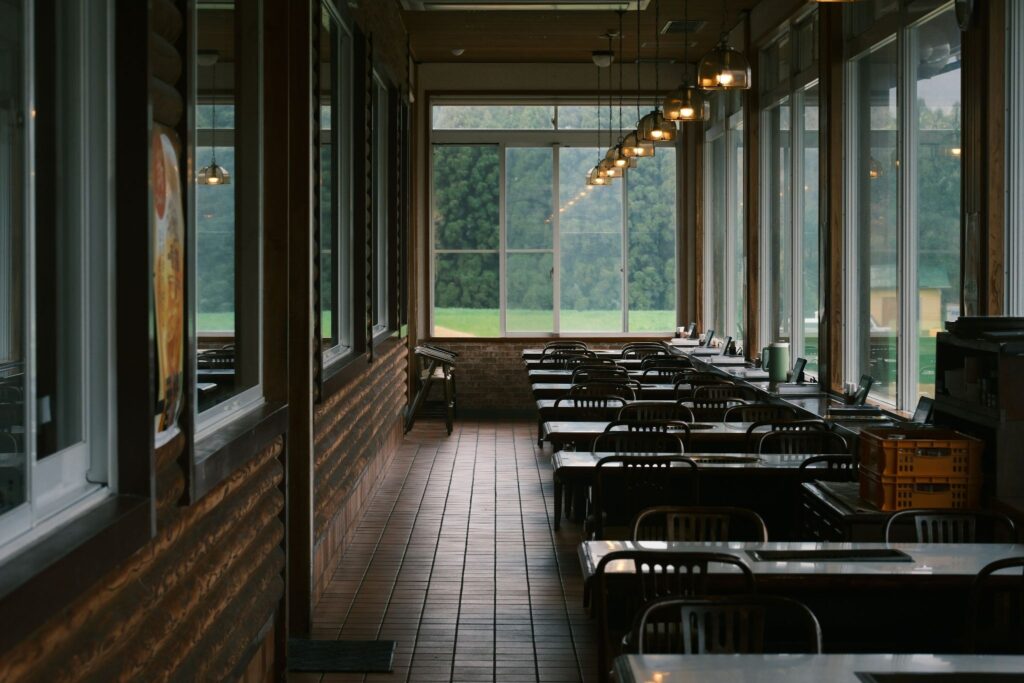
For most restaurant storefront applications, polycarbonate-based glazing stands out as the optimal solution. Polycarbonate is virtually unbreakable. It can withstand repeated hammer and bat strikes, as well as the prolonged attacks that can unfold during a smash-and-grab or riot scenario without cracking or shattering.
Critically for restaurant owners, polycarbonate looks and feels very much like standard storefront glass. It maintains the clean, transparent aesthetic that restaurants depend on to invite guests in and showcase their interior. There's no visual trade-off, no window bars, and no signal to customers that anything is different. The upgrade is essentially invisible.
The science behind restaurant security glazing comes down to its ability to absorb and disperse impact force rather than giving way to it.
Standard tempered glass is designed to shatter into small, relatively harmless pieces when struck hard enough. That's a useful safety feature in some contexts, but it's a major liability in a security context. A tempered glass storefront can be cleared in a few swift strikes. Annealed glass is even worse, breaking into large, jagged shards that create an immediate opening.
Security glazing behaves entirely differently. When struck, it flexes and absorbs the energy of the impact, spreading the force across the panel rather than concentrating it at a fracture point. Even under sustained attack, the glazing holds, maintaining the building envelope and denying entry to anyone trying to get through.
For restaurants that opt for a retrofit solution, or installing security glazing in front of existing glass rather than replacing it, the protection extends to the glass behind it as well. Because the polycarbonate layer absorbs impacts before they can transfer to the underlying pane, the existing glass stays intact. That means no glass cleanup, no emergency board-up calls, and no expensive storefront repairs after an incident.
This is a huge operational benefit for restaurants. Even when an attempted break-in or act of vandalism occurs, a retrofitted storefront can often be left in service the next morning without any intervention at all.
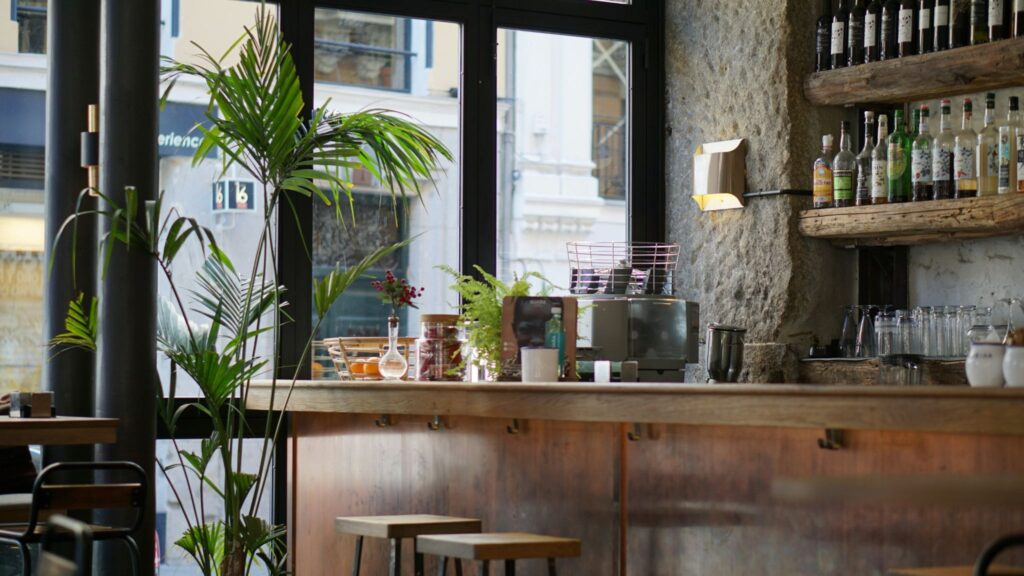
The question for most restaurant owners isn't whether a security incident could happen. It's when.
Reinforcing your storefront glass with security glazing is one of the most cost-effective ways to protect your business, your assets, and your ability to keep operating after an attempted break-in, a riot, or a severe storm.
Riot Glass specializes in security glazing solutions designed specifically for commercial storefronts, including restaurants, bars, and food service chains. Whether you're building new, replacing glass, or looking for a retrofit solution that works with your existing framing, Riot Glass has the products and expertise to help.
Contact Riot Glass today to discuss your restaurant storefront security needs and find the right solution for your location.

HOW CAN WE HELP YOU?