
Written By: Brad Campbell | March 16, 2026
Commercial properties aren’t the only ones that need security doors. Luxury residential properties face many of the same forced-entry-related risks, from burglary to targeted attacks.
Fortunately, today’s homeowners and residential contractors can choose from a wide range of residential door security solutions that combine strong forced entry resistance with refined aesthetics.
However, selecting the right home security doors requires careful evaluation of threats and options to ensure the right balance between appearance, protection, and functionality.
Residential burglary remains the most prevalent threat faced by homeowners, and it can happen anywhere.
Many break-ins are crimes of opportunity, where intruders look for easy targets and quick access, but some properties face elevated risks, such as targeted attacks against executives, public figures, and high-net-worth individuals.
Most residential break-ins occur through doors. Intruders often attempt to:
For high-profile homeowners, risks can escalate beyond simple burglary. Targeted home invasions, stalking incidents, and even attempted kidnappings require more robust protection measures. In these cases, doors are critical defensive barriers.
Many modern residential doors prioritize cost and appearance over performance.
Common weaknesses include:
Glass components are particularly vulnerable. Traditional residential glazing can be broken in seconds with minimal tools. Once shattered, an intruder can simply reach inside and unlock the door.
Home security doors vary in terms of material, construction, and appearance. The right choice depends on the architecture and threat profile of the home to be secured.
These doors are constructed with reinforced steel slabs and internal bracing. They offer strong resistance to kicking, prying, ramming, and other impacts.
Best suited for:
While highly effective, aesthetics and weight must be considered.
Solid hardwood doors provide improved forced-entry resistance while maintaining a traditional appearance.
Best suited for:
The door slab must still be paired with a reinforced frame and proper hardware to be effective.
Modern architecture often incorporates extensive glass at entry points. Sliding doors, aluminum- or wood-framed glass entryway doors, and full-height glass door panels are common in high-end homes.
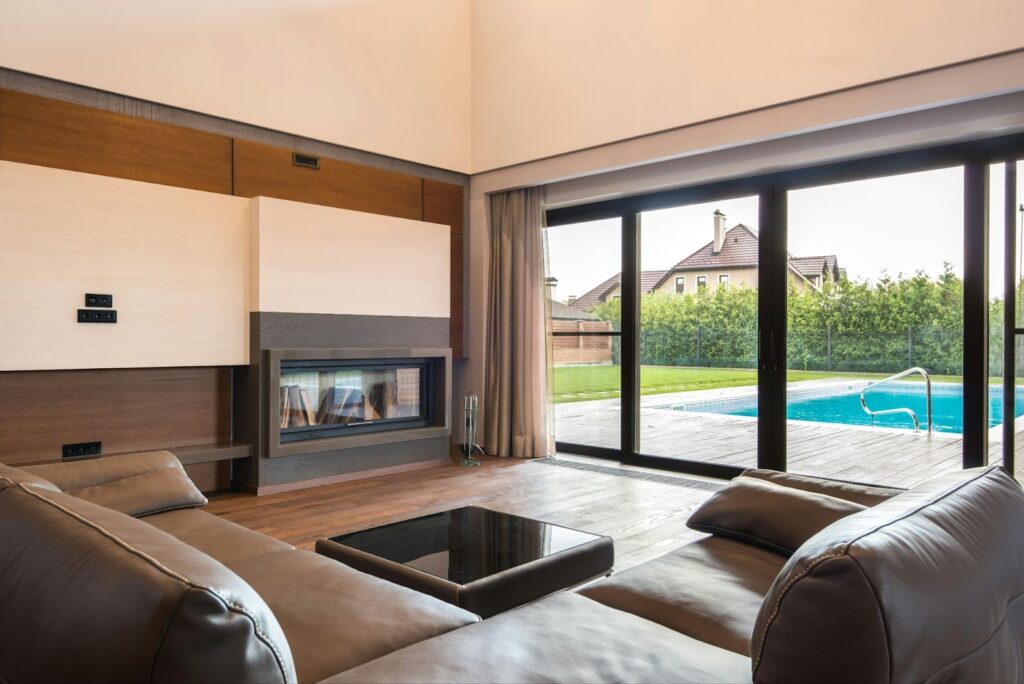
Residential glass security doors use forced-entry-resistant glazing systems such as those provided by Riot Glass. These solutions are engineered to resist repeated impacts, delaying or preventing intrusion altogether, even under aggressive attack.
Applications include:
These solutions allow homeowners to maintain natural light and design intent without sacrificing security.
Some home security door solutions combine reinforced metal frames with forced-entry-resistant glazing. This approach offers balanced protection for homes that feature both solid and glass door components.
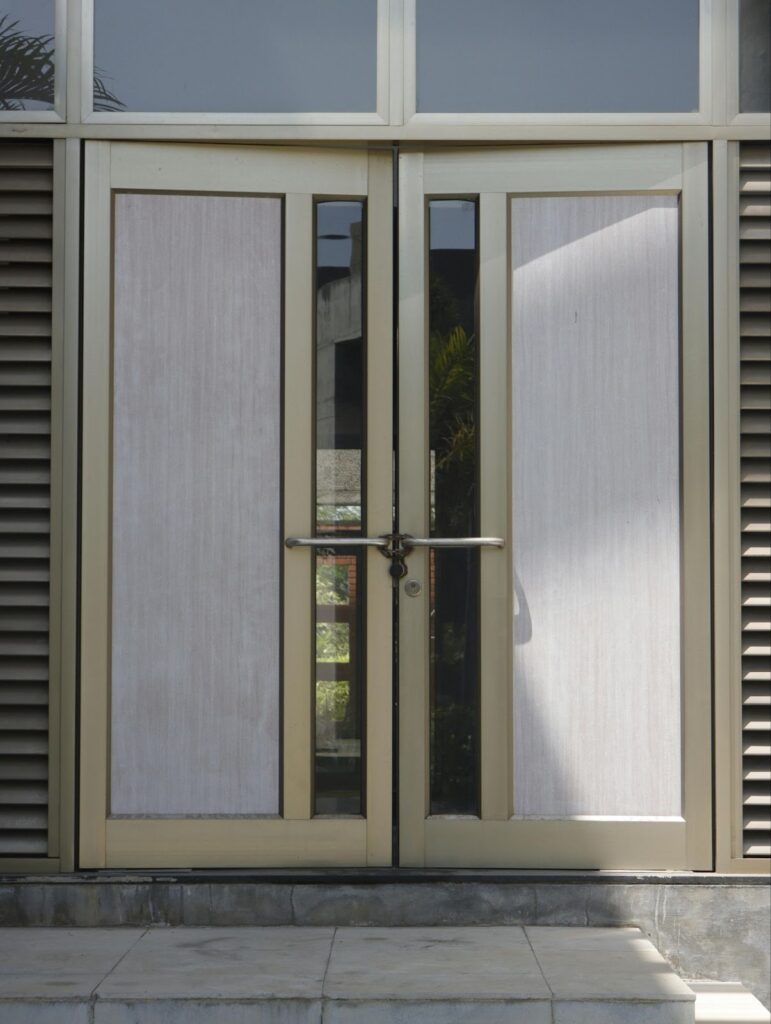
Hybrid systems are often used in:
It’s also possible to retrofit existing glass doors with forced-entry-resistant or even bullet-resistant security glazing.
Before selecting materials or hardware, it’s crucial to evaluate the threat profile of the residence, considering:
For high-profile individuals, such as executives, celebrities, or public officials, professional security consultants can assess targeted risks, including forced entry, home invasion, and coordinated attacks.
A formal threat assessment ensures that the chosen residential security door system aligns with realistic threats rather than assumptions.
Not all doors carry equal risk when it comes to forced entry.
Focus first on:
Addressing these high-risk areas first delivers the greatest security return on investment.
Home security door material selection should align with both the architectural style of the home and the required level of forced-entry resistance. The door slab and any glass components must work together as a unified protective system.
For solid doors, prioritize:
The slab must withstand common forced entry attempts such as kicking, prying with crowbars, ramming, and sledgehammer strikes. Lightweight fiberglass doors or hollow metal skins without structural backing are rarely sufficient for security-conscious applications.
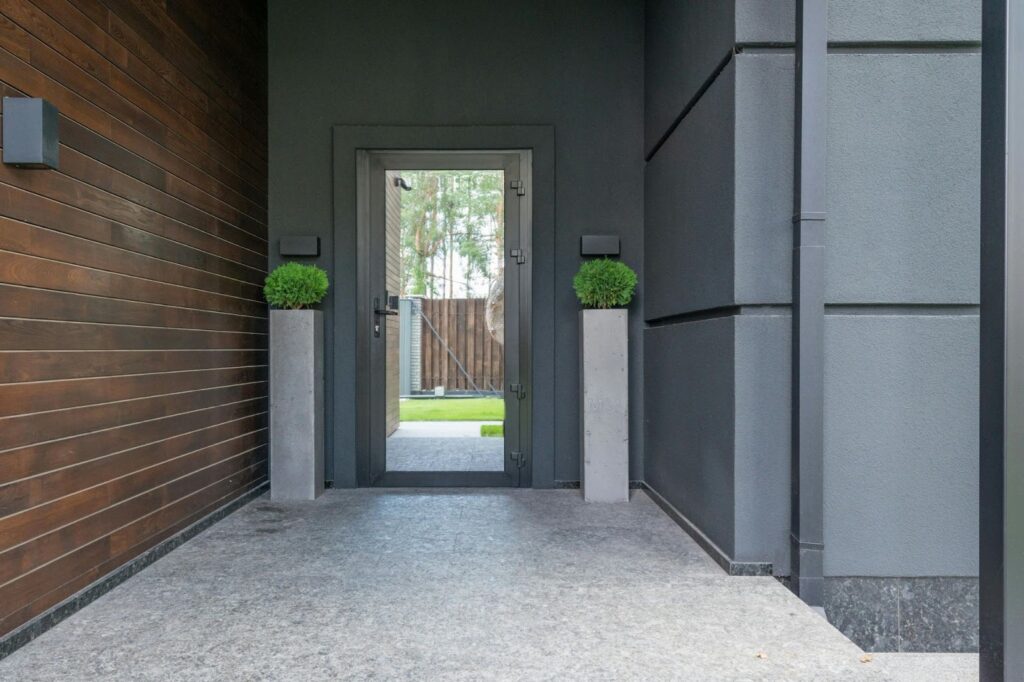
For doors that incorporate glass, glazing selection is just as critical as slab strength.
Install forced-entry-resistant door security glazing in:
Remember that standard residential glass can be shattered in seconds, allowing an intruder to reach inside and disengage the lock. Security glazing systems are engineered to withstand repeated blunt-force impacts while remaining intact, preventing easy access through broken panes.
Equally important is proper anchoring. Glazing systems must be secured within reinforced framing to ensure the entire assembly performs under stress.
Keep in mind that even a reinforced door can be defeated if nearby glass remains vulnerable. Likewise, a strong door will fail if paired with a weak frame or inadequate hardware. The door, framing, glazing, and locking systems must function together as a cohesive security barrier.
Despite its relatively small size, hardware often determines whether a door withstands an attack.
Essential components include:
Single-point deadbolts can be compromised through prying or frame failure. Multi-point systems distribute force across several locking points, increasing resistance.
Door frames must also be reinforced. Many forced entry attempts succeed because the frame splits, not because the slab fails.
For glass doors, hardware should be compatible with security glazing systems to ensure proper anchoring and load distribution.
Residential contractors serving security-conscious clients should account for:
Security upgrades must be properly installed to perform as intended. Even the strongest residential doors will underperform if improperly anchored or installed into compromised framing.
Working with a specialized manufacturer like Riot Glass ensures that glazing and framing systems meet forced-entry resistance standards.
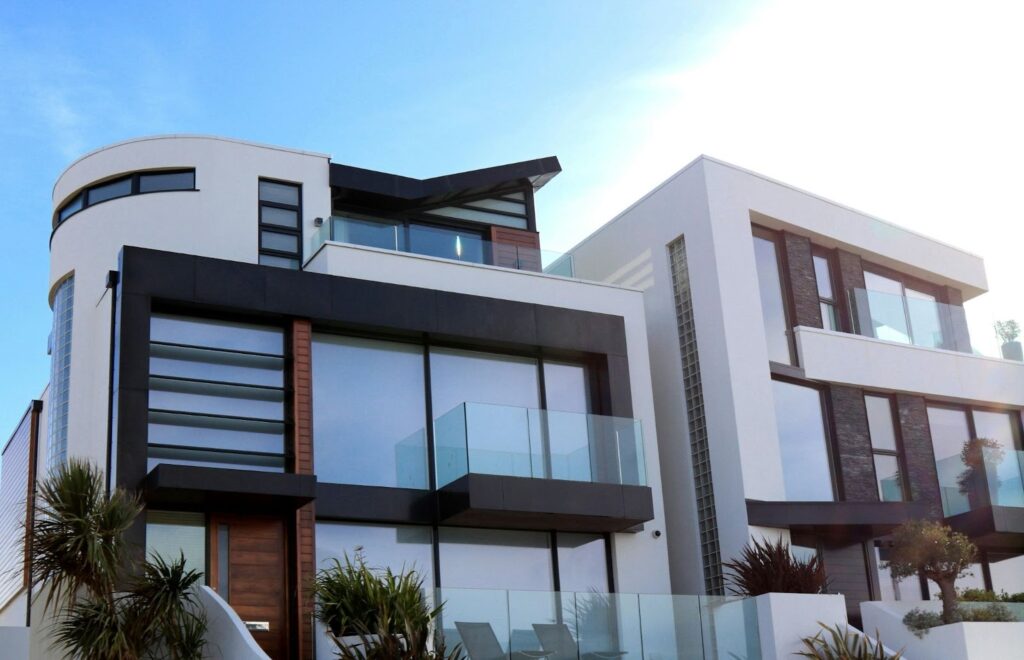
Home security doors are a critical component of residential burglary protection. From reinforced door slabs to advanced security glazing systems, today’s options allow property owners to strengthen vulnerable entryways without sacrificing design and functionality.
Riot Glass specializes in forced-entry-resistant glazing solutions for glass entryway doors and windows. We offer commercial-grade security glazing for high-end and high-risk residential applications. Contact us today to discuss how we can help you protect what matters most.

HOW CAN WE HELP YOU?