
Written By: Brad Campbell | May 21, 2026
Tempered glass, also referred to as tempered safety glass, is a type of safety glazing that has been heat-treated to be significantly stronger than standard annealed glass. When it does break, it shatters into small, rounded pebbles rather than large, jagged shards, dramatically reducing the risk of serious injury.
Because of this property, building codes in the United States and internationally mandate the use of tempered safety glass in locations where people are most likely to come into contact with glass or potentially be harmed by broken fragments.
Tempered glass is most commonly required in commercial buildings, but residential codes also call for it in a range of specific locations, particularly in larger homes with expansive glazing. Understanding exactly where and when tempered glass is required by code helps builders, property owners, and facility managers stay compliant and protect building occupants.

Several overlapping code frameworks govern the use of tempered safety glass in the United States:
The IBC and IRC identify several categories of "hazardous locations" where safety glazing, most often tempered glass, is required. These are places where accidental human impact is most likely, or where broken glass poses a heightened danger.
All glazing in fixed and operable panels of swinging, sliding, and bifold doors is considered a hazardous location. This applies broadly to commercial and residential entryways, patio doors, and interior doors with glass panels. Limited exceptions exist for small openings through which a 3-inch sphere cannot pass, and for certain decorative glass.
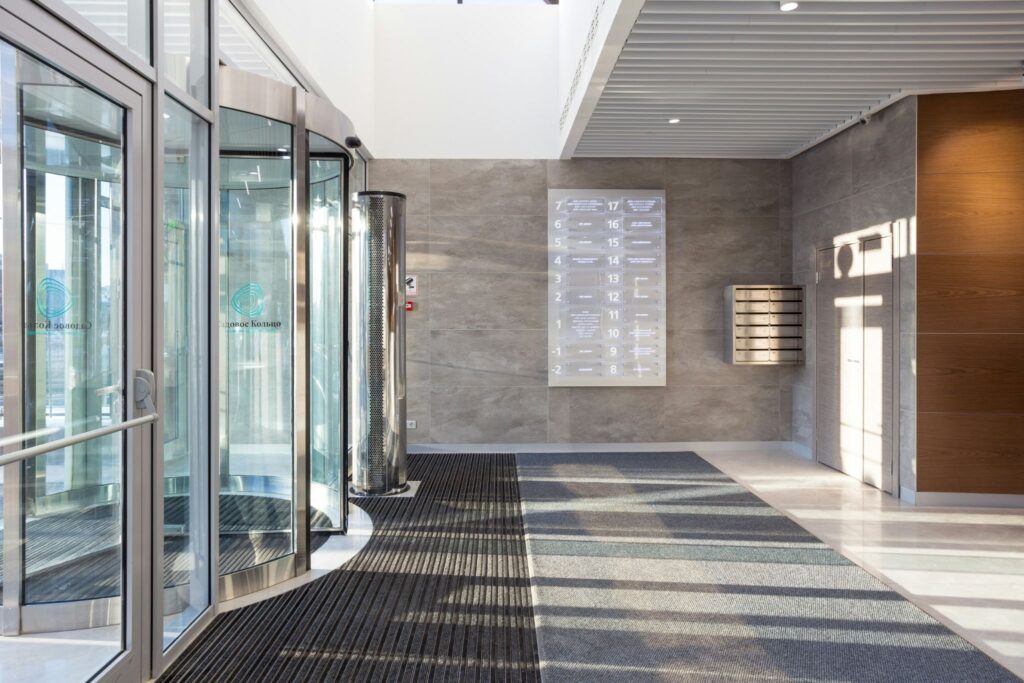
Glass panels located within 24 inches of either side of a closed door, with a bottom edge less than 60 inches above the floor, must be tempered. This frequently affects sidelights, or the narrow glass panels flanking entry doors. A permanent barrier, such as a wall between the door and glazing, may exempt the panel from this requirement.
Windows larger than 9 square feet with a bottom edge less than 18 inches above the floor and within 36 inches of a walking surface require safety glazing. This provision commonly applies to floor-to-ceiling windows, large picture windows, and low-profile glazing in both luxury residential and commercial properties.
Glazing in areas containing hot tubs, spas, whirlpools, saunas, steam rooms, bathtubs, showers, and swimming pools requires tempered glass when the bottom edge is less than 60 inches above the walking surface or within 60 inches horizontally of the water's edge. This covers areas like residential bathrooms, hotel spas, gym locker rooms, and aquatic facilities.
Glazing used in railing systems, such as glass infill panels for balusters and banisters, must meet safety glazing requirements due to the high likelihood of human impact. Glass balcony railings and frameless glass staircase guards are typical examples.

Glass near stairways and ramps where the bottom edge is less than 60 inches above the walking surface is considered a hazardous location. Codes also require safety glazing within 60 inches horizontally and vertically of stairway landings.
Single-layer tempered glass is only acceptable in overhead glazing applications where there is no walking surface below, or where that surface is permanently protected from falling glass. Laminated safety glass is typically the preferred, and often required, product for skylights and overhead installations where occupants are present underneath.
It’s also worth noting that the 2024 IBC introduced important clarifications around multipane assemblies: every individual pane in a multipane unit must now be safety glazing when the assembly is in a hazardous location, with limited exceptions for outboard panes installed more than 8 feet above grade or a walking surface.
No. While tempered glass is stronger than standard annealed glass, it can still shatter easily when struck by windborne debris traveling at high velocity. A single piece of debris carried by hurricane-force winds is often sufficient to break a tempered glass panel entirely. Accordingly, building codes in hurricane-prone regions do not accept tempered glass as a substitute for impact-resistant glazing.
Miami-Dade County, for example, one of the most stringent jurisdictions in the country, requires hurricane-missile-tested, impact-resistant windows and doors for all new construction. These products undergo rigorous large- and small-missile impact testing that tempered glass cannot pass on its own.

No. Tempered glass is not a security glazing product. A sufficiently forceful or precisely placed blow can cause a tempered glass panel to crumble nearly instantaneously, providing quick and easy access to a property.
For businesses or property owners concerned about forced entry, burglary, or smash-and-grab incidents, tempered glass alone is inadequate. Effective forced-entry resistance requires either purpose-built security glazing rated to recognized forced-entry standards or roll-down security shutters that lock into place over vulnerable glazing.
Yes. Laminated safety glass and polycarbonate-based security glazing can satisfy many of the same building code requirements as tempered glass, and often go considerably further.
Laminated glass holds together when broken due to an interlayer bonding the panes, preventing shattering and maintaining a barrier even after impact. This makes it suitable for overhead glazing, hurricane zones, and forced-entry-resistant applications where tempered glass falls short. Polycarbonate security glazing systems offer even greater impact resistance and are used in high-security commercial and institutional settings.
A laminated or polycarbonate-based glazing product may satisfy both the safety glazing requirements of the IBC and additional requirements for storm resistance or forced entry resistance simultaneously, which is something tempered glass cannot achieve.
Responsibility is typically shared across the project team. Architects and designers specify glazing requirements in construction documents. Contractors and glazing subcontractors are responsible for installing the correct product. Building inspectors verify compliance during inspections.
Property owners bear ultimate accountability for maintaining a code-compliant building. When in doubt, consulting a licensed glazing professional or your local building department before specifying or installing glass is always advisable.
Tempered glass plays an important role in building safety, and understanding where and when tempered glass is required by code is essential for any construction or renovation project.
For property owners and facility managers who need protection beyond what tempered glass can offer, whether against storm damage, forced entry, or both, it’s worth exploring advanced glazing options that can satisfy multiple requirements at once.
Riot Glass specializes in security glazing solutions designed to go well beyond minimum human safety requirements. Contact our team today to discuss the right glazing strategy for your property.

HOW CAN WE HELP YOU?