
Written By: Brad Campbell | September 9, 2021
Making your glass doors and windows impact-resistant is one of the best ways to improve the security of your business or commercial facility.
A building’s windows and doors are its most vulnerable points when it comes to forced entry, storm damage, and other security threats.
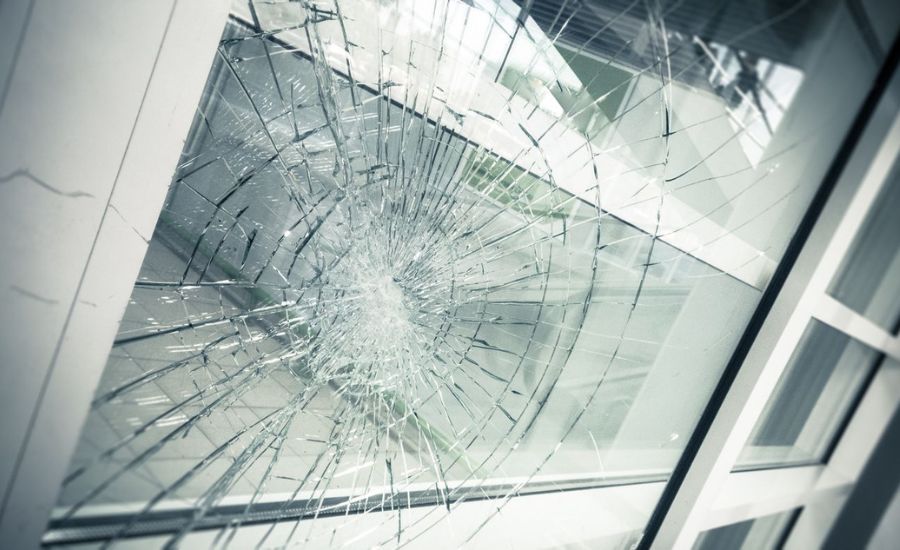
There are many ways you can protect your window glass from impacts, one of which is by retrofitting doors and windows with impact glass.
In this article we’ll take a look at the different options you have for impact-resistant glass and, *spoiler alert*, let you know what the best choice is.
The term “impact glass” can refer to a number of different types of impact-resistant window and door glass. These types of glass all provide more protection against impacts than your standard window glass, but they are not equal in terms of strength.

Whether you’re looking for forced entry protection or hurricane storm damage protection, it’s important to choose the right type of impact glass to reinforce your glass doors and windows.
Laminated security glass is a special type of safety glass designed to hold together when shattered. These panels of impact-resistant glass actually consist of two layers of strengthened glass with a special thermoplastic interlayer sandwiched in between them.
Whereas traditional window glass is easily shattered during a forced entry attempt or by flying storm debris, security laminates can withstand very high-force impacts without shattering inwards.
Even when the glass does break, the shards are held in place, delaying a forced entry or keeping your home protected during a storm.

Now, that’s not to say that laminated impact-resistant glass can’t be broken through. Repeated blows from a determined would-be intruder or multiple impacts from storm debris hurled by hurricane-force winds can still destroy this type of impact glass.
Laminated Safety and Security Glass Facts:
Before we continue explaining your impact glass options, it’s important to note the difference between tempered safety glass and impact-resistant security glass: tempered safety glass is NOT impact resistant.
This type of safety glass is window glass that undergoes a special heating and cooling process, called tempering, that makes it break apart in a special way. The sole function of this glass is to prevent injury when it gets broken.
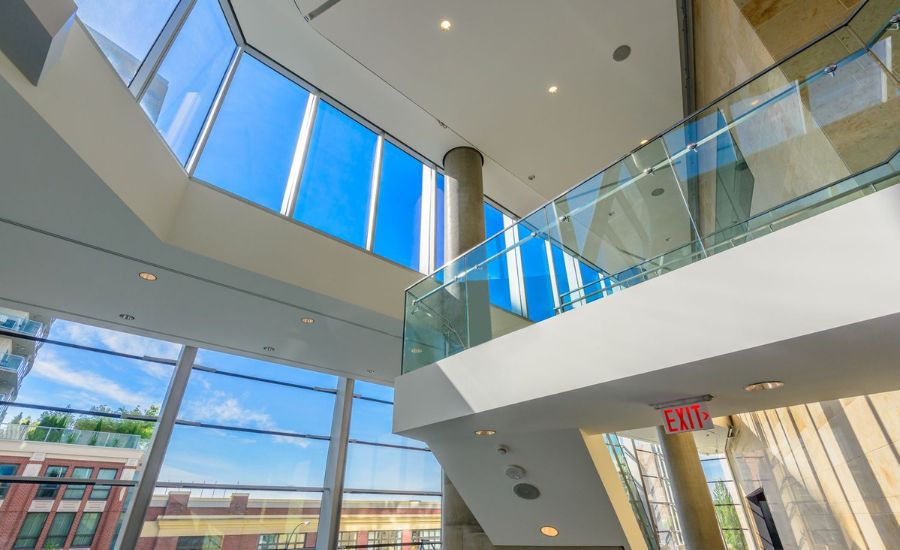
When a piece of tempered safety glass shatters, it breaks apart into thousands of tiny, rounded pieces of glass, instead of into large, jagged shards.
Safety glass is most commonly used to make automobile windows, shower doors, aquariums, glass furniture, and architectural glass, like glass staircases and railings.
Another type of impact window available to you isn’t actually glass. Rather, it’s made from plastic composites such as acrylics and polycarbonate. You might know this type of “glass” by the trade name plexiglass.
When made specifically for security applications, glass-like impact windows provide a similar surface hardness to that of glass and are virtually unbreakable because of the ability of the plastic composites to disperse the force of impacts.
Like other types of security glass, glass-like impact windows can be retrofitted into or onto existing windows and doors to protect the existing glass.
These types of impact-resistant windows are just as transparent as glass, so they don’t inhibit your views, block out light, or change other optics of your windows.
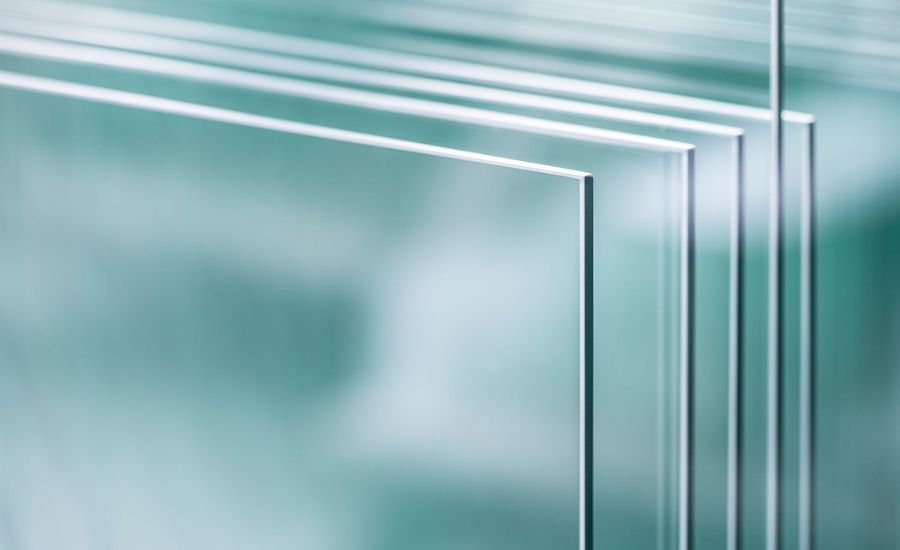
When you’re shopping around for polycarbonate and acrylic impact windows, it’s important to look for models that have an abrasion- and UV-resistant coating to protect against scratching, yellowing, hazing, and other degradation of the surface.
Ultimately, your decision about what impact glass to choose for your property comes down to your budget and specific security needs. However, we highly recommend polycarbonate glazing shields for the highest level of security and protection from all types of threats.
What Are the Best Polycarbonate Impact Windows for Me?
The most cost-effective polycarbonate glazing shields that we recommend to our clients are ArmorPlast™ AP25.
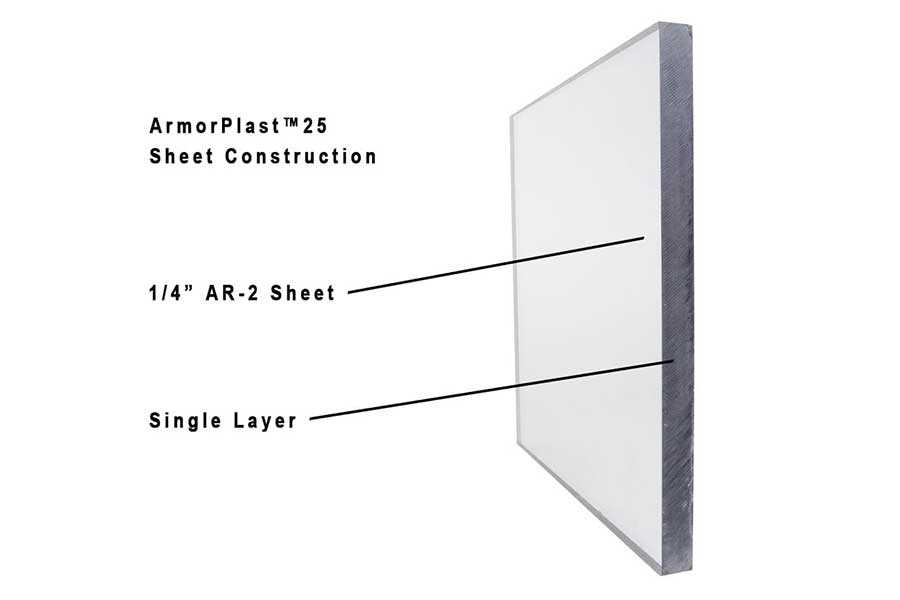
These are non-ballistic, containment-grade glazing shields, meaning that they don’t stop bullets, but they will not break down or diminish in strength even if riddled with bullets.
So, if bullets can’t even take AP25 down, you can imagine how effective it is at preventing forced entry and protecting against storm damage.
No matter how determined a would-be intruder is or how vicious a storm is, these impact windows are going to keep your facility’s glass doors and windows protected.
When your windows break, the broken glass is usually the least of your worries.
If an intruder enters your property, you can potentially be facing thousands of dollars of losses in stolen goods and equipment.

Or, in the event of a hurricane or tropical storm, a broken window leaves your property exposed to wind damage and rainwater flooding, both of which can result in irreversible damage.
That’s why it’s always worth making the investment to protect your window glass against impacts now, instead of dealing with the consequences of unprotected windows and doors later.
We have been in the security glass business for more than 25 years. We are committed to helping clients nationwide by providing security consultations and top-of-the-line security glass products.
Contact us today or have your local glass contractor give us a call to discuss our virtually unbreakable impact windows and other glass security solutions.

HOW CAN WE HELP YOU?