
Written By: Brad Campbell | October 16, 2026
Walk through any modern airport and glass is everywhere. Floor-to-ceiling windows in the terminal, glass partitions around check-in counters, glass-walled offices, storefront windows in retail concourses, doors leading into secure back-of-house areas.
Glass keeps sightlines open, lets natural light into large public spaces, and makes it easier for staff and security personnel to spot suspicious activity happening nearby, but that same openness is also what makes standard glass an airport security liability in an active threat scenario.
A pane of standard commercial glass may look and feel solid under normal conditions, yet it offers almost no resistance to a firearm, a blunt object, or a sustained forced entry attempt. In a building that moves tens of thousands of people through it every day, and where public areas sit close to high-security zones, that’s a major vulnerability, especially in a worst-case active threat scenario.
The solution isn't to remove glass from an airport altogether, but rather to upgrade the glass in the areas where a security breach would potentially have the highest consequences, so airports keep all the benefits that standard glazing provides while removing its biggest weakness.
Ballistic-grade security glazing is built to do exactly that: maintain the visibility, natural light, and open feel of standard commercial glass while adding resistance to gunfire, blunt force, and forced entry.
A handful of areas account for most of an airport's glazing, and most of its risk exposure:
Some of these areas carry more risk than others. A retail storefront and a partition standing between an open public area and a screening checkpoint aren't equally exposed, and they shouldn't be treated the same way when it comes to glazing decisions.
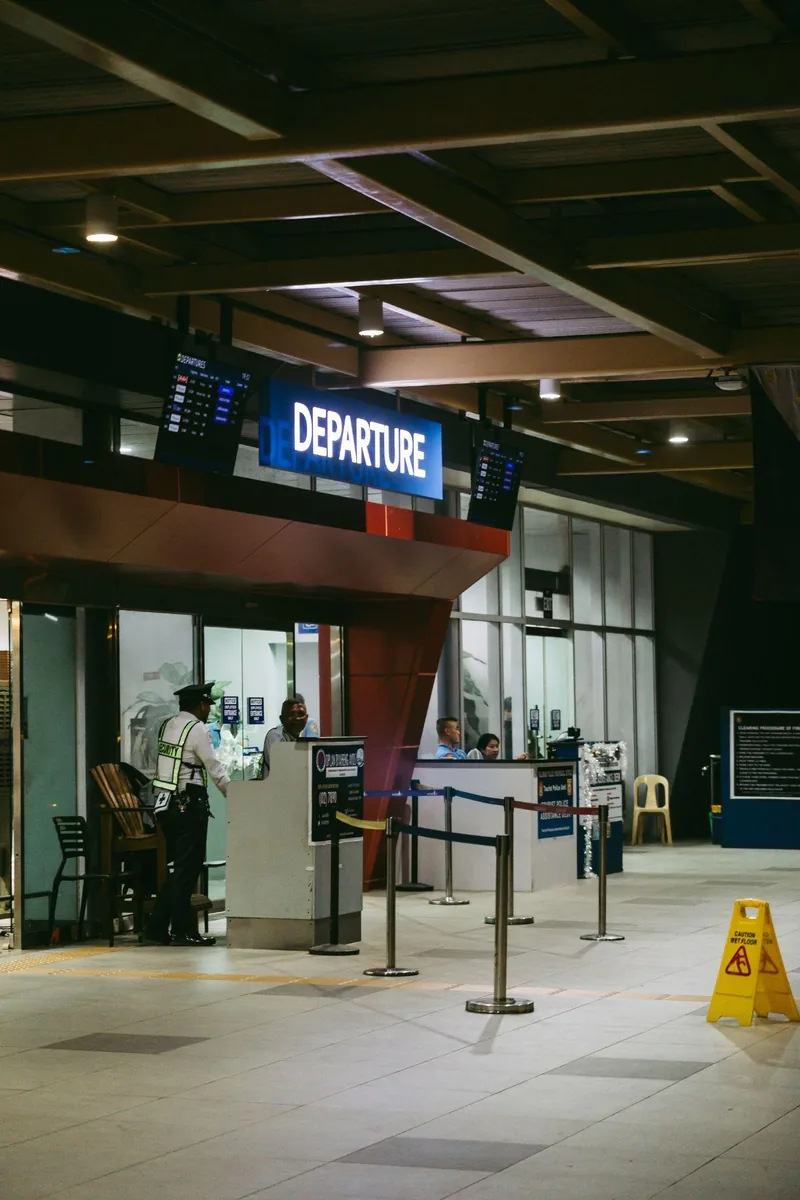
Not every application calls for the same type or grade of security glazing, and getting that match right is a big part of enhancing airport security with ballistic-grade security glazing.
Glass-clad polycarbonate (GCP) is generally the better choice for exterior-facing glazing, such as curtain walls, terminal windows, and other glazing exposed to the outside. GCP pairs a strengthened glass outer layer with a polycarbonate interior layer, so it holds up to sun exposure, cleaning, and general wear the way exterior glass is expected to, while the polycarbonate core absorbs impact and resists forced entry.
Full polycarbonate glazing tends to work well for a lot of interior applications, including interior partitions, office glazing, and other spots where a genuine glass finish is less of a priority than weight, retrofit speed, or maximum impact resistance. Its lighter weight also makes it easier to retrofit into existing interior frames without a disruptive construction project.
Ballistic protection level matters just as much as material choice. Higher-risk locations, like the partitions and doors separating public check-in and ticketing areas from the main airport security checkpoint, generally call for a higher UL 752 ballistic-resistance rating than a retail storefront or an interior office window past that checkpoint would need.
Matching the resistance level to the location, rather than applying one standard everywhere, keeps the airport's security glazing investment focused where it does the most good.
Riot Glass offers ballistic-grade glazing across a wide range of UL 752 levels, from containment-grade (non-ballistic) protection suited to general storefront applications up through higher bullet-resistant levels built for locations where the threat profile is more severe.
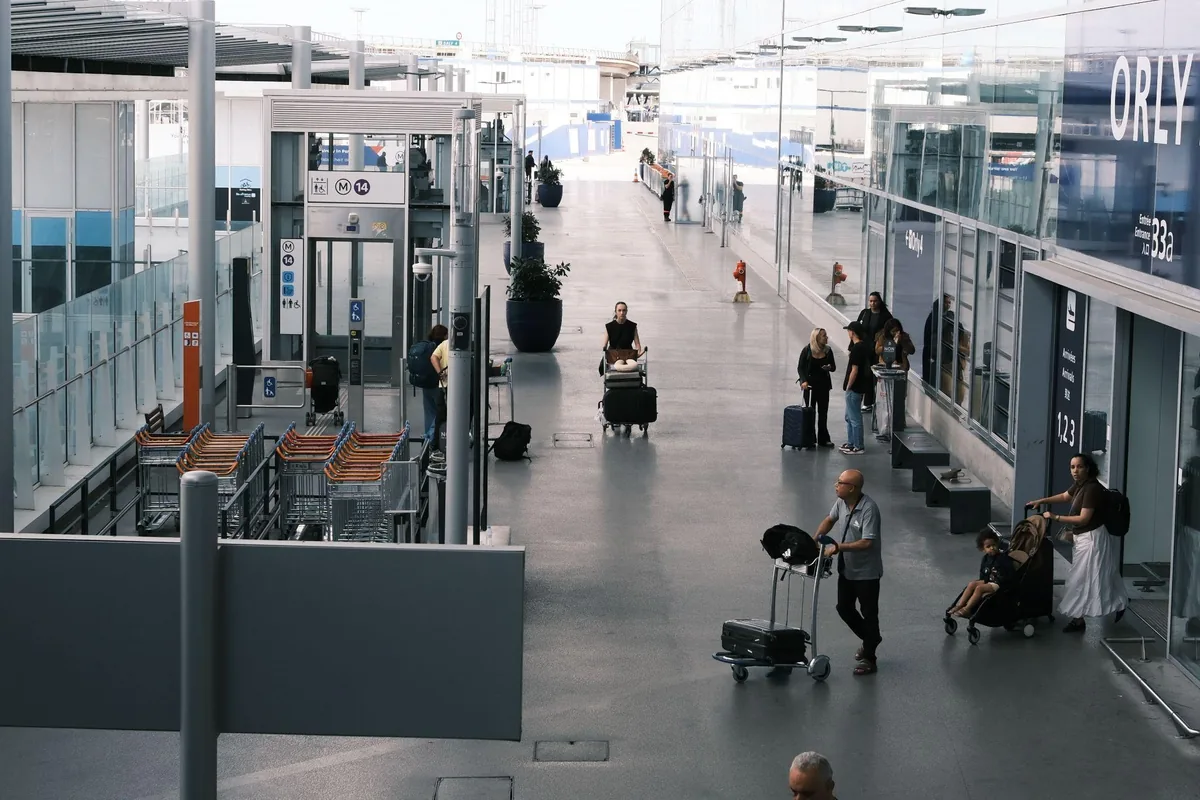
Ballistic-grade glazing earns its place in an airport's security plan because of what it stops, but the same glazing typically delivers a handful of other benefits that make it ideal for a busy, high-traffic facility:
That combination of benefits is why security glazing tends to make sense in an airport even in areas that aren't considered the highest-risk zones in the building. It's rarely a single-purpose upgrade.
In an active threat situation, every extra second that a barrier holds is a second that gives staff and travelers time to get clear, get behind cover, or get through a secure door. Standard glass offers almost none of that time. It's meant to look good and let light through, not to resist an attack.
Ballistic-grade glazing protects facilities against active threats by changing what a piece of glass is capable of doing during an incident.
Even glazing that doesn't stop every round outright is still doing its job if it holds together, resists being breached, and denies an attacker easy access to a space full of people. That's the goal behind access denial: buying time and holding up until security or law enforcement arrives.
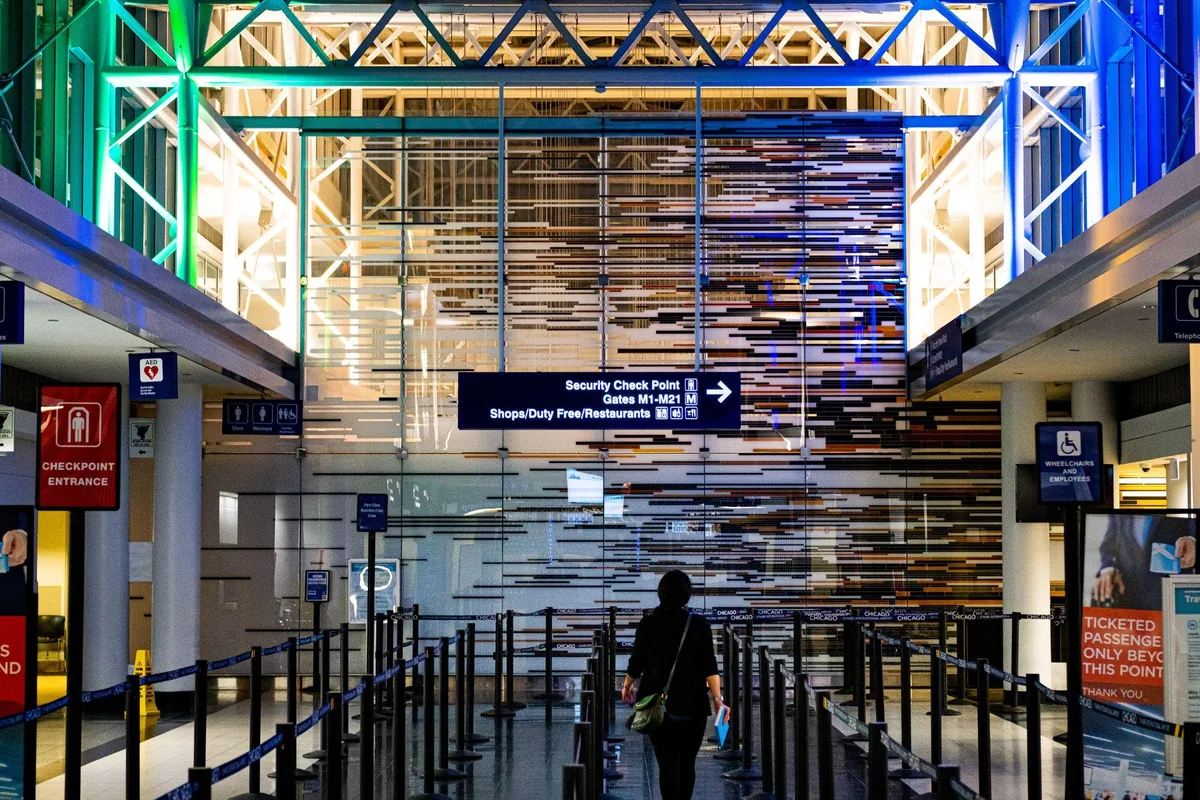
Glass is part of what makes an airport terminal function, maintaining visibility and natural light and allowing personnel to easily monitor the flow of travelers through public and secure areas. The problem is that standard commercial glazing isn’t built to resist an attack.
Upgrading to ballistic-grade security glazing, matching the right material and protection level to the threat profile for each part of the building, allows airports to retain all the benefits that glass provides while mitigating the risks.
Contact Riot Glass today to discuss our ballistic-grade airport security glazing solutions.
Glass supports visibility, natural light, and open sightlines that help staff and security personnel monitor busy public areas.
Glass-clad polycarbonate has a glass outer layer over a polycarbonate interior, which makes it a strong fit for exterior-facing windows and curtain walls. Full polycarbonate is lighter and easier to retrofit, which often makes it a good fit for interior windows and office glazing.
No. Higher-risk areas, like partitions between public check-in areas and security checkpoints, generally call for a higher UL 752 level than a retail storefront or an interior office window.
Yes. It also supports forced entry resistance, sound attenuation, improved insulation, and added protection against accidental impacts and severe weather.
It depends on the location's exposure and threat profile. Riot Glass can help assess each area and recommend the right material and protection level for your facility.

HOW CAN WE HELP YOU?