
Written By: Brad Campbell | October 9, 2023
Burglary, armed robbery, or even violent targeted attacks: these are all very real threats that businesses and facilities face today.
While alarms and cameras might alert you to a break-in, they can’t physically stop one. The truth is, most intrusions happen fast, often in less than a minute, and a single locked door just isn’t enough to stop a determined intruder.
That’s why more organizations are turning to access control vestibules, fortified entry systems designed to deter, slow, or stop unauthorized access before a threat ever has a chance to reach your building interior. When paired with Riot Glass security glazing, these systems provide one of the most effective forms of physical entryway protection available today.
The security outlook for commercial facilities has changed dramatically over recent years. Criminals have become bolder and better equipped, using tools and tactics designed to bypass traditional barriers. Meanwhile, threats like smash-and-grab theft, armed robbery, and active shooter incidents have made access control a top priority for many property managers.
From banks and jewelry stores to data centers, healthcare facilities, government buildings, and even schools, protecting employees and visitors requires more than just keeping doors locked. It calls for layering defenses to slow down and contain potential threats before they can escalate.
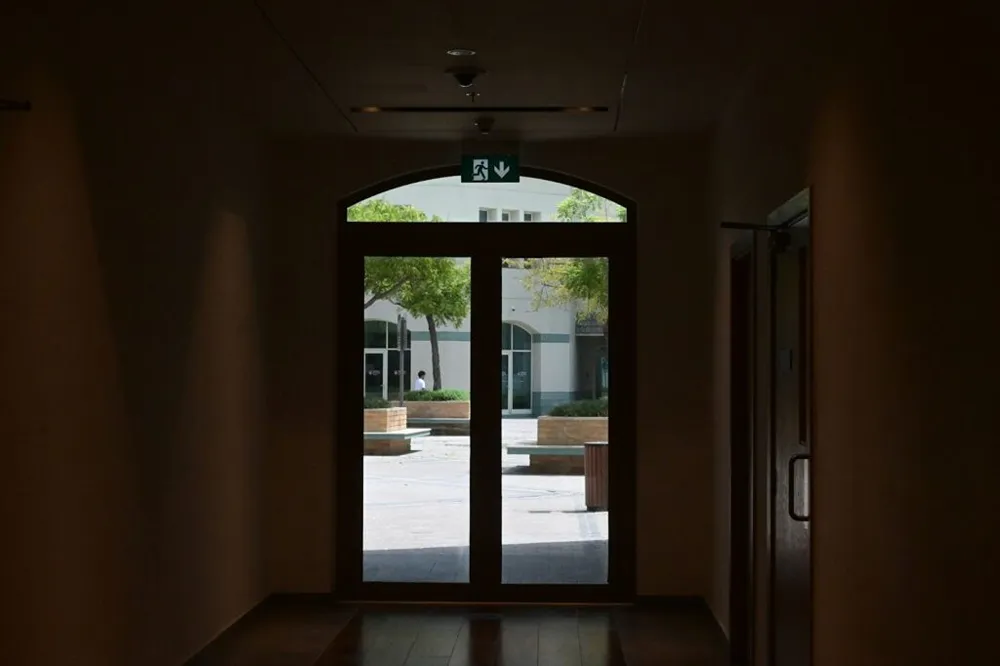
An access control vestibule (also called a security vestibule or mantrap) is a small, enclosed space between two interlocking doors. Only one door can open at a time, creating a controlled access checkpoint between the public exterior and the secure interior of a building.
These vestibules are typically tied into a building’s access control system, using keycards, biometrics, or remote verification, to allow entry to one person at a time. When reinforced with forced entry-resistant or bullet-resistant glazing, the vestibule becomes an exceptionally strong barrier that helps prevent unauthorized entry and violent intrusion.

While many facilities rely on a single locked or access-controlled entryway door to restrict foot traffic, that approach leaves room for tailgating and fast break-ins. A two-door vestibule design drastically improves security.
Access Control Vestibule vs. Single Access-Controlled Door: Side-by-Side Comparison
| Feature | Single Access-Controlled Door | Access Control Vestibule |
| Number of Doors | 1 | 2 (interlocking system) |
| Protection Against Tailgating | None | Excellent — one person admitted at a time |
| Resistance to Forced Entry | Low-high (depends on glass type) | High — especially with Riot Glass security glazing |
| Ballistic Protection | Available with ballistic-grade glass | Available with bullet-resistant glazing |
| Threat Containment | Minimal | High — creates a secure containment zone |
| Deterrence Value | Low | High — visibly secure entryway |
| Ideal For | General, low-risk office access | Banks, data centers, government buildings, high-risk retailers, healthcare facilities, and educational institutions |
An access control vestibule adds time, control, and deterrence, three important pillars of effective physical security.
Not every access control vestibule is the same. The real difference between a basic vestibule and a high-security vestibule is the type of glazing used.
Traditional tempered safety glass shatters under impact. Even basic laminated glass, while significantly stronger, won’t withstand sustained assault.
Riot Glass security glazing, on the other hand, is engineered to hold up against prolonged, repeated attacks using tools like hammers, crowbars, and bats, staying intact even after heavy impact (or ballistic impacts). This strength is verified through industry-standard testing, including ASTM 3561 testing, which simulates attempted forced entry following an active shooter event.
Riot Glass glazing is built to absorb and distribute energy, preventing easy breakage and dramatically slowing forced-entry attempts. This “delay factor” is often the difference between a failed break-in and a successful one, giving security teams or law enforcement crucial time to arrive.
Bullet-resistant glazing takes access control vestibule protection a step further. While no material is completely “bulletproof,” Riot Glass ballistic-grade systems are tested to UL 752 standards to withstand multiple rounds from specific types of handguns or rifles. Even after ballistic impact, panels remain structurally sound, meaning an assailant can’t simply reach through to open a door from the inside.
Integrating forced-entry-resistant or bullet-resistant Riot Glass into your access control vestibule’s structure creates a durable, transparent barrier that looks like standard glass but performs like armor.
Access control vestibules combine physical protection with procedural control. A typical entry process works like this:
If something seems off, a suspicious person, false credentials, or a detected threat, the system can lock down the vestibule, effectively trapping the individual until security arrives.
When reinforced with Riot Glass glazing, the vestibule becomes not just a checkpoint but a secure containment chamber capable of withstanding both physical and ballistic assault.
Unfortunately, active shooter and armed assault scenarios are part of today’s security reality across sectors. In these incidents, the goal is to slow the attacker’s progress and protect as many lives as possible.
A forced-entry-resistant or bullet-resistant access control vestibule can prevent a shooter from gaining immediate entry to populated areas. Even if the glazing is struck by gunfire, it will remain intact long enough to buy time for occupants to take shelter and for law enforcement to respond.
Some examples of facilities that can benefit the most from this added protection include:
By design, these vestibules are frontline barriers. Their purpose is to contain the threat before it reaches the heart of a facility.
Certain types of high-risk businesses are prime targets for armed robbery. For example:
Installing an access control vestibule signals to would-be criminals that your business is hardened and monitored, not an easy target. Most will choose to move on rather than risk a failed attempt.
Even if an incident does occur, the vestibule design limits the intruder’s access and prevents quick escape, increasing the likelihood of capture and reducing potential loss or harm.
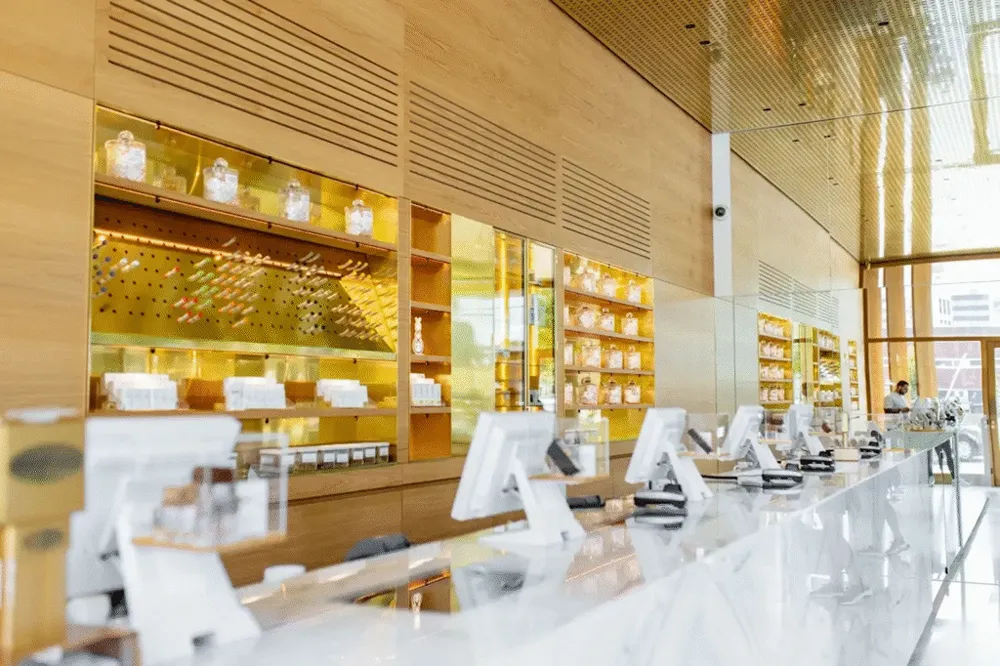
Access control vestibules boost the perception of security for everyone who enters your building without detracting from its professional appearance or curb appeal.
Additional benefits include:
With the right design, your security vestibule doesn’t have to look like a fortress. It can be both inviting and impenetrable.
Access control vestibules are becoming a standard part of layered commercial security, helping businesses and organizations protect what matters most, their people, assets, and peace of mind.
Combining intelligent access systems with the proven strength of Riot Glass glazing transforms your building’s entrance from a weak point into a formidable first line of defense.
Riot Glass glazing systems are engineered to fit both new access control vestibule constructions and retrofits of existing entryway systems. They integrate easily with glass storefronts, curtain walls, and modern access control hardware.
Whether your goal is to upgrade existing entryway doors or create a new multi-door containment system, Riot Glass can help design and implement a custom solution that meets your security needs and budget.
Contact Riot Glass today to learn how a customized access control vestibule can help secure your facility against modern threats.
An access control vestibule creates a secure, controlled entryway between a building’s exterior and interior. It helps prevent unauthorized access, contain potential threats, and protect people and property by allowing only verified individuals to enter.
The interlocking two-door design prevents tailgating and creates a containment zone. When paired with Riot Glass forced-entry-resistant glazing, the vestibule physically slows or stops intruders from breaching the building’s interior.
While no system can guarantee total protection, a properly reinforced vestibule can delay or contain an armed intruder long enough for occupants to take cover and law enforcement to respond, a critical factor in minimizing harm.
They’re ideal for banks, government buildings, data centers, high-end retailers, office buildings, schools, and healthcare facilities — anywhere that needs controlled access and protection against forced entry or armed threats.
Yes. Riot Glass glazing and framing systems can retrofit many existing entryway doors to create a secure vestibule without requiring a full rebuild.

HOW CAN WE HELP YOU?