
Written By: Brad Campbell | December 16, 2025
Blast-proof windows, more accurately known as blast-resistant windows, are designed to help mitigate the devastating effects of nearby explosions on commercial buildings and the people inside them.
While no window system can be considered truly 100% blast-proof, these specialized glazing systems play a critical role in reducing injuries, limiting property damage, and improving overall building resilience when an explosion occurs in close proximity.
Understanding how blast-resistant security glazing works, and just as importantly, what its limitations are, is essential for property owners, architects, and security professionals who are responsible for protecting people and assets from accidental or intentional blast events.
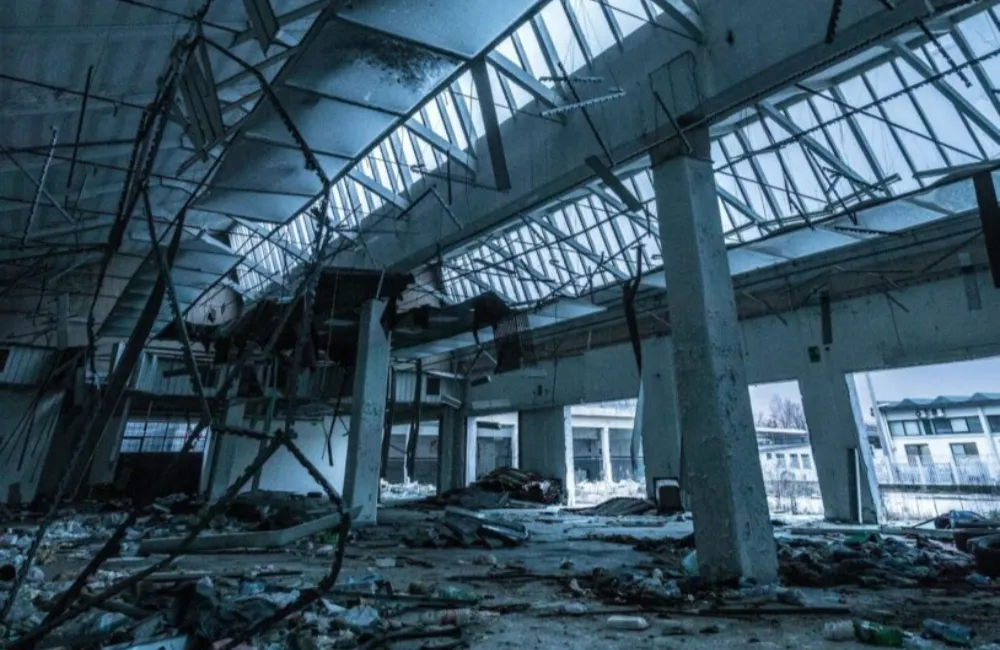
The term blast-proof windows is commonly used to describe window systems engineered to withstand the extreme pressures generated by explosions. In technical and engineering contexts, however, the more accurate term is blast-resistant windows.
This distinction is important because no window, wall, or other building component can be guaranteed to survive every possible explosion. A powerful enough blast, or one that occurs close enough to the structure, can overwhelm even the most robust systems. Blast-resistant windows are not designed to make a building indestructible, but rather to reduce harm.
The primary purpose of blast-resistant glazing is to:
In many explosion-related incidents, flying glass is the leading cause of injury. Blast-resistant security glazing addresses this risk directly.
Blast-resistant windows rely on a combination of advanced glazing materials, specialized framing, and secure anchoring methods. Each component plays a role in managing the energy produced by an explosion.
Blast-resistant windows typically incorporate polycarbonate, which offers high impact resistance and energy absorption with no spalling (glass fragmentation). When a blast wave hits the window, the material flexes and absorbs energy instead of shattering into sharp, high-velocity shards.
Explosions create intense pressure waves that move faster than hurricane-force winds, and blast-resistant windows are designed to manage that pressure rather than stop it entirely.
If a blast shockwave reaches a blast-proof window system, it may bow inward or even fail, depending on the blast intensity and distance. However, any resulting failure is relatively controlled, meaning the windows remain largely intact rather than turning into dangerous airborne projectiles.
The glazing itself is only part of the equation. Blast-proof windows also rely on reinforced framing, strong attachment to the building structure, and proper installation methods. Without these components, even the strongest blast-resistant security glazing can be easily pushed out of a window opening during a blast event.
As with any type of security glazing, it’s important to set realistic expectations for the performance of blast-resistant windows.
Remember: no window is truly blast-proof. A sufficiently large or close enough explosion can compromise any window system.
Blast-resistant windows are designed to perform within specific threat levels, which may be based on:
When blast pressures exceed those design parameters, damage can occur, but that doesn’t mean the system failed. Blast-proof window systems perform as intended by reducing the severity of the outcome.
Even when windows are damaged during a blast, blast-resistant glazing offers significant protection over standard annealed or even tempered safety glass.
Standard window glass can shatter into thousands of sharp, jagged shards that travel at high speed, causing severe injuries or fatalities. Blast-resistant windows, on the other hand, are designed to:
Blast waves can cause sudden pressure changes inside buildings, damaging interiors and harming occupants. Blast-proof windows help:
Since blast-resistant glazing can keep windows largely intact in the event of a nearby explosion, it can:
Blast-resistant security glazing is used across a wide range of commercial, institutional, and high-risk facilities.
Blast-proof windows are built to address a range of real-life threats, from accidental to intentional blast-related threats.
A ruptured gas line or industrial accident can result in a powerful explosion near a commercial property. In these situations:
This is especially important for buildings located in urban environments or near utility infrastructure.
In high-risk locations, vehicle-borne explosive devices pose a serious concern. While no window can guarantee protection at close range, blast-resistant systems:
Manufacturing and processing facilities face risks from accidental explosions caused by:
Blast-resistant windows help contain damage and protect workers in adjacent spaces.
Blast-resistant glazing is most effective when integrated into a layered security approach. This may include:
Windows are often one of the most vulnerable points in a building envelope. Strengthening them significantly improves overall resilience, but it’s essential to address other physical and procedural vulnerabilities as well.

Selecting the appropriate blast-proof window system depends on several factors:
Professional evaluation and proper installation are essential to ensure the system performs as intended.
Blast-proof windows may sound like an absolute solution, but the reality is more nuanced. No window can be completely blast-proof, and claiming otherwise would be misleading. What blast-resistant windows do offer is something far more valuable: risk reduction.
By mitigating shockwaves, preventing dangerous glass fragmentation, and limiting property damage, blast-resistant security glazing plays a vital role in protecting people and assets when explosions occur nearby whether from accidental industrial incidents or intentional acts.
For commercial properties facing elevated threat levels, blast-resistant windows won’t eliminate every possible threat, but they can make the outcome far less devastating when the unthinkable happens.
Contact Riot Glass today to discuss or blast mitigation solutions.

HOW CAN WE HELP YOU?