Universities and other higher education institutions are increasingly becoming the sites of violent attacks across the U.S., which has put the need for better university security solutions in the spotlight.
In order to improve campus safety, it’s crucial for university administrations to move beyond policies and planning and proactively implement security solutions — especially physical ones — that actually work to mitigate a range of threats, including worst-case active threats.
Modern video surveillance systems are one of the most essential security technologies for universities. They not only help deter potential criminal activity but also provide crucial evidence and situational awareness when incidents occur.
High-definition IP cameras equipped with AI analytics can automatically detect unusual behavior, such as loitering or unauthorized access, and alert security personnel in real time.
Additionally, centralized video management systems allow campus security teams to monitor multiple facilities, from lecture halls and research labs to dorms and athletic centers, all from a single command center.
However, as with any surveillance tool, balance is key. Over-monitoring can raise privacy concerns among students and staff, so universities should ensure camera placement prioritizes public areas and clearly communicates the intent: safety, not invasive surveillance.
Access control is another cornerstone of campus safety. These systems determine who can enter or exit buildings and specific rooms, helping prevent unauthorized access to sensitive areas like labs, administrative offices, or residence halls.
Key card and mobile credential systems allow universities to manage access dynamically — permissions can be changed instantly if a card is lost or if someone leaves the institution. Some universities are also adopting biometric access control, such as facial recognition or fingerprint scanners, for high-security zones.
Integrating access control with other technologies, like video surveillance and alarm systems, provides a layered defense that can significantly reduce the likelihood of security breaches. It also allows for quick university lockdown capabilities, a crucial feature during active threat scenarios.
Even in the most high-tech environments, there’s no substitute for trained personnel. Security guards and campus police officers play a vital role in both deterrence and response. Their visibility helps reassure students, and their presence allows for immediate on-site reaction to developing situations.
Well-trained guards who are familiar with campus operations can also handle non-emergency situations, such as wellness checks or escorting students late at night. When paired with good communication systems, guards serve as the human backbone of a comprehensive university security plan.
Still, staffing limitations and large, open campus layouts can make it difficult for guards to be everywhere at once, which is why supporting them with strong physical university security solutions is essential.
While technology and personnel are critical, one of the most overlooked yet effective ways to improve campus safety is through physical protection, especially glass protection. Glass type plays a huge role in a building’s overall security, and all it takes is one vulnerable window or door for a university’s facilities to be compromised. This is where Riot Glass security glazing systems come into play.
Riot Glass is a line of retrofit security glazing designed to fortify vulnerable windows and doors against forced entry, burglary, and active threat scenarios. For universities, this can mean the difference between a minor incident and a major tragedy.
Here’s how Riot Glass can improve campus security:
For everything from university classrooms to high-risk areas like administrative offices, lab facilities, or student service centers, Riot Glass is a practical, permanent solution that enhances safety without compromising design or daily operations.
Blue emergency phones are a long-standing feature of many college campuses. These tall, blue-lit stations are strategically placed across campus and provide a direct, instant line to campus security or local emergency responders.
While some universities have debated removing these stations due to the ubiquity of cell phones, they still serve several important functions. For one, they provide a visible reminder of security presence — a deterrent effect that helps make open campus areas feel safer.
Additionally, not all emergencies occur when someone has a phone on hand or cellular signal, making these hardwired systems a reliable backup.
That said, blue phones work best as part of a layered approach. On their own, they are reactive rather than preventive, but when paired with physical access control and intrusion-resistant infrastructure, they become a valuable component of a larger campus safety system.
No single university security solution can fully protect a campus, which is why the most effective approach is a layered security strategy that combines proactive technology, trained personnel, and reinforced physical infrastructure.
A comprehensive plan might include:
This multi-layered defense helps mitigate a wide range of risks, from civil unrest to active threat incidents, while ensuring the campus remains a welcoming environment for learning and collaboration.
The unfortunate rise in violence and property damage on university campuses has driven many universities to rethink their safety priorities. While digital and procedural measures, such as alert systems and crisis communication plans, remain important, physical security investments like Riot Glass provide the most immediate and tangible protection against real-world threats.
Universities that take a proactive approach towards security not only reduce risks but also demonstrate a visible commitment to the safety and well-being of their students, faculty, and staff — a key factor in maintaining trust and reputation.
Every campus is unique, but the goal is always the same: to create a safe, secure place for students to learn and grow.
Combining advanced university security technologies with durable physical defenses like Riot Glass helps higher ed institutions protect their people and property without compromising the open, inclusive atmosphere that defines higher education.
To learn more about university security solutions available from Riot Glass, contact our team today.
For retail stores, glass entryway doors play an important role in shaping the first impression customers have of the business. They create a sleek, modern look, allow potential customers to see merchandise inside, and maximize natural light. This open and inviting design is part of what makes glass storefronts so appealing.
Unfortunately, there’s a tradeoff: standard glass retail doors are also one of the weakest points of a storefront. Criminals can smash through them in seconds, making forced entry, burglary, and smash-and-grab thefts all too easy. That’s why retrofitting security glass into retail glass doors has become one of the most effective and practical ways for business owners to harden their storefront security.
Retrofitting means you don’t need to replace your entire door system — in many cases, existing frames and glass can stay in place. Instead, retrofit security glazing solutions, such as AP-Series solutions from Riot Glass, provide a protective layer that strengthens your storefront against a wide range of threats, without sacrificing the transparency and aesthetics of glass.
Retrofitting is the process of installing new materials into an existing structure, rather than starting from scratch. In the case of glass storefront doors, security glazing can be added to your current setup in a few ways:
This flexibility is one of the biggest advantages of retrofitting. It allows businesses to reinforce their most vulnerable points without major construction or costly downtime.
Traditional glass, even when tempered for safety, does very little to deter criminals. Standard glass shatters immediately upon impact, while tempered glass breaks into smaller, safer pieces but still leaves an opening large enough for someone to gain entry within seconds.
Criminals know this, which is why smash-and-grab theft has become one of the most common retail crimes. In these incidents, thieves break through glass doors or windows, sweep items off shelves, and flee before law enforcement can respond. The damage goes beyond stolen goods: there are also repair costs, cleanup, and lost business during downtime.
Upgrading vulnerable storefront doors with retrofit security glazing provides retailers with added protection in several key areas:
Security glazing, such as AP-Series AP25, is designed to withstand repeated strikes from hammers, crowbars, bricks, and other common burglary tools. Even after a sustained attack, the glazing remains in place, making it extremely difficult for intruders to get inside.
Unlike traditional glass, which fails instantly, AP-Series glazing doesn’t shatter. This denies criminals the quick access they depend on, often causing them to give up before succeeding.
Criminals typically look for the easiest target. When they encounter a storefront reinforced with visible AP-Series glazing, they recognize it as a high-effort, high-risk target and move on.
Security glass doesn’t just defend against crime. It also protects against storm debris, accidents, and other impacts that could otherwise shatter traditional glass doors.
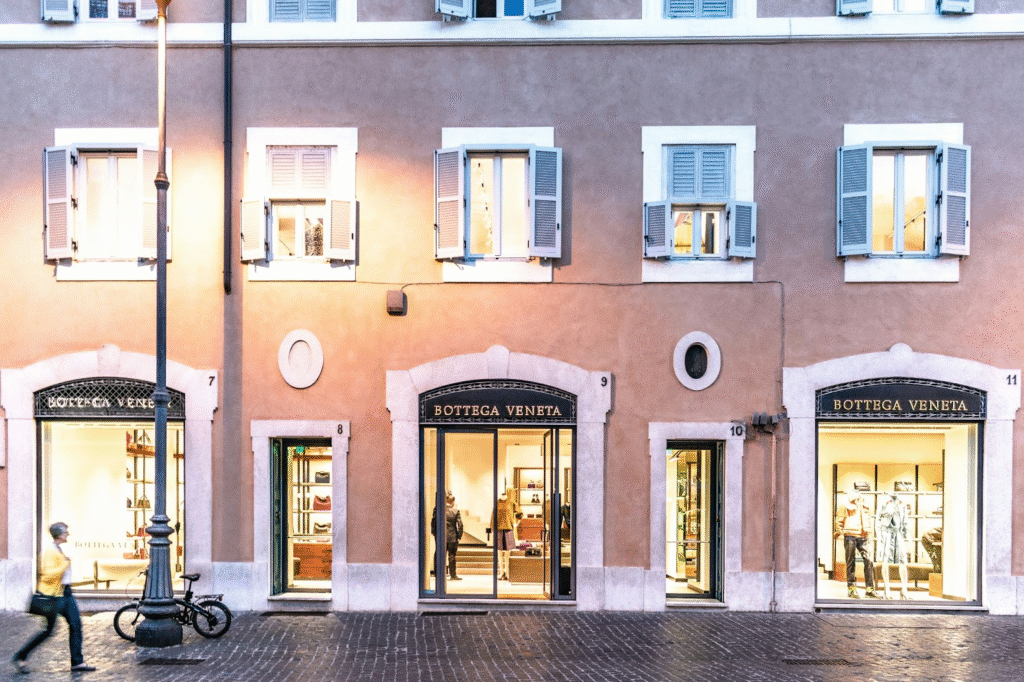
Riot Glass specializes in retrofit security glazing, offering the AP-Series line of containment- and bullet-resistant glazing solutions, which are ideal for reinforcing storefront doors and windows against various threat levels.
These systems use specially engineered retrofit framing adapters that secure the AP-Series glazing directly to existing storefront door frames. The result is a seamless barrier that preserves visibility while providing maximum strength.
A professional threat assessment identifies vulnerabilities unique to your business. Experts can recommend whether containment-grade or bullet-resistant glazing is most appropriate, and highlight other weak points in your storefront security.
For most retail stores, AP25 offers more than enough protection against smash-and-grab thefts. High-risk environments benefit from bullet-resistant options in the AP-Series.
Accurate measurements ensure the retrofit glazing fits correctly. While many doors come in standard sizes, custom-cut AP-Series panels are also available for unique storefronts.
Riot Glass offers complete service, including manufacturing, delivery, and professional installation. If you’re outside our direct service areas, we coordinate with a trusted dealer-partner network nationwide.
Installation is key to performance. Properly fitted AP-Series glazing maximizes forced-entry resistance and ensures your retrofit system meets security standards.
<iframe width="560" height="315" src="https://www.youtube.com/embed/vmag4D-uk9I?si=AyRr74akBWpHM9B1" title="YouTube video player" frameborder="0" allow="accelerometer; autoplay; clipboard-write; encrypted-media; gyroscope; picture-in-picture; web-share" referrerpolicy="strict-origin-when-cross-origin" allowfullscreen></iframe>
| Glass Type | Breaks Easily? | Resists Forced Entry? | Resists Smash-and-Grab? | Bullet Resistance | Aesthetics | Typical Use Cases |
| Standard Annealed Glass | ✅ Shatters instantly | ❌ No | ❌ No | ❌ None | Clear & attractive | Most retail storefronts |
| Tempered / Safety Glass | ✅ Breaks into small pieces | ❌ No | ❌ No (easy to smash) | ❌ None | Clear & attractive | Code-compliant storefronts |
| AP25 (Containment-Grade Security Glazing) | ❌ Stays intact | ✅ Yes | ✅ Yes | ❌ None | Clear, looks like standard glass | Retail stores and other commercial facilities |
| Bullet-Resistant AP-Series (e.g., AP75, AP125) | ❌ Stays intact | ✅ Yes | ✅ Yes | ✅ Yes (varies by level) | Clear, maintains visibility | High-risk retail: jewelry stores, dispensaries, pawn shops |
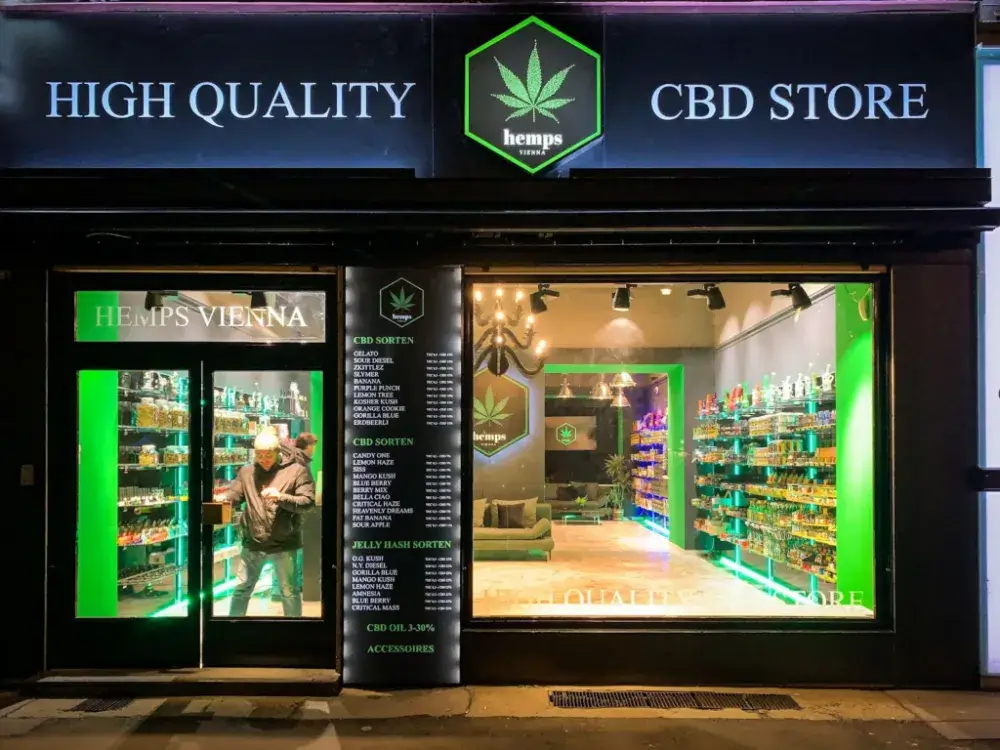
Yes. In most cases, AP-Series retrofit solutions use existing door frames and glass, making installation quicker and more affordable than full replacement.
AP25 is containment-grade, meaning it resists forced entry and smash-and-grab attempts. Bullet-resistant AP-Series glazing adds ballistic protection for environments at risk of armed robbery or gun violence.
Costs vary depending on door size, glazing type, and installation requirements. However, retrofitting is always more cost-effective than replacing entire door systems. A professional consultation can provide a tailored estimate.
No. AP-Series glazing is crystal clear and designed to look and feel like standard glass. Customers see the same inviting storefront, while you gain advanced protection.
Don’t leave your retail store exposed to after-hours burglary or smash-and-grab theft. Retrofitting your glass storefront doors with Riot Glass AP-Series security glazing creates a powerful barrier that protects your business, staff, and customers, without sacrificing appearance.
Contact Riot Glass today for a free consultation and custom AP-Series retrofit recommendation.
As each school year begins, administrators and facility managers revisit their safety plans, looking for ways to better protect students, staff, visitors, and school property.
One of the most effective ways to strengthen a school’s physical security is to upgrade vulnerable glass doors and windows with modern security glazing systems.
Riot Glass offers a full range of school security glazing solutions designed to address a comprehensive selection of threats, from forced entry and active threats to vandalism and even severe weather events.
Schools present unique challenges when it comes to safety. They are open, welcoming environments by design, filled with glass doors, large windows, and transparent façades that promote natural light and community.
Unfortunately, these same features make schools incredibly vulnerable to security threats, including worst-case active threats (active shooters).
Standard annealed glass can be shattered in seconds, giving intruders immediate access. Tempered safety glass offers a little more resistance, but doesn’t stand up to forced entry attempts or ballistic impacts.
The rise in active threat incidents in schools across the U.S. has resulted in a need for “glass hardening” measures, making advanced security glazing a critical investment when it comes to implementing school security solutions.
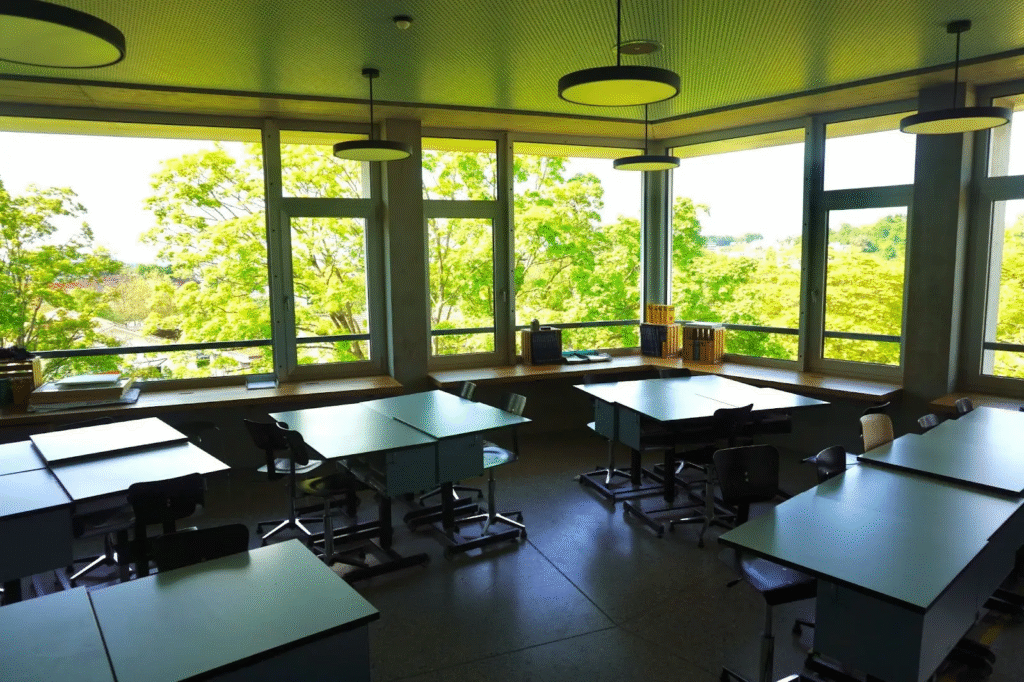
AP-Series AP25 is Riot Glass’s flagship containment-grade retrofit security glazing, a forced entry-resistant, polycarbonate-based glazing solution ideal for access denial in schools.
Retrofitting vulnerable school windows and doors with AP25 is one of the most effective first steps for schools that need immediate, budget-conscious upgrades.
For schools that want a higher level of protection against firearms, Riot Glass offers ballistic-grade RG-Series and AP-Series glazing.
Both options come in multiple thicknesses and UL 752 ballistic resistance levels, allowing schools to tailor protection to their perceived threat level.
While no glazing is completely “bulletproof,” ballistic-grade Riot Glass dramatically improves survivability by stopping or slowing bullets and preventing intruders from entering quickly.
Ballistic-grade glazing is especially valuable in high-risk areas such as entryways, administrative offices, and classroom doors or windows near main corridors or exterior walkways.
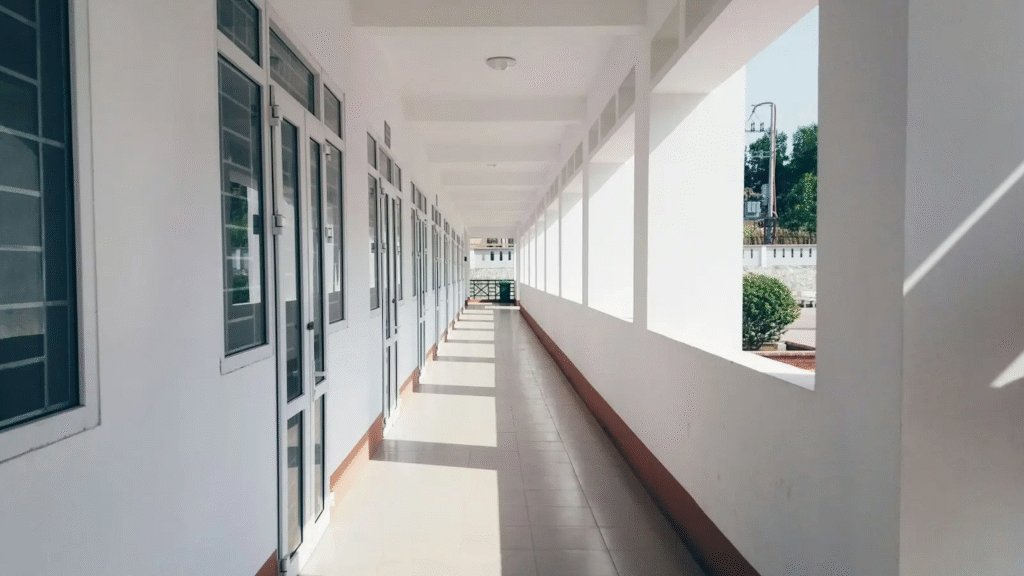
Entry doors are among the most vulnerable access points in schools. Riot Glass offers unbreakable door conversion kits that combine AP-Series ballistic glazing with reinforced framing systems. These conversions transform standard glass doors into forced-entry and bullet-resistant security doors without losing their transparency.
These door kits make ideal upgrades for main school entrances, vestibules, and other high-traffic areas.
| Security Solution | Grade/Series | Protection Type | Retrofit or Replacement | Best Use Cases |
| AP25 | AP-Series | Forced entry-resistant, access denial | Retrofit (over/backglaze) | Classroom doors, windows, cost-effective upgrades |
| Ballistic RG-Series | RG-Series | Bullet-resistant (glass-clad polycarbonate) | Retrofit or replacement | High-risk windows, administrative areas, lobbies |
| Ballistic AP-Series | AP-Series | Bullet-resistant (polycarbonate-based) | Retrofit or replacement | Entry points requiring lightweight ballistic glazing |
| Door Conversion Kits | AP-Series AP75 | Forced entry + ballistic resistance | Full conversion (framing + glazing) | Main entrances, vestibules, high-traffic access points |
When it comes to selecting the best security glazing upgrades for schools, the right choice depends on each school’s unique risks, goals, and budget. Districts should take a layered, multi-step approach to glass hardening:
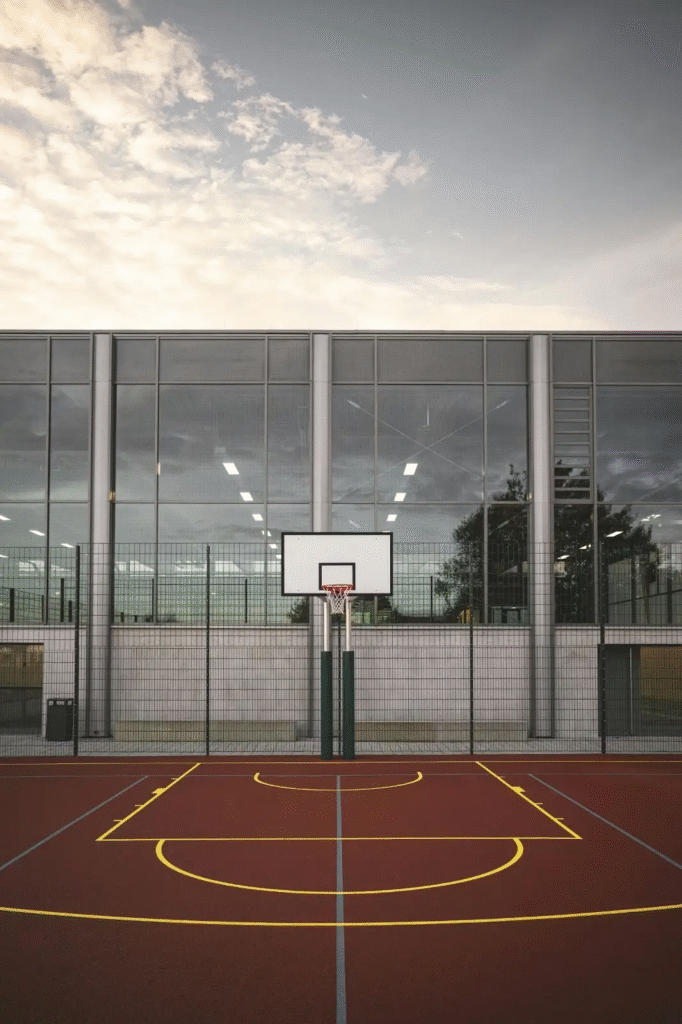
No. AP25 is containment-grade, meaning it’s designed for forced entry resistance. However, it remains intact even when penetrated by bullets, preventing attackers from creating an opening to gain entry.
RG-Series uses glass-clad polycarbonate for a more traditional look and feel and the highest levels of ballistic resistance, but the outer glass surface can crack and spall upon impact. Ballistic-grade AP-Series glazing is polycarbonate-based, lighter in weight and virtually unbreakable, with no cracking or spalling.
Most Riot Glass solutions can be retrofitted over existing glass, saving money and minimizing disruption. Full replacements are only necessary in certain cases, such as full door conversion kits.
No. Riot Glass school security solutions are designed to blend in seamlessly with existing windows and doors, maintaining natural light and aesthetics.
Timelines vary depending on project size, but retrofit installations are always much faster and less disruptive than full replacements.
Yes. Riot Glass products meet or exceed applicable forced entry and ballistic resistance standards and are increasingly used in districts responding to glass hardening requirements and recommendations.
The role of security glazing in modern school safety and security cannot be overstated. From preventing forced entry and vandalism to buying time in active threat scenarios, Riot Glass solutions provide durable, transparent protection without compromising the learning environment.
Whether retrofitting vulnerable windows with AP25, installing bullet-resistant RG-Series glazing in critical areas, or upgrading entryways with unbreakable door conversion kits, schools can count on Riot Glass when taking proactive steps toward safeguarding their communities and property.
To learn more or to schedule a professional threat assessment, contact Riot Glass today.
With active threats, civil unrest, and even severe weather on the rise across the United States, it’s more important than ever to have effective school lockdown plans in place that mitigate the risk of harm to students, staff, and faculty.
However, there are many potential reasons for a lockdown in school, and not all are equally effective at protecting building occupants during worst-case scenarios. Many lockdown procedures simply do not do enough to protect the physical safety of students and staff, largely because the school doesn’t have the right physical security measures in place.
Schools and their stakeholders should not only familiarize themselves with best practices for school lockdowns, but also implement robust security measures that complement safety plans by creating physical barriers between school occupants and threats, especially active threats.
School lockdowns can occur for a variety of reasons, both natural and human-related. They frequently happen when there is an active threat (e.g., a violent attacker, such as an active shooter) on the premises or nearby, and this is the type of worst-case scenario that every school needs to prepare for.
During an active threat incident, locking down the school, including classrooms and other spaces within school buildings, can prevent an attacker from gaining entry to areas where they could do more harm.
A lockdown buys valuable time for building occupants to run, hide, and get to safety while waiting for law enforcement to arrive and neutralize the threat, but only if there are physical barriers in place that deny intruders access.
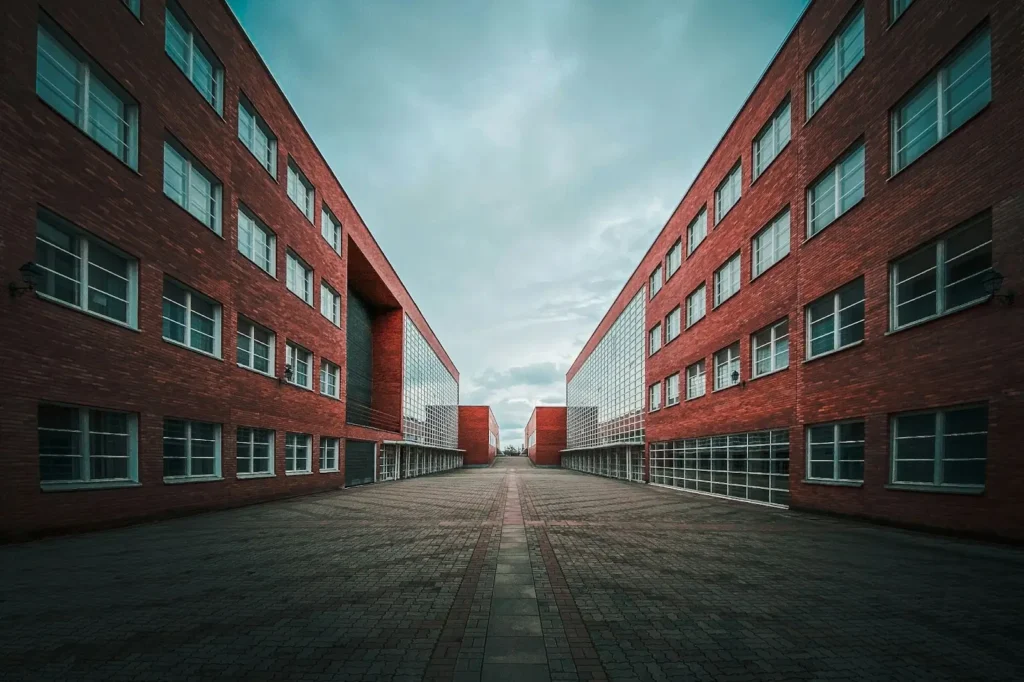
While an active threat is the most immediate and dangerous type of threat to the safety of students and staff, school lockdowns can also happen for any of the following reasons:
Although the students and staff within a school may not necessarily be in immediate danger because of these types of nearby threats, a school lockdown is still one of the best ways to ensure no harm comes to them while on school grounds.
Initiating a lockdown in a school allows building occupants to securely shelter in place until any potentially dangerous incident nearby has been resolved and it’s deemed safe to resume normal activities.
Although it’s important to put school lockdown policies in place that will protect against all possible threats to the safety and security of students and teachers, every school should be prepared for the worst-case scenario — an active shooter targeting the school and its occupants.
If a school is prepared for an active threat, the people inside will also be safer and more secure if it’s necessary to lock the school down for any other possible type of danger.
In order to ensure a school lockdown’s effectiveness, it’s critical to implement strong physical barriers to forced entry as a first line of defense, ensuring the effectiveness of other measures by physically keeping the bad guys out and at bay.
The number one way to protect the lives of a school’s occupants during an active threat scenario is to prevent intruders from getting inside in the first place, or from entering certain areas, such as classrooms, once they’re already inside the building.
In the majority of active threat incidents, the attackers gain access to their targeted facility through a vulnerable door or window.
Even with all doors and windows closed and locked, it’s incredibly easy to break a traditional commercial glass window and reach in to open a door from the inside or simply climb right in. To prevent an attacker from doing this, schools should install physical barriers to forced entry over vulnerable school windows and doors, both on the school’s exterior and interior.
Using containment-grade (forced entry-resistant), polycarbonate-based glazing shields or even ballistic-grade (bullet-resistant) security glazing, such as Riot Glass, is the most cost-effective way to accomplish this.
Polycarbonate-based school security glazing is thin and light enough that it can typically be retrofitted over existing doors and windows without modifying the existing framing, yet it has the virtually unbreakable strength of polycarbonate.
Even non-ballistic polycarbonate won’t noticeably diminish in strength if riddled with bullets, remaining a barrier to entry by preventing an armed and dangerous intruder from passing any part of their body through the glazing to open a door from the inside.
School access denial barriers aren’t the only solution districts and administrators should look at for improving school lockdowns, but they’re the most effective way to keep bad guys out and minimize harm to students and teachers.
Another way to improve school lockdown safety is to strictly limit where people can access the school, monitoring the flow of people in and out and ensuring entryway security.
Ideally, the school should have one main, secure entrance, and all secondary entrances should remain closed and locked at all times. If multiple access points are required, schools should keep the number to as few as possible and ensure they’re all monitored.
There are a few different ways to monitor the access points, including manning them with staff, security personnel, or school resource officers during the times when people come and go most, as well as keeping an eye on them all day long through a modern surveillance system.
For even better access control, schools might consider implementing automated doors and locks that can only be opened using a key card or fob, which only students and staff have. This helps reduce the chances of someone from outside the school community gaining access and becoming a threat.
As we touched on earlier, schools don’t just need access denial barriers over exterior doors and windows. It’s also crucial to make classrooms equally as secure as the rest of the building. If classrooms have windows that look out onto the building’s hallways, as many do, these can be reinforced with security glazing as well.
Additionally, it’s important to ensure that all classroom doors close and lock properly. Schools may want to consider automatic locking systems, so there’s no possibility of a teacher or student forgetting to lock the door or not doing it correctly.
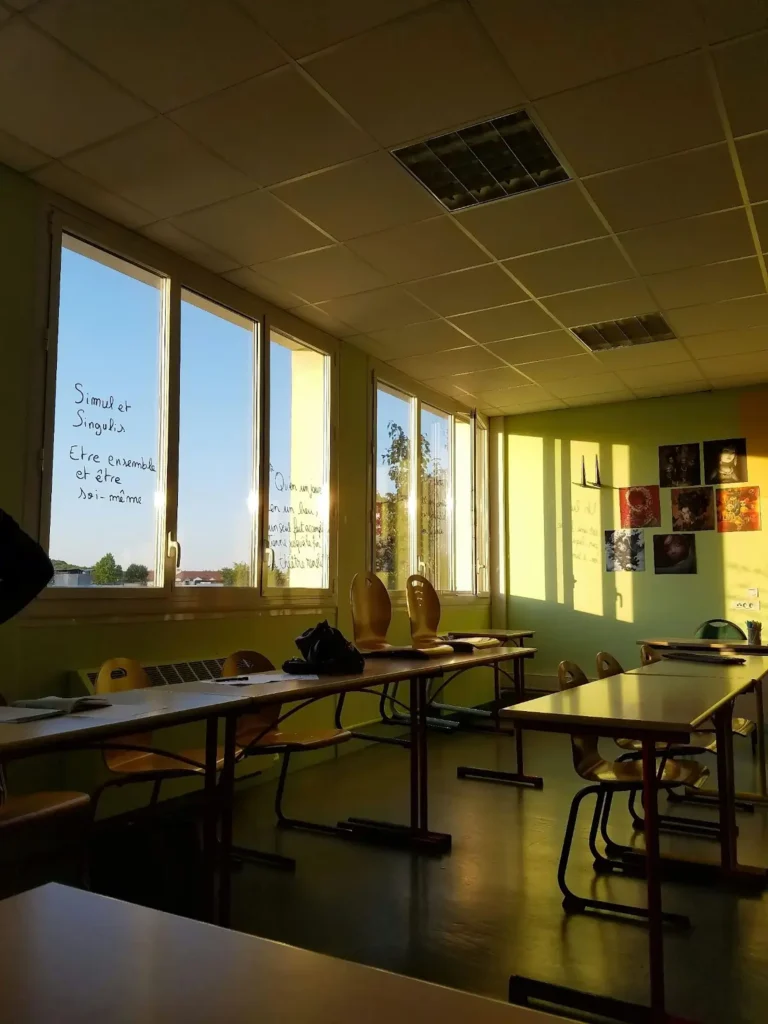
Lastly, classroom doors and windows should have some type of covering that can be lowered at will to prevent intruders from seeing who’s inside during a lockdown. This provides an added layer of security while teachers and students shelter in place in their classrooms during a lockdown in their school.
During a school lockdown, all school staff members need to be able to communicate quickly and reliably.
Classrooms should have an intercom system connecting them to the main office and preferably a dedicated security office within. They should also have phone lines that can be used to make calls to law enforcement and other authorities if cell phone use is not possible.
Training all school staff on how to use the communication system and instructing them on emergency procedures for doing so is also essential.
Lastly, it’s also a good idea to inform local law enforcement about how a school’s communication system works, in the event that they need to enter the building and communicate with people in locked-down classrooms via the system.
Conducting routine lockdown drills ensures that students and teachers know what to do in the event of an active threat or another security incident that forces a lockdown.
It’s recommended to conduct a lockdown drill during the first month of every school quarter, so at least four times a year. If procedures or physical security measures are updated between drills, schools should practice lockdowns additional times.
Physical barriers like forced entry-resistant glazing are only effective if staff and students know how to use them strategically during a lockdown in school. It’s critical to educate all school occupants not just on procedures, but on where the safest locations are within the building.
During lockdown training, schools should:
Incorporating these concepts into lockdown drills helps ensure everyone knows not just what to do, but where to go — and why those areas offer more protection. When people understand that reinforced glazing can act as a shield against forced entry or even bullets, they’re more likely to remain calm and make effective decisions under pressure.
This kind of site-specific lockdown education empowers everyone to respond more confidently and safely during an emergency.
Recent tragedies at U.S. schools, including the terrible Apalachee High and Uvalde incidents, have made it clear that schools absolutely must ensure their lockdowns and security measures are strong enough to protect lives during the worst-case scenario.
By implementing strong physical security measures alongside other best practices for lockdowns in schools, communities can gain peace of mind in knowing that students, staff, and teachers are safe in the face of any potential threat.
If you’re not sure where to start, a threat assessment can help determine risk levels and provide tailored recommendations for upgrading your school’s security to ensure effective lockdowns.
At Riot Glass, we’re experts in hardening schools against active threats with our forced entry-resistant and ballistic-grade school security glazing solutions.
Contact us today for a free consultation or to schedule a threat assessment.