
Due to its impact resistance, durability, and versatility, polycarbonate is one of the most popular materials used for modern security glazing.
Polycarbonate glazing is used in everything from storm windows to bullet-resistant entryway doors, offering high levels of physical protection against all types of impacts, whether due to a forced entry attempt, flying storm debris, an active threat scenario, or anything in between.
In case you’re not familiar with polycarbonate and its security glazing applications, we put together this guide to answer questions like “what is polycarbonate made of” and FAQs about its use in commercial building security.
Polycarbonate is a type of thermoplastic polymer that contains carbonate groups in its structure. It is made from bisphenol A (BPA) and phosgene (COCl₂) through a polymerization process. This combination creates a durable, lightweight material that is highly resistant to impact and temperature, making polycarbonate ideal for engineering applications.
Polycarbonate is also naturally transparent and transmits light virtually as well as glass, making it a popular alternative to glass in architectural glazing and other applications where visibility and light transmission are important.
For example, polycarbonate is commonly used for eyewear and headlight lenses and construction materials, including various types of security glazing for windows and doors.

Polycarbonate is a suitable material for virtually any type of security glazing. Whether you want to protect against vandalism, burglary, smash-and-grab theft, storm damage, or even active threats, polycarbonate-based security glazing is an excellent option.
Polycarbonate is frequently used in forced entry-resistant security glazing systems, which are designed to withstand deliberate attempts to break through a building’s windows or doors.
These systems are highly effective in preventing burglaries, vandalism, and smash-and-grab thefts, providing a robust barrier without sacrificing visibility or aesthetics.
For high-risk environments requiring advanced protection against potential ballistic threats, such as banks, government facilities, or schools, ballistic-grade polycarbonate glazing is the gold standard.

This type of glazing is engineered to resist firearm impacts while maintaining its structural integrity to continue providing access denial. Its lightweight nature compared to traditional bullet-resistant glass compositions makes it easier to install while offering superior protection.
Polycarbonate can also be combined with laminated security glass, resulting in glass-clad polycarbonate (GCP) glazing that can provide some of the highest levels of ballistic resistance.
In regions prone to extreme weather, polycarbonate-based hurricane windows are a popular alternative to traditional hurricane shutters, storm panels, and plywood board-ups.
These windows are designed to resist flying debris and high wind pressure during severe storms, ensuring the safety of occupants and minimizing property damage.

Unlike traditional storm shutters, hurricane windows made from polycarbonate glazing allow natural light to enter and maintain visibility while providing unmatched durability.
We’ve already touched on some of the reasons why polycarbonate is the perfect material for various types of security glazing, including its incredible impact resistance and ability to transmit natural light almost as well as glass does.
However, polycarbonate has other properties that make it one of the most popular choices for reinforcing commercial doors and windows these days.
For example, polycarbonate is very lightweight compared to traditional glass, making it easier to handle, install, and integrate into existing structures without requiring significant modifications. This lightweight property reduces the strain on door and window frames while maintaining superior strength. In many cases, polycarbonate security glazing can even be retrofitted right on top of existing windows and doors.
Additionally, polycarbonate offers excellent flexibility, allowing it to absorb and dissipate energy from impacts more effectively than rigid materials like glass. This means that polycarbonate security glazing can withstand repeated blows without cracking or shattering, making it ideal for situations where sustained attacks or extreme forces are anticipated.

Another critical advantage is its resistance to environmental factors. Polycarbonate security glazing is designed to endure exposure to UV rays, extreme temperatures, and moisture without yellowing, warping, or losing its structural integrity. These characteristics ensure that polycarbonate security glazing remains effective and visually clear for years, even in harsh climates or high-traffic environments.
Finally, polycarbonate is highly versatile and can be combined with other materials to create layered security glazing systems. For instance, it can be paired with other security glazing laminates or coatings to enhance ballistic resistance, fire resistance, or scratch resistance, making it customizable for virtually any security application.
Yes! Riot Glass develops, manufactures, supplies, and installs the AP-Series system of polycarbonate security glazing, a virtually unbreakable, retrofittable security glazing solution for commercial facilities.
The AP line offers a range of options suitable to all levels of security needs. For example, our flagship AP25 security glazing is a containment-grade (non-ballistic) glazing shield that is the best option for business glass protection.
AP25 resists even the most determined forced entry attempts using sledgehammers or other common burglary tools, making it ideal for protecting retail stores against smash-and-grab theft, for example.
For a combination of forced entry protection and UL 752 Level 1 bullet resistance, there’s also AP75, which has passed the ASTM F3808 forced entry test, certifying it for use in high-risk environments like government buildings. These testing protocols simulate an armed group of attackers, such as a mob of rioters, attempting to force entry using a variety of tools, including firearms, over several minutes.
If you want even higher levels of ballistic resistance, the AP-Series offers different ballistic-grade models going up to a UL 752 Level 6 rating for high speed multi-shot 9mm (Uzi) ballistic attack.
All AP-Series security glazing can be retrofitted over or into virtually any existing doors or windows using our Universal Framing System. It can also be used to replace existing glass or in new construction, including in the construction of interior glass surfaces, such as retail store display cases or cash-handling windows.
Now that you know what polycarbonate is made of and what some of its potential security glazing applications are, you may still be wondering if it’s right for your needs.
Polycarbonate security glazing can be customized to meet all your specific requirements, whether you need to protect a retail storefront, reinforce school doors, or secure a storm-prone building. Its combination of strength, transparency, and versatility makes it a go-to material for safety and security-conscious property owners across industries and regions.
If you're considering polycarbonate for your security glazing needs, consulting with one of our experts at Riot Glass can help you select the best solution for your unique circumstances. Contact us today to get started!
Security is essential to the success of every brand. No matter what industry your business operates in, there are always security threats to worry about — threats that can not only disrupt your operations, but also tarnish your brand’s image.
Implementing a comprehensive, multi-layered security system helps protect your bottom line and provides peace of mind in knowing that your business is safeguarded against a full range of threats.
However, many business owners make the mistake of only installing superficial security measures that do little to actually prevent security incidents like forced entry, burglary, and smash-and-grab theft.
In order to truly prevent crime and protect your business against all possible threats, make sure you include all these key components of commercial security systems in your high-end security setup.
Security cameras are foundational to any commercial security system, but for high-end businesses, monitored surveillance is a must. It’s not enough to just capture footage — it needs to be watched in real time by trained professionals.
Remote monitoring services ensure that suspicious activity is flagged and acted on immediately. Cameras with high-definition resolution and advanced features like facial recognition, license plate reading, and low-light functionality offer additional protection.
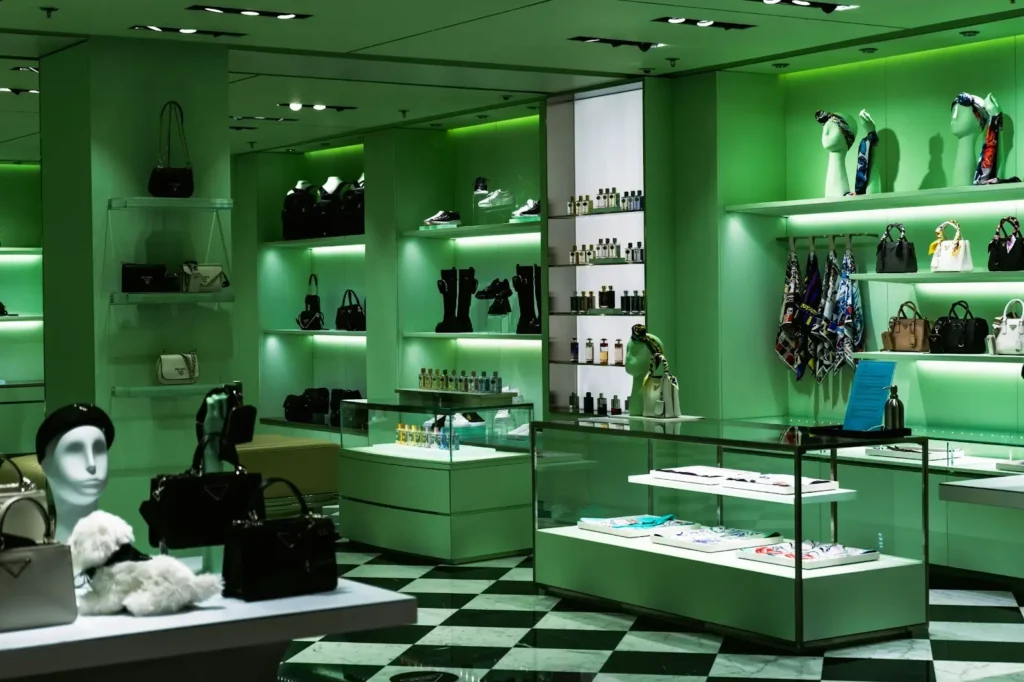
For high-end businesses like jewelry stores and luxury boutiques, discreet placement is key — cameras should provide maximum coverage without disrupting the ambiance of the space.
Footage from these systems also plays a critical role in post-incident investigations and can help law enforcement identify suspects more quickly.
An alarm system offers active deterrence if and when a security breach occurs. Whether it's a silent alarm triggered by an unauthorized entry or an audible one that deters intruders and notifies nearby personnel, a professional-grade alarm system is vital.
For high-end businesses, alarms should be integrated with all other security measures and monitored 24/7 by a third-party service.
In addition to standard door and window sensors, advanced systems can include vibration sensors, panic alarms, and duress codes to silently alert authorities during a robbery.
Alarms are especially important after hours, when your business is unoccupied and most vulnerable to break-ins.
Motion detectors and glass-break sensors add an invisible layer of protection to your storefront or interior spaces. These sensors are designed to trigger alarms and alert monitoring services when someone moves in a restricted area or breaks a glass pane, even if they bypass other barriers.
In luxury retail environments, these devices are especially important in display cases, safes, or storage areas. Smart motion sensors can be programmed to ignore small animals or environmental changes, reducing the likelihood of false alarms.
Glass-break sensors work by detecting the unique acoustic signature of breaking glass, making them particularly effective at preventing smash-and-grab incidents — a common threat to high-end businesses.
A robust access control system ensures that only authorized individuals can enter specific areas of your business. These systems go beyond traditional locks and keys, offering customizable credentials such as keycards, fobs, mobile authentication, or biometric verification.
For luxury retailers, access control is essential for managing stockrooms, safes, and employee-only zones. It also creates an audit trail, so you can see who entered a space and when.
Integrating access control with your alarm and surveillance systems strengthens your overall security posture and helps prevent internal theft or unauthorized access to high-value items.
Well-designed lighting is both a deterrent and a safety feature. Criminals prefer to operate in darkness, so illuminating your property — especially during off-hours — can significantly reduce the risk of crime.
Security lighting should incorporate both exterior and interior lights, including motion-activated floodlights, entrance lighting, and emergency backup lighting in case of a power outage.
High-end businesses should use lighting not just for safety, but also to complement the appearance of the building without sacrificing visibility.
Smart lighting systems can even be programmed to simulate activity when the business is closed, giving the illusion that someone is always present.
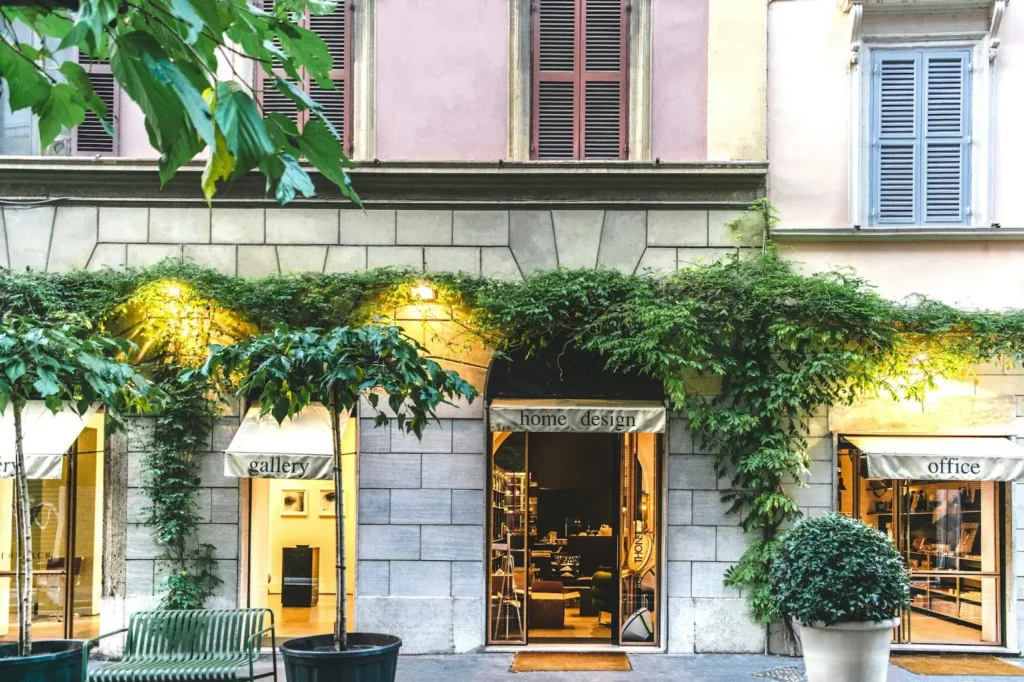
Physical barriers around your storefront can stop criminals before they even reach your business.
For high-end businesses, bollards, planters, and other vehicle mitigation systems prevent smash-and-grab thefts carried out using cars or trucks to ram through glass doors or windows (crash-and-grabs). Bollards that are rated for impact resistance ensure that even a high-speed vehicle cannot breach your building’s exterior.
These barriers should be strategically placed to protect vulnerable entry points without interfering with foot traffic or the aesthetic of the property. Modern perimeter security products can blend seamlessly into the design of a luxury storefront while still providing formidable protection.
Advanced commercial security systems rely on centralized platforms that integrate all your components — from cameras and alarms to access control and lighting — into a single, user-friendly dashboard.
For high-end business owners, these platforms enable remote monitoring and real-time alerts, giving you full visibility and control from a mobile device or computer. You can check surveillance footage, receive intrusion alerts, unlock doors for employees, and even initiate lockdown procedures, all from a remote location.
Having this level of oversight is particularly useful for managing multiple store locations or responding quickly to after-hours incidents.
In a high-risk situation, rapid communication is critical. Emergency communication systems, such as panic buttons, intercoms, and mass notification systems, allow employees to quickly alert internal security teams or law enforcement.
Panic buttons can be installed under counters, inside offices, or even on wearable devices, offering discreet and instant access to help, while intercom systems streamline internal coordination, especially in larger or multi-level stores.
High-end businesses should also consider integrating emergency communication systems with access control to initiate lockdowns or secure specific areas during a threat.
It’s not uncommon for criminals to bypass the front window altogether and instead attack doors and door frames, which are often the weakest part of a building’s exterior.
Reinforced doors — made of solid metal or composite materials — and heavy-duty, security-grade frames drastically reduce the likelihood of a successful forced entry. When paired with high-security locks and hardware, these doors offer both safety and functionality. This is especially important for side entrances, emergency exits, and back-of-house loading areas where visibility may be lower.
High-end storefronts often feature large glass windows and doors, which are both a design element and a vulnerability. Standard commercial glass offers little resistance to blunt force, leaving luxury goods vulnerable to break-ins and smash-and-grabs.
Installing forced entry-resistant security glazing — such as Riot Glass — provides a virtually invisible barrier that looks like regular glass but resists repeated impacts from hammers, bats, and other common burglary tools. It prevents smash-and-grab thefts and can also protect your storefront from natural threats like windborne storm debris.
Riot Glass’ high-security glazing products preserves your store’s aesthetic and brand image while offering 24/7 protection against even the most serious physical threats.

For high-end businesses, physical security is not just about preventing loss — it’s about protecting your reputation, your employees, and your brand. Customers expect a safe, secure environment when shopping for luxury goods, and a strong commercial security system helps provide this.
Taking a multi-layered approach to security that incorporates the measures we discussed above can deter threats, prevent losses, maintain business continuity, and preserve your brand’s reputation even in the face of serious incidents like smash-and-grab attempts.
Contact Riot Glass today for a free consultation on hardening your business’s windows and doors with our retrofittable forced entry-resistant or ballistic-grade security glazing and framing systems.
From natural disasters to bullying and targeted acts of violence, schools face a wide range of potential threats. Ensuring the safety of students and staff requires proactive planning, collaboration, and the implementation of meaningful physical security measures.
A robust school safety plan is essential — not just as a document that checks off compliance requirements, but as a practical framework for protecting everyone on campus from specific threats, including targeted violence.
While no plan can eliminate every risk, a strong focus on physical security can significantly reduce the likelihood and impact of emergencies, particularly in the face of increasing active threats in schools.
A school safety plan is a comprehensive set of strategies and procedures designed to prevent, respond to, and recover from a wide array of emergency situations. These plans are typically developed in coordination with law enforcement, school staff, and the broader school community, including parents and local emergency responders.
A well-rounded school safety plan addresses incidents such as:
Most states require school districts to maintain updated safety plans, and some offer specific guidelines regarding what these plans must include. Schools should consult both state and federal resources, such as those from the U.S. Department of Education, for foundational best practices.
A school safety plan should be actionable and specific. It’s also important to regularly review and update it. Below are the essential steps every school should take to create a comprehensive plan.
The first step in building an effective school safety plan is conducting a professional threat assessment. This process involves evaluating the unique risks faced by a specific campus or district, both physical and behavioral.
A comprehensive threat assessment includes:
Based on these findings, schools can implement solutions such as:
Every school needs a dedicated team responsible for developing, implementing, and overseeing the school safety plan. This group may include a mix of school and district employees as well as external collaborators:
This team should meet regularly to update plans, review safety incidents, and ensure proper training and communication are maintained across the school community.
Early intervention is one of the most effective ways to prevent crises. Establishing anonymous reporting tools, such as online portals, tip lines, or mobile apps, allows students, staff, and families to report suspicious behavior or safety concerns without fear of retaliation.
Many school violence incidents have been prevented thanks to timely tips. These systems should be easy to access, widely publicized, and actively monitored.
Also called emergency operations plans or response protocols, these are detailed procedures for how to act before, during, and after various emergency situations.
Action plans should be tailored to the school’s location and risks, including:
Clear roles and responsibilities should be assigned to specific staff members for each emergency type.
A school safety plan is only effective if staff and students know how to follow it. Training and drills are critical for reinforcing protocols and identifying potential weaknesses in emergency plans. Regular safety training should cover:
These drills should be conducted at least twice per school year and reviewed for continuous improvement.

Recovery is a crucial, and often overlooked, part of any school safety plan. After a crisis, students and staff need support to recover emotionally, physically, and academically. The recovery plan should include:
A quick, compassionate post-emergency recovery helps restore a sense of normalcy and resilience across the wider school community, from classrooms to homes.
While planning and prevention are essential, physical security is the backbone of a truly effective school safety plan. Unfortunately, many schools remain vulnerable due to outdated infrastructure or insufficient security barriers.
This is where Riot Glass makes a powerful difference.
Riot Glass retrofit security glazing solutions strengthen vulnerable access points like doors and windows without compromising visibility or aesthetics. These systems are engineered to withstand a wide range of threats, including:
Because Riot Glass products can often be installed over existing glass, schools can significantly upgrade their physical security without the high costs of full window and door glazing replacements.
Our team works directly with school and district administrators, security consultants, and facility managers to assess vulnerabilities and recommend the right solutions for each campus.
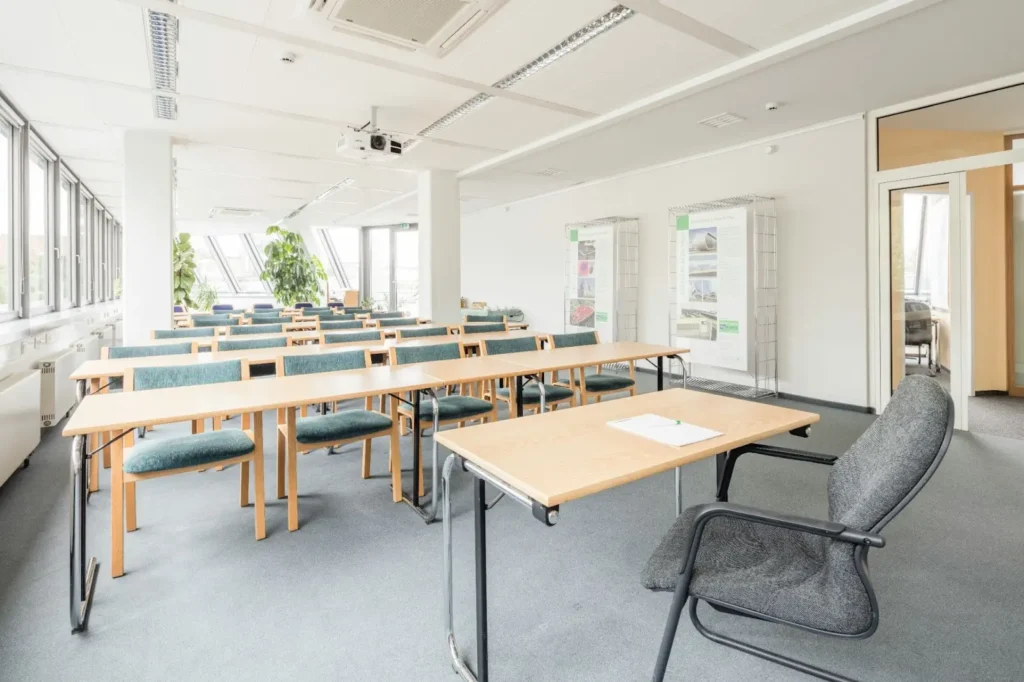
Schools today operate in an extremely high-risk security climate, so school safety plans must go beyond checklists and theoretical procedures. They need to prioritize real-world physical protection that can save lives and reduce harm in the event of an emergency.
From proactive threat assessments to virtually unbreakable security glazing, each layer of your school safety plan plays a vital role in creating a safer learning environment.
Riot Glass is proud to support schools in their mission to protect students, staff, and faculty through practical, effective physical security solutions.
Contact us today to learn more about how our retrofit glazing systems can strengthen your school safety plan and make your campus more resilient to today’s threats.
Over the last few years, security glass has become a staple of modern commercial architecture. With threats like forced entry, smash-and-grab theft, looting, and violent attacks on the rise, building owners and architects are increasingly turning to security glazing as a critical layer of protection.
Today’s security glass is not only stronger than ever, but is also available in a wide range of aesthetic options that complement contemporary building designs.
In this updated guide, we’ll explore the benefits of using security glass for commercial architecture, the most common types of commercial security glazing, and key considerations when selecting the right solution for your property.
The core reason to use security glass is protection — protection for people, property, and peace of mind.
Unlike standard commercial glass, which shatters easily into sharp, hazardous shards, or, in the case of tempered glass, crumbles upon impact, security glazing is engineered to resist breakage and maintain its integrity even after repeated high-force blows.
Whether your concern is forced entry, vandalism, riots, or ballistic threats, the right type of glazing can delay or completely deny access, giving occupants critical time to respond or evacuate and get to safety.
With the expanding availability of retrofit security glazing solutions, such as those from Riot Glass, security glass is no longer just for new construction or expensive renovations — it’s accessible and cost-effective for a wide range of commercial applications.
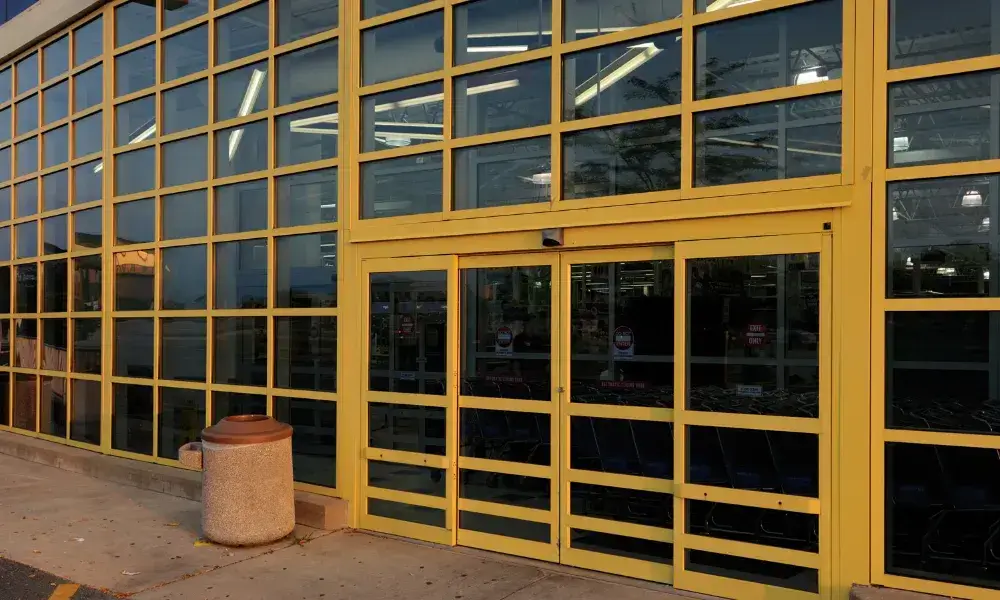
Modern security glazing generally falls into three main categories: laminated glass, polycarbonate glazing, and glass-clad polycarbonate (GCP). Each has its own unique strengths, drawbacks, and ideal use cases.
Laminated security glass is made by sandwiching a tough thermoplastic interlayer between two sheets of strengthened glass. When struck, the glass may crack or spall, but it usually holds together, thanks to the interlayer.
Pros:
Cons:
This type of commercial security glass is best for storefronts, lobbies, or offices in areas with a lower threat profile but a desire to deter quick, opportunistic break-ins.
Unlike laminated glass, polycarbonate glazing contains no actual glass. It’s made from one or more layers of impact-resistant plastics (primarily polycarbonate, but can also contain acrylics) and can stop even the most aggressive forced entry attempts.
Pros:
Cons:
Polycarbonate is ideal for properties with a higher risk of burglary or smash-and-grab theft, such as pharmacies, luxury retailers, and cannabis dispensaries. It’s also a good choice for active threat access denial in schools and other facilities (ballistic-grade polycarbonate glazing is available).

GCP glazing combines layers of glass and polycarbonate for a hybrid solution offering very high levels of impact and ballistic resistance. This bullet-resistant glazing is often used in government buildings, banks, and other high-risk facilities.
Pros:
Cons:
GCP is the perfect solution for applications where active threat protection is non-negotiable, such as in courthouses, government offices, and other high-security properties.
Security glazing is quickly becoming a standard component of resilient, future-focused building design, making its use one of the top security industry trends of 2025.
Choosing the right type of security glass for your architecture means striking a balance between protection, aesthetics, and budget. Consider the following factors to help you make your choice.
Start by assessing the likely risks to your building. Is your biggest concern smash-and-grab theft? Rioting and looting? Gun violence? Choose the glazing type that’s rated to withstand those specific threats.
For example:
Security doesn’t have to be ugly. In fact, many property owners choose security glass because it eliminates the need for unsightly solutions like window bars.
If your business depends on natural light and window visibility — like in showrooms or retail spaces — opt for clear or lightly tinted polycarbonate or laminated glass that won’t interfere with sightlines or lighting. You can always combine it with other solutions, such as roll-down security shutters or side-folding grilles, for additional after-hours protection as well.
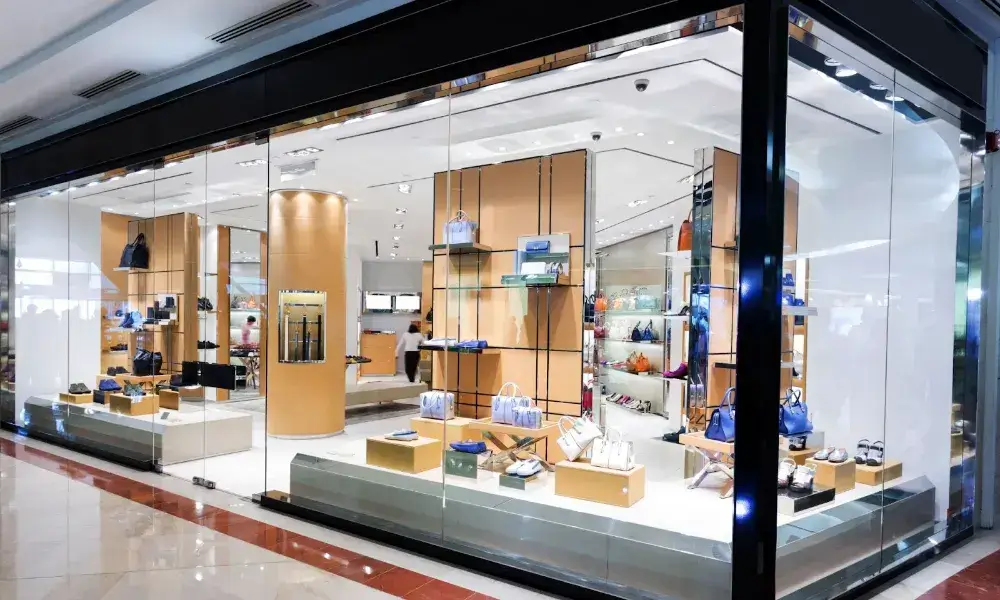
Like any construction material, security glass must fit into a realistic budget. The good news is that you don’t need to go all-in with the highest-grade glazing on every window.
Cost-saving strategies include:
Riot Glass is a proprietary line of retrofit-ready security glazing solutions engineered to outperform traditional laminated, polycarbonate, and GCP glazing.
Using advanced formulations of security glass and plastics, including polycarbonates and acrylics, as well as proprietary security framing systems, Riot Glass delivers unmatched protection against:
Whether you’re retrofitting an existing commercial space or designing a new building, Riot Glass offers scalable, cost-effective solutions that blend seamlessly with your architecture.
From preventing theft to protecting against worst-case active threat scenarios, the right security glazing solution can safeguard your assets, improve your building’s look, and offer peace of mind to occupants and visitors alike.
Need help selecting the best solution for your building? Riot Glass experts can help you assess risks, evaluate your options, and create a customized security glazing plan that works with your goals and budget.
Contact us today for a free consultation.