Of all the school safety issues that US schools have to worry about, targeted violence is the most serious, having the potential to result in major tragedies. We’ve unfortunately seen this over and over again during the last couple of decades.
Because of the very real risk of active threat scenarios at schools across the country, it’s more important than ever for schools to find ways to mitigate the risk of targeted violence. One of the most effective ways to do this is by implementing physical security measures to keep active threats out of classrooms and other areas of schools.
When you think of school safety issues, problems like bullying and harassment are probably top of mind.
While it’s true that such issues affect the day-to-day lives of students and teachers more than targeted violence, a series of high-profile school shootings resulting in tragic mass casualty situations have brought targeted violence to the forefront of conversations about school safety and security.
School shootings and other targeted acts of violence, collectively known as active threats, have led to an increased effort on the part of the US federal government to mitigate violence in schools. This has even resulted in some states pushing for glass-hardening mandates in schools.

According to the National Institute of Justice, there have been federal programs and policies in place to address violence in schools going as far back as the 1970s.
But it wasn’t until the 90s, when a series of school shootings, including the tragic Columbine shooting, occurred that the US government really started to look at ways to better prevent and respond to targeted violence in schools.
Some of the government’s programs and policies involve schools implementing new security technologies and practices, and today there are even a wide variety of school safety and security grants available to help schools pay for these technologies and security measures.
Examples of security technologies and practices that schools have increasingly implemented over the past couple of decades include:
Traditional measures like alarm systems and security cameras are important components of any comprehensive school security system, but there’s one vital thing they don’t do — physically prevent attackers from gaining access to school buildings and classrooms.
Access control systems and locked doors are other key components that make it harder for intruders to gain entry to schools and classrooms, but they don’t stop the bad guys from breaking a vulnerable window to open a door from the inside.

Schools also tend to be full of these vulnerable windows, since they help facilitate a positive learning environment by letting natural light in, providing views of the outdoors, and allowing for observation of classrooms. This creates a unique challenge when it comes to mitigating school safety issues without detracting from the learning experience.
Fortunately, there’s a powerful solution that increases safety by preventing a school’s windows and glass doors from breaking, providing access denial to keep active threats out while also protecting against a full range of other school safety and security threats: Riot Glass.
Riot Glass school access denial barriers are constructed using specific formulations of polycarbonates, acrylics, and other plastics, resulting in virtually unbreakable glass-like security glazing that outperforms and outlasts all similar access denial products on the market.
Using retrofittable framing adapters, Riot Glass can often be installed on top of, behind, or in place of almost any existing glass surface, creating a virtually unbreakable barrier to protect people and property.
For schools, these access denial barriers are the best way to secure buildings and classrooms against forced entry and reduce the risks of violent attacks.
Riot Glass offers the highest level of physical protection during active threat scenarios, delaying or outright preventing forced entry. This critical delay allows school occupants to react by running, hiding, barricading themselves inside somewhere safe, and waiting for the authorities to arrive and neutralize the threat.
When used alongside other essential measures, Riot Glass school security solutions drastically reduce the chance of injury and loss of life on school grounds in the unfortunate event of a violent, targeted attack.
Riot Glass glazing shields also protect against a full range of other security threats that schools have to worry about, including:
This further improves overall school safety by reducing the risk of broken glass flying dangerously inward and potentially causing injury to students or staff.

As we mentioned earlier, an abundance of windows provides schools with a range of benefits in terms of the experience and atmosphere. Because of this, schools aren’t good candidates for more traditional forced entry barriers, such as window bars and grates.
Bars and grates over windows can make a school feel more like a prison than an educational institution. Riot Glass, on the other hand, looks and feels very much like standard window glass and doesn’t significantly change the appearance or functionality of windows — it doesn’t block out natural light or reduce visibility.
In other words, Riot Glass fortifies schools without making them look fortified. It provides the physical protection against active threats that many schools lack without compromising the learning environment.
Plus, since Riot Glass is designed to be a retrofit solution, it’s a very cost-effective security upgrade for schools — much more so than replacing windows with other types of security glass out there.
A Riot Glass retrofit project can easily be completed on nights and weekends or during school breaks, so as not to disrupt or make students or teachers feel uncomfortable in any way.
Lastly, there are different types of Riot Glass available to choose from, including containment-grade (non-ballistic, forced entry-resistant) and ballistic-grade (bullet-resistant) varieties, to suit all school security goals and budgets.
For schools seeking the highest level of active threat protection, ballistic-grade Riot Glass should be a consideration.
Although there’s no such thing as 100% bulletproof glass, bullet-resistant Riot Glass can stop several ballistic rounds from specific types of firearms. This is crucial during the initial seconds of an attack, as it prevents bullets from passing through windows or doors and gives building occupants more time to react.
Additionally, ballistic-grade Riot Glass is fully forced entry resistant. Even if riddled with and penetrated by bullets, it won’t break apart or significantly diminish in strength — it continues providing complete access denial, keeping active threats out of classrooms or other areas where school occupants are locked down.

Addressing school safety issues, including targeted violence, requires a proactive, multi-layered approach.
Incorporating access denial barriers to reinforce school doors and windows is one of the most effective ways to secure a school from the outside in.
By fortifying vulnerable potential entry points, schools can significantly reduce the risk of forced entry during an active threat scenario, while also protecting against other security threats and improving the overall safety of building occupants.
At Riot Glass, we’re dedicated to improving the physical safety and security of students and staff across the country. We can work with schools and local glass contractors anywhere in the US to get Riot Glass delivered and installed to our high standards. Contact us today for more information.
Government buildings face a unique set of challenges when it comes to security. Often serving as the backbone of public administration and housing critical operations and sensitive information, maintaining the security of government facilities is essential to maintaining public safety and trust.
Riot Glass offers cost-effective security glazing solutions for hardening government buildings against a range of threats, including forced entry, active threats, rioting and looting, and more, while taking into account the special needs of these types of facilities.

Due to their high profile, public visibility, and critical importance, government buildings are prime targets for various types of threats.
Key threats to the security of government facilities include:
Protecting government properties against these numerous threats requires proactive measures and a multi-layered approach to security.
One of the most effective strategies that reinforces government security against a full range of threats is retrofitting vulnerable windows and doors with advanced security glazing systems like Riot Glass.

Riot Glass glazing solutions are designed to provide an unmatched level of protection against forced entry, property damage, and even ballistic attacks. They represent a major upgrade to the physical security of government buildings that addresses vulnerabilities without disrupting the functionality or aesthetics of these critical facilities.
Riot Glass provides forced entry-resistant security glazing systems that make breaching vulnerable windows and doors significantly more difficult. These solutions are engineered to resist impacts from common tools like crowbars, sledgehammers, and battering rams, and can even withstand bullets.
Forced-entry resistant Riot Glass provides government facilities with valuable time in the event of an attempted break-in, allowing law enforcement or on-site security teams to respond while preventing unauthorized access and mitigating potential harm to sensitive information or personnel inside.
Riot Glass creates a powerful deterrent to burglary by making unauthorized access through windows or glass doors virtually impossible. Such security glazing upgrades provide peace of mind that sensitive materials and assets are safeguarded against theft.
Vandalism, from graffiti to broken windows, not only damages the appearance of government buildings but can also disrupt operations and harm public perception.
Riot Glass systems are impact-resistant, preventing windows and glass doors from shattering upon impact, and can be combined with graffiti-resistant coatings. This ensures that government properties remain intact and presentable even after attempts at vandalism.
Active threats are a growing concern for government facilities, and ballistic-grade glazing systems from Riot Glass can make a critical difference in these scenarios.
Riot Glass’s bullet-resistant glazing options can withstand gunfire, creating a barrier that protects occupants and prevents an assailant from gaining access to the building.
By upgrading to ballistic-grade glazing, government buildings can offer a higher level of safety to employees and visitors alike during a worst-case scenario. This proactive measure supports the broader mission of active threat preparedness and aligns with public expectations of government security.
During periods of civil unrest, rioters often target government buildings as a focal point for destruction or theft. Riot Glass systems are specifically designed to withstand these high-impact, chaotic events. The advanced glazing solutions resist shattering and breaking, preventing rioters from gaining entry or causing interior damage.
With Riot Glass installed, government buildings can remain secure and operational even in the face of large-scale disturbances, reducing downtime and repair costs.
Natural disasters, such as hurricanes or severe storms, can also threaten government buildings.
Riot Glass provides glazing systems that offer storm resistance, preventing windows from shattering under high winds or flying debris. This helps maintain the building’s structural integrity and ensures continuity of operations during extreme weather events.
At Riot Glass, we understand that no two government facilities have the exact same security requirements. That’s why our solutions are all highly customizable, allowing each building to implement the appropriate level of protection according to its unique needs.
Options for fortifying windows and doors in government buildings range from basic containment-grade (forced-entry resistant) systems to high-grade ballistic protection (forced entry and bullet resistant).
Note that even our non-ballistic solutions can get penetrated by bullets without shattering or significantly diminishing in strength, ensuring they remain a barrier to forced entry even during ballistic attacks.
Additionally, many Riot Glass systems can be retrofitted seamlessly onto existing windows and doors, avoiding the need for costly replacements or prolonged installation timelines. This non-invasive installation process ensures minimal disruptions to daily operations while providing maximum government security.
We even offer compression-fits security framing that can be used to retrofit Riot Glass in historic buildings without drilling into or otherwise damaging the surrounding structure, ideal for hardening historic government buildings like courthouses without compromising their heritage architecture.

Government buildings play a critical role in the day-to-day functioning of society, and their security is not something to be taken lightly.
From protecting against forced entry and theft to preparing for active threats and natural disasters, Riot Glass offers the comprehensive solutions government facilities need to stay secure and ensure the safety of their personnel and visitors.
To learn more about our government security glazing solutions, contact Riot Glass today!
It’s an unfortunate reality of the times we live in that schools have a growing need to strengthen their defenses against active threats.
While no single measure can fully eliminate the risk of an active threat, implementing robust physical security systems that include forced entry-resistant and ballistic-grade security glazing significantly increases the safety of students, educators, and staff while inside a school.
Ensuring entryway doors and windows can withstand forced entry attempts and ballistic impacts is one of the most critical aspects of hardening a school’s defenses — and that’s where choosing products tested according to ASTM F3561 for schools can help.
ASTM F3561 is the standard test method for evaluating the forced entry resistance of fenestration (window and door) systems after a simulated active shooter attack, and can be extremely valuable for helping schools choose the right materials with which to reinforce their windows and doors.
While not exclusively meant for schools, the ASTM F3561 testing protocols perfectly address the vulnerabilities of school doors and windows, often the first points of entry during an active threat scenario in a school.
The ASTM F3561 testing standard evaluates whether doors, windows, and their assemblies can withstand attempts to breach them using firearms, heavy tools, and other methods. It’s a comprehensive measure of a product’s ability to protect against both forced entry and ballistic threats, making it especially relevant for schools looking to beef up security against active threats.
By choosing school security glazing systems that successfully pass this rigorous test, educational facilities can greatly increase their physical security, better protecting the lives of school occupants during a worst-case active threat scenario.
The ASTM F3561 testing methodology starts by firing 10 AR-15 5.56 rifle rounds into the transparent portion of the window or door glazing system. This phase of the test, called the “glass weakening” portion, simulates an active shooter attempting to force entry by shooting out a pane of glass.
The next phase of the test involves swinging a 100-pound impactor, with gradually increasing velocity and from increasing heights, at the glazing, eventually reaching over 400 pounds of force for materials that achieve an ASTM F3561 Level 8 rating. This simulates an attacker swinging a sledgehammer or another heavy object against the glass to try and force entry.
Passing the different stages of the ASTM F3561 test is defined as preventing the creation of a hole large enough for an attacker to reach through, potentially allowing them to depress the panic egress hardware or manipulate the lock to gain entry.
Riot Glass offers school security glazing systems that have successfully passed the ASTM F3561 testing protocols up to Level 8, the maximum level of forced entry resistance that can be achieved using this method. These solutions are ideal for retrofitting existing school infrastructure or equipping new buildings with enhanced active threat protection measures.
Reinforcing windows and doors with Riot Glass security glazing that has passed the ASTM F3561 forced entry resistance test is one of the best ways for schools to improve physical safety and security during a lockdown, whether it’s triggered by an active threat or any other type of emergency scenario.

Forced entry-resistant and bullet-resistant glazing is increasingly becoming the norm in schools across the U.S., with some states even implementing or considering implementing glass hardening mandates for schools.
Installing security glazing systems that meet ASTM F3561 standards is a proactive and highly effective way for schools to harden their windows and doors and future-proof their security systems.
Retrofitting doors and windows with access denial barriers that have undergone such extensive testing for forced entry resistance during an active shooter attack drastically reduces the chances of an intruder gaining access to classrooms, offices, or other critical areas where they can do serious harm.
This essential layer of protection provides more time for school occupants to react, by running, hiding, and barricading themselves inside safe areas, and gives law enforcement more time to arrive and neutralize the threat. This time can mean the difference between life and death in the worst-case scenario.

School safety and security is a growing concern, and Riot Glass specializes in providing schools with ASTM F3561-compliant glazing systems for entryway doors, exterior windows, classroom windows and doors, and all other areas that are vulnerable to forced entry.
We can help you reinforce your school’s fenestration systems to create a safer learning environment and protect students, staff, teachers, and visitors from harm in the unfortunate event of an active threat scenario.
If you’re ready to harden your school’s defenses, contact Riot Glass today for a free consultation or to schedule a threat assessment. Together, we can take the necessary steps to ensure your facility is prepared for whatever challenges the future may bring.
School safety is a top priority for administrators, educators, and parents, but securing schools comes along with its own unique set of challenges.
Schools are faced with the difficult task of balancing the need for an open, inviting learning environment with the responsibility of protecting students and staff from a wide range of threats. From severe weather events to violent attacks, schools face numerous risks that require comprehensive emergency planning.
While many districts invest in security personnel, surveillance systems, and controlled access points, one critical aspect of school security often goes overlooked — reinforcing vulnerable glass surfaces.
Traditional glass windows and doors are among the weakest points in school buildings. In an emergency, they can shatter easily, creating hazardous debris or allowing an intruder to gain entry. This is where unbreakable security glass plays a crucial role in school emergency planning.
By upgrading to impact-resistant security glazing, schools can significantly improve their ability to withstand forced entry attempts, extreme weather conditions, and other emergency situations while maintaining a welcoming atmosphere for students and staff.
School emergency planning involves developing and implementing protocols to protect students and staff in the event of a crisis. A well-structured emergency plan must consider a variety of scenarios, including:
The emergency planning process typically begins with a risk assessment to identify potential threats and determine how likely they are to occur. Schools in hurricane-prone regions, for example, must prioritize storm-resistant infrastructure, while those in urban areas may focus more on security threats.
After assessing potential risks, schools develop emergency response plans that outline specific actions to take in different situations. These plans generally include:
Security enhancements, such as reinforced school doors, controlled access points, and surveillance cameras, are often included in school safety plans. However, one of the most effective and often underutilized measures is the installation of unbreakable security glass.
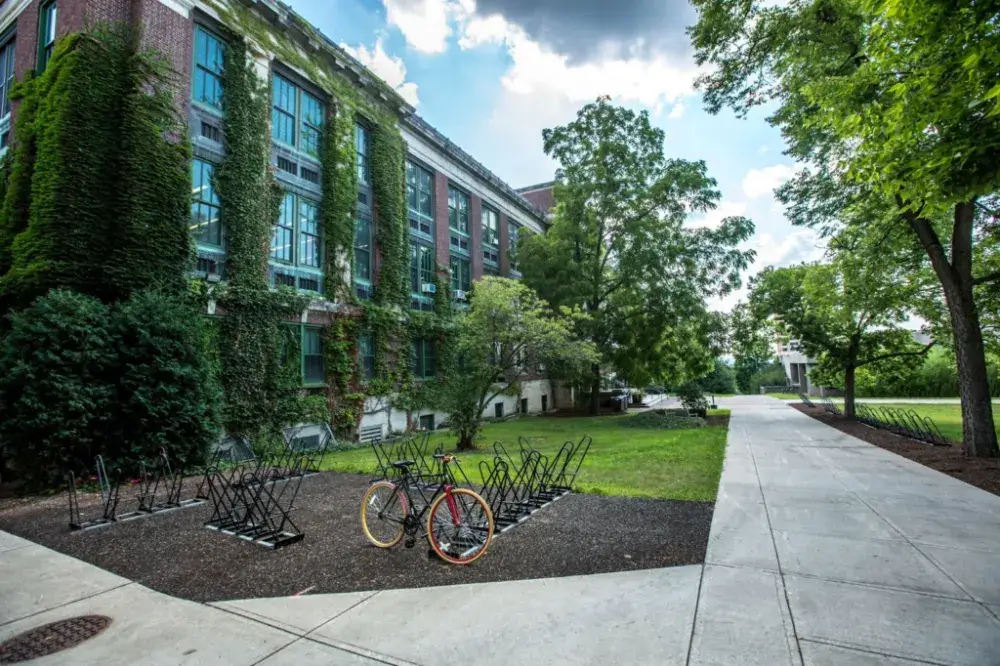
Windows and glass doors serve important functions in schools, allowing for natural light, visibility, and aesthetics. However, traditional glass is also one of the weakest structural points in a building.
In emergency situations, a school’s glass doors and windows pose serious security risks, making it essential for schools to upgrade to impact-resistant security glazing.
One of the most significant threats facing schools today is the risk of targeted violence. Many school emergency plans designate specific areas as lockdown zones or safe rooms where students and staff can take shelter. However, if these areas have standard glass windows or doors, they remain vulnerable to forced entry.
An intruder can easily smash or shoot through regular glass to gain access to a classroom or administrative office. Unbreakable security glass adds a critical layer of protection, preventing attackers from breaching windows and doors.
Unlike standard glass, high-performance security glazing can withstand sustained physical attacks and even ballistic impacts. The extra time it provides can be lifesaving, allowing students and staff to remain secure while waiting for law enforcement to arrive.
Natural disasters like hurricanes, tornadoes, and earthquakes can cause extensive damage to school buildings. During these events, traditional glass windows can shatter under pressure, sending sharp fragments flying through classrooms and hallways.
Flying glass poses a significant injury risk to students and staff. In the event of a high-impact event, broken glass can cause severe cuts and other injuries.
Security glazing is designed to remain intact even when subjected to extreme force. Unlike regular glass, which breaks into sharp shards, impact-resistant security glass holds together upon impact. This helps prevent injuries from flying debris and ensures that school buildings remain structurally sound during emergencies.
While security is a top priority, schools must also ensure that students feel comfortable and engaged in their learning environments. Overly restrictive security measures, such as metal bars on windows or solid barricades, can create a prison-like atmosphere that negatively affects student morale.
Unbreakable security glass provides the perfect balance between safety and openness. Unlike metal barriers, security glazing maintains the transparency and aesthetic appeal of standard glass while offering significantly enhanced protection.
Classrooms and hallways remain bright and welcoming, while students, parents, and teachers gain peace of mind knowing that they are protected against potential threats.
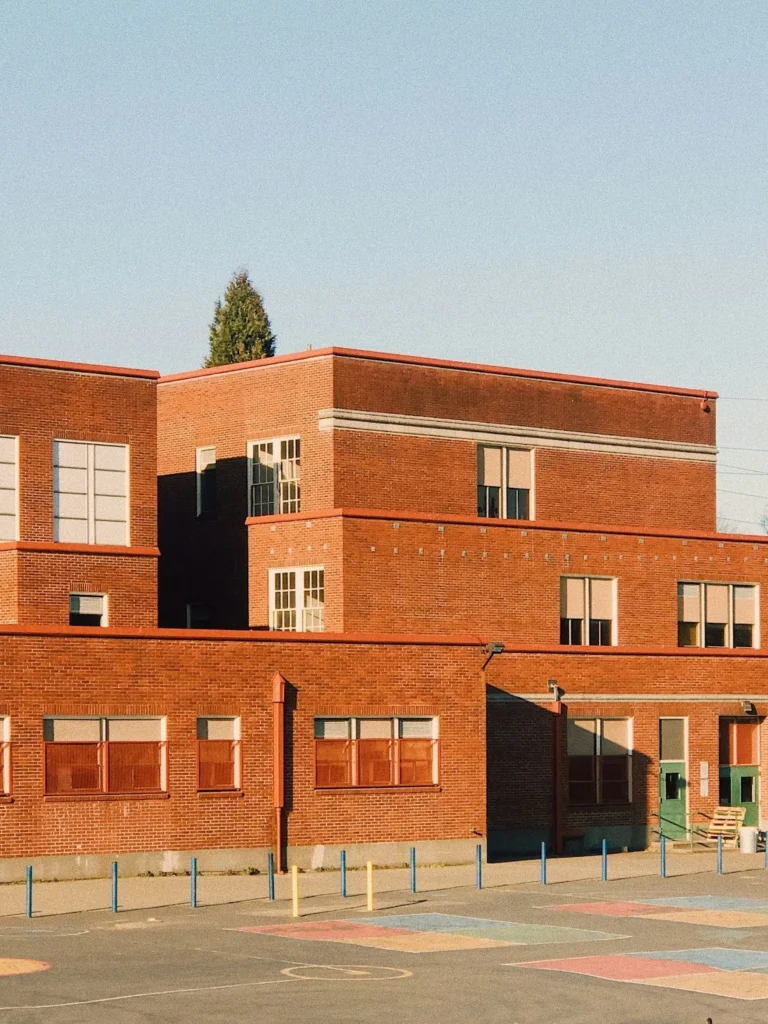
When selecting security glazing for a school, it’s important to consider both the level of protection needed and the ease of installation. Many security glass solutions require extensive modifications to existing structures, making them costly and difficult to implement.
Riot Glass offers various high-performance security glazing solutions specifically designed to meet the needs of schools. Unlike traditional security barriers, Riot Glass provides superior protection without altering the functionality or appearance of existing windows and doors.
Riot Glass products can be installed over, behind, or in place of existing glass, making them a flexible, cost-effective security solution for schools. These glazing shields provide long-term protection against a wide range of threats while allowing schools to maintain a comfortable and welcoming atmosphere.
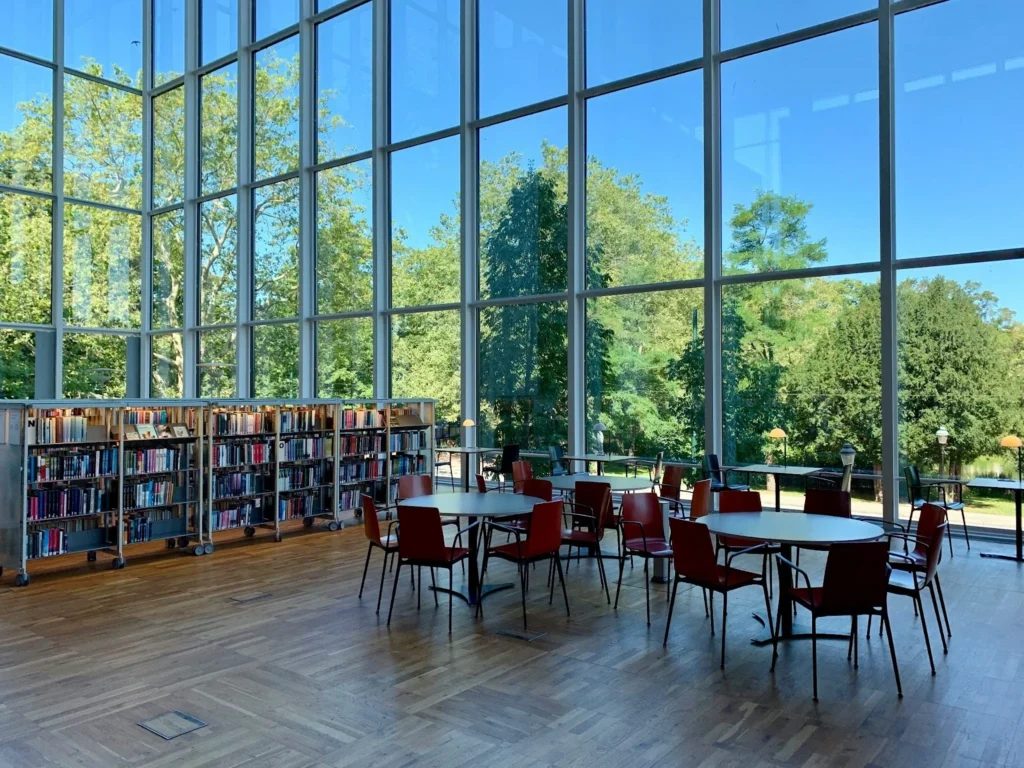
If your school is refining its emergency preparedness plans, upgrading to unbreakable security glass should be one of your top considerations. Reinforcing school windows and doors with impact-resistant glazing protects students and staff from forced entry attempts, natural disasters, and other emergencies.
If your school or district is looking for ways to strengthen its emergency preparedness, Riot Glass can help.
Riot Glass offers comprehensive security glazing solutions designed to help schools enhance their safety measures without compromising the learning environment. With cost-effective installation options and superior protection, Riot Glass is a trusted choice for school districts looking to improve their emergency planning strategies.
Contact us today to learn how our virtually unbreakable glass solutions can improve your school’s emergency planning.