
Smash-and-grab theft is a relentless threat for many types of businesses, with criminals targeting vulnerable storefronts and display cases for a quick, destructive payout.
While most businesses rely on traditional security measures like cameras and alarms, these only act as deterrents, rather than physically preventing theft. In recent years, criminals have become more emboldened than ever. They are even less inclined to pay attention to such deterrents, meaning many businesses effectively have no protection from smash-and-grabs.
Riot Glass high-security windows, however, offer a powerful first line of defense, creating a virtually impenetrable barrier against forced entry to mitigate the risks of smash-and-grab theft, after-hours burglary, looting, and more.
By securing windows, doors, and display cases with this highly impact-resistant security glazing, businesses can prevent costly break-ins, safeguarding not only their valuable merchandise but also their property against expensive, recurring damage.
Smash-and-grab theft involves forcefully breaking into a business establishment, or into display cases within a store, to steal valuable items within a short period of time. In these bold thefts, the thieves are not worried about making noise, setting off alarms, or, in many cases, even being seen.
In fact, we’ve increasingly seen brazen daytime smash-and-grab robberies on a dramatic scale, sometimes involving dozens of criminals in a coordinated attack (known colloquially as a “flash rob,” short for “flash robbery”). These large-scale smash-and-grabs are often orchestrated by organized retail crime groups, who have networks in place to facilitate the resale of stolen goods.
Organized retail thieves know that most retail stores lack the physical protection required to prevent forced entry and smash-and-grab theft, so all they do is cover their faces and hands, grab a hammer and a bag, and get to work.
While any retail store can be a potential target for a smash-and-grab, certain types of businesses are preferred targets because of the potential payouts for criminals.
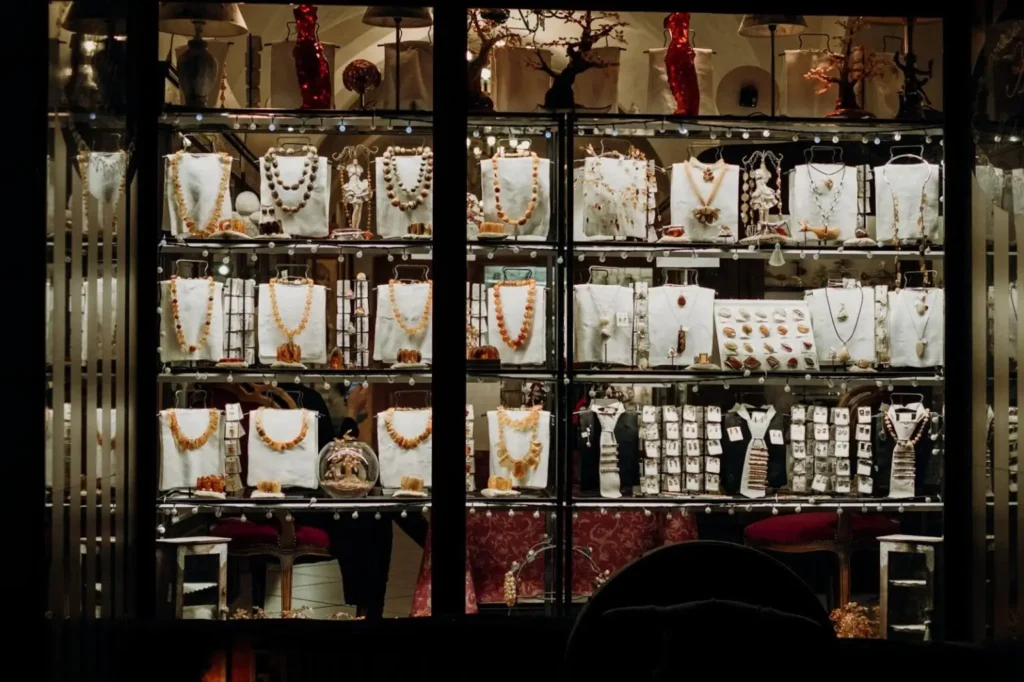
Smash-and-grab theft can result in substantial financial losses for businesses. Not only are there costs associated with replacing stolen goods and fixing property damage, but there’s also the potential for lost revenue from business interruption and reputation damage.
Implementing robust physical security measures, including Riot Glass high-security windows for smash-and-grab protection, helps minimize these losses, reducing the potential impact on the company's bottom line.
For instance, if criminals try to break through a storefront protected by Riot Glass, they may be able to damage the security glazing, but they won’t be able to get through it. This means the store’s merchandise is safe and all they have to do is replace any damaged Riot Glass — there’s no need to repair the entire storefront. Plus, once criminals catch wind of the fact that a particular store is protected by Riot Glass, it’s much less likely to be a repeat target.
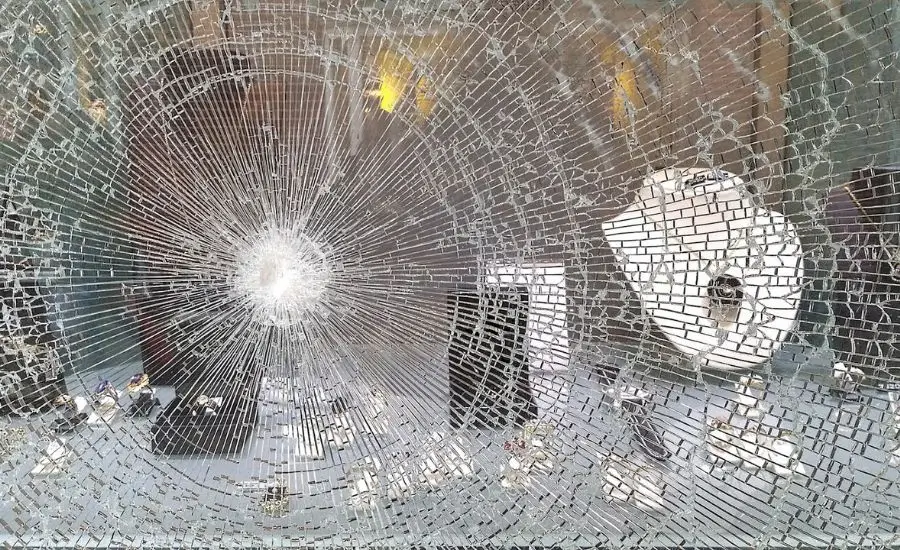
Smash-and-grab theft incidents often occur during operating hours, putting employees and customers at risk of physical harm from broken glass. By investing in Riot Glass’s virtually unbreakable high-security windows for smash-and-grab protection, businesses can mitigate the risks of glass-related injuries and sidestep liability problems.
There’s also a psychological aspect retailers have to worry about — a violent smash-and-grab can have a traumatic effect on employees and customers who are present at the time, potentially resulting in them not wanting to return to work or shop there again.
With Riot Glass, business owners can rest assured that any smash-and-grab attempt will be met with frustration, causing the criminals to move on and look for an easier target and mitigating the negative impacts on employees and customers.
The occurrence of a smash-and-grab theft incident can tarnish a business's reputation, as customers may perceive the establishment as unsafe or vulnerable after the theft. If word gets around that a business is a frequent target for such crimes, its reputation may be damaged even further, potentially resulting in lost business.
By proactively addressing security concerns, businesses can protect their brand’s image and maintain customer trust. Since Riot Glass prevents forced entry and deters criminals from repeatedly targeting a business, installing these high-security windows for smash-and-grab protection is an excellent way to ensure a strong reputation in the community, showing that your business prioritizes safety and security.
Riot Glass doesn’t just protect businesses against smash-and-grab theft. It also mitigates other common security threats that all types of businesses and commercial facilities face, including:
Any commercial property owner can benefit from the 24/7 security and peace of mind that Riot Glass provides — it’s not just for the high-risk businesses we mentioned earlier.
For example, any business located in a major city has the potential to be in the pathway of civil unrest that has the potential to turn into rioting and looting. Businesses in storm-prone regions also have to worry about post-storm looting.
When such incidents happen, business owners often have to rush at the last minute to board up their businesses and protect them from looting, but sometimes it’s too late.
Riot Glass is an excellent alternative to plywood board ups that more effectively secures businesses against rioting and looting, not to mention only requires one-time installation for always-there protection.
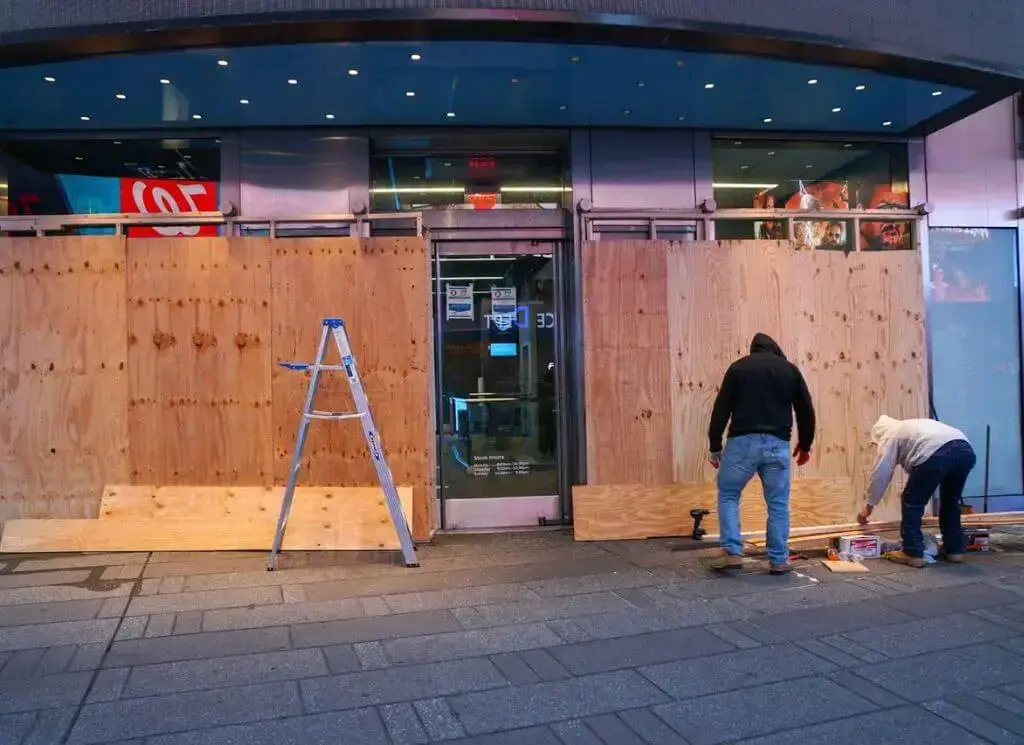
Installing Riot Glass high-security windows for smash-and-grab protection is one of the most cost-effective ways for businesses to prevent this increasingly common type of retail theft while also securing their properties against other threats.
Many Riot Glass solutions can be retrofitted on top of a business’s existing glass doors and windows, eliminating the need for expensive glass replacement using other comparable types of retail security glass.
When retrofitted, Riot Glass creates a protective barrier to forced entry over the existing glass, preventing the glass behind from breaking during break-in and smash-and-grab attempts.
If the Riot Glass itself gets damaged, it’s much more affordable to simply replace the damaged glazing sheet than it is to clean up and repair broken commercial glass doors and windows, not to mention there’s no need to board up the windows or otherwise disrupt business operations in the meantime.
Recent surveillance footage from a jewelry store in Sunnyvale, CA showed the moment when 20 (yes, 20!) smash-and-grab thieves entered the store, breaking into display cases and loading their bags with approximately $2M worth of merchandise before making their getaway.
In order to gain entry in this case, the thieves first smashed through one of the jewelry store’s glass entryway doors, reaching through to unlock and open the door from the inside. All of this was over in about 2 minutes.
This story is not an uncommon one, either. We constantly see similar surveillance footage and hear almost identical stories from retailers all over the country and even from abroad.
Now, imagine if this store’s doors had been reinforced with Riot Glass — the 20 criminals wouldn’t have been able to gain entry in the first place. Sure, the Riot Glass likely would have sustained some damage, but it would remain in place denying entry while the store’s display cases remained secure and untouched inside.
If this were the case, the surveillance footage would have looked a lot different. We probably would have seen the criminals hammering on the front door for a minute or two, but they would have left empty-handed, rather than with bags full of millions of dollars worth of stolen jewelry.
This case study highlights how using Riot Glass to protect storefront glass can have an outsized impact when it comes to protecting businesses like jewelry stores against smash-and-grabs and other crimes.
Smash-and-grab theft can leave businesses facing substantial financial losses, from the cost of replacing stolen goods to repairing shattered windows and dealing with lost revenue. Beyond these direct impacts, such incidents can also harm a business’s reputation and pose real safety and psychological risks to employees and customers.
Riot Glass high-security windows for smash-and-grab protection are designed to stop would-be intruders and thieves in their tracks, addressing these concerns head-on by physically preventing break-ins before they happen.
While a comprehensive security plan is essential, Riot Glass provides an unparalleled level of physical protection by actively keeping criminals out and safeguarding everyone inside.
Ready to explore how Riot Glass can secure your business against smash-and-grab threats? Our expert team is here to help — contact us today for a free consultation to discuss your needs and options.
From letting natural light in to creating an open, inviting learning environment, school windows provide many benefits for students and faculty. They are also often the only thing between inclement weather or would-be intruders and classrooms, so how resilient a school’s windows are is an important part of its overall security.
For example, if a flying piece of storm debris impacts a window or if a burglar or violent attacker tries to force entry through a window, the type of glass it’s made of matters.
Understanding the security vulnerabilities of school windows and how they can be improved upon is essential when it comes to ensuring the safety of students and staff under threatening circumstances.

The majority of windows in classrooms and other parts of schools are made of one of the three following types of glass:
Annealed glass is the standard window glass used for many modern applications, both in homes and older commercial facilities.
Though more durable than older forms of glass, like those found in historic buildings, modern annealed glass is still incredibly fragile. It does not undergo any type of special treatment to improve its impact resistance or change the way it breaks.
If an annealed window is impacted by a flying branch during a storm or if an intruder hits it with a hammer or another tool, it will break apart very easily into sharp, jagged shards.
A would-be intruder can easily break a pane of annealed glass to gain entry to a school and steal valuable equipment or, in a worst-case scenario, attempt to harm students and teachers who are inside.
In addition to leaving the building wide open, sharp shards of broken glass from an annealed window can fly dangerously inwards, potentially harming anyone inside.
As you can probably infer from all this information, annealed windows don’t provide adequate security for schools, making them highly vulnerable to forced entry and storm damage. This is why most modern school windows are made from some type of safety glass.

Tempered glass is a special type of strengthened safety glass. Tempered school windows go through a special heat treatment process that changes the glass’s chemical properties, making it four or five times stronger than standard annealed glass and also changing the way it breaks.
It’s important to understand that the primary purpose of tempered glass is to improve human safety — it does not increase security against threats such as storm damage, forced entry, or active threats.
When tempered glass is shattered, it breaks apart (crumbles, really) into thousands of tiny, relatively harmless granular pieces of glass. You’ve probably seen how car windows break apart, right? Well, that’s tempered glass.
Tempered glass is a good option where student and teacher safety is a concern. If a tempered school window gets broken, it won’t shatter into large, sharp shards that could potentially cause injury.
That being said, tempered glass does not act as a barrier to forced entry or help schools mitigate storm damage and other risks that pose a threat to school security.
The third type of glass traditionally used in some school windows, although it’s becoming less common in modern school buildings, is wired safety glass.
Wired windows have a layer of fine mesh inside the glass, which helps hold the glass together when broken under certain circumstances, such as extreme heat. The primary goal of using wired glass windows in schools is to provide fire safety because the windows won’t explode apart if they are heated up to a breaking point during a fire.
As with tempered safety glass, wired glass is not intended for security purposes, so it won’t keep bad guys out or significantly increase the impact resistance of schoolroom windows.
As we touched on earlier, a school’s windows are often the first line of defense against common threats to the school’s security and the safety of its students and staff, including:
The first threat to schools that can compromise their windows is mother nature, especially for schools located in Florida and other southeastern states within hurricane zones or prone to other extreme weather events, including major windstorms and even tornadoes.
During a hurricane or strong windstorm, the biggest threat to a school’s windows is flying storm debris, which can swiftly smash through a window and leave the building exposed to wind damage, rainwater damage, and even flooding, not to mention putting the safety of building occupants at risk.
Schools in high-risk areas should assess their windows and install impact-resistant glazing or other protective barriers, like storm shutters, to safeguard against debris and potential storm damage.
Another threat that schools face is that of forced entry and burglary. Schools are full of valuable equipment, such as computers and other electronics, that can make them enticing targets for thieves.
Since school windows are often not reinforced in any way against forced entry, all it takes is a couple of blows from a hammer or a pry bar to smash out a window. The thieves can then climb into the school via the broken classroom window or reach through and open a door from the inside, helping themselves to valuables inside.
To safeguard against forced entry and burglary, schools should reinforce their windows with security glazing or other protective barriers. This can help prevent easy access to the building and deter potential thieves from targeting the facility in the first place.
The most serious threat faced by schools across the United States is that of a violent attacker targeting their facilities, intending to harm students and staff inside. This type of incident is known as an active threat scenario.
Things like access-controlled entryway doors, video surveillance, and alarms are all great to have and can be effective deterrents to forced entry and burglary, but there’s one thing they don’t do: create a physical barrier to deny entry, especially in the case of an active threat.
The unfortunate reality is that a violent attacker set on harming students doesn’t care about getting caught on camera or setting off alarms, and they can simply shoot out or otherwise break through a pane of glass to gain unauthorized access to a school.
To protect against active threat scenarios, schools should install bullet-resistant or forced entry-resistant security glazing on vulnerable windows and doors. This adds a crucial layer of defense, slowing down or preventing attackers from gaining access and giving law enforcement more time to respond and neutralize the threat.
The most effective way to harden schools to improve their security is by reinforcing school windows and other glass surfaces, including door glass, with some type of security glass or non-glass security glazing.
For impact protection against storm damage, forced entry and burglary mitigation, and active threat access denial, we highly recommend a polycarbonate-based security glazing retrofit (i.e., ArmorPlast).
Polycarbonate-based security glazing, such as ArmorPlast, is light and thin enough that it can typically be retrofitted over existing glass surfaces using retrofittable framing adapters, with little change to the outward appearance of the building and no need to replace the school windows (although this is an option, too).
These glazing shields look and feel very much like standard school window glass, but are virtually unbreakable. Depending on how many layers of polycarbonate there are and the security glazing’s overall thickness, it can even achieve a ballistic rating, meaning it can actually stop bullets.
Despite ArmorPlast’s strength, which may lead you to believe it could make windows lose some of their benefits in the appearance and functionality departments, this impact-resistant security glazing continues to provide views of the outdoors, crystal-clear visibility, and strong natural light transmission, all with the added benefit of dramatically improved physical security.
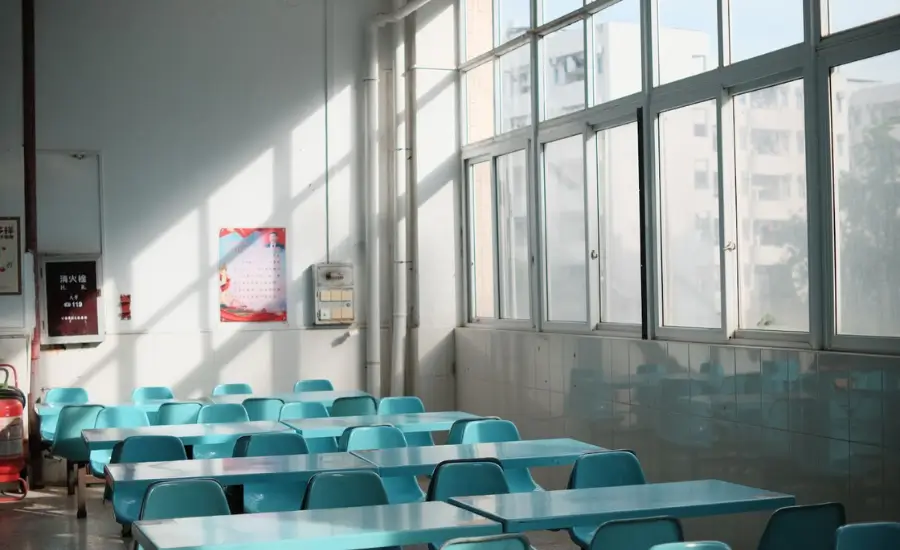
With ArmorPlast, schools can maintain an inviting, light-filled learning environments while significantly boosting protection against real-world threats. In short, ArmorPlast fortifies schools without making them look fortified.
Ready to harden your school? Contact Riot Glass today for more information about how we can help protect your school against a full range of security threats.
From protecting schools to securing high-risk government buildings, bulletproof glass is a cornerstone of modern security systems. But with so many myths surrounding its true capabilities, it’s important to separate fact from fiction.
Can bulletproof glass really stop any bullet? Can bulletproof glass be broken? We’re here to clarify the facts and bust the most common myths around bullet-resistant glazing.
Bulletproof glass, more accurately known as bullet-resistant glazing, is a special type of glass or non-glass security glazing engineered to absorb the force of ballistic impacts. It’s often made up of multiple layers and materials, allowing different compositions to achieve different levels of ballistic resistance.
For example, glass-clad polycarbonate (GCP) ballistic glazing combines strong outer layers of laminated security glass with an inner layer of flexible, energy-absorbing polycarbonate.
However, there’s no such thing as glass that’s completely “bulletproof” — each type of bullet-resistant glass is rated to resist specific firearms and calibers of ammunition.
Depending on the specific ballistic resistance rating of the glazing, it might be used for high-risk retail applications, executive protection, or other high-security applications.
It’s a common belief that once you install bulletproof windows or doors, your property becomes impenetrable. This is far from the truth. Bullet-resistant glass is highly effective at protecting against ballistic attacks, but no material can withstand ballistic impacts forever.
For instance, a window made from UL 752 Level 1-rated polycarbonate-based glazing might stop several rounds from a 9mm handgun, but repeated shots or gunfire from a higher-caliber weapon, like a high-powered rifle, can penetrate the glazing.
Many people also believe that bulletproof glass guarantees unbreakable glass doors and windows.
While it’s true that ballistic-grade glazing is designed to prevent shattering upon impact, it’s not always unbreakable. Certain types of bullet-resistant glass can crack, spall, or even break during sustained attacks or under extreme pressure.
That said, specific types of bullet-resistant glazing can be penetrated without experiencing breakage.
For example, polycarbonate and glass-clad polycarbonate bulletproof windows are highly resistant and the polycarbonate layers can remain intact and strong even after multiple impacts.
Not all bulletproof glass is created equal, and it’s certainly not a one-size-fits-all solution. Different levels of ballistic protection are required depending on the most likely type of threat, the caliber of bullets you want to protect against, and the building’s security needs.
For example, as we mentioned earlier, a UL 752 Level 1-rated bulletproof glass panel might stop several rounds from a 9mm handgun, but it won’t hold up against more high-powered firearms, like an AK-47.
Facilities requiring higher levels of ballistic protection should consider thicker, stronger glazing, such as UL 752 Level 7-rated glass-clad polycarbonate.
Determining the right type of bullet-resistant glass depends on the application, which is why a professional threat assessment is critical to choosing the appropriate level of protection.

Whether or not bulletproof glass breaks or gets penetrated depends significantly on the caliber of firearm and type of ammunition used in an attack. Higher-caliber bullets pose a more significant threat to bullet-resistant glass.
While some types of bulletproof glass doors and windows may withstand smaller-caliber bullets from relatively low-powered firearms without a problem, larger and more powerful guns and ammunition may easily penetrate or otherwise cause damage to them.
Beyond the type of firearm and ammunition used, the duration of a ballistic attack also factors heavily into whether or not bulletproof glass breaks. The longer and more determined an attack is, the more likely penetration or breakage is.
While bulletproof glass is effective against certain ballistic threats, it may have limitations against other forms of attack.
For example, sustained attacks using different methods, extreme temperatures, or specialized tools could compromise the integrity of bulletproof glass.
Understanding these limitations is crucial for proper security planning, especially if forced entry prevention is your primary goal.
Despite the fact that bulletproof glass may eventually become compromised, many types of bulletproof glazing can continue to protect lives by providing access denial.
What this means is that even if a ballistic-grade window or door is penetrated or damaged during a ballistic attack, it won’t give way or allow an attacker to pass any part of their body through — it continues to deny them access and prevent forced entry.
This strength of bulletproof glass provides valuable time during an active threat scenario, allowing building occupants to evacuate or shelter in place while they wait for law enforcement to arrive and neutralize the threat.
The access denial offered by bullet-resistant security glazing can prevent tragic mass casualty events in facilities like schools, government buildings, and other high-risk commercial buildings.

In the quest for enhanced commercial security, ballistic-grade security glazing is a powerful companion, providing high levels of protection against active threats and forced entry.
However, it’s crucial for individuals and organizations to have a realistic understanding of the capabilities and limitations of bulletproof glass in order to implement it effectively as part of hardening any facility's doors and windows against threats.
While bullet-resistant windows and doors offer a high level of protection against many ballistic threats, it’s important to understand that there’s no such thing as fully bulletproof glass and that it can still be penetrated and otherwise damaged in certain scenarios.
At Riot Glass, we specialize in customizing ballistic-grade security solutions to your unique needs, ensuring that your commercial property is equipped with the best possible protection against ballistic and forced entry threats.
Contact our experts today for a free consultation and take the first step toward securing your property and protecting your people against the worst-case scenario.
When it comes to protecting people and property against threats that can result in damage, theft, and physical harm, there’s no better solution than ballistic glass, also known as ballistic-grade security glazing.
Depending on the specific composition, ballistic-grade security glazing can provide varying levels of bullet resistance against specific types of ammunition and firearms, as well as other benefits, such as the ability to be retrofitted over existing windows and doors.
In order to be officially certified and sanctioned for use in bullet-resistant windows and doors, ballistic-grade glazing must undergo glass ballistic tests in accordance with one or more of the official ballistic resistance testing standards available.
Ballistic-grade security glazing is a carefully engineered composite made from a variety of glazing materials designed to resist attacks from specific types of firearms and ammunition.
The composition of ballistic glass can vary, but it typically includes layers of polycarbonates, acrylics, and/or laminated security glass. These materials are bonded together to create a strong, transparent barrier that can absorb and dissipate the energy from ballistic impacts. Each material plays a unique role in the performance of the glazing.
For example, polycarbonate is a lightweight, impact-resistant plastic often used in the inner layers of ballistic glass, in combination with other plastics, or on its own. It can provide high levels of ballistic protection without adding excessive weight, making it ideal for applications where weight is a concern (i.e. when you want to retrofit ballistic glazing over existing doors or windows).
The flexibility and strength of polycarbonate allow it to effectively absorb and dissipate the force of bullets, preventing penetration while minimizing the risk of spalling (when small pieces of glass flake or fly off upon impact). This makes polycarbonate a popular choice in high-security environments, like government buildings and banks, as well as various commercial environments, including in high-risk businesses.

Acrylic, another key material in many types of ballistic glazing, is typically used in outer layers and often combined with polycarbonate. Although not as strong as polycarbonate, acrylic offers excellent optical clarity, which ensures visibility without distortion.
Laminated security glass is made by bonding multiple layers of strengthened security glass with an interlayer of polyvinyl butyral (PVB) or similar thermoplastics. This type of ballistic glazing is commonly used to replace existing glass where bullet resistance is important, but the exact appearance and feel of traditional glass is preferred over that of plastic-based glazing.
Laminated security glass is also frequently combined with polycarbonate to create glass-clad polycarbonate (GCP) security glazing, which can achieve some of the highest levels of ballistic resistance out there. In this case, the laminated glass is used on the outside (attack side), while polycarbonate is used on the inside (safe side).
The demand for ballistic glass of all types is growing across multiple sectors, with schools, businesses, and institutions increasingly seeking out ways to harden their facilities and protect building occupants from active threats.
By selecting the right combination of materials, you can achieve the necessary level of protection while balancing factors such as cost, weight, and appearance. This is where ballistic glass tests come in, helping you evaluate the ballistic resistance of any glazing material you’re considering for a property.
Glass ballistic tests help manufacturers and researchers design and improve glass-based and glass-like protective barriers to improve the safety and security of individuals and assets, primarily in high-security and high-risk institutional or commercial settings.
Different global organizations have established standards for consistent and reliable ballistic resistance testing procedures for glass and other materials used in security applications.
In the United States, the Underwriters Laboratories (UL) 752 standard is prominent, offering a comprehensive framework for testing and classifying bullet-resistant materials, including glass and other glazing materials.
The UL 752 testing standard provides clear testing procedures and performance criteria, classifying materials into different protection levels based on their ability to withstand ballistic threats of varying magnitudes.
For example:
For glass, ballistic testing involves shooting specimens with specified projectiles at defined velocities and distances, assessing their resistance to penetration and deformation. Depending on the results of the glass ballistic tests, the glazing material is then given the appropriate UL 752 rating.
While the UL 752 standard is prominent, various regions and industries may adhere to alternative standards, like the National Institute of Justice (NIJ) or European Standards (EN).
Selection of bullet-resistant materials should align with relevant standards pertinent to the application's requirements and regulations.
You may have noticed that we have only discussed testing for bullet-resistant glass, and haven’t mentioned bulletproof glass testing. This is because the term “bulletproof” glass is really just a marketing term used to refer to different types of ballistic glazing.
In reality, any type of ballistic-grade glazing can eventually be penetrated, either by a more powerful type of firearm/ammunition or by a high enough volume of shots.
This is why glass ballistic tests are so important — they specify exactly what level of ballistic protection you can expect from any given piece of ballistic-grade security glazing.
At Riot Glass, LLC we offer a full range of forced entry-resistant and bullet-resistant glazing products. Contact us today to discuss how we can harden your commercial property’s security with a security glazing retrofit.