
As we wrap up 2024 and look ahead to 2025, it’s clear that there have been some significant trends in the security industry that will continue to shape demands for security solutions that protect people and properties in the coming year.
Here at Riot Glass, we’ve kept a close eye on these trends over the past year, and we’re ready to share what we think will be some of the most important security issues and advancements in 2025. Of course, we’re also going to tie this all into how essential security glazing is becoming across industries.
One of the biggest areas where we’re seeing an increased focus is on access denial for schools, specifically to protect against active threats.
Sadly, not a year goes by without more tragic loss of life in U.S. schools, and schools across the country are recognizing that they need stronger barriers in place to stop intruders before they even set foot inside a building or classroom.
This means going beyond traditional lock-and-key security — it’s absolutely vital to harden glass doors and windows and other potential entry points to make unauthorized access nearly impossible.
For example, take the recent push for glass-hardening mandates in schools. By implementing high-security glazing solutions, schools are adding another layer of defense against potential threats.
These measures don’t just protect schools against active shooters; they also provide peace of mind for students, parents, and educators alike. In 2025, we expect to see even more schools adopting these solutions to create safer environments.
If you watch the news, you’re probably already aware of the rise in smash-and-grab thefts over the past few years. Businesses are feeling the impact of this trend, and more business owners are starting to see high-security windows and doors as essential investments rather than optional upgrades.
When thieves can shatter ordinary commercial glass in seconds, it’s easy for them to make off with valuable goods before anyone has time to react. That’s where our solutions come in.
At Riot Glass, we’ve seen the difference that impact-resistant glazing makes for our clients who are serious about protecting their assets. These glazing solutions are built to withstand significant force, providing businesses with a robust barrier against quick-hit robberies.
With cities and law enforcement struggling to keep up with these incidents, we expect even more business owners to turn to smash-and-grab prevention solutions in 2025, not just for asset protection but also to give their teams and customers a greater sense of security.
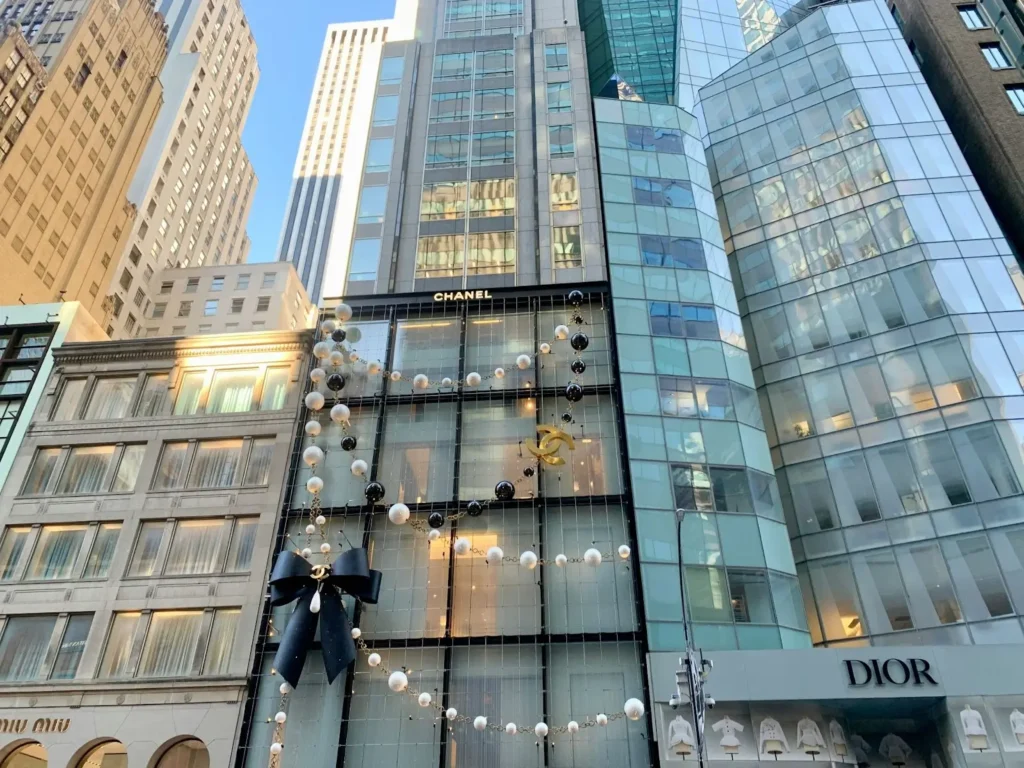
With the ongoing global tensions and evolving security risks, protecting high-profile individuals like heads of state has become more of a concern than ever.
Over the years, presidential security has always set a high standard, but now, innovations like bullet-resistant glass are advancing faster than ever, offering even more options for protecting the president from ballistic attacks and other threats.
With a president returning who has already experienced two assassination attempts to the White House in 2025, there will almost certainly be an increased emphasis on protecting the president with bulletproof glass at public speaking events and even in private.
Protecting the president isn’t the only federal security challenge — increasing security at federal buildings is also an area of increased focus, particularly as government facilities contend with a range of security challenges, from natural disasters to civil unrest.
Federal properties require top-notch, tested materials that don’t just protect against forced entry, but also provide defense against ballistic and blast threats.
At Riot Glass, we’ve worked on projects that showcase how high-security glazing solutions can fortify these buildings without sacrificing architectural appeal.
For 2025, we expect to see more federal agencies adopting the latest security glazing to strengthen their defense strategies and comply with the latest security standards.
These solutions allow federal buildings to continue operating safely and efficiently even during trying times, knowing that their defenses are as robust as they come.

There’s something special about historical buildings — they carry unique stories and heritage that should be preserved for future generations. In fact, many federal buildings, such as courthouses, are historical buildings with great architectural value.
However, keeping these buildings and their occupants safe is a real challenge, especially when it comes to securing glass windows that may be decades or even centuries old without interfering with the surrounding structure.
In the past year, we’ve seen a growing awareness of the need to protect these structures without compromising their character or damaging their heritage architecture.
That’s why we at Riot Glass have designed historical building security glass solutions that allow these buildings to blend security with aesthetics. From museums to courthouses and historical landmarks, we help preserve architectural beauty while providing a much-needed layer of security.
Moving into 2025, we expect more historical building managers to invest in security glass that complements and protects these treasured structures, recognizing that it’s possible to honor the past while safeguarding it for the future.
The role of architects in helping to shape secure environments is undeniable.
With security concerns at the forefront of the news and building owners’ minds, more architects are pursuing continuing education units (CEUs) focused on security glazing and other advanced protective materials.
By staying current with these solutions, architects can better design buildings that balance aesthetic goals with modern security demands.
At Riot Glass, we’re actively involved in helping architects meet their CEU requirements by providing relevant knowledge on security glazing options and applications through our course: “Fenestration Security for Educational, Religious, Commercial, and Retail Applications.”
As we move into 2025, we’re excited to see more architects incorporating these essential security elements into their designs, ensuring that new and renovated spaces meet both modern style and safety standards.
Security glazing is becoming an indispensable part of any architect’s toolkit, and that’s a trend we’re proud to support!
With civil unrest and demonstrations sometimes escalating into rioting and looting, as well as looting occurring after hurricanes and other natural disasters, business owners are increasingly looking for reliable ways to protect their properties 24/7.
ArmorPlast is one of our most popular products for precisely this reason. It’s impact-resistant, nearly unbreakable, and built to keep would-be intruders from looting your business, even during a prolonged forced entry attempt.
The demand for riot protection solutions has surged in the past year, and as we move into 2025, we expect this trend to continue.
Business owners and property managers want to know that their investments are protected, and ArmorPlast delivers peace of mind by providing an incredibly tough barrier that’s still visually appealing.
We’re proud to be at the forefront of riot and looting protection solutions, helping businesses stay safe in uncertain times!
Bulletproof (ballistic-grade) glass isn’t just for high-security government buildings and executive protection anymore. More businesses and private property owners are seeing its value, especially as concerns around armed threats and gun violence remain prominent.
At Riot Glass, we’re seeing this demand firsthand — businesses want reassurance that their spaces are secure, and bullet-resistant security glazing provides a powerful line of defense against a full range of forced entry-related threats.
As we head into 2025, we anticipate that ballistic-grade glass will continue to gain popularity across various sectors, from retail stores to corporate offices. This technology offers more than just physical protection; it reassures employees, customers, and visitors alike that they’re in a space designed with their safety in mind.
In short, bulletproof glass is becoming an integral part of modern security plans, and we’re here to make it accessible to those who need it.

Threat assessments have become an essential part of any effective commercial security strategy. Knowing the unique risks a building or business faces allows property owners to implement targeted solutions that make the biggest impact.
At Riot Glass, we often work with clients to evaluate potential threats and recommend custom glazing options that meet their specific needs.
For 2025, we expect to see a growing number of organizations taking a proactive approach to security with professional threat assessments. By understanding risks ahead of time, they can invest in the right protective measures — whether that’s shatter-resistant windows, ballistic glass, or reinforced entryways.
Threat assessments are an invaluable tool for staying one step ahead, and we’re here to help businesses navigate those decisions.
As 2025 approaches, the focus on smarter, stronger security is sharper than ever. From schools hardening their doors and windows with access denial barriers to businesses reinforcing their storefront glass against smash-and-grabs, the shift is undeniable — security glazing solutions are an essential part of any modern commercial security strategy.
At Riot Glass, we’re energized by these advancements, and we’re continually developing new protective glazing that combines durability and efficiency with seamless architectural integration and cost-effectiveness.
As threats change and awareness of certain security concerns grows, we’re honored to be part of a future where businesses and institutions have more access than ever to the tools they need to protect themselves and their people against threats.
Here’s to a safer, more secure year ahead, and to the innovations that make it possible!
Maintaining the safety and security of building occupants during an active threat scenario is a growing concern for businesses, schools, government buildings, and other public facilities. A critical aspect of modern building security is the ability to withstand forced entry during a violent attack, particularly an active shooter attack.
One of the key ways to evaluate the effectiveness of security systems in the face of such active threats, particularly when it comes to a building’s windows and doors, is through standardized testing methods that simulate real-world attack scenarios.
The ASTM 3561 Standard Test Method for Forced-Entry-Resistance of Fenestration Systems After Simulated Active Shooter Attack provides a framework for testing how well building components can resist entry after a violent ballistic assault.
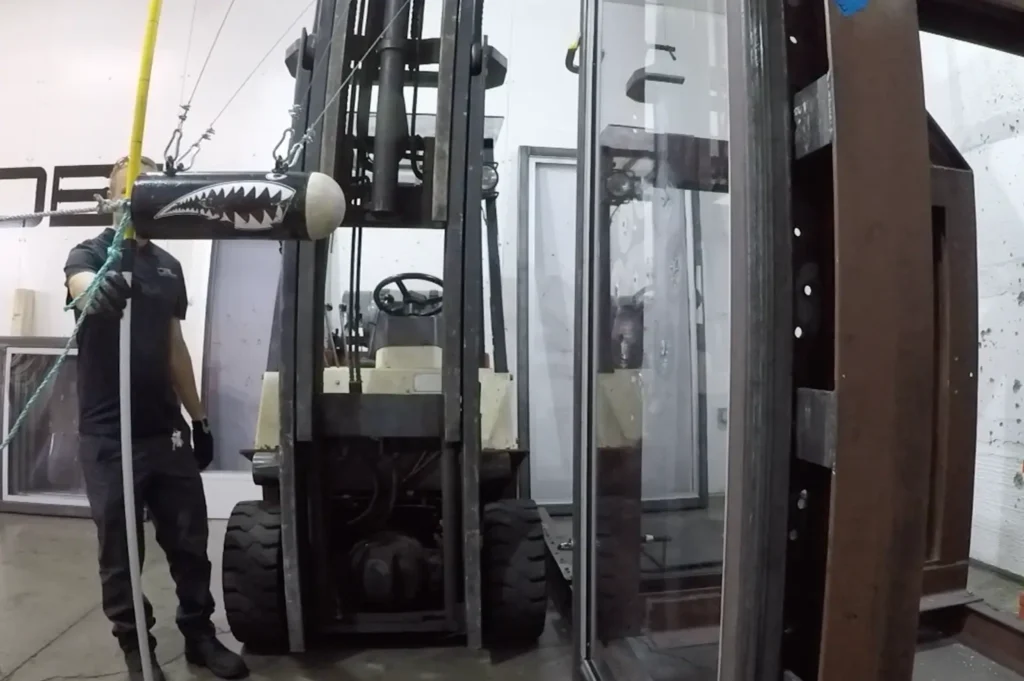
The ASTM 3561 Standard Test Method was designed to assess the performance of fenestration security systems, which include windows, doors, and glazing systems, when subjected to a simulated active shooter scenario.
Fenestration security systems are crucial for high-risk facilities where protecting occupants and preventing access to unauthorized individuals — access denial — is a top concern.
By applying the ASTM 3561 standard to materials and systems, manufacturers and security experts can evaluate how well a fenestration security system performs when compromised by ballistic impacts, offering a measure of confidence for those responsible for the safety of people and property.
The main goal of ASTM 3561 testing is to determine whether an attacker can create an opening large enough to allow entry into a building after weakening the fenestration system with gunfire.
This kind of testing doesn’t aim to determine if a window or door will stop a bullet or ensure full protection from a ballistic attack, but rather it simulates the likely next step after an initial attack — an attempt to forcibly break through and gain access.
In the unfortunate event of an active shooter incident, securing entry points is one of the most effective ways to slow down or prevent an attacker from reaching potential victims. Windows and doors are particularly vulnerable, and their strength is often tested during such incidents.
The ASTM 3561 test method aims to simulate what happens after an initial attack weakens these systems, evaluating a product's ability to withstand physical assault after gunfire.
This testing can help building owners or security consultants choose products that offer the highest levels of access denial during active threat scenarios. It also informs manufacturers whether their windows, doors, and other security products can meet necessary safety standards.
As a result, facilities that opt for fenestration systems tested and certified to ASTM 3561 standards can be better prepared for the worst-case scenario, minimizing the risks to those inside.
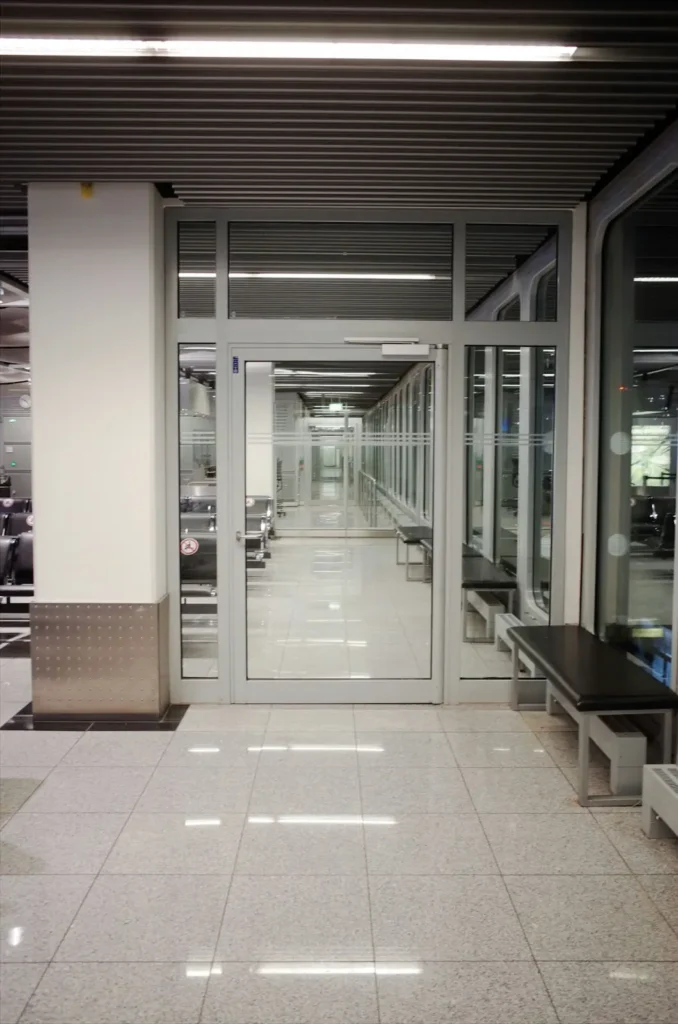
The testing begins by firing ballistic projectiles at the fenestration system to simulate the damage caused by an active shooter.
This step is not meant to assess ballistic resistance (i.e., stopping bullets), but instead replicates the type of damage a building's windows, doors, and glazing might sustain in such a scenario.
Once the system has been damaged by gunfire, it is subjected to additional physical force via a 100 pound impactor suspended by cables and swung as a pendulum to impact the glass from increasing heights to intensify the impact strength. There are 8 sequences and a system is rated to the highest successfully completed sequence. This test method is used to evaluate whether an opening can be created large enough for a person’s hand to pass through and manipulate the mortise lock or panic egress hardware.
This is the most critical aspect of the testing, as an active shooter may attempt to enter through compromised windows or doors, either directly or by passing their arm through to open a door or window from the inside.
Importantly, the ASTM 3561 standard requires that systems be tested as complete units, meaning that windows, doors, and their frames are evaluated together. This ensures that each part of the system works in tandem under pressure and that the security offered isn’t compromised by a weak link.
If a manufacturer modifies any part of a fenestration system after it has been tested, the system must undergo full testing again to ensure continued compliance. This prevents small design changes from affecting the overall security performance.
While ASTM 3561 is an important standard for evaluating forced entry resistance after a ballistic attack, it’s important to understand what it doesn’t address, primarily that it doesn’t measure whether the fenestration system can stop bullets. Instead, the focus of the testing is on forced entry resistance after the system has already been weakened by gunfire, which can include penetration by bullets.
It’s also important to understand that ASTM 3561 testing is conducted in a controlled laboratory environment and the method is not intended to be used for on-site field testing, meaning that results apply only to the specific systems tested under laboratory conditions. These conditions are also different from those of other ASTM test methods, such as the F3038 method, which is designed to simulate a forced entry attempt by an armed mob.
For any facility where there is a heightened risk of an active shooter or similar threat, forced entry resistance is essential. Windows and doors are often the first point of attack, and if they are easily breached, it allows the attacker to gain access to vulnerable areas, putting lives at risk.
Schools, government institutions, commercial buildings, and healthcare facilities are increasingly looking for solutions that can delay or prevent forced entry during an active threat scenario, giving authorities more time to respond and ensuring that occupants have more time to escape or shelter in place.
By selecting fenestration systems that meet the ASTM 3561 standard, facility managers can take proactive steps toward safeguarding their buildings and the people inside them.

For manufacturers of fenestration security products, the ASTM 3561 testing method provides a clear set of guidelines on how to test and rate the security of products in terms of active threat/active shooter access denial. It encourages the development of robust fenestration systems that can withstand forced entry even after they’ve been compromised by gunfire.
As architects and engineers seek to design buildings that meet modern security needs, this test can help them choose systems that have been proven to perform under extreme conditions.
The ASTM 3561 Standard Test Method is a vital tool in the ongoing effort to protect people from the threat of an active shooter.
By testing the forced entry resistance of windows, doors, and other fenestration systems during a simulated active shooter attack, this standard helps building owners and security experts identify products that can offer increased protection in moments of crisis.
Whether you’re managing a school, a government building, or a high-risk commercial facility, ensuring that your fenestration systems meet ASTM 3561 testing standards can provide peace of mind and, more importantly, save lives during an active threat emergency.
Contact Riot Glass today to discuss our active threat access denial solutions.
In recent years, businesses, particularly luxury and high-end retailers and other high-risk retail-based businesses, have been increasingly targeted by criminals engaging in organized smash-and-grab thefts, burglary, and looting during civil unrest.
The financial toll of such incidents, stemming from the theft of valuable merchandise and costly repairs and insurance premium payments, has left many businesses seeking more reliable, long-term solutions to safeguard their assets.
Sure, security cameras, alarms, and even security guards are all valuable security measures that can help deter theft, but we’re increasingly seeing that they aren’t as much of a deterrent to criminals as they once were — thieves are simply bolder than ever.
That’s why it’s more important than ever for business and building owners to consider implementing new physical security measures that actually keep the bad guys out.
Anti-theft windows are one highly effective solution that can provide 24-hour protection against everything from forced entry, burglary, and smash-and-grab theft to vandalism, rioting and looting, and more.
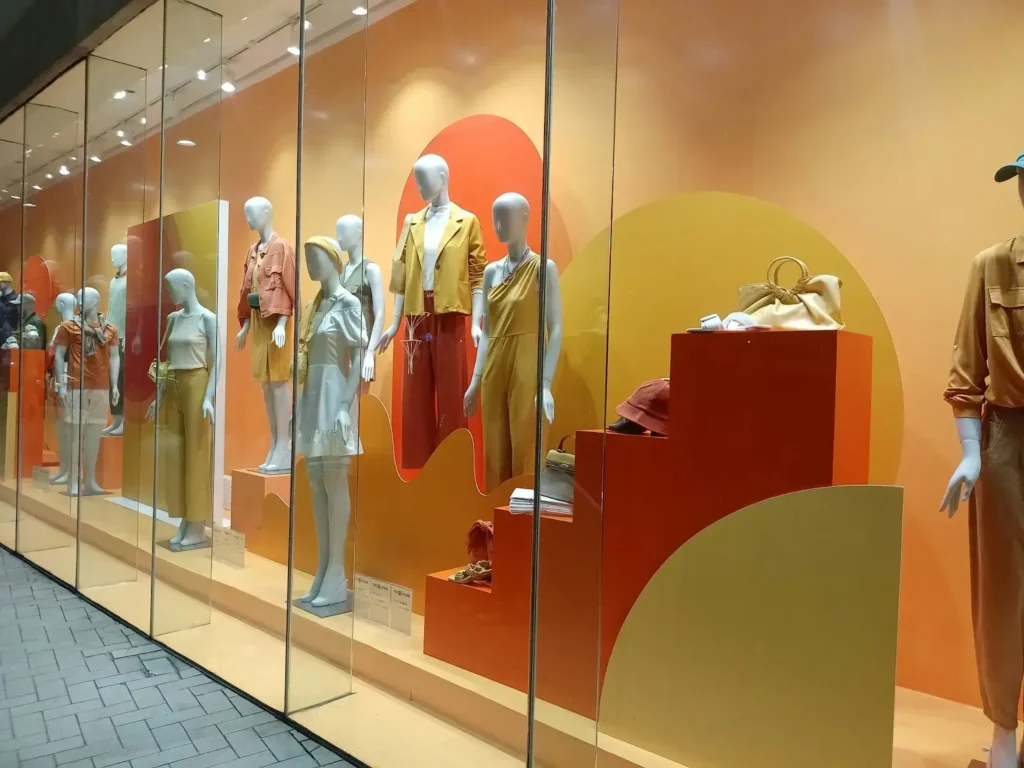
Anti-theft windows are specialized high-security windows designed to thwart various forms of theft and forced entry. These windows are constructed using advanced security glazing materials, such as laminated security glass or plastic-based glazing, creating a robust barrier against intruders.
Unlike traditional commercial window glass, anti-theft windows are incredibly resistant to breakage. They can withstand repeated high-force blows without shattering, frustrating attempts at forced entry or smash-and-grab theft.
Even if attackers manage to crack or otherwise damage the window glazing, it retains its overall structure, preventing access.
While traditional anti-theft measures, like window bars and shutters, are effective, they can alter the appearance of storefronts (as is the case with bars) and may not provide continuous, 24/7 protection (security shutters provide high levels of after-hours security).
Anti-theft windows, on the other hand, offer seamless integration with existing architecture while ensuring round-the-clock security.
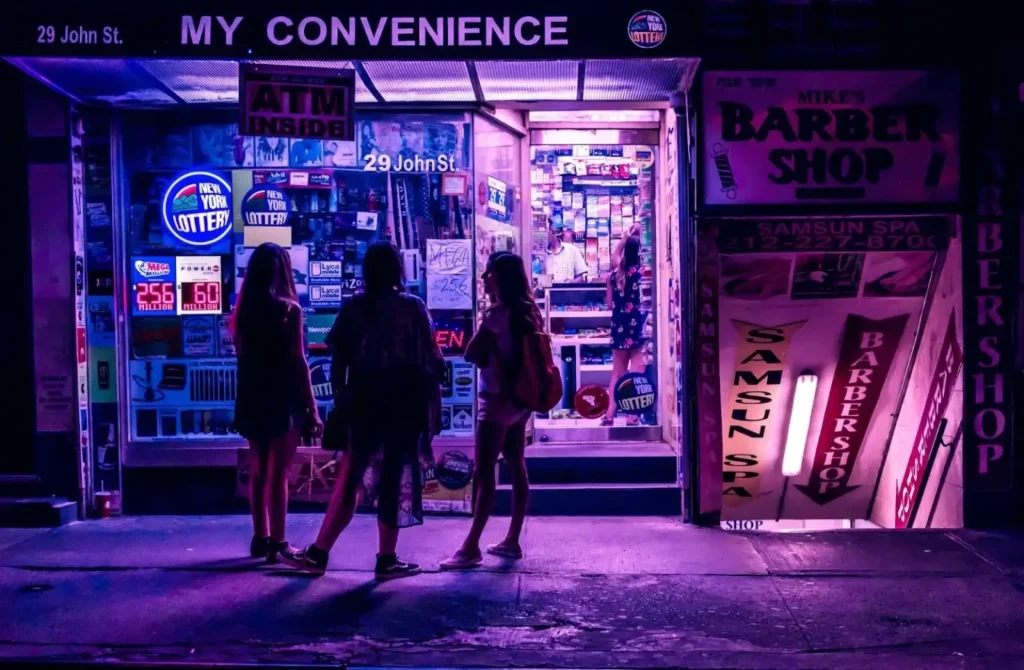
Anti-theft windows are versatile and suitable for a wide range of retail-based businesses, including luxury retailers, jewelry stores, electronics stores, pawn shops, restaurants, and more.
By retrofitting these security windows onto storefront windows and entryway doors, business owners can mitigate the everyday risks of forced entry, burglary, smash-and-grab theft, vandalism, and looting.
Here's an expanded version of the "Benefits of Anti-Theft Windows" section, incorporating some of the suggested sections from above:
After installing anti-theft security glazing on storefronts, business owners can rest assured knowing their assets are protected from all forms of theft.
Anti-theft windows are designed to withstand repeated attempts at forced entry, whether it be from a smash-and-grab, burglary, or looting attempt. This layer of defense ensures that would-be thieves are met with significant resistance, delaying or entirely preventing them from accessing valuable merchandise.
With such formidable window glazing in place, business owners can enjoy a heightened sense of security, knowing that their property is shielded against break-ins, theft, and property damage even during non-operating hours.
One of the biggest advantages of anti-theft windows over more traditional security measures is that they preserve the visual appeal of storefronts.
For retailers, particularly high-end or luxury businesses, the appearance of their storefront is crucial for attracting customers.
Anti-theft windows are virtually indistinguishable from regular glass, meaning business owners don’t have to compromise aesthetics for security. This is particularly beneficial for businesses that rely on window displays to showcase merchandise to passing shoppers.
The clear, unobtrusive design of anti-theft windows ensures that customers can continue to engage with a store’s displays without feeling as if the business is in “lockdown mode.”
Beyond their security benefits, anti-theft windows are built to last, providing long-term protection with minimal maintenance. Their multi-layered construction using materials like laminated glass and polycarbonates makes them incredibly durable, resistant not only to forced entry but also to general wear and tear.
This long-lasting durability can help businesses save money in the long run, as they won't need to constantly repair or replace damaged glass following break-in attempts.
Not only that, but the cost of installing anti-theft windows is often far outweighed by the potential savings in terms of avoiding incidents of theft, property damage, insurance premiums, and business downtime.
While the need for security is universal across industries, anti-theft windows offer particular benefits to retail businesses that deal in high-value goods, such as luxury retailers, jewelers, and electronics stores.
In these sectors, the risk of theft is especially high, and the financial impact of even a single break-in can be devastating. For luxury businesses that stock small but high-priced items, such as jewelry, watches, or designer goods, anti-theft windows are a crucial safeguard.

However, anti-theft windows are not limited to luxury and high-end retail businesses. Many other types of retail-based businesses, including convenience stores and mini markets, pharmacies, and even restaurants, can benefit from the additional layer of 24/7 security.
For example, pharmacies are frequently targeted for smash-and-grab theft due to the high value of prescription medications, and installing anti-theft windows can mitigate these risks.
Similarly, restaurants and cafes, particularly in urban areas, are vulnerable to vandalism, rioting, and burglary, making anti-theft windows an effective measure to prevent extensive property damage and theft.
We’re increasingly seeing that conventional security measures, such as cameras and alarms, show diminishing returns. Because of this, it’s become more important than ever to fortify retail storefronts and other commercial properties with physical anti-theft security solutions.
Anti-theft windows, crafted from highly impact-resistant security glazing, offer a versatile and cost-effective line of defense against all types of theft-related threats.
The nearly invisible barrier created by these windows not only protects against impacts and forced entry but also maintains the aesthetics of commercial properties. This makes them an ideal choice for a diverse range of businesses where curb appeal is a top concern.
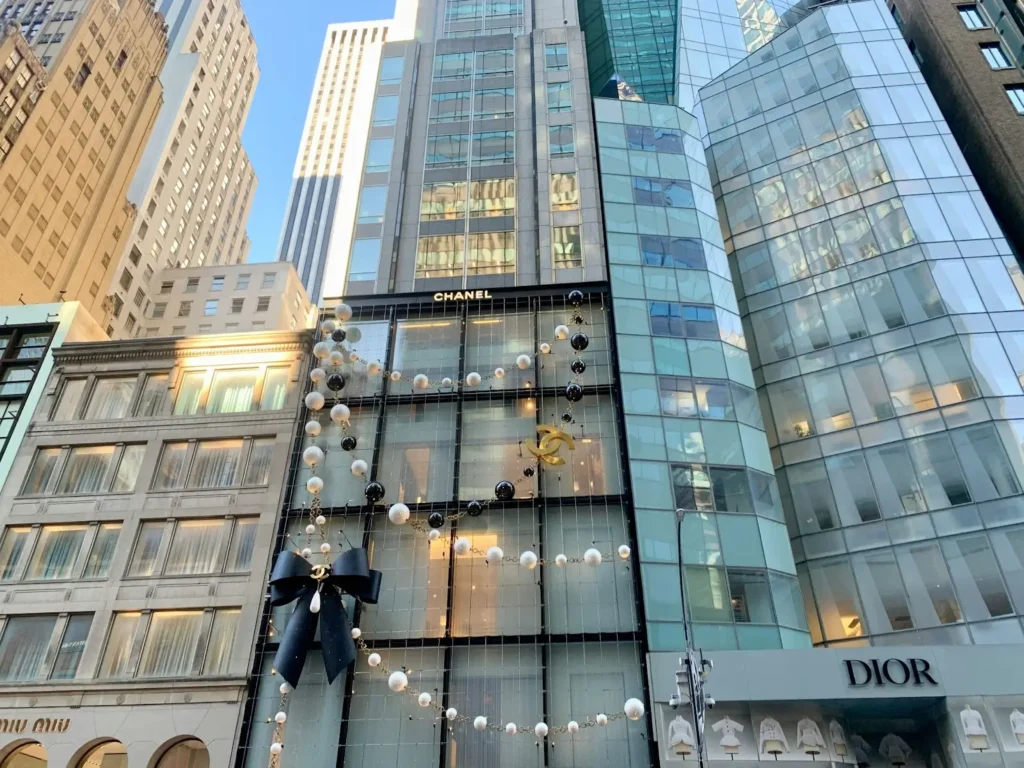
The adoption of anti-theft windows can complement other after-hours protection measures and burglary deterrents, aligning with the evolving security challenges faced by businesses today.
Riot Glass, LLC offers a full range of retrofittable anti-theft glazing solutions for commercial windows and doors.
Riot Glass products use specific formulations of strengthened security glass, polycarbonates, acrylics, and other plastics that outperform and outlast comparable anti-theft windows and doors on the market.
Contact us today to discuss your options!
When it comes to commercial building security, windows and doors are often the weakest links. Though they serve obvious practical and aesthetic purposes, their structural vulnerabilities can compromise the entire building.
Even the most secure commercial establishments, equipped with high-tech alarms, surveillance systems, and security personnel, are only as strong as their weakest point and, in many cases, that point is the glass in their doors and windows. That’s why most commercial window and door glass is the Achilles heel of buildings.
From break-ins to storms, the glass in commercial buildings faces a wide range of threats. Whether it's thieves smashing a window for a quick grab-and-go or natural disasters shattering glass panels, the consequences can be severe.
Protecting the glass Achilles heels of buildings is of the utmost importance to mitigate risks like expensive property damage, theft, and even physical harm to employees, customers, and other building occupants.
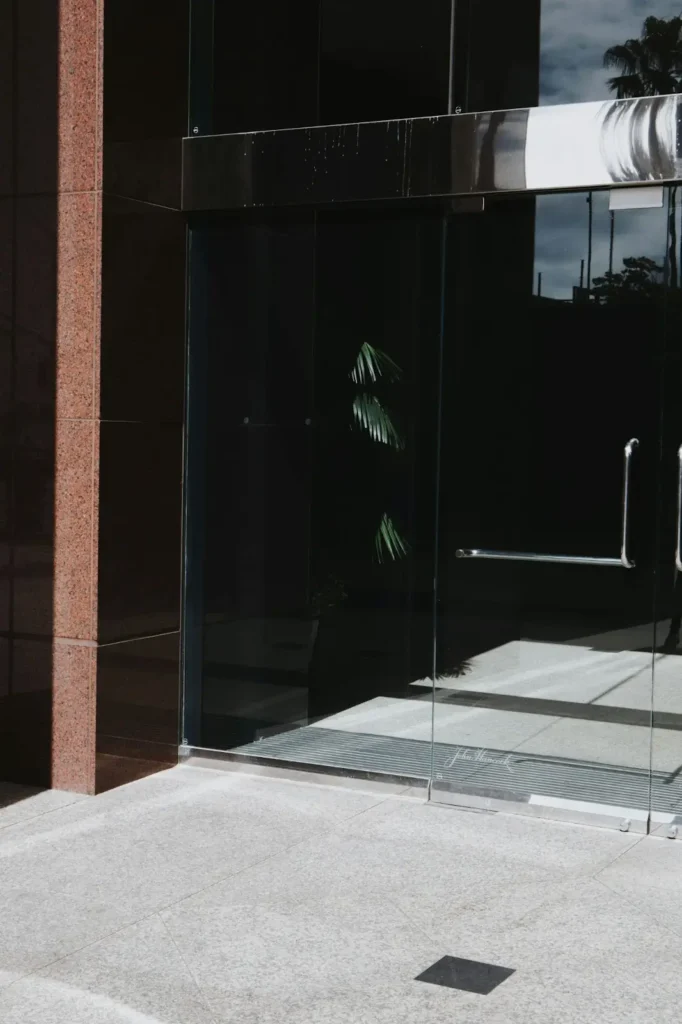
Most modern commercial buildings use tempered glass for windows and doors, as tempered glass is designed to be both stronger than regular annealed glass and mitigate the risk of glass-related injury in the event of breakage.
When tempered commercial glass breaks, it shatters into small, blunt fragments, reducing the risk of injury. While this makes it a safer option for public spaces, it remains highly vulnerable to damage under stress.
Tempered glass is often chosen for commercial buildings due to its balance between cost, safety, and durability. However, its durability is limited to everyday impacts like minor bumps or knocks.
Once a higher level of force is applied, whether from a crowbar, hammer, or another blunt object, tempered glass will shatter completely. This makes it an easy target for criminals attempting to break into a building, especially in retail environments where smash-and-grab thefts are common.
Beyond break-ins, commercial glass windows and doors are also at risk during natural disasters. High winds from storms, flying debris, and large hail can easily shatter these windows, exposing the building to rain, wind, and potentially more structural damage.
In urban areas, during civil unrest, which often comes along with rioting and looting, glass doors and windows become prime targets. Vandals and looters can shatter them with little effort, gaining quick access to a business's interior or simply causing costly damage.
The crumbling nature of tempered glass under stress has led to its reputation as the “Achilles heel” of commercial buildings.
Once a window or door breaks, security is compromised, leading to potential theft, vandalism, or even further destruction. The financial losses from these vulnerabilities can be devastating, not to mention the interruption of business operations and the potential safety risks posed to employees and customers.
Recognizing the vulnerability of glass in commercial buildings is the first step toward securing your property. While tempered glass may offer a certain level of safety and durability, it’s clear that it cannot fully protect against the variety of threats commercial facilities face. To safeguard windows and doors, business owners need to invest in stronger, more resilient solutions that go beyond traditional glass. This is where Riot Glass comes into play.
Riot Glass is a type of security glazing that can either be retrofitted over existing commercial glass windows and doors or used to replace the existing glass.
Riot Glass is available in different combinations of advanced materials, including laminated security glass, glass-clad polycarbonate, and full polycarbonate models (ArmorPlast). These glazing solutions create a multi-layer defense system that prevents commercial glass doors and windows from shattering and keeps intruders out, even when subjected to extreme force.
One of the biggest benefits of Riot Glass is its ability to protect against forced entry. Burglary and smash-and-grab theft are common problems for many businesses, especially retailers. Thieves typically target windows and doors because they are the easiest points of entry — they know exactly how to shatter a tempered glass panel in a matter of seconds.
With Riot Glass, these vulnerable points — the glass Achilles heels of your building — become nearly impenetrable. Even after repeated blows with blunt objects, Riot Glass resists breakage and remains in place, deterring would-be intruders and giving business owners, security companies, and law enforcement time to react.
In times of civil unrest, commercial properties are often at the mercy of rioters and looters. With Riot Glass, businesses can significantly reduce the risks of property damage and theft alike.
While regular tempered glass crumbles easily under such circumstances, Riot Glass remains intact, preventing unauthorized access and minimizing damage.
Imagine you own a retail store and receive that dreaded phone call from the police or alarm company that your store has been targeted by rioters.
Now, imagine the voice on the other end of the line informing you that, although your storefront was vandalized, the rioters were unable to gain entry, no merchandise was stolen, and your store interior is intact.
This is still a dramatic event to endure, but the outcome is significantly less traumatizing for you, your employees, and your patrons. It is also vastly less expensive when you consider the alternatives of lost revenue, potentially lost customers and/or employees, and insurance deductibles.
Natural disasters, particularly hurricanes and strong windstorms, are another major threat to commercial properties, especially in Florida and other southeastern states. High winds and flying debris can turn regular glass into a hazard, not to mention leave your property exposed to heavy rains and water damage.
Riot Glass not only withstands the direct force of storms but also protects your building from water intrusion and further damage caused by broken windows. This storm resistance makes Riot Glass an ideal solution for businesses located in hurricane-prone or storm-heavy regions.
For businesses that face more extreme, potentially violent threats, such as financial institutions, government buildings, schools, and high-risk businesses, Riot Glass offers bullet-resistant glazing solutions.
Bullet-resistant Riot Glass is designed to stop ballistic impacts from certain types of firearms and ammunition, providing heightened security for building occupants. Plus, even when it gets penetrated with bullets, Riot Glass remains a barrier to forced entry, providing invaluable access denial to keep the bad guys out and prevent further harm to those inside.
While not every business will require this level of protection, installing bullet-resistant glazing can provide extra peace of mind for those operating in high-risk environments.
With civil unrest, organized retail theft, devastating storms, and other threats all on the rise, the vulnerability of commercial window and door glass can no longer be ignored. As the Achilles heel of buildings, these glass points offer easy access to intruders, including thieves, vandals, and Mother Nature.
While tempered glass provides some level of safety, it is no match for the varied threats that commercial buildings face.
Riot Glass offers a comprehensive solution that strengthens windows and doors, protecting against forced entry, vandalism, storm damage, and more. Its virtually unbreakable design not only keeps businesses and facilities secure but also helps keep day-to-day operations running as smoothly as possible during times of crisis.
If you’re looking to safeguard your commercial property against a range of modern threats, contact Riot Glass today for a free consultation and take the first step toward securing your building’s glass Achilles heels!