
When most people picture a prison or jail, they picture bars — steel, floor-to-ceiling, time-tested. Bars are still very much a part of correctional facility design, but walk through a modern detention center, and you’re just as likely to encounter glass. More precisely, you’ll see security glazing used strategically throughout.
Prison glass serves functions bars simply can’t, and understanding where and why jail glass is used helps determine the right type of security glazing to use for key applications in these types of facilities.
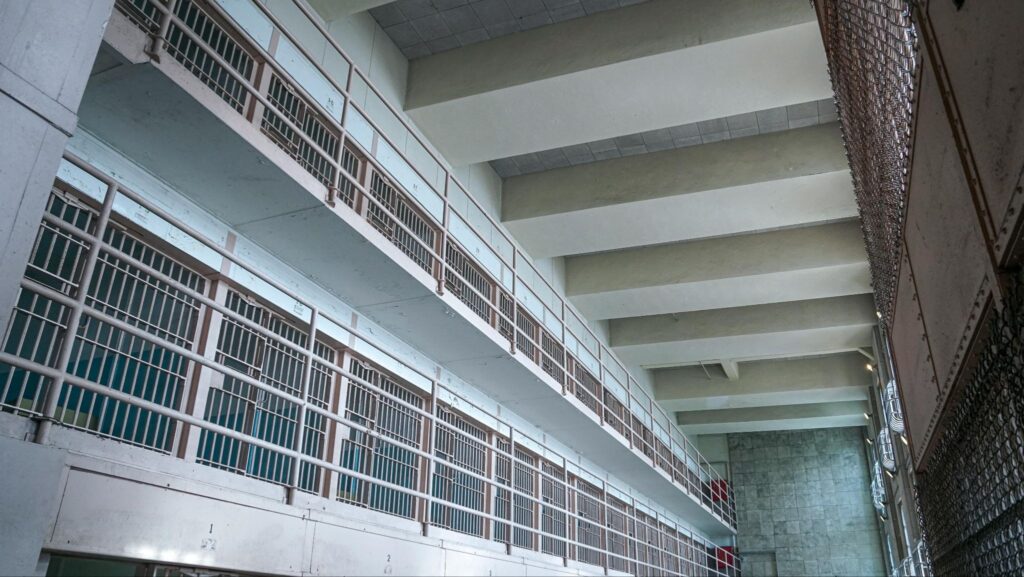
Prison glass shows up in various locations throughout a correctional facility, from high-security housing units to administrative offices. The locations glazing is used vary dramatically in terms of threat level and functional purpose, but the common thread is that glass provides something bars don’t: a complete, sealed barrier with full visibility.
Here are some of the primary areas where jail glass is found:
Throughout these applications, prison glass isn’t just a design choice. Iit’s structural to how the facility operates.
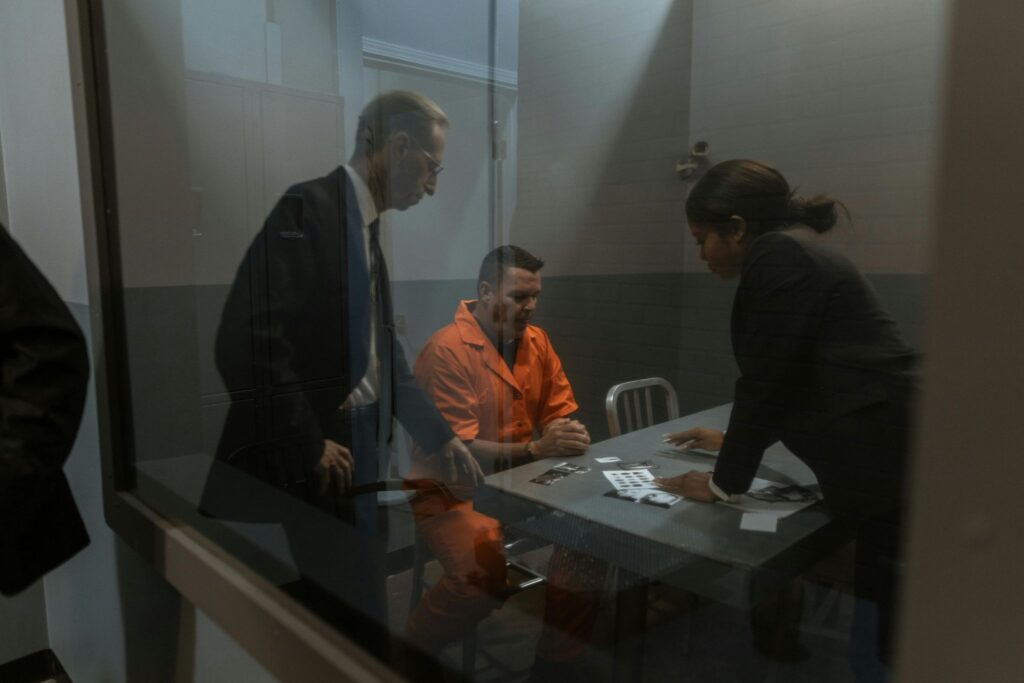
Bars have obvious advantages in correctional environments: they're strong, they're time-tested, and they allow airflow and communication. But they have limitations that glazing addresses directly.
The most significant limitation is the gap. Bars, by definition, leave open space. That means contraband can pass through. Objects can be thrown. In volatile situations, gaps between bars can become a vector for assault on staff. A glazed surface eliminates all of that. It's a continuous barrier. Nothing passes through unless the glazing itself is breached.
Visibility is the other major factor. While bars allow a line of sight, they can obscure detail, particularly at a distance or in low light. Clean, optically clear glazing gives staff an unobstructed view of an inmate or area without distortion. In facilities that rely on camera systems and remote monitoring, the quality of the glazed surface directly affects the quality of the visual feed.
There's also the matter of acoustics and containment. Glazed barriers can be designed to significantly reduce sound transmission, which matters in environments where noise escalation is a genuine management challenge. And unlike bars, glazed panels can be sealed against the passage of air, smoke, or other substances, an important consideration in facilities that need to compartmentalize during emergencies.
Finally, glazing supports a less institutionally oppressive design language. This may seem like a secondary concern, but research into correctional facility design increasingly points to environmental factors, including natural light transmission and visual openness, as having measurable effects on inmate behavior and staff wellbeing. Glass lets light move through a facility in ways that bars and solid walls don't.
The functional case for correctional facility glazing is straightforward. The engineering challenge is harder. Glass in a correctional environment isn't just a window. It's a security system, and it has to perform under conditions that standard architectural glazing was never designed to handle.
Consider what prison and jail glass may be subjected to:
Standard commercial glass, tempered glass, or basic laminated glass doesn't meet these requirements in high-risk applications. The materials that do are polycarbonate and glass-clad polycarbonate, both of which offer the kind of resistance to prolonged attack that no glass-only product can match.
Polycarbonate's virtually unbreakable strength is what makes it the material of choice for serious correctional glazing applications: it won't shatter, it won't collapse under sustained assault, and it retains its integrity even when penetrated. The framing and installation system matters just as much as the glazing material itself. A high-performance prison glass panel installed in an inadequate frame is only as strong as its weakest point.
Correctional facility glazing decisions have long-term consequences. Underspecified glazing creates security vulnerabilities that are expensive to remediate and potentially dangerous in the interim. On the other hand, overspecified glazing in low-risk areas wastes the budget that could be allocated elsewhere. Getting it right requires understanding the specific threat profile of each application within the facility.
If you're involved in the design, construction, or retrofitting of a correctional facility and need guidance on the right glazing solution for your application, contact Riot Glass. We work with contractors, architects, facility managers, and security consultants to specify and supply security glazing that meets the real demands of modern correctional environments.
When you think of prison windows, bars and grates are probably what comes to mind. But many modern correctional facilities and detention centers feature glazed windows, too, including in cell doors, visitation rooms, control room partitions, staff corridors, interview spaces, and administrative areas where visibility and security must work together.
Glazed windows in these facilities aren’t just architectural features. They’re critical security infrastructure that contain and separate inmates and protect staff while providing visibility.
Whether you’re designing a new detention center or upgrading an aging correctional facility, selecting the right prison window glazing is one of the most consequential decisions to make when it comes to the functional security of the facility.
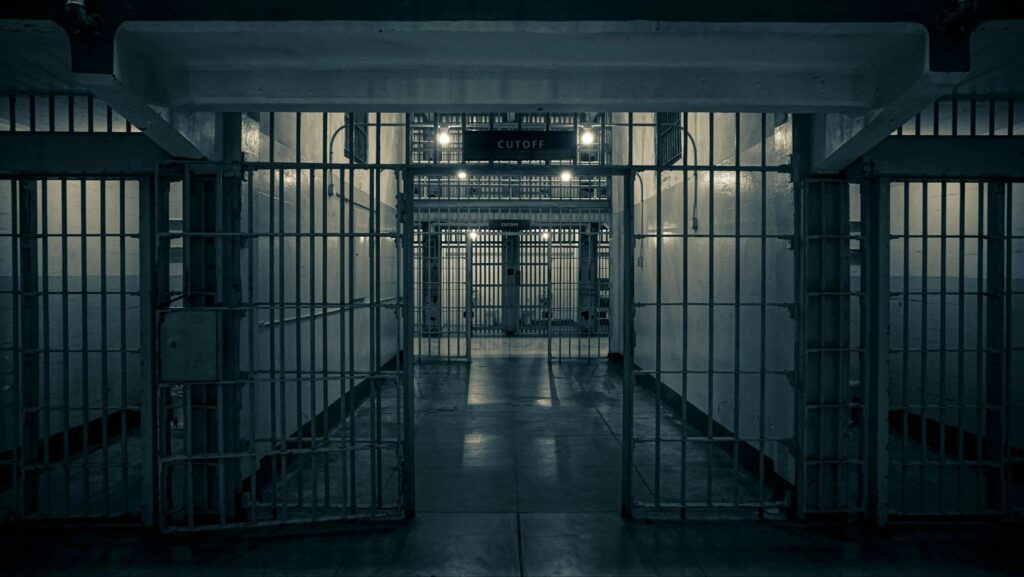
Prison windows face a threat profile unlike almost any other glazed openings. Whereas most windows are designed to act as a barrier against the outside world, keeping out the elements, and in the case of security glazing, preventing forced entry. However, detention center glazing also has to keep detainees contained and protect staff in key areas.
In order to do so, correctional facility glazing must be able to withstand determined attacks using hand tools, improvised weapons, blunt objects, and brute force, sometimes over extended periods of time and often without immediate intervention from staff.
Beyond resisting physical attacks, prison window glazing must also maintain full optical clarity. Staff need unobstructed sightlines into cells and common areas to monitor behavior and respond to incidents. A material that gets damaged easily defeats one of its primary purposes.
Add to that the need for long-term durability, code compliance, and cost-effectiveness, and the bar for prison window performance becomes very high.
In order to understand what the best glazing is for correctional facilities and detention centers, let’s take a look at some of the different types of glazing available on the market and how each type does or doesn’t work to increase safety and security in these types of environments.
Laminated glass, layers of glass bonded with a thermoplastic interlayer, typically polyvinyl butyral (PVB), is widely used in commercial security applications. When the glass is broken, the interlayer holds the fragments together, reducing injury risk and maintaining a partial barrier.
For lower-risk areas of a correctional facility, laminated glass can be appropriate. However, it has meaningful limitations in high-security contexts. Repeated blunt force impacts can crack the glass and compromise the interlayer over time. Sustained attacks can eventually defeat it.
And, while it initially stays together when broken, laminated glass doesn't hold up forever. A determined attacker with time and leverage can work through it. For maximum-security or high-risk housing units, laminated glass generally falls short.
Tempered glass is heat-treated to be significantly stronger than standard glass and shatters into small, relatively blunt pieces rather than dangerous shards. It's commonly used in doors and windows throughout institutional settings where human safety is a primary concern.
That being said, tempered glass is not a security glazing solution. Once it fails — and it can fail from a single well-placed strike — it fails completely and catastrophically. In a prison environment, this is simply unacceptable. Tempered glass should not be the primary glazing choice anywhere meaningful security is required.
Wired glass has a long history in institutional settings, largely due to its fire-rated properties. An embedded wire mesh holds the pane together if it breaks, helping to slow the spread of fire and smoke.
But wired glass is not a security product either, and its use in older correctional facilities is increasingly questioned. It is actually weaker than standard annealed glass in terms of impact resistance, and its fire-rated designation has come under scrutiny from updated building codes. In short, wired glass has little place in modern prison glazing applications.
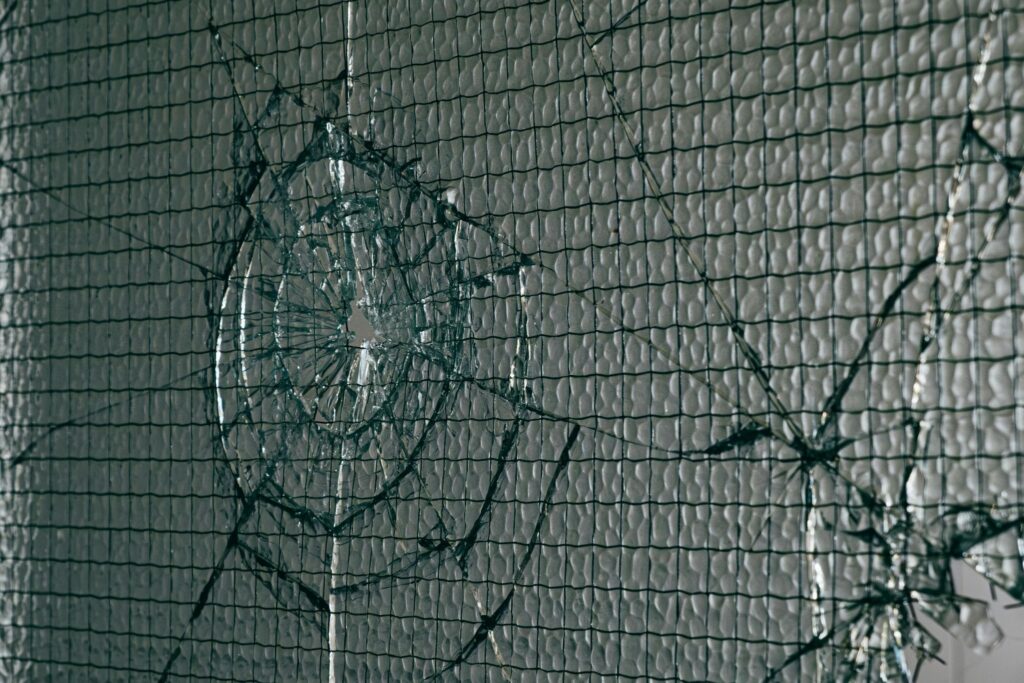
Acrylic (polymethyl methacrylate, or PMMA) is sometimes considered a glass alternative due to its light weight, impact resistance, and clarity. It's about 10-20 times more impact-resistant than standard glass and relatively inexpensive.
However, for prison window applications, acrylic on its own is not recommended as a standalone security glazing solution. It’s best combined with other even more impact-resistant plastics to take advantage of the strengths of each and create a more reliable security glass product.
Polycarbonate is a durable thermoplastic material with extraordinary impact resistance. It is, by a wide margin, the most impact-resistant transparent non-glass glazing material commercially available. When properly engineered for security applications, polycarbonate-based glazing is essentially unbreakable under real-world attack conditions.
Full polycarbonate panels can absorb repeated blunt force impacts without fracturing. They resist sustained hand tool attacks far beyond the threshold of any all-glass product. They will not shatter or collapse, meaning they maintain a continuous barrier even under prolonged assault.
Glass-clad polycarbonate takes this further by laminating one or more exterior layers of glass (attack side) to a polycarbonate interior (safe side). The glass outer surface addresses one of pure polycarbonate's few weaknesses: surface scratch resistance.
The result is a product that combines the optical clarity and hardness of glass on the exterior with the virtually unbreakable toughness of polycarbonate at its core. It is the gold standard for high-security glazing, especially when high levels of ballistic resistance are required.
The case for polycarbonate-based security glazing in prisons comes down to performance across every relevant threat vector:
Not all glazing is suited to the unique demands of prison windows, and the cost of getting it wrong extends far beyond the price of replacement glass.
Laminated glass, tempered glass, wired glass, and acrylic glazing all have applications, but none of them approach the security performance of polycarbonate-based glazing when correctional facilities need to confine, separate, and monitor effectively.
For high-security inmate housing, staff protection barriers, control room windows, and any application where the integrity of the glazing directly supports facility security and operations, polycarbonate or glass-clad polycarbonate is the clear and virtually unbreakable choice.
Riot Glass offers a range of polycarbonate-based security glazing options for detention centers and correctional facilities. Contact our team for more information.
When it comes to protecting office buildings and corporate headquarters, most security plans start with measures like access control and alarm systems, surveillance cameras, and security guards. However, a commercial property’s security is only as strong as its weakest potential entry point, which is almost always an unprotected window or glass door.
Whether you manage a single office building or a corporate campus, understanding how commercial window replacement and alternatives can boost security is an essential step in protecting your people, assets, and operations.
Standard commercial glazing, the kind installed in the vast majority of office buildings, is primarily designed for energy efficiency, aesthetics, and basic weather resistance. It is not built to withstand forced entry, ballistic impacts, or other major security threats.
A determined intruder can breach a standard commercial glass door or window in seconds. In an active threat scenario, this means an attacker can gain access to supposedly “secure” interior areas where they can do the most harm.
Replacing commercial window glass with impact-resistant security glazing mitigates many of the risks that office buildings and campuses face, including:
For corporate headquarters and other commercial office buildings that house sensitive operations or high-profile personnel, these risks are even higher, making commercial window replacement all the more necessary when it comes to mitigating threats.

One of the best ways to protect commercial facilities against a full range of physical security threats is to replace commercial windows (and door glass) with ballistic-grade or forced-entry-resistant glazing. This means swapping out existing glass units for purpose-built security glass that is engineered to absorb and resist impact rather than shatter upon it.
Full commercial window replacement is often the right choice when a building is already undergoing renovation, when existing window or door systems need to be replaced anyway, or when the threat level demands the highest possible protection from the ground up. It offers a clean, permanent solution that integrates like standard commercial glazing but performs at an entirely different level.

The reality is that full commercial window replacement isn't always practical. Older buildings may have historic or architecturally significant facades. Budget or timelines may not accommodate full replacement. Or a building manager may need to upgrade security quickly without triggering a major renovation project.
In these situations, retrofitting security glazing is a highly cost-effective alternative. In many cases, it delivers protection comparable to full replacement at a fraction of the cost and disruption.
Key advantages of the retrofit approach:
The retrofittable framing adapters are a critical part of what makes this system work. Glass doesn't fail only by shattering. It also fails when it's knocked out of its frame. The retrofit framing system secures the glazing assembly to the surrounding structure, ensuring the panel stays in place under sustained attack.
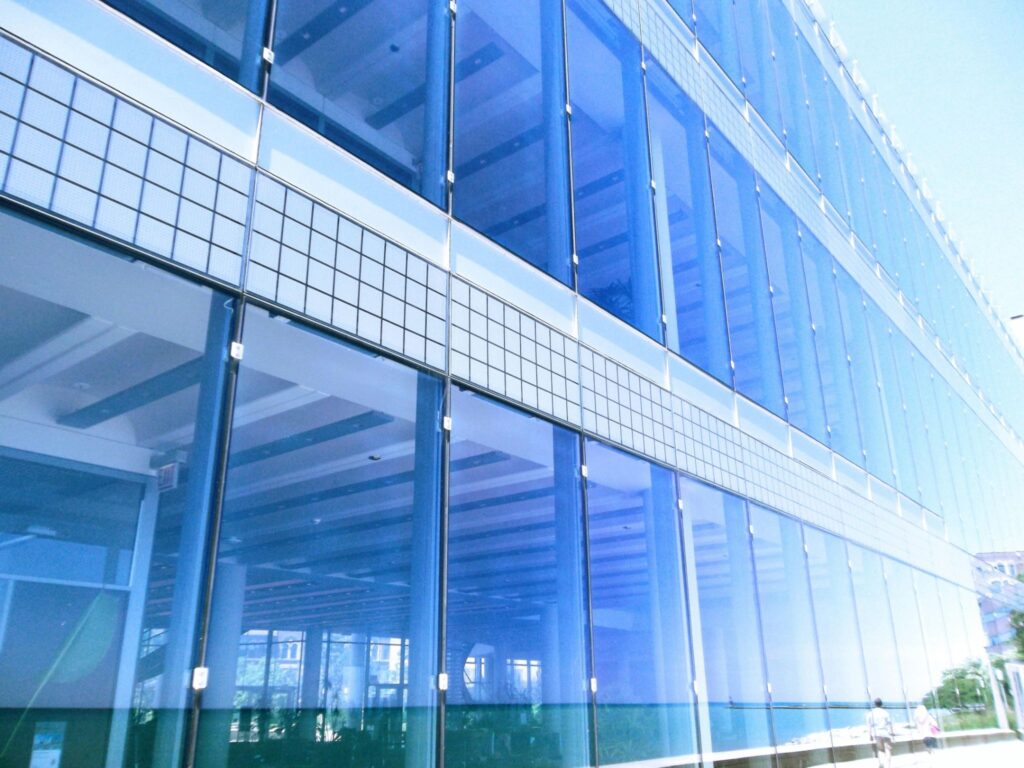
The decision between full commercial window replacement and a retrofit solution depends on several factors specific to your building and threat profile.
Consider full replacement when:
Consider a retrofit when:
In some cases, a combined approach makes sense. Full replacement at the most critical points of entry, like main lobbies and executive suite entrances, with retrofits applied across ground-floor windows and secondary access points.
Security glazing, whether installed through full commercial window replacement or a retrofit system, should be understood as one layer in a broader commercial security strategy. It works best alongside:
That said, glazing is often the weakest link in an otherwise solid office security plan, and it's frequently overlooked until after an incident. Addressing it proactively, especially at ground-floor entry points, lobbies, and executive areas, closes a vulnerability that attackers actively look for and exploit.
If you manage an office building or corporate facility and haven't evaluated your glazing security, it's worth starting with a site threat assessment. Identify which windows and doors represent the highest-risk entry points, what threat scenarios are most relevant to your location and operations, and whether your existing frames are candidates for retrofit or replacement.
Riot Glass works with building managers, security consultants, and architects to specify the right solution for each application, whether that's a full commercial window replacement, a retrofit, or a combination of both. The goal is always the same: keep the glass from becoming the easiest way in. Contact us today for a free consultation.
Healthcare facilities are among the most complex environments to secure. They operate around the clock, often serve emotionally distressed patients and visitors, and must remain open and accessible by design, all while protecting staff, patients, and sensitive areas from a range of physical threats.
Security breaches in healthcare settings aren’t just a liability concern. They can put people's wellbeing and lives at risk. This is why reinforcing key areas with security barriers, particularly impact-resistant security glazing, has become so essential for preventing security breaches in healthcare facilities.
Windows, doors, and glazed partitions represent significant vulnerabilities throughout any healthcare facility. Upgrading them with security glazing is one of the most effective and lasting steps a facility can take to harden its physical environment against forced entry, violent incidents, and workplace aggression.
In order to understand how to prevent security breaches in healthcare facilities, it’s important to first understand the types of threats they face.
Hospitals and healthcare facilities face a disproportionately high rate of workplace violence compared to nearly every other industry. The combination of high-stress situations, patients in acute psychological or physical distress, and the 24/7 open-access model creates an environment where confrontations, and sometimes violent incidents, are far from rare.
Common physical security threats in healthcare facilities include:
Standard commercial glass, including the tempered or laminated glass found in most healthcare facility construction, offers minimal resistance to any of these threats. A determined individual can quickly breach a basic glass partition or window. That's where hospital window security glazing comes in.

Security glazing refers to glass or glass-like glazing materials engineered to resist forced entry, impact, and penetration far beyond what standard architectural glass can withstand.
In healthcare applications, the most practical and cost-effective category of security glazing is forced-entry-grade, impact-resistant glazing, products designed to delay or deny access even under sustained physical attack.
The leading solution in this category is polycarbonate-based security glazing, such as Riot Glass AP-Series glazing. Polycarbonate is an extraordinarily tough thermoplastic that can withstand repeated blunt-force strikes, kicks, and other attempts at manual breaching without shattering or yielding.
Crucially, security glazing of this type is designed to look and function like ordinary glass. It can be installed into existing hospital windows and door frames, maintains optical clarity, and doesn't transform a healthcare environment into something that feels like a prison.
That balance, between serious physical protection and a welcoming atmosphere, is especially important in healthcare settings where patient and visitor experience matters.
Healthcare facilities also face a unique risk from human-impact incidents, particularly situations where a person deliberately throws themselves against a glass surface. In behavioral health wings and psychiatric units, this is an especially real and ongoing concern.
Even tempered safety glass can shatter relatively easily upon human impact, and while not as dangerous as standard glass, there are still risks.
Hospital security windows, on the other hand, are engineered to absorb and redistribute that force, maintaining a barrier and holding together to eliminate the risk of laceration injuries. For facilities housing vulnerable patient populations, this is an important safety requirement.
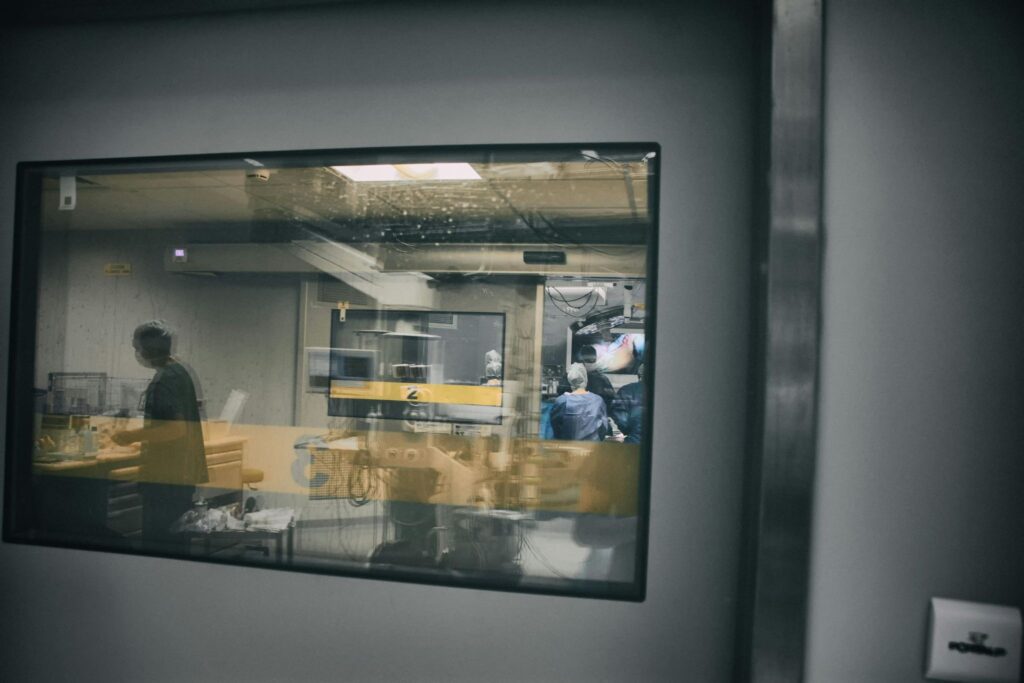
Not every pane of glass in a hospital or clinic needs the same level of security. Smart healthcare security planning means identifying the highest-risk glazed openings and prioritizing those for reinforcement.
Below are some of the areas where healthcare facilities should consider implementing security glazing.
The front desk is the most common flashpoint for patient or visitor aggression. Staff are exposed, often behind standard commercial glass or no barrier at all, and confrontations over wait times, treatment decisions, or billing can escalate quickly.
A security glazing barrier at the reception desk provides both a physical deterrent and genuine protection against assault.
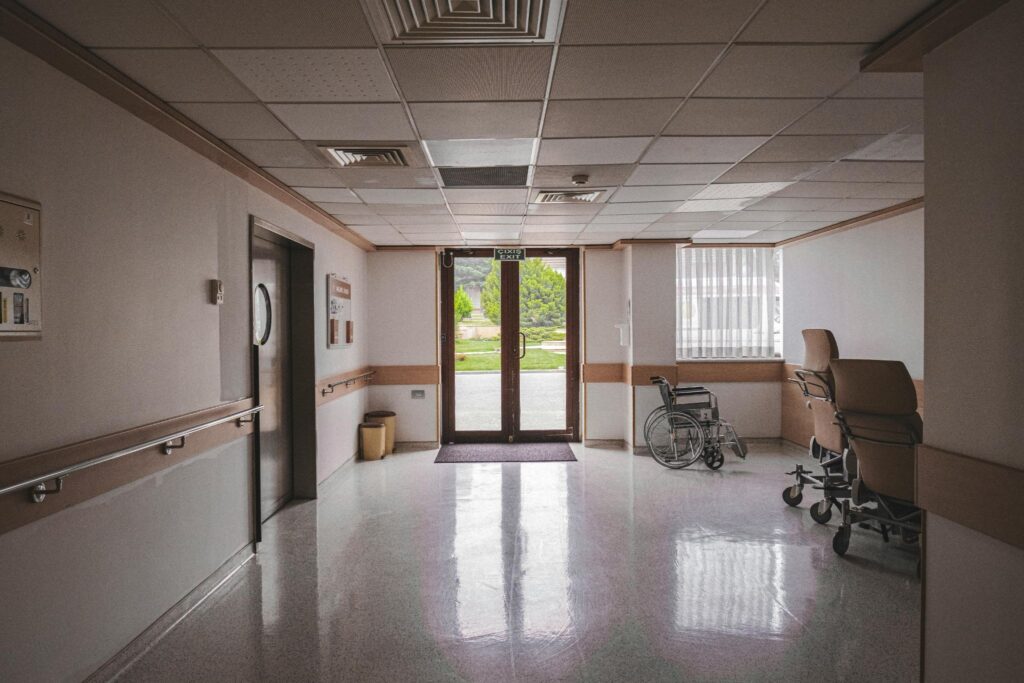
Emergency rooms are uniquely high-tension environments. Patients may be intoxicated, in severe pain, experiencing psychiatric crises, or accompanied by distressed family members. The waiting area and triage windows see more volatile interactions than almost any other part of a healthcare facility.
Forced-entry-grade glazing in these areas protects triage nurses and administrative staff while maintaining the visual openness the space requires.
Pharmacies are high-value targets for opportunistic theft and break-in attempts. Security glazing on pharmacy service windows and internal partition glass quite literally raises the barrier to unauthorized access and theft of controlled substances.
In these types of units, protecting hospital windows against patients who may attempt to break glass for unauthorized egress or to harm themselves is essential. Human-impact-resistant and forced-entry-grade glazing is essential here, and should extend to observation windows, room doors, and any other glazed openings accessible to patients.
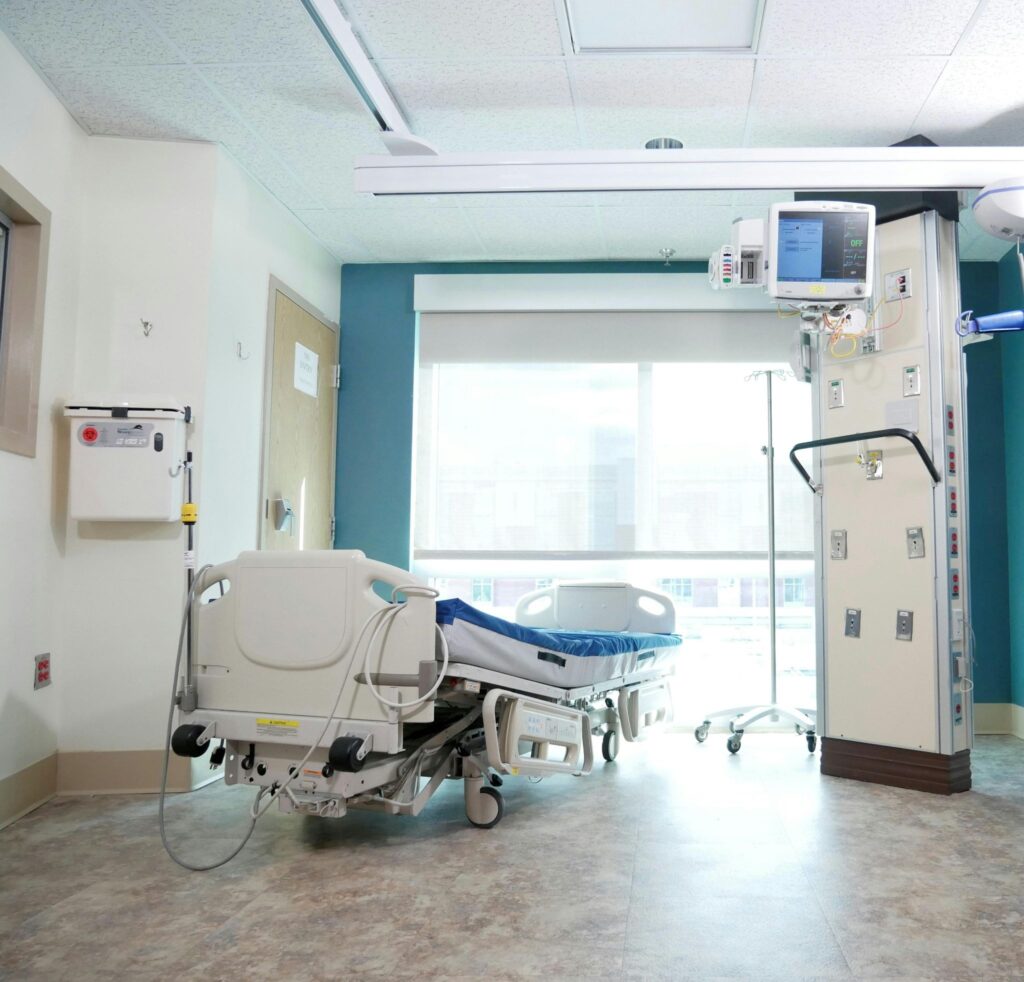
Nurse stations are often centrally located and staffed around the clock, making them both a security hub and a potential target. Glass partitions and windows around nurse stations should be rated for impact resistance to protect staff during any escalating incident on the floor.
Areas housing sensitive patient data, financial records, or IT infrastructure are also strong security glazing candidates. Hardening any glazed openings reduces the chance of a security breach occurring.
Security glazing is most effective as one layer within a comprehensive healthcare facility security strategy, not a standalone fix.
Healthcare security directors and facility managers should consider how glazing upgrades work alongside:
Security glazing reinforces all of these measures. For example, an access control system is only as strong as the door and window assembly around it. A determined intruder who can smash through a glass panel can potentially bypass the electronic lock entirely. Upgrading the glazing reduces that risk.
One of the biggest advantages of Riot Glass AP-Series glazing is that the glazing panels are retrofit-compatible. Rather than requiring costly full-frame replacement, the polycarbonate security glazing can often be applied to existing healthcare facility windows and door systems, significantly reducing the cost and disruption of a facility-wide security upgrade.
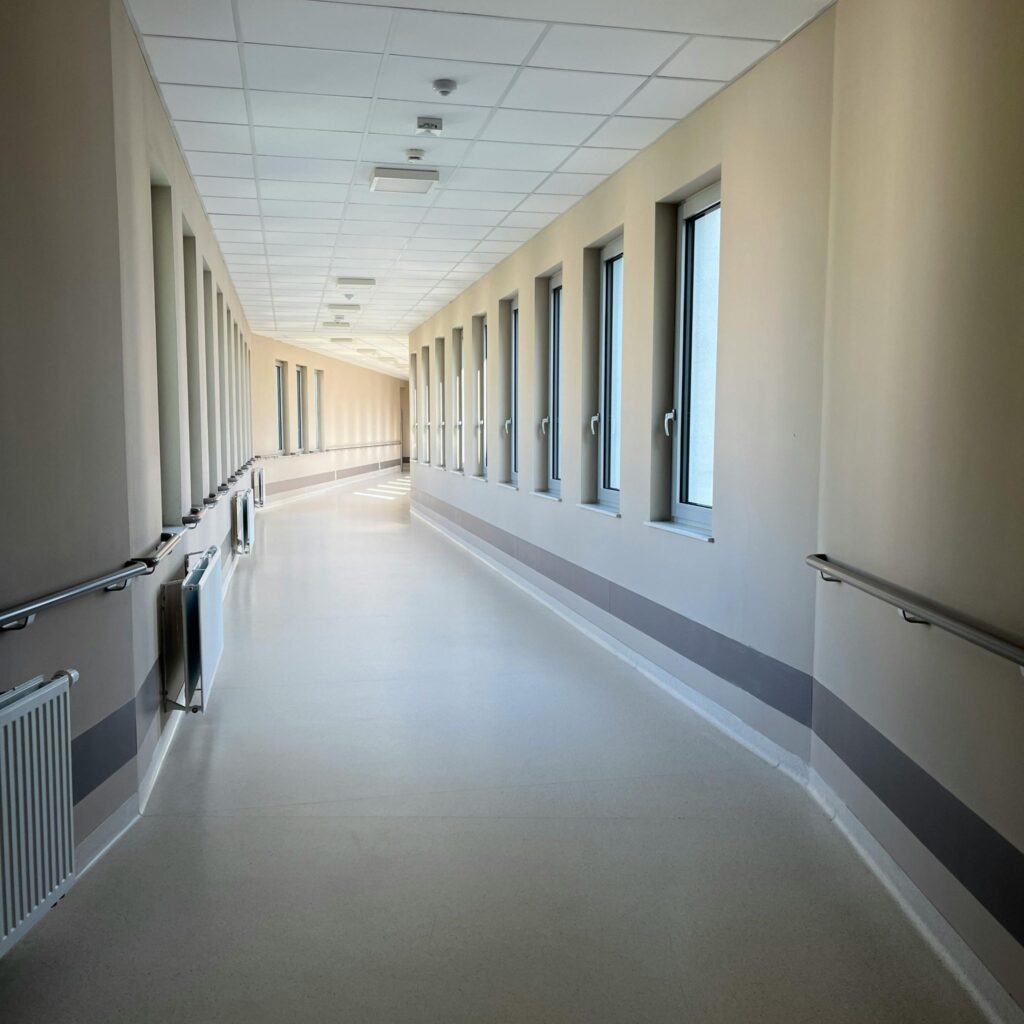
Preventing security breaches in healthcare settings starts with recognizing where your facility is physically vulnerable, and glazed openings are among the most exploitable weak points in any building.
From emergency room triage windows to pharmacy counters and behavioral health units, the right security glazing can mean the difference between a contained incident and a serious breach.
Riot Glass specializes in forced-entry-grade, impact-resistant security glazing solutions designed for real-world environments, including the unique demands of healthcare facilities. Whether you're looking to upgrade a single high-risk area or conduct a facility-wide security glazing retrofit, our team can help you identify the right solution.
Contact Riot Glass today for a free consultation and find out how AP-Series security glazing can strengthen your healthcare facility's physical security posture without compromising its welcoming environment.