
Written By: Brad Campbell | October 7, 2026
Hotels have a responsibility to protect guests and staff from threats, ranging from forced entry and burglary to more serious active threats.
There’s also the separate risk of vandalism and property damage, potentially caused by disgruntled or intoxicated guests.
In certain areas, like Florida and other areas of the Southeastern United States, hurricanes and strong windstorms are another threat to the safety and security of hotel properties.
One solution that addresses all of these threats is hotel security glass, which can be retrofitted over vulnerable glass doors and windows to protect them from impacts and improve overall hotel safety and security.
Hotels are prime targets for theft because of the high concentration of guest-owned valuables, which are often left unattended in empty rooms while guests are out for the day.
Ground-floor rooms and rooms with sliding doors or windows facing parking lots, pools, or secluded landscaping are especially vulnerable, since these access points are easier to reach and offer more privacy for an intruder to work unnoticed.
Standard glass and even standard tempered glass can typically be broken in seconds with basic hand tools, giving a burglar little reason to look for another way in.
While statistically low-probability, active threat incidents can and do unfold in hotels.
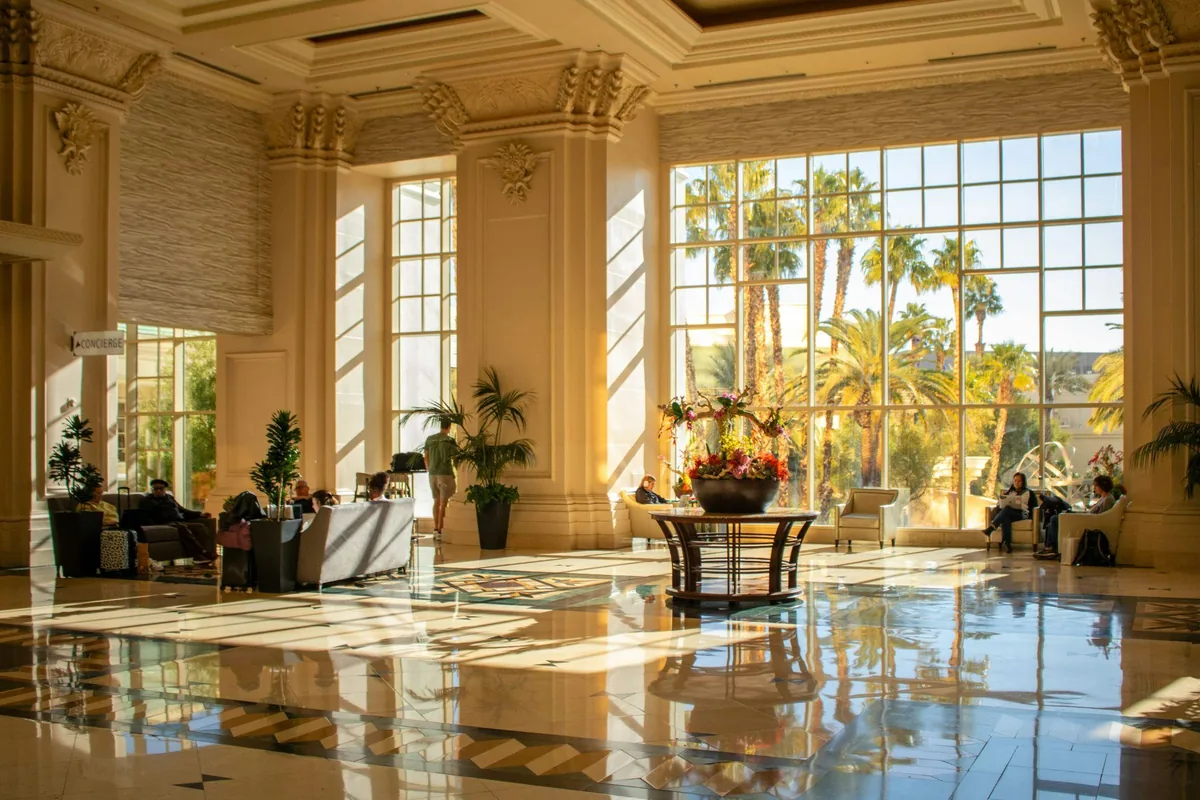
Lobbies, conference centers, and ground-floor guest rooms are typically the most exposed areas, since large expanses of storefront glass are often the easiest point of entry for someone intent on causing harm.
In these scenarios, every additional second that glass holds up under attack gives staff and guests more time to shelter in place, evacuate, or wait for law enforcement to respond.
Aggressive guests, who may be angry at hotel staff or under the influence of drugs and alcohol, frequently cause property damage in hotels.
Broken windows and doors are not just an unplanned repair expense; they also leave a property exposed until the damaged glass can be replaced, creating a secondary security gap immediately after the initial incident.
Hurricanes and severe windstorms pose a serious risk to hotel properties in certain areas.
Wind-borne debris can shatter unprotected windows and doors in seconds, and once a window fails, wind and rain can cause extensive interior damage well beyond the glass itself.
For hotels, this often means displaced guests, lost revenue during repairs, and costly restoration work on top of the glass replacement.
Hotel security glass is generally either a glass-clad polycarbonate or a full polycarbonate security glazing solution.
Depending on the specific composition of the glazing, it can be rated to withstand impacts, forced entry attempts, ballistic attacks, or all of the above.
Glass-clad polycarbonate combines an exterior layer of glass with one or more layers of polycarbonate on the interior, laminated together into a single unit.
This construction gives hotels the familiar look, feel, and clarity of standard commercial glass on the outer surface while adding the impact resistance of polycarbonate underneath. It's a common choice for hotel storefronts, lobby entrances, and other high-traffic areas where having actual glass on the outside is desirable.
Glass-clad polycarbonate also offers some of the highest levels of ballistic ratings available, making it a strong choice for hardening hotel security in VIP and executive suites or penthouses.
Full polycarbonate glazing, on the other hand, is built entirely from one or more layers of polycarbonate rather than glass.
Because polycarbonate is significantly more impact-resistant than glass, yet lighter, this option is ideal for retrofitting over vulnerable glass doors and windows to protect them against storm debris impacts, forced entry attempts, vandalism, and specific ballistic threats.
Polycarbonate glazing can be manufactured in varying thicknesses and layer counts depending on the level of protection required, from deterring burglary to resisting sustained forced entry attempts or ballistic impacts.
Certain types of hotel security glazing, including Riot Glass hospitality security solutions, can be retrofitted over a hotel property’s existing glass doors and windows using specialized framing adapters. These hold the impact-resistant security glazing securely in place over the original glass, protecting it from breakage and preserving the integrity of the building envelope.
Because this glazing is installed over the existing windows and doors rather than requiring a full glass replacement, hotels can add a strong layer of protection without the extended downtime, cost, or disruption of a full window replacement project.
Because the original glass stays in place behind the security glazing, and the framing adapters are designed to blend into a wide range of architectural styles, the added protection doesn't come at the expense of curb appeal or guest experience.
Not every window or door on a hotel property carries the same level of risk. Hotels typically prioritize reinforcing glass in the areas that are most exposed:
Prioritizing these areas allows a hotel to address its highest-risk points first, then expand coverage to additional windows and doors as budget allows.

Not every hotel needs the same level of glass protection. Forced entry-resistant glazing is designed to slow down or stop an intruder from breaking through a window or door, which is often enough to deter burglary, smash-and-grab theft, and vandalism. Ballistic-grade glazing goes a step further, adding protection against gunfire for hotel properties where an active threat is a more pressing concern.
The right choice for a given property usually comes down to a few factors. Location plays a role, since urban properties or areas with higher crime rates may warrant a stronger level of protection than a resort in a low-crime area. Guest profile matters too. VIP suites, executive floors, and penthouses often justify ballistic-grade glazing given the higher-value targets they represent, while standard guest rooms and public areas may be well served by forced entry-resistant glazing alone.
Past incident history at the property, or at comparable properties nearby, can also help hotel owners and security teams identify which threats are most likely to materialize and prioritize glazing accordingly.
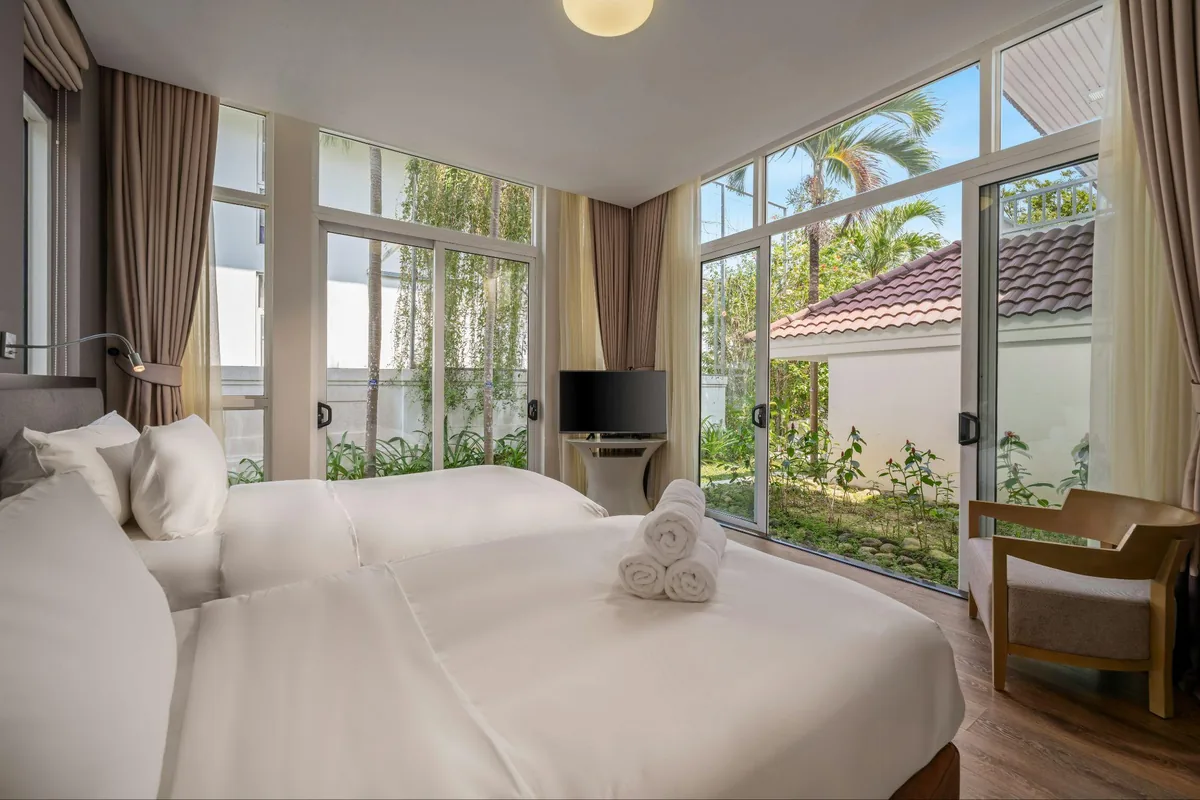
Not significantly. Riot Glass security glazing is designed to blend into existing window and door frames, preserving the hotel's appearance, maintaining natural light transmission, and preserving views.
Retrofitted security glazing is installed over existing windows and doors, which generally means less disruption than a full glass replacement. Hotel security glazing retrofits can be completed during the slow season to further minimize disruption.
Yes. The same impact-resistant properties that deter and prevent forced entry and vandalism also help protect against wind-borne debris during storms.
Protecting a hotel property requires accounting for a wide range of threats, from opportunistic theft to severe weather.
Retrofitting existing windows and doors with hotel security glass gives properties a way to address forced entry, vandalism, active threats, and storm damage with a single solution, without compromising the look and feel guests expect.
Contact Riot Glass to find the right security glazing solution for your hotel or other hospitality property.

HOW CAN WE HELP YOU?