
Written By: Brad Campbell | April 13, 2026
Healthcare facilities are among the most complex environments to secure. They operate around the clock, often serve emotionally distressed patients and visitors, and must remain open and accessible by design, all while protecting staff, patients, and sensitive areas from a range of physical threats.
Security breaches in healthcare settings aren’t just a liability concern. They can put people's wellbeing and lives at risk. This is why reinforcing key areas with security barriers, particularly impact-resistant security glazing, has become so essential for preventing security breaches in healthcare facilities.
Windows, doors, and glazed partitions represent significant vulnerabilities throughout any healthcare facility. Upgrading them with security glazing is one of the most effective and lasting steps a facility can take to harden its physical environment against forced entry, violent incidents, and workplace aggression.
In order to understand how to prevent security breaches in healthcare facilities, it’s important to first understand the types of threats they face.
Hospitals and healthcare facilities face a disproportionately high rate of workplace violence compared to nearly every other industry. The combination of high-stress situations, patients in acute psychological or physical distress, and the 24/7 open-access model creates an environment where confrontations, and sometimes violent incidents, are far from rare.
Common physical security threats in healthcare facilities include:
Standard commercial glass, including the tempered or laminated glass found in most healthcare facility construction, offers minimal resistance to any of these threats. A determined individual can quickly breach a basic glass partition or window. That's where hospital window security glazing comes in.
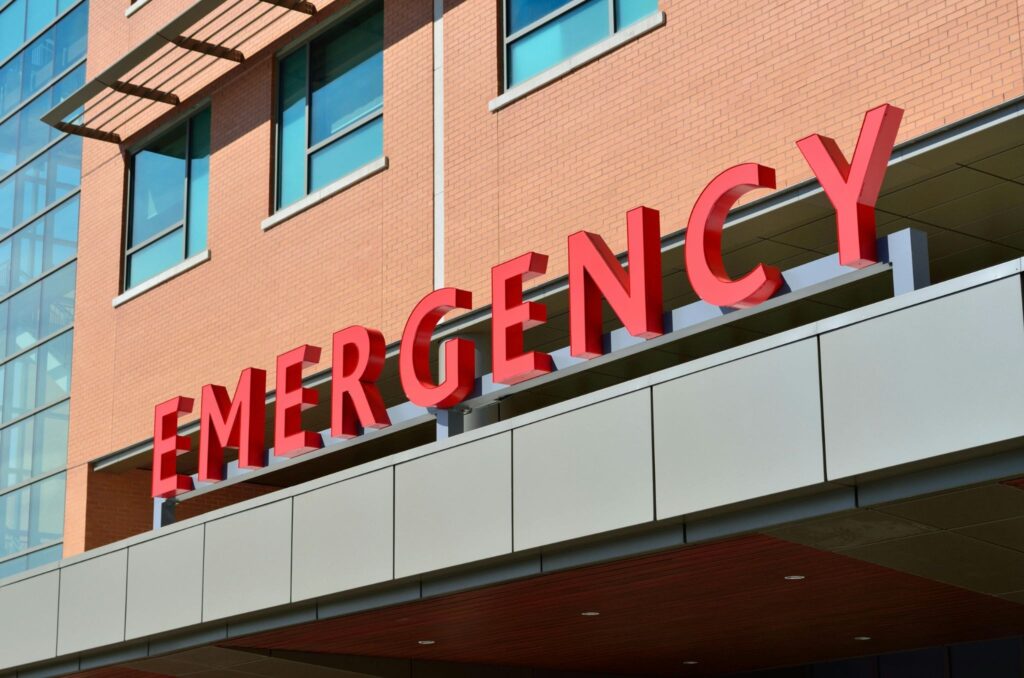
Security glazing refers to glass or glass-like glazing materials engineered to resist forced entry, impact, and penetration far beyond what standard architectural glass can withstand.
In healthcare applications, the most practical and cost-effective category of security glazing is forced-entry-grade, impact-resistant glazing, products designed to delay or deny access even under sustained physical attack.
The leading solution in this category is polycarbonate-based security glazing, such as Riot Glass AP-Series glazing. Polycarbonate is an extraordinarily tough thermoplastic that can withstand repeated blunt-force strikes, kicks, and other attempts at manual breaching without shattering or yielding.
Crucially, security glazing of this type is designed to look and function like ordinary glass. It can be installed into existing hospital windows and door frames, maintains optical clarity, and doesn't transform a healthcare environment into something that feels like a prison.
That balance, between serious physical protection and a welcoming atmosphere, is especially important in healthcare settings where patient and visitor experience matters.
Healthcare facilities also face a unique risk from human-impact incidents, particularly situations where a person deliberately throws themselves against a glass surface. In behavioral health wings and psychiatric units, this is an especially real and ongoing concern.
Even tempered safety glass can shatter relatively easily upon human impact, and while not as dangerous as standard glass, there are still risks.
Hospital security windows, on the other hand, are engineered to absorb and redistribute that force, maintaining a barrier and holding together to eliminate the risk of laceration injuries. For facilities housing vulnerable patient populations, this is an important safety requirement.
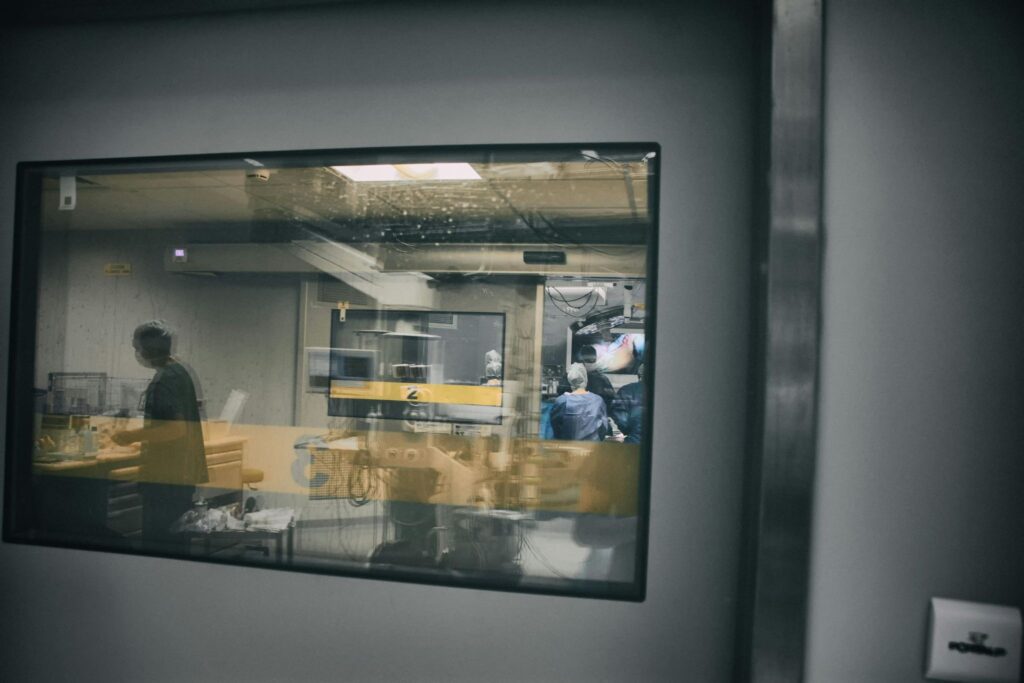
Not every pane of glass in a hospital or clinic needs the same level of security. Smart healthcare security planning means identifying the highest-risk glazed openings and prioritizing those for reinforcement.
Below are some of the areas where healthcare facilities should consider implementing security glazing.
The front desk is the most common flashpoint for patient or visitor aggression. Staff are exposed, often behind standard commercial glass or no barrier at all, and confrontations over wait times, treatment decisions, or billing can escalate quickly.
A security glazing barrier at the reception desk provides both a physical deterrent and genuine protection against assault.
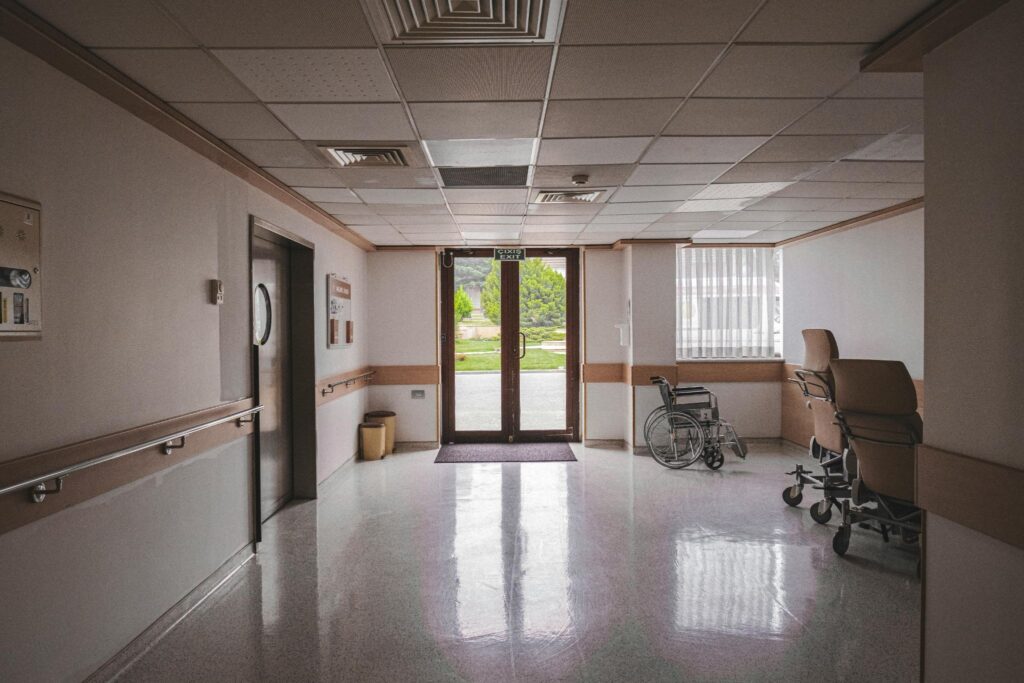
Emergency rooms are uniquely high-tension environments. Patients may be intoxicated, in severe pain, experiencing psychiatric crises, or accompanied by distressed family members. The waiting area and triage windows see more volatile interactions than almost any other part of a healthcare facility.
Forced-entry-grade glazing in these areas protects triage nurses and administrative staff while maintaining the visual openness the space requires.
Pharmacies are high-value targets for opportunistic theft and break-in attempts. Security glazing on pharmacy service windows and internal partition glass quite literally raises the barrier to unauthorized access and theft of controlled substances.
In these types of units, protecting hospital windows against patients who may attempt to break glass for unauthorized egress or to harm themselves is essential. Human-impact-resistant and forced-entry-grade glazing is essential here, and should extend to observation windows, room doors, and any other glazed openings accessible to patients.
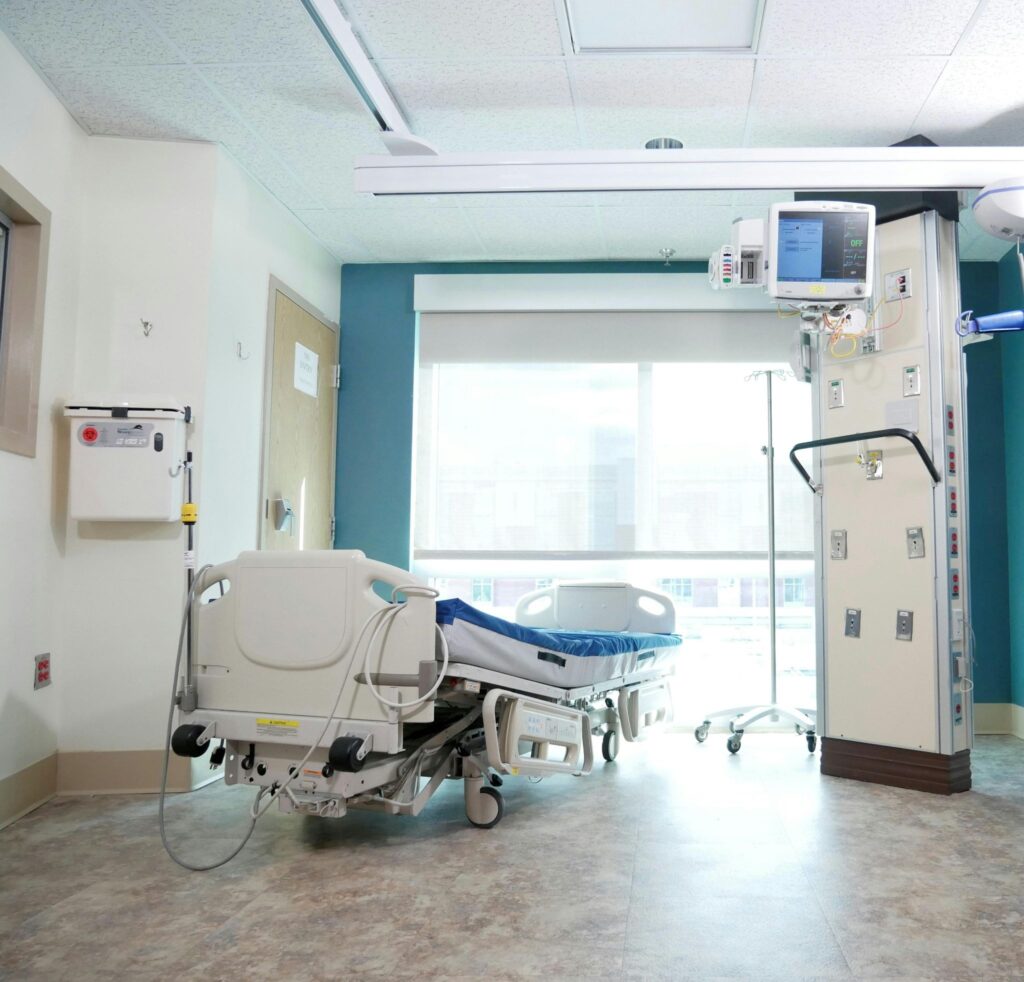
Nurse stations are often centrally located and staffed around the clock, making them both a security hub and a potential target. Glass partitions and windows around nurse stations should be rated for impact resistance to protect staff during any escalating incident on the floor.
Areas housing sensitive patient data, financial records, or IT infrastructure are also strong security glazing candidates. Hardening any glazed openings reduces the chance of a security breach occurring.
Security glazing is most effective as one layer within a comprehensive healthcare facility security strategy, not a standalone fix.
Healthcare security directors and facility managers should consider how glazing upgrades work alongside:
Security glazing reinforces all of these measures. For example, an access control system is only as strong as the door and window assembly around it. A determined intruder who can smash through a glass panel can potentially bypass the electronic lock entirely. Upgrading the glazing reduces that risk.
One of the biggest advantages of Riot Glass AP-Series glazing is that the glazing panels are retrofit-compatible. Rather than requiring costly full-frame replacement, the polycarbonate security glazing can often be applied to existing healthcare facility windows and door systems, significantly reducing the cost and disruption of a facility-wide security upgrade.
Preventing security breaches in healthcare settings starts with recognizing where your facility is physically vulnerable, and glazed openings are among the most exploitable weak points in any building.
From emergency room triage windows to pharmacy counters and behavioral health units, the right security glazing can mean the difference between a contained incident and a serious breach.
Riot Glass specializes in forced-entry-grade, impact-resistant security glazing solutions designed for real-world environments, including the unique demands of healthcare facilities. Whether you're looking to upgrade a single high-risk area or conduct a facility-wide security glazing retrofit, our team can help you identify the right solution.
Contact Riot Glass today for a free consultation and find out how AP-Series security glazing can strengthen your healthcare facility's physical security posture without compromising its welcoming environment.

HOW CAN WE HELP YOU?