
Written By: Brad Campbell | October 26, 2026
Restaurant security experts frequently recommend measures like secure POS systems, cloud-based surveillance cameras, and modern alarm systems, but there’s one thing none of these technological solutions do: physically prevent forced entry and burglary.
Having a multi-layered restaurant security system is certainly important, but the system is ultimately only as strong as its weakest link. In restaurants, which often feature large glass storefront-style windows and doors, unprotected glass often leaves the business exposed to forced entry and theft.
That’s why it’s so important to implement physical barriers that actually keep criminals out. When it comes to reinforcing restaurant storefronts, that typically means retrofitting security glazing.
Restaurant owners already have enough expenses to deal with running their business day to day, so any security upgrades need to be cost-effective, not to mention minimally disruptive, so as not to impact the restaurant’s operations. A security glazing retrofit checks all those boxes.
Retrofitting security glazing in a restaurant means installing forced-entry and impact-resistant glazing, typically made from polycarbonate or a combination of polycarbonate and glass, over its existing door and window glass.
This can be achieved using specialized framing adapters that hold the security glass in front of the existing glass, creating a formidable barrier that protects the glass behind from breakage and prevents forced entry.
Beyond the added security it provides, a restaurant security glazing retrofit offers several other key benefits:
Restaurants are often considered soft targets, since they tend to have fewer security measures in place than other types of commercial businesses. Many rely on a basic alarm system and maybe a camera or two, without any physical barriers beyond standard door locks to actually stop someone from getting inside.
The register is an obvious draw, but most restaurants don't leave cash on hand overnight, so it's rarely the main target.
More often, thieves are after high-value items that are easy to move: premium liquor, which can be resold quickly on the black market, and restaurant equipment. These items are valuable, portable, and in many cases untraceable once they leave the building.
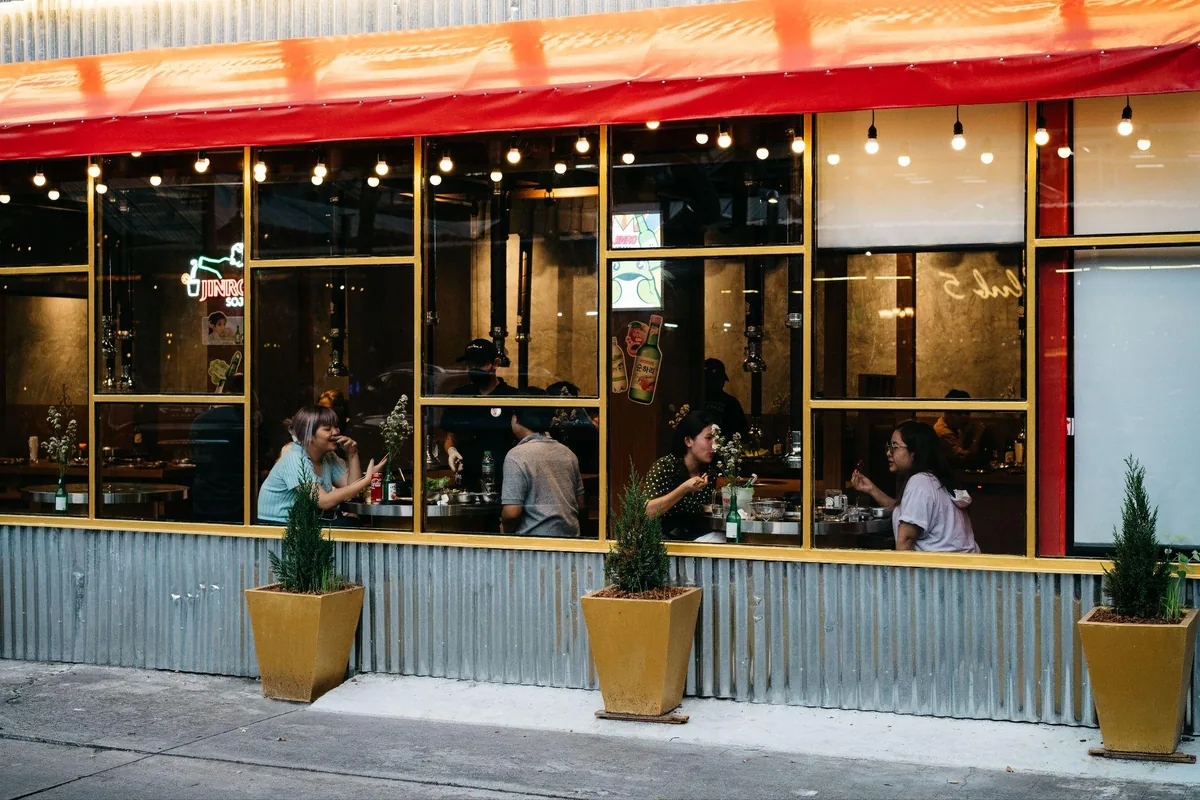
Large storefront windows and glass doors, while great for visibility and ambiance, also make it easy for thieves to see exactly what's inside and where it's kept, and give them a clear path in if that glass isn't reinforced.
When restaurant owners think about the potential impact of a burglary, the first thing that comes to mind is usually the stolen goods themselves: the liquor, the register contents, the equipment.
However, the actual cost of a restaurant break-in extends well beyond whatever the thieves managed to carry out the door.
Forced entry rarely happens cleanly. A smashed storefront window or door means an emergency board-up, a rush order for replacement glass, and in many cases, damage to surrounding frames or hardware that also needs repair.
These costs add up quickly, and they're often not fully covered by insurance once deductibles are factored in.
A restaurant with a boarded-up entrance isn't presenting itself well to customers, and in some cases can't safely open at all until repairs are complete.
Every day spent closed or operating with a compromised storefront is lost revenue that's difficult to recover, especially for restaurants working on thin margins already.
Filing a claim, documenting losses, coordinating with contractors, and dealing with any resulting rate increases all take time (and money) away from actually running the business.
Owners and managers end up managing the aftermath of a restaurant burglary instead of focusing on service, staffing, or growth.
Restaurant break-ins, especially repeat ones, can shake staff morale and raise safety concerns among employees who open or close the restaurant.
Customers may also notice damaged storefronts or increased security measures and wonder about the safety of the area or the business itself.
Retrofitted security glazing addresses the root of all these problems by keeping the glass intact in the first place.
If the barrier holds up to a forced entry attempt, there's no broken window to board up, no forced door to repair, and no closure while damage gets assessed and dealt with. The restaurant opens the next morning as if nothing happened, because nothing did.
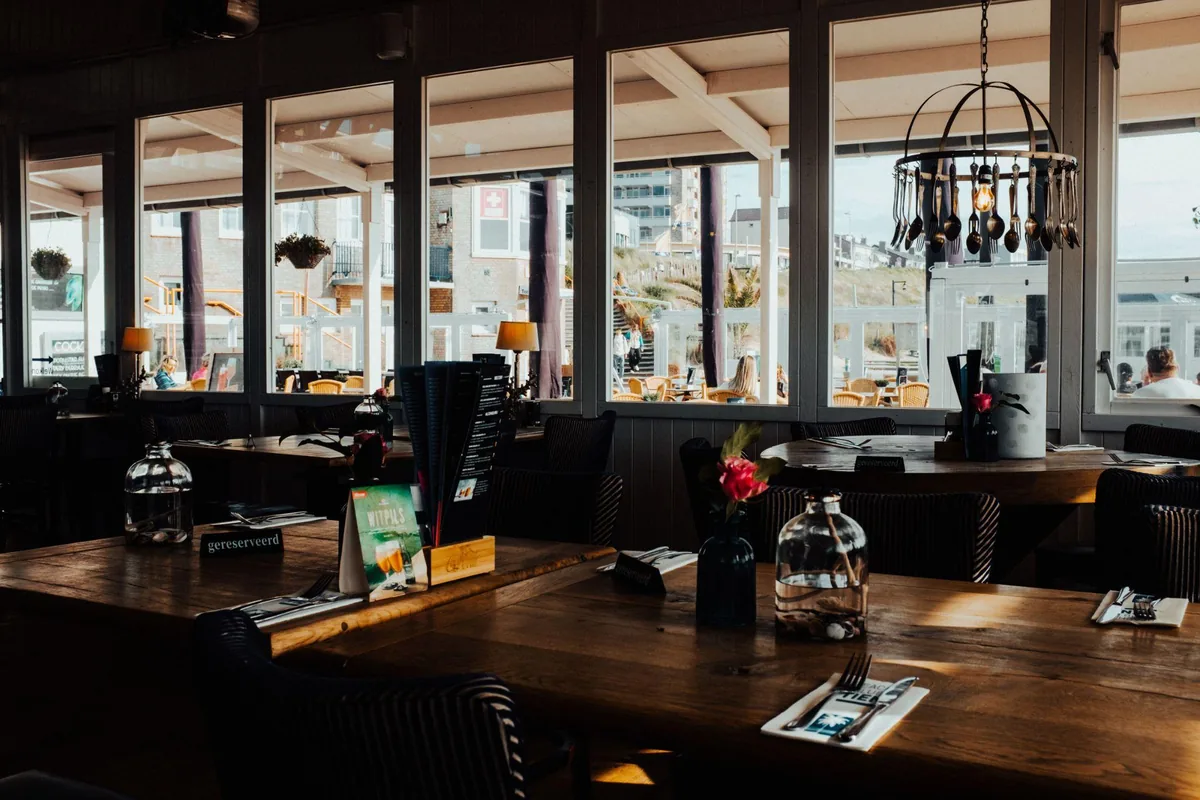
No. Retrofitted restaurant security glazing is installed over existing glass and maintains the same visibility, natural light, and curb appeal.
That depends on how many glass doors and windows there are. However, most retrofits are completed in a fraction of the time a full window or door replacement would take, minimizing disruption to daily operations.
It's designed to resist forced entry and impact long enough to deter or delay an intruder, which in most cases is enough to prevent a successful break-in.
Yes. Retrofitting installs directly over existing glass and framing, avoiding the material and labor costs of a full replacement.
In most cases, yes. Specialized framing adapters allow the security glass to be installed without major structural changes.
The cost of a restaurant burglary rarely stops at what's stolen. Between property damage, lost operating hours, insurance headaches, and the toll on staff and customer confidence, a single forced entry can set a business back far more than the value of whatever left through the door.
Retrofitted security glazing gives restaurant owners a way to mitigate those risks without the cost or disruption of a full storefront glass replacement. If your restaurant's windows and doors are still the weakest link in your security plan, it's worth fixing proactively before a break-in forces the issue.
Contact Riot Glass today to discuss your restaurant's security risks and find the right glazing solution for your business.

HOW CAN WE HELP YOU?