
Written By: Brad Campbell | April 23, 2026
When most people picture a prison or jail, they picture bars — steel, floor-to-ceiling, time-tested. Bars are still very much a part of correctional facility design, but walk through a modern detention center, and you’re just as likely to encounter glass. More precisely, you’ll see security glazing used strategically throughout.
Prison glass serves functions bars simply can’t, and understanding where and why jail glass is used helps determine the right type of security glazing to use for key applications in these types of facilities.
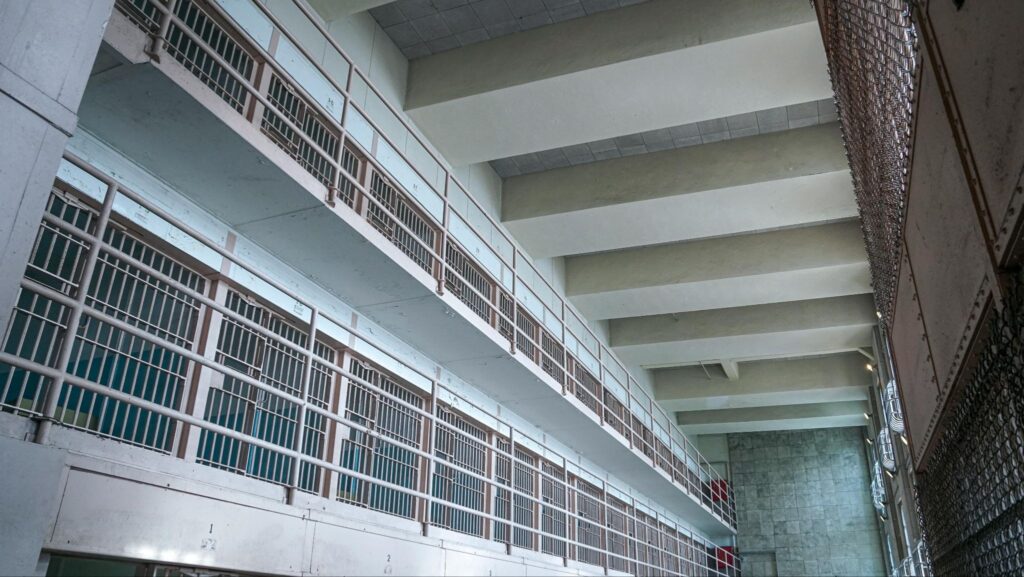
Prison glass shows up in various locations throughout a correctional facility, from high-security housing units to administrative offices. The locations glazing is used vary dramatically in terms of threat level and functional purpose, but the common thread is that glass provides something bars don’t: a complete, sealed barrier with full visibility.
Here are some of the primary areas where jail glass is found:
Throughout these applications, prison glass isn’t just a design choice. Iit’s structural to how the facility operates.
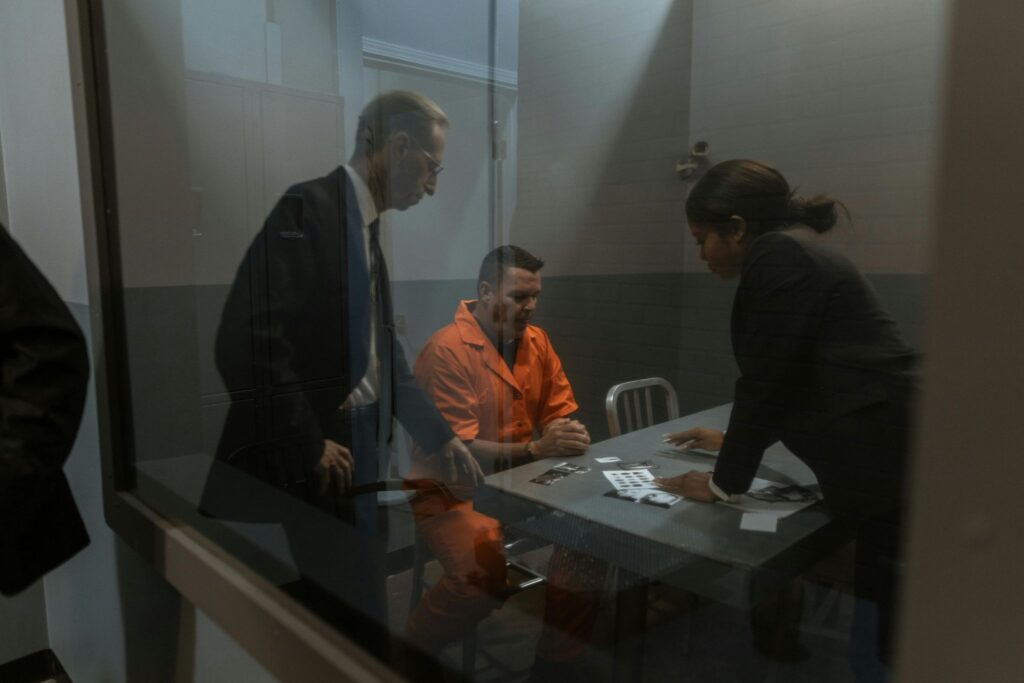
Bars have obvious advantages in correctional environments: they're strong, they're time-tested, and they allow airflow and communication. But they have limitations that glazing addresses directly.
The most significant limitation is the gap. Bars, by definition, leave open space. That means contraband can pass through. Objects can be thrown. In volatile situations, gaps between bars can become a vector for assault on staff. A glazed surface eliminates all of that. It's a continuous barrier. Nothing passes through unless the glazing itself is breached.
Visibility is the other major factor. While bars allow a line of sight, they can obscure detail, particularly at a distance or in low light. Clean, optically clear glazing gives staff an unobstructed view of an inmate or area without distortion. In facilities that rely on camera systems and remote monitoring, the quality of the glazed surface directly affects the quality of the visual feed.
There's also the matter of acoustics and containment. Glazed barriers can be designed to significantly reduce sound transmission, which matters in environments where noise escalation is a genuine management challenge. And unlike bars, glazed panels can be sealed against the passage of air, smoke, or other substances, an important consideration in facilities that need to compartmentalize during emergencies.
Finally, glazing supports a less institutionally oppressive design language. This may seem like a secondary concern, but research into correctional facility design increasingly points to environmental factors, including natural light transmission and visual openness, as having measurable effects on inmate behavior and staff wellbeing. Glass lets light move through a facility in ways that bars and solid walls don't.
The functional case for correctional facility glazing is straightforward. The engineering challenge is harder. Glass in a correctional environment isn't just a window. It's a security system, and it has to perform under conditions that standard architectural glazing was never designed to handle.
Consider what prison and jail glass may be subjected to:
Standard commercial glass, tempered glass, or basic laminated glass doesn't meet these requirements in high-risk applications. The materials that do are polycarbonate and glass-clad polycarbonate, both of which offer the kind of resistance to prolonged attack that no glass-only product can match.
Polycarbonate's virtually unbreakable strength is what makes it the material of choice for serious correctional glazing applications: it won't shatter, it won't collapse under sustained assault, and it retains its integrity even when penetrated. The framing and installation system matters just as much as the glazing material itself. A high-performance prison glass panel installed in an inadequate frame is only as strong as its weakest point.
Correctional facility glazing decisions have long-term consequences. Underspecified glazing creates security vulnerabilities that are expensive to remediate and potentially dangerous in the interim. On the other hand, overspecified glazing in low-risk areas wastes the budget that could be allocated elsewhere. Getting it right requires understanding the specific threat profile of each application within the facility.
If you're involved in the design, construction, or retrofitting of a correctional facility and need guidance on the right glazing solution for your application, contact Riot Glass. We work with contractors, architects, facility managers, and security consultants to specify and supply security glazing that meets the real demands of modern correctional environments.

HOW CAN WE HELP YOU?