
Written By: Brad Campbell | July 9, 2026
When a facility manager, architect, or security director specifies materials or products for a building, they're making decisions that affect the safety of everyone (and everything) inside. ASTM standards exist to make those decisions more reliable.
For commercial buildings, where the stakes of a security failure can be significant, understanding what ASTM standards are can help ensure the property meets all the necessary physical security requirements.
ASTM International is a globally recognized standards organization with roots going back to 1898. Originally founded as the American Society for Testing and Materials, ASTM now publishes over 12,000 voluntary consensus standards covering materials, products, systems, and services across dozens of industries, from construction and manufacturing to transportation and consumer goods.
ASTM standards are developed through a consensus process involving technical experts, manufacturers, regulators, and end users. That process is what gives them credibility. No single company or agency dictates the outcome. Instead, standards reflect broad agreement among stakeholders about what constitutes reliable, verifiable performance.
For any given material or product, the relevant ASTM standard defines the testing methodology, the conditions under which testing must occur, and the minimum performance thresholds a product must meet to achieve certification. Independent, accredited laboratories conduct the testing.
When a product earns ASTM certification, it means it has been evaluated under controlled, repeatable conditions and has met criteria that the industry has agreed represent meaningful performance.
That framework removes ambiguity. Without such standards, a manufacturer can make almost any claim about a product's performance. With them, those claims have to be substantiated by evidence that an independent party can verify.
In commercial construction and renovation, glass is everywhere. It’s found in storefronts, lobby entrances, office partitions, skylights, school classrooms and corridors, and government reception areas, where it is both functional and architecturally desirable. Glass is also, in most standard installations, one of the most vulnerable points in a building's physical security.
This is where ASTM standards are particularly relevant. Some security glazing products are tested against specific ASTM standards to verify how they perform under simulated real-world threat conditions.
Those standards give buyers, material and product specifiers, and building owners a consistent basis for comparison. Rather than relying on a manufacturer's marketing language, they can look at which standards a product has passed and understand exactly what that means in terms of actual performance.

Different facilities face different threat profiles, and ASTM standards help align product specifications with actual risk levels. Below are a few examples that illustrate how this works in practice.
Schools, unfortunately, are among the most high-risk facilities in the country when it comes to active threats. Glass doors and windows at building entrances and in classrooms are common breach points.
Products certified under forced entry resistance standards give administrators and school occupants confidence that an intruder cannot quickly smash through entry glass and gain access to students and teachers.
The relevant ASTM standard defines the attack methodology, the tools used, the duration, and the outcome required to pass. That specificity is what makes the certification highly reliable.
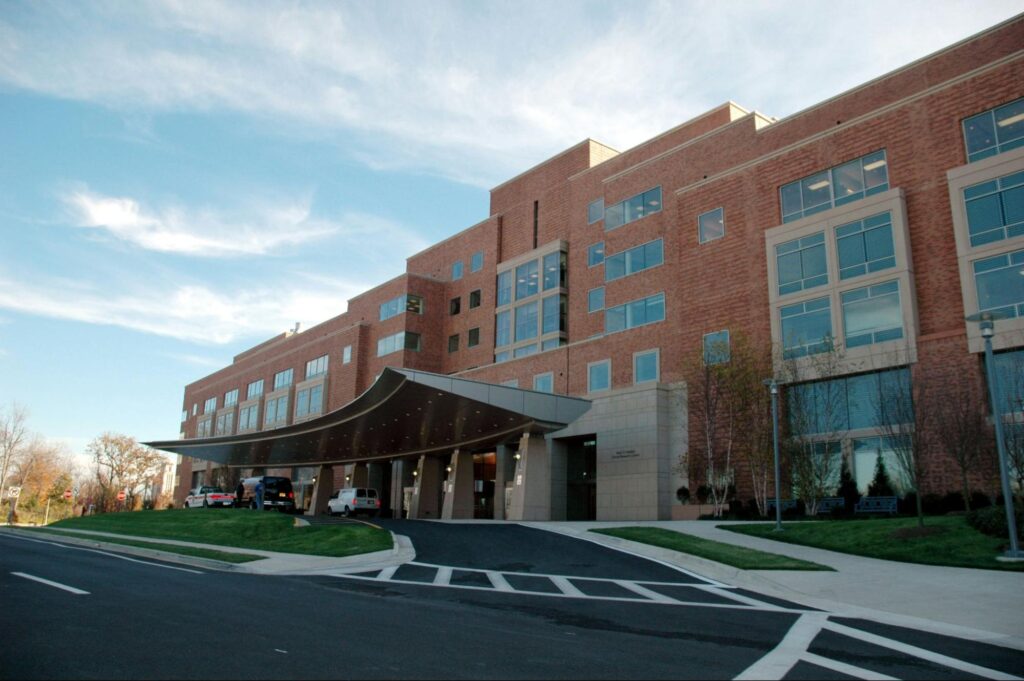
Government buildings, particularly those housing federal agencies or high-profile local offices, require verified performance against potentially severe threat scenarios, including coordinated, mob-style forced entry attempts and post-ballistic attack intrusion.
ASTM standards exist specifically to evaluate effectiveness in these scenarios, and products certified to those standards are recognized by agencies with strict procurement requirements.
Healthcare facilities have a different but equally pressing concern: controlling access points and securing public-facing areas while maintaining a functional, non-institutional environment.
Security glazing certified to relevant ASTM standards lets facilities upgrade vulnerable glass without visually hardening a space that's meant to feel welcoming to patients and visitors.
Retail and hospitality properties often prioritize smash-and-grab resistance. ASTM standards for forced entry resistance give property owners a verifiable basis for specifying glazing products that can drastically reduce the risk of rapid break-in events.
In each case, the standard does the same thing: it converts a security claim into a documented, reproducible test result.
The commercial glazing market includes a wide range of products with varying claims about security performance. Without ASTM certification, those claims are often difficult to evaluate. A product might describe itself as "impact resistant" or "security grade" without any standardized basis for that language.
ASTM-certified security glazing has been tested in a controlled environment, by an independent laboratory, against defined attack scenarios. That's a meaningful distinction when a building's security plan depends on the glass holding.
For building material and product specifiers, ASTM certification also simplifies the approval process. Many insurers, government procurement programs, and building codes recognize or require ASTM-compliant products. Specifying certified products reduces compliance risk and provides documented justification for the security specification.
ASTM standards exist to make performance claims verifiable. In commercial building security, where the consequences of a product failing under real-world conditions can be severe, verification is essential to maintaining security and protecting both assets and occupants.
Understanding what ASTM standards are, and particularly how they apply to security glazing, helps facilities make informed decisions and gives everyone and everything inside a building a more reliable layer of protection.
Ready to upgrade your building's security with high-performance security glazing? Contact Riot Glass to discuss your facility's needs and find the right solution.

HOW CAN WE HELP YOU?