
Written By: Brad Campbell | August 7, 2026
When you think about protecting buildings and their occupants from an active threat, you might picture things like reinforced doors, metal detectors, and armed security guards. But there’s an invisible layer of protection that’s just as important: security glazing, more specifically, ballistic laminate glazing solutions that reinforce vulnerable glass surfaces against attacks.
“Ballistic laminate” is a term that can be used to refer to various types of ballistic-grade (bullet-resistant) glazing materials. The key thing to understand is that it means there are multiple layers of glass and/or non-glass glazing materials laminated together and capable of resisting certain types of ballistics.
The most common and effective ballistic laminate solutions are typically either glass-clad polycarbonate (GCP) or full polycarbonate-based composites, often with smaller amounts of acrylics or other plastics mixed in for different performance benefits.
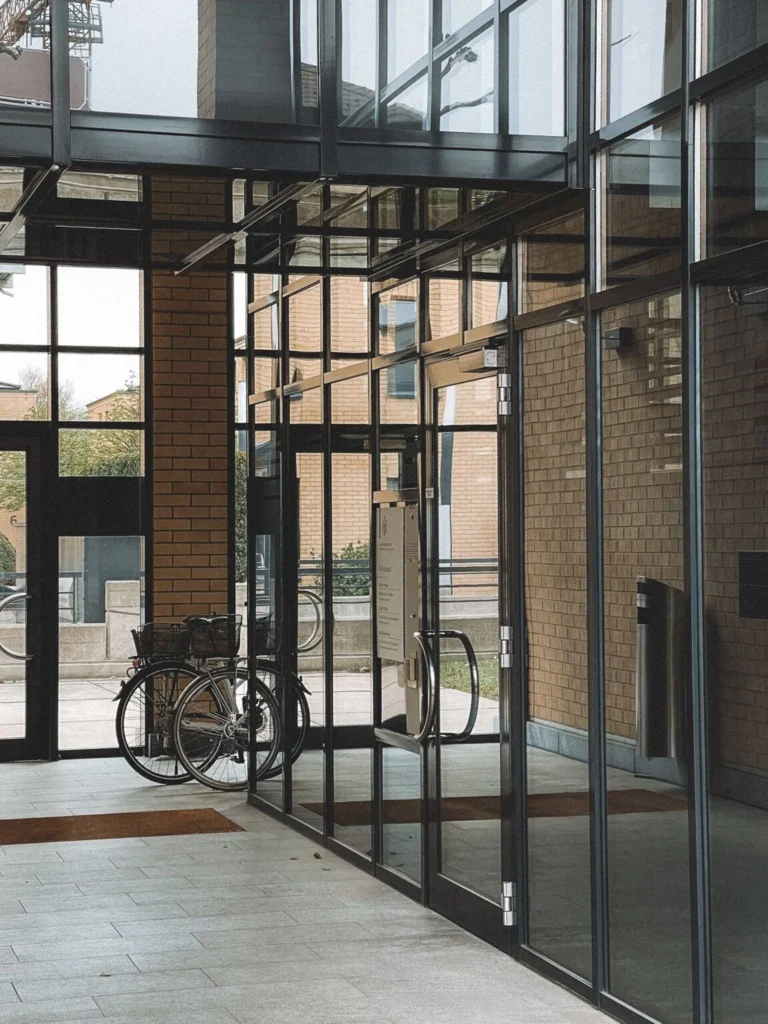
Ballistic-grade GCP panels consist of polycarbonate on the interior surface (safe side) and strengthened security glass on the exterior (attack side). The layers are laminated together using thermoplastic interlayers that hold them securely in place, even if the attack side spalls or cracks.
GCP is widely considered to be the best configuration for ballistic laminate glazing solutions because it essentially offers the best of both worlds. You get the surface hardness and appearance of glass on the outside, with the flexibility and virtually unbreakable strength of the polycarbonate on the inside.
Depending on the thickness and number of layers, glass-clad polycarbonate ballistic glazing solutions can stop bullets from a range of firearms commonly seen in active threat scenarios, from 9mm handguns up to military-grade assault rifles. The exact level of bullet resistance is specified by the glazing’s UL 752 rating.
Full polycarbonate-based panels are made entirely, or almost entirely, of polycarbonate security glazing. Sometimes they have an acrylic layer for additional scratch resistance, but the bullet resistance comes from the polycarbonate itself.
Polycarbonate is a plastic known for its incredible impact resistance and, in the right thicknesses and configurations, its ability to stop bullets. A single thin layer of polycarbonate isn’t bullet resistant, but when you increase the thickness by laminating multiple layers together, you can start to achieve very high levels of ballistic resistance.
Full polycarbonate ballistic laminate solutions are often favored for retrofit jobs, since they can typically be installed right on top of existing window and door glass using specialized framing adapters.
Containment-grade (non-ballistic) polycarbonate panels can also be used to provide access denial in lower-risk areas, as it will still keep an active threat out of the building even if penetrated by bullets.
| Feature | Glass-clad polycarbonate (GCP) | Full polycarbonate |
| Exterior (attack side) | Strengthened security glass | Polycarbonate (sometimes with acrylic layer) |
| Interior (safe side) | Polycarbonate | Polycarbonate |
| Surface hardness/appearance | Glass-like clarity and scratch resistance | Can scratch more easily without acrylic coating |
| Bullet resistance source | Combined glass and polycarbonate layers | Polycarbonate thickness and layering |
| Breakability | Attack side can spall and crack, safe side is virtually unbreakable | Virtually unbreakable (can be penetrated, but won’t break) |
| Best suited for | New construction, highest-performance applications | Retrofit installations over existing glazing |
| Typical rating standard | UL 752 | UL 752 |
Laminated ballistic glazing can be used wherever the risk of an active threat justifies bullet-resistant protection at glazed doors, windows, or service counters. Common settings include:
School entryways, front offices, and classroom doors and windows are among the most common places to see ballistic laminate glazing installed. It maintains visibility and natural light while resisting gunfire during an active threat scenario, fortifying schools without making them look fortified.
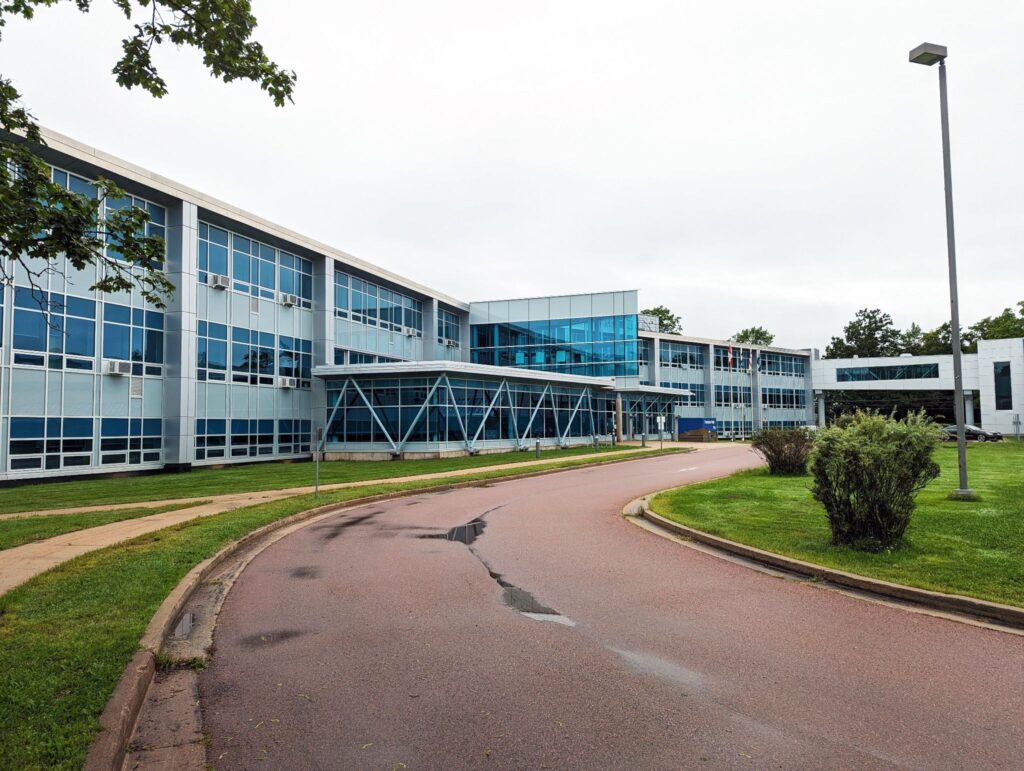
Courthouses, federal or municipal offices, and other government buildings often deal with high foot traffic and occasional volatile situations. Ballistic laminate glazing at entry points and service windows protects staff and visitors without turning the building into a fortress.
Religious facilities from churches to synagogues to mosques have increasingly adopted ballistic laminate glazing at main entrances and administrative offices as part of their safety planning. It provides a layer of protection for congregations without disrupting the welcoming feel of the space.
Teller stations and drive-through windows are natural fits for ballistic laminate glazing, since they combine cash handling with direct public access. Many bank branches pair it with transaction trays or pass-through drawers to maintain service without compromising the barrier.
Convenience stores, pharmacies, and other retail locations use ballistic laminate glazing at entry doors, storefront windows, and checkout counters to deter robbery attempts. It is especially common in businesses that operate late hours or handle cash transactions.
Emergency departments, psychiatric units, and hospital reception and security desks use ballistic laminate glazing to protect staff from potentially volatile situations while keeping sightlines open for monitoring.

Ballistic laminate glazing gives building owners and others responsible for occupants’ safety a way to add serious protection without detracting from the aesthetics and functionality of entryway doors and exterior-facing windows.
Whether you choose glass-clad polycarbonate or a full polycarbonate solution, you can rest assured that your property and those inside are protected from active threats by a layer of bullet-resistant glazing that provides more time for them to react and for law enforcement to arrive and neutralize the threat.
Working with a manufacturer like Riot Glass is the best way to determine the right combination of ballistic-grade glazing solutions for your specific property. Contact us today to get started with a free consultation.
Ballistic resistance and forced entry resistance are tested and rated separately, so a product's UL 752 bullet resistance rating does not by itself confirm how it performs against prying, hammering, or other physical break-in attempts. Most ballistic laminate products carry additional forced entry ratings, but that needs to be confirmed on a product-by-product basis.
Yes, depending on the thickness and configuration. Higher UL 752 levels are tested against rifle rounds, including some military-grade calibers, while lower bulletproof levels are rated only for handgun rounds.
Not significantly. Most ballistic laminate products are designed to closely match the clarity and appearance of standard commercial glass, though thicker panels may be slightly more noticeable at the edges.
Thickness requirements vary by threat level and manufacturer, so there is no single number that applies across all products. This is worth confirming against the specific UL 752 rating you need before deciding on a thickness.

HOW CAN WE HELP YOU?