
Written By: Brad Campbell | November 13, 2026
Front desk security is a top concern for all types of commercial facilities, from office buildings to healthcare facilities.
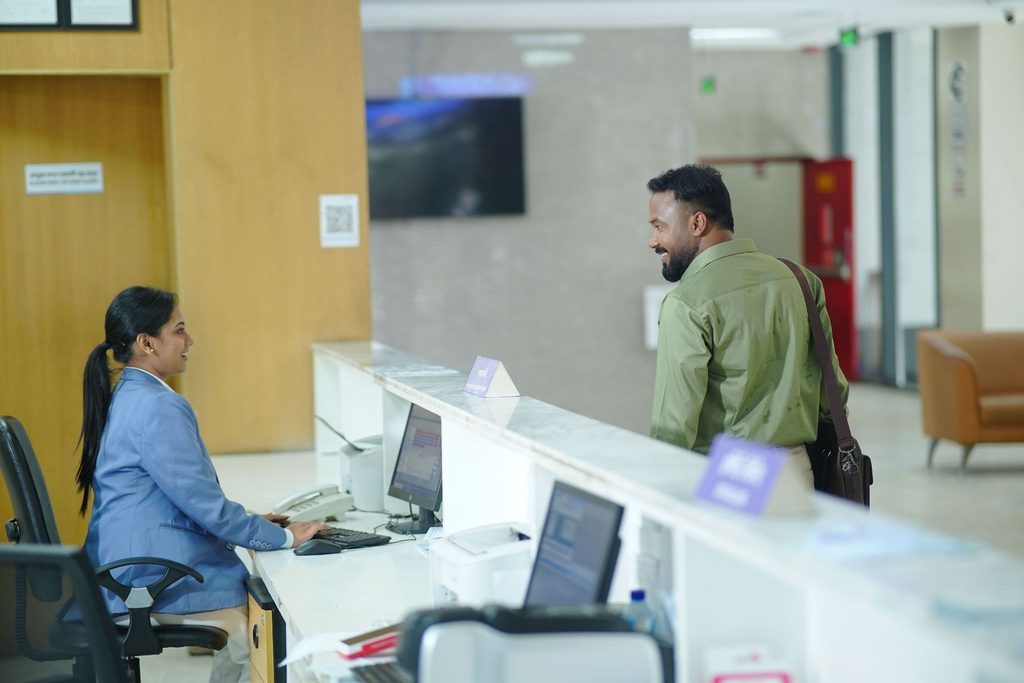
The front desk is often the first point of access control visitors encounter, but it’s also where employees can be particularly vulnerable to security threats.
Implementing effective physical security measures helps protect front desk employees while ensuring the reception area supports the facility’s broader security strategy.
Front desks serve as more than greeting points. Reception staff often verify appointments, manage visitor access, issue credentials, and prevent unauthorized individuals from entering restricted areas. These responsibilities can put employees in difficult situations, particularly when visitors refuse to follow security procedures or become confrontational.
Healthcare facilities may face elevated risks because reception staff interact with patients and family members experiencing stressful circumstances. Government offices, courthouses, and corporate facilities may encounter different challenges, including unauthorized access, forced entry, and targeted violence.
An open reception desk can leave employees vulnerable to close-range confrontations, while unprotected glass doors and windows nearby may provide insufficient resistance to forced entry. Effective front desk security therefore requires both appropriate procedures and physical measures that address vulnerabilities in the reception area and the surrounding building.

The most appropriate reception desk security measures depend on the facility's risk profile, layout, and operational requirements. Several types of security glazing can help protect reception staff and control access.
For facilities where employees face an elevated risk of aggression or physical assault, security glazing installed at the reception desk can create a protective barrier between staff and visitors.
This solution may be particularly useful in hospitals, emergency departments, behavioral health centers, courthouses, and public service offices where employees regularly interact with people in potentially contentious circumstances.
Depending on the design, the barrier can span the front of the desk and incorporate side panels or protected transaction openings. This allows staff to maintain visibility and communicate with visitors while reducing opportunities for direct physical contact during a confrontation.
The required level of protection depends on the anticipated threat. Impact-resistant, forced-entry-resistant, and bullet-resistant systems serve different purposes, so facilities should select glazing based on a risk assessment rather than assume one type addresses every threat.
Reception desk security glazing should also be designed to accommodate accessibility, communication, and emergency egress requirements.
Protecting employees behind the front desk is only part of reception security. Facilities must also consider vulnerabilities in exterior doors and windows that could allow unauthorized entry.
Security glazing installed in entryway doors and windows can help prevent forced entry and delay unauthorized access. This can be particularly valuable in office buildings, government facilities, and commercial properties with extensive glass storefronts or reception areas close to the main entrance.
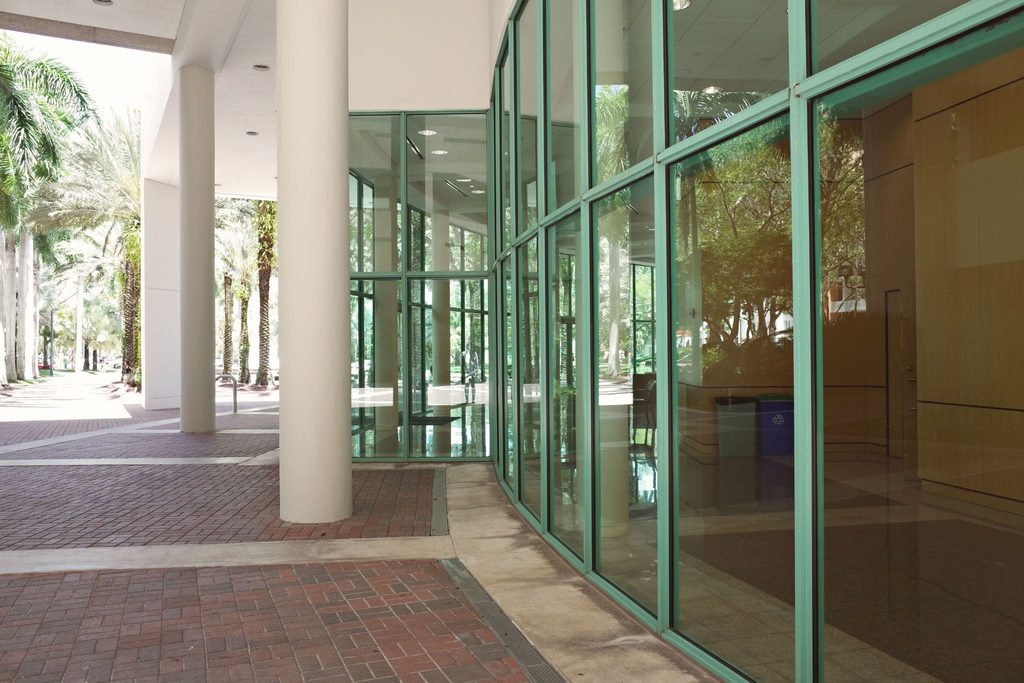
Forced-entry resistance should also be distinguished from ballistic resistance. A system designed to withstand blunt-force attacks on a window does not necessarily provide protection against gunfire. Facilities facing both risks need solutions with appropriate, documented performance for each.
Facilities facing credible ballistic threats may require specialized protection at reception desks and other public-facing positions.
Bullet-resistant glazing may be appropriate for certain government offices, courthouses, financial institutions, and high-risk corporate facilities, depending on their security assessments.
Facilities should select systems tested against recognized ballistic-resistance standards and appropriate to their identified threats.
It’s important to understand that a bullet-resistant rating does not mean a glazing system can withstand every type of firearm or attack, and it does not automatically establish resistance to forced entry. That being said, many ballistic-grade glazing solutions are also forced entry resistant.
An access control vestibule provides an additional layer of security by creating an intermediate space between a building's exterior entrance and its interior reception area.
Depending on its design, the vestibule can allow reception staff to verify a visitor's identity, confirm an appointment, or check authorization before granting entry. Security glazing and compatible framing can also provide forced-entry resistance or ballistic protection where required.
This approach can be especially useful in government buildings, corporate headquarters, and facilities where unauthorized access beyond reception could expose employees, sensitive information, or critical operations to significant risks.
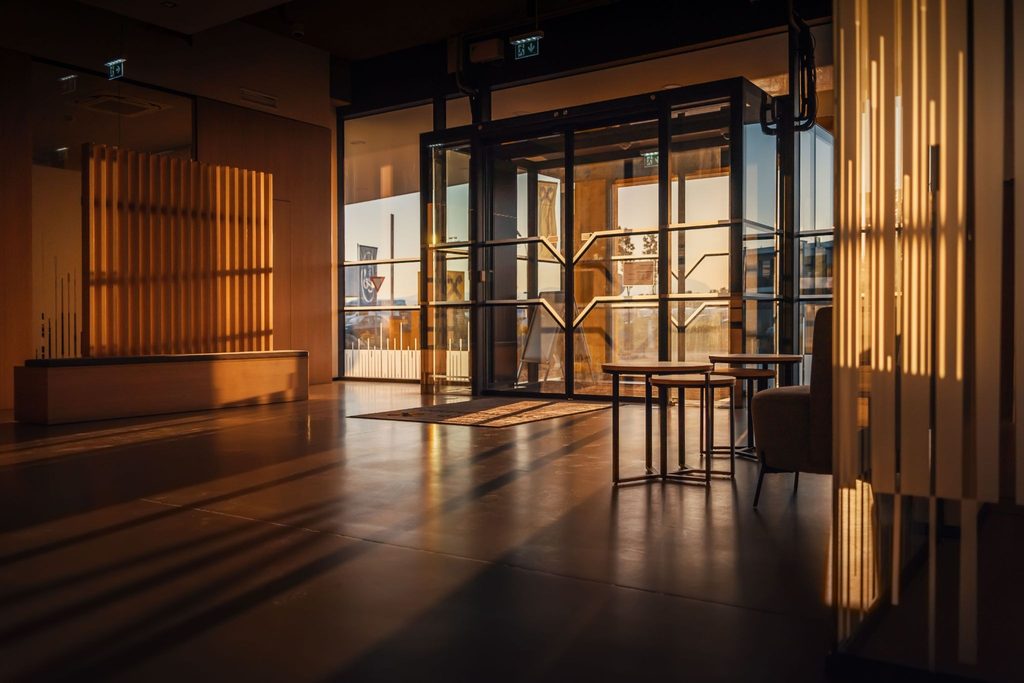
Vestibules can give front desk staff greater control over entry decisions without requiring them to physically confront visitors attempting to enter. However, their effectiveness depends on the door hardware, locking arrangements, access control procedures, and protection of adjacent openings.
Security designers must also account for emergency egress, accessibility, and fire safety requirements to ensure the system supports safe building operations.
Physical security measures work best alongside procedures and systems that help employees manage visitors and respond to incidents. Useful supplementary measures include:
The appropriate combination of front desk security measures depends on the facility's size, operating environment, and risk profile. A small professional office may need straightforward visitor management, while a hospital or government building may require physical barriers, dedicated security personnel, and more comprehensive access controls.
Security glazing can help address these concerns through protective reception desk barriers, forced-entry-resistant doors and windows, bullet-resistant glazing, and secure access control vestibules.
The right solution depends on the facility's specific risks and operational needs. Combining appropriate physical protection with access control, visitor management, and emergency procedures helps create safer reception areas while maintaining normal operations.
Contact Riot Glass for more information on how we can help improve your facility’s front desk security.
Front desk security combines physical protection, access control, and visitor management measures to protect reception staff and prevent unauthorized entry.
Healthcare facilities, courthouses, government offices, and other public-facing environments may benefit when employees face elevated risks of aggression or violence.
Forced-entry-resistant glazing is designed to resist certain types of physical attacks using blunt force and common burglary tools, while bullet-resistant glazing is tested to provide protection against specific ballistic threats.
Yes, front desk security glazing retrofits may be possible depending on the desk's construction, available space, required protection level, and applicable safety requirements.
No, it works best alongside access control, visitor management, staff training, and emergency procedures.

HOW CAN WE HELP YOU?