
Written By: Brad Campbell | November 13, 2026
Sports bar security goes beyond personnel. Sports bars need layered security measures, including physical barriers, to combat a range of threats, including after-hours forced entry and burglary.
Break-ins in bars and restaurants are nothing new. Cash, laptops, and expensive liquor are all big draws for criminals.
The negative impact of a sports bar break-in isn’t limited to what’s stolen, either. Broken windows, expensive repairs, and operational disruptions are all part of the cleanup, and a smashed, boarded-up storefront hurts curb appeal and reputation.
Forced-entry-resistant security glazing addresses many of the risks these types of establishments face, deterring and preventing forced entry attempts at the glass, before the damage is done.
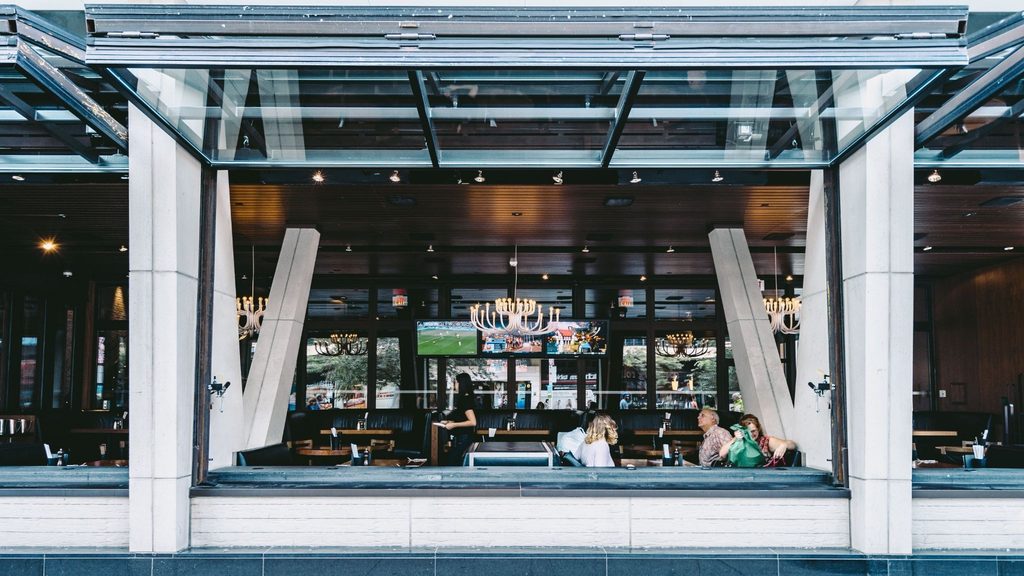
Bar burglary happens in cities across the world, big and small. Criminals like to target bars and restaurants, sports bars included, because they know some cash is often stored on the premises overnight, liquor is always on hand, and there’s equipment like laptops and tablets to grab.
Thieves also tend to return. They often hit multiple establishments in the same area, or the same one more than once.
Even when insurance covers the damage, the cost doesn’t end with the claim. Claims can raise insurance premiums, so a single break-in can keep costing a business down the road.
Cameras and alarms are essential components of any sports bar security system. They alert owners, security companies, and law enforcement, and they capture evidence that aids in identifying and prosecuting offenders. What they can’t do is physically stop a break-in. Forced entry and smash-and-grab burglary are usually over before anyone can react.
That’s why physical security measures matter so much for sports bars. The most cost-effective option is retrofitting security glazing that resists impacts and blows from common burglary tools, including bricks, rocks, bats, crowbars, and even sledgehammers.
Unprotected storefront glass offers the most direct path into a sports bar after hours. Large windows and glass entry doors give a venue visibility, natural light, and a welcoming look, but they are also the quickest point of entry for someone armed with a brick, a bat, or a crowbar.
Once standard glass fails, an intruder can reach in to unlock a door or climb through the opening itself.
Because the glass is usually the first barrier a burglar meets, strengthening it completely changes the outcome of the attempt itself.
Instead of an easy opening, the intruder faces a barrier that absorbs repeated blows and stays in place. For sports bar security, that means a break-in is stopped at the exterior rather than discovered the next morning.
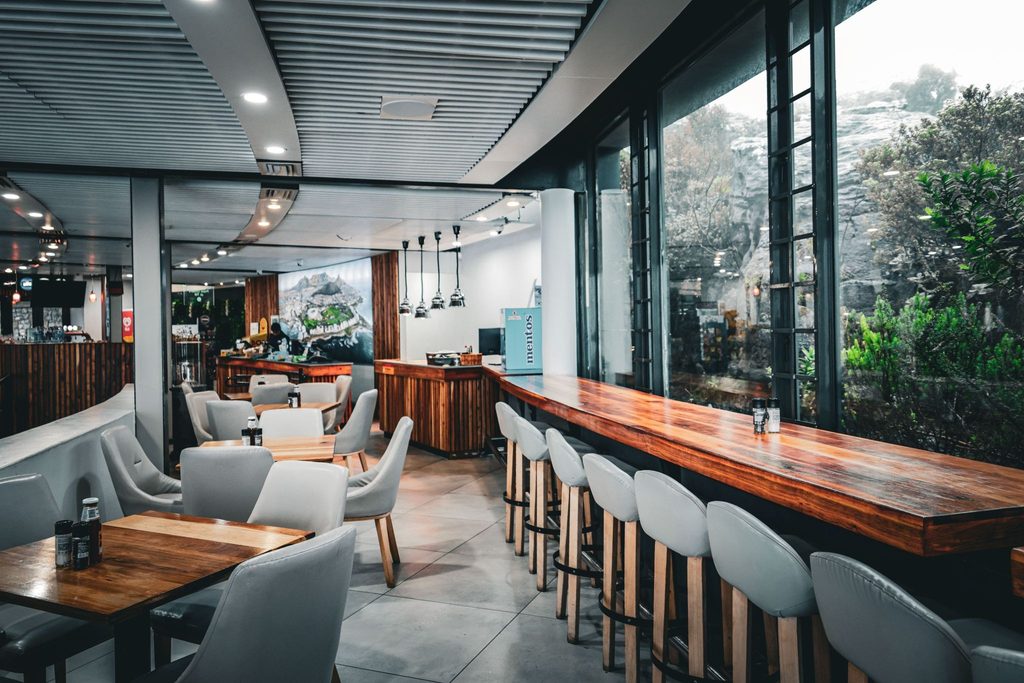
Retrofit security glazing can be installed over existing storefront glass, including doors and windows, using specialized retrofittable framing adapters. There’s no need to tear out and replace the glass already in place.
Once installed, the glazing creates a protective shield over the existing glass. When the shield is struck, whether deliberately or accidentally, the glass behind it is kept from breaking.
Security glazing is made from special formulations of polycarbonate and other plastics, or from glass-clad polycarbonate (GCP). These materials render it virtually unbreakable. Even if it’s damaged, it won’t allow an opening large enough for an intruder to reach through and unlock a door from the inside, for example.
Polycarbonate containment-grade (non-ballistic) glazing is often the chosen solution for sports bars and similar establishments. It’s the easiest to retrofit and provides all the forced-entry protection these businesses need.
Polycarbonate security glazing looks and feels very similar to real glass, and it’s coated to resist scratching. For businesses that want a true glass finish on the exterior, GCP is also an option.
Burglars rely on speed. Within a few seconds of striking security glazing, they realize they aren’t getting through, and many abandon the attempt rather than risk taking too long and getting caught.
Sports bar security glazing works best as one layer in a broader system, with each measure covering a gap the others leave open.
Together, these measures create a sports bar security system that detects, deters, and physically prevents forced entry, rather than only recording it.
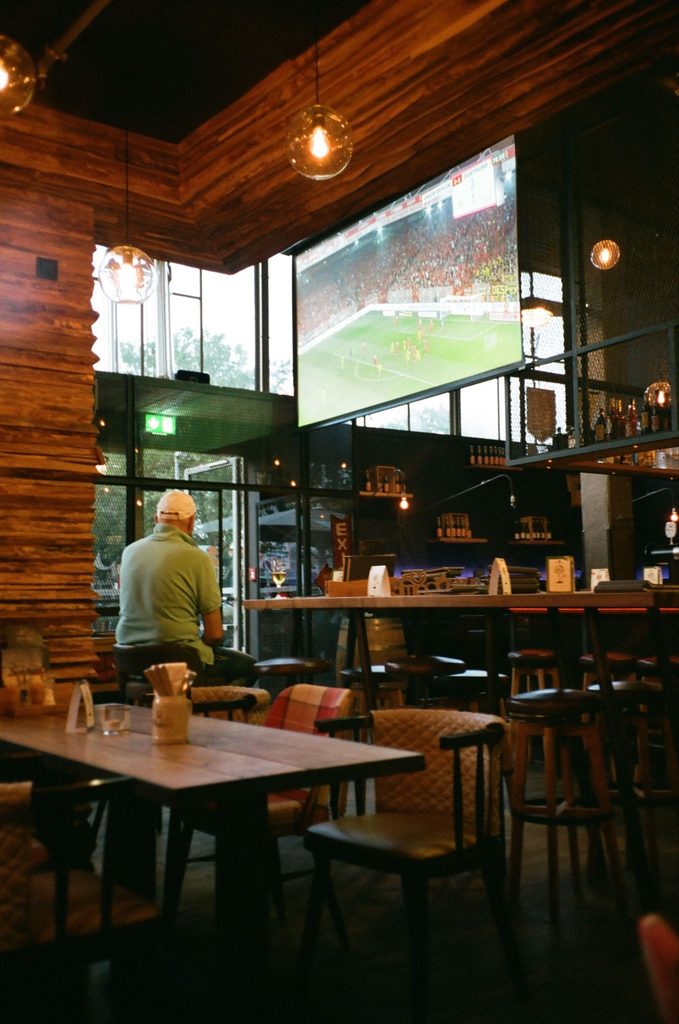
Sports bars face constant forced entry and burglary risk, and cameras and alarms alone can’t physically stop a break-in. Retrofit security glazing adds the missing layer of bar glass protection.
Installed over existing windows and doors, it protects the glass from common burglary tools, deters would-be intruders, and helps owners avoid the repair costs, downtime, and reputational damage of a break-in.
To learn more about security glazing options for your sports bar, contact Riot Glass.
After-hours forced entry and burglary are the most common. Criminals target cash on the premises, liquor, and electronics like laptops and tablets.
No. They alert people and capture evidence, but they can’t physically prevent a break-in, which is often over before anyone can respond.
Security glazing is a forced-entry-resistant material made from polycarbonate and other plastics, or glass-clad polycarbonate, designed to withstand repeated impacts from tools like bricks, bats, crowbars, and sledgehammers.
Yes. Retrofit security glazing is installed over existing storefront glass using specialized framing adapters, so the original glass doesn’t need to be replaced.
Polycarbonate security glazing looks and feels very similar to real glass and is coated to resist scratching. Glass-clad polycarbonate is available for businesses that want a true glass finish on the exterior.
Yes. Even when insurance covers the damage, a claim can raise premiums, so a break-in can keep costing the business money even after repairs are done.

HOW CAN WE HELP YOU?