
Written By: Brad Campbell | February 10, 2026
The continued prevalence of active threat scenarios in schools across the United States has left many parents asking important questions, like “are school windows bulletproof?”
After all, schools conduct lockdown drills, secure their entrances, and invest in safety and security protocols designed to protect students and staff. So, to many people, it feels logical that the windows surrounding classrooms, offices, and entryways would be designed to stop extreme threats as well.
The reality, however, is far more nuanced. Most school windows are not bulletproof. That being said, an increasing number of K-12 schools, districts, and higher-ed institutions are taking steps to add ballistic and forced entry resistance to their windows and doors, ensuring maximum physical protection for school occupants.
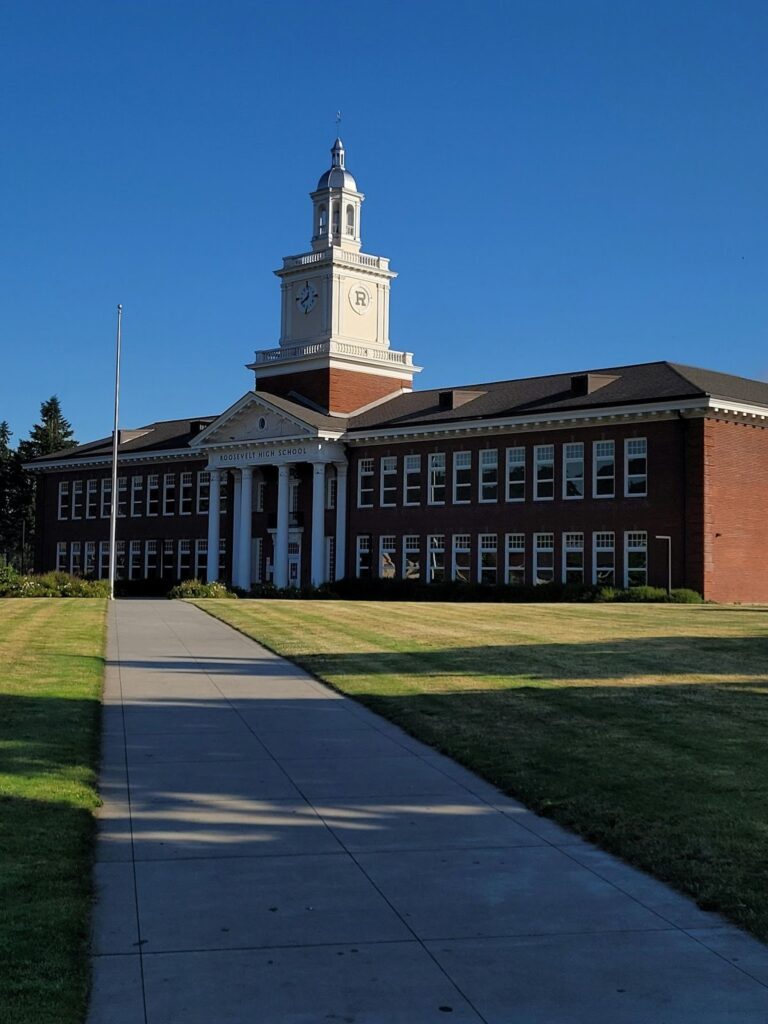
Across the vast majority of K-12 schools and college campuses, windows are made from standard annealed glass, tempered safety glass, or insulated glass units designed for:
These glazing (glass) systems perform well for everyday building needs, but they are not designed to resist ballistic threats or forced entry. Even when doors are locked and access control systems are in place, standard glass remains an incredibly vulnerable part of the building envelope.
This doesn’t mean schools are negligent. It means school buildings were historically designed around openness, accessibility, and budget realities, rather than modern security threats.
While the probability of an active threat in school is still low, it can happen anywhere. Schools that reinforce vulnerable windows to bulletproof them against ballistic threats and forced entry will be better prepared in the tragic event of a worst-case active threat scenario.
Before we continue, it’s important to understand that the term “bulletproof” tends to be used fairly loosely. In reality, no glass is completely bulletproof. The correct term is “bullet-resistant” glass, which refers to glazing systems tested to withstand specific types of ballistic impacts under controlled conditions.
So, instead of asking “are school windows bulletproof?”, it’s better to consider their level of ballistic resistance. This allows us to understand exactly what they can and can’t do when facing ballistic threats.
School safety is often discussed in terms of doors, locks, and emergency procedures. However, windows play a critical role in whether these measures are effective.
When windows are unprotected:
These vulnerabilities don’t represent flawed policies, but rather an issue with the materials used.
Windows are typically the weakest part of a building’s exterior and interior partitions. Without reinforcement, they can be compromised far more easily than solid walls or secured doors.
As awareness of this crucial security gap has grown, many schools have begun reevaluating how glazing fits into their broader safety and security strategies.
If bulletproof windows offer the highest level of protection, why aren’t they widely used in schools? Well, there are a few practical reasons why schools haven’t historically bulletproofed their windows.
Ballistic-resistant glass is significantly more expensive than standard glazing. Outfitting an entire campus would often exceed available budgets.
Some bullet-resistant glass is heavy and requires reinforced frames and supporting structures that many existing buildings were not designed to accommodate.
Schools prioritize natural light, visibility, and welcoming spaces. Extremely thick ballistic glass can alter the look and feel of classrooms and common areas.
Replacing existing windows entirely is disruptive, time-consuming, and costly — especially for older buildings.
Because of these factors, most schools pursue risk reduction solutions rather than absolute protection.
However, there are modern school security glazing solutions that make retrofitting windows and other vulnerable glass with bulletproof protection far more cost-effective and viable.
Instead of replacing school windows with ballistic glass, many schools are now choosing to install retrofit security glazing systems designed to reinforce existing glass.
These systems:
These solutions are typically polycarbonate-based, sometimes full polycarbonate or glass-clad polycarbonate (GCP), and are much lighter than traditional bulletproof glass, while still providing ballistic protection.
While retrofit security glazing can stop bullets from specific types of firearms, including those most commonly used in active threat incidents, the main focus of these solutions is on access denial. In other words, they are built to keep the bad guys out, delaying, deterring, and preventing forced entry long enough for law enforcement intervention.
Retrofit security glazing systems work by holding windows together even after impact, including ballistic impact. Rather than shattering and leaving an opening that can be exploited by an intruder, the reinforced window remains in place, denying or delaying unauthorized access to secure areas.
In schools, retrofitting windows with ballistic-grade security glazing:
These systems are designed to be part of a layered security strategy. When used alongside other solutions, including secure school doors and access control systems, they can drastically improve the overall security posture of schools, protecting against everything from vandalism to active threats.
One of the biggest advantages of retrofit security glazing for schools is that it allows them to improve glass protection without transforming campuses into fortress-like environments.
When vulnerable school windows are reinforced with bullet-resistant security glazing, administrators and parents alike can rest assured that the building is fortified against threats without looking fortified.
Other benefits include:
The goal of school safety planning is not to eliminate all risks, but rather to reduce vulnerabilities and improve response effectiveness, especially if faced with a worst-case active threat scenario.
When it comes to windows, instead of asking “are school windows bulletproof?”, consider:
The answers to these questions can help schools make cost-effective decisions about how to best protect students, staff, and assets.
Most school windows are not bulletproof, but more schools are turning to bullet-resistant, retrofittable security glazing solutions as a practical, cost-effective way to reinforce windows, strengthen lockdown procedures, and reduce vulnerabilities.
At Riot Glass, we specialize in strengthening the glazing that schools already have, helping districts or higher-ed institutions close critical security gaps while preserving the open, welcoming learning environments students need to thrive. Contact our team today to learn more.

HOW CAN WE HELP YOU?