
Written By: Brad Campbell | February 17, 2026
Glass is usually one of the most vulnerable points in any building’s exterior. Standard storefront windows and commercial glass entryway doors can shatter with minimal force, leaving facilities not only exposed to theft and damage, but also active ballistic threats.
That’s where ballistic glass panels come in, engineered to dramatically increase safety and security in the face of active threats without sacrificing transparency or design.
Ballistic glass panels are sheets of bullet-resistant glass (commonly referred to as bulletproof glass) built to withstand ballistic impacts and delay or prevent forced entry.
Unlike standard glass, which may shatter after a single impact, these bulletproof glass shields are engineered with multiple layers of strengthened glass and non-glass glazing materials (such as polycarbonate) that work together to absorb and disperse kinetic energy from projectiles and other impacts, ballistic and non-ballistic alike.
Ballistic glass panels are typically made from a layered composite that can include:
This unique composition preserves the look and feel of standard commercial glass while providing high levels of ballistic and impact resistance.
To standardize ballistic performance, bullet-resistant glass is typically tested and rated according to the UL 752 rating system. This ballistic standard classifies a material or system, including glazing panels, based on the type of ammunition, caliber, and number of shots it can resist.
For example:
| Rating (UL 752) | Threat Level |
| Level 1 | Small handguns (e.g., 9 mm) |
| Level 2 | Magnum handguns (e.g., .357) |
| Level 3 | Larger revolver threats (e.g., .44 Magnum) |
| Levels 4-10 | Rifle rounds (e.g., .30-06, 5.56 mm) |
These ratings make it easier to match protection to risk. For high-risk locations, such as financial institutions or government buildings, higher UL 752 ratings are recommended.

Ballistic-grade security glazing offers a range of benefits beyond stopping bullets, making it a highly versatile security upgrade for any type of commercial facility:
Retrofitting ballistic glass panels means upgrading existing doors, windows, or storefronts without tearing out the original framing or structure. This typically involves mounting a bulletproof glass shield over the current glazing using retrofittable framing adapters, which secure the ballistic glazing into the existing framing.
Retrofitting glass doors and windows with bulletproof glass shields is far more cost-effective than replacing the existing glass, though that’s an option as well. This makes it an ideal solution for operational commercial facilities, from office buildings and retail stores to schools and government buildings, looking to boost security without major renovations.
Here’s how a typical ballistic glass panel retrofit works:
1.Initial Assessment
A certified installer evaluates the existing framing, ensures it is structurally sound, and checks that it can handle the weight and thickness of ballistic glass.
2. Selecting Protection Levels
Choose the appropriate UL 752 rating based on threat assessment. For retail or lower-risk areas, a Level 1 or Level 2 panel might suffice, while government facilities may require Level 4 or higher.
3. Custom Fabrication
Panels are custom manufactured, in Riot Glass’s case, using proprietary AP-Series polycarbonate or RG-Series glass-clad polycarbonate (GCP) laminates.
4. Frame Preparation
Existing frames are prepped, cleaned, and fitted with adapters or sub-frames designed to accept the ballistic panels.
5. Panel Installation
The ballistic panel is installed into or over the existing frame using mechanical fasteners, sealants, and security anchors, all designed to secure the panel against impact and weather.
6. Sealing and Finishing
Insulation, weatherstripping, and cosmetic trim complete the retrofit, ensuring a seamless appearance with minimal site disruption.
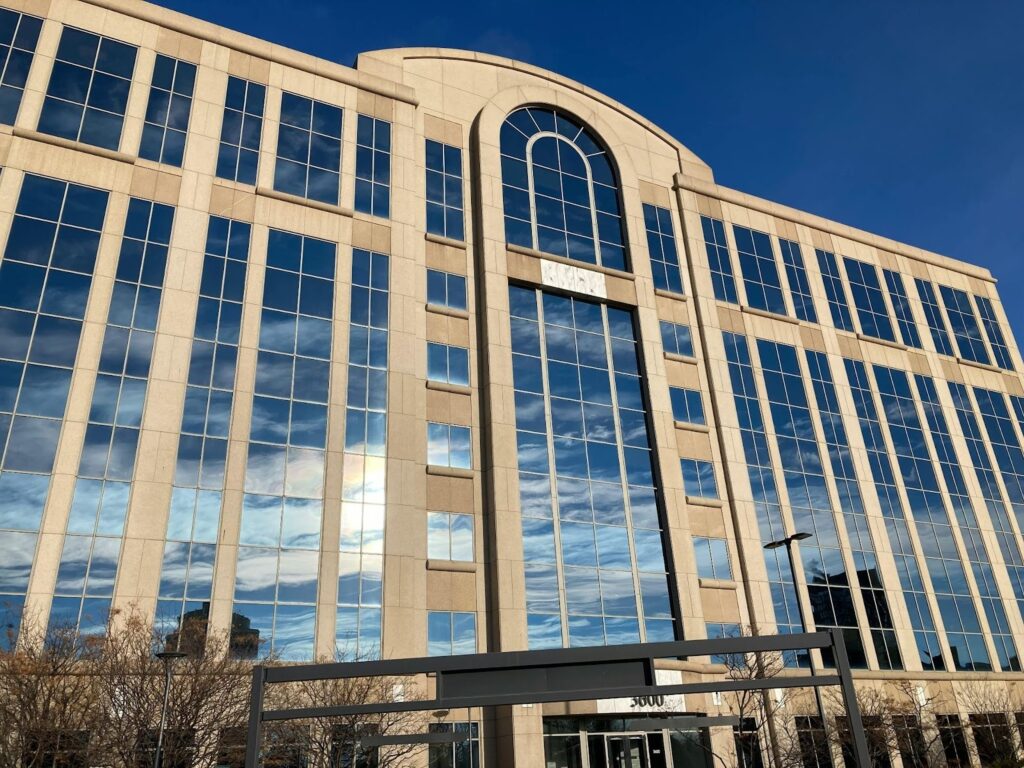
Riot Glass offers several retrofit options depending on threat level and budget.
The Riot Glass RG-Series includes glass-clad polycarbonate ballistic glass panels rated from UL 752 Level 1 to Level 7. These products combine an exterior glass surface (attack side) with a polycarbonate interior surface (safe side) for optimal clarity, durability, and safety.
Each option is customizable in crystal-clear low iron, tinted, or mirrored finishes, allowing protection without compromising appearance.
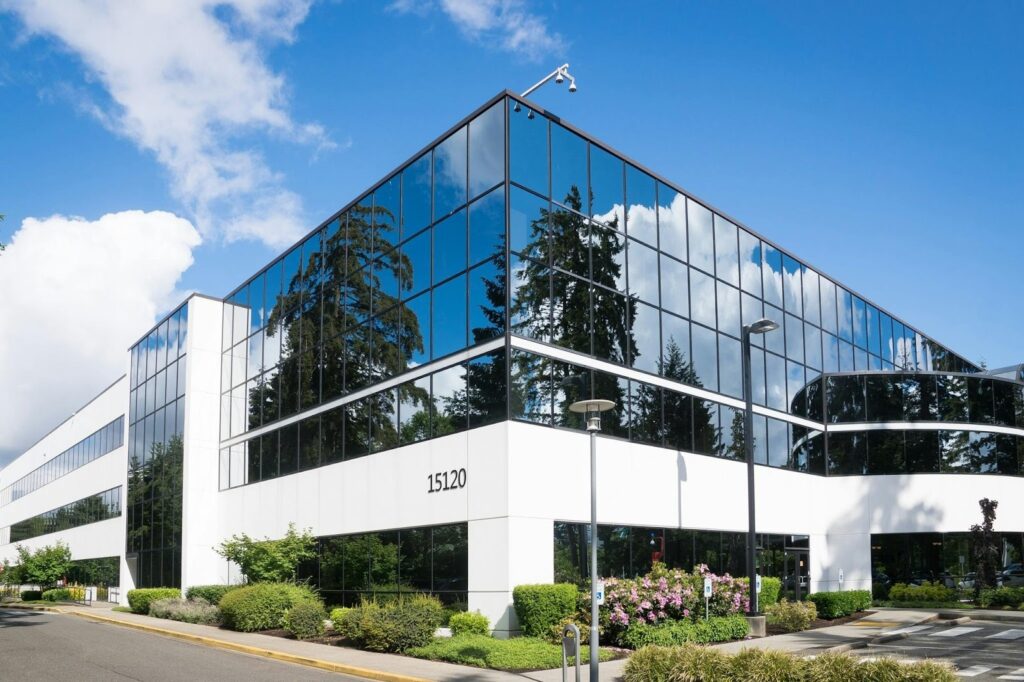
The Riot Glass AP-Series includes polycarbonate glazing shields available in both containment-grade (non-ballistic) and ballistic-grade (bullet-resistant) options. Ballistic AP-Series models include:
AP-Series ballistic shields are engineered for rapid retrofit applications where weight, speed of installation, and cost efficiency are key considerations. All ballistic AP-Series options maintain high optical clarity and can be installed with minimal disruption to existing frames and operations, making them ideal for schools, offices, and other occupied facilities.
Retrofitting bulletproof glass shields is ideal in scenarios where:
Common applications include:
Retrofitting vulnerable doors and windows with ballistic glass panels is an effective way to harden the security of older buildings facing modern security threats, from active threats to smash-and-grab attacks.
With bulletproof glass shield options ranging from handgun to high-powered rifle protection, building owners can tailor solutions to their perceived threat levels, specific needs, and budget.
When compared to full glass replacement, retrofit solutions offer significant savings, faster installation times, and minimal operational disruption, all while preserving aesthetics and transparency.
If you prioritize protecting building occupants and assets, retrofitting vulnerable glass with bulletproof glass shields should be a part of your security strategy. Contact Riot Glass today to get started with a free consultation.

HOW CAN WE HELP YOU?