Written By: Brad Campbell | February 15, 2021
If you’ve dealt with a smash-and-grab, a broken window after a night of civil unrest, or a vandalism bill that’s becoming a monthly line item, you already know that standard storefront glass isn’t doing the job. You know you need to reinforce your storefront windows and doors against forced entry and impacts, but you need more information to truly understand your options and what level of protection makes sense for your specific situation.
With organized retail crime on the rise, especially large-scale and repeat smash-and-grab attacks, an increasing number of business owners are turning to bulletproof glass for storefront protection.
This guide covers how bullet-resistant storefront glazing works, what it protects against, and what to expect from a storefront security glazing retrofit from Riot Glass.
Most commercial storefronts use tempered glass or basic laminated glass, neither of which provide sufficient commercial-grade security when it comes to forced entry, vandalism, and other impacts, whether intentional or accidental.
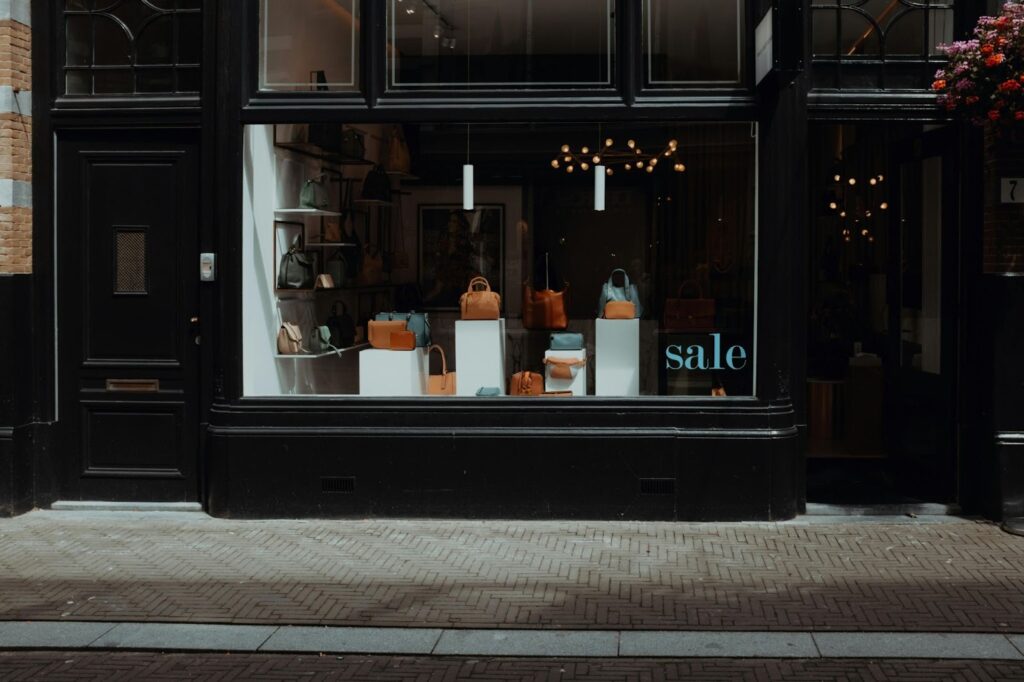
Tempered glass is about 4x stronger than standard annealed glass, but shatters into small pieces upon impact, essentially crumbling in a way that reduces the risk of injury. Basic laminated glass holds together better, but can still be defeated with repeated blows in less than a minute. Neither offers meaningful resistance to a determined intruder, let alone an organized mob of attackers or a ballistic threat.
Bullet-resistant glazing, whether a polycarbonate-based or a glass-clad polycarbonate (GCP) system, on the other hand, is engineered to absorb and disperse impact energy of all types, even stopping bullets in a worst-case active threat scenario. Rather than fracturing or shattering, the glass retains its strength even after repeated impacts, preventing forced entry and protecting the people and assets behind.
The term “bulletproof” gets used loosely, so it’s important to make sure you understand what it actually means.
When we refer to bulletproof glass for storefront windows and doors, what we are really talking about is bullet-resistant security glazing. This glazing can and does stop bullets from specific types of firearms (depending on its UL 752 rating), but it’s always possible to penetrate ballistic-grade glazing with enough firepower.
That being said, even if riddled with bullets and eventually penetrated, bulletproof storefront glazing does not significantly diminish in strength or give way, so it continues to provide access denia. It keeps the bad guys out. This strength means it protects against a wide range of potential threats, including:
A ballistic-grade storefront glazing panel can be struck repeatedly with a hammer, bat, or crowbar and will flex and resist without yielding. Most retail forced entry and burglary attempts rely on speed, and if the glass doesn’t break in the first few seconds, the attempt gets abandoned.
Jewelry stores, electronics retailers, high-end fashion boutiques, dispensaries — these types of high-risk retailers are frequent targets for organized smash-and-grabs.
Regardless of the target, these incidents often look much the same: a group of masked criminals arrives armed with hammers and other hand tools, breaks the storefront glass, grabs products, and makes a quick getaway. However, there’s nothing to grab if they can’t get through the bulletproof storefront glass.
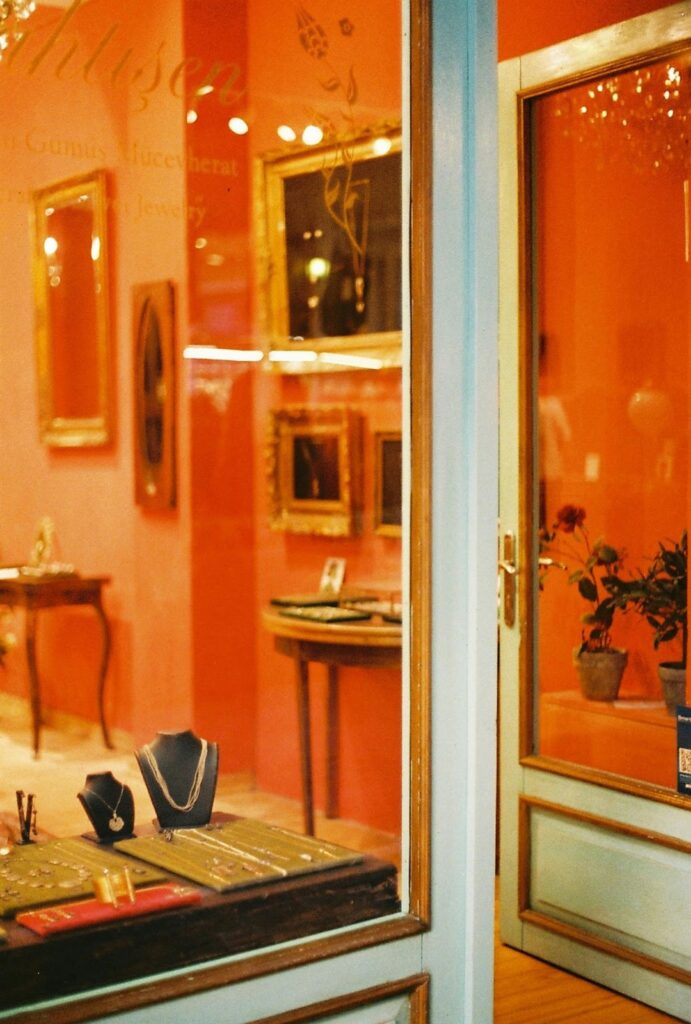
For higher-risk retail environments, like those operating late at night or in high-crime areas, ballistic storefront protection provides extra peace of mind and protection against ballistic threats.
For example, Riot Glass's ballistic-grade AP-Series panels are rated under UL 752, the industry standard for bullet-resistant glazing, ranging from Level 1 (three 9mm rounds) up to Level 6 (five rounds from a high-speed 9mm firearm like an Uzi).
During periods of civil unrest, storefronts with standard glass are extremely vulnerable to rioting and looting. The alternative (boarding up) is reactionary, expensive, time-consuming, looks terrible, and sends a message to customers that you’re not open for business. Retrofitting your storefront with bullet-resistant glazing is a proactive, one-time upgrade that protects your business 24/7 against thrown objects, blunt-force strikes, and other impacts.
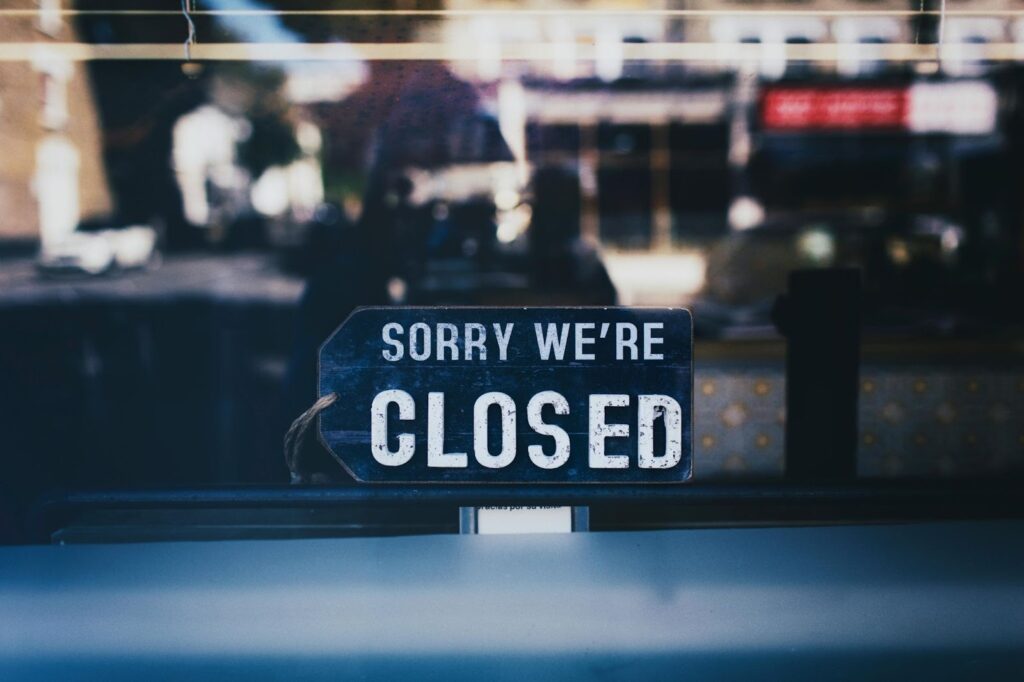
In urban areas, storefront windows and doors frequently get damaged due to everyday acts of vandalism. Bulletproof storefront glass withstands damage better and, if retrofitted on top of the existing glass, prevents it from breaking, reducing the need for expensive and disruptive cleanup and repairs.
In storm-prone regions, such as Florida and other southeastern states, flying debris during hurricanes or other high-wind weather events can shatter storefront glazing and create dangerous interior conditions that threaten the entire business. Bulletproof glass for storefronts resists this kind of impact as well, protecting your business from storm damage.
One of the most common concerns retailers raise is whether upgrading to bulletproof storefront glazing means giving up visibility, natural light, or the open aesthetic that draws customers in. The short answer is no.
Modern bulletproof glass for storefronts transmits light comparably to standard glass, doesn't distort the view from outside, and doesn't change the appearance of your storefront in any noticeable way. Customers can still see your displays. Signage reads clearly. The curb appeal you've built stays intact.
From a "window shoppability" standpoint, there's no trade-off. The protection is essentially invisible.
When evaluating bullet-resistant glazing, UL 752 is the rating system you'll frequently encounter. For example, every ballistic-grade product Riot Glass offers carries a UL 752 rating, which means it has been independently tested to a defined standard.
The levels run from 1 through 8, with each level specifying the caliber, grain weight, number of rounds, and velocity the material must withstand without a "through-penetration." For most retail applications, Levels 1 through 3 cover the realistic threat range: handguns from 9mm through .44 Magnum. Higher levels address rifle-caliber threats and are more relevant to government or high-security commercial facilities.
If your primary concern is forced entry rather than ballistic threats, containment-grade glazing, which doesn't carry a UL 752 ballistic rating but still provides exceptional (read: virtually unbreakable) impact resistance, is another excellent option.
One of the practical advantages of Riot Glass bulletproof glass systems for storefronts is that many of them are designed to retrofit right into your existing window and door frames.
Whereas full glass replacement involves significant labor, potential frame modification, and business disruption, Riot Glass's AP-Series panels are designed to be installed over existing glazing using the Universal Framing System, which is compatible with most standard commercial storefront frames.
This makes the upgrade substantially faster to install and more cost-effective than a full storefront replacement. It also means your existing architectural investment is preserved.
The right type of forced-entry-resistant or bulletproof storefront glass for your business depends on your threat profile. A few questions worth working through:
For most general retail applications where the primary concern is smash-and-grab theft and forced entry, containment-grade AP25 is often the most practical and cost-effective solution. While it doesn’t stop bullets, it provides the same level of access denial as ballistic-grade storefront glazing. For businesses where ballistic protection is a concern, Riot Glass can specify the appropriate UL 752 level based on your situation.
<iframe width="560" height="315" src="https://www.youtube.com/embed/yefHA6H7zLA?si=CLn88VfNR_LrB7bv" title="YouTube video player" frameborder="0" allow="accelerometer; autoplay; clipboard-write; encrypted-media; gyroscope; picture-in-picture; web-share" referrerpolicy="strict-origin-when-cross-origin" allowfullscreen></iframe>
Riot Glass works with retailers directly and through a national dealer network. If you're evaluating a storefront window and door security upgrade, the starting point is a consultation to assess your current glazing, frame system, and threat profile, so we can match your business to the right storefront security solution. Contact Riot Glass to get started!
HOW CAN WE HELP YOU?