
Sustainable building practices are more important than ever in commercial architecture, with businesses and property owners increasingly adopting green solutions to reduce environmental impact, lower energy costs, and improve occupant comfort.
Additionally, earning sustainability certifications can offer financial benefits, including tax incentives and higher property values.
One of the most well-known certifications for sustainable buildings is LEED (Leadership in Energy and Environmental Design), a globally recognized rating system that evaluates a building’s environmental performance.
LEED certification assesses various factors, including energy efficiency, material selection, water conservation, and indoor air quality.
Since many building owners aim to simultaneously improve security and energy efficiency, they may wonder if security glazing, such as Riot Glass, can contribute to earning LEED certification in commercial architecture.
LEED certification applies to a wide range of commercial buildings, including offices, schools, retail spaces, healthcare facilities, and government buildings.
The U.S. Green Building Council (USGBC), which oversees LEED certification in the United States, offers different rating systems tailored to various project types, including:
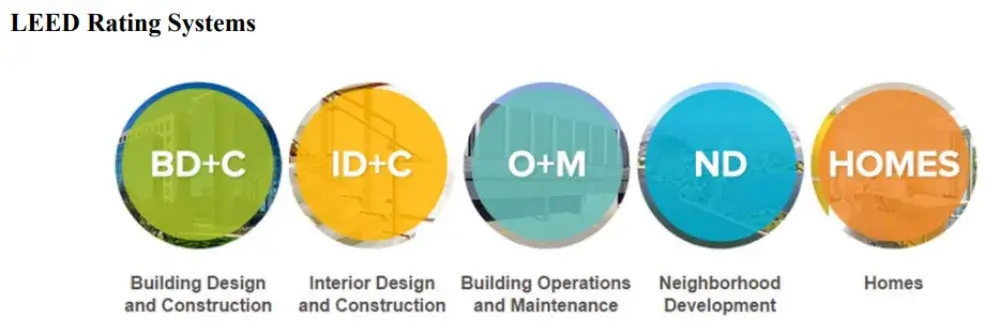
If multiple rating systems seem applicable, the 40/60 rule helps determine the best fit:
Once the appropriate rating system is selected, a project earns points based on sustainable design choices. These points contribute to different levels of LEED certification:
LEED credits are awarded in categories such as energy efficiency, water conservation, materials selection, and indoor environmental quality.
While no single product automatically grants LEED points, materials and systems that contribute to sustainable building performance can help earn them.
LEED does not award points for using specific products or brands. Instead, credits are given for meeting performance-based requirements in areas such as energy efficiency, daylighting, and material sustainability.
As such, Riot Glass security glazing solutions do not directly grant LEED points, but can contribute to earning credits in multiple categories, particularly those related to energy efficiency and indoor environmental quality.

Commercial buildings often experience significant heat transfer through windows and doors, leading to increased heating and cooling costs. Riot Glass can help mitigate this by:
Another major benefit of Riot Glass is its ability to support daylighting strategies — a key component of LEED certification. Daylighting refers to using natural light to reduce reliance on artificial lighting, improving both energy efficiency and occupant well-being.
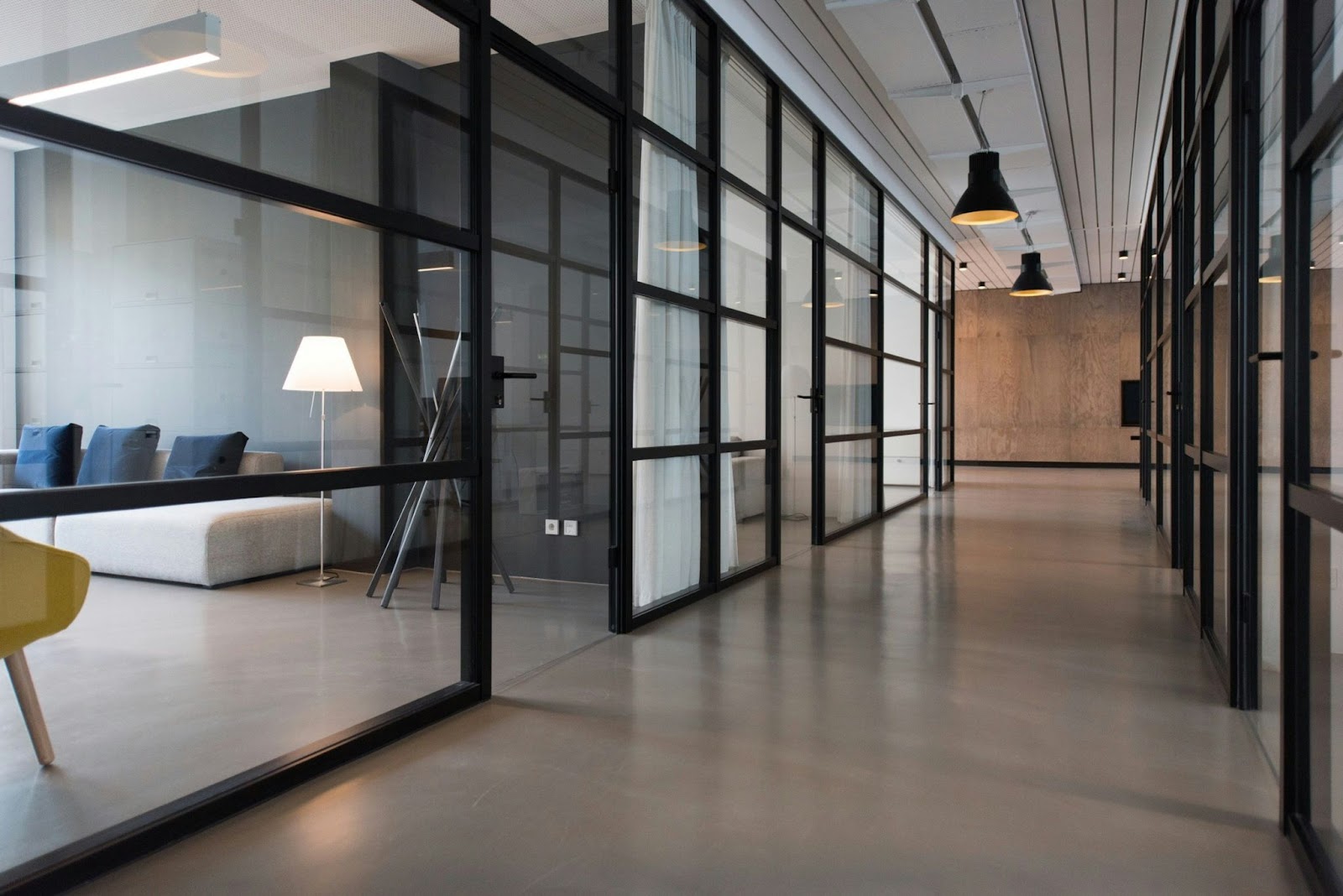
Traditional solutions for reducing solar heat gain, such as blinds and curtains, block natural light, increasing the need for artificial lighting. Riot Glass, on the other hand, allows high transmission of natural light while reducing solar heat gain, helping commercial spaces:
LEED certification also considers materials and resources, rewarding projects that use sustainable materials and minimize waste.
While Riot Glass is primarily designed for security, its durability and long lifespan contribute to sustainability by reducing the need for frequent glass replacements.
Additionally, retrofitting Riot Glass over existing glazing can support waste reduction strategies by minimizing material disposal — an approach aligned with LEED’s focus on resource efficiency.
While sustainability and energy efficiency are primary goals of LEED certification, security is becoming an increasingly important factor in green building design.
A well-secured building improves resilience and long-term sustainability, making security glazing a valuable addition to modern commercial architecture projects.
Riot Glass strengthens commercial buildings against:
By integrating security glazing into a building’s design, owners and architects can boost the longevity and resilience of their structures, reducing potential repair costs and environmental waste from damage.
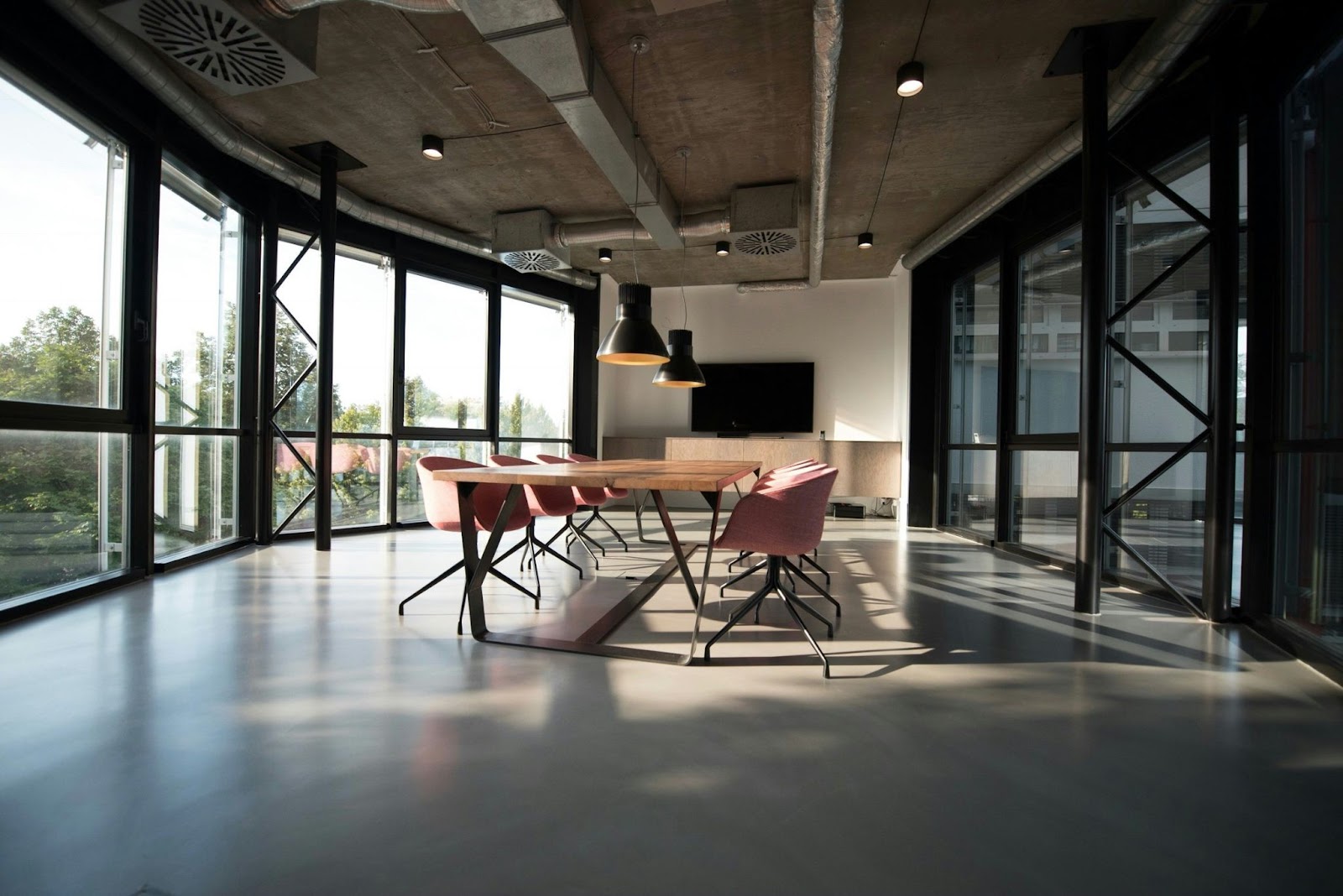
While any commercial building can benefit from increased energy efficiency and security, certain properties stand to gain the most from Riot Glass, including:
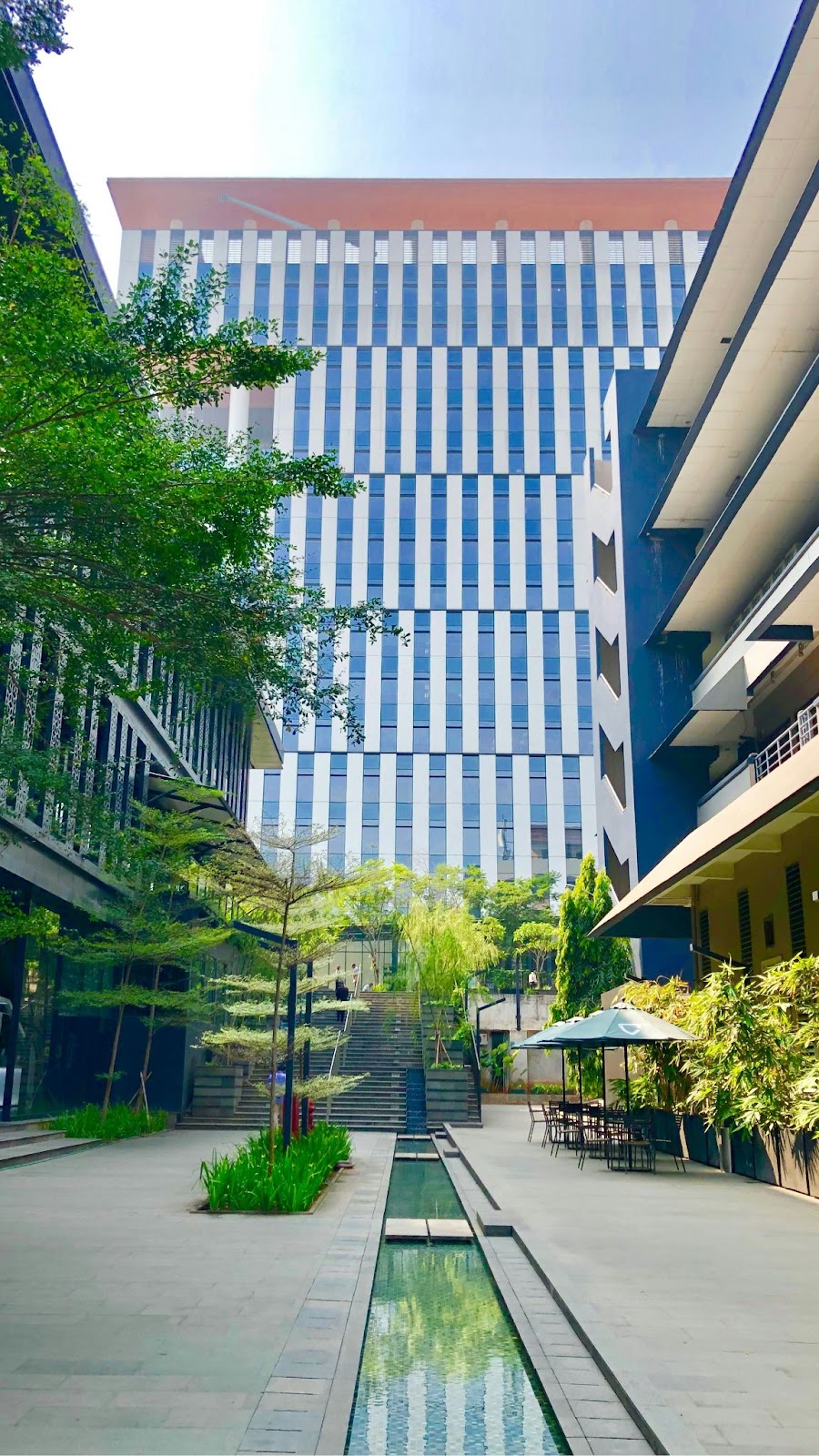
While Riot Glass itself does not directly grant LEED points, it supports key LEED criteria by improving:
If you’re planning a LEED-certified commercial architecture project and want to increase both energy efficiency and security, incorporating Riot Glass can be a strategic decision.
We work closely with commercial architects and building owners to tailor security glazing solutions that align with sustainability goals.
Contact us today for a consultation on how Riot Glass can help you achieve your goals for your next commercial building project!
According to the Department of Justice, nearly a third of burglaries occur in non-residential locations, including retail stores, offices, and other commercial properties, with commercial forced entry and theft on the rise in major U.S. cities from coast to coast.
To combat these threats, business owners must take proactive steps to implement security measures that protect their assets, employees, and customers alike.
The most vulnerable points in any building are its commercial storefront doors and windows, including glass entryway doors and display windows — they’re the Achilles heel of buildings.
Criminals often gain entry to a business or commercial facility by exploiting weak or unsecured glass, making it crucial to reinforce these potential entry points to deter forced entry, theft, and property damage.
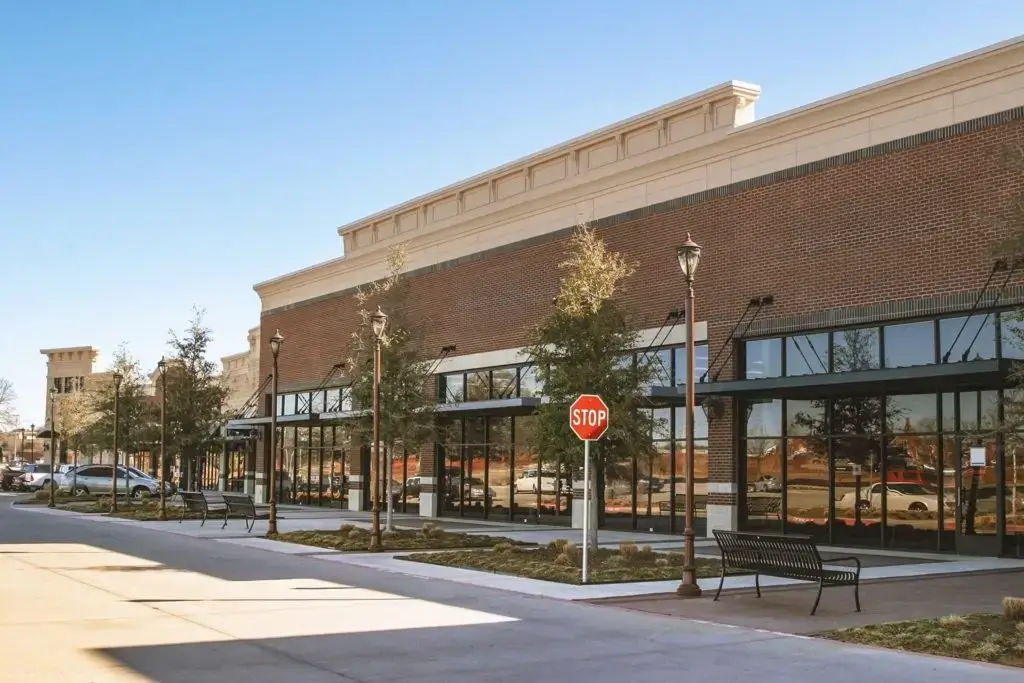
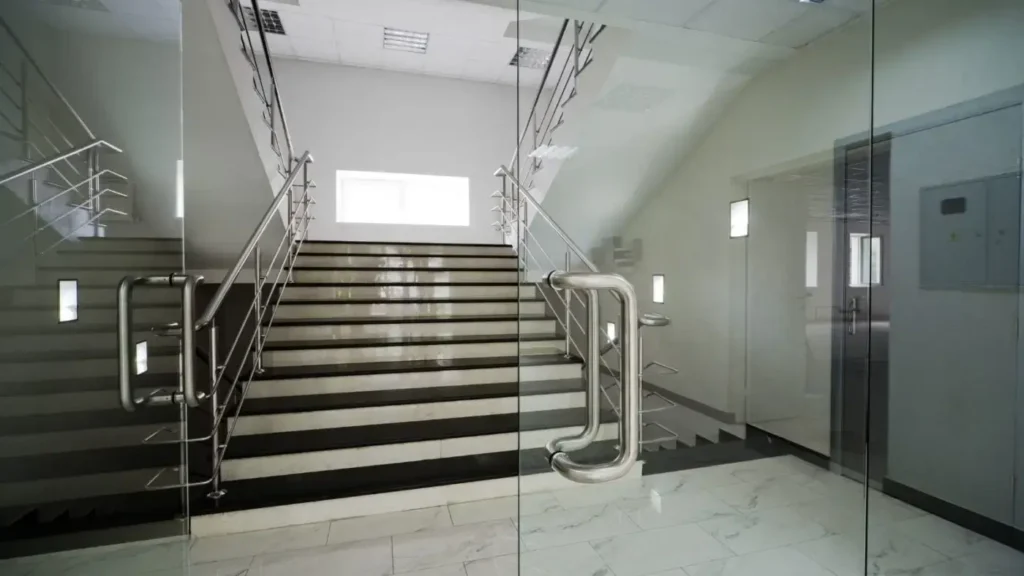
Storefront doors serve multiple functions, from providing access to customers and employees to boosting the curb appeal of businesses and office buildings.
For example, in retail settings, glass storefront doors create a welcoming entrance, encouraging foot traffic and showcasing a store’s interior.
However, beyond aesthetics, storefront doors must also be secure enough to withstand forced entry attempts, severe weather, and daily use.
Business owners need to strike a balance between visibility and security, ensuring that storefront doors remain inviting while offering strong physical protection.
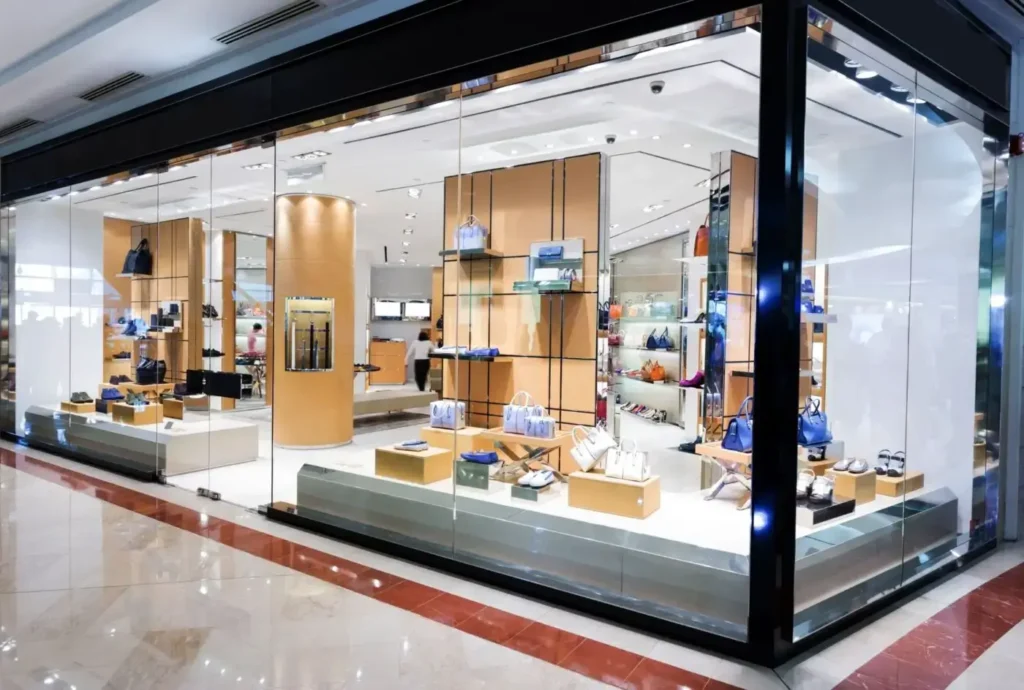
Like doors, commercial storefront windows play an essential role in a business’s overall appeal and functionality.
For instance, large glass windows help retail businesses display products, allow natural light into the space, and create an open, inviting atmosphere for shopping. However, unprotected storefront windows are also a prime target for criminals.
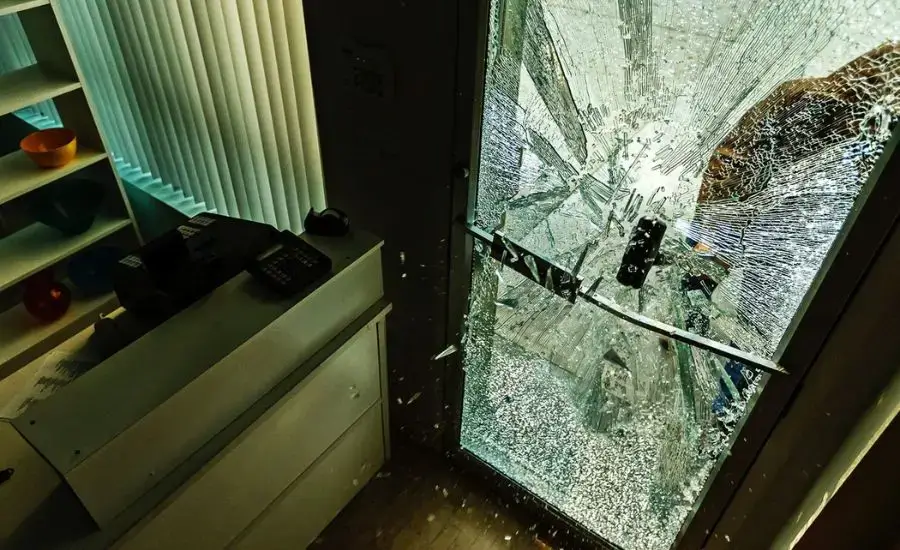
Smash-and-grab thieves often break through standard tempered storefront glass in seconds, stealing valuable merchandise before authorities arrive. This is why reinforcing your commercial storefront windows is just as critical as securing your glass entryway doors.
The majority of commercial burglaries and thefts occur through doors and windows that are easily breached. Criminals look for weak points in storefronts, such as standard glass doors or unprotected windows, and take advantage of these vulnerabilities.
Some of the most common methods burglars use to gain entry include:
While alarms and surveillance cameras are useful deterrents, they do nothing to physically prevent a break-in. Thieves know they have a few minutes before authorities arrive, so their goal is to get in, steal valuables, and escape quickly — they’ll even do it in broad daylight!
The most effective way to prevent break-ins, burglaries, and smash-and-grabs is by reinforcing commercial storefront doors and windows with impact-resistant, forced entry-grade security glazing solutions.
Retrofitting stronger materials over existing commercial window and door glass creates a formidable barrier that prevents criminals from gaining easy access.
When it comes to securing storefront windows and doors, businesses need a solution that provides maximum protection against forced entry without compromising the visibility and functionality of storefront glass.
For the highest level of protection, retrofittable polycarbonate glazing shields like AP-Series 25 provide a nearly unbreakable barrier against intrusions.
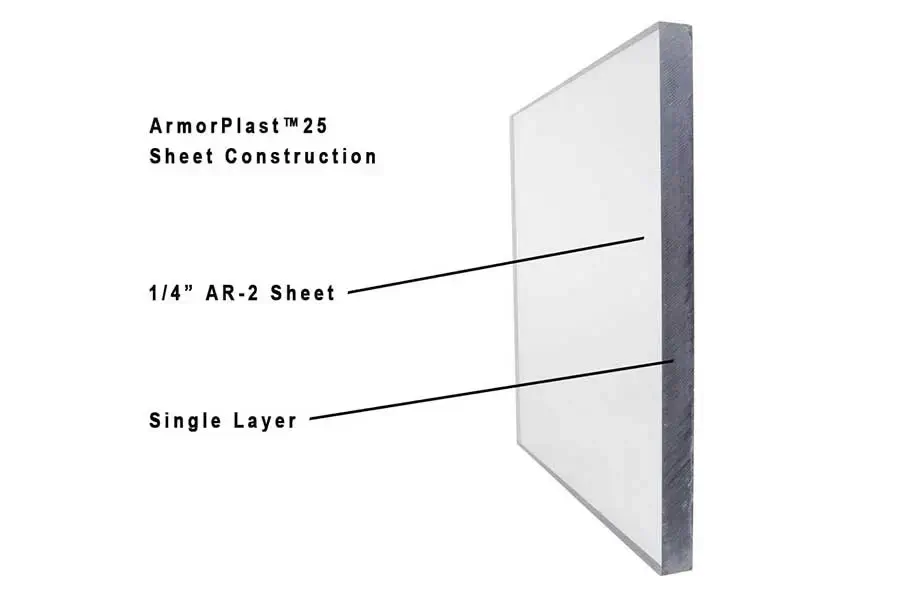
AP25 is a forced entry-resistant, retrofittable polycarbonate shield designed to withstand repeated attacks without cracking or dislodging. It retains the appearance of glass while offering superior security, effectively stopping break-ins and smash-and-grab attempts and ensuring businesses stay protected without sacrificing visibility or curb appeal.
With AP25, commercial properties get the strongest, most reliable glass defense for their storefronts. Its unique formulation ensures it outperforms other types of security glass, offering long-term safety and peace of mind even under extreme threat conditions.
For businesses in high-risk industries, investing in bullet-resistant security glass can provide additional security and reassurance.
Some examples of businesses that can benefit from ballistic-grade storefront protection include:
Bullet-resistant Riot Glass offers both ballistic and forced entry protection, ensuring that criminals can’t breach your storefront windows and doors.
Thanks to rigorous testing, including ASTM F3561 standard testing, you can rest assured that Riot Glass will remain a barrier to unauthorized entry, even if struck by multiple bullets.
The most vulnerable parts of any commercial property are its storefront doors and windows. That’s why all business owners should take steps to reinforce these entry points with impact-resistant materials that deter criminals, prevent forced entry, and protect assets and people.
Whether you choose forced entry-grade or ballistic-grade glazing, investing in storefront security is a critical step in preventing property damage and theft and ensuring business continuity.
Protect your business today! Contact us to learn how we can help reinforce your commercial storefront windows and doors for maximum security and peace of mind for years to come.
Hospitals, psychiatric facilities, and other healthcare institutions face unique security risks that set them apart from most other types of commercial buildings.
Patients in distress, individuals with violent tendencies, or those under legal custody can create unpredictable situations that require strong security measures to protect both staff and other patients.
One of the most critical, yet often overlooked, vulnerabilities in hospitals is glass security. Windows, doors, and partitions made of standard window glass or tempered safety glass can easily break upon impact, creating a severe hazard.
A broken window can lead to self-harm, unauthorized egress, or even a violent attack on medical personnel.
To mitigate these risks, hospitals must install human impact-resistant security glazing — a reinforced type of glass or glass-like glazing designed to withstand forceful, intentional impacts without breaking.
Glass windows and partitions are an integral part of hospital design, providing natural light, visibility, and a more open, welcoming environment.
However, standard glass presents serious dangers in medical settings, especially in areas where patient behavior can be unpredictable or aggressive.
Hospitals and psychiatric wards often treat individuals experiencing extreme emotional distress. Some patients may attempt self-harm by breaking glass and using the shards to injure themselves.
In high-risk psychiatric units, unsecured glass poses an immediate safety concern, as patients in crisis may act impulsively when left unsupervised.
Unsecured windows can also lead to unauthorized patient escapes, known as unwanted egress. This is particularly concerning in psychiatric hospitals, substance abuse recovery centers, and medical facilities treating patients under legal custody.

Individuals determined to flee may break windows and climb out, leading to potentially fatal falls or exposure to dangerous environments outside the hospital. Those in police custody or undergoing forensic psychiatric evaluations may also attempt to escape before authorities intervene.
Hospital employees frequently interact with patients and visitors in high-stress situations. Individuals experiencing mental health crises, intoxication, or emotional distress may lash out violently.
Glass partitions, commonly used in reception areas and nurse stations, can be a weak point if an aggressive individual decides to attack staff members. Without security glazing, a single impact can shatter the glass, leaving medical personnel defenseless against physical assaults.
Although hospitals are not typically high-priority targets for crime, they are not immune to break-ins or targeted attacks.
In emergency departments and psychiatric wards, unauthorized individuals may attempt to force entry to access controlled substances, attack patients, or retrieve someone in custody. Traditional glass windows and doors are highly vulnerable in these scenarios, making impact-resistant security glazing an essential barrier against forced entry.
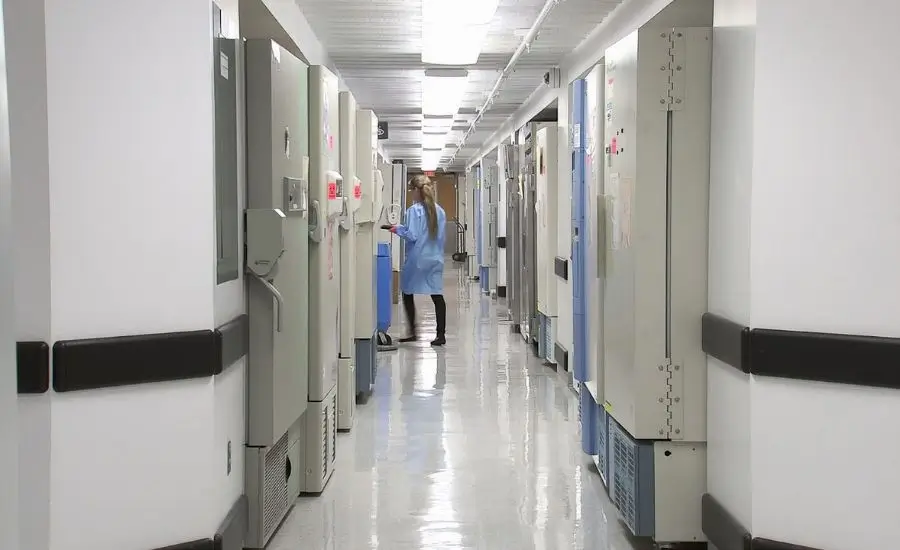
To address risks and protect glass, hospitals should install security glazing with human impact resistance certification. Unlike standard annealed or tempered glass, this type of impact-resistant glazing is engineered to withstand powerful blows without breaking or dislodging from the frame.
Human impact-resistant security glazing is tested under strict laboratory conditions to ensure it meets impact resistance standards. These tests simulate real-world scenarios where an individual might strike a window with their body, fists, or a heavy object. If the glazing remains intact after repeated impacts, it receives human impact resistance certification for use in hospitals and other high-risk environments.
Security glazing with this certification ensures that:
Not all hospital areas require impact-resistant glazing, but some locations have a significantly higher risk of incidents. Some of the most critical areas to consider reinforcing glass hospital windows and doors with security glazing include:
Hospital rooms must balance safety, security, and comfort, particularly in psychiatric facilities where patient behavior may be unpredictable.
Windows are essential for mental well-being, as natural light and views of the outdoors have been shown to reduce stress and improve recovery times. However, unprotected windows also present an opportunity for self-harm or egress.
By installing human impact-resistant glazing, hospitals can create secure, unbreakable windows that maintain natural light and visibility while eliminating safety risks.
Psychiatric wards house patients who may be at higher risk for self-harm, aggression, or egress attempts. Every window, door, and glass partition in these areas should be equipped with impact-resistant glazing to ensure patient safety.
Emergency rooms are some of the most chaotic and unpredictable places in hospitals. Patients and visitors experiencing distress may become agitated, violent, or aggressive toward staff.
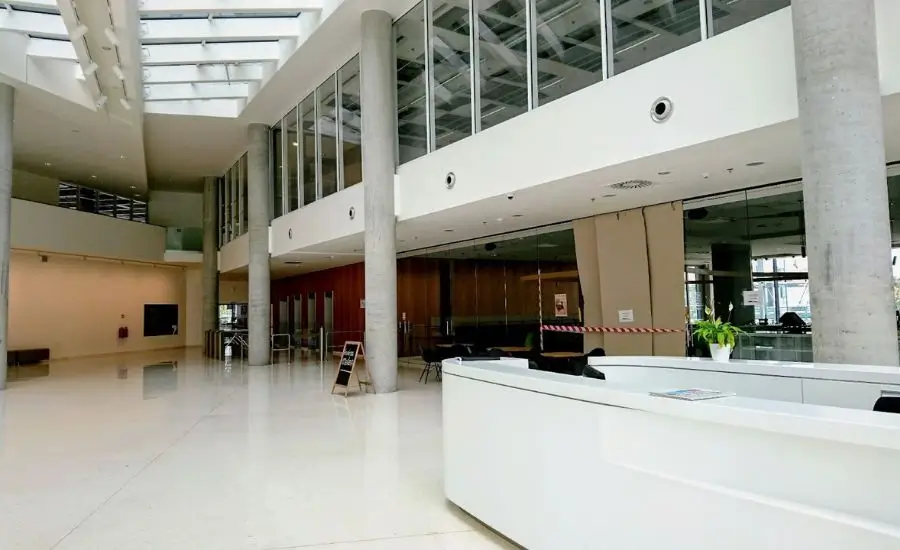
Reception areas and nurse stations should be equipped with impact-resistant security glazing to prevent direct physical assaults against hospital personnel.
Some hospitals have holding areas for patients in police custody or under psychiatric evaluation. In these cases, high-security glazing is essential to prevent escape attempts and protect staff from potential violence.
For hospitals seeking proven human impact resistance, AP-Series 25 from Riot Glass is the ideal solution.
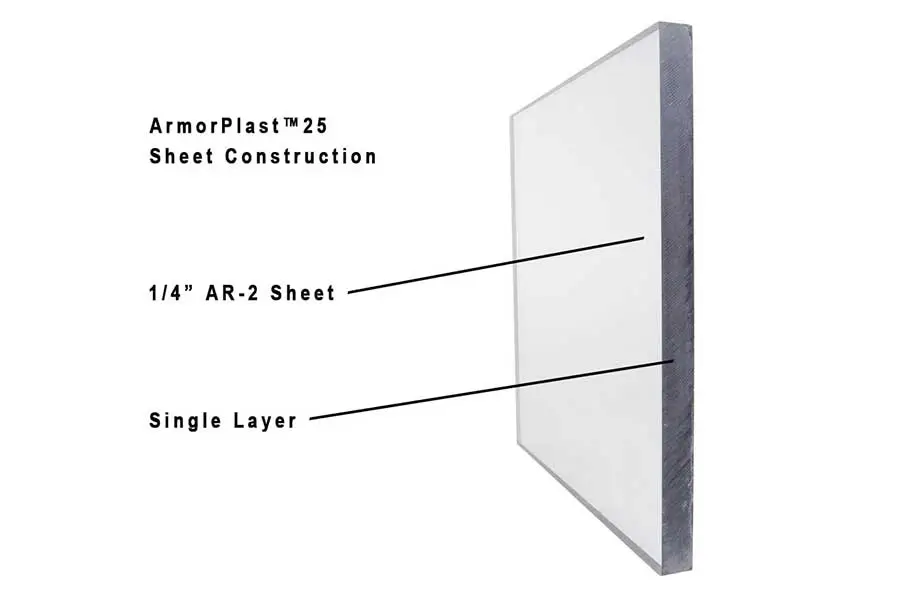
AP25 is a containment-grade polycarbonate glazing shield designed to withstand high-force impacts without breaking. Unlike traditional glass and even other types of security glazing, AP25 is:
AP25 provides superior glass protection for hospital windows, doors, and partitions, ensuring a secure environment for patients, staff, and visitors alike.
In some situations, human impact-resistant glass alone is not enough. Hospitals in high-crime areas or those treating potentially violent patients may require bullet-resistant glazing for greater security.
Bullet-resistant glass can stop multiple rounds of gunfire and remain a barrier to forced entry even after being penetrated, protecting hospital staff and patients in active threat situations.
For hospitals at risk of targeted violence or gang-related incidents, ballistic-rated security glazing provides essential life-saving protection.
Glass security is an essential but often under-addressed component of hospital safety. From preventing self-harm and egress attempts to protecting staff from violence, human impact-resistant glazing is a critical investment in hospital security.
Riot Glass provides the most advanced security glazing solutions for healthcare facilities on the market. Whether you need human impact resistance, forced entry protection, or ballistic-rated glazing, we have a solution tailored to your hospital’s needs.
Contact Riot Glass today to schedule a consultation and learn how we can help strengthen hospital security.
For school boards across the US, ensuring the safety and security of students and teachers is a top priority.
While major incidents of violence in schools, specifically active threat scenarios, remain relatively rare, they are a very real threat that all school administrators and stakeholders must take into account when considering ways to improve school safety and security.
However, many schools are faced with already-tight budgets, making the task at hand more difficult. Fortunately, there’s a significant resource available to schools facing financial constraints: school safety grants.
These grants, offered nationwide by various organizations, provide vital financial support to schools seeking to improve their preparedness for active threats and other emergencies.
School safety grants are funded by various US government organizations, with the Department of Justice (DOJ) being a major contributor. A significant portion of the DOJ’s grant funding is administered by the department’s Office of Justice Programs (OJP) and Office of Community Oriented Policing Services (COPS).
There are also different school safety grants provided at the state and local level, both by state government and private organizations.
Regardless of their source, such grants have the potential to play a major role in safeguarding the wellbeing of our nation's students and teachers, especially when it comes to providing physical security enhancements and school safety issue mitigation training — all while maintaining a school environment that’s highly conducive to learning.
School safety grants offer flexibility in terms of implementation, allowing schools to allocate funds to various safety and security measures according to their unique needs and goals. These can include, but are not limited to:
For example, a school might use some of the security grant funding to train students and staff on how to recognize warning signs of potential violence, or to develop an anonymous tip reporting system (e.g., a web-based or mobile app) that allows members of the student community to report school safety issues.
A school could also use a school safety grant to install advanced security technology, such as new surveillance cameras and key-carded classroom door locks.
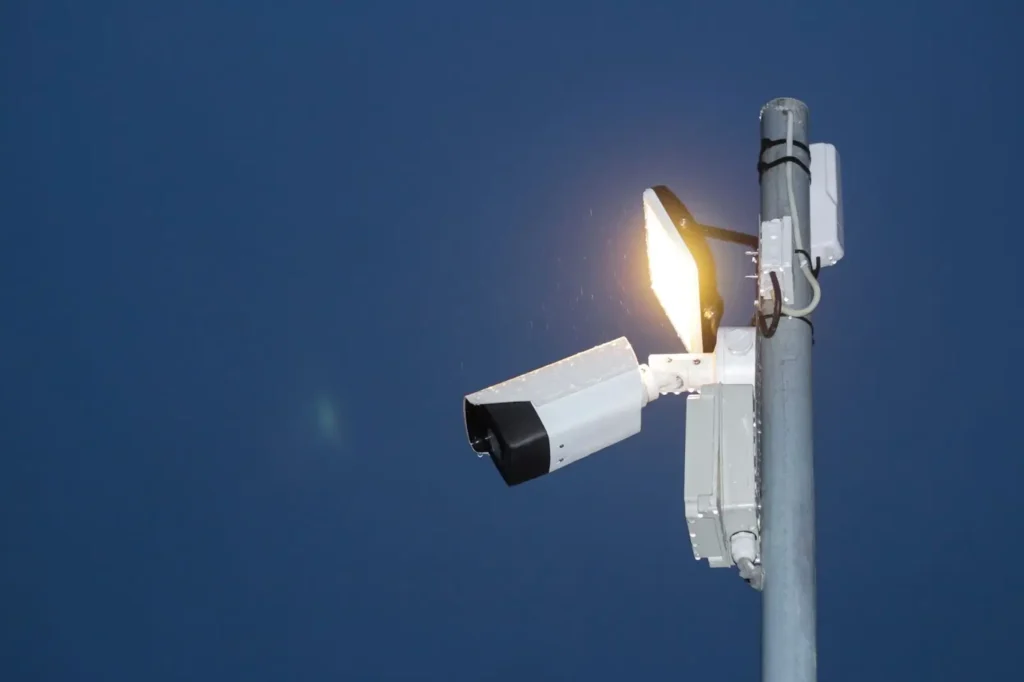
Whatever schools decide to use safety grant funding for, it’s important for them to implement a mixture of proactive security measures, including both preventative and detective measures.
Preventative measures aim to stop violence in schools from occurring in the first place, while detective measures help detect and mitigate issues before they escalate. Both are very important when it comes to protecting school occupants from harm.
While implementing school safety training and various security measures, including surveillance cameras and access control systems, can significantly improve safety and security in schools, there’s another even more crucial component: physical barriers against forced entry that actually keep active threats out.
With their numerous windows and doors, schools are often incredibly vulnerable to intruders. For example, an armed attacker can easily shatter a pane of glass to open a door from the inside or climb through a window to gain unauthorized access to the school.
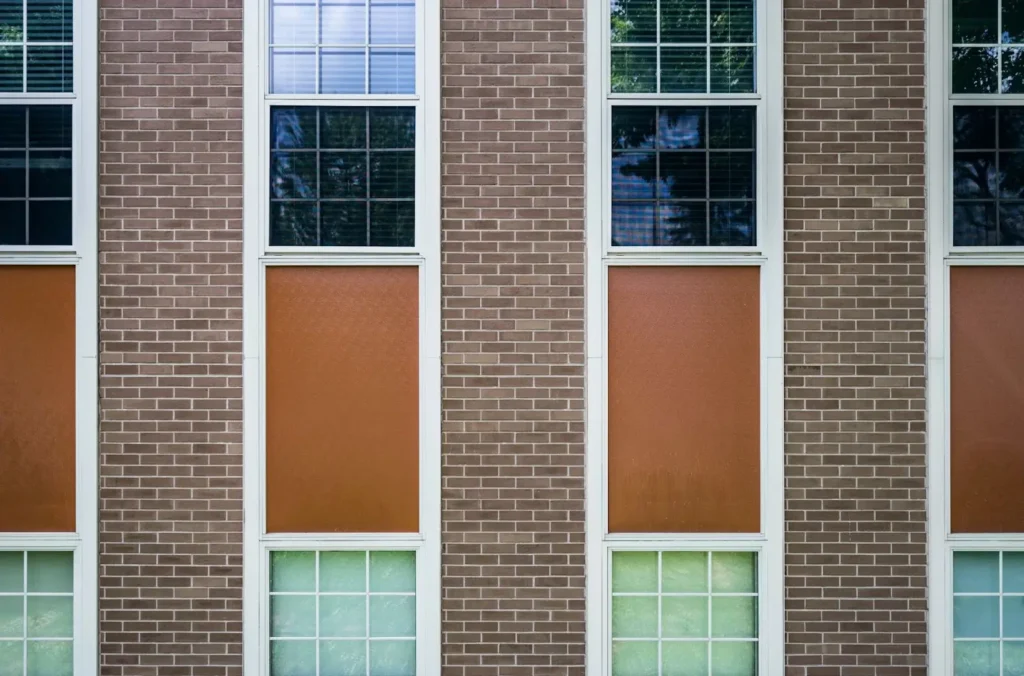
To address these vulnerabilities, it’s essential to consider using school safety grant funding to retrofit security glazing over school windows and doors. This is a cost-effective solution that creates a robust barrier against forced entry and buys valuable time in the event of a worst-case active threat scenario.
Many grants for school security enhancements stress that the funds should be used to improve security without compromising a positive learning environment, which is where Riot Glass retrofittable school security glazing comes in.
Riot Glass retrofittable security glazing doesn’t reduce visibility, block out natural light, or detract from a positive, open-feeling learning environment in any way. In other words, it fortifies schools without making them look fortified.
Riot Glass school security glazing solutions are available in both containment-grade (non-ballistic) and ballistic-grade (bullet-resistant) models.
Ballistic-grade options are rated according to UL 752 ballistic resistance levels and can resist attacks by various types of firearms frequently seen in active threat scenarios.
Yet even non-ballistic Riot Glass provides a robust access denial barrier for active threat protection in schools. It’s virtually unbreakable and doesn’t shatter upon impact, even if riddled with bullets.
Because of its unique composition, including polycarbonates, acrylics, and other glass-like glazing materials, Riot Glass offers an affordable alternative to replacing existing glass with forced entry-grade or bullet-resistant security glazing. It’s lightweight and relatively thin, making it ideal for retrofitting onto existing framing systems and eliminating the need for glass replacement.
Riot Glass closely resembles traditional commercial glass, providing access denial without making the building appear fortified. This is incredibly important for maintaining an open, inviting learning environment in schools.

When combined with other security measures that school safety grants can help fund, such as modern door locks and access control systems, Riot Glass security glazing plays a crucial role in protecting students and staff from active threats in schools.
In addition to helping with active threat mitigation, Riot Glass acts as a versatile security solution that protects schools against a full range of other safety and security threats, including:
Every student deserves a safe and secure learning environment, and all teachers should feel safe going to work every day. However, many schools face financial constraints that hinder their ability to harden their security. In such cases, seeking school safety grant funding is a viable solution.
For schools and districts in need of additional funding to make safety and security improvements, the good news is that there are grants for school security upgrades available from various organizations.

Using such funding for things like violence prevention training, intervention groups, and anonymous tip reporting systems can do a lot to prevent violence in schools, but it’s important to remember that these measures don't provide physical protection for students and staff.
For maximum school security, it’s important to implement a combination of different security upgrades and technologies, including physical access denial barriers — like Riot Glass. This virtually invisible, unbreakable security glazing is an ideal way to use school security grant funding to improve physical safety and security in educational facilities!
At Riot Glass, we’re committed to helping schools improve their security with our top-of-the-line security glazing products for forced entry and active threat protection. Contact us today for a free consultation to get started.