
Securing school doors is one of the most effective steps you can take to protect students and staff during active threats.
With the rise in active threat incidents across the U.S., schools need robust measures to create safe spaces and deny attackers access to critical areas like classrooms.
A well-secured door can mean the difference between life and death, providing precious time for students and teachers to hide while first responders arrive.
Before we dive into what specific steps you can take to secure school doors against active threats, both before and during an attack, let’s take a look at the recommended protocol for active threat scenarios. This will give you a better idea of how school doors can come into play during active threat scenarios.
According to the FBI, there are three things staff and students should do when there is an active threat on a school campus:
If you hear shots on campus or see someone with a gun approaching, the first thing to do is run to safety. Try to either evacuate the building and run away or get to somewhere safe in another part of the building, as far away from the shooter as possible.
If you are unable to escape the school, the next best thing to do is hide somewhere safe, preferably barricading yourself inside a locked classroom or another secure area where the shooter won’t be able to get to you.
As a last resort, if you are unable to run and hide, fight the shooter. Do anything you physically can to disarm or disable them to protect your life and the lives of others. This could include throwing things at them, hitting them with objects, or attacking them using your body.

Conduct a thorough inspection of all school doors to identify vulnerabilities. Assess the condition of locks, check for glass panels that could be broken, and test how easily doors can be forced open. Consider partnering with a security expert for a professional threat assessment to pinpoint upgrades needed for effective security.
Weak locks, like push-button handle locks, should be replaced with more secure options, such as deadbolts that can be engaged from the inside. Ensure no classroom door requires an external key to lock, as this can delay critical action during an emergency.
Add electronic access control systems at main entry points to restrict unauthorized access. Systems requiring ID cards, key codes, or biometric scans can help prevent external threats from entering the school. Pair these systems with staffed entry points for maximum security and visibility.
Classroom layouts should allow for quick and effective barricading. Position heavy furniture, like desks and filing cabinets, near the door so they can be moved into place to reinforce the door during an emergency.
Glass panels in doors are a major vulnerability. Retrofit them with bullet-resistant security glazing, which can resist forced entry, stop bullets, and provide a critical delay against attackers. Even if damaged by gunfire, this glazing remains intact, preventing access and keeping those inside safe.
When it comes to upgrading school door security, Riot Glass provides a range of reliable, cost-effective school security glazing solutions.
Riot Glass door glazing is retrofittable into many types of existing frames, making installation quick and affordable.
Another option is a complete unbreakable entryway door conversion kit that can turn a school’s entryway doors into an impenetrable, bullet-resistant access denial barrier.
Constructed with durable polycarbonate and acrylic materials, Riot Glass panels can resist both forced entry and ballistics, offering unmatched protection during active threats.
Additionally, Riot Glass school door solutions are highly customizable, with options for various styles, finishes, and levels of protection to seamlessly integrate into your school’s architecture.
By investing in Riot Glass, schools can harden their door security without sacrificing aesthetics, creating a secure yet welcoming environment.
One of the primary benefits of Riot Glass is its deterrent effect on potential active threats.
Although doors retrofitted with Riot Glass act as virtually invisible access denial barriers, it quickly becomes obvious to attackers that they are fortified when their attempts to smash or shoot through them are met with frustration.
This indicates to the would-be intruders that the school is prepared and serious about security and can dissuade them from continuing to attempt unauthorized entry, reducing the likelihood of harm to those inside.
By retrofitting classrooms and other school doors with Riot Glass, schools proactively establish a secure environment that discourages external threats, promoting a sense of safety and peace of mind for everyone within the premises.
Riot Glass solutions come in a wide range of options to suit the unique needs of each educational institution. Schools can choose from various styles, sizes, and finishes to seamlessly integrate the glazing into their existing architecture.
Whether it's for the primary entryway doors, classrooms, administrative areas, or other vulnerable points, Riot Glass can be installed to create a comprehensive physical security system tailored to the school's specific design and functionality requirements.
This versatility ensures that security measures can be implemented effectively without compromising the aesthetic appeal of the campus.
Investing in Riot Glass to upgrade school doors can provide long-term cost savings for schools when it comes to security upgrades.
Since in many cases security glazing infills can be retrofitted into or onto existing school door framing systems using retrofittable framing adapters, installation is much more affordable — not to mention far less disruptive — than replacing all the doors.
Riot Glass door systems are designed to withstand extensive wear and tear, requiring minimal maintenance over their lifespan. The specific formulations of polycarbonates, acrylics, and other plastics that Riot Glass is composed of ensure that it outperforms and outlasts similar products on the market.
Additionally, the durability of these fortified school doors minimizes the need for frequent replacements due to breakage or vandalism.
Riot Glass can even improve a school’s energy efficiency, as adding a pane of security glazing can help regulate temperature and reduce heating and cooling costs.
Doors are just one important aspect of a comprehensive school security system, but they’re often the first line of defense against active threats.
Because of this, it’s vital for schools to understand how their doors can be secured to prepare for and protect against worst-case scenarios.
Riot Glass security glazing provides a robust physical barrier against intruders while maintaining a welcoming and open learning environment, fortifying schools without making them look fortified.
With their exceptional strength, customization options, and cost-effectiveness, Riot Glass doors are an essential component of comprehensive security measures for all types of educational institutions, from K-12 schools to universities.
Contact Riot Glass today to learn more about retrofitting your school doors with industry-leading security glazing and take the first step toward creating a safer campus.
There have been 222 school shootings across the U.S. since 2018, and the sad truth is that these tragic incidents are going to keep happening — active threat scenarios are a huge security concern that no school, no matter how safe it may feel, can ignore.
This is why it’s so important for schools to implement security measures and best practices to prevent active threat scenarios and mitigate the risk of harm to students and faculty.
In the security industry, threat assessments are usually the first step required before taking action to implement new security technologies and practices.
The Department of Education recommends a systematic approach to threat assessment in schools, emphasizing its importance in the creation of safe school climates to prevent potential incidents.
Threat assessment in schools is a structured process designed to identify, evaluate, and manage potential risks posed by individuals or situations that may threaten the safety of students, staff, or the broader school community.
The goal of a school threat assessment is not only to mitigate immediate risks, but also to create a proactive strategy for preventing incidents before they occur. By analyzing perceived and actual threats, schools can develop targeted interventions and establish long-term solutions to address vulnerabilities.
The process of threat assessment in schools highlights systemic vulnerabilities, such as gaps in physical security or inadequacies in emergency protocols. Recommendations from these assessments often include enhancements to physical security, such as improved access control systems or reinforced glazing, alongside updates to behavioral policies and staff training programs.
When conducted effectively, threat assessments can significantly reduce risks and foster a safe, supportive environment where students and staff feel protected.
Schools face many of the same threats as other types of commercial facilities, including vandalism, forced entry, and burglary, which are all things that threat assessment in schools takes into account.
However, when we talk about major school safety and security threats, the one at the top of the list is an active threat scenario.
An active threat scenario is any type of violent attack taking place on or near school property that could potentially cause physical harm to students and staff.
This could be either an act of targeted violence aimed directly at the school, either from a member of the school’s community or an unknown individual, or a violent incident taking place in another nearby location that causes the school to go into lockdown.
While there are risk factors that can make school violence more or less likely at certain schools, an active threat scenario can happen anywhere, anytime.
Because of this, school threat assessments always look for vulnerabilities that attackers could exploit and recommend ways to shore up these weak spots to protect the lives of school occupants.
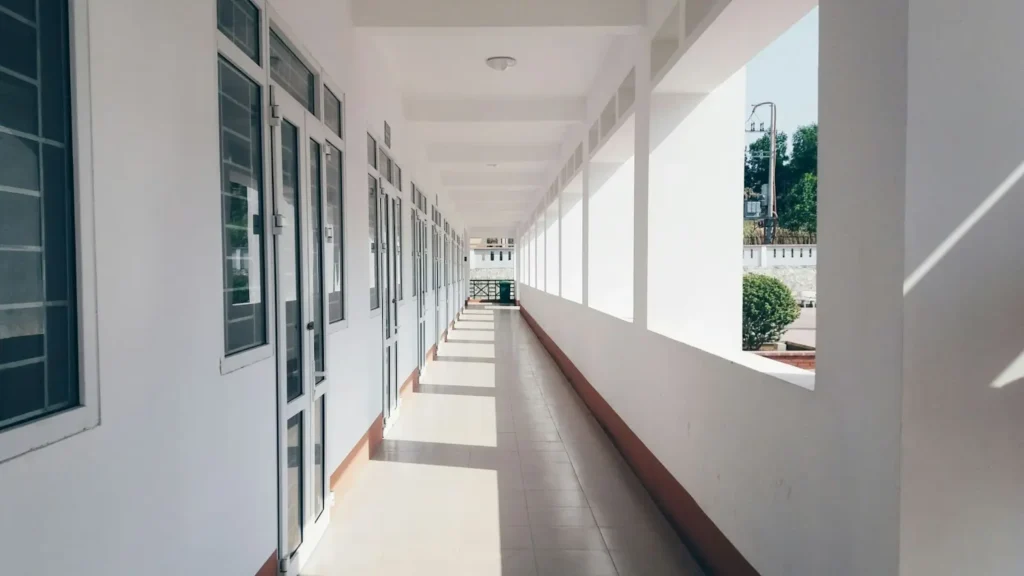
Here’s a summary of the potential risks that security threat assessments in schools consider:
Threat assessments in schools typically provide recommendations about best practices to implement, as well as about physical security upgrades to make.
For example, best practices a school threat assessment might recommend could include developing new school lockdown procedures, creating an anonymous tip reporting system, training students and staff on recognizing and addressing threatening behaviors, and increasing monitoring of entryways and common areas.
Some examples of physical security upgrades that a school threat assessment might recommend are:
The goal of any security threat assessment is to provide a comprehensive safety and security plan that addresses all of the possible threats to a property and its occupants, thus greatly reducing the risks of property damage, loss of property, and physical harm.
Unfortunately, there’s no magic formula for stopping active threat scenarios from happening in schools, and there’s no way to know for sure who might try to cause harm to students and staff at any given time.
However, with the right combination of school security best practices and physical security measures in place, it’s possible to drastically decrease the likelihood of teachers or students getting hurt or losing their lives during an incident of targeted violence.
This is why threat assessment in schools is so important. Even though all schools are required to have school safety plans and different lockdown and emergency procedures in place, there’s no substitute for a professional security assessment conducted by an expert.
The professionals who provide threat assessments for schools have looked at numerous case studies from schools and other types of commercial facilities across the country and are familiar with all the different ways active threats can unfold. This allows them to see security vulnerabilities that others might not.
Additionally, these security experts are familiar with all the most modern security technology and best practices and are well-informed about what works best to address specific threats.
By addressing vulnerabilities and implementing the recommendations provided by threat assessments, schools can move beyond reactive safety measures and take a proactive, multi-layered approach to security.
This includes identifying patterns of concerning behavior, training staff to recognize early warning signs, and reinforcing the physical infrastructure of school buildings to withstand potential threats.
These steps not only protect against targeted violence but also contribute to a more secure and supportive learning environment.
Ultimately, the combination of expert insight, strategic planning, and modern security solutions allows schools to drastically reduce their exposure to potential harm and provide students and teachers with a safe space to focus on education.
All schools should create an internal team that’s responsible for coordinating threat assessments, collaborating with outside parties as needed, and implementing the given recommendations.
This team will do things like write up new school safety plans and propose physical security upgrades for budget approval.
Of course, it’s also important to work with the right third-party suppliers when making physical security upgrades.
Riot Glass manufactures, supplies, and installs a full range of retrofittable security glazing products that schools can use to provide unmatched physical security, protecting their students, staff, and property from active threats and other security risks. We also offer threat assessments to help you implement the right security glazing solutions for school windows and doors.
Riot Glass security glazing products use specific formulations of polycarbonates, acrylics, and other plastics, resulting in an extremely durable glass-like product that outperforms and outmatches all other similar security glazing on the market.
We offer both forced entry-resistant and ballistic-grade security glazing for schools. Depending on the specific composition of the glazing, it can be retrofitted on top of (over-glazed), behind (back-glazed), or in place of almost any existing glass surface.
This makes Riot Glass ideal for schools with many glass windows and doors in classrooms and other areas of their facilities, where removing and replacing all vulnerable doors and windows would be prohibitively time-consuming, disruptive, and expensive.
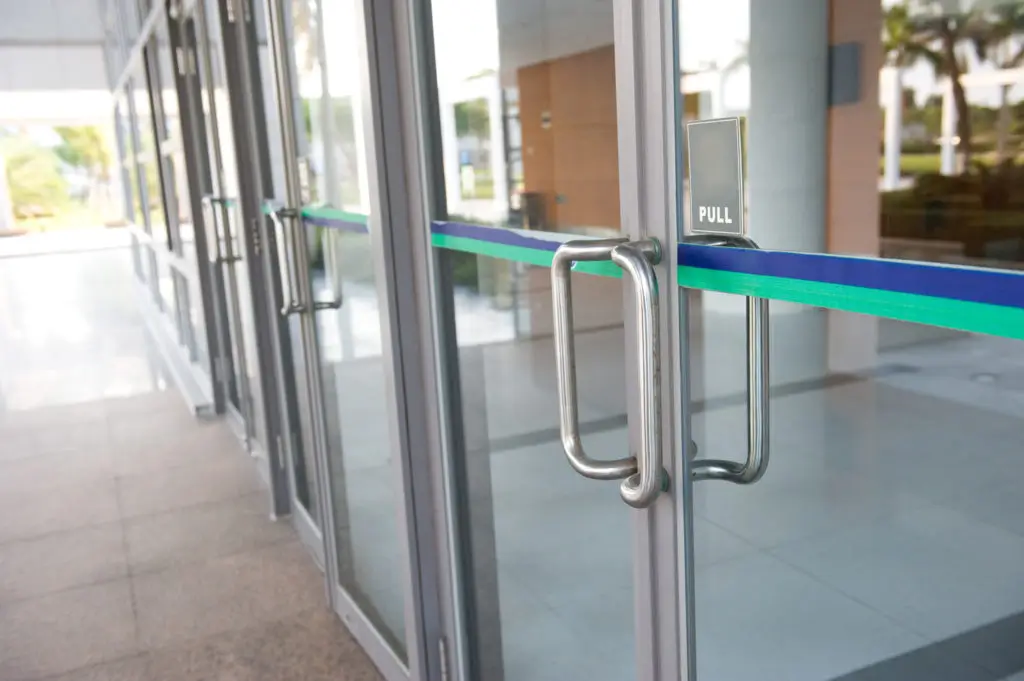
A Riot Glass retrofit is a much more cost-effective school security solution, providing virtually unbreakable access denial without significantly altering the appearance or functionality of the school’s windows and doors.
In short, Riot Glass fortifies schools without making them look or feel fortified, allowing students and teachers to continue enjoying the benefits of a positive learning environment while knowing they’re protected from active threats.
Contact us today for a free consultation or to schedule a school threat assessment.
Access control systems are a vital component of a multi-layered approach to commercial security.
Whether it’s for a retail store, a school, a government facility, an office building, or any other type of commercial property, these systems play an important role in controlling and monitoring the flow of people in and out of a building.
For example, access control implementation in schools can greatly increase the security of entryways and classrooms, facilitating lockdowns and reducing the risk of potentially threatening individuals gaining access to areas where they could harm students and staff.
Because access control systems serve to secure a building’s entry points, they are also an important part of fenestration security, or the protection of windows, doors, and other openings against forced entry and other threats.
In its broadest sense, “access control” is a term that refers to restricting access to an area, which could be an entire building or specific areas within a facility. Access control systems are the tools and technologies that facilitate this.
A door that can only be opened by punching a password into a keypad or swiping a keycard is an example of such a technology.
Other examples of access control systems include security gates and turnstiles, biometric locks on doors, and even physically present security personnel that grant access to a building or area.
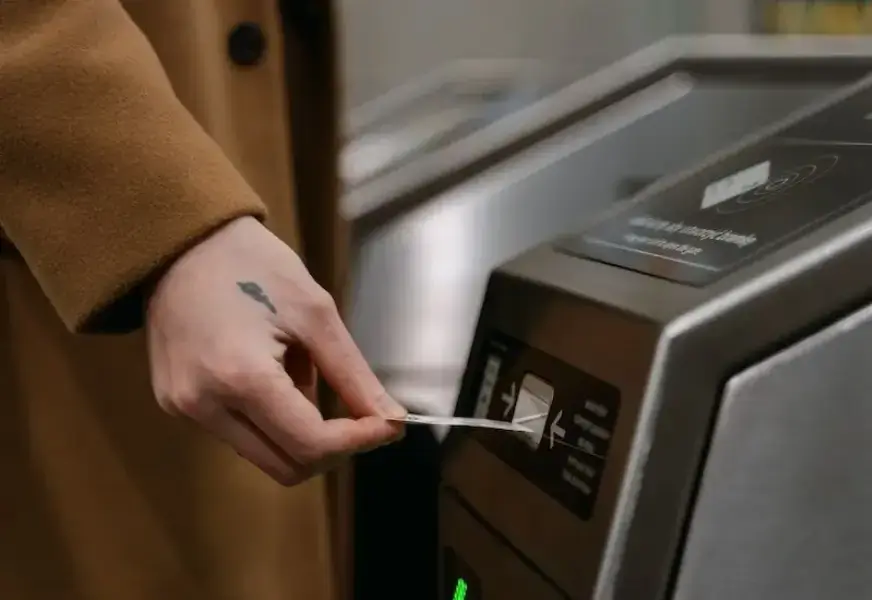
Access control systems are essential for maintaining safety, security, and operational efficiency in commercial facilities, protecting these spaces against both forced entry and theft and threats to the physical well-being of building occupants, including active threats.
Here are a few common applications of access control systems in commercial properties:
1. Protecting High-Security Areas
Access control systems safeguard critical areas, such as areas where sensitive information is stored in government buildings or inventory rooms in high-end retail stores, by limiting access to authorized individuals.
2. Increasing Workplace Safety
Access control can help prevent workplace incidents by ensuring that only trained or certified personnel enter hazardous zones, such as laboratories or industrial facilities.
3. Streamlining Visitor Management
Systems that employ keycard or biometric access control provide an efficient way to track and manage visitor entry while maintaining security for employees and assets.
4. Supporting Emergency Response Plans
During emergency scenarios, such as active threat situations or civil unrest, access control systems can automatically lock or unlock doors and prevent intruders from gaining access to areas where they can do the most harm or damage.
As we touched on earlier, “fenestration security” relates to the security of a building’s windows, doors, and various other openings — fenestration means all the openings in a building’s facade.
Any commercial building’s most vulnerable points are typically its windows and doors. Even if a building’s doors are all locked and monitored, it’s often still possible for criminals to force entry by breaking a pane of glass and opening a door from the inside using its emergency egress mechanism.
Because of these vulnerabilities, access control and fenestration security go hand in hand — access control systems restrict who can enter and exit a facility or building while fenestration security measures prevent would-be intruders from forcing entry through a glass door or window.
It’s virtually impossible to have effective access control systems without implementing other physical barriers that prevent forced entry. In other words, a complete and effective fenestration security plan will always feature access control methods, and vice versa.

The best way to ensure access control systems remain uncompromised is to reinforce vulnerable windows and doors — all glass surfaces that an intruder could viably reach — with forced entry-resistant security glazing, such as Riot Glass.
Riot Glass commercial security glazing is incredibly versatile and can often be retrofitted onto an existing door or window framing system, meaning it can be installed without removing or replacing the existing glass.
The type of existing glass doesn’t really matter because this security glazing’s strength isn’t impacted by the underlying material. It simply creates a virtually unbreakable barrier over the existing glass, protecting it from forced entry attempts and other impacts.
The security glazing itself is totally see-through and feels just like regular glass, so it doesn’t compromise visibility, natural light, or curb appeal.

However, if a would-be intruder attempts to smash through the security glazing to bypass an access control system, their attempts will bounce right off. This delays and deters forced entry, causing criminals to move on and look for easier targets.
In the unfortunate event of an active threat scenario, the combined security provided by access control systems and Riot Glass security glazing gives building occupants time to react to an attack by running, hiding, barricading themselves inside, and waiting for law enforcement to arrive and neutralize the threat.
Combining access control with security glazing creates an incredibly strong, multi-layered physical security system that can withstand a full range of threats, including:
It’s still important to combine these measures with other commercial security system components, such as video surveillance and alarm systems, but access control systems and Riot Glass do one key thing that cameras and alarms don’t: physically keep the bad guys out!
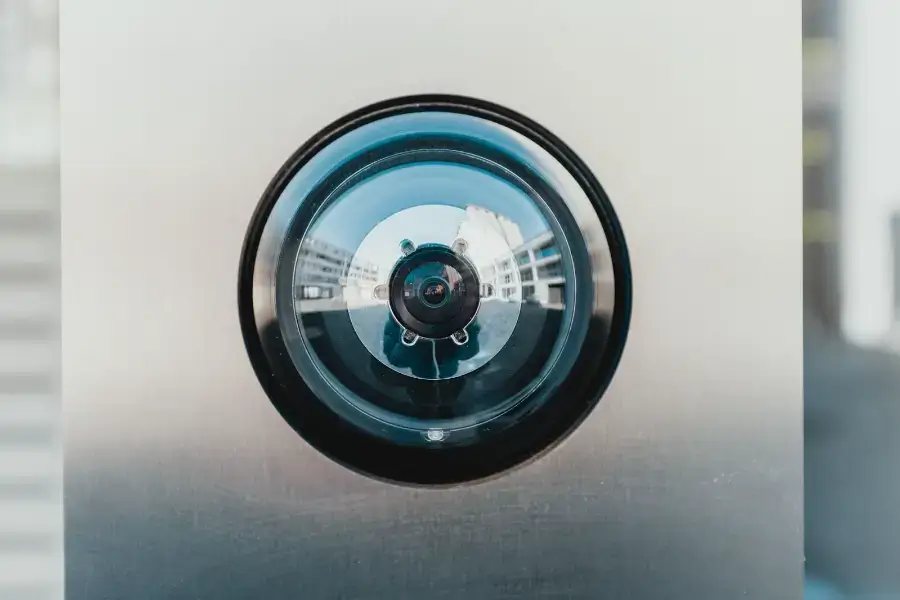
Before you begin making any changes or upgrades to your commercial property’s security design, it’s recommended to get a threat assessment done to help you understand which areas are most vulnerable and require extra security measures.
A threat assessment is an evaluation provided by a security expert, who does a full walkthrough and analysis of your property to determine potential vulnerabilities and risks and provide actionable recommendations on how to address them.
In the context of what we’ve discussed above, a threat assessment is used to figure out where access control systems are needed and where security glazing should be retrofitted, as well as what types of systems and materials to implement.
If you’re considering different access control systems for your property, there are a couple of factors to consider before making your decision.
First, consider what type of credentials you want people to use to unlock and enter your building’s controlled areas.
For instance, do you want your doors to be unlocked using a keycard or a password? These types of systems can provide a similar level of security, but keycards can potentially be lost or stolen, while passwords have to be remembered.
Alternatively, you can use mobile device-based access control credentials. These allow people to use their smartphones to get past the access control point.

As with most security systems integrated with smartphones, these types of access control systems also have multi-factor authentication built in, preventing misuse. Plus, even though it’s possible for a smartphone to get lost, it’s much less likely for an employee to misplace their own phone than it is for them to misplace a key card.
Another access control option is implementing entry points manned by security personnel. While this will undoubtedly cost significantly more than unmanned access points, the presence of security guards is one of the biggest deterrents to unauthorized entry attempts.
Ultimately, the type of system you choose for controlling access to your facility comes down to your unique security requirements, personal preferences, and budget.
You’ll also need to be mindful of the management and maintenance that any access control system requires, so be sure to consider these factors when planning your budget.
Retrofitting a commercial property with security glazing is actually much more straightforward than choosing your access control systems.
It typically comes down to installing forced entry-resistant glazing over all the exterior glass surfaces that a would-be intruder could potentially reach and attempt to break through to force entry.
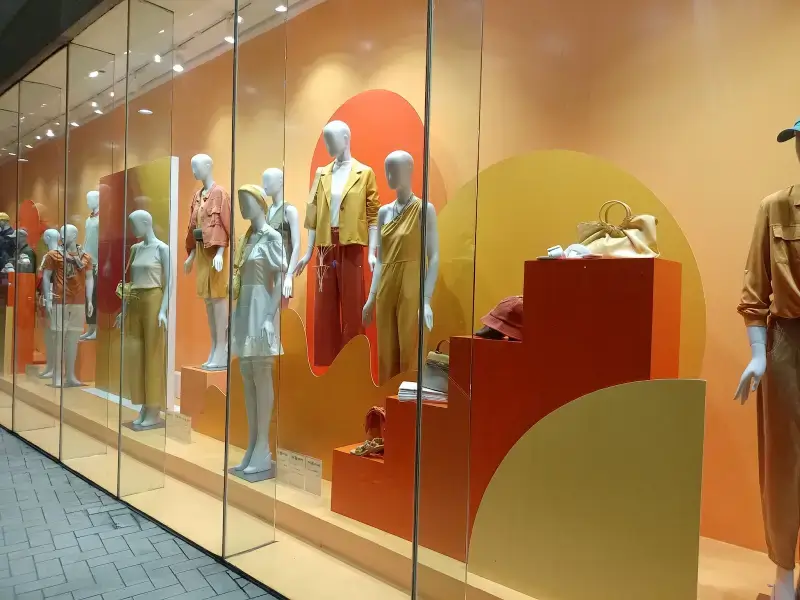
For a high-end retailer, for example, this would mean retrofitting all storefront display windows and glass entryway doors with the glazing.
In most commercial applications outside of extremely high-security facilities, something like containment-grade (non-ballistic) ArmorPlast AP25 typically offers more than enough glass protection to mitigate common threats like burglary, smash-and-grab theft, and rioting and looting.
In fact, containment-grade ArmorPlast can even get riddled with bullets without shattering or yielding, ensuring access denial and keeping attackers out and away from people inside during a worst-case active threat scenario.
For more high-security facilities, such as government buildings, schools, or high-risk retail environments, you can always install ballistic-grade (bullet-resistant) Riot Glass or ArmorPlast wherever a higher level of protection is desired.
Ballistic-grade Riot Glass is still fully forced entry resistant, but provides the added benefit of being able to withstand ballistic attacks, stopping several bullets from specific types of firearms. The specific level of bullet resistance is indicated by the glazing’s UL 752 rating.
Just as with choosing what type of access control systems to implement, your specific security needs and budget play a big role when determining what security glazing to implement. You may find that using a combination of different types of glazing for different areas makes the most sense in terms of striking a balance between security and expense.
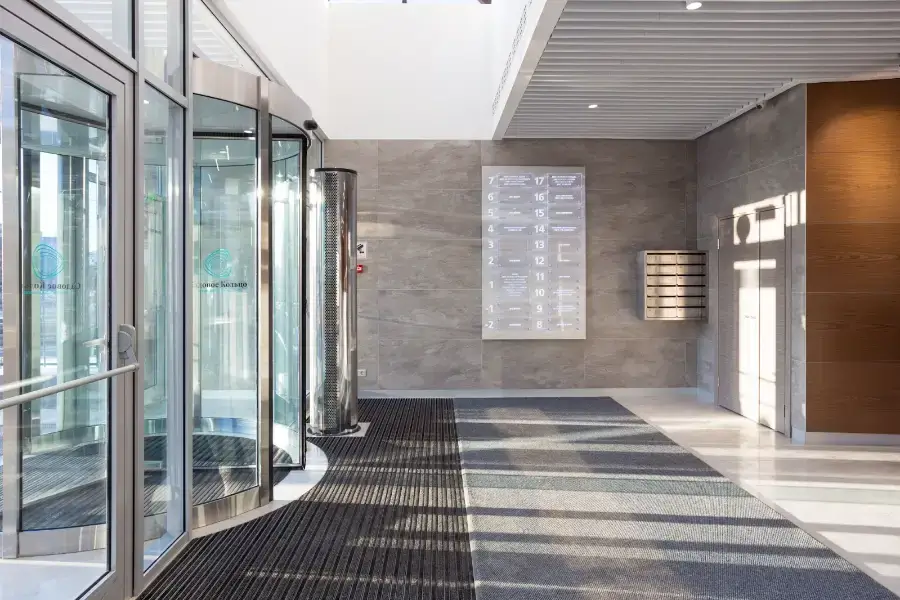
Fenestration security and access control are two of the most important pillars of commercial building security — you can’t have one without the other.
While access control systems help monitor and control the flow of people in and out of a building and between restricted and public areas within the facility, it’s essential to implement physical barriers to forced entry alongside these systems to ensure their effectiveness.
Riot Glass is committed to providing the absolute best, most cost-effective fenestration security solutions to complement your access control. We offer soup-to-nuts service, from manufacturing, through threat assessment, to installation. Contact us today for a consultation!
Hospitals and healthcare facilities must balance patient comfort with security. While windows provide natural light and outdoor views that can aid recovery, they can also pose significant safety risks.
Traditional hospital windows are vulnerable to breakage, forced entry, and self-harm attempts. Installing human impact-resistant windows helps mitigate these dangers, providing critical protection in high-risk areas such as patient rooms, psychiatric wards, and hospital lobbies.
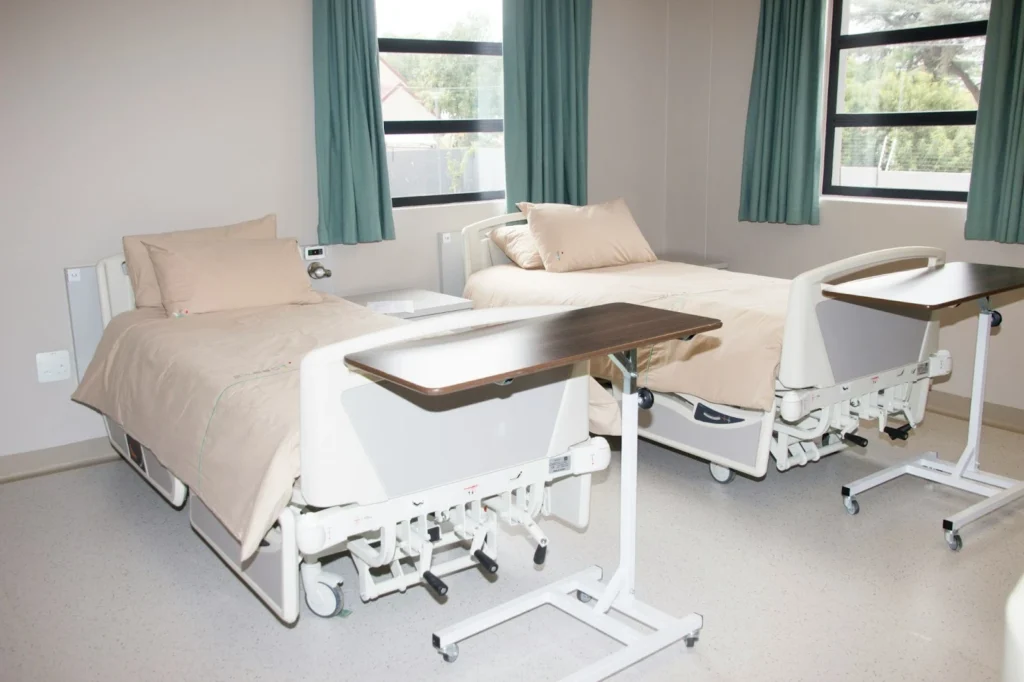
Windows are an important feature of hospitals and other healthcare facilities, serving several vital purposes. These include allowing natural light in and providing patients with views of the outdoors, both of which are proven to reduce stress and anxiety.
These benefits can be very helpful to patients who may be going through a very difficult time in their lives. However, windows also present many safety and security issues in healthcare facilities.
Standard commercial windows are incredibly easy to break, so they provide a potential exit point for unwanted egress, including patients jumping from hospital windows.
Broken glass can also potentially be used by mentally unwell or intoxicated patients to harm themselves or others. This is why medical and mental health facilities need human impact-resistant hospital windows.
Human impact-resistant windows are designed to resist impacts from humans using their fists or the full weight of their bodies. They’re also able to withstand blows from other heavy objects that patients may gain access to to try and break a window.
Hospital windows intended to prevent egress and self-harm must undergo human impact testing to gain certification as human impact-resistant windows. This human impact testing is performed under controlled conditions in a laboratory setting.
A security glazing manufacturer seeking human impact certification for their products provides a series of samples to the testing lab, and they then undergo a series of specific impact tests.
If the tests do not penetrate, shatter, dislodge, or otherwise compromise the strength of the glazing, the samples pass the test and the products can be certified as human impact-resistant.

Human impact-resistant windows can be made from a variety of different glazing materials.
However, polycarbonate-based glazing is typically the best option for hospital windows. Being made from glass-like plastic, they are virtually unbreakable.
Polycarbonate looks and feels very much like standard commercial window glass, but it does not break or shatter due to human impacts or other high-force impacts.
When glass hospital windows are protected by polycarbonate-based security glazing, they still provide all the benefits of natural light and views to patients, but are completely safe and secure.
While patient rooms and psychiatric wards are commonly associated with hospital security glazing, healthcare facilities often contain multiple high-risk areas that require impact-resistant security barriers to protect both staff and visitors:
The growing concern of violence in healthcare settings makes it essential to reinforce these locations with human impact-resistant security glazing.
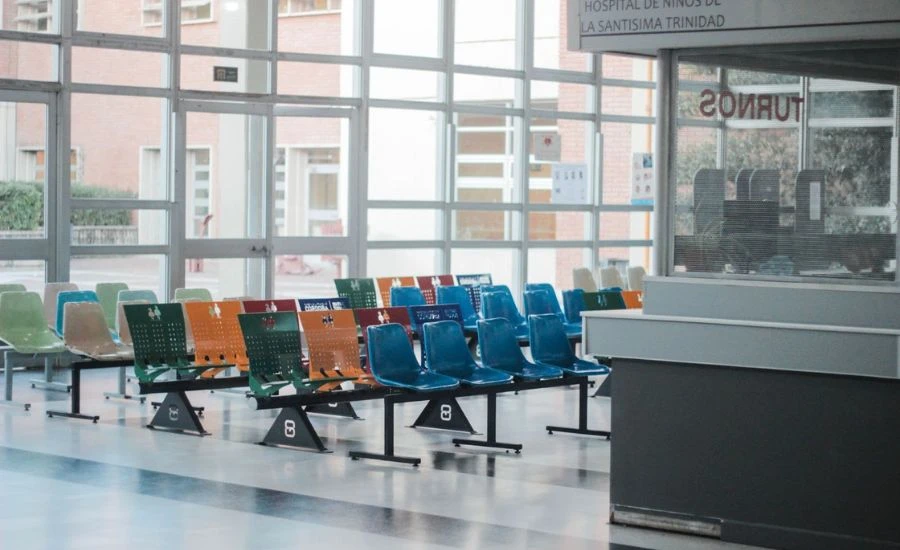
Besides mitigating the risks of egress, self-harm, and harm to others in hospitals and other healthcare facilities, impact-resistant windows provide a full range of other safety and security benefits.
Impact-resistant healthcare facility windows protect against:
For example, hospitals in hurricane zones can protect exterior windows on both sides with security glazing shields, reinforcing the glass against human impacts on the inside and acting as a storm damage mitigation barrier on the outside.
If a flying piece of storm debris impacts the outside surface of the window, the glass won’t shatter dangerously inwards, which could cause injury to staff and patients and leave the hospital exposed to wind and water damage.

Human impact-resistant windows can also be forced entry-rated to prevent burglary and other unwanted intrusions through hospital windows. As hospitals are full of expensive medical equipment and prescription medications, the threat of burglary is very real.
For medical facilities that need to upgrade their safety and security protocols, impact-resistant windows are one of the most cost-effective ways to harden the entire building’s security.
Traditional solutions for egress and forced entry prevention, like window bars, make mental health facilities and hospitals look and feel like jails, which is unsightly and detrimental to patient mental health.
On the other hand, polycarbonate security glazing fortifies buildings without making them look fortified. This is ideal for medical facilities, where you want people to feel welcome and as comfortable as possible at all times.
Riot Glass offers a range of human impact tested and certified security glazing products, including our flagship ArmorPlast line of polycarbonate-based security glazing.
For hospital and other healthcare facility applications, we typically recommend containment-grade ArmorPlast AP25 glazing panels, which strike the perfect balance between strength and cost.
AP25 glazing shields are non-ballistic (not bullet-resistant) polycarbonate sheets that are rated to withstand human impacts, large hurricane missile impacts, and forced entry attempts.
All our ArmorPlast products are fully retrofittable solutions, meaning they are designed to be fitted over your existing windows and other glass surfaces, including glass doors. In other words, there’s often no need for expensive glass removal or replacement.
AP25 uses retrofittable security framing adapters that fit into or onto your existing window and door framing systems, securely protecting the glass behind from all types of high-force impacts.
The crystal-clear polycarbonate doesn’t noticeably alter the appearance of your windows, and it doesn’t block out natural light or inhibit views. The security framing has a sleek profile, so AP25 doesn’t significantly alter the outward appearance of your building, either.
These features make AP25 ideal for hospitals, psychiatric wards, and other medical facilities where human impacts and other safety and security risks are concerns.
AP25 containment-grade glazing shields are also ideal for:
For even better human impact protection for hospital windows, we recommend pairing ArmorPlast AP25 with our security framing.
This security framing uses a sophisticated system of shock-absorbing gaskets to disperse the force of impacts on the surface of the glazing. When someone or something impacts any part of the security glazing, the shock gaskets allow unrestricted movement at the edges of the infill, dispersing the shock waves from the impact site.
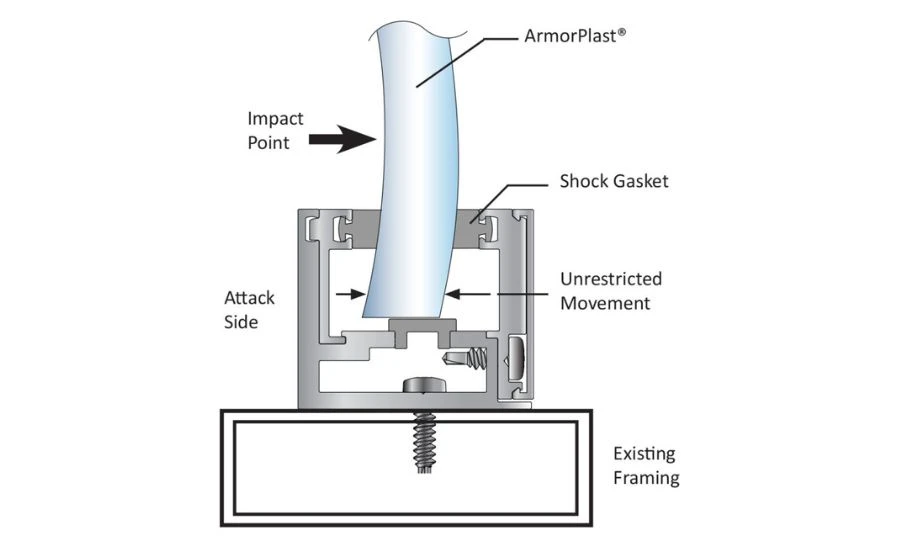
Our security framing is designed to withstand even the most determined, prolonged attacks with heavy tools. For medical facilities, this provides the ultimate line of fenestration security to mitigate all potential safety and security risks.
Investing in human impact-resistant hospital windows is a proactive step toward improving safety and security in healthcare facilities.
With the right security glazing, hospitals can protect patients, staff, and assets while maintaining a welcoming, therapeutic environment.
Riot Glass offers proven solutions that reinforce existing windows without compromising aesthetics.
Contact our team of security glass experts today for more information about our tried-and-true hospital glazing products or to schedule a free consultation.