
School safety is a top priority for administrators, educators, and parents, but securing schools comes along with its own unique set of challenges.
Schools are faced with the difficult task of balancing the need for an open, inviting learning environment with the responsibility of protecting students and staff from a wide range of threats. From severe weather events to violent attacks, schools face numerous risks that require comprehensive emergency planning.
While many districts invest in security personnel, surveillance systems, and controlled access points, one critical aspect of school security often goes overlooked — reinforcing vulnerable glass surfaces.
Traditional glass windows and doors are among the weakest points in school buildings. In an emergency, they can shatter easily, creating hazardous debris or allowing an intruder to gain entry. This is where unbreakable security glass plays a crucial role in school emergency planning.
By upgrading to impact-resistant security glazing, schools can significantly improve their ability to withstand forced entry attempts, extreme weather conditions, and other emergency situations while maintaining a welcoming atmosphere for students and staff.
School emergency planning involves developing and implementing protocols to protect students and staff in the event of a crisis. A well-structured emergency plan must consider a variety of scenarios, including:
The emergency planning process typically begins with a risk assessment to identify potential threats and determine how likely they are to occur. Schools in hurricane-prone regions, for example, must prioritize storm-resistant infrastructure, while those in urban areas may focus more on security threats.
After assessing potential risks, schools develop emergency response plans that outline specific actions to take in different situations. These plans generally include:
Security enhancements, such as reinforced school doors, controlled access points, and surveillance cameras, are often included in school safety plans. However, one of the most effective and often underutilized measures is the installation of unbreakable security glass.
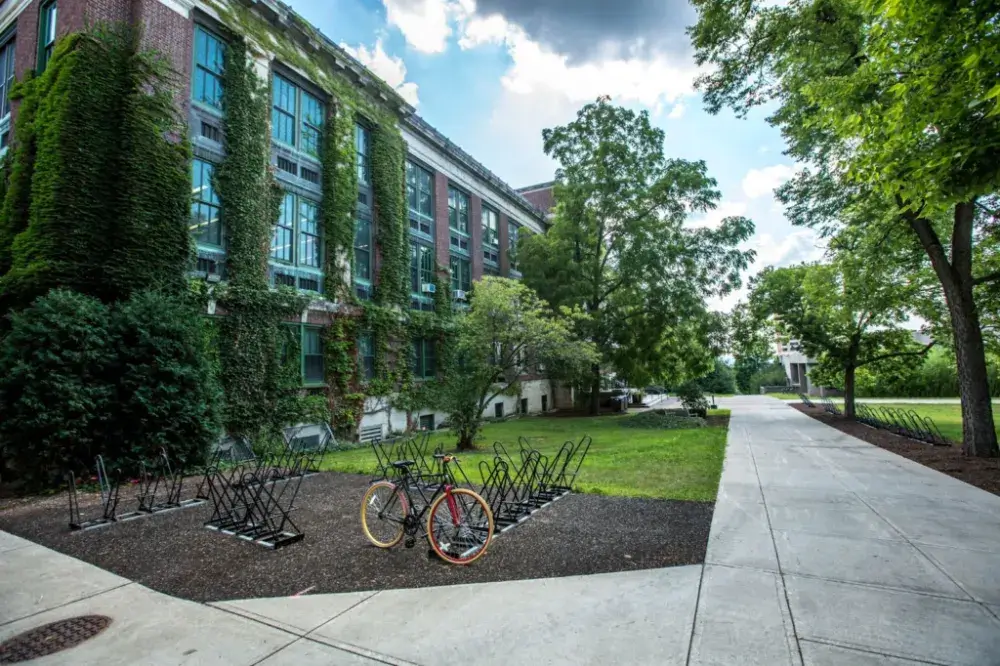
Windows and glass doors serve important functions in schools, allowing for natural light, visibility, and aesthetics. However, traditional glass is also one of the weakest structural points in a building.
In emergency situations, a school’s glass doors and windows pose serious security risks, making it essential for schools to upgrade to impact-resistant security glazing.
One of the most significant threats facing schools today is the risk of targeted violence. Many school emergency plans designate specific areas as lockdown zones or safe rooms where students and staff can take shelter. However, if these areas have standard glass windows or doors, they remain vulnerable to forced entry.
An intruder can easily smash or shoot through regular glass to gain access to a classroom or administrative office. Unbreakable security glass adds a critical layer of protection, preventing attackers from breaching windows and doors.
Unlike standard glass, high-performance security glazing can withstand sustained physical attacks and even ballistic impacts. The extra time it provides can be lifesaving, allowing students and staff to remain secure while waiting for law enforcement to arrive.
Natural disasters like hurricanes, tornadoes, and earthquakes can cause extensive damage to school buildings. During these events, traditional glass windows can shatter under pressure, sending sharp fragments flying through classrooms and hallways.
Flying glass poses a significant injury risk to students and staff. In the event of a high-impact event, broken glass can cause severe cuts and other injuries.
Security glazing is designed to remain intact even when subjected to extreme force. Unlike regular glass, which breaks into sharp shards, impact-resistant security glass holds together upon impact. This helps prevent injuries from flying debris and ensures that school buildings remain structurally sound during emergencies.
While security is a top priority, schools must also ensure that students feel comfortable and engaged in their learning environments. Overly restrictive security measures, such as metal bars on windows or solid barricades, can create a prison-like atmosphere that negatively affects student morale.
Unbreakable security glass provides the perfect balance between safety and openness. Unlike metal barriers, security glazing maintains the transparency and aesthetic appeal of standard glass while offering significantly enhanced protection.
Classrooms and hallways remain bright and welcoming, while students, parents, and teachers gain peace of mind knowing that they are protected against potential threats.

When selecting security glazing for a school, it’s important to consider both the level of protection needed and the ease of installation. Many security glass solutions require extensive modifications to existing structures, making them costly and difficult to implement.
Riot Glass offers various high-performance security glazing solutions specifically designed to meet the needs of schools. Unlike traditional security barriers, Riot Glass provides superior protection without altering the functionality or appearance of existing windows and doors.
Riot Glass products can be installed over, behind, or in place of existing glass, making them a flexible, cost-effective security solution for schools. These glazing shields provide long-term protection against a wide range of threats while allowing schools to maintain a comfortable and welcoming atmosphere.
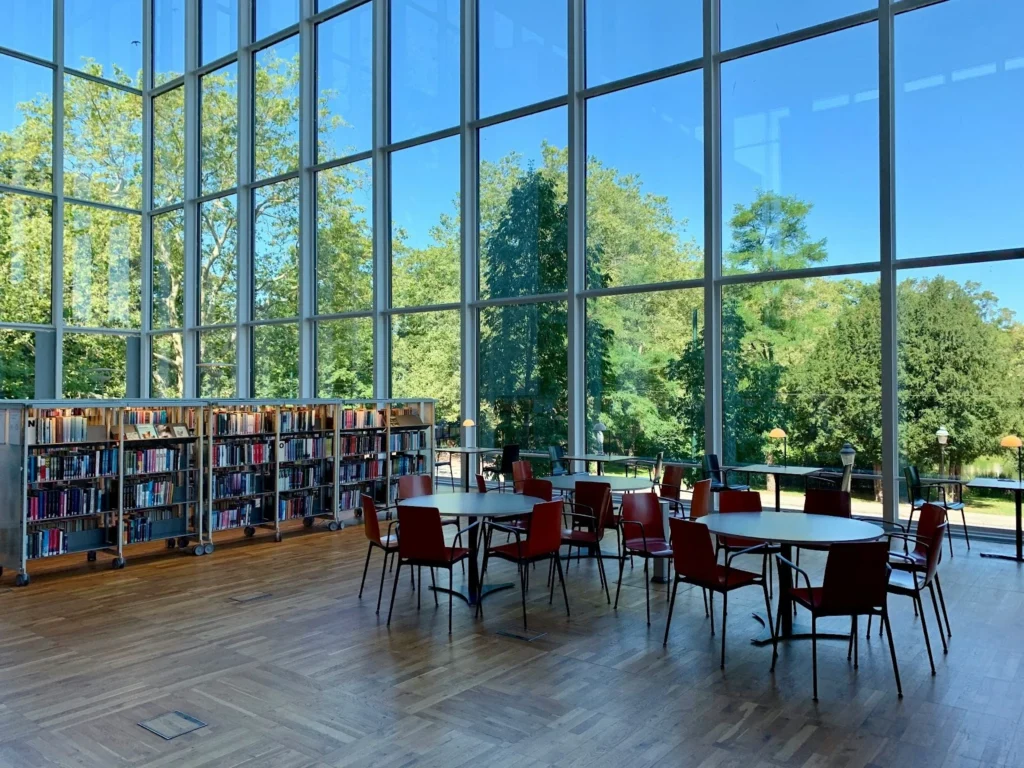
If your school is refining its emergency preparedness plans, upgrading to unbreakable security glass should be one of your top considerations. Reinforcing school windows and doors with impact-resistant glazing protects students and staff from forced entry attempts, natural disasters, and other emergencies.
If your school or district is looking for ways to strengthen its emergency preparedness, Riot Glass can help.
Riot Glass offers comprehensive security glazing solutions designed to help schools enhance their safety measures without compromising the learning environment. With cost-effective installation options and superior protection, Riot Glass is a trusted choice for school districts looking to improve their emergency planning strategies.
Contact us today to learn how our virtually unbreakable glass solutions can improve your school’s emergency planning.
Hospitals are places of healing, but they’re also becoming increasingly violent. Hospital staff frequently receive threats and even face physical attacks, giving rise to the need for stronger security measures to protect them.
Impact-resistant hospital security windows, often made from polycarbonate-based security glazing, have become an essential solution for protecting healthcare workers, visitors, and patients alike.
Recent years have seen an alarming rise in violence against healthcare workers. According to a report from the Bureau of Labor Statistics, healthcare professionals are five times more likely to experience workplace violence than employees in all other industries.
The COVID-19 pandemic further exacerbated the situation, with staff facing increased aggression due to patient frustration, staffing shortages, and social tensions.
A survey by National Nurses United found that nearly half of registered nurses reported an increase in workplace violence, with many nurses experiencing physical or verbal assaults from patients or visitors.
The reasons for this surge in violence are multifaceted, ranging from patient confusion about their medical conditions to grief over the loss of loved ones, mental health disorders, and frustration over long wait times.
Hospitals, being public spaces where individuals from all walks of life converge, are prime targets for such outbursts. Aggravating factors include 24-hour access and the handling of mentally ill, intoxicated, and potentially criminal patients.
Emergency departments are particularly vulnerable — the combination of high stress and potentially volatile situations leads to escalated violence. The consequences are severe, with staff facing physical injury, emotional trauma, and the disruption of patient care.
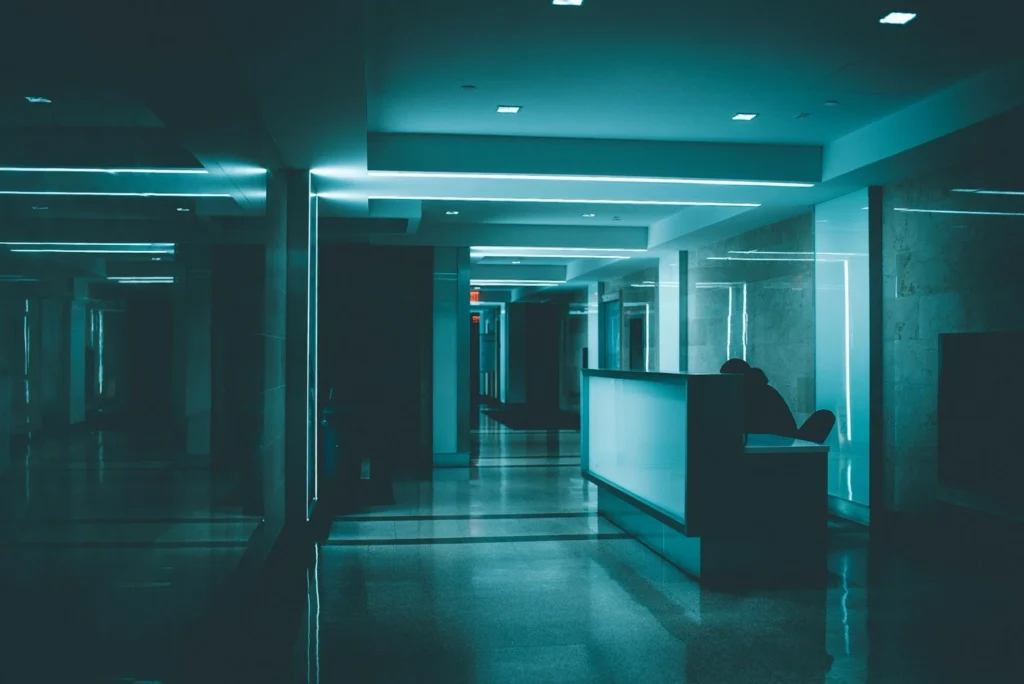
In light of these growing concerns, the Occupational Safety and Health Administration (OSHA) has issued guidelines to help healthcare facilities improve safety and reduce risks.
One key element in the OSHA guidelines is the installation of physical barriers in certain areas where employees are in close proximity to patients or visitors.
These barriers are necessary for any fixed work location outside of direct patient care areas and resident rooms, including entryways, lobbies, check-in desks, triage areas, hospital pharmacy windows, and bill payment counters.
OSHA mandates that these barriers must block face-to-face pathways between individuals, particularly where employees cannot maintain a minimum of 6 feet of distance. The barriers must also be easy to clean, ensuring hygiene standards are met. They may have pass-through windows incorporated for easy transactions.
While the guidelines for hospital security windows offer some flexibility, they emphasize the importance of these barriers in preventing violent encounters in high-traffic areas.
Impact-resistant riot glass is an ideal solution for hospitals looking to improve safety and security while maintaining a welcoming, professional environment.
Riot Glass is designed to withstand physical impact and provide a high level of protection against aggressive individuals. It is commonly used in areas where violent behavior is more likely to occur, such as emergency rooms, pharmacies, and reception desks.
In addition to its ability to resist physical damage, Riot Glass boosts security without reducing visibility, ensuring that staff members can monitor patient and visitor activity without compromising their own safety.
Hospitals are diverse environments, and the application of Riot Glass should be tailored to the specific needs of each facility. Here are some key areas where Riot Glass barriers can make a significant difference:
Emergency rooms are high-stress zones where patients and their families are often dealing with trauma, injury, or anxiety. This environment can lead to aggression directed at healthcare workers.
Installing Riot Glass at emergency room check-in desks and triage areas can help protect staff members from potentially violent outbursts.
Creating physical barriers in these key areas of hospitals can reduce the risk of attacks and ensure that staff can focus on providing emergency care, rather than managing disruptive behaviors.
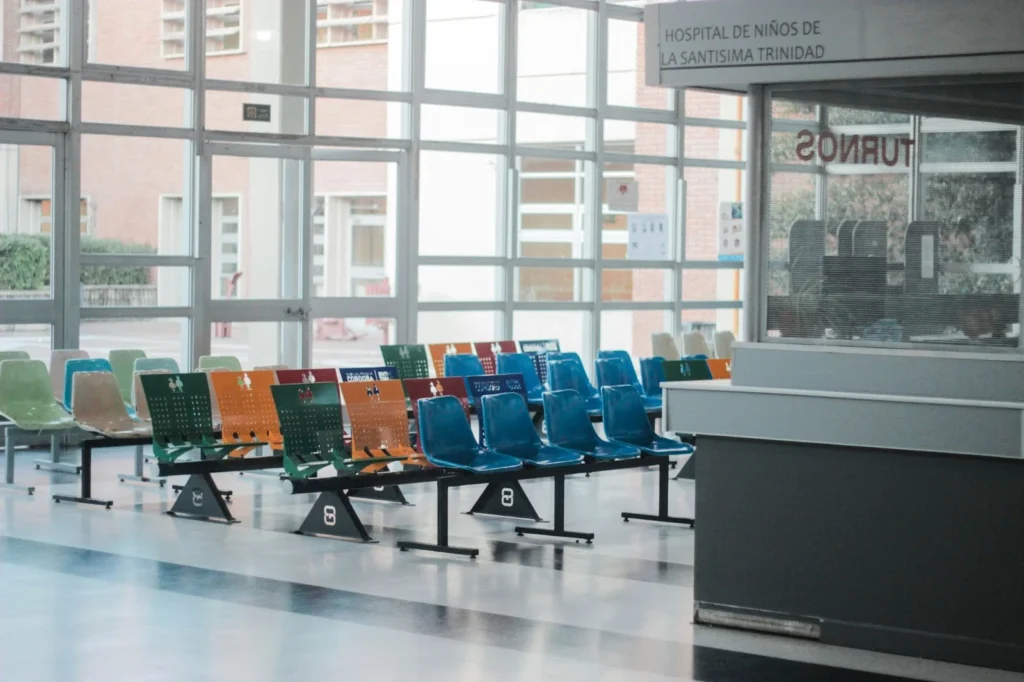
Hospital pharmacies handle sensitive medications and patient prescriptions, making them prime targets for aggressive behavior.
The pressure of waiting for prescriptions, combined with the frustration of medical procedures, can result in angry patients or visitors. There’s also the risk of individuals with addictions attempting to steal prescription drugs.
Implementing impact-resistant glazing for pharmacy windows can protect staff while maintaining clear communication with patients.
The first point of contact in a hospital is often the reception desk, where patients and visitors may be frustrated or anxious.
Providing a barrier between front-line staff and the public is crucial in preventing verbal or physical assaults.
Riot Glass can be installed in these areas to ensure that workers are protected from harm while still being able to interact with visitors and patients.
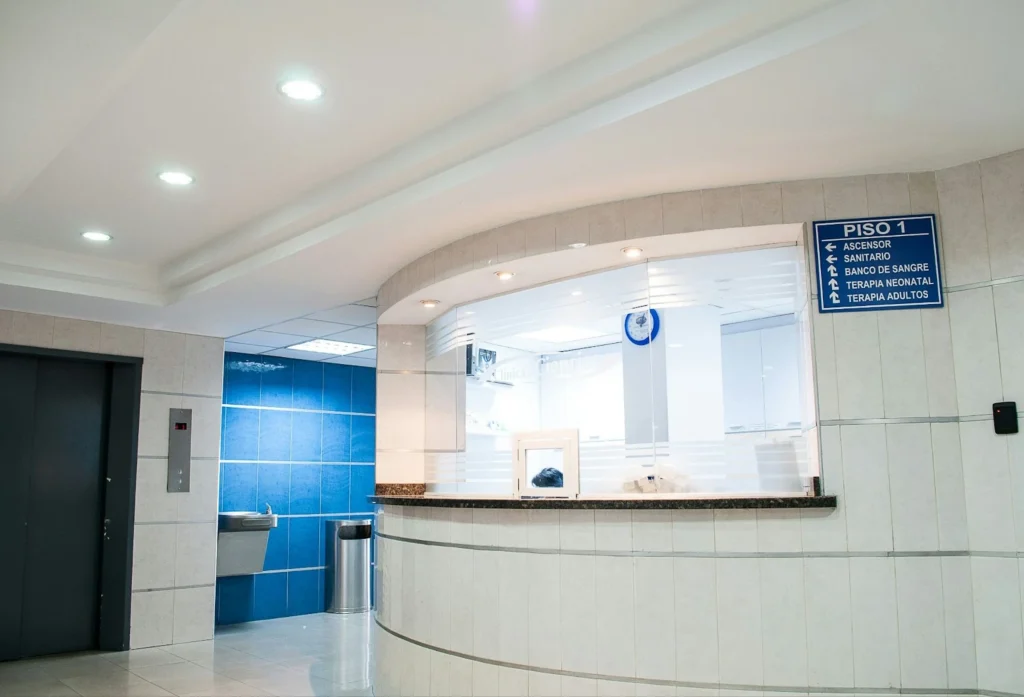
Large hospital waiting areas can become chaotic, particularly in cases of long wait times or perceived neglect.
In these spaces, Riot Glass barriers can create a safe distance between visitors and staff. This allows hospital employees to manage situations effectively, de-escalating potential conflicts before they can escalate into violence.
The installation of Riot Glass in hospitals offers several advantages that go beyond mere physical protection:
As violence against healthcare workers continues to rise, hospitals must adopt comprehensive strategies to protect their staff and patients. Impact-resistant Riot Glass is a vital component of these strategies, providing an effective and durable solution for high-risk areas.
Installing Riot Glass hospital security window barriers at key locations, including emergency rooms, pharmacies, reception desks, and waiting areas, helps hospitals create a safer environment for healthcare workers and visitors alike.
Riot Glass offers a proven solution that mitigates risks, prevents violence, and allows healthcare workers to focus on what matters most — providing exceptional care.
Contact us today for more information or to get started with a hospital security glazing retrofit.
Churches are places of worship, community, and refuge — but they’re not immune to security threats.
From vandalism and break-ins to more serious active threats, including targeted acts of violence, religious facilities face many of the same security risks as other types of commercial properties. That’s why these institutions must take proactive steps to improve security in churches, protecting their congregations and facilities from harm.
Fortunately, churches can implement several tried-and-true security measures to improve safety and security without compromising the welcoming atmosphere that makes them special.
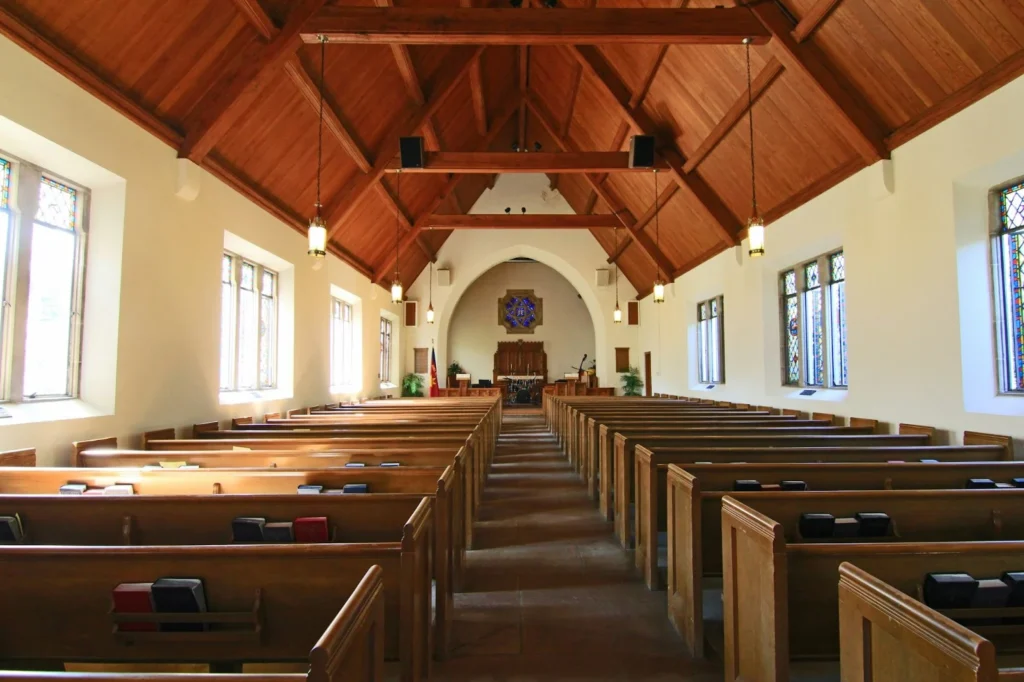
The first step in improving security in churches is identifying potential risks and vulnerabilities. Common security concerns include:
A thorough security assessment can help church leaders determine the most effective solutions to address these concerns.
One of the most effective ways to improve security in churches is reinforcing doors and windows with Riot Glass security glazing.
Standard glass is highly vulnerable to forced entry, vandalism, and even ballistic threats. Upgrading to security glazing provides multiple benefits when it comes to protecting churches against such threats.

Churches can potentially be targeted for burglaries because they often house valuable equipment, donation boxes, and even historical artifacts. Standard window and door glass can be shattered in seconds, granting intruders quick access.
Riot Glass security glazing is impact-resistant and designed to withstand repeated blows from tools like hammers and crowbars, turning a church's doors and windows into barriers against forced entry that significantly delay or completely prevent entry.
Additionally, Riot Glass security glazing can be retrofitted into or onto many existing doors and windows using proprietary framing adapters, eliminating the need for costly and disruptive glass replacement. The barriers cover the existing glass, protecting it from impacts and breakage, all without reducing natural light transmission or visibility.
Unfortunately, churches can also be targeted for vandalism, whether due to ideological reasons or random acts of destruction.
Riot Glass acts as a protective shield against graffiti, thrown objects, and other forms of damage, keeping the church’s exterior intact and reducing repair costs. This can be particularly beneficial for churches with historic value, as Riot Glass can protect heritage window and door glass from irreversible damage.
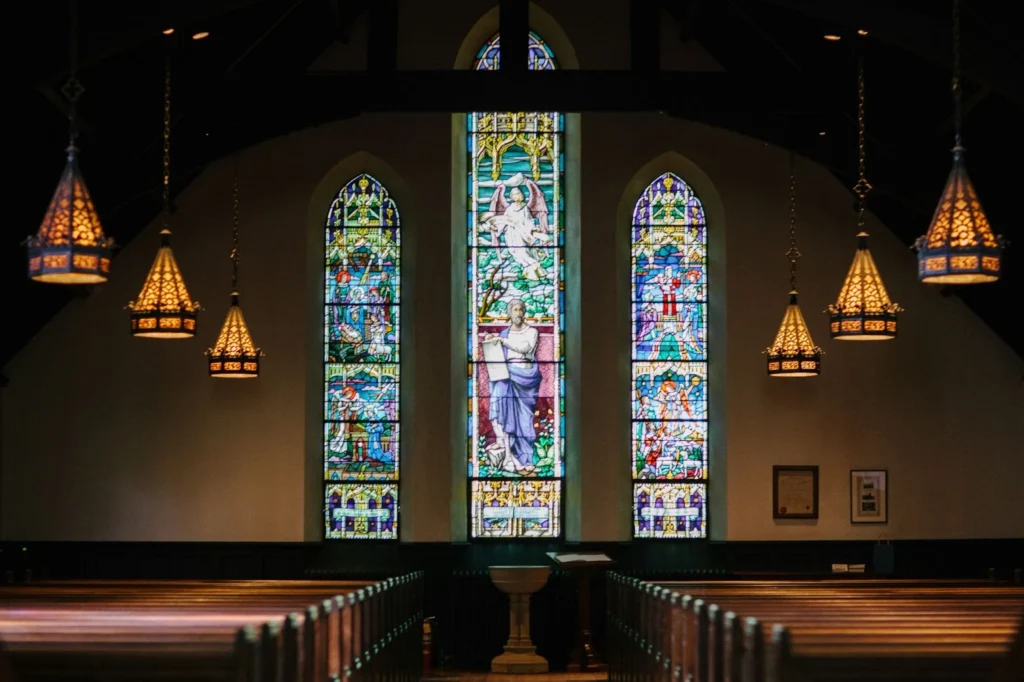
Riot Glass J Series compression fit sub-framing is an ideal option for such historic churches. This non-invasive security framing system can be used to retrofit Riot Glass glazing into a building’s windows without drilling into the surrounding structure, thus preserving the original architecture.
In the event of a worst-case active threat scenario, ballistic-grade Riot Glass can provide an additional layer of security in churches.
Bullet-resistant Riot Glass can withstand gunfire, stopping bullets from specific types of firearms and giving congregants and staff critical seconds to take cover.
Most importantly, even if penetrated with bullets, Riot Glass doesn’t shatter. It remains a barrier to forced entry, preventing an attacker from breaking the glass to open a door from the inside. This protects church occupants and allows law enforcement time to respond and neutralize the threat.
Installing bullet-resistant security glass in key areas, such as entryway doors and sanctuary windows, can be a lifesaving measure in churches.
While upgrading windows and doors with Riot Glass is an essential step, churches should implement other security measures for comprehensive protection.
Restricting entry points is a simple but effective way to enhance security in churches. Consider:
Security cameras act as both a deterrent and an investigative tool. Positioning cameras at entrances, in parking lots, and in high-traffic areas helps identify suspicious activity and aids in prosecution for acts of vandalism or break-in attempts.
Pairing cameras with a modern alarm system that notifies authorities of break-ins or other emergencies further strengthens security.
Churches should establish and regularly practice emergency response plans for potential security threats. This includes:
A well-lit property discourages criminal activity. Churches can improve security by installing:
Balancing security in churches with their mission of being open and welcoming is challenging but crucial.
By investing in long-term, cost-effective solutions like Riot Glass and additional protective measures, churches can create a safe environment without compromising their sense of community.
Taking proactive steps now ensures that church members can gather, worship, and find peace knowing their place of worship is secure.
Ready to get started? Contact Riot Glass today for a free consultation.
ASTM test standards play a crucial role in ensuring the safety, durability, and performance of materials and products across numerous industries.
These internationally recognized standards provide manufacturers with clear guidelines for testing and certification, helping them meet regulatory requirements and gain consumer trust.
In the security glazing industry, ASTM testing is especially important for verifying the effectiveness of products like Riot Glass against forced entry and other threats.
ASTM International, formerly known as the American Society for Testing and Materials, is a globally recognized organization that develops and publishes voluntary consensus standards for a wide range of industries.
These standards help ensure the quality, safety, and performance of materials, products, systems, and services across multiple sectors, including construction, manufacturing, transportation, and consumer goods.
With a catalog of over 12,000 test standards, ASTM plays a crucial role in defining the specifications and testing methods used to evaluate materials such as metals, plastics, textiles, and coatings. These tests assess properties like durability, strength, resistance to environmental factors, and overall reliability.
Achieving ASTM certification signifies that a material or product has undergone rigorous testing and meets the industry’s highest standards. This not only ensures compliance with regulatory requirements but also provides manufacturers with a competitive advantage, as ASTM-compliant products are recognized and trusted globally.
Passing an ASTM test standard requires rigorous evaluation to ensure a material or product meets the necessary performance criteria. The process typically involves several key steps:
Each ASTM standard outlines specific testing protocols, performance benchmarks, and acceptable tolerances for a given material or product. Manufacturers must first determine which standard applies to their product and understand the testing requirements.
ASTM standards are tested in accredited laboratories using controlled conditions to ensure accurate and repeatable results. Depending on the standard, tests may measure factors such as:
To pass an ASTM test, a material or product must meet the minimum requirements set by the standard. Failing to meet any critical parameter means the product does not receive ASTM certification and may require modifications before retesting.
Passing an ASTM test once is not always enough. Many industries require ongoing testing and quality control to ensure continued compliance. Manufacturers often integrate ASTM standards into their production processes to maintain consistency and reliability.
Achieving ASTM certification demonstrates a commitment to quality, safety, and industry best practices. This not only builds trust with customers but also ensures compliance with regulatory agencies and international trade requirements.
ASTM testing is essential in the security industry. It’s frequently used to test products such as security glazing, including Riot Glass.
There are various ASTM test standards designed to determine how well a material or system can stand up to serious security threats, such as prolonged forced entry attempts carried out by multiple attackers or a post-ballistic-attack forced entry attempt. These tests are used to certify products like Riot Glass for use in high-risk facilities, from government buildings to schools.
Below we’ll go over two of the most important ASTM tests that Riot Glass has passed:
The ASTM F3561 standard tests the forced entry resistance of fenestration systems (i.e., windows and doors) after a simulated active shooter attack.
This testing method simulates what would be likely to happen in a real-life active threat scenario — an attacker shooting at a building’s windows or doors to weaken them and attempt to force entry.
It’s important to note that this is not a ballistic resistance test, but rather a test to determine whether or not a ballistic attack followed by an attempt to break through the glass could allow an attacker to create an opening large enough to pass an arm through.
In an active threat scenario, if an attacker can pass an arm through a compromised pane of glass, they can often open a door from the inside by using its emergency egress mechanism or by manipulating its lock.
Passing the ASTM F3561 test standards means that the glazing material does not give way even after being penetrated by bullets and impacted by blunt objects or tools. In other words, it remains a barrier to forced entry, providing potentially life-saving access denial during an active threat scenario.
The ASTM F3038 standard is another important forced entry testing standard that simulates a prolonged attack carried out by a group of assailants — six, to be precise.
This is a timed forced entry test designed to determine if a system can withstand a forced entry attempt carried out by an angry mob of rioters using readily available implements, such as sledgehammers, bats, crowbars, and other hand tools.
If the group of attackers cannot force entry through the material within the specified time frame, it passes the test and is certified for use in high-risk facilities.
Systems and products that pass this test are particularly beneficial for government buildings, as they are high-profile targets during civil unrest and rioting. In fact, ASTM F3038 testing is the equivalent of the US State Department’s own forced entry testing standard.
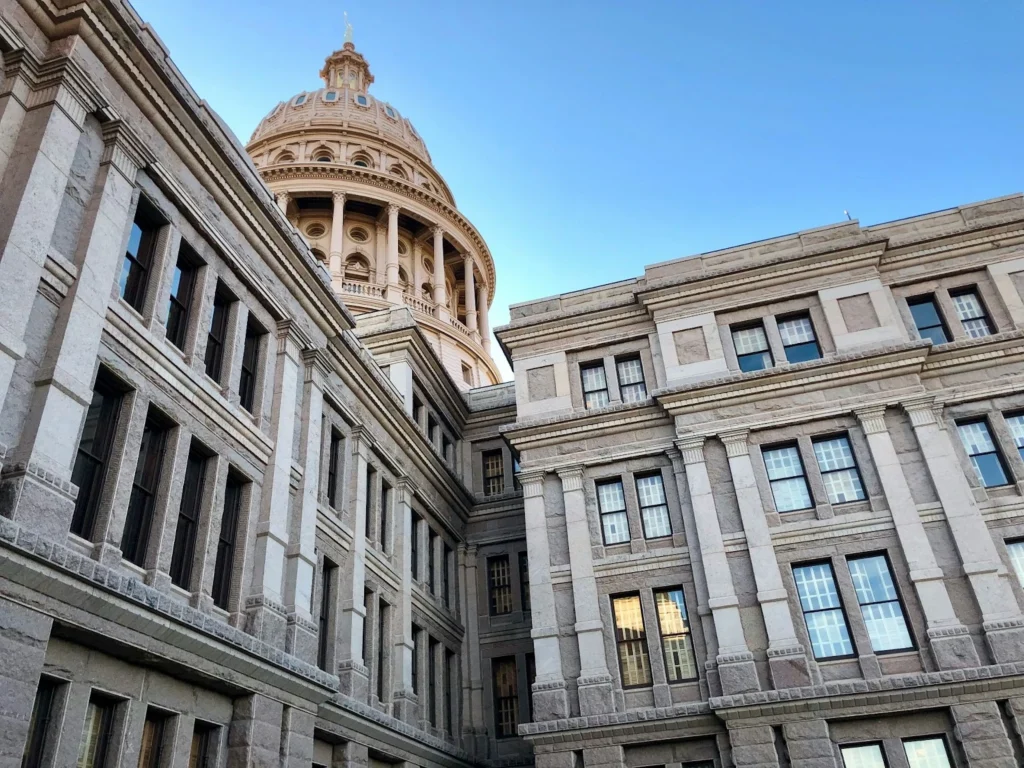
ASTM test standards serve as a benchmark for quality and reliability, giving manufacturers and consumers confidence in the performance of certified products.
In the security industry, passing rigorous ASTM tests demonstrates a product’s ability to withstand real-world threats, from forced entry attempts to active shooter scenarios.
By meeting these high standards, Riot Glass continues to provide industry-leading protection for buildings in high-risk environments.
Ready to secure your facility with ASTM-certified security glazing solutions? Contact us today for a consultation!