
Businesses and facilities of all types face a growing range of complex security threats, from burglary and vandalism to natural disasters and active threat scenarios. As such, ensuring the safety and security of commercial properties is a top concern across industries.
Physical security is the first line of defense against these threats, providing business and property owners with the tools they need to protect people and assets from harm, theft, and damage.
In this article, we’ll explore the fundamentals of physical security, its importance in various commercial settings, and the most effective measures you can implement to safeguard your property.
Physical security refers to the strategies, tools, and technologies used to protect people, property, and assets from physical threats. Unlike cybersecurity, which focuses on protecting digital information, physical security aims to prevent unauthorized access, damage, or destruction in the real world.
Common physical security measures include:
Together, these measures create a comprehensive approach to security, minimizing risks and ensuring the safety of employees, customers, and valuable assets.
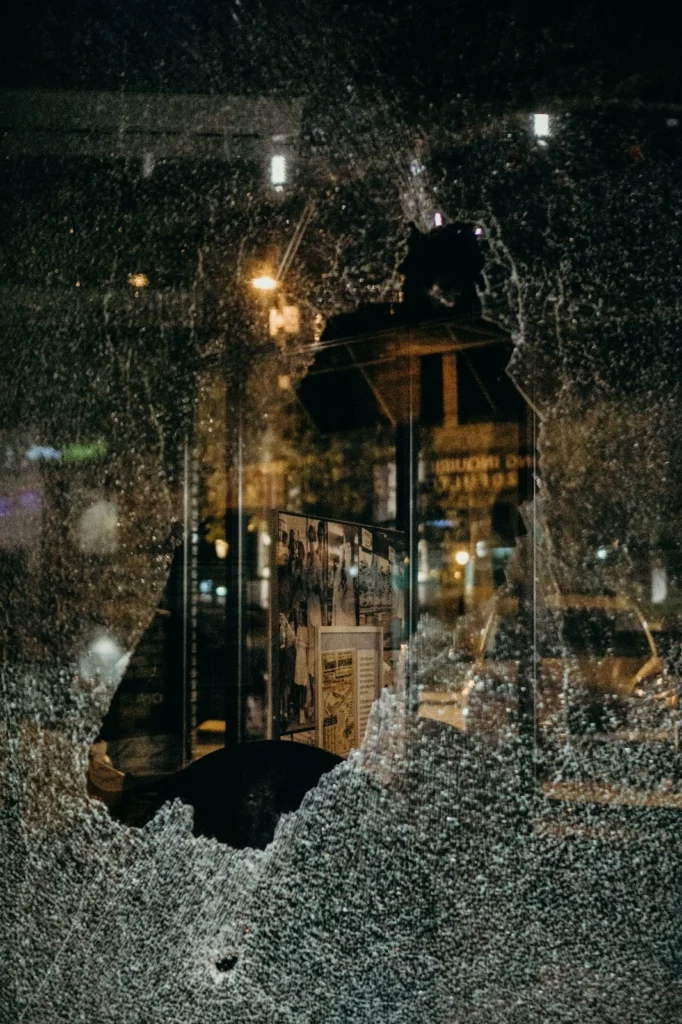
Commercial facilities face a broad spectrum of security threats. Whether you operate a retail store, office building, warehouse, healthcare facility, or anything in between, your property may be vulnerable to one or more of the following:
Physical security measures address these challenges by creating robust layers of defense. For example, ballistic-grade security glazing can protect against both forced entry and gunfire, while perimeter barriers help prevent vehicles from being used in attacks.
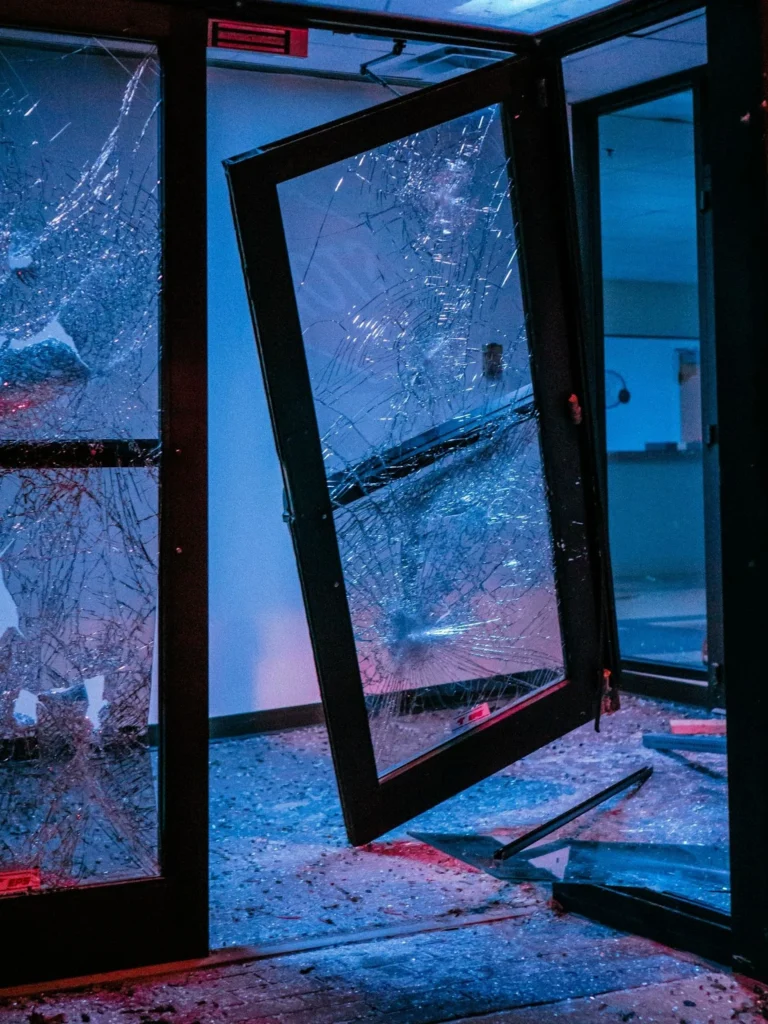
Determining the right physical security measures for your property starts with a thorough threat assessment. This process identifies vulnerabilities in your current security setup and highlights areas where improvements are needed.
A professional threat assessment will consider factors such as:
Key physical security measures to consider include:
One of the most effective ways to secure your property is by reinforcing its most vulnerable points: windows and doors.
Security glazing, such as Riot Glass, can provide:
Implementing advanced access control systems helps ensure that only authorized personnel can enter restricted areas. These systems can be tailored to your facility’s needs, ranging from simple keypads to sophisticated biometric readers.
A well-designed surveillance system acts as both a deterrent and a tool for responding to and investigating incidents. Modern cameras offer features like high-resolution imaging, night vision, and remote monitoring capabilities.
Fencing, bollards, and other physical barriers protect the outer boundaries of your property, keeping intruders at bay and reducing the risk of vehicle-based threats.
Intrusion detection systems alert you immediately if unauthorized access is attempted. Pairing alarms with motion sensors, glass break detectors, and door contacts enhances the effectiveness of your overall security strategy.
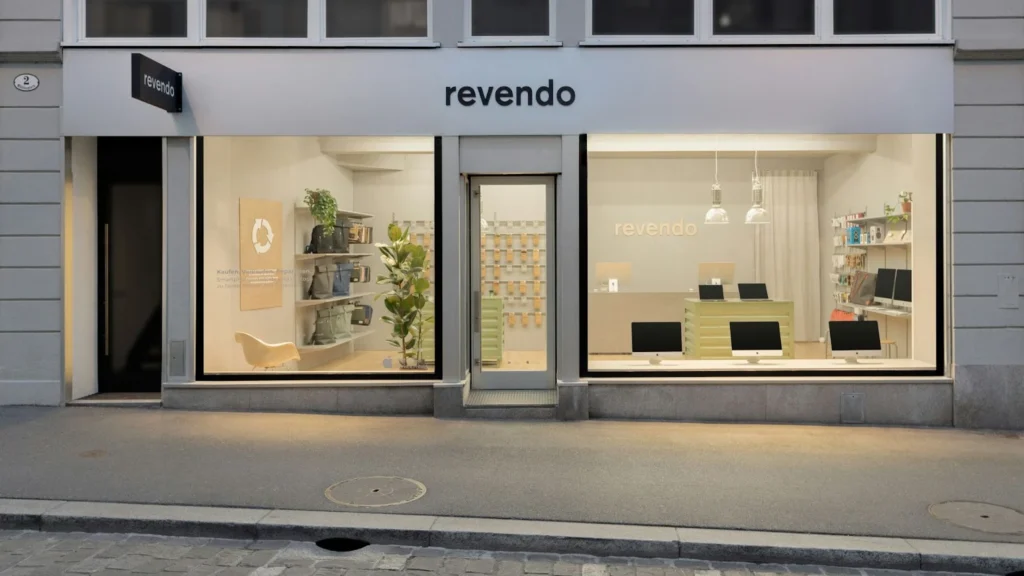
To illustrate how physical security measures work together in real-life scenarios, let’s consider a hypothetical forced entry attempt at a retail store located in a high-traffic commercial district.
The Situation:
Late one night, a group of burglars targets the store, aiming for a smash-and-grab theft. Their plan involves using crowbars and hammers to smash through the front doors, allowing them to quickly grab high-value electronics displayed near the entrance.
Outer Layer – Perimeter Security:
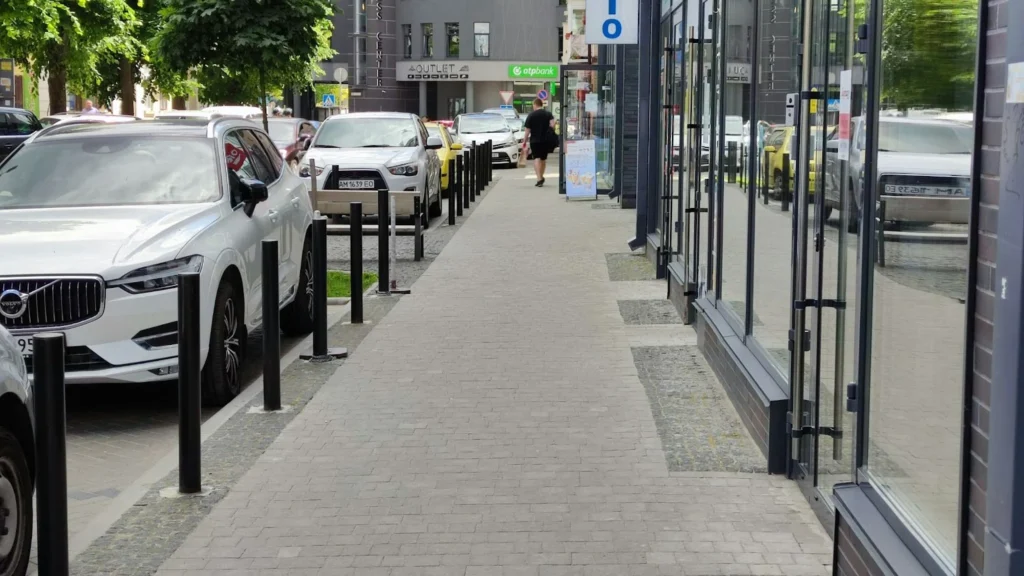
As the burglars approach, they encounter sturdy bollards installed along the storefront. These bollards prevent their getaway vehicle from being driven directly up to the building, preventing them from using a vehicle as a ram and forcing them to park farther away, increasing their risk of being seen.
Middle Layer – Security Glazing:
The burglars attempt to break the glass doors with their tools. However, the doors are equipped with ArmorPlast, a forced entry-resistant glazing system. Despite multiple strikes, the burglars are unable to breach the glass. This delay frustrates them and gives the store’s alarm system time to activate.
Inner Layer – Alarm Systems and Surveillance Cameras:
The moment the burglars attempt to tamper with the door, sensors integrated into the security system trigger a loud alarm and send an alert to the store’s security monitoring company. High-definition surveillance cameras capture clear footage of the burglars, providing valuable evidence for law enforcement.
Additional Measures – Access Control and Security Personnel:
The store’s access control system ensures that even if the burglars manage to enter, they cannot access the secure stockroom where the most valuable items are stored. Additionally, the monitoring company dispatches security personnel to the scene, who arrive just as the burglars decide to abandon their attempt.
The Outcome:
Thanks to the store’s layered physical security approach, the burglars fail to gain entry and leave empty-handed. The bollards, security glazing, and alarm system worked together to deter, delay, and respond to the threat effectively. The surveillance footage also aids in identifying the perpetrators, increasing the likelihood of their apprehension.
This hypothetical case study demonstrates how investing in robust physical security measures not only protects property and assets but also minimizes the risk of costly damages and downtime.
By combining perimeter defenses, advanced security glazing, and technology-driven solutions, businesses can significantly harden their physical security against highly determined attackers.
Physical security is a critical component of protecting commercial properties from a wide range of threats. By investing in measures like security glazing, access control systems, and surveillance cameras, businesses and facilities can significantly increase their safety and security.
The best way to secure your property is to start with a threat assessment, identifying vulnerabilities and tailoring solutions to address them.
With the right physical security measures in place, you can create a safer environment for everyone who walks through your doors and safeguard your business from harm.
If you’re ready to take your commercial property’s security to the next level, contact Riot Glass today to learn more about our industry-leading solutions.
Flash robberies are quickly becoming one of the most serious retail crime threats, sweeping through cities and leaving retailers reeling in their wake.
These coordinated, brazen attacks can result in significant financial loss, property damage, and emotional tolls on business owners, employees, and customers alike.
Fortunately, there are proactive steps you can take to protect your business from this growing menace.
Flash robberies, also known as flash mob robberies or simply flash robs, are a type of smash-and-grab theft that involve large groups of thieves working together to target a business and steal as much as possible in a short amount of time.
These incidents can occur during business hours, when thieves swarm and overwhelm staff, customers, and even security personnel, or after hours when they break into locked storefronts.
Regardless of when they occur, the hallmark of flash robberies is their speed and coordination. The thieves aim to strike quickly, grabbing valuable items and fleeing the scene before law enforcement has time to respond. This efficiency often leaves businesses feeling helpless, as traditional security measures like cameras, alarms, and even on-site security guards fail to deter these bold criminals.
Thieves involved in flash robberies often plan their attacks meticulously. They may scout locations in advance, identifying vulnerable points such as easily accessible display windows or unlocked storage areas.
On the day of the crime, they arrive in groups, often numbering as between 10 and 20 people, but sometimes in the dozens. This sheer volume allows them to overwhelm anyone who might try to intervene.
During business hours, they rely on speed and intimidation, creating chaos to distract employees and customers while they grab high-value items. After hours, they typically smash through windows or doors to gain entry, often ignoring alarms in their rush to take what they came for.
Flash robberies are not random. Criminals often target businesses with high-value, easily transportable goods. Some of the most frequent targets include:

While flash robberies may seem overwhelming, there are several effective strategies that can significantly reduce your vulnerability. The key is to focus on physical security, inventory management, and visible deterrents to make your business a less appealing target.
The first line of defense for any business is its exterior. Vulnerable doors and windows are the primary points of entry for flash robberies, making them critical areas to secure. Standard storefront glass is easily shattered, providing little to no resistance against determined thieves.
Upgrading to security glazing, such as Riot Glass or ArmorPlast, can make a significant difference. These advanced glazing solutions are designed to resist shattering and forced entry, creating a barrier that thieves cannot easily penetrate.
Protecting your merchandise doesn’t stop at the storefront. Inside the store, durable, lockable display cases provide a second layer of defense. These cases make it more difficult for thieves to grab items quickly, slowing them down and potentially causing them to abandon their attempts altogether.
For businesses that display high-value items, such as jewelry or electronics, investing in secure cases is a must. Consider options made from shatter-resistant materials and equipped with strong locking mechanisms to provide the maximum level of protection.
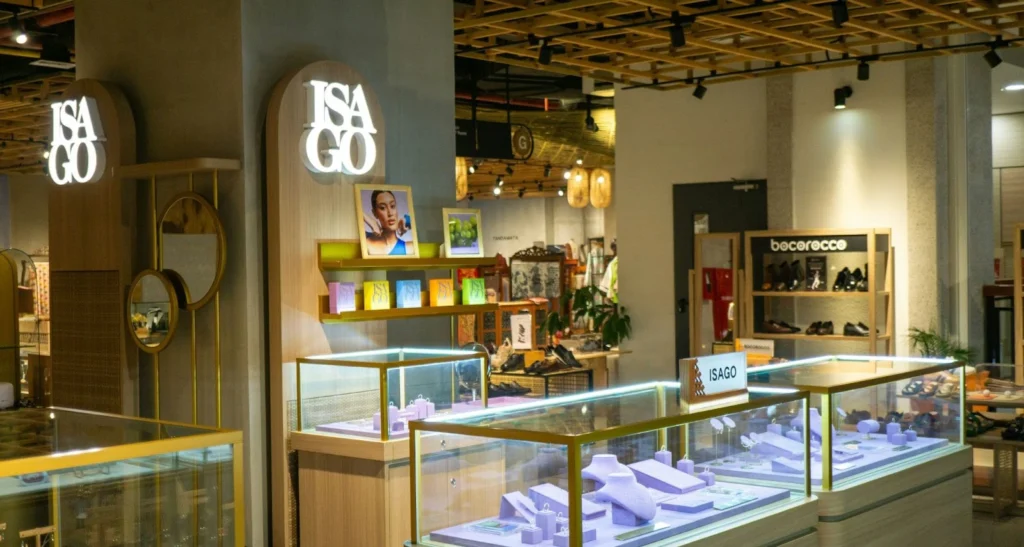
For businesses that close overnight, it’s essential to limit access to high-value items during non-operating hours. Storing merchandise in a secure vault or backroom ensures that even if thieves gain entry to the store, they cannot easily access your most valuable inventory.
This strategy, combined with storefront security measures, creates a layered defense. Even if thieves break through an exterior barrier, they will find themselves unable to reach the items they’re after.
The placement of your merchandise can play a crucial role in reducing the risk of theft. Avoid positioning expensive items near doors or windows where they are easily visible and accessible. Instead, place them deeper within the store, requiring more effort for thieves to reach them.
This simple change can act as a deterrent, as thieves often prioritize locations where they can get in and out quickly. By making your high-value items less accessible, you make your business a less attractive target.
Taking proactive steps to protect your business against flash robberies is not just about preventing financial loss; it’s also about creating a safe environment for your employees and customers.
Businesses that are seen as secure and well-protected are less likely to be targeted in the first place, allowing you to operate with peace of mind, preventing potential trauma to employees and customers, and protecting your brand’s reputation.
Flash robberies are a growing threat that businesses cannot afford to ignore. However, by implementing the right strategies, you can significantly reduce your risk profile.
From fortifying your storefront with Riot Glass or ArmorPlast to using secure display cases and optimizing inventory placement, these measures work together to create a robust defense against theft.
Remember, the goal is to make your business as difficult a target as possible. Criminals seek out vulnerabilities, and by addressing these weak points, you can deter them from even attempting to strike.
Act now to protect your business and peace of mind. Contact Riot Glass today to learn how our security solutions can keep you ahead of this growing threat.
Windows play a critical role in the performance, security, and comfort of any commercial property. However, not all windows are designed to meet modern demands for energy efficiency, safety, impact resistance, noise reduction, and other window performance factors.
Secondary glazing offers an effective solution for improving the performance of existing commercial windows without the need for full replacement. By adding additional glazing to a building’s windows, you can achieve a range of long-term benefits without breaking the bank.
Secondary glazing is the process of installing an additional pane of glass or glass-like glazing material inside an existing window frame. This creates a second barrier, effectively converting a single-glazed window into a double-glazed system or boosting the performance of already double-glazed windows.
Unlike full window replacements, secondary glazing is a retrofit solution, designed to work with the existing window infrastructure.
The additional pane is typically mounted on a discreet retrofittable frame, which can be fixed on top of (overglazed) or behind (backglazed) the existing glazing, allowing the window to retain its original appearance and functionality.
Secondary glazing is especially popular in commercial properties where aesthetic, structural, or budgetary limitations make full window replacements impractical. Its versatility makes secondary glazing an ideal option for historic buildings, offices, retail spaces, and industrial facilities.
Commercial properties face a range of complex security challenges, from forced entry and burglary attempts to vandalism. Secondary glazing provides an added layer of protection from these threats, making windows significantly harder to breach.
Adding an extra pane of forced entry-resistant security glazing on top of an existing window enables it to withstand high-force impacts, such as those from heavy thrown objects or tools commonly used in forced entry attempts.
For businesses that store valuable inventory, sensitive data, or expensive equipment, this increased security provided by secondary glazing is invaluable, offering peace of mind to property owners and tenants alike and eliminating the need for expensive repairs and insurance claims.
Energy efficiency is a top priority for commercial property managers looking to reduce operational costs and make their properties more modern and environmentally friendly.
Windows are often one of the weakest points in a building’s thermal envelope, allowing heat to escape during winter and enter during summer. Secondary glazing helps to combat this by creating an insulating air gap between the original window and the added pane.
This added insulation reduces heat transfer, keeping indoor temperatures more consistent and easing the workload on HVAC systems. Over time, businesses can see significant savings on utility bills, making secondary glazing a cost-effective investment.
Additionally, secondary glazing can contribute to a building’s sustainability goals, helping businesses meet energy efficiency standards and certifications.
In bustling commercial areas, noise pollution is a common concern. Whether it’s the sound of traffic, construction, or nearby businesses, excessive noise can disrupt daily operations and lower employee productivity.
Secondary glazing acts as an effective noise barrier, reducing sound transmission through windows. The air gap between the two panes dampens vibrations and minimizes the intrusion of external noise.
For offices, healthcare facilities, retail stores, and hospitality businesses, this creates a quieter, more comfortable environment, improving the quality of operations and boosting productivity.
One of the most compelling reasons to invest in secondary glazing is the potential for cost savings.
Improved energy efficiency leads to lower heating and cooling bills, while increased security reduces the risk of expensive property damage and theft. For businesses located in high-crime areas or in high-risk industries, this added protection can even help lower insurance premiums, further offsetting the initial investment.
Additionally, secondary glazing is more affordable than full window replacement. This makes it a practical option for property owners who want to improve window performance without the significant upfront costs associated with totally new windows.
Secondary glazing doesn’t just make a commercial property more secure and energy-efficient — it also creates a more comfortable indoor environment. By reducing cold and hot spots, stabilizing indoor temperatures, and minimizing noise, secondary glazing improves the overall experience for building occupants.
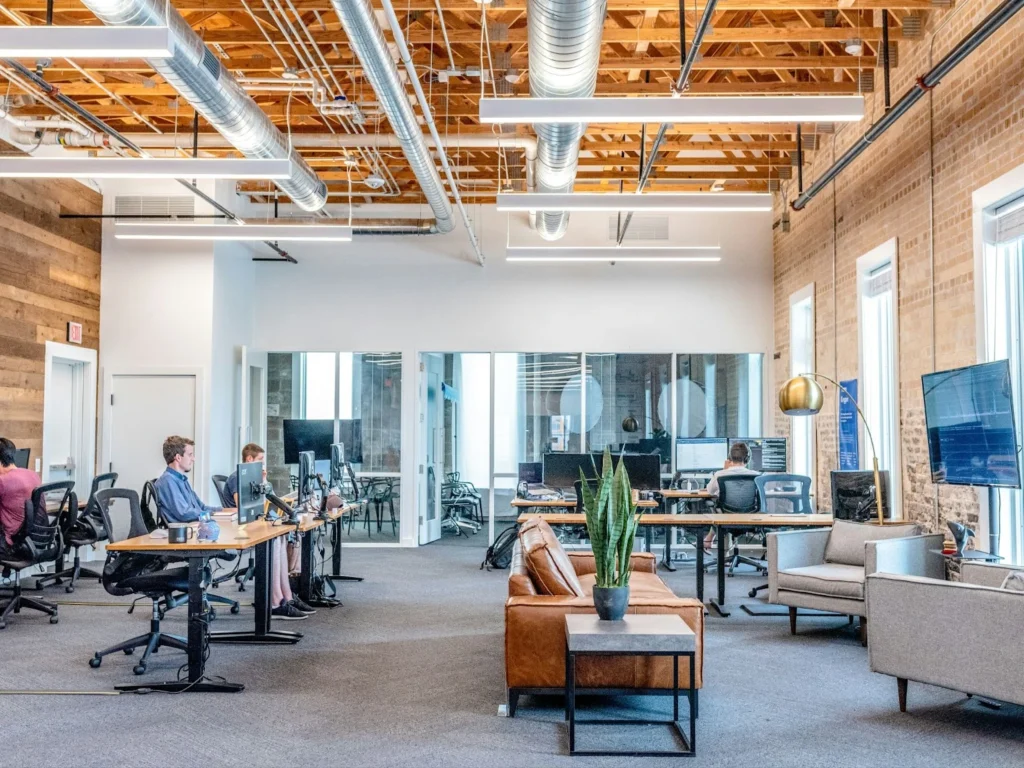
For office environments, this can lead to increased employee productivity and satisfaction. In retail storefronts, improved comfort can contribute to a more inviting shopping experience, encouraging customers to stay longer and make more purchases. The benefits also extend to any commercial setting where indoor comfort is a priority.
Finally, secondary glazing provides peace of mind for property owners and managers. Knowing that your windows are secure, energy-efficient, and soundproofed can reduce stress and allow you to focus on other aspects of business operations.
Secondary glazing is a versatile and cost-effective solution for commercial properties looking to optimize window performance.
Whether you’re seeking to improve security, boost energy efficiency, or create a quieter indoor environment, secondary glazing delivers measurable benefits that make it a worthwhile investment.
By retrofitting existing windows with additional glazing, businesses can save money, increase property value, and achieve greater peace of mind.
If you’re considering upgrading your commercial property, secondary glazing is a practical choice that pays dividends in security, comfort, and long-term cost savings.
For more information about secondary glazing solutions tailored to your commercial needs, contact Riot Glass today.
Modern businesses face more complex security threats than ever, with the potential for devastating losses if they don’t implement the right measures to protect themselves from damage and theft.
As we move into 2025, there’s one solution that’s clearly a top 2025 security trend: the use of bullet-resistant security glazing for businesses’ storefront doors and windows.
Business owners across industries are increasingly turning to this robust glazing technology to protect their storefronts, assets, and employees. Let’s take a closer look at why.

The answer to this question lies in ballistic-grade glazing’s incredibly high impact resistance, which makes it an invaluable solution for businesses looking to mitigate costs and other risks associated with theft, vandalism, and other security threats.
Bullet-resistant glazing is not strictly designed to stop bullets — it’s built to keep bad guys out, remaining a barrier to forced entry even if penetrated by ballistic rounds. This extremely robust glazing is capable of withstanding a variety of physical attacks, including blows from heavy objects and even forced entry attempts using power tools.
Because of its strength and utility, ballistic-grade glazing is ideal for securing any business’s windows and doors, keeping would-be intruders out and preventing extensive property damage.
For businesses plagued by recurring incidents of break-ins or property damage, bullet-resistant glazing offers a long-term solution, ending the cycle of costly repairs and lost revenue while providing peace of mind to business owners, employees, and customers.
Smash-and-grab incidents continue to be on the rise, making this type of crime one of the most pressing concerns for retailers and other businesses with valuable merchandise on display.
Criminals often target glass storefronts because they’re easy to breach, allowing for quick thefts with minimal risk of getting caught. However, bullet-resistant glazing prevents glass storefronts from falling victim to smash-and-grabs, which is why it's one of the top 2025 security trends.
Unlike standard commercial tempered glass, ballistic-grade glazing is engineered to withstand high-force impacts from hammers, bats, and other blunt objects commonly used in smash-and-grabs. Even if a criminal repeatedly attempts to smash a storefront window or door, the glazing remains intact, denying access and causing them to abandon their attempt.
For business owners, this glazing provides a one-time investment solution that pays dividends in various ways, from reduced losses and insurance premiums to increased safety and peace of mind.
Forced entry attempts using hand tools, power tools, and even firearms are not uncommon. In such scenarios, bullet-resistant glazing proves its worth by withstanding prolonged, sophisticated assaults that would make short work of standard windows or doors.
This level of resistance is especially important for high-risk retailers and other businesses that store lots of highly sought-after, expensive items, such as jewelry stores, pharmacies, and technology retailers. By adding an extra layer of protection to these types of businesses, bullet-resistant glazing not only delays intruders, but also buys precious time for law enforcement or security guards to respond.
Civil unrest is a growing concern for business owners heading into 2025, which is another reason why implementing bullet-resistant security glazing is among the top 2025 security trends.
Rioting and looting can erupt suddenly and without warning, leaving businesses vulnerable to large-scale damage and theft. In such situations, ballistic-grade glazing acts as a critical barrier between a business and the chaos outside.
Unlike temporary solutions, like boarding up windows and doors, bullet-resistant glazing is a permanent, always-there measure that secures storefronts against rioting and looting. Its ability to resist impacts from thrown objects, tools, and even gunfire ensures that businesses’ windows and doors remain intact and secure, even in the face of extreme civil unrest.
This level of protection not only safeguards physical assets and reduces the need for costly repairs, but also provides business owners and employees with peace of mind — 24/7.

While using bullet-resistant security glazing for business protection is undoubtedly a standout 2025 security trend, it’s not the only trend shaping the security industry for the year to come. Here are a few others to keep in mind:
These trends, alongside the growing adoption of bullet-resistant glazing, highlight how businesses are taking a multi-faceted approach to security in 2025. By combining advanced materials with cutting-edge technology, businesses can create a robust, layered defense against evolving threats.
As one of the top 2025 security trends, bullet-resistant glazing is transforming the way businesses think about protection. From preventing smash-and-grab thefts to shielding against civil unrest, this solution offers a virtually unbreakable first line of defense for commercial properties.
For business owners, investing in bullet-resistant glazing isn’t just about addressing immediate security concerns — it’s about future-proofing their properties against rapidly changing, increasingly complex threats. Adopting innovative physical security measures, like ballistic-grade storefront glazing, allows businesses to ensure their operations remain safe and secure well into the future.
Want to learn how we can help you secure your business against a full range of threats? Contact Riot Glass today for a free consultation!