
In a world where unexpected, violent security threats have become an unfortunate reality, proactive planning is critical for protecting lives. For schools, businesses, and public institutions, having physical access denial barriers in place can mean the difference between chaos and control in the face of an active threat.
One of the most effective measures in this regard is the use of bullet-resistant doors. These doors do more than just stop bullets — they prevent attackers from gaining unauthorized access, protecting building occupants from harm.
Designed to withstand ballistic impacts and maintain structural integrity, bullet-resistant doors serve as a critical first line of defense. By delaying an attacker’s progress, these doors give occupants time to take shelter and the authorities time to arrive and neutralize the threat.
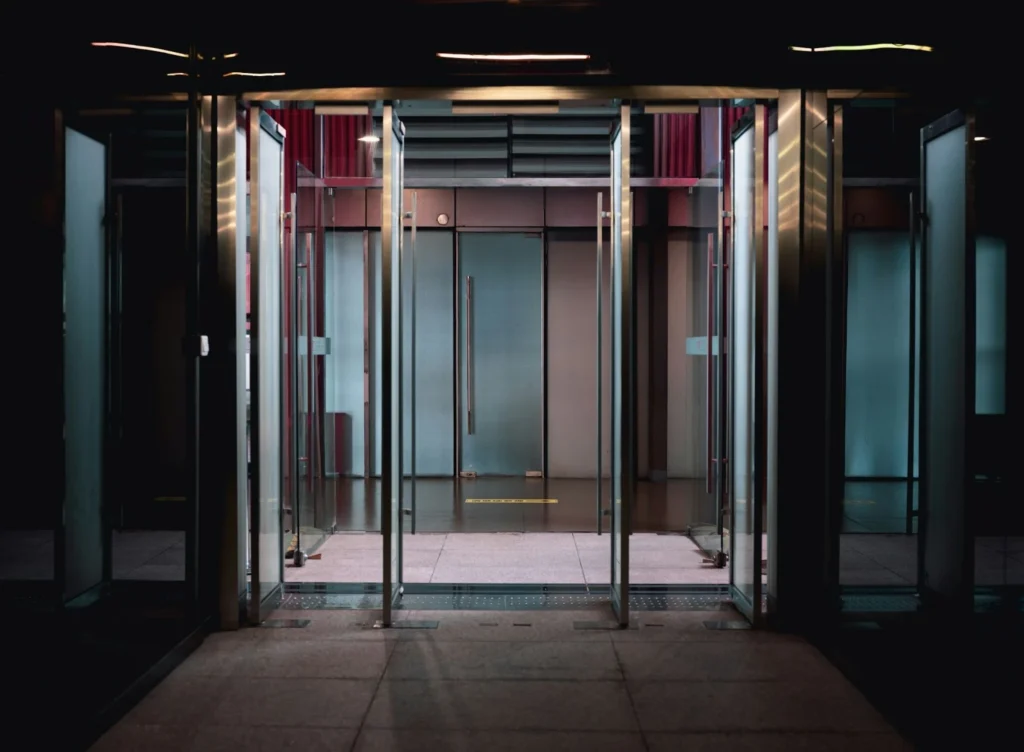
Bullet-resistant doors are engineered to withstand the ballistic impact of firearms. Constructed from materials like ballistic-grade glass, polycarbonate, reinforced steel, and specialized composites, these doors absorb and disperse the energy of bullets, minimizing penetration and ricochet risks.
However, it’s important to understand that the term “bullet-resistant” does not mean 100% bulletproof. While these doors are incredibly strong, they are not impervious to every possible weapon or a sustained assault. Instead, the primary function of a bullet-resistant door is to provide continued access denial during an active threat scenario.
Even if bullets manage to penetrate the surface, these doors are designed to remain intact and secure, preventing an assailant from entering a secured area, delaying access to potential victims, and saving lives.
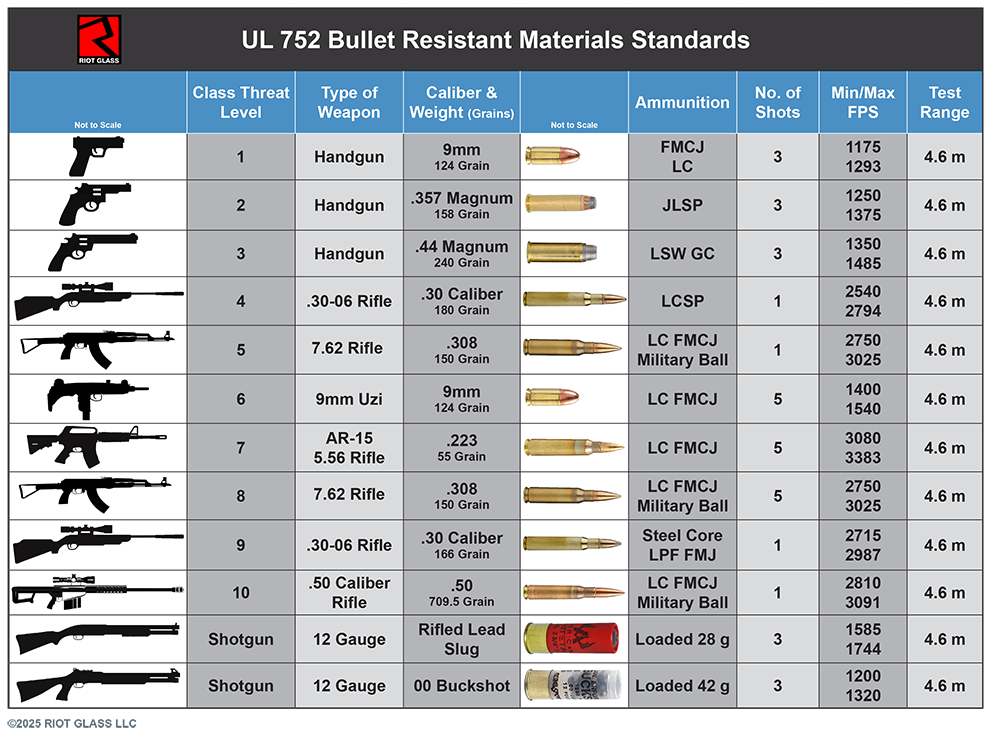
Bullet-resistant doors are classified by their ability to withstand various types of firearms and ammunition. Testing standards like UL 752 levels ensure consistency and reliability. For example:
When choosing the appropriate level of protection for a property’s bullet-resistant doors, it’s essential to assess the specific threats the facility is likely to face.
When an active threat occurs, time is the most critical factor. Bullet-resistant doors provide several key benefits that contribute to overall safety.
The primary function of bullet-resistant doors is to prevent unauthorized access. Even if the door is hit, even penetrated, by gunfire, it remains structurally sound enough to stop an assailant from entering. This delay gives occupants valuable time to implement emergency protocols, such as locking down facilities, calling for help, or evacuating.
The presence of reinforced security measures, such as bullet-resistant doors, can deter attackers. A facility that is well protected is less likely to be targeted than one with minimal defenses.
Bullet-resistant doors are often part of a larger security strategy that also includes bullet-resistant window glass, surveillance systems, and access controls. Together, these measures create a cohesive defense system that greatly increases the safety of everyone in the building.
The rising number of active threats in schools has led administrators to prioritize physical security upgrades. Bullet-resistant doors in entryways, classrooms, hallways, and administrative offices create safe zones where students and staff can shelter until the situation is resolved.
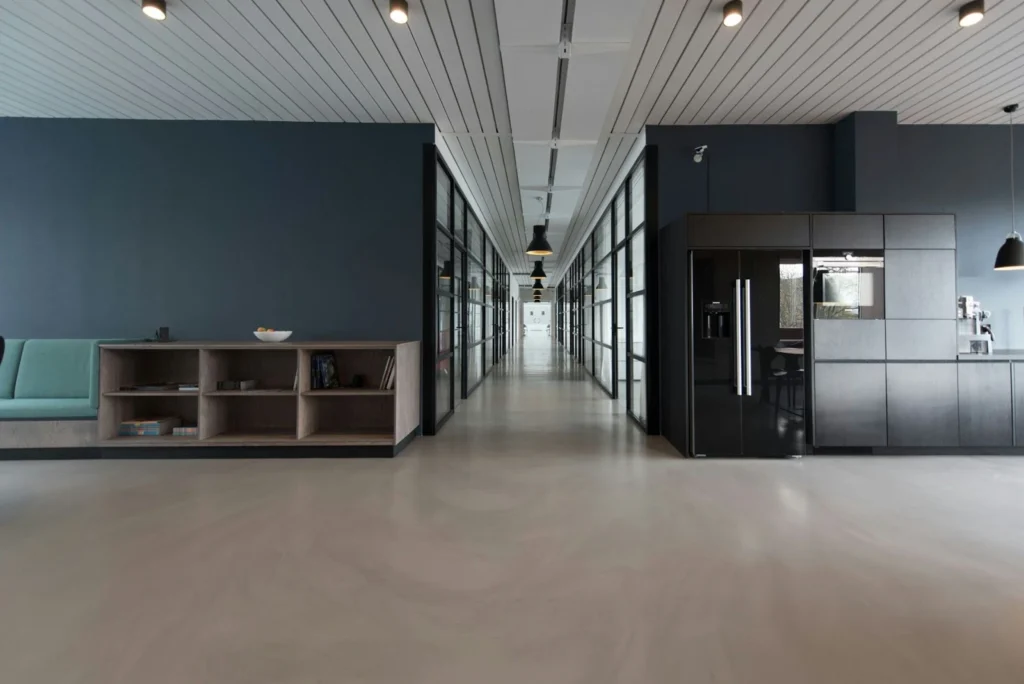
Workplace violence is a growing concern for businesses. Bullet-resistant doors provide a layer of security for high-risk areas like executive offices, reception areas, and meeting rooms without compromising the professional aesthetics of the workspace.
In retail environments and other high-traffic areas, bullet-resistant doors protect employees and customers during emergencies. They can be installed in back offices, storage areas, and entrances to restrict access to critical spaces.
Government facilities, courthouses, and other sensitive sites rely heavily on bullet-resistant solutions. Bullet-resistant doors help ensure that critical operations can continue while providing a safe environment for employees and visitors.
One of the most persistent misconceptions about bullet-resistant doors is the idea that they are completely impervious to gunfire. In reality, no door can guarantee 100% protection against all types of firearms or prolonged assaults. However, bullet-resistant doors excel in their ability to:
Understanding this distinction is essential when planning security measures. Facilities should view bullet-resistant doors as one component of a broader security strategy, rather than a standalone solution.
Gone are the days when bullet-resistant doors were bulky and industrial-looking. Today’s designs are highly customizable, allowing them to blend seamlessly with a building’s aesthetic. For example:
These modern innovations make it easier than ever for businesses and organizations to adopt bullet-resistant solutions without sacrificing style or usability.
Riot Glass is a trusted provider of bullet-resistant doors and other advanced security glazing and framing solutions.
With a focus on rigorous testing, cutting-edge materials, and seamless integration, Riot Glass offers customizable options to meet the unique needs of schools, businesses, and government facilities.
Whether you’re securing an educational institution, upgrading your office, or fortifying critical infrastructure, Riot Glass can help you design a comprehensive solution that prioritizes safety without compromising on aesthetics.
Contact us today to learn more about how our bullet-resistant doors can protect your facility against active threats and ensure peace of mind for everyone inside.
Throughout the years, there have been several major events that have caused federal facilities to reassess their security.
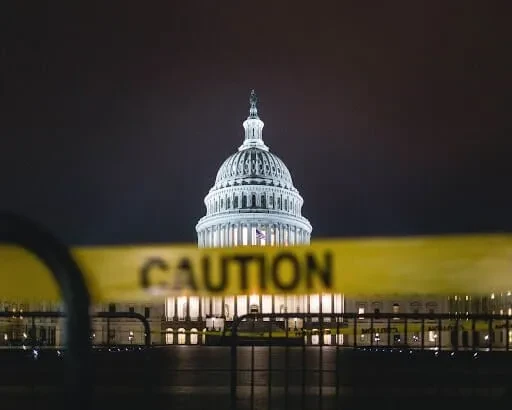
The January 6, 2021 Capitol Riot was one of the most high-profile incidents in recent years, causing renewed interest in federal building security. Even with many security upgrades made to federal buildings over the past 25 years or so, the riot at the Capitol Building made it clear that there is still much room for improvement.
As an additional consideration, many federal buildings, like courthouses, are historic landmarks with preservation concerns. These structures often have unique architectural features and aging infrastructure, requiring specialized solutions that protect against modern threats without compromising their historical integrity.
Riot Glass offers a range of innovative approaches to hardening federal buildings against threats that perfectly balance security with preservation needs.
There are thousands of government-owned buildings and spaces leased by the federal government spread throughout the 50 states, as well as in U.S. overseas territories.

These buildings house over two million federal employees and host millions of visitors each year. The security of federal buildings is of the utmost importance to keep these workers and visitors safe and ensure that the U.S. government is able to continue performing essential functions without violent interruptions.
As with all types of commercial facilities, government buildings face a variety of external threats. Here are a few of the most serious potential threats to federal building security:
Many of the security upgrades made to federal buildings over the years have been a result of unfortunate violent incidents that have targeted government facilities.
For example, after the Oklahoma City bomb attack that destroyed the Murrah Federal Building and killed 168 individuals, the U.S. General Services Administration (GSA) set out to greatly increase the security of all facilities under its control. Examples of federal building security upgrades implemented since 1995 include:
Today, government facilities controlled by the GSA are rated from Level 1 to Level 4 in terms of security requirements, with Level 4 buildings needing the most security measures and Level 1 buildings needing the fewest.
The numbers do show that criminal activity has decreased on federal properties since 1995, but there are still many inconsistencies in security and room for continued improvements to be made — the Capitol Building riot is a prime example of this.
Despite all the security measures in the Capitol, such as uniformed police officers, security guards, surveillance cameras, and access control systems, a violent mob of rioters was still able to enter the building.

There are, of course, many reasons why this was allowed to happen, but one of the big ones is that the Capitol Building did not have a particularly high level of physical security, especially when it comes to the building’s glass.
In any type of facility, the building’s glass doors and windows are its most vulnerable potential entry points. So, in order to keep rioters and other criminals out of a building, you have to reinforce the glass with something that creates an actual physical barrier to forced entry.
ArmorPlast is an abrasion- and UV-resistant polycarbonate-based sheeting, designed to fit into or onto existing glass door and window openings using proprietary retrofittable framing adapters. Once installed, these glazing shields protect against forced entry, rioting and looting, active threats, blast damage, storm damage, and more.
ArmorPlast protects the existing window and door glass against all impact-related threats, whether accidental, intentional, or an act of nature. These sheets have a glass-like surface hardness and appearance, combined with the virtually unbreakable strength of specific combinations of polycarbonates, acrylics, and other plastics.
ArmorPlast is available in different thicknesses and strengths, from containment-grade (non-ballistic) to ballistic-grade glazing shields with varying UL 752 (ballistic resistance) ratings. This versatility makes ArmorPlast highly adaptable to different security applications — it’s ideal for improving federal building security, as these government buildings have such varying GSA security requirements.
For many security applications where bullet resistance is not required, we recommend ArmorPlast AP25. This is an entry-level containment-grade glazing shield, meaning that bullets can pass through it, but it won’t appreciably diminish in strength or break apart, even if riddled with bullets during a prolonged, determined attack.
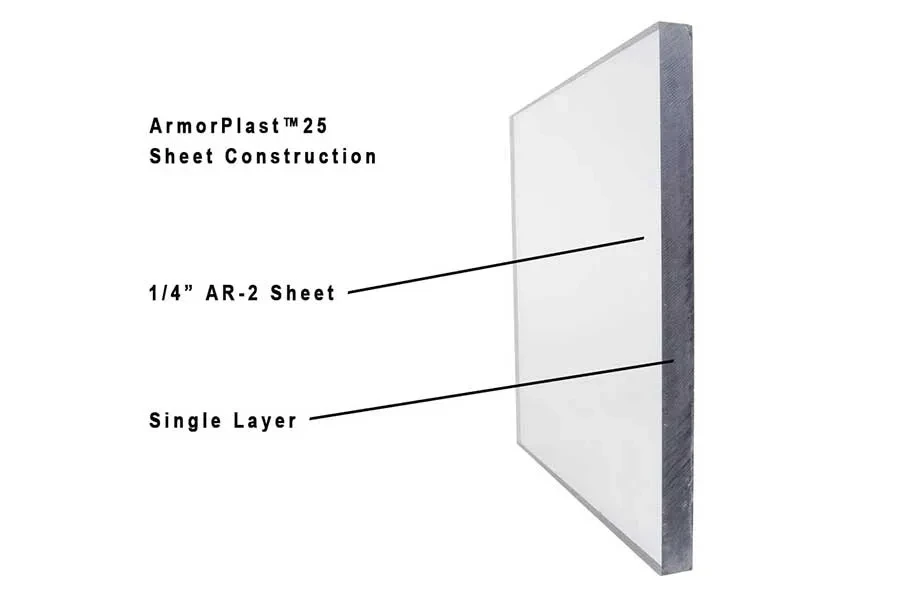
This strength means that even if rioters are armed with guns, as some were during the January 6 Capitol Riot, they won’t be able to shoot their way through the panels. AP25 can be penetrated with bullets, hit with forced entry tools, or impacted by thrown objects and still remain a barrier to entry.
AP25 Characteristics:
On the other hand, for more high-security government facilities where bullet-resistant windows and doors are required, there are various levels of ballistic-grade ArmorPlast glazing shields available.
Ballistic-grade ArmorPlast can stop several rounds from specific types of firearms commonly used in active threat scenarios. The number of rounds and type of firearm it can resist is specified by the bullet-resistant security glazing’s UL 752 rating.
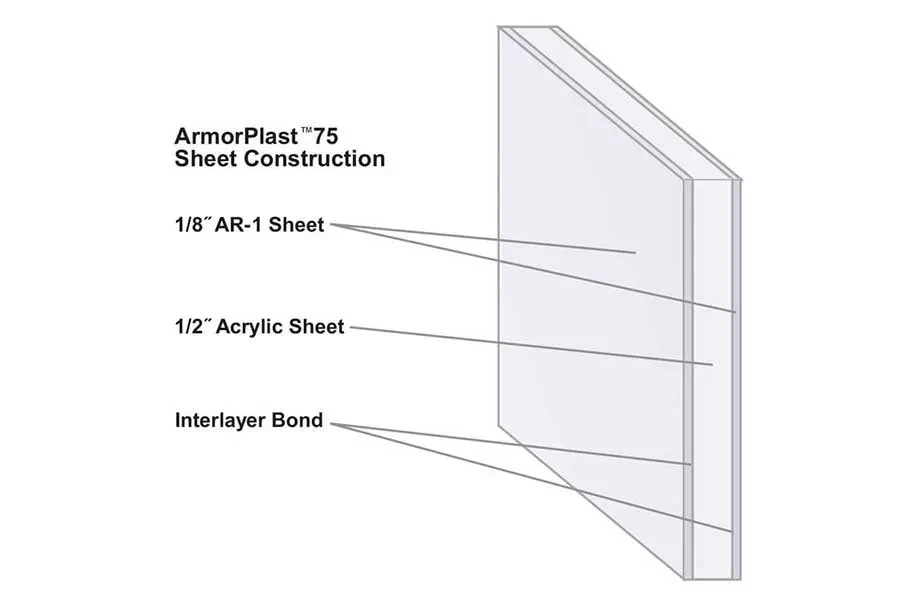
For example, ArmorPlast AP75 has a UL 752 Level 1 rating, meaning it can stop several 9mm handgun rounds.
Choosing ArmorPlast over other types of safety and security glass products offers a huge advantage because the specific formulations of polycarbonate and other plastics it uses make it much stronger and lighter than other types of security glass. Because of this, you may be able to use it for federal building security applications where thick, heavy security glass is not an option.
For example, many older, and especially historic buildings, such as the Capitol, do not have strong enough framing systems to support huge glass panels. However, something like AP25 may be a viable option because it is more lightweight and can be retrofitted onto a wide variety of existing frame types.
ArmorPlast Is Ideal For:
Some cases may require a more comprehensive solution different to simply retrofitting ArmorPlast glazing shields over existing glass. For example, if you want to turn a glass entryway door into a virtually unbreakable, ballistic-grade security door, you may opt for a Riot Glass unbreakable door conversion.
This conversion process involves replacing the existing glass doors with a security door conversion unit consisting of our security framing and ballistic-grade ArmorPlast AP75 security glazing infills, which we discussed above.
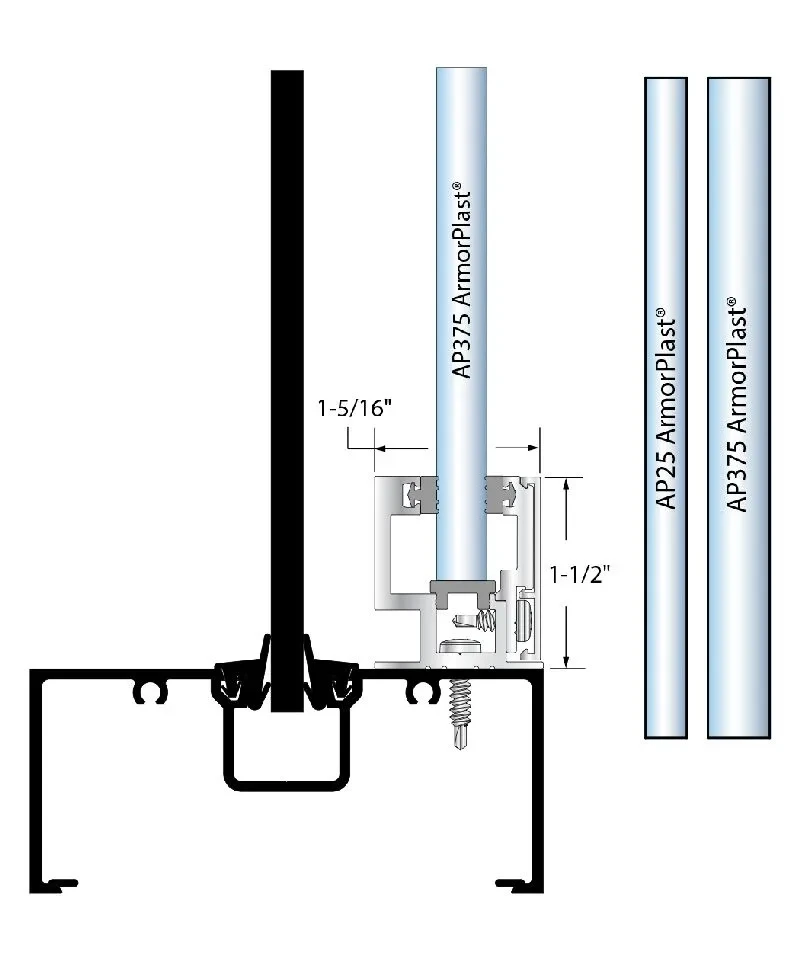
This specific combination of the security framing and AP75 results in a virtually indestructible glass entryway door that can withstand even the most determined, violent forced entry attempts employing sledgehammers, bats, crowbars, and even firearms.
In fact, AP75 has passed the ASTM F3038 forced entry test, which is equivalent to the U.S. State Department’s forced entry testing standard, making it ideal for hardening federal building security. This test simulates an angry mob of attackers trying to force entry over a prolonged period.
To put it simply, would-be intruders can try as hard as they like — they aren’t getting through this secure entryway door system.
Riot Glass also offers glass-clad polycarbonate (GCP) bullet-resistant security glazing solutions, which can be used to replace (or in some cases be retrofitted over) existing building glass, providing a very high level of protection against ballistic attacks in government buildings.
This GCP glazing is available with ballistic resistance ratings up to UL 752 Level 8, meaning it can stop a multi-shot attack from an AK-47 assault rifle using military-grade rounds.
The Riot Glass J-Series sub-framing system is a revolutionary solution for retrofitting security glazing onto historic federal buildings, including courthouses. Its patented compression-fit technology allows for installation without permanently altering or damaging the original structure — a critical consideration for preserving heritage architecture while bringing federal building security into line with modern requirements.
J-Series sub-framing creates a sturdy, secure mounting surface for ballistic- and forced-entry-grade Riot Glass panels, enabling federal facilities to enhance security while maintaining their structural integrity and meeting architectural preservation requirements.
Additionally, the J-Series system meets the rigorous ASTM F3038 forced-entry standards for a 15-minute attack, making it ideal for high-risk, sensitive buildings, like federal courthouses.
Government buildings face a wide range of criminal threats, from rioting and looting to active threats, that can unfold when least expected. That’s why it’s so important for these types of facilities to have comprehensive federal building security measures in place, including physical security measures that deny unauthorized entry.
Security guards, controlled entry points, and monitored surveillance are all great deterrents to criminal activity, but they don’t create a physical barrier to entry over vulnerable doors and windows — that’s where Riot Glass solutions come in.
By choosing the appropriate combination of security glazing and framing solutions for your federal facility, you can protect people and property against a full range of security threats, including vandalism, forced entry, burglary, rioting and looting, active threats, terrorist attacks, and extreme weather events.
Contact us today for a free consultation on using Riot Glass solutions to fortify a government building or any other commercial facility without making it look fortified.
The White House’s numerous windows are one of the most striking features of its architecture that, along with its signature all-white paint job, give the property its instantly-recognizable appearance.
However, since any building’s windows are its most vulnerable points, the 147 White House windows present 147 potential security vulnerabilities.
Considering that the White House was built around the turn of the 19th century, you may think that its windows are probably not up to the task of mitigating modern security threats.
But, while the White House windows still retain their classic look, there’s nothing old fashioned about their security — the windows are protected by state-of-the-art bulletproof glass and deployable security shutters.
Combined with a full range of other security measures, including high perimeter fencing, drone surveillance, infrared motion sensors, counter-sniper teams, guard dogs, secret service personnel, and more, the White House’s windows make it one of the most secure properties in the world.
For commercial property owners looking to reinforce their facilities against forced entry, active threats, and other security threats, looking at how the White House secures its windows can provide valuable insights into what your options are to achieve a similar level of security.
Needless to say, the exact specifications of the security glazing used to reinforce the White House windows remain a secret, but we can speculate based on the information available.
According to some sources, the White House windows are likely made from ballistic-grade glass-clad polycarbonate (GCP) security glazing with at least a UL 752 Level 8, or equivalent, rating. This level of GCP security glazing is designed to stop multiple shots from military-grade assault rifles and is commonly used in military applications.
Not only does this bullet-resistant security glazing protect the President and other White House occupants from ballistic attacks, but it also prevents forced entry and protects against blasts, making it an ideal all-in-one security solution for such a high level of executive protection.
Along with reinforced security framing, this incredibly robust ballistic-grade security glazing is virtually impenetrable, providing protection from active threats, terrorist attacks, riots, and more.
In 2011, several White House windows were put to the test when a man fired multiple shots at the property using a semi-automatic rifle. Although at least seven bullets purportedly impacted the White House, none of them penetrated any of its windows.
In addition to the window glazing itself, the White House windows are also equipped with security shutters that can be deployed over the windows in an emergency scenario, providing an extra layer of forced entry protection.
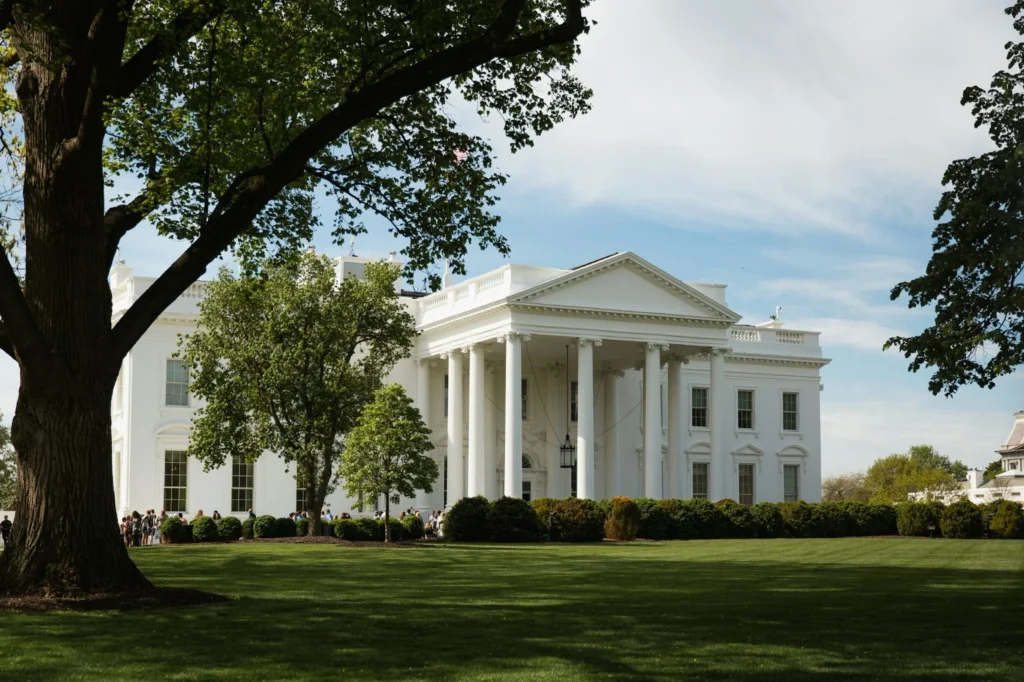
Although UL 752 Level 8-rated bulletproof glass is typically reserved for the most high-security applications, it’s possible to install it in a range of commercial facilities if you want to achieve the same level of bullet resistance as the White House windows.
That being said, it’s important to keep in mind that this level of ballistic-grade glazing is approximately 2.5 inches thick, making it more difficult to retrofit in certain applications, as it may require modifications to the surrounding framing and structure in order to support it.
However, there are many other types of ballistic-grade security glazing that are more practical for most commercial applications and that can provide a similar level of forced entry and active threat protection.
For example, ArmorPlast AP75 is a 3/4-inch polycarbonate and acrylic based glazing sheet that offers a UL 752 Level 1 rating, meaning it can stop multiple rounds from a 9mm ballistic attack.
Since it’s much thinner and lighter than the White House windows’ security glazing, AP75 can be retrofitted into or onto almost any existing window framing, making it a very cost-effective option for upgrading window security in commercial facilities of all types, from schools to office buildings.
This bullet-resistant security glazing has also passed the rigorous ASTM F3038 forced entry resistance test, which simulates an armed mob attempting to force entry for 15 minutes. This makes it ideal for high-security facilities, including government buildings, where protecting the property against rioters and looters is a top concern.
Despite not having as high of a ballistic resistance rating as the White House windows, AP75 is still virtually unbreakable, offering a very high level of access denial to keep active threats and other would-be intruders out of your property. Even if riddled with bullets, the glazing remains a barrier to forced entry, providing valuable time for building occupants to react and giving the authorities time to arrive and neutralize the threat.
If you require a higher level of ballistic protection, the ArmorPlast and Riot Glass ranges offer a variety of other bullet-resistant security glazing options with up to a UL 752 Level 6 rating for protecting windows against high-speed, multi-shot 9mm (Uzi) ballistic attacks.
All of our ballistic-grade security glazing sheets are made using specific formulations of polycarbonates, acrylics, and plastics, as well as laminated security glass, to achieve the perfect blend of functionality and security.
Securing your property with windows as robust as the White House’s windows is achievable with modern ballistic-grade security glazing.
While the exact glazing the White House employs is a closely guarded secret, ballistic-grade glazing solutions from ArmorPlast and Riot Glass offer highly effective, practical options for hardening commercial facilities against the same types of threats the White House faces.
Whether your main goal is to safeguard property and people against forced entry, ballistic attacks, or both, Riot Glass, LLC offers a range of customizable security glazing to meet your needs.
Contact Riot Glass today to learn more about our forced entry-resistant and ballistic-grade security solutions and schedule a consultation or threat assessment with our experts.
An active shooter is a parent’s worst nightmare and a topic that has sparked heated debates about how best to prevent these tragic incidents.
However, even among security professionals, there is often uncertainty about which approach is most effective. Schools need real, proven solutions that enhance security while staying within the budgetary constraints of school districts nationwide.
There are many approaches to easing this risk, and one of the most effective measures is hardening the glass in doors and windows, which is why this article focuses on the best way to achieve that goal.
If an attacker is unable to gain entry to a school for long enough to allow first responders to arrive, the threat can be neutralized before causing mass harm. Once an attacker enters a building, the situation escalates dramatically. Therefore, the primary security objective should be delaying forced entry as much as possible. The secondary objective is stopping bullets from penetrating glass, especially in critical areas like entry vestibules and administrative offices.
The Wall Street Journal recently published an article titled “Schools Squander Millions to ‘Bulletproof’ Windows. It Doesn’t Work,” highlighting how many schools have invested in ineffective solutions such as window films and low-grade laminates that fail under real-world attack conditions.
Schools need real security glazing that has been tested against violent threats.
Unlike standard safety films or tempered glass, Riot Glass® security and ballistic glazing solutions offer true forced-entry resistance and ballistic protection. These retrofit glazing solutions transform vulnerable glass into a nearly impenetrable barrier—without requiring full window replacements.
The unfortunate reality is that determined attackers seek out the weakest entry points—and unprotected glass doors and windows remain the most vulnerable targets. Riot Glass provides schools with the highest level of protection available, ensuring students, teachers, and staff are safeguarded against active threats.
Investing in the right security solutions means choosing products that work in real-world attack scenarios. Riot Glass has been tested, proven, and trusted to provide real security for schools nationwide.