
Election administration depends on environments where staff can work without intimidation, ballots remain protected from tampering or theft, and members of the public can participate in the process safely.
Voting centers are increasingly visible targets for disruption, and the physical security infrastructure supporting them deserves the same level of planning that goes into any high-stakes public facility.
This guide covers the key voting center security measures election administrators and facility managers should consider when protecting voting center staff, ballots, and entry points. Note that many of these strategies can work equally as well for securing government buildings and other high-risk public facilities.
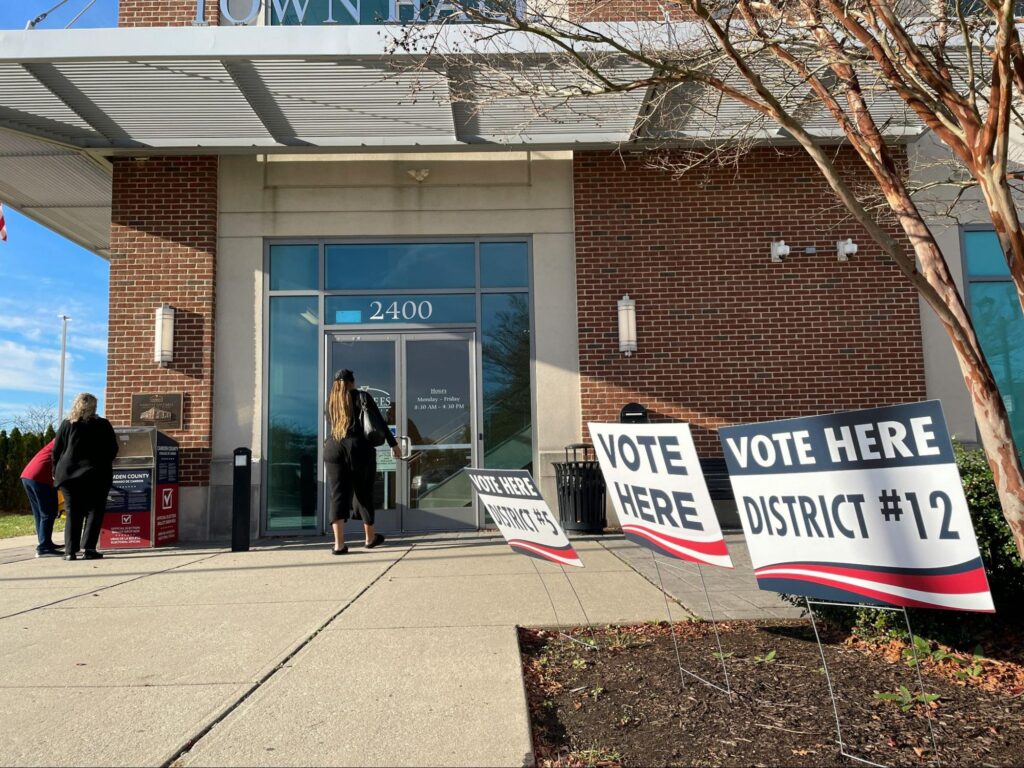
Structured access control is the foundation of any voting center security plan. Public entry must be clearly defined, consistently monitored, and separated from staff and administrative access zones.
Key access control measures for voting centers include:
Entry point design should make it easy for legitimate voters to move through efficiently while giving staff clear sightlines over who is entering and where they are going.
Visible, professional security personnel are one of the most effective deterrents against disruption at voting centers. Staff exposure is highest at check-in areas, ballot drop-off points, and entry points, where they interact directly with the public for extended periods.
Voting center security staffing considerations:
Election workers are not security personnel, and they should not be placed in a position where they need to manage confrontational situations without support.
Screening at voting center entry points serves a dual purpose: it deters individuals who intend to disrupt the process and provides a documented checkpoint that can be referenced in any post-incident review.
Basic screening measures appropriate for most voting centers include:
Screening should be applied consistently to everyone entering the facility, including observers and media, with the exception of credentialed law enforcement.
Ballots are the most sensitive asset in any voting center, and their physical security requires specific attention beyond general facility measures.
Chain-of-custody documentation should accompany ballots at every stage, from arrival to certification
Transparent processes, including allowing credentialed observers appropriate sightlines into counting areas, actually support security by reducing the opportunity for credible disputes about what occurred.
Voting centers that operate out of permanent or semi-permanent facilities often have glass components at entry points, check-in windows, and administrative areas that introduce physical vulnerability. Standard glass offers minimal resistance to forced entry or targeted attack.
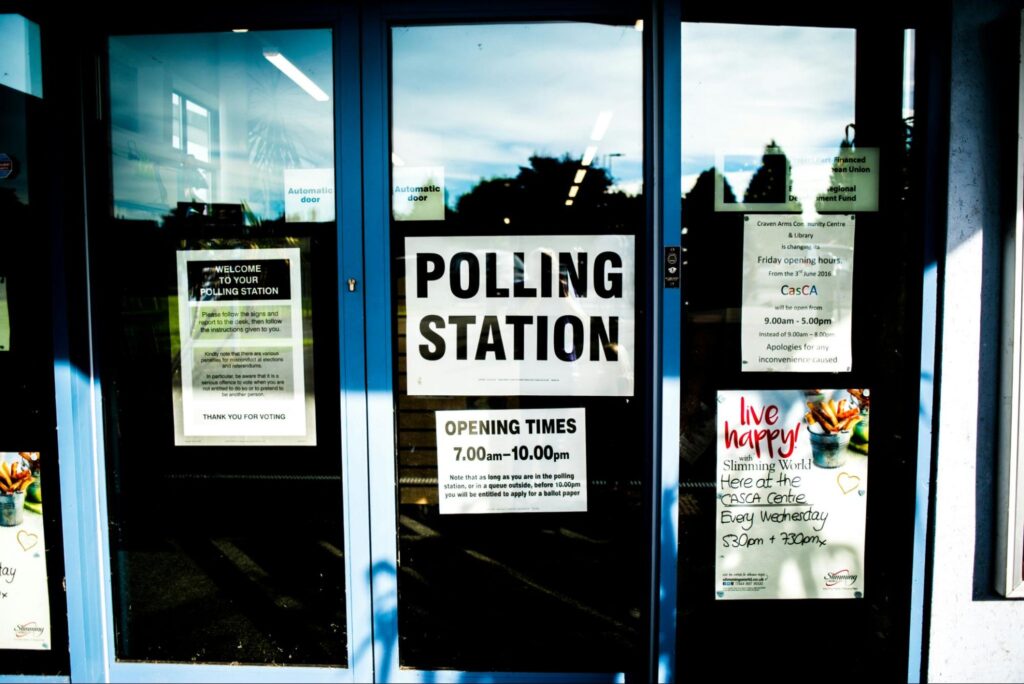
Security glazing addresses this directly. In check-in and administrative window applications, it creates a transparent barrier between staff and the public that allows normal interaction while significantly increasing protection against physical threats. Staff can process voters, answer questions, and manage credentials without being directly exposed.
In ballot storage rooms or administrative offices with glass doors or partitions, security glazing raises the level of forced entry resistance substantially.
Riot Glass offers security glazing solutions that can be retrofitted into existing frames without requiring structural modification, making them practical for the range of facility types voting centers occupy, from purpose-built civic buildings to temporarily repurposed community spaces.
Voting centers often hold sensitive materials, including ballots, voting equipment, and voter data infrastructure, for days or weeks surrounding an election. During off-hours, these facilities may be less monitored while remaining high-value targets.
Roll-down security shutters provide strong after-hours protection for entry points, windows, and administrative areas. When closed, they eliminate visibility into the facility and create a physical barrier that makes forced entry significantly more difficult and time-consuming. Combined with forced-entry-resistant security glazing on windows and doors, they form a layered hardening solution that protects the facility when staff are not present.
Additional off-hours voting center security measures worth considering:
Voting center security planning should extend beyond the building itself. The area immediately surrounding a voting center, including parking lots, drop box locations, and public sidewalks, is part of the security environment.
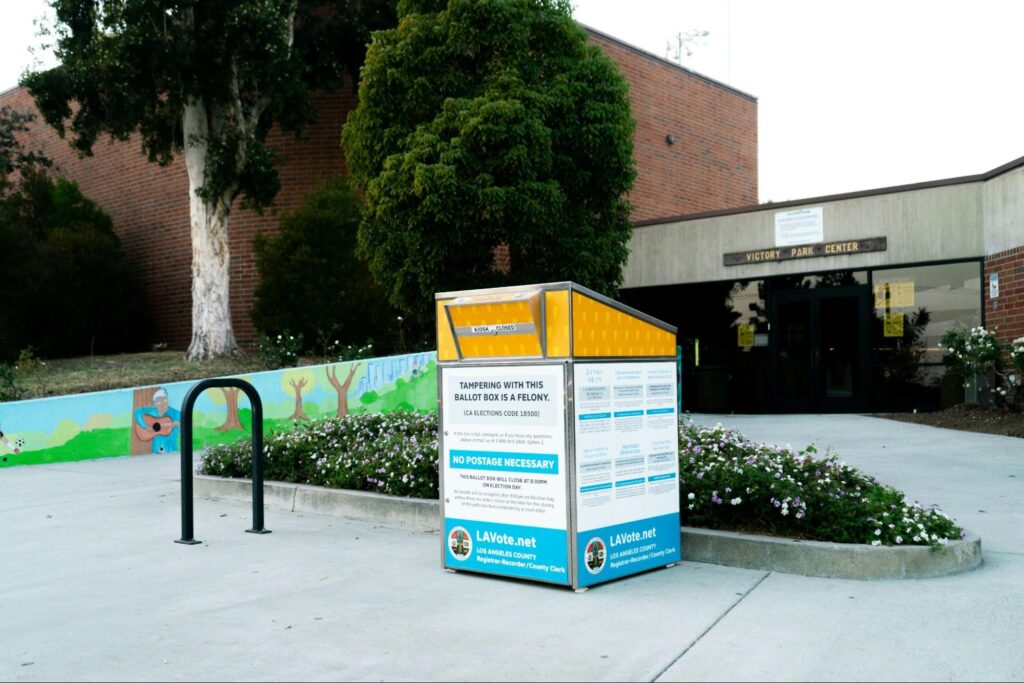
The goal of strong voting center security measures is not to prevent dramatic incidents, but to create an environment where election workers can do their jobs without intimidation, where ballots are protected at every stage of handling, and where voters can participate in the process without concern for their safety.
A layered approach combining access control, trained personnel, screening, security glazing, after-hours hardening, and perimeter management provides coverage across the full range of threats a voting center may face. The infrastructure investment required is modest relative to the importance of what is being protected.
When a facility manager, architect, or security director specifies materials or products for a building, they're making decisions that affect the safety of everyone (and everything) inside. ASTM standards exist to make those decisions more reliable.
For commercial buildings, where the stakes of a security failure can be significant, understanding what ASTM standards are can help ensure the property meets all the necessary physical security requirements.
ASTM International is a globally recognized standards organization with roots going back to 1898. Originally founded as the American Society for Testing and Materials, ASTM now publishes over 12,000 voluntary consensus standards covering materials, products, systems, and services across dozens of industries, from construction and manufacturing to transportation and consumer goods.
ASTM standards are developed through a consensus process involving technical experts, manufacturers, regulators, and end users. That process is what gives them credibility. No single company or agency dictates the outcome. Instead, standards reflect broad agreement among stakeholders about what constitutes reliable, verifiable performance.
For any given material or product, the relevant ASTM standard defines the testing methodology, the conditions under which testing must occur, and the minimum performance thresholds a product must meet to achieve certification. Independent, accredited laboratories conduct the testing.
When a product earns ASTM certification, it means it has been evaluated under controlled, repeatable conditions and has met criteria that the industry has agreed represent meaningful performance.
That framework removes ambiguity. Without such standards, a manufacturer can make almost any claim about a product's performance. With them, those claims have to be substantiated by evidence that an independent party can verify.
In commercial construction and renovation, glass is everywhere. It’s found in storefronts, lobby entrances, office partitions, skylights, school classrooms and corridors, and government reception areas, where it is both functional and architecturally desirable. Glass is also, in most standard installations, one of the most vulnerable points in a building's physical security.
This is where ASTM standards are particularly relevant. Some security glazing products are tested against specific ASTM standards to verify how they perform under simulated real-world threat conditions.
Those standards give buyers, material and product specifiers, and building owners a consistent basis for comparison. Rather than relying on a manufacturer's marketing language, they can look at which standards a product has passed and understand exactly what that means in terms of actual performance.
Different facilities face different threat profiles, and ASTM standards help align product specifications with actual risk levels. Below are a few examples that illustrate how this works in practice.
Schools, unfortunately, are among the most high-risk facilities in the country when it comes to active threats. Glass doors and windows at building entrances and in classrooms are common breach points.
Products certified under forced entry resistance standards give administrators and school occupants confidence that an intruder cannot quickly smash through entry glass and gain access to students and teachers.
The relevant ASTM standard defines the attack methodology, the tools used, the duration, and the outcome required to pass. That specificity is what makes the certification highly reliable.
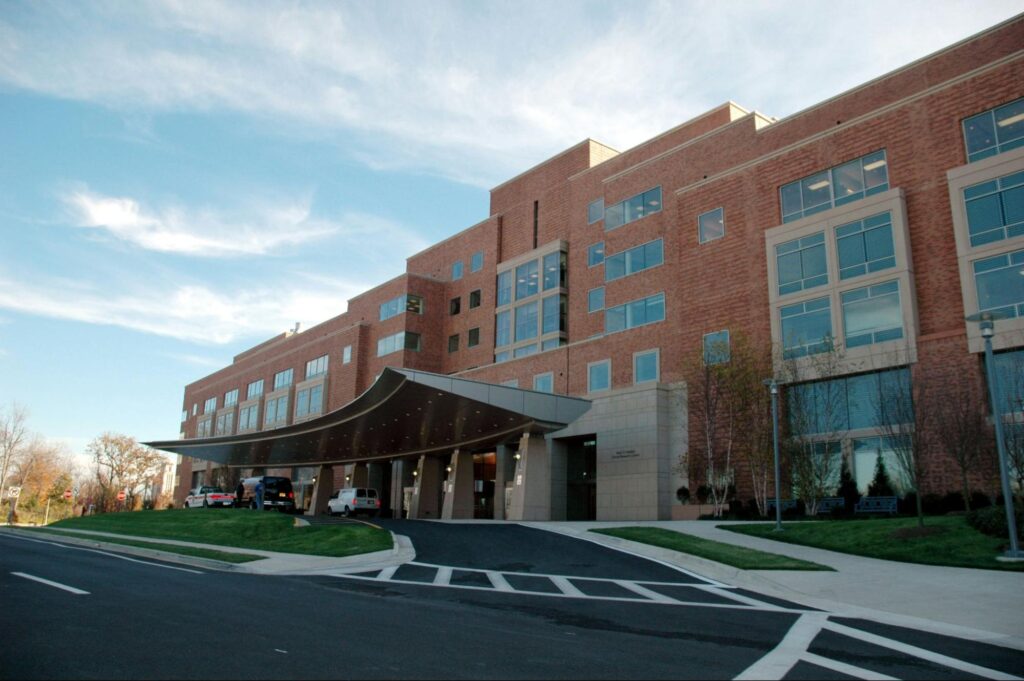
Government buildings, particularly those housing federal agencies or high-profile local offices, require verified performance against potentially severe threat scenarios, including coordinated, mob-style forced entry attempts and post-ballistic attack intrusion.
ASTM standards exist specifically to evaluate effectiveness in these scenarios, and products certified to those standards are recognized by agencies with strict procurement requirements.
Healthcare facilities have a different but equally pressing concern: controlling access points and securing public-facing areas while maintaining a functional, non-institutional environment.
Security glazing certified to relevant ASTM standards lets facilities upgrade vulnerable glass without visually hardening a space that's meant to feel welcoming to patients and visitors.
Retail and hospitality properties often prioritize smash-and-grab resistance. ASTM standards for forced entry resistance give property owners a verifiable basis for specifying glazing products that can drastically reduce the risk of rapid break-in events.
In each case, the standard does the same thing: it converts a security claim into a documented, reproducible test result.
The commercial glazing market includes a wide range of products with varying claims about security performance. Without ASTM certification, those claims are often difficult to evaluate. A product might describe itself as "impact resistant" or "security grade" without any standardized basis for that language.
ASTM-certified security glazing has been tested in a controlled environment, by an independent laboratory, against defined attack scenarios. That's a meaningful distinction when a building's security plan depends on the glass holding.
For building material and product specifiers, ASTM certification also simplifies the approval process. Many insurers, government procurement programs, and building codes recognize or require ASTM-compliant products. Specifying certified products reduces compliance risk and provides documented justification for the security specification.
ASTM standards exist to make performance claims verifiable. In commercial building security, where the consequences of a product failing under real-world conditions can be severe, verification is essential to maintaining security and protecting both assets and occupants.
Understanding what ASTM standards are, and particularly how they apply to security glazing, helps facilities make informed decisions and gives everyone and everything inside a building a more reliable layer of protection.
Ready to upgrade your building's security with high-performance security glazing? Contact Riot Glass to discuss your facility's needs and find the right solution.
When an active threat occurs at a school, the building's doors and windows often determine how quickly an attacker can reach students and staff.
Standard glazing offers no meaningful resistance to firearms or forced entry attempts. In an active threat scenario, the time it takes an attacker to breach a door or window directly affects how many people can reach safety.
ASTM F3561 is one testing standard specifically designed to evaluate whether fenestration systems, including doors, windows, and their full assemblies, can hold up under an active shooter attack.
ASTM F3561 is a standard test method published by ASTM International that evaluates the forced entry resistance of fenestration systems following a simulated active shooter attack.
Unlike standards that test glazing materials in isolation, ASTM F3561 protocols test the full assembly, including glass, frame, and hardware, under conditions designed to replicate a real-world breach attempt.
The standard is not limited to testing fenestration systems for applications in schools, though its testing methodology is directly related to the type of worst-case active threat scenario schools must be prepared for: a shooter attempting to break through a window or door to gain entry to a building.
The ASTM F3561 test runs in two sequential phases:
The ASTM F3561 testing methodology starts by firing 10 AR-15 5.56 rifle rounds into the transparent glazing portion of the assembly. This simulates an attacker shooting at a pane of glass as a precursor to forcing entry.
After the ballistic impacts, a 100-pound steel impactor is swung at the glazing with progressively increasing force.
A product passes the test by preventing the creation of a hole large enough for an attacker to reach through and manipulate door hardware, such as an emergency egress panic bar or lock release.
ASTM F3561 uses a tiered rating system up to Level 8. Higher levels require the assembly to withstand greater impact force after the ballistic phase.
Systems that attain a Level 8 rating can resist over 400 pounds of force. In real-world terms, they can withstand repeated blows from a sledgehammer.
In most active threat scenarios at schools, an attacker either enters through an unlocked door or attempts to force entry through a glazed opening. The sidelight panels beside entry doors, typically narrow panes of standard glass, are a common breach point. An attacker can break the glass, reach through, and unlock the door from the inside in seconds.
Standard laminated glass or security film products can slow entry, but they are not designed or tested to withstand the combined ballistic and forced entry attacks that ASTM F3561-certified systems resist.
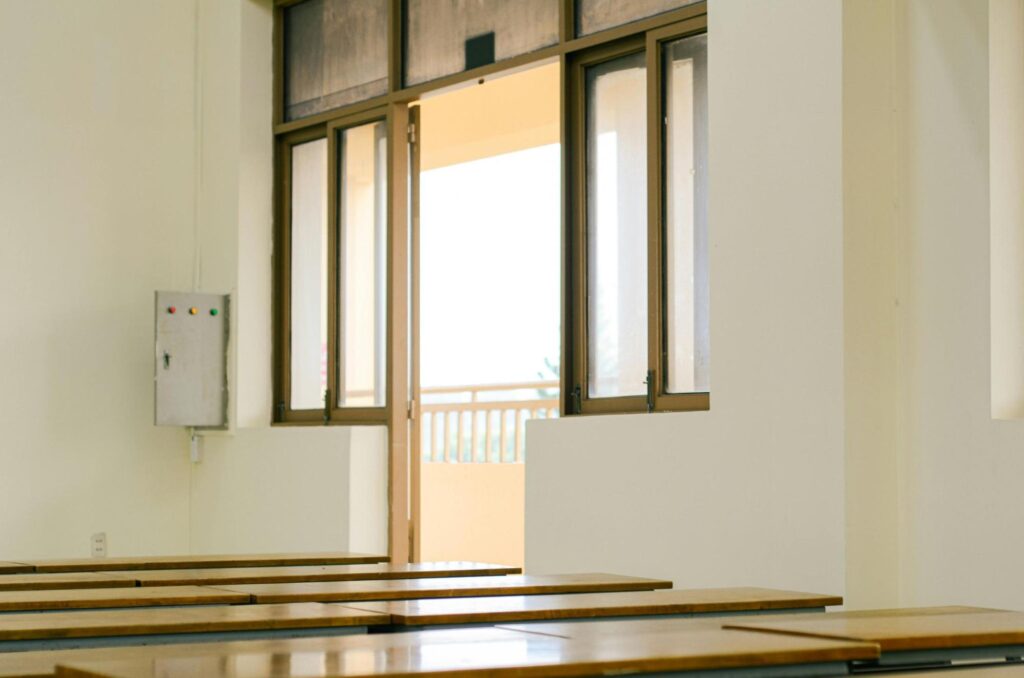
Physical security measures in schools are not designed to stop a determined attacker forever. They are designed to buy time; enough for occupants to run, hide, or barricade themselves inside safe areas, and enough for law enforcement to respond.
Research on active threat incidents consistently shows that most casualties occur within the first few minutes. A door or window that delays a breach by several additional minutes can drastically change outcomes.
ASTM F3561-rated glazing systems are specifically designed to extend that window of time, maintaining the integrity of an opening even after multiple ballistic impacts and sustained forced entry attempts.
Several states have implemented or proposed legislation requiring school glazing to meet specific security standards. ASTM F3561-rated security glazing can potentially help schools meet those requirements.
Even where school glass hardening mandates don't yet exist, implementing ASTM F3561-tested products offers a proactive, globally-certified approach to active threat mitigation.
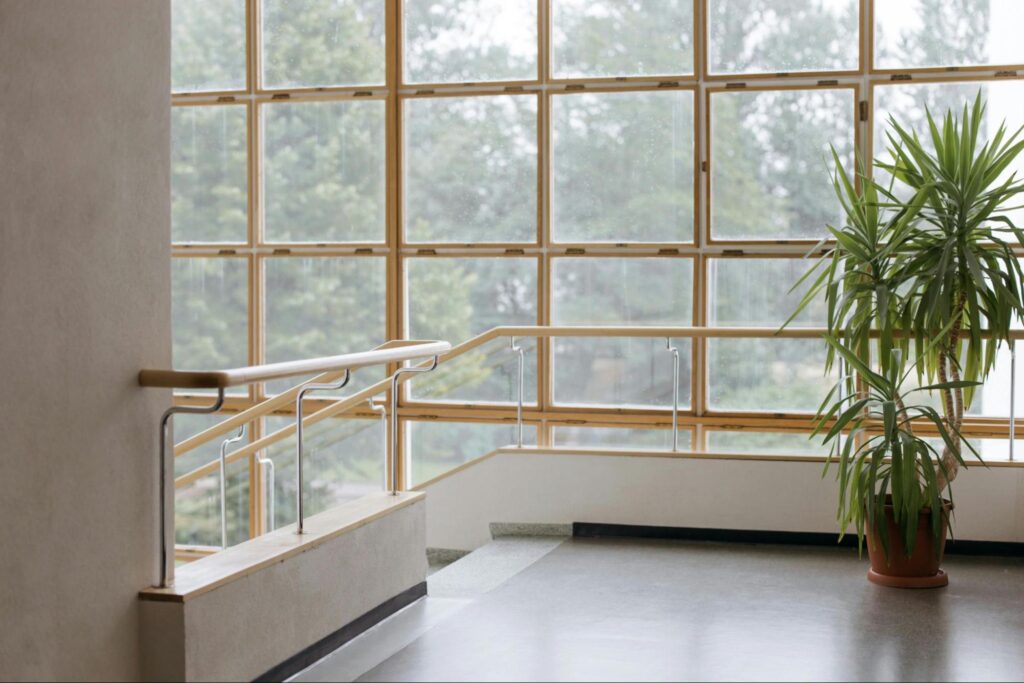
When evaluating ASTM F3561-certified window and door security systems, or any other type of security glazing, there are a few different considerations schools factor in to their decision:
The standard evaluates the full fenestration assembly, including the glass, framing, and hardware, together. This makes it more meaningful than material-only tests, which don't necessarily reflect how a product performs once installed in a real door or window opening.
Not necessarily. Some ASTM F3561-rated glazing systems are designed to retrofit into existing frames, reducing cost and installation time significantly. Whether a retrofit is appropriate depends on the condition and specifications of the existing framing.
Quality ASTM F3561-rated glazing maintains optical clarity comparable to standard glass and should not meaningfully reduce natural light or compromise sightlines inside or outside the building.
UL 752 tests ballistic resistance only, while ASTM F3561 tests forced entry resistance after a ballistic attack, reflecting the reality that an attacker may shoot through glass as a precursor to physically forcing entry. For schools, the combined test is highly relevant to active threat scenarios.
Evaluating security glazing starts with identifying where the vulnerabilities are. Entry vestibules, sidelight panels beside main doors, classroom door windows, and exterior-facing windows are typically the highest-priority openings.
A qualified fenestration security expert should conduct a site-wide threat assessment, identify the highest-risk openings, and recommend ASTM F3561-tested solutions (or other forced-entry or bullet-resistant glazing) appropriate for each location, whether that means a full door replacement, a retrofit glazing system, or a combination of both.
Riot Glass specializes in security glazing for schools, working with educational facilities to assess vulnerabilities, recommend appropriate solutions, and manage installation through certified professionals.
To get started, contact Riot Glass for a free consultation or to schedule a threat assessment.
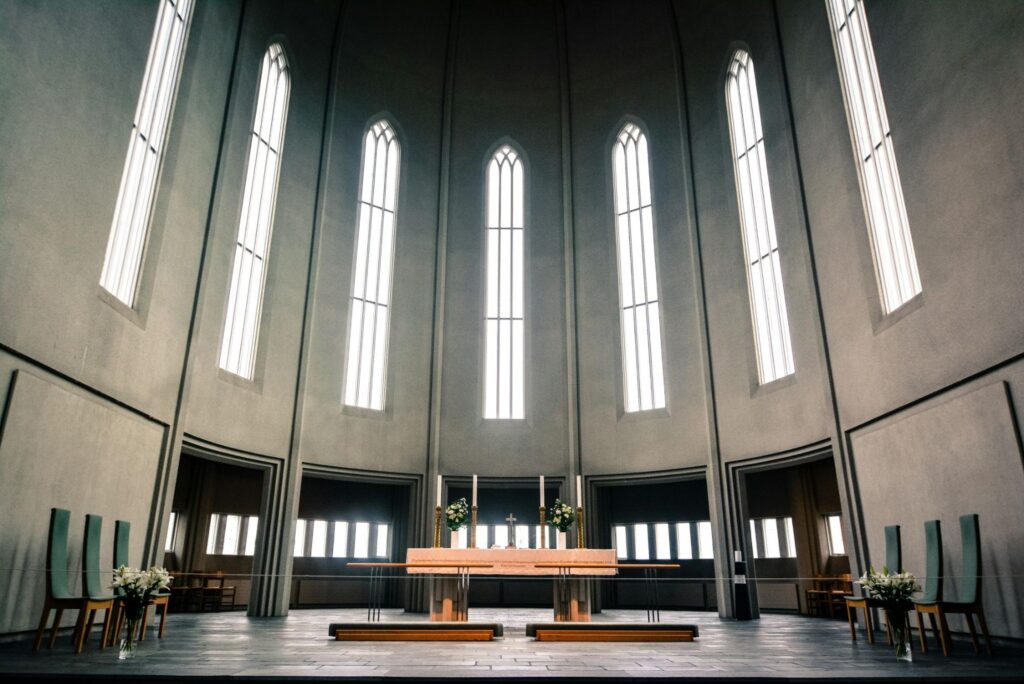
Houses of worship welcome everyone, which is precisely what makes them vulnerable. Open doors, predictable schedules, and a culture of trust can make churches attractive targets for theft, vandalism, and, in the worst cases, targeted violence.
A church safety plan brings structure to how a congregation prepares for and responds to these risks, and physical security measures, including forced-entry or ballistic-grade security glazing, are a foundational part of that structure.
A church safety plan is a documented framework that outlines how a religious facility identifies security risks, prevents incidents, and responds when something goes wrong. It typically covers access control policies, emergency response procedures, communication protocols, staff and volunteer training, and the physical hardening of the building itself.
Keep in mind that the goal of a church safety plan isn't to turn a church into a fortress, but rather to create layered protections that reduce risk while keeping the environment welcoming.
Just like other commercial and public facilities, churches face a broad range of security threats. Understanding them is the first step towards improving safety and security in churches. Here are the main threats any church safety plan should take into account:
Break-ins, burglary, and forced entry are the most common threats churches deal with. Religious properties are frequent targets for opportunistic theft. AV equipment, musical instruments, donation funds, and computers are all attractive to would-be intruders. Standard commercial glass on doors and windows offers minimal resistance; a determined burglar can breach it in seconds.
Vandalism is another persistent issue, ranging from graffiti on exterior glass to deliberate window smashing. Historic or architecturally significant churches are often targeted specifically because of their visibility.
Active threat scenarios, including targeted violent attacks, are a worst-case scenario nobody wants to have to prepare for, but they can happen anywhere. Mass casualty events at houses of worship have occurred with enough frequency in recent years that the Department of Homeland Security has published specific guidance for faith communities.
Churches, by nature, gather large numbers of people in a single space on predictable schedules, which can make them targets. Planning for this possibility isn't fearmongering. It's responsible stewardship of the people in your care.
A complete church safety plan should address all three threat categories, with physical security measures designed to deter, slow, or stop each type of threat.
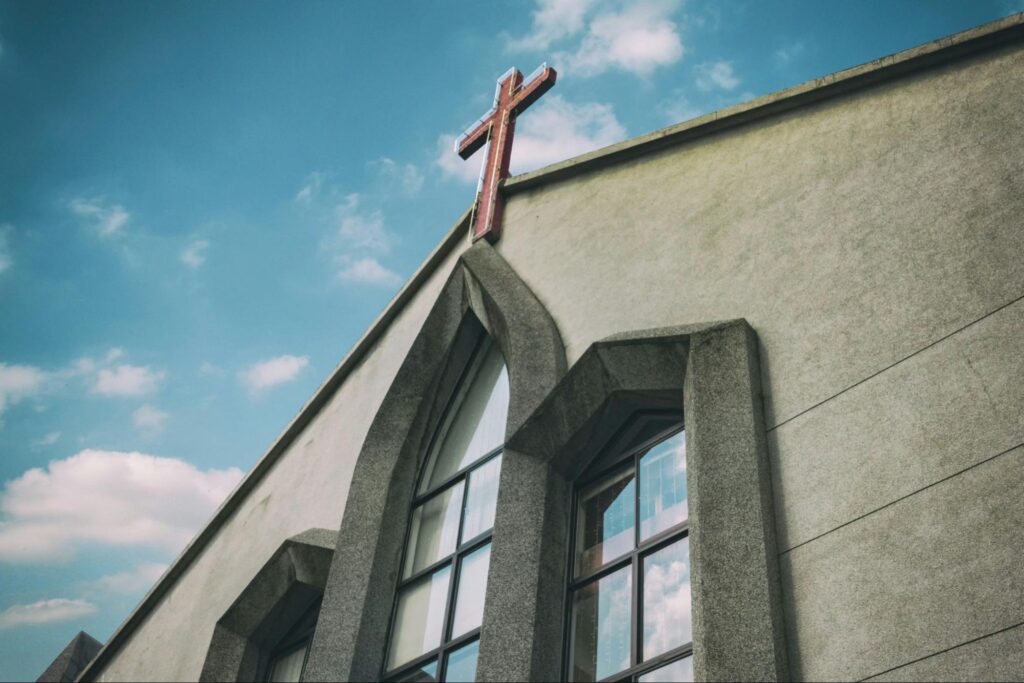
Policies and training matter, but physical security forms the hard layer between a threat and the people inside. Windows and glass entryway doors are consistently the weakest points in any building's envelope, and churches often have a lot of them.
Riot Glass manufactures security glazing retrofit systems designed specifically to address this vulnerability. Our products are used across a range of high-risk environments and directly address the types of threats churches face.
Riot Glass forced-entry-resistant glazing products replace or reinforce existing glass with laminated security glazing that holds together under repeated impacts.
Unlike standard glass that shatters immediately on impact, forced-entry-resistant glazing is engineered to stay in place even when cracked, dramatically increasing the time and effort required to breach a window or door. For a burglar relying on speed and silence, that resistance is often enough to make them abandon the attempt entirely.
For churches concerned about more severe scenarios, Riot Glass also offers bullet-resistant glazing options rated to UL 752 ballistic standards.
These products can be specified for entry doors, vestibule glass, and windows facing public areas, providing a layer of ballistic-grade glass protection in active threat scenarios without requiring the church to install highly visible security infrastructure that drastically changes the character of the space.
One of the biggest advantages of Riot Glass products is that they are fully retrofittable, meaning existing window frames and door frames stay in place. There's no need for major construction or renovation work. The security glazing is installed directly into or over current framing, keeping disruption minimal and costs controlled.
This also means the visual character of the church is preserved. Riot Glass security glazing is optically clear and available in configurations that match the look of existing glass. A church will know the upgrade happened; a visitor won't. That matters for churches that have spent decades or generations building an aesthetic that reflects their community and values.
Historic churches present a unique challenge when it comes to physical hardening. Stained glass, custom-fabricated frames, and heritage masonry aren't compatible with standard security retrofits that require drilling, fastening, or structural modification.
Riot Glass addresses this directly with the J-Series compression-fit sub-framing system, which holds security glazing in place using compression rather than permanent fasteners. Nothing is drilled into the surrounding structure, and no existing materials are altered or damaged.
For churches on historic registries or with architecturally sensitive construction, the J-Series makes it possible to achieve meaningful security improvements without any compromise to the building's integrity.
Security glazing also provides an always-there defense against lower-level threats. Riot Glass products resist the kind of impact and abrasion that leads to cracked or shattered panes from thrown objects, weather events, or accidental impacts. For churches managing tight maintenance budgets, reducing the frequency of glass replacement is a real operational benefit.
Whether a church has 80 seats or 800, the same product lines scale to fit. Smaller congregations can prioritize the most vulnerable entry points; larger campuses can implement a phased approach across multiple buildings and access zones.
A church safety plan should cover access control, emergency response procedures, communication protocols, staff and volunteer training, and physical security hardening. Glass doors and windows are typically the first priority for physical upgrades, as they represent the most common breach points.
Yes. Riot Glass products are designed as retrofit solutions that work within existing framing. Installation doesn't require structural renovation, making it practical and cost-effective for churches of any size and budget.
It depends on the facility’s threat assessment and location. Forced-entry-resistant glazing addresses the most common threats, including after-hours break-ins and burglary, and offers access denial in active threat scenarios. Bullet-resistant options are available for churches that want a higher level of protection for high-visibility entry points.
Riot Glass security glazing is optically clear and designed to blend with existing installations. From the outside, upgraded windows are virtually indistinguishable from standard glass.
The J-Series is a compression-fit sub-framing system that holds security glazing in place without drilling or fastening into the surrounding structure. It's the preferred solution for churches with heritage architecture where preserving the original framing and masonry is a requirement.
Every congregation deserves to feel safe. If you're ready to strengthen your church's physical security, Riot Glass offers retrofit security glazing solutions for churches of every size and architectural style. Contact us today to discuss your needs and get a free consultation.