
When you want to protect people from active threats, there’s one solution that rises above the rest: bulletproof glass.
However, despite its name, it’s important to understand that “bulletproof glass” is actually a misleading term that gets frequently interchanged with the more accurate “bullet-resistant glass.”
In order to better understand bullet-resistant glass and how it works, we’re going to answer some of the most frequently asked questions about bulletproof glass below, from what is bulletproof glass made of to how is bulletproof glass is made and everything in between.
You may be surprised to find out that most modern bulletproof glass isn’t actually made entirely out of glass. In fact, some bullet-resistant glazing doesn’t contain any glass at all!
Here are the most common materials used to create ballistic (bullet-resistant) security glazing today:
Laminated security glass consists of two or more layers of strengthened glass, resulting in a pane of glass that’s thicker, heavier, and more resistant to impacts than standard commercial glass.
Polycarbonate is a virtually unbreakable plastic, coveted for its incredible impact resistance and lightweight nature. It is highly valuable in bullet-resistant glass applications, both for its ability to absorb and disperse kinetic force from ballistic impacts and its anti-spall characteristics.
Acrylic is another type of plastic that is sometimes used in bulletproof glass construction. While not as resistant to ballistics as polycarbonate, acrylic coatings or sheets are sometimes combined with polycarbonate to improve scratch resistance and maintain optical clarity.
PVB and polyurethane are two types of thermoplastics commonly used for the interlayers that hold different layers of bulletproof glass together. They are renowned for their flexibility, durability, and toughness, and are essential to holding laminated bullet-resistant glazing together under impact.
GCP is actually a combination of several of the above materials that results in some of the most high-performance varieties of bullet-resistant glass available on the market. In GCP construction, an outer layer of laminated security glass (the attack side) is bonded to an inner layer of polycarbonate (the safe side).
Bulletproof glass is made through a controlled lamination process that bonds multiple layers of glass and/or plastics into a single, high-strength glazing system. The process typically begins by stacking materials, such as glass, polycarbonate, acrylic, and flexible interlayers like PVB or polyurethane, in a precise sequence based on the desired ballistic rating.
These layers are then bonded together using heat, pressure, and specialized adhesives in a lamination oven. This fusion creates a single composite panel that behaves very differently from standard glass. Instead of shattering on impact, the layers work together to absorb, disperse, and slow the energy of a bullet, while the interlayers hold fragments in place to reduce spall on the protected side.
The exact materials, thickness, and layer configuration vary depending on the level of ballistic protection required, with higher ratings requiring more layers and greater overall thickness.
Rather than bounce bullets off, bullet-resistant glass is designed to essentially catch them. In other words, when impacted by a ballistic round, the bullet enters the exterior layer(s), slows down, and is trapped inside before penetrating all the way through.
Depending on the specific composition of the bulletproof glass, it can stop one or more rounds from specific types of firearms, from small-caliber handguns up to high-powered rifles. However, it’s important to understand that, given unlimited time and the right amount of firepower, any glass that claims to be “bulletproof” can eventually be penetrated.
That being said, matching the right level of ballistic-grade security glazing to a property’s threat level will provide a high level of protection against active threats, stopping bullets from the types of firearms most likely to be used in an attack, and most importantly, preventing forced entry and buying time for those inside to react and for law enforcement intervention.
The thickness of bullet-resistant glass varies significantly depending on the level of protection required. Lower-level commercial systems may be less than an inch thick, while high-level, military-grade ballistic systems can exceed several inches in total thickness.
The thickness of bullet-resistant glazing is an important factor to consider because it not only affects stopping power but also:
Thicker systems generally provide higher protection, but they can also require stronger frames, reinforced building structures, and specialized installation. For many applications, properly engineered mid-level systems provide an optimal balance between security, practicality, and performance.

Selecting the right bullet-resistant glazing is all about matching protection to realistic risk. Key factors to consider include:
The right ballistic glazing solution balances protection, practicality, and performance, ensuring safety and security without unnecessary cost or structural burden.
Modern bullet-resistant glazing systems make it possible to protect people and property without sacrificing visibility, design, or functionality. Through advanced materials, precision lamination, and highly engineered layering, solutions such as Riot Glass provide reliable ballistic protection for real-world threat scenarios.
<iframe width="560" height="315" src="https://www.youtube.com/embed/yefHA6H7zLA?si=jojL38Ob5vHjKBMW" title="YouTube video player" frameborder="0" allow="accelerometer; autoplay; clipboard-write; encrypted-media; gyroscope; picture-in-picture; web-share" referrerpolicy="strict-origin-when-cross-origin" allowfullscreen></iframe>
Riot Glass offers a full range of UL 752-rated bullet-resistant glazing systems, many of which can be retrofitted right on top of your existing glazing, or alternatively, used to replace vulnerable glass doors and windows.
If you’re ready to secure your commercial property against real-world ballistic threats, contact Riot Glass today to get started with a free consultation.
When it comes to securing commercial properties against forced entry, burglary, smash-and-grab theft, rioting and looting, and active threats, there’s one key part of the building envelope you can’t ignore: windows.
Traditional commercial window glass, whether tempered or annealed, can shatter in seconds, leaving your property exposed to theft or, in a worst-case active threat scenario, exposing occupants to harm.
However, with the right type of security glass windows, you can greatly reduce these risks, securing a building against a full range of threats to protect your people, property, and assets 24/7.
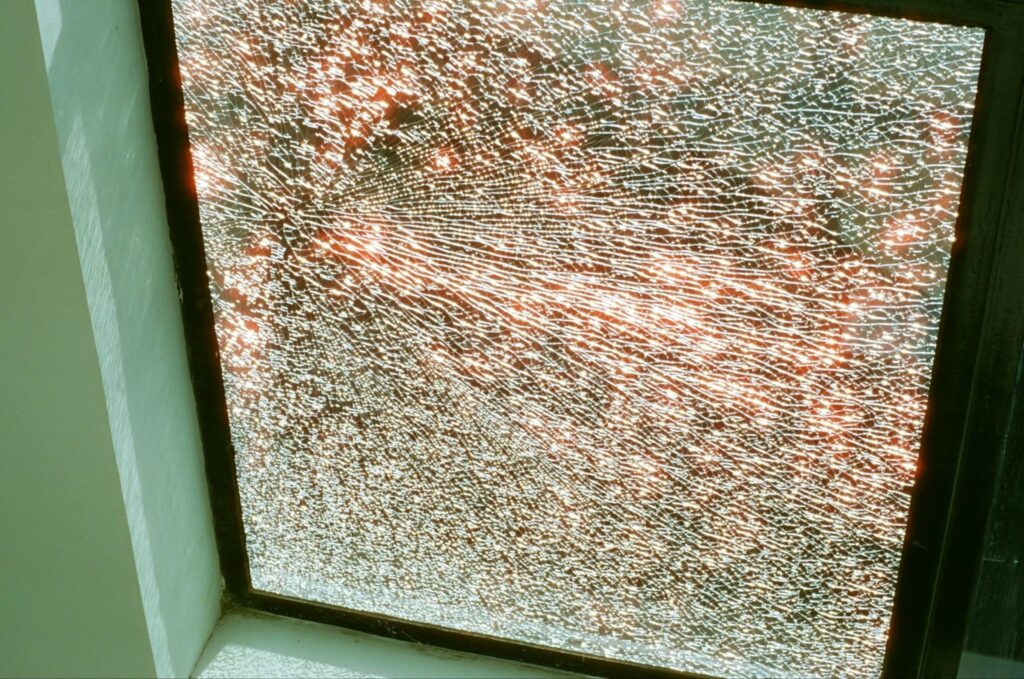
Security glass windows are reinforced windows made from different types of security glazing (including glass and/or non-glass glazing materials) that are highly resistant to impacts.
Whether it’s a flying piece of storm debris, an intentional blow from a hammer, or even a ballistic impact, these windows are built to withstand varying threats faced by commercial properties across industries and locations.
Security glass windows can be installed as part of new construction or retrofitted into existing buildings, either by removing and replacing the existing windows or, oftentimes, by mounting security glazing right on top of the existing glass, shielding it behind a new protective barrier.
There are many different types of security glass windows out there, but the most robust versions employ polycarbonate in their composition. This is because polycarbonate is an incredibly durable (read: virtually unbreakable) thermoplastic material that can be made to look and feel very similar to traditional glass, but will not break or shatter, even when faced with the most extreme impacts.
There are two main types of polycarbonate-based security glass windows:
Full polycarbonate solutions are often favored for retrofit applications because it is very easy to install polycarbonate security glazing over existing windows. This can be achieved using retrofittable framing adapters that are installed into or on top of the current framing, securely holding the polycarbonate infills (glazing panels) in place.
Glass-clad polycarbonate solutions can be a little trickier to retrofit, though it is still possible in many cases. GCP is often favored because the exterior side (attack side) retains all the qualities of glass — because it is glass — while the interior (safe side) has the flexibility and safety of polycarbonate. This means that even if the exterior is damaged, no interior spalling occurs. In other words, no pieces of broken glass fly inwards.
Whether full polycarbonate or GCP, either of these options results in security glass windows that can withstand everything from forced entry attempts to ballistic attacks.
One of the biggest benefits of security glass windows is that they dramatically improve building security without changing the way a property looks or functions. Unlike bars, grilles, or opaque security barriers, high-quality security glazing maintains curb appeal, natural light transmission, and outward visibility, factors that are especially important for customer-facing businesses.
From a protection standpoint, security glass windows create a continuous, always-on defensive layer across a building’s most vulnerable openings. They are designed to resist a wide range of real-world threats, including forced entry attempts, burglary tools, smash-and-grab theft, vandalism, rioting and looting, storm debris, accidental impacts, and, in higher-rated systems, ballistic and blast threats.
Because these windows do not rely on manual activation, power, or staff intervention, they provide 24/7 protection. While they can be used in tandem with after-hours security solutions like roll-down shutters, security glass windows are highly effective as a standalone physical security measure, particularly for locations that must remain visually open during business hours.
Security glass windows are used across nearly every commercial sector, including:
Another major benefit is flexibility in installation. When retrofitting is possible, commercial security glass can often be added over existing glazing rather than requiring full window replacement. This significantly reduces costs, construction time, and operational disruption, making security upgrades achievable even for occupied or high-traffic properties.
In short, security glass windows offer a rare combination of strength, discretion, and long-term value, making them one of the most practical investments a commercial property can make to reduce risks.
Not all security glass windows offer the same level of protection, durability, or performance. Choosing the right solution requires evaluating the specific risks your property faces and matching them with glazing systems designed to withstand those threats. Below are the most important features to consider.
The first question to ask is: What am I protecting against? Security glass windows are available in a range of performance levels, from forced-entry-resistant to ballistic-grade and blast-rated systems.
Look for glazing that has been tested to recognized standards such as UL 972 (burglary resistance), ASTM forced-entry standards, or UL 752 ballistic ratings. These certifications provide objective proof of how the glass performs under real-world attack conditions.
If the solution includes polycarbonate, as the most robust systems do, material quality matters. Not all polycarbonate is created equal. Thickness, formulation, and layering all impact performance.
Multi-layer systems that balance rigidity and energy absorption tend to perform best in commercial environments.
One of the biggest dangers of traditional glass during an impact event is spalling: when shards break loose and fly inward. High-quality security glass windows are designed to prevent this.
Glass-clad polycarbonate systems are particularly effective here, as the interior polycarbonate layer captures fragments even if the exterior glass is damaged. This feature is critical in occupied spaces where protecting people is just as important as stopping intrusion.
Security upgrades shouldn’t compromise the look or feel of a space. Premium security glass windows maintain excellent optical clarity, minimal distortion, and high visible light transmission.
This is especially important for retail storefronts, offices, and hospitality spaces where visibility, branding, and customer experience matter. Always evaluate how the glazing will look once installed, not just how strong it is.
Commercial installations demand longevity. Without proper UV protection, some plastic-based glazing can yellow, haze, or degrade over time.
Look for systems that incorporate UV-resistant coatings or materials engineered for long-term exposure to sunlight. This ensures the windows remain clear and attractive for years, not just immediately after installation.
For existing buildings, retrofit compatibility can be a deciding factor. Some security glass windows require full window replacement, while others can be installed over existing glass using specialized framing systems.
Retrofit-friendly solutions reduce downtime, limit disruption to occupants, and often deliver a faster return on investment. An experienced provider can assess your existing windows and recommend the most efficient path forward.
Security glass windows play a critical role in protecting commercial properties without sacrificing aesthetics, visibility, or functionality. Using advanced glazing materials like polycarbonate and glass-clad polycarbonate, these systems provide always-there protection against forced entry, impacts, and even worst-case active threats.
However, it’s important to know what to look for when choosing security glass for a building’s windows to ensure things like material quality, threat resistance, and retrofit compatibility are right for your needs, goals, and budget.
With the right security glazing solutions in place, commercial facilities can significantly increase physical security while maintaining an open, inviting environment.
Riot Glass offers a full range of security glazing and framing systems for commercial applications. Contact us today to get started with a free consultation.
Glass is usually one of the most vulnerable points in any building’s exterior. Standard storefront windows and commercial glass entryway doors can shatter with minimal force, leaving facilities not only exposed to theft and damage, but also active ballistic threats.
That’s where ballistic glass panels come in, engineered to dramatically increase safety and security in the face of active threats without sacrificing transparency or design.
Ballistic glass panels are sheets of bullet-resistant glass (commonly referred to as bulletproof glass) built to withstand ballistic impacts and delay or prevent forced entry.
Unlike standard glass, which may shatter after a single impact, these bulletproof glass shields are engineered with multiple layers of strengthened glass and non-glass glazing materials (such as polycarbonate) that work together to absorb and disperse kinetic energy from projectiles and other impacts, ballistic and non-ballistic alike.
Ballistic glass panels are typically made from a layered composite that can include:
This unique composition preserves the look and feel of standard commercial glass while providing high levels of ballistic and impact resistance.
To standardize ballistic performance, bullet-resistant glass is typically tested and rated according to the UL 752 rating system. This ballistic standard classifies a material or system, including glazing panels, based on the type of ammunition, caliber, and number of shots it can resist.
For example:
| Rating (UL 752) | Threat Level |
| Level 1 | Small handguns (e.g., 9 mm) |
| Level 2 | Magnum handguns (e.g., .357) |
| Level 3 | Larger revolver threats (e.g., .44 Magnum) |
| Levels 4-10 | Rifle rounds (e.g., .30-06, 5.56 mm) |
These ratings make it easier to match protection to risk. For high-risk locations, such as financial institutions or government buildings, higher UL 752 ratings are recommended.

Ballistic-grade security glazing offers a range of benefits beyond stopping bullets, making it a highly versatile security upgrade for any type of commercial facility:
Retrofitting ballistic glass panels means upgrading existing doors, windows, or storefronts without tearing out the original framing or structure. This typically involves mounting a bulletproof glass shield over the current glazing using retrofittable framing adapters, which secure the ballistic glazing into the existing framing.
Retrofitting glass doors and windows with bulletproof glass shields is far more cost-effective than replacing the existing glass, though that’s an option as well. This makes it an ideal solution for operational commercial facilities, from office buildings and retail stores to schools and government buildings, looking to boost security without major renovations.
Here’s how a typical ballistic glass panel retrofit works:
1.Initial Assessment
A certified installer evaluates the existing framing, ensures it is structurally sound, and checks that it can handle the weight and thickness of ballistic glass.
2. Selecting Protection Levels
Choose the appropriate UL 752 rating based on threat assessment. For retail or lower-risk areas, a Level 1 or Level 2 panel might suffice, while government facilities may require Level 4 or higher.
3. Custom Fabrication
Panels are custom manufactured, in Riot Glass’s case, using proprietary AP-Series polycarbonate or RG-Series glass-clad polycarbonate (GCP) laminates.
4. Frame Preparation
Existing frames are prepped, cleaned, and fitted with adapters or sub-frames designed to accept the ballistic panels.
5. Panel Installation
The ballistic panel is installed into or over the existing frame using mechanical fasteners, sealants, and security anchors, all designed to secure the panel against impact and weather.
6. Sealing and Finishing
Insulation, weatherstripping, and cosmetic trim complete the retrofit, ensuring a seamless appearance with minimal site disruption.
Riot Glass offers several retrofit options depending on threat level and budget.
The Riot Glass RG-Series includes glass-clad polycarbonate ballistic glass panels rated from UL 752 Level 1 to Level 7. These products combine an exterior glass surface (attack side) with a polycarbonate interior surface (safe side) for optimal clarity, durability, and safety.
Each option is customizable in crystal-clear low iron, tinted, or mirrored finishes, allowing protection without compromising appearance.
The Riot Glass AP-Series includes polycarbonate glazing shields available in both containment-grade (non-ballistic) and ballistic-grade (bullet-resistant) options. Ballistic AP-Series models include:
AP-Series ballistic shields are engineered for rapid retrofit applications where weight, speed of installation, and cost efficiency are key considerations. All ballistic AP-Series options maintain high optical clarity and can be installed with minimal disruption to existing frames and operations, making them ideal for schools, offices, and other occupied facilities.
Retrofitting bulletproof glass shields is ideal in scenarios where:
Common applications include:
Retrofitting vulnerable doors and windows with ballistic glass panels is an effective way to harden the security of older buildings facing modern security threats, from active threats to smash-and-grab attacks.
With bulletproof glass shield options ranging from handgun to high-powered rifle protection, building owners can tailor solutions to their perceived threat levels, specific needs, and budget.
When compared to full glass replacement, retrofit solutions offer significant savings, faster installation times, and minimal operational disruption, all while preserving aesthetics and transparency.
If you prioritize protecting building occupants and assets, retrofitting vulnerable glass with bulletproof glass shields should be a part of your security strategy. Contact Riot Glass today to get started with a free consultation.
The continued prevalence of active threat scenarios in schools across the United States has left many parents asking important questions, like “are school windows bulletproof?”
After all, schools conduct lockdown drills, secure their entrances, and invest in safety and security protocols designed to protect students and staff. So, to many people, it feels logical that the windows surrounding classrooms, offices, and entryways would be designed to stop extreme threats as well.
The reality, however, is far more nuanced. Most school windows are not bulletproof. That being said, an increasing number of K-12 schools, districts, and higher-ed institutions are taking steps to add ballistic and forced entry resistance to their windows and doors, ensuring maximum physical protection for school occupants.

Across the vast majority of K-12 schools and college campuses, windows are made from standard annealed glass, tempered safety glass, or insulated glass units designed for:
These glazing (glass) systems perform well for everyday building needs, but they are not designed to resist ballistic threats or forced entry. Even when doors are locked and access control systems are in place, standard glass remains an incredibly vulnerable part of the building envelope.
This doesn’t mean schools are negligent. It means school buildings were historically designed around openness, accessibility, and budget realities, rather than modern security threats.
While the probability of an active threat in school is still low, it can happen anywhere. Schools that reinforce vulnerable windows to bulletproof them against ballistic threats and forced entry will be better prepared in the tragic event of a worst-case active threat scenario.
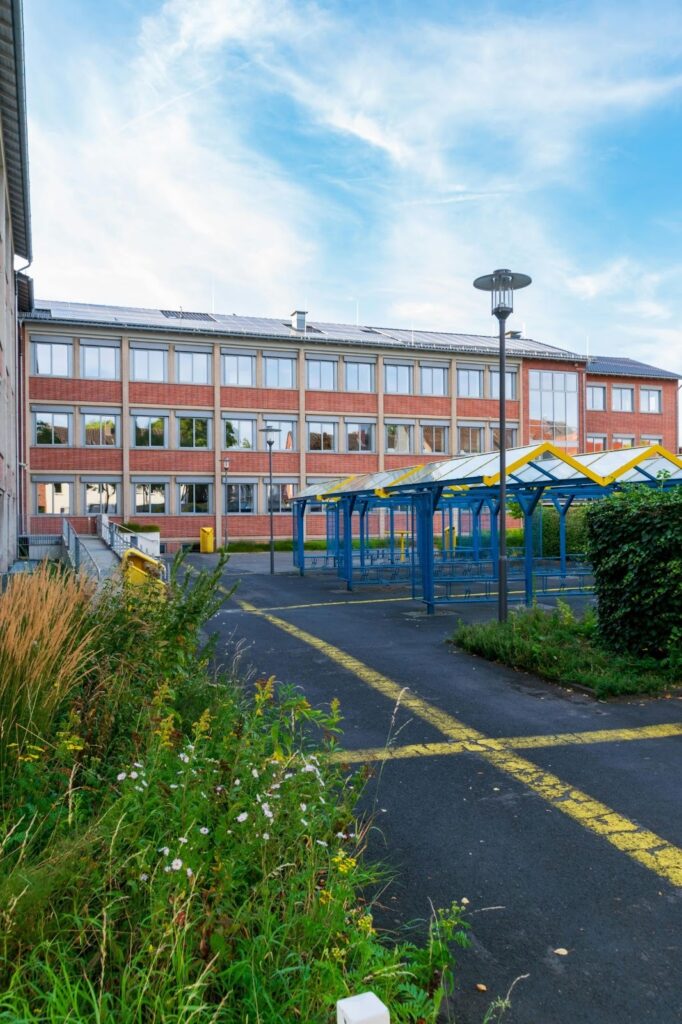
Before we continue, it’s important to understand that the term “bulletproof” tends to be used fairly loosely. In reality, no glass is completely bulletproof. The correct term is “bullet-resistant” glass, which refers to glazing systems tested to withstand specific types of ballistic impacts under controlled conditions.
So, instead of asking “are school windows bulletproof?”, it’s better to consider their level of ballistic resistance. This allows us to understand exactly what they can and can’t do when facing ballistic threats.
School safety is often discussed in terms of doors, locks, and emergency procedures. However, windows play a critical role in whether these measures are effective.
When windows are unprotected:
These vulnerabilities don’t represent flawed policies, but rather an issue with the materials used.
Windows are typically the weakest part of a building’s exterior and interior partitions. Without reinforcement, they can be compromised far more easily than solid walls or secured doors.
As awareness of this crucial security gap has grown, many schools have begun reevaluating how glazing fits into their broader safety and security strategies.
If bulletproof windows offer the highest level of protection, why aren’t they widely used in schools? Well, there are a few practical reasons why schools haven’t historically bulletproofed their windows.
Ballistic-resistant glass is significantly more expensive than standard glazing. Outfitting an entire campus would often exceed available budgets.
Some bullet-resistant glass is heavy and requires reinforced frames and supporting structures that many existing buildings were not designed to accommodate.
Schools prioritize natural light, visibility, and welcoming spaces. Extremely thick ballistic glass can alter the look and feel of classrooms and common areas.
Replacing existing windows entirely is disruptive, time-consuming, and costly — especially for older buildings.
Because of these factors, most schools pursue risk reduction solutions rather than absolute protection.
However, there are modern school security glazing solutions that make retrofitting windows and other vulnerable glass with bulletproof protection far more cost-effective and viable.
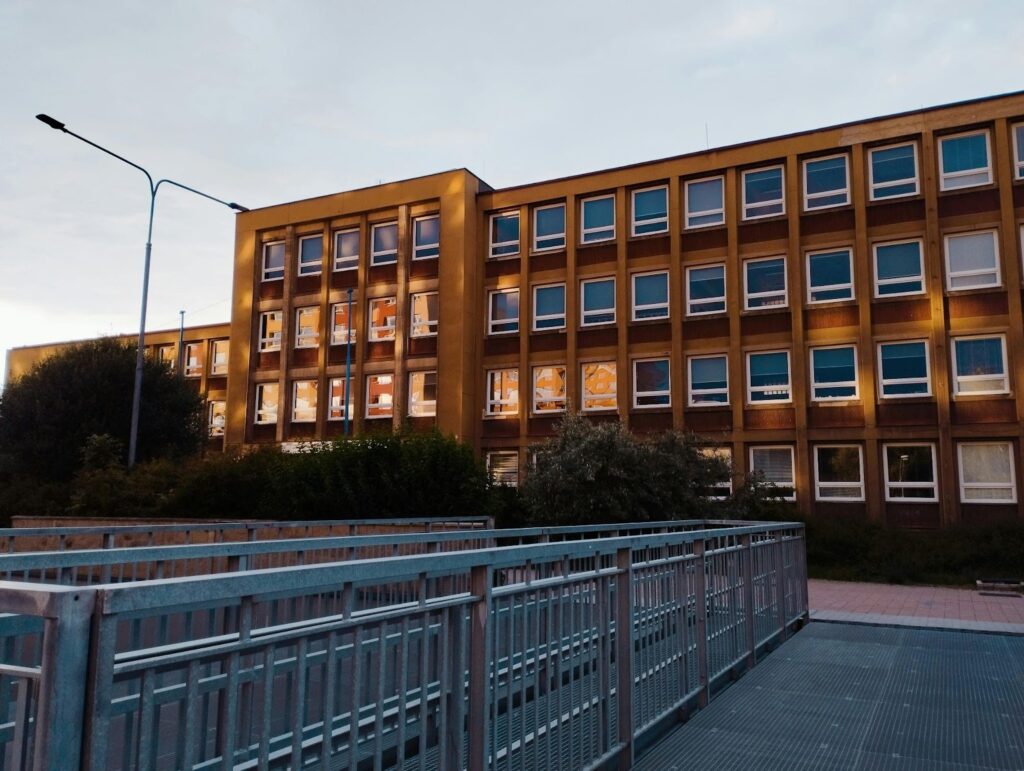
Instead of replacing school windows with ballistic glass, many schools are now choosing to install retrofit security glazing systems designed to reinforce existing glass.
These systems:
These solutions are typically polycarbonate-based, sometimes full polycarbonate or glass-clad polycarbonate (GCP), and are much lighter than traditional bulletproof glass, while still providing ballistic protection.
While retrofit security glazing can stop bullets from specific types of firearms, including those most commonly used in active threat incidents, the main focus of these solutions is on access denial. In other words, they are built to keep the bad guys out, delaying, deterring, and preventing forced entry long enough for law enforcement intervention.
Retrofit security glazing systems work by holding windows together even after impact, including ballistic impact. Rather than shattering and leaving an opening that can be exploited by an intruder, the reinforced window remains in place, denying or delaying unauthorized access to secure areas.
In schools, retrofitting windows with ballistic-grade security glazing:
These systems are designed to be part of a layered security strategy. When used alongside other solutions, including secure school doors and access control systems, they can drastically improve the overall security posture of schools, protecting against everything from vandalism to active threats.
One of the biggest advantages of retrofit security glazing for schools is that it allows them to improve glass protection without transforming campuses into fortress-like environments.
When vulnerable school windows are reinforced with bullet-resistant security glazing, administrators and parents alike can rest assured that the building is fortified against threats without looking fortified.
Other benefits include:
The goal of school safety planning is not to eliminate all risks, but rather to reduce vulnerabilities and improve response effectiveness, especially if faced with a worst-case active threat scenario.
When it comes to windows, instead of asking “are school windows bulletproof?”, consider:
The answers to these questions can help schools make cost-effective decisions about how to best protect students, staff, and assets.
Most school windows are not bulletproof, but more schools are turning to bullet-resistant, retrofittable security glazing solutions as a practical, cost-effective way to reinforce windows, strengthen lockdown procedures, and reduce vulnerabilities.
At Riot Glass, we specialize in strengthening the glazing that schools already have, helping districts or higher-ed institutions close critical security gaps while preserving the open, welcoming learning environments students need to thrive. Contact our team today to learn more.