
Written By: Brad Campbell | October 30, 2026
Running a daycare comes along with one of the biggest responsibilities a business can take on: ensuring the safety and security of children.
When a parent leaves their child at daycare, they trust that the facility’s security measures are strong enough to protect them from threats, from everyday accidents to worst-case active threat scenarios.
This means that daycare security plans must include everything from access control and surveillance systems to physical access denial barriers, including forced entry-resistant glazing for vulnerable glass doors and windows.
No single security measure keeps a daycare safe on its own. The strongest facilities combine several layers of protection, so if one is bypassed, others are still in place to prevent unauthorized access or limit the risks from an accident, storm, or other unexpected event.
Controlling who enters the building is the foundation of daycare security. Keycard or keypad entry systems, video intercoms at the front door, and single-point-of-entry designs all help staff verify visitors before granting access.
Many daycares now pair these access control systems with electronic sign-in logs that record exactly who picked up which child and when, giving directors an accurate record if questions ever come up.
Here are a few daycare access control practices to prioritize:
Cameras covering entrances, hallways, playgrounds, and parking areas serve two purposes: they deter bad behavior before it happens, and they give directors a clear record if an incident does occur.
Placing monitors where staff can see them during the day, rather than just recording footage and reviewing it after the fact, adds a layer of real-time awareness, enabling staff members to react quickly to potential threats.
Every daycare security plan should include a clear, consistent process for visitors, including parents, delivery drivers, and maintenance staff.
Requiring everyone to check in at a front desk, wear a visible badge, and be escorted through non-public areas keeps the building predictable and makes it easy for staff to notice when something is out of place.
Daycare security measures only work as well as the people using them. Regular training on lockdown procedures, severe weather response, and basic first aid ensures staff can act quickly and calmly if something goes wrong.
Practicing drills with children, in age-appropriate ways, also helps reduce panic and confusion during a real event.
Access control and staff protocols address the human side of daycare security, but the building itself also plays a critical role.
Doors and windows are often the most vulnerable points in any facility, and daycares are no exception.
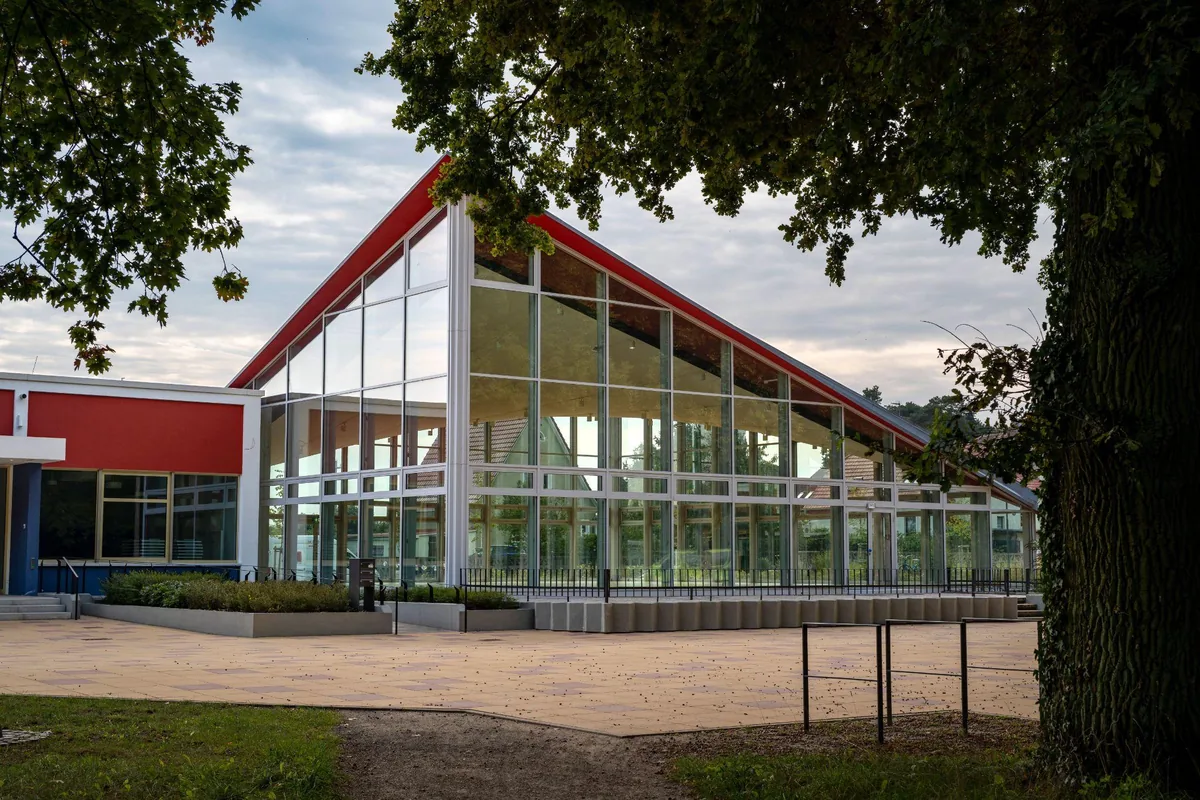
Standard glass can shatter under a range of conditions, from a stray ball or an accidental fall to severe weather or unexpected impacts, leaving an opening that puts children and staff at risk.
Security glazing addresses this vulnerability directly. Unlike standard glass, security glazing is engineered to stay intact under impact rather than shattering into sharp, dangerous fragments.
That impact resistance holds up in several everyday and emergency scenarios a daycare might face.
Daycares located in regions prone to high winds, hail storms, or hurricanes face a real risk of windborne debris breaking windows during a storm.
Impact-resistant glazing is built to withstand these forces, keeping the building envelope intact and reducing the chance of injury from flying glass.
Children are active, and daycare environments are full of movement, from moving toys and furniture to the everyday bumps and falls that come with young kids at play.
Security glazing holds up against accidental impacts that might otherwise crack or shatter standard glass, reducing the risk of cuts and injuries during ordinary daily activity.
Beyond accidents and weather, security glazing also adds an access denial barrier against unauthorized entry.
Rather than breaking on the first strike, reinforced glazing can absorb repeated impacts, buying valuable time for staff to lock down the facility and for help to arrive in a worst-case active threat scenario.
From earthquakes to other structural stresses, security glazing helps keep windows and doors intact when a building is under strain, reducing one more variable staff have to manage during an already stressful situation.
The goal of any daycare security solution isn't to make the building feel like a fortress. It's to give parents confidence that their child is in a safe environment, and to free up staff to focus on what actually matters: caring for children and creating a space where they can learn, play, and grow.
When access control, staff protocols, and physical building security measures work together, daycare directors spend less time worrying about threat scenarios and more time supporting the day-to-day experience that makes a daycare a good one.
Security glazing plays a quiet but important role in daycare security. It's not something parents or children think about walking through the door, but it's working in the background to reduce risk across a range of potential scenarios, from the everyday to the exceptional.
Every daycare is different, and a security plan should reflect the specific layout, location, and risks of each facility.
A single-entry building in a mild climate has different priorities than a multi-door facility in a storm-prone region.
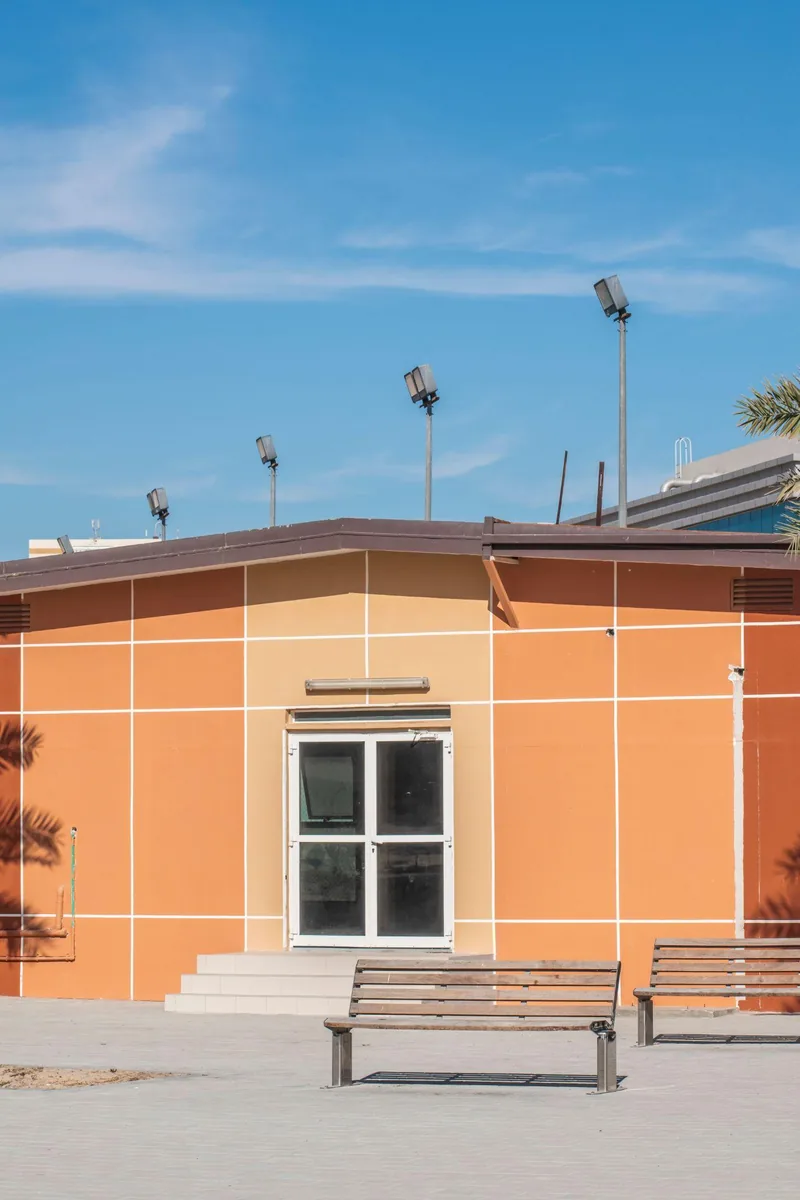
Walking through the building with a security professional, identifying the most vulnerable doors and windows, and prioritizing upgrades based on real risk levels leads to a plan that actually holds up.
In facilities like daycares and schools, forced entry and impact-resistant glazing is typically installed as a retrofit, meaning existing windows and doors are upgraded without a full renovation. This makes it a cost-effective, minimally disruptive solution for daycares looking to strengthen their facility without disrupting daily operations.
A comprehensive daycare security plan combines strong access control, clear protocols, trained staff, and a building that can hold up under pressure.
Security glazing is one of the most effective ways to strengthen the building’s physical security, giving daycare directors and parents alike the confidence that comes from knowing the building itself is built to protect the people inside it.
If you're evaluating security upgrades for your daycare facility, Riot Glass can help you identify the right glazing solution for your doors and windows. Contact our team today to discuss your facility's specific needs.
No. Security glazing is designed to look like standard glass while providing significantly more impact resistance.
Yes. Riot Glass security glazing can be installed as a retrofit, so daycares don't need to replace their entire window or door systems.
Yes. It also helps protect against storm damage, accidental impacts, and other everyday risks that can break standard glass.
A walkthrough with a security professional helps identify the most vulnerable doors and windows based on the facility's layout and location.
No. It works best as part of a layered plan that also includes access control, visitor protocols, surveillance, and staff training.

HOW CAN WE HELP YOU?