
Written By: Brad Campbell | November 13, 2026
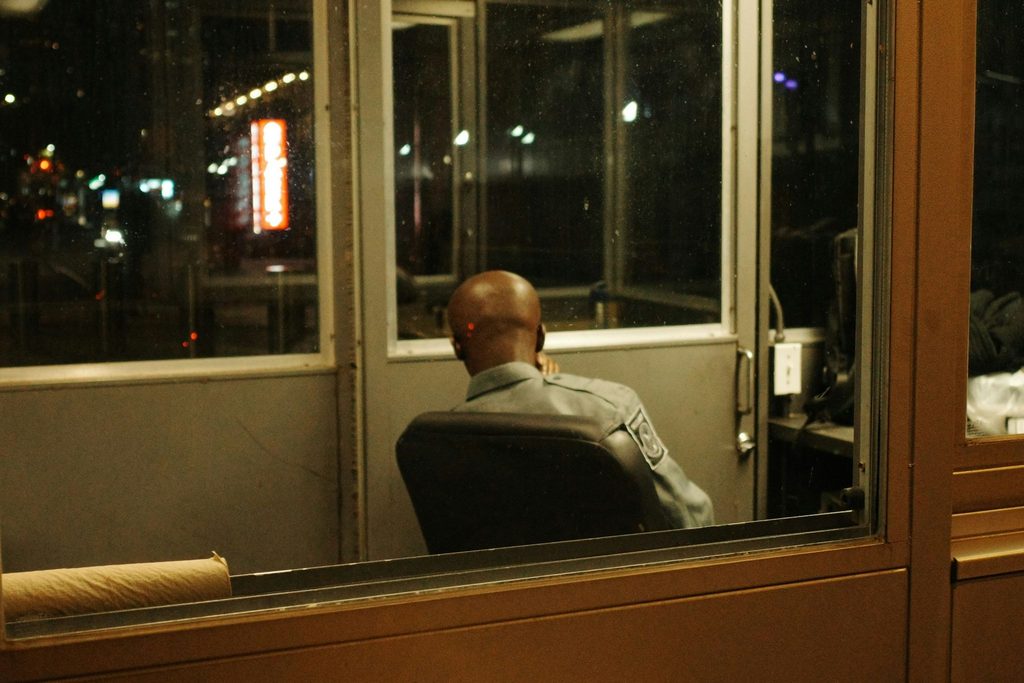
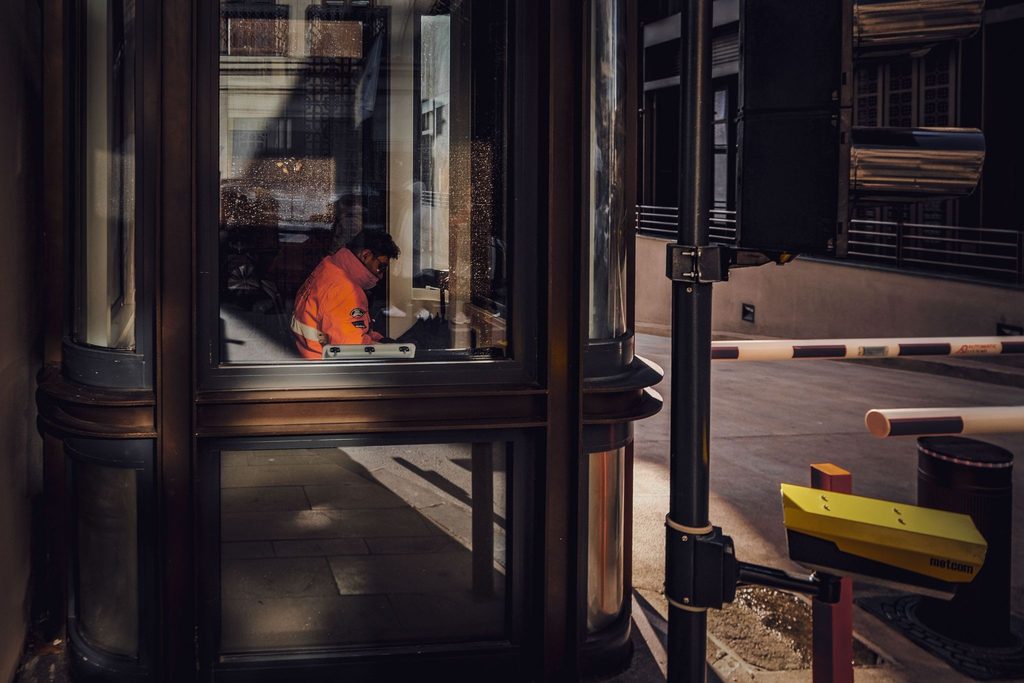
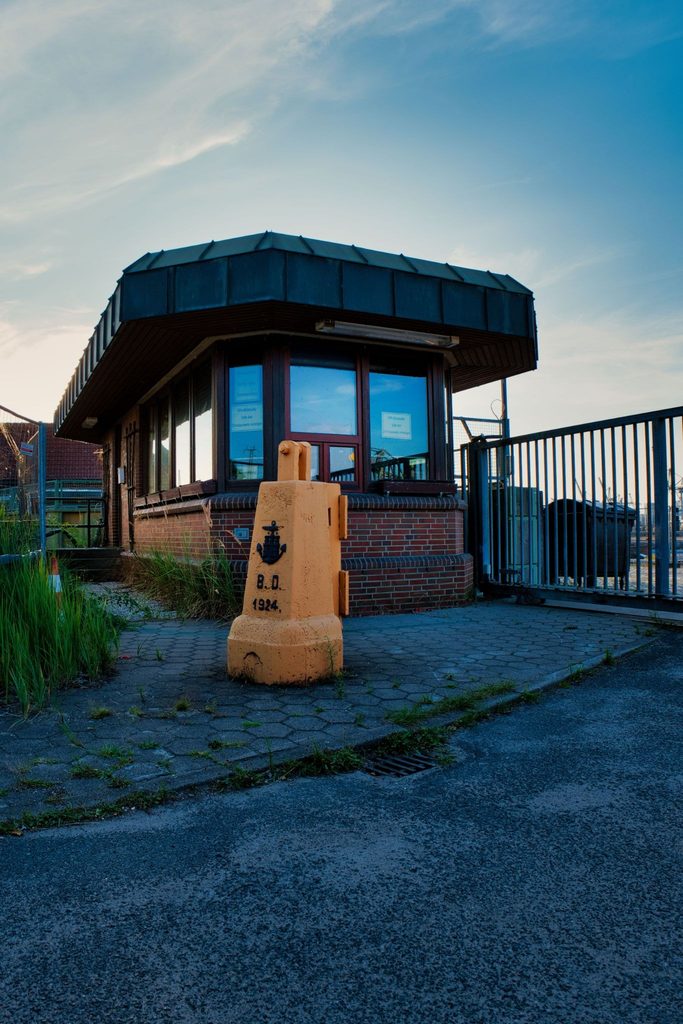
A guard shack is often the first structure a visitor sees and the first one an intruder studies. It sits at the entrance of a private neighborhood, a corporate campus, a warehouse yard, a parking facility, a school or hospital drive, or a government site, and one person inside is responsible for deciding who gets through. That person usually works behind glass in a small booth that is exposed on several sides.
Standard window glass, even tempered glass, does not provide adequate protection for guard shacks and those inside. It breaks quickly, and a broken window gives an attacker direct access to the guard and to the access controls inside.
Guard shack window security solutions reduce risks by pairing the right security glazing with the right threat level, while still letting the guard see out, speak with visitors, and handle transactions as needed.
Guard shacks are small, often isolated, and built around glass. Windows usually wrap three or four sides so the guard has a clear view of approaching vehicles and pedestrians. That visibility is essential to the job, and it also means the glass is the weakest part of the structure.
Several factors raise the risk:
The threats themselves range widely, from thrown or swung objects to forced entry attempts with hammers, crowbars, or other tools. At higher-risk sites, ballistic threats are a realistic consideration.
A site threat assessment should look at who approaches the shack, what the facility protects, what incidents have occurred nearby, and how quickly help can arrive. Those answers point toward the right level of protection when it comes to guard shack window security glazing.
Security glazing replaces or reinforces ordinary glass with glazing materials built to withstand deliberate attack. For guard shack windows, adding resistance to forced entry is essential. Ballistic resistance is also an option when the threat assessment calls for it.
Retrofit security glazing systems allow some types of guard shack windows to be upgraded without tearing out the existing structure. Glazing can often be mounted into or onto the current window framing, using specialized security framing adapters, so the booth keeps its appearance and the guard keeps a clear view. New guard shacks can also be constructed with security glazing already incorporated.
Forced-entry-resistant glazing is built from layers of tough polycarbonate or other laminated security glazing materials. Where regular glass shatters and falls away after a few blows, this type of glazing absorbs repeated impacts and stays in the frame, preventing the attacker from reaching through.
This is the right starting point for many guard shack windows. Standard tempered safety glass is meant to prevent injury from accidental breakage, while security glazing is designed to withstand intentional attack. It addresses the most frequent real-world threats, including vandalism, thrown objects, and attempts to break in with common tools.
Every extra minute an attacker spends fighting the glazing is also a minute for the guard to call for help, lock down the booth, and trigger an alarm.
Ballistic-grade glazing, commonly called bullet-resistant glazing, is designed for sites where the threat assessment calls for resistance to firearm attacks. It is typically built as a glass-clad polycarbonate laminate or a full polycarbonate laminate, and rated to UL 752, the standard used to rate bullet-resisting materials and systems.
UL 752 organizes ratings into levels, and each level corresponds to specific firearms and ammunition and a set number of shots from a certain distance. Lower levels address handgun threats, while higher levels address rifles.
It’s important to understand that bullet-resistant does not mean bulletproof. No glazing is guaranteed to stop every round from every weapon under every circumstance. A rating describes performance against the specific threat the glazing was tested for, and a stronger weapon, a different type of ammunition, or repeated hits concentrated in one spot can penetrate it.
A sealed, protected booth still has to serve people. Guards check IDs, hand out visitor passes, collect parking payments, receive deliveries, and answer questions. Pass-through and communication hardware lets those exchanges happen while guards stay safe behind the glazing.
Common options include:
Guard shacks put one person at the front line of a facility’s security, usually in a glass-walled booth with limited backup.
Forced-entry-resistant glazing stands up to the most common attacks and buys the guard valuable time, while bullet-resistant glazing adds ballistic protection at sites where firearm threats are a credible risk.
Add well-matched pass-through and communication options, and the booth stays functional and still works the way a security checkpoint should.
If you’re planning a guard shack window upgrade, contact Riot Glass for a consultation to review your site and match the glazing to the threat.
Often, yes. Retrofit systems can usually be mounted into or onto existing window framing, though sometimes it makes more sense to replace the glazed panels.
It depends on your threat assessment. Forced-entry-resistant glazing suits many sites, while ballistic-grade glazing fits locations where firearms are a realistic concern.
Not significantly. Riot Glass security glazing has a sleek profile and looks and feels like regular glass, so the booth retains its appearance and the guard has a clear view.
Yes. Speak-through ports, amplified intercoms, and similar options allow clear two-way communication.

HOW CAN WE HELP YOU?