
Written By: Brad Campbell | July 16, 2026
Election administration depends on environments where staff can work without intimidation, ballots remain protected from tampering or theft, and members of the public can participate in the process safely.
Voting centers are increasingly visible targets for disruption, and the physical security infrastructure supporting them deserves the same level of planning that goes into any high-stakes public facility.
This guide covers the key voting center security measures election administrators and facility managers should consider when protecting voting center staff, ballots, and entry points. Note that many of these strategies can work equally as well for securing government buildings and other high-risk public facilities.
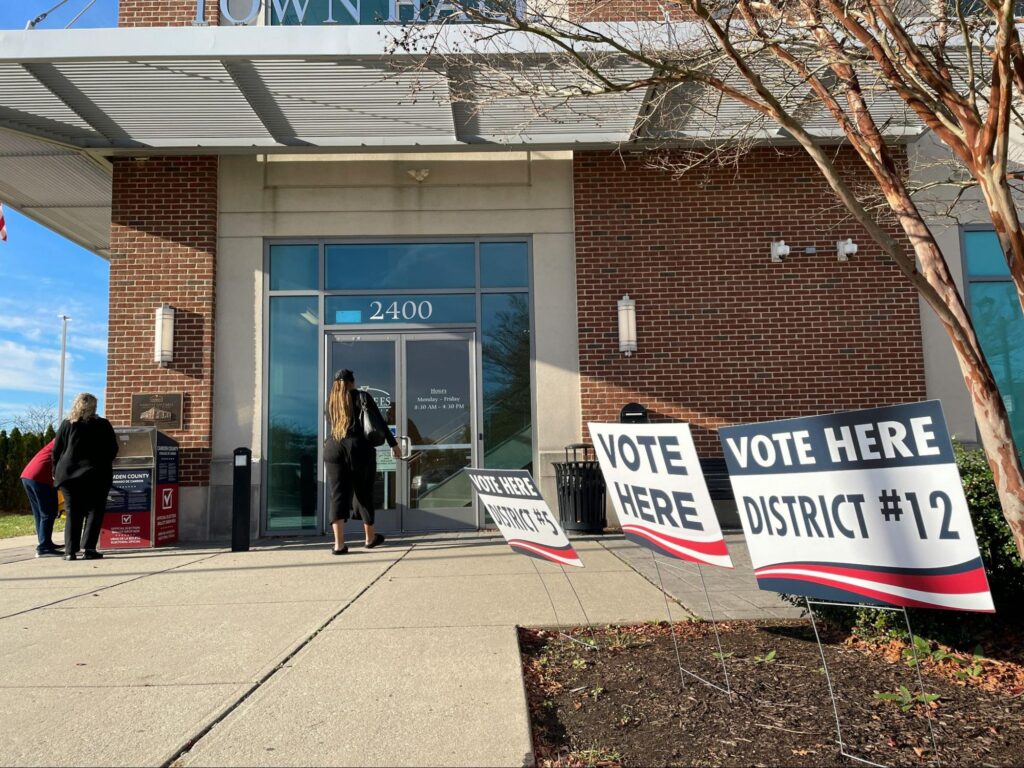
Structured access control is the foundation of any voting center security plan. Public entry must be clearly defined, consistently monitored, and separated from staff and administrative access zones.
Key access control measures for voting centers include:
Entry point design should make it easy for legitimate voters to move through efficiently while giving staff clear sightlines over who is entering and where they are going.
Visible, professional security personnel are one of the most effective deterrents against disruption at voting centers. Staff exposure is highest at check-in areas, ballot drop-off points, and entry points, where they interact directly with the public for extended periods.
Voting center security staffing considerations:
Election workers are not security personnel, and they should not be placed in a position where they need to manage confrontational situations without support.
Screening at voting center entry points serves a dual purpose: it deters individuals who intend to disrupt the process and provides a documented checkpoint that can be referenced in any post-incident review.
Basic screening measures appropriate for most voting centers include:
Screening should be applied consistently to everyone entering the facility, including observers and media, with the exception of credentialed law enforcement.
Ballots are the most sensitive asset in any voting center, and their physical security requires specific attention beyond general facility measures.
Chain-of-custody documentation should accompany ballots at every stage, from arrival to certification
Transparent processes, including allowing credentialed observers appropriate sightlines into counting areas, actually support security by reducing the opportunity for credible disputes about what occurred.
Voting centers that operate out of permanent or semi-permanent facilities often have glass components at entry points, check-in windows, and administrative areas that introduce physical vulnerability. Standard glass offers minimal resistance to forced entry or targeted attack.
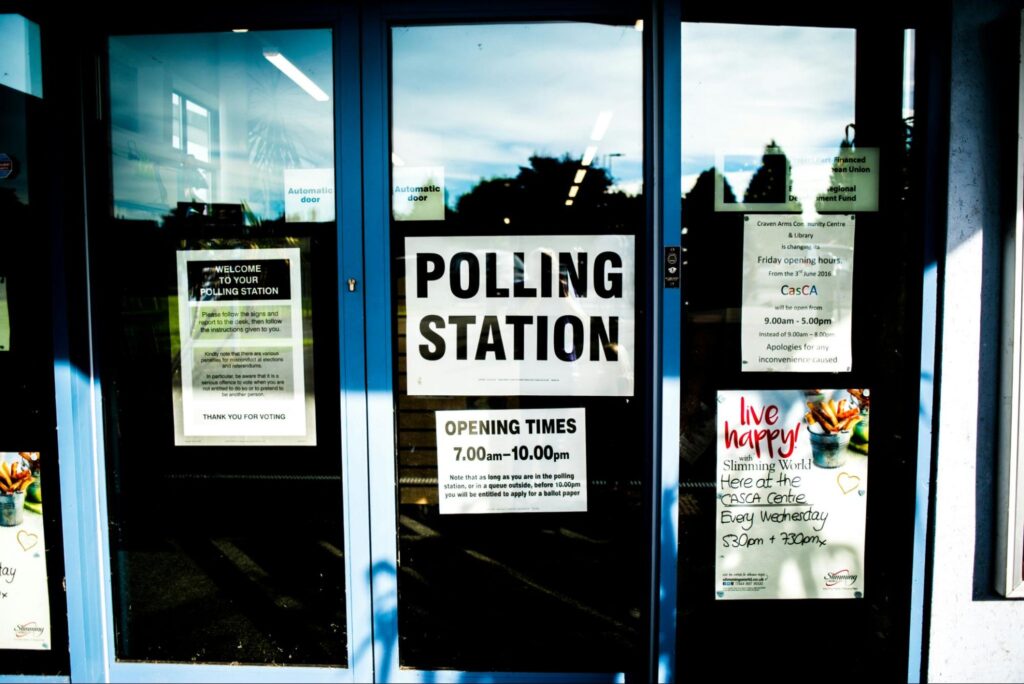
Security glazing addresses this directly. In check-in and administrative window applications, it creates a transparent barrier between staff and the public that allows normal interaction while significantly increasing protection against physical threats. Staff can process voters, answer questions, and manage credentials without being directly exposed.
In ballot storage rooms or administrative offices with glass doors or partitions, security glazing raises the level of forced entry resistance substantially.
Riot Glass offers security glazing solutions that can be retrofitted into existing frames without requiring structural modification, making them practical for the range of facility types voting centers occupy, from purpose-built civic buildings to temporarily repurposed community spaces.
Voting centers often hold sensitive materials, including ballots, voting equipment, and voter data infrastructure, for days or weeks surrounding an election. During off-hours, these facilities may be less monitored while remaining high-value targets.
Roll-down security shutters provide strong after-hours protection for entry points, windows, and administrative areas. When closed, they eliminate visibility into the facility and create a physical barrier that makes forced entry significantly more difficult and time-consuming. Combined with forced-entry-resistant security glazing on windows and doors, they form a layered hardening solution that protects the facility when staff are not present.
Additional off-hours voting center security measures worth considering:
Voting center security planning should extend beyond the building itself. The area immediately surrounding a voting center, including parking lots, drop box locations, and public sidewalks, is part of the security environment.
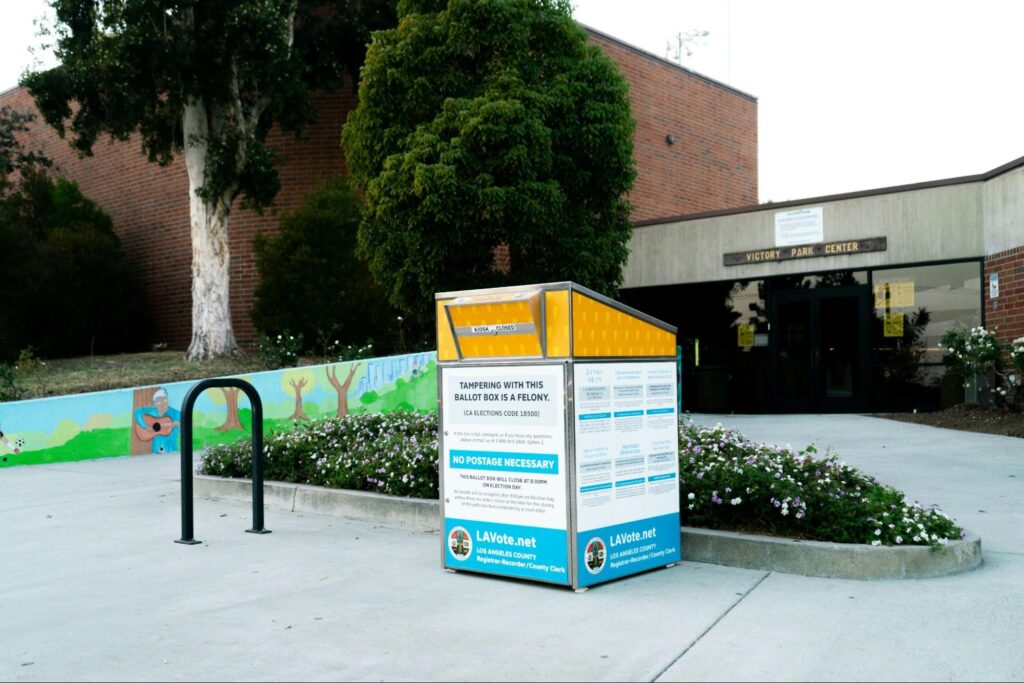
The goal of strong voting center security measures is not to prevent dramatic incidents, but to create an environment where election workers can do their jobs without intimidation, where ballots are protected at every stage of handling, and where voters can participate in the process without concern for their safety.
A layered approach combining access control, trained personnel, screening, security glazing, after-hours hardening, and perimeter management provides coverage across the full range of threats a voting center may face. The infrastructure investment required is modest relative to the importance of what is being protected.

HOW CAN WE HELP YOU?