
Written By: Brad Campbell | April 20, 2026
When you think of prison windows, bars and grates are probably what comes to mind. But many modern correctional facilities and detention centers feature glazed windows, too, including in cell doors, visitation rooms, control room partitions, staff corridors, interview spaces, and administrative areas where visibility and security must work together.
Glazed windows in these facilities aren’t just architectural features. They’re critical security infrastructure that contain and separate inmates and protect staff while providing visibility.
Whether you’re designing a new detention center or upgrading an aging correctional facility, selecting the right prison window glazing is one of the most consequential decisions to make when it comes to the functional security of the facility.
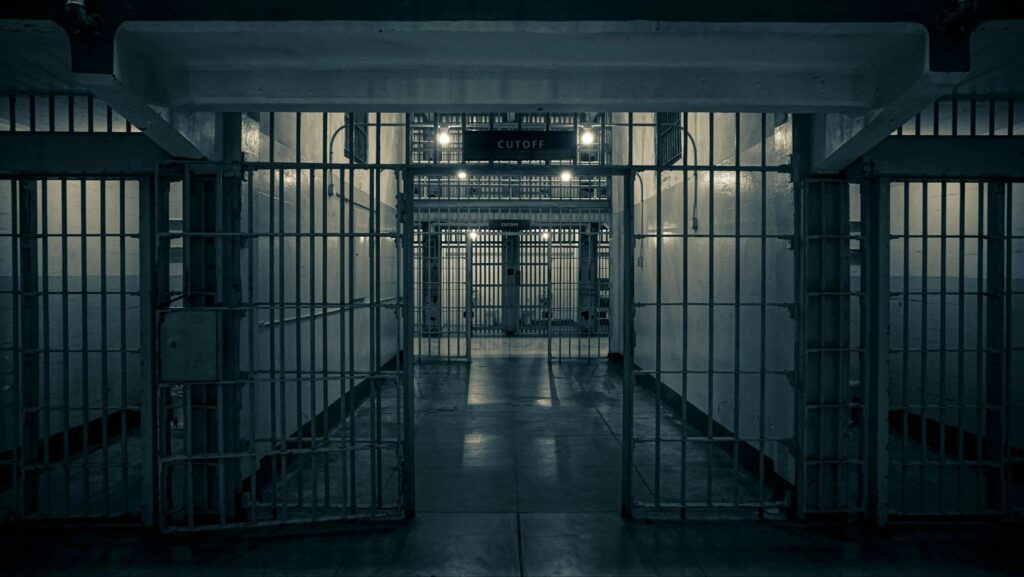
Prison windows face a threat profile unlike almost any other glazed openings. Whereas most windows are designed to act as a barrier against the outside world, keeping out the elements, and in the case of security glazing, preventing forced entry. However, detention center glazing also has to keep detainees contained and protect staff in key areas.
In order to do so, correctional facility glazing must be able to withstand determined attacks using hand tools, improvised weapons, blunt objects, and brute force, sometimes over extended periods of time and often without immediate intervention from staff.
Beyond resisting physical attacks, prison window glazing must also maintain full optical clarity. Staff need unobstructed sightlines into cells and common areas to monitor behavior and respond to incidents. A material that gets damaged easily defeats one of its primary purposes.
Add to that the need for long-term durability, code compliance, and cost-effectiveness, and the bar for prison window performance becomes very high.
In order to understand what the best glazing is for correctional facilities and detention centers, let’s take a look at some of the different types of glazing available on the market and how each type does or doesn’t work to increase safety and security in these types of environments.
Laminated glass, layers of glass bonded with a thermoplastic interlayer, typically polyvinyl butyral (PVB), is widely used in commercial security applications. When the glass is broken, the interlayer holds the fragments together, reducing injury risk and maintaining a partial barrier.
For lower-risk areas of a correctional facility, laminated glass can be appropriate. However, it has meaningful limitations in high-security contexts. Repeated blunt force impacts can crack the glass and compromise the interlayer over time. Sustained attacks can eventually defeat it.
And, while it initially stays together when broken, laminated glass doesn't hold up forever. A determined attacker with time and leverage can work through it. For maximum-security or high-risk housing units, laminated glass generally falls short.
Tempered glass is heat-treated to be significantly stronger than standard glass and shatters into small, relatively blunt pieces rather than dangerous shards. It's commonly used in doors and windows throughout institutional settings where human safety is a primary concern.
That being said, tempered glass is not a security glazing solution. Once it fails — and it can fail from a single well-placed strike — it fails completely and catastrophically. In a prison environment, this is simply unacceptable. Tempered glass should not be the primary glazing choice anywhere meaningful security is required.
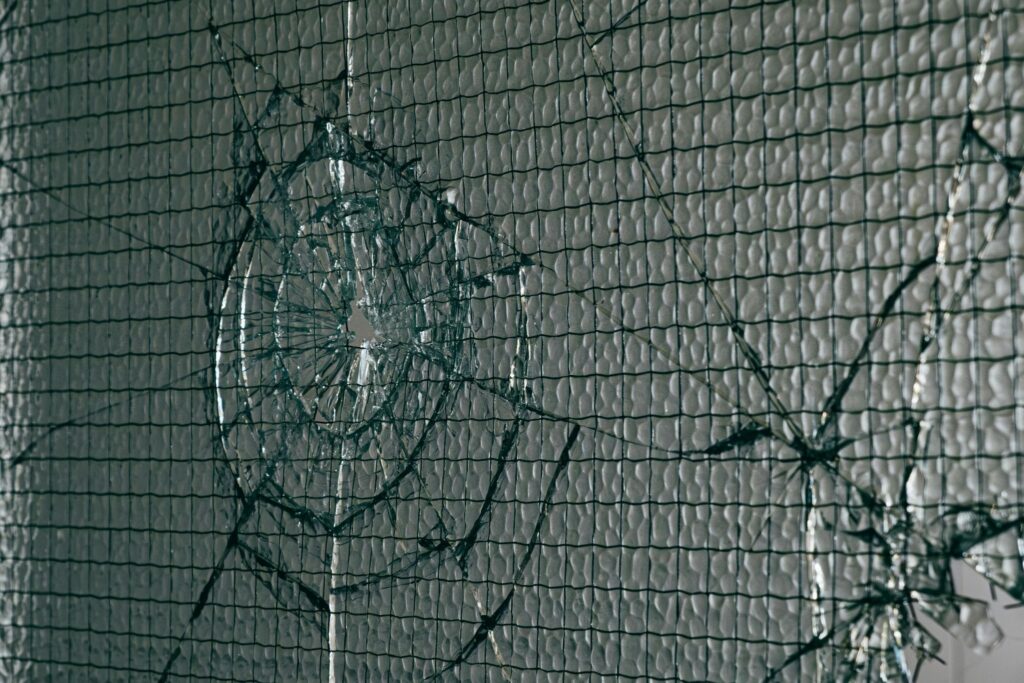
Wired glass has a long history in institutional settings, largely due to its fire-rated properties. An embedded wire mesh holds the pane together if it breaks, helping to slow the spread of fire and smoke.
But wired glass is not a security product either, and its use in older correctional facilities is increasingly questioned. It is actually weaker than standard annealed glass in terms of impact resistance, and its fire-rated designation has come under scrutiny from updated building codes. In short, wired glass has little place in modern prison glazing applications.
Acrylic (polymethyl methacrylate, or PMMA) is sometimes considered a glass alternative due to its light weight, impact resistance, and clarity. It's about 10-20 times more impact-resistant than standard glass and relatively inexpensive.
However, for prison window applications, acrylic on its own is not recommended as a standalone security glazing solution. It’s best combined with other even more impact-resistant plastics to take advantage of the strengths of each and create a more reliable security glass product.
Polycarbonate is a durable thermoplastic material with extraordinary impact resistance. It is, by a wide margin, the most impact-resistant transparent non-glass glazing material commercially available. When properly engineered for security applications, polycarbonate-based glazing is essentially unbreakable under real-world attack conditions.
Full polycarbonate panels can absorb repeated blunt force impacts without fracturing. They resist sustained hand tool attacks far beyond the threshold of any all-glass product. They will not shatter or collapse, meaning they maintain a continuous barrier even under prolonged assault.
Glass-clad polycarbonate takes this further by laminating one or more exterior layers of glass (attack side) to a polycarbonate interior (safe side). The glass outer surface addresses one of pure polycarbonate's few weaknesses: surface scratch resistance.
The result is a product that combines the optical clarity and hardness of glass on the exterior with the virtually unbreakable toughness of polycarbonate at its core. It is the gold standard for high-security glazing, especially when high levels of ballistic resistance are required.
The case for polycarbonate-based security glazing in prisons comes down to performance across every relevant threat vector:
Not all glazing is suited to the unique demands of prison windows, and the cost of getting it wrong extends far beyond the price of replacement glass.
Laminated glass, tempered glass, wired glass, and acrylic glazing all have applications, but none of them approach the security performance of polycarbonate-based glazing when correctional facilities need to confine, separate, and monitor effectively.
For high-security inmate housing, staff protection barriers, control room windows, and any application where the integrity of the glazing directly supports facility security and operations, polycarbonate or glass-clad polycarbonate is the clear and virtually unbreakable choice.
Riot Glass offers a range of polycarbonate-based security glazing options for detention centers and correctional facilities. Contact our team for more information.

HOW CAN WE HELP YOU?