
When people picture a burglary target, a retail storefront usually comes to mind first, but plenty of products are stolen before they ever reach a shelf; while they're still sitting in a warehouse.
Distribution centers and storage facilities are frequently targeted by organized criminal groups looking to move large volumes of goods quickly, and the warehouse itself often gets far less security attention than the store it eventually supplies. That’s exactly what makes warehouses appealing targets for forced entry and burglary.
One of the most overlooked parts of a warehouse’s security is the glazing, or glass. If the glass in a warehouse's windows and doors is standard annealed or tempered glass, it can be broken through in seconds with basic tools, giving thieves a fast way in.
Warehouses connected to electronics distribution, pharmaceutical supply, cannabis products, liquor, tools and hardware, and general consumer goods are all common targets for forced entry and theft.
Items that can blend easily into a broader resale or supply chain are particularly attractive to thieves. A pallet of tools, a shipment of liquor, or a load of everyday consumer products can be moved and sold with far less scrutiny than something that's obviously traceable or unusual to possess.
That's why it's a mistake to scale back on warehouse security simply because the inventory inside doesn't seem like a high-risk target on paper. Thieves aren't only chasing top-value items. They're looking for goods that are easy to lift, easy to move, and easy to offload without drawing attention.
Forced entry into a warehouse usually comes down to finding the weakest physical point on the building and exploiting it.
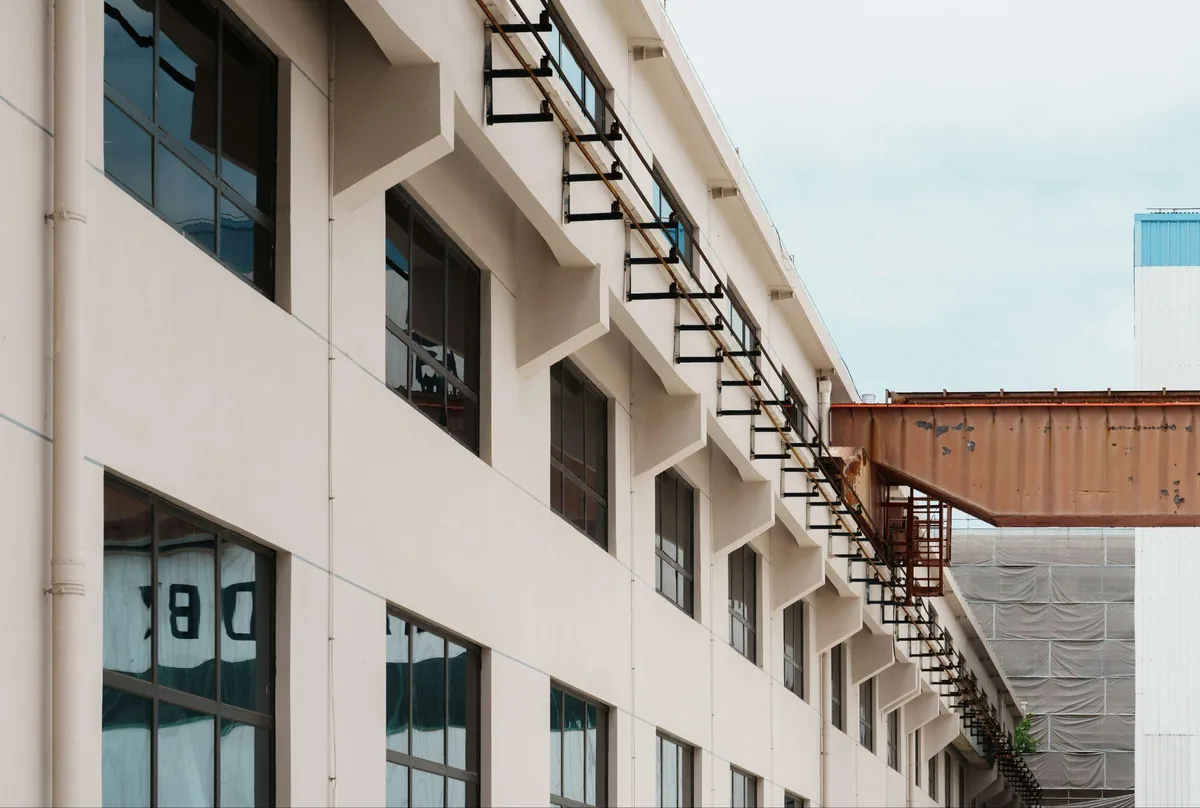
Doors and windows that are hidden from view and aren't properly reinforced are consistently among the most common points of entry, whether that's a side door with standard glazing, a rear service entrance, or windows near a loading area.

The reason glass gets targeted for forced entry so often is simple: it's typically the fastest, easiest way into a building, compared to prying open a steel door or bypassing an electronic lock.
Standard commercial glass (even tempered safety glass) shatters with minimal force, which means an intruder can be inside a facility before anyone nearby has a chance to notice or respond.
Retrofitting a facility’s doors and windows with forced entry-resistant security glazing is one of the most cost-effective security upgrades a warehouse can make. It closes off the fastest way in for would-be intruders without requiring a full renovation of the building's envelope.
Full polycarbonate and glass-clad polycarbonate are the best materials for warehouse security glazing.
Full polycarbonate security glazing is made primarily from polycarbonate plastic (sometimes mixed with acrylics or other plastics) rather than glass. It's engineered to flex and absorb impact energy instead of fracturing, which is what allows it to withstand repeated blows from tools like hammers, pry bars, or bats without cracking or shattering.
Because it's significantly lighter than laminated glass, polycarbonate glazing is also easier to retrofit into or onto existing window and door frames using purpose-built framing adapters, rather than requiring a full glass or frame replacement.
Glass-clad polycarbonate takes that same polycarbonate core and adds a glass surface layer on the attack-facing side. That layer provides a more familiar outward appearance and added scratch resistance, while the polycarbonate core underneath prevents the panel from shattering or spalling.
Depending on the solution selected, warehouse security glazing can also provide ballistic resistance, which matters for warehouses in areas or industries where armed break-ins or targeted attacks on the building are a real concern.
Riot Glass offers both types of solutions, from containment-grade polycarbonate panels designed to resist sustained forced entry attempts to ballistic-grade, glass-clad polycarbonate systems for facilities that need a higher level of protection. Both are designed to retrofit into existing door and window frames, which means a warehouse can harden its most vulnerable points without tearing out and replacing the surrounding structure.
Reinforced glazing works best as part of a layered warehouse security plan that includes:
None of these measures work as well in isolation as they do together. A camera can record an intrusion, but it can't stop one on its own. An alarm can alert a response team, but it doesn’t matter if the building's physical weak points have already given an intruder a fast way in and out before anyone arrives.
When it comes to protecting goods from theft, warehouses are often treated as an afterthought, even though they can hold just as much value, and just as much risk, as the retail storefronts they supply.
Standard glass on warehouse doors and windows is one of the most common entry points for criminals. Reinforcing those entry points with forced-entry-resistant glazing makes it significantly harder for an intruder to get in quickly, and it pairs well with the surveillance, alarm, and patrol measures that make up a strong layered approach to warehouse security.
Contact Riot Glass to discuss your options for securing a warehouse facility.
Unreinforced glazed doors and windows, particularly near loading areas or rear entrances that sit outside main lines of sight.
All of them. Consumer goods that are easy to move and resell, like tools, generic products, electronics, or liquor, are common targets.
Full polycarbonate glazing is made entirely from polycarbonate plastic and is lightweight and highly impact-resistant. Glass-clad polycarbonate adds a glass surface layer over a polycarbonate core, combining a familiar appearance with the same impact-absorbing protection, and it can be built for even higher levels of ballistic resistance.
Not usually. Most polycarbonate and glass-clad polycarbonate systems, like those from Riot Glass, are designed to retrofit into or onto existing frames using specialized framing adapters, avoiding a full warehouse window or door replacement.
It strengthens one of the most common entry points, but it works best alongside surveillance, monitored alarms, and regular physical patrols as part of a layered security approach.
Hotels have a responsibility to protect guests and staff from threats, ranging from forced entry and burglary to more serious active threats.
There’s also the separate risk of vandalism and property damage, potentially caused by disgruntled or intoxicated guests.
In certain areas, like Florida and other areas of the Southeastern United States, hurricanes and strong windstorms are another threat to the safety and security of hotel properties.
One solution that addresses all of these threats is hotel security glass, which can be retrofitted over vulnerable glass doors and windows to protect them from impacts and improve overall hotel safety and security.
Hotels are prime targets for theft because of the high concentration of guest-owned valuables, which are often left unattended in empty rooms while guests are out for the day.
Ground-floor rooms and rooms with sliding doors or windows facing parking lots, pools, or secluded landscaping are especially vulnerable, since these access points are easier to reach and offer more privacy for an intruder to work unnoticed.
Standard glass and even standard tempered glass can typically be broken in seconds with basic hand tools, giving a burglar little reason to look for another way in.
While statistically low-probability, active threat incidents can and do unfold in hotels.
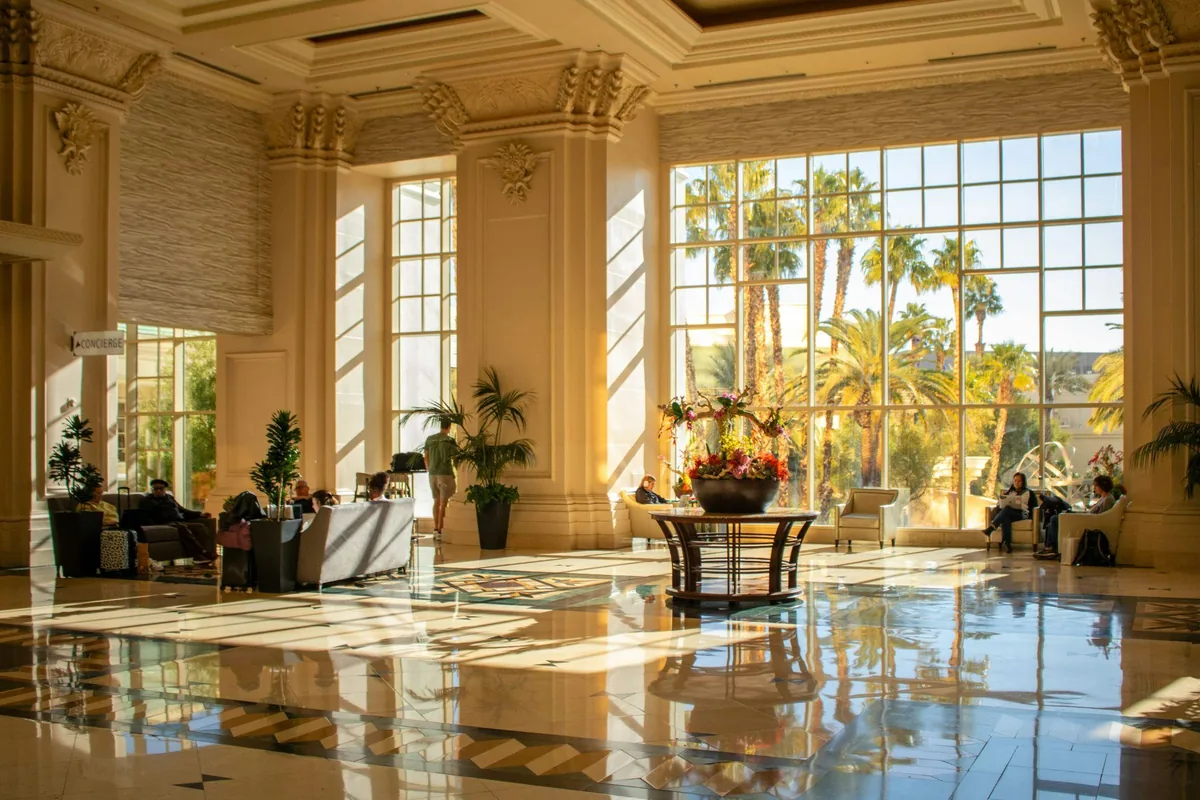
Lobbies, conference centers, and ground-floor guest rooms are typically the most exposed areas, since large expanses of storefront glass are often the easiest point of entry for someone intent on causing harm.
In these scenarios, every additional second that glass holds up under attack gives staff and guests more time to shelter in place, evacuate, or wait for law enforcement to respond.
Aggressive guests, who may be angry at hotel staff or under the influence of drugs and alcohol, frequently cause property damage in hotels.
Broken windows and doors are not just an unplanned repair expense; they also leave a property exposed until the damaged glass can be replaced, creating a secondary security gap immediately after the initial incident.
Hurricanes and severe windstorms pose a serious risk to hotel properties in certain areas.
Wind-borne debris can shatter unprotected windows and doors in seconds, and once a window fails, wind and rain can cause extensive interior damage well beyond the glass itself.
For hotels, this often means displaced guests, lost revenue during repairs, and costly restoration work on top of the glass replacement.
Hotel security glass is generally either a glass-clad polycarbonate or a full polycarbonate security glazing solution.
Depending on the specific composition of the glazing, it can be rated to withstand impacts, forced entry attempts, ballistic attacks, or all of the above.
Glass-clad polycarbonate combines an exterior layer of glass with one or more layers of polycarbonate on the interior, laminated together into a single unit.
This construction gives hotels the familiar look, feel, and clarity of standard commercial glass on the outer surface while adding the impact resistance of polycarbonate underneath. It's a common choice for hotel storefronts, lobby entrances, and other high-traffic areas where having actual glass on the outside is desirable.
Glass-clad polycarbonate also offers some of the highest levels of ballistic ratings available, making it a strong choice for hardening hotel security in VIP and executive suites or penthouses.
Full polycarbonate glazing, on the other hand, is built entirely from one or more layers of polycarbonate rather than glass.
Because polycarbonate is significantly more impact-resistant than glass, yet lighter, this option is ideal for retrofitting over vulnerable glass doors and windows to protect them against storm debris impacts, forced entry attempts, vandalism, and specific ballistic threats.
Polycarbonate glazing can be manufactured in varying thicknesses and layer counts depending on the level of protection required, from deterring burglary to resisting sustained forced entry attempts or ballistic impacts.
Certain types of hotel security glazing, including Riot Glass hospitality security solutions, can be retrofitted over a hotel property’s existing glass doors and windows using specialized framing adapters. These hold the impact-resistant security glazing securely in place over the original glass, protecting it from breakage and preserving the integrity of the building envelope.
Because this glazing is installed over the existing windows and doors rather than requiring a full glass replacement, hotels can add a strong layer of protection without the extended downtime, cost, or disruption of a full window replacement project.
Because the original glass stays in place behind the security glazing, and the framing adapters are designed to blend into a wide range of architectural styles, the added protection doesn't come at the expense of curb appeal or guest experience.
Not every window or door on a hotel property carries the same level of risk. Hotels typically prioritize reinforcing glass in the areas that are most exposed:
Prioritizing these areas allows a hotel to address its highest-risk points first, then expand coverage to additional windows and doors as budget allows.

Not every hotel needs the same level of glass protection. Forced entry-resistant glazing is designed to slow down or stop an intruder from breaking through a window or door, which is often enough to deter burglary, smash-and-grab theft, and vandalism. Ballistic-grade glazing goes a step further, adding protection against gunfire for hotel properties where an active threat is a more pressing concern.
The right choice for a given property usually comes down to a few factors. Location plays a role, since urban properties or areas with higher crime rates may warrant a stronger level of protection than a resort in a low-crime area. Guest profile matters too. VIP suites, executive floors, and penthouses often justify ballistic-grade glazing given the higher-value targets they represent, while standard guest rooms and public areas may be well served by forced entry-resistant glazing alone.
Past incident history at the property, or at comparable properties nearby, can also help hotel owners and security teams identify which threats are most likely to materialize and prioritize glazing accordingly.

Not significantly. Riot Glass security glazing is designed to blend into existing window and door frames, preserving the hotel's appearance, maintaining natural light transmission, and preserving views.
Retrofitted security glazing is installed over existing windows and doors, which generally means less disruption than a full glass replacement. Hotel security glazing retrofits can be completed during the slow season to further minimize disruption.
Yes. The same impact-resistant properties that deter and prevent forced entry and vandalism also help protect against wind-borne debris during storms.
Protecting a hotel property requires accounting for a wide range of threats, from opportunistic theft to severe weather.
Retrofitting existing windows and doors with hotel security glass gives properties a way to address forced entry, vandalism, active threats, and storm damage with a single solution, without compromising the look and feel guests expect.
Contact Riot Glass to find the right security glazing solution for your hotel or other hospitality property.
Government buildings, hospitals, data centers, and other critical infrastructure facilities share one thing in common: if they are compromised, the consequences reach far beyond the walls of the facility itself. That makes these sites prime targets for bad actors.
While most conversations around critical infrastructure security revolve around cyber threats, the physical security of these facilities is just as important.
If an intruder or active threat breaches a facility, they can damage systems, compromise data, or harm personnel, and a digital firewall does nothing to protect against physical threats.
Security glazing plays a central role in securing critical facilities against threats.
Critical infrastructure consists of the systems, technologies, services, and facilities essential to the running of a country, including government functions and the well-being of its citizens.
Thus, critical infrastructure security involves the protection of things like:
Any type of critical infrastructure has the potential to be targeted by bad actors, whether sponsored by a foreign state or for personal reasons.
These days, attacks on critical infrastructure are largely cyberattacks, but there’s still a very real threat of physical attacks on facilities, especially government buildings but also any other type of commercial facility housing vital operations, equipment, data, assets, and people.
For the purposes of this article, we’ll be focusing on security glazing as a physical critical infrastructure security solution that can be used to protect a wide range of facilities against forced entry and active threats.
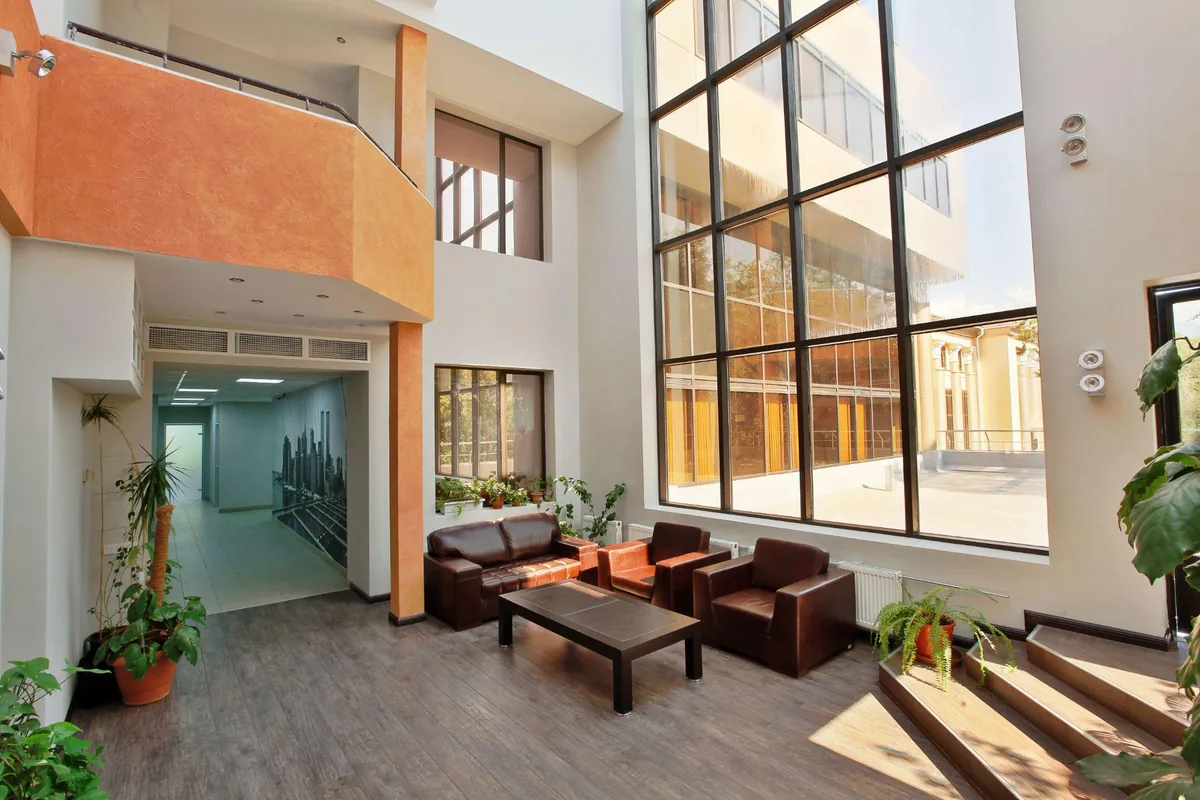
Glazing is one of the most common weak points in any facility’s building envelope. Every window, glass door, or glazed wall is a potential entry point for bad actors, and standard glazing is not built to withstand a determined attacker.
In order to choose the right glazing to support critical infrastructure security, it’s important to first understand where ordinary commercial glass fails.
Annealed glass, the plain sheet or float glass found in many commercial buildings, offers essentially no resistance to forced entry or other impacts. It breaks into large, jagged shards that pose an injury risk on top of the security failure.
Tempered glass improves on this somewhat, offering roughly three to five times the strength of annealed glass and breaking into small, granular pieces that are far less dangerous. However, that added strength still isn’t enough to deter, let alone stop, a determined intruder.
Neither of these glass types was designed with forced entry or ballistic threats in mind. So, while tempered glass may be required by code in some areas, facilities protecting sensitive operations, data, or personnel need to look elsewhere to reinforce vulnerable glass.
Security glazing made from polycarbonate, sometimes combined with acrylic for added performance benefits, is hundreds of times more resistant to impacts than any type of commercial glass. It’s also much lighter than standard glass, which makes it ideal for retrofitting into or onto existing frames, protecting the original glass behind without needing to replace it.
Glass-clad polycarbonate (GCP) takes this a step further, combining the strength of polycarbonate on the interior (safe side) with the surface hardness and appearance of glass on the exterior (attack side). The result is a type of security glazing that remains intact even under sustained impact, yet has all the physical properties of glass on the surface people are most likely to see and interact with.
GCP is also a glazing material capable of meeting some of the highest ballistic and blast resistance ratings. Even if the outer layer of glass is penetrated or impacted hard enough to fracture, it does so in a spider-web pattern, rather than shattering. The shards of glass stay bonded to the polycarbonate core and there’s no inward spalling.
For securing critical infrastructure facilities where forced entry, ballistic attacks, or blast exposure are realistic threats, implementing a combination of polycarbonate and glass-clad polycarbonate security glazing throughout the facility is a key step in mitigating the risks.
The goal of a forced entry attempt is to create an opening that’s large enough for a person to reach through and open a door from the inside or to physically pass through themselves.
Security glazing mitigates this risk by drastically extending the amount of time it takes an attacker to accomplish that, often preventing it altogether. This buys valuable time for security or law enforcement response, containing the active threat and protecting the critical infrastructure and people within the facility alike.
Glazing cannot eliminate the risk of a blast event, but it can reduce the harm that follows one.
Some polycarbonate and glass-clad polycarbonate glazing is GSA-compliant. Such glazing can help disperse shockwave energy and hold broken glazing material together instead of letting it become flying shrapnel, which is one of the leading causes of injury in a blast incident.
While physically keeping bad actors out and protecting people from harm are both key elements of critical infrastructure security, there’s also the risk of insiders spying.
Specialized glazing products can help shield a facility against electronic eavesdropping, supporting compliance with secure communications standards for government and other sensitive facilities.
Additionally, security glazing can be reflectively tinted, creating a one-way glass effect that prevents people on one side from seeing through to the other. This can protect sensitive screens, documents, and conversations from prying eyes.
There’s even a type of specialized tinting film that makes LED/LCD screens appear completely black to viewers on the other side of the glass.

Critical infrastructure carries a level of risk that ordinary glazing simply isn’t built to handle. Whether the concern is forced entry, ballistic threats, blast exposure, or surveillance, the right glazing solution can go a long way towards mitigating the full range of threats a facility faces.
Riot Glass works with government, healthcare, financial, industrial, and other critical facilities to assess threats, identify vulnerabilities, and implement security glazing solutions matched to real-world risks.
Contact our team today to discuss a security glazing plan.
Public-facing facilities present certain challenges when it comes to physical security. They need to remain open, welcoming, and accessible to the public during business hours, yet they also house people, assets, and information that need to be protected at all times.
Achieving the right level of openness and physical security for public buildings requires a structured approach to identifying threats and vulnerabilities, designing spaces intentionally, and layering safeguards so that no single point of failure puts the whole facility at risk.
A public building is any facility that members of the public regularly access for services, information, civil participation, or other essential public resources. This includes government, civic, educational, cultural, recreational, healthcare, social service, transportation, and infrastructure facilities.
These types of buildings are typically located in prominent, accessible areas within the communities they serve. What makes public building security different from that of other types of commercial facilities is a unique combination of relatively open access and elevated risk levels.
Public facilities have to constantly let people in, often without appointments or advance screening, while protecting staff, sensitive information, and, in many cases, high-value assets or infrastructure.
Trying to find the right balance between openness and protection is a central design challenge for many public buildings. A courthouse or city hall can’t function like a bank vault, but it also can’t operate without any security controls at all.
Thus, the goal of public building security planning is a layered approach that lets ordinary visitors move throughout the building with minimal friction while making unauthorized access, violence, or intrusion progressively harder the deeper someone tries to go.
Uncontrolled access is the most common risk public buildings are concerned with. Lobbies, reception areas, and building perimeters are frequently the weakest link in a public facility’s security because they’re designed for high foot traffic and easy entry. Without a clear transition between public space and restricted space, it becomes difficult to tell who belongs in a building and who doesn’t.
The possibility of acts of violence, including spontaneous outbursts, targeted active threats, or rioting, is another major concern, particularly for facilities that handle contentious civic functions like courts, permitting offices, or social services outlets. These buildings can become flashpoints for angry visitors or targets of deranged individuals, and staff at reception desks or service counters are often the most exposed.

Forced entry and ballistic threats can arise from civil unrest or targeted violence. Doors, windows, and glass facades are typically the weakest structural points in a public building’s security, as conventional glazing (glass) offers little to no resistance to impacts or intrusion.
Insider threats and workplace violence are also a concern. Even with a secure perimeter, a building with no internal compartmentalization allows anyone who gets past the front door to wander freely through sensitive areas like server rooms, records storage spaces, or executive offices.
Each of these public building security concerns calls for the same solution: security has to be built into the design of the facility in layers.
Before any physical security measures get selected and implemented, a facility needs a threat and risk assessment.
This assessment identifies, analyzes, and addresses the vulnerabilities specific to a site by evaluating the threat environment it operates in. It considers the facility’s function, location, historical incidents, and the assets or information it holds, then produces a risk profile that informs every downstream design decision.
Threat and risk assessments are the basis of threat-based design, which builds a profile of the type, methods, and potential harm a facility is likely to face, then applies that profile directly to the design and engineering of the building.
Threat-based design typically works through a few different phases: gathering information from credible sources such as incident reports and law enforcement data, analyzing that data to document realistic motives and capabilities, and then compiling the findings into a document that ranks threats by relevance.
Attributes relevant to public building security worth evaluating during this analysis include motivation, intent, available tools or weapons, technical skill, funding, insider access, and how attractive the facility is as a target.
The output of a threat and risk assessment and threat-based design process typically feeds into a security design brief, a document that lays out the physical protection plan for a facility and the specific safeguards recommended to address potential threats. This brief becomes the reference point for architects, project managers, and security teams throughout construction or renovation.
Once a public facility’s risk profile is understood, that information should shape the actual layout and construction or renovation of the building.
Secure public buildings are organized into zones in such a way that there’s a clear progression from public space to restricted space, for example, public areas, reception areas, general work areas, and higher-security zones for more sensitive functions.
Stand-off distance between the public perimeter and the building itself is important as well, since distance buys time for threat detection and response before the threat reaches the building itself.
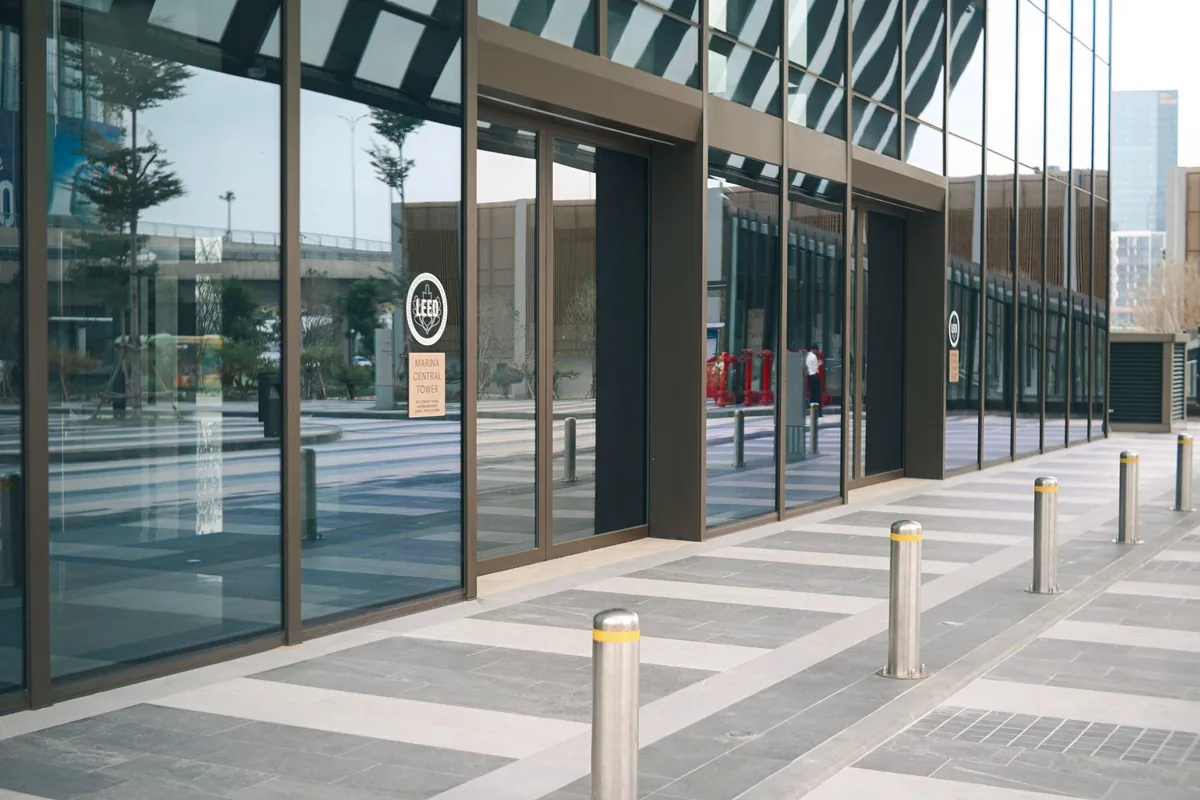
This is where security glazing is especially valuable. Ground-floor windows, glass entryway doors, and glass facades are usually the first points of contact between the public and the building envelope, and they’re also the easiest points to breach if all that’s standing between an intruder and the facility is conventional commercial glass.
Installing forced-entry-rated or ballistic-grade glazing at the perimeter drastically increases the amount of time it takes an intruder to gain access, functioning both as a deterrent and a preventative public building security measure. This gives staff and responders a critical window to react to major threats, such as active threats.
Unlike solid barriers, security glazing does this without sacrificing natural light, reducing visibility, or hurting the curb appeal of public facilities.

Emergency egress paths need to comply with building and fire codes while still preventing uncontrolled movement between security zones.
Elevators, in particular, should generally connect equivalent zones to each other rather than opening directly into more sensitive areas, while emergency exits should feature high-security exit doors.
Visitor traffic should be channeled through a controlled reception point before reaching general work areas, and higher-security functions should be physically separated from public-facing spaces.
This is another area where security glazing plays an important role. Interior security glass partitions can compartmentalize sensitive spaces such as server rooms, records storage areas, or executive offices without turning the building into a maze of solid walls. The glazing lets staff maintain sightlines across a floor for situational awareness and natural surveillance while still creating a physical barrier that slows or stops unauthorized entry.
Security glazing can also be used for forced-entry- or bullet-resistant transaction windows. These barriers separate the most public-facing staff members from the people they serve, protecting them from aggressive outbursts and targeted attacks.
Shared spaces like break rooms and employee washrooms should be located in secure, staff-only zones, with visitor-facing washrooms and waiting areas closer to the reception zone.
Utility spaces, including mechanical rooms and roof access points, should be kept away from entrances to sensitive zones and safeguarded against tampering.
These areas should also be isolated from restricted zones and from each other where possible, since they’re common entry points for smuggled or hazardous materials or could be used by an intruder to gain unauthorized access, and should therefore be easy to seal off quickly if a threat is detected.
Meeting spaces should feature access control systems and, where appropriate, additional access denial barriers, such as forced-entry-resistant or bullet-resistant security glazing for glass-walled conference rooms.
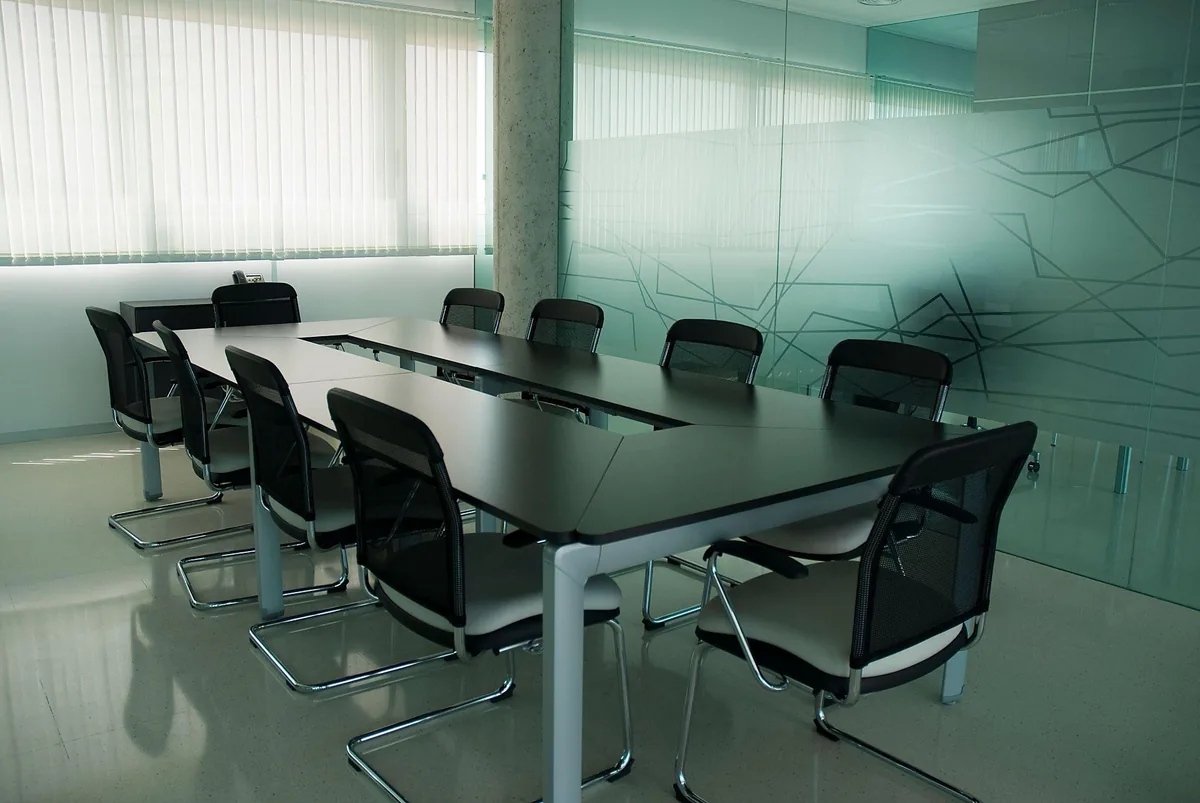
Server rooms should also be treated as restricted access areas under continuous monitoring. Again, clear security glazing here can increase physical security while maintaining sightlines and facilitating monitoring.
Beyond layout and zoning, a combination of site-level and building-level safeguards should reinforce the overall public building security strategy.
On the site side, this includes controlling the perimeter through fencing and signage, providing adequate lighting across building exteriors, parking areas, and walkways, and maintaining landscaping so bushes, trees, and other obstructions don’t create blind spots or hiding places. Sightlines from the roadway and surrounding area should generally remain open so the building is visible to first responders and passersby, which itself acts as a deterrent.

On the building side, electronic access control systems, intrusion detection, and CCTV form the backbone of most modern public facility security systems, working in combination to monitor and alert security teams to potential threats. A dedicated security operations center, even a small one, gives personnel the ability to monitor these systems continuously and coordinate a response as soon as suspicious activity is detected.
Security glazing supports several of these safeguards simultaneously. At the perimeter, it reinforces access control by making forced entry through windows and doors significantly harder, buying time for detection systems and response teams to act. Inside the building, it supports compartmentalization strategies without blocking the sightlines that CCTV and staff rely on for surveillance.
No single security solution or safeguard ensures public building security. A public facility needs a security strategy that combines an in-depth threat and risk assessment, deliberate zoning and space planning, and a layered set of physical and electronic safeguards that reinforce each other.
Riot Glass fits naturally into nearly every layer of that strategy, from hardening the building envelope to compartmentalizing sensitive interior spaces, all while preserving the openness and visibility that public facilities must have.
Contact Riot Glass today to discuss how we can help make your public building safer and more secure for both the employees and visitors who use it every day.