
Bulletproof glass is often thought of as impenetrable, but in reality, it’s a bullet-resistant glazing solution designed to protect people and property from ballistic threats and forced entry. From traditional laminated glass to modern hybrid materials like glass-clad polycarbonate, today’s ballistic-grade glazing balances safety, security, weight, and aesthetics for a wide range of applications.
In this guide, we’ll explore what bulletproof glass is made of, how it works, its common uses, and key considerations for installation, helping you make informed decisions for your facility or business
Welcome to Bulletproof Glass 101, your crash course on bullet-resistant window and door solutions!
Bulletproof glass is a common term for what’s more accurately known as bullet-resistant or ballistic-grade glazing, which these days includes glazing made of non-glass materials like polycarbonates and acrylics.
It’s important to understand that there’s no such thing as 100% bulletproof glass, even the thickest, most bullet-resistant glazing materials can be penetrated by bullets under certain conditions.
The specific ballistic resistance rating of the glass or non-glass glazing tells you what types of bullets it can stop and approximately how many ballistic impacts it can withstand before penetration. For example, UL 752 Level 1 bulletproof glass is rated to stop three 9mm, 124-grain handgun rounds.
Traditional bulletproof glass is made of layers of laminated glass, resulting in a thick, heavy, yet optically clear glass panel that can stop bullets. However, because of the weight and thickness, this type of ballistic-grade glass can be prohibitively complex, not to mention costly, to install.
To make bullet-resistant glass more accessible and viable for a wider range of applications, modern bulletproof glass is constructed using a wider variety of glazing materials.
For instance, bullet-resistant glazing can be 100% plastic-based, with either a full polycarbonate composition or a mix of acrylic and polycarbonate. These glazing materials can be coated to improve their surface hardness and resistance to abrasion.
An even better option for modern bulletproof glass is glass-clad polycarbonate (GCP). This hybrid system uses laminated security glass on the exterior side (attack side) and polycarbonate on the interior (safe side).
The hybrid composition of GCP glazing serves a few important purposes:
| Type | What It’s Made Of | Weight & Look | Key Benefits |
| Traditional Laminated Glass | Layers of laminated glass | Very heavy; clear like standard glass | Strong bullet resistance, but costly and hard to install |
| Polycarbonate Glazing | 100% polycarbonate or acrylic/polycarbonate mix | Far lighter than laminated glass, looks like glass | Flexible, absorbs energy, easier to install; can be coated for scratch resistance, virtually shatterproof |
| Glass-Clad Polycarbonate (GCP) | Laminated glass outside + polycarbonate inside | Moderate weight; looks like regular glass | Reduces spalling, layers hold together if outer glass is damaged, high forced entry resistance, strong ballistic protection |
Bulletproof glass works by combining multiple layers of strong glazing materials, each serving a specific purpose in stopping or slowing a projectile. When a bullet strikes the glass, its kinetic energy must be absorbed and dissipated across the layers to prevent penetration.
The outer layers, usually hardened laminated glass, are designed to deform and fracture upon impact, slowing the bullet and reducing its energy. Behind these layers, softer materials like polycarbonate absorb the remaining energy, flexing slightly to distribute the force over a larger area. This layered approach prevents the bullet from passing through and keeps the interior side intact.
The hybrid construction of modern bulletproof glass, such as glass-clad polycarbonate, also addresses secondary hazards like spalling. Without a polycarbonate backing, shattered glass fragments could fly into the protected area. The polycarbonate layer holds broken glass together, ensuring the surface remains largely intact and reducing the risk of injury.
In short, bulletproof glass doesn’t deflect bullets, but rather it manages and dissipates the energy of the ballistic impacts across its layers, preventing penetration (up to a certain point) and protecting whoever or whatever is behind it.
Bulletproof glass, which you now know is really bullet-resistant glass, serves two main purposes: protecting against active threats and preventing forced entry.
One of the primary applications of bullet-resistant glass is safeguarding people and facilities from violent attacks. It’s commonly used in government buildings, banks, and executive offices, providing protection for high-profile, high-risk facilities and individuals.
In these settings, bulletproof glass can help mitigate the risks of ballistic attacks, buying critical time for evacuation or response in the event of an attack.

Beyond active threats, bulletproof glass is increasingly used by businesses to prevent break-ins. Retailers, in particular, are turning to bullet-resistant glazing to protect storefront windows and doors from smash-and-grab thefts and burglaries.
Since ballistic-grade window and door glazing offers the highest level of forced entry resistance for glass surfaces, it helps secure assets, reduce losses, and provide peace of mind, especially important for retailers who have already experienced repeated incidents of damage and theft.
Installing bulletproof glass requires careful attention to structural support. The frame and surrounding walls must be strong enough to handle the weight of the glazing, especially for traditional laminated panels, which can be very heavy.
Modern hybrid solutions, like glass-clad polycarbonate glazing, significantly reduce both weight and thickness, making installation simpler and less costly. However, weight and thickness are still important considerations, and GCP may not be suitable for all applications.
When planning a project, consider whether you’re retrofitting an existing building or incorporating bullet-resistant glass into new construction. Retrofitting may require reinforcing frames or walls, or at least replacing the existing glass, whereas new construction allows for integrated support, optimizing both safety and aesthetics.
For a cost-effective retrofit option that works for almost any commercial facility, consider fully polycarbonate bullet-resistant glazing. This is the lightest option and can almost always be retrofitted on top of existing windows and doors using specialized framing adapters.
Bulletproof glass, bullet-resistant glass, ballistic-grade security glazing — whatever the term used is, we’re talking about glazing that combines advanced materials and layered construction to protect people, property, and assets from ballistic threats and forced entry.
Modern solutions, like those from Riot Glass, offer lighter, more cost-effective, and easier-to-install options for a wide range of applications, from government buildings to commercial storefronts. Choosing the right bullet-resistant glass and installation method ensures safety, security, and durability, making it a smart investment for high-risk environments.
Ready to harden your facility against ballistic and forced entry attacks? Contact Riot Glass today to learn more about how we can help.
In a world where physical security risks range from smash-and-grab thefts to targeted violent attacks, businesses and facilities can’t afford to leave their properties’ windows and doors vulnerable.
Traditional glass, while highly functional and aesthetically appealing, is one of the weakest points in any building’s security envelope. That’s why more commercial property owners and security professionals are turning to shatterproof glass — high-performance glazing designed to resist breakage, prevent forced entry, and even stop bullets.
Shatterproof glass isn’t a single product, but rather it’s a general term for glazing systems engineered to resist shattering under impact. Instead of breaking into dangerous shards, shatterproof glazing materials hold together, flex, or absorb energy in ways that prevent catastrophic failure.
In general, there are three main types of shatterproof glass used in commercial applications:
Each type offers a different balance of strength, cost, and visual clarity, and each is suitable for different security needs.
Laminated shatterproof glass consists of multiple layers of strengthened glass bonded together with thermoplastic interlayers. When struck, the outer glass may crack or spall (meaning small chips can fly off), but the interlayer holds the glass firmly in place.
This design prevents the glass from shattering or leaving a large hole, significantly delaying attempted break-ins and preventing dangerous shards from flying into occupied spaces.
Laminated glass is ideal for applications that need protection against blunt-force impacts, such as:
While it offers excellent protection from forced entry and natural impacts, laminated glass can still be broken through with enough sustained effort or force, which is why higher-threat facilities often opt for polycarbonate or hybrid GCP solutions.
If you’re looking for glazing that’s truly shatterproof, polycarbonate is the strongest option available. Polycarbonate is a transparent thermoplastic that, unlike glass, can flex under impact without breaking.
Even repeated blows from hammers, bats, or other blunt instruments won’t cause polycarbonate to shatter — it may get scratched or marred, but it won’t give way. While certain heavy tools or ballistics can penetrate polycarbonate, it still retains its shape and integrity, preventing glass-like fragmentation or dangerous debris.
Polycarbonate-based glazing is widely used in:
Polycarbonate’s lightweight, flexible properties also make it the easiest option for retrofitting into existing window or door frames without removing or replacing the existing glass.
Glass-clad polycarbonate (GCP) combines the best of both worlds — the hardness and appearance of laminated glass with the resilience and flexibility of polycarbonate.
This hybrid system typically features laminated security glass on the attack side (exterior), bonded to polycarbonate on the safe side (interior). The result is a glazing unit that provides a tough exterior glass surface capable of resisting initial impact, while the polycarbonate backing further absorbs blunt-force energy and prevents interior spalling.
Because of this dual-material design, glass-clad polycarbonate typically offers the highest level of shatterproof ballistic glass protection available for commercial use. It’s frequently chosen for:
No. Tempered glass is not shatterproof, though it’s much stronger than standard annealed glass. Tempered glass is heat-treated to increase its strength, but when it breaks, it’s engineered to crumble into small, blunt granules instead of sharp shards.
That makes tempered glass a safety glass, but not a security glass. It still completely fails under sufficient impact, offering no sustained resistance to intrusion.
Tempered glass is often used for general safety glazing where security isn’t the primary concern, such as for:

| Type | Composition | Shatter Resistance | Ballistic Resistance | Ideal Applications |
| Tempered Glass | Single heat-treated glass sheet | Breaks safely, but still shatters | None | General safety use |
| Laminated Glass | Multiple glass layers + interlayer(s) | Holds together under impact | Moderate (varies by thickness) | Retail stores, office buildings |
| Polycarbonate Glazing | Solid or multi-layered thermoplastic | Virtually unbreakable | Moderate to high | High-risk retailers, healthcare facilities, schools |
| Glass-Clad Polycarbonate | Laminated glass + polycarbonate | Highly shatterproof | Highest | Banks, government buildings, high-security facilities |
Nearly any commercial property can benefit from upgrading to some type of shatterproof glass, but some facilities have a particularly strong case for it:
Investing in shatterproof glazing not only protects people and assets but can also reduce liability and insurance risks, all while maintaining a professional image that invites confidence rather than fear.

Shatterproof glass offers peace of mind in a world where high-impact security threats are all too real.
Whether you choose laminated glass for basic protection, polycarbonate glazing for true shatter resistance, or glass-clad polycarbonate for the ultimate defense against forced entry and ballistic threats, upgrading your glazing is one of the smartest steps you can take to secure your property.
Ready to protect your business with industry-leading security glazing? Contact Riot Glass today to learn more about custom shatterproof glass solutions for your facility.
Architects navigating modern building design are used to the expanding expectations placed on exterior glazing systems.
Whether the goal is maximizing natural light, reducing energy demands, strengthening security, or creating a signature façade with crisp visual lines, the choice between storefront and curtain wall systems is one of the most important early decisions in any commercial building’s design.
When deciding between storefront vs curtain wall glazing, it’s crucial to ensure you understand the subtle differences in structural behavior, system composition, anchoring methods, and available spans, all of which can significantly influence complexity, cost, and long-term performance.
Additionally, with rising interest in protective security glazing, it’s also important to factor the security capabilities of each system into your decision, especially for ground-floor retail and multi-story commercial applications where risk profiles differ significantly.
Storefront and curtain wall systems share many surface-level similarities. Both introduce abundant daylight, maximize visibility, and modernize exteriors with clean, linear aesthetics. Both allow for a wide variety of glazing types, including high-performance insulated units, tints, coatings, and security glass.
The aluminum framing in either system can also be finished in a range of anodized or painted options to support brand identity or architectural cohesion.
But beyond these shared characteristics, the technical distinctions matter greatly when evaluating load requirements, spans, water/thermal management, and integration with the surrounding structure.

Storefront framing is typically grounded directly into the building structure, meaning vertical loads (including wind loads) are transferred downward to the sill and then into the surrounding framing or slab. The system is non-load-bearing for the building itself and is designed for shorter vertical spans, typically a single story.
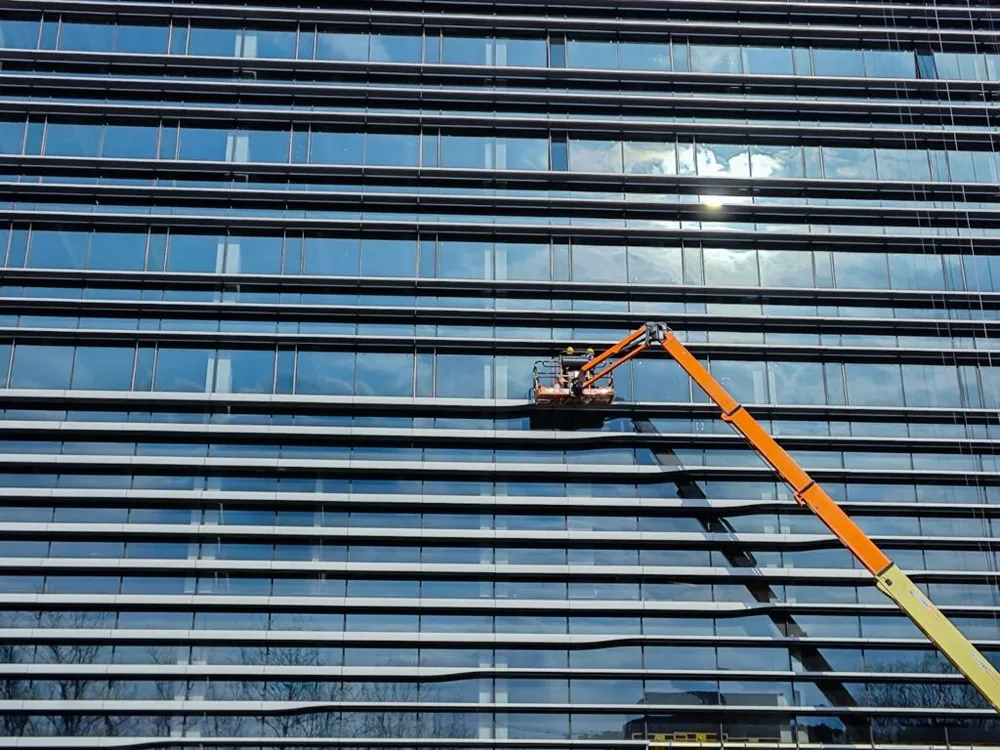
Curtain walls are independent cladding systems hung from floor slabs, transferring loads back to the primary structural frame. This allows for multi-story spans and greater flexibility in vertical elevation changes.
Curtain walls accommodate larger glass panels, deeper mullions, and more robust anchoring systems, enabling performance under significantly higher wind loads and thermal movement.

Storefront mullions are shallower, commonly between 1 3/4” and 4 1/2”, because they don’t need to support multi-story loads, whereas curtain wall mullions often range from 6” to 10” or more, depending on span and project requirements. The increased depth accommodates:
Storefront systems are anchored at the head and sill with relatively simple clips. Curtain walls use embedded anchors, brackets, and sometimes custom-engineered connections at each floor slab.
Installation sequencing also differs: storefronts install more like a window system, while curtain walls install panel-by-panel or grid-first with unitized or stick-built methods.
Storefronts rely on face-sealed or water-deflected weep systems and aren’t designed for high-pressure water exposure. Their performance rating is suitable for low-rise applications but limited in demanding climates.
Curtain walls use pressure-equalized rain screens, incorporating internal drainage paths, pressure chambers, and thermal breaks engineered for superior air and water infiltration control, an essential feature for high-rise structures.
Your choice depends heavily on building height, budget, desired spans, and the role that glazing plays in the project’s visual identity.
Storefront window and door systems excel in ground-floor, pedestrian-oriented environments, particularly where the building’s envelope needs to function like a display or engagement point.
They are ideal for:
Storefronts are naturally suited to shorter spans and moderate performance requirements, and because they are less complex to engineer and install, they remain the more economical option.
Curtain wall systems shine in projects where the glazing façade is part of a bold architectural expression or where building performance demands surpass what storefront systems can handle. They work best for:
Curtain walls are more costly and complex, but they offer unmatched flexibility in height, detailing, and energy performance strategies.
Security glazing, whether for forced-entry resistance, storm impact mitigation, ballistic protection, or riot resistance, has become a critical factor in commercial architectural design. Fortunately, both storefront windows and curtain walls can be engineered to meet demanding security criteria.
Storefront windows are typically very straightforward to protect with fully integrated security glazing. They’re also highly retrofittable, making it easy to upgrade them with protective glazing shields after initial construction.
Because storefront spans are smaller and glass sizes are more standard, upgrading the system (either during or after construction) is often:
This makes storefront glazing systems an excellent candidate for retail properties or other buildings that may require hardened protection for ground-floor entryway doors and windows.
Curtain walls can absolutely achieve high levels of security, and many architects now integrate forced-entry-resistant or even ballistic-rated glazing into their curtain wall designs. However, there are unique challenges:
Despite these complexities, curtain walls can be made highly secure, especially when security glazing is planned for early in the architectural design process.
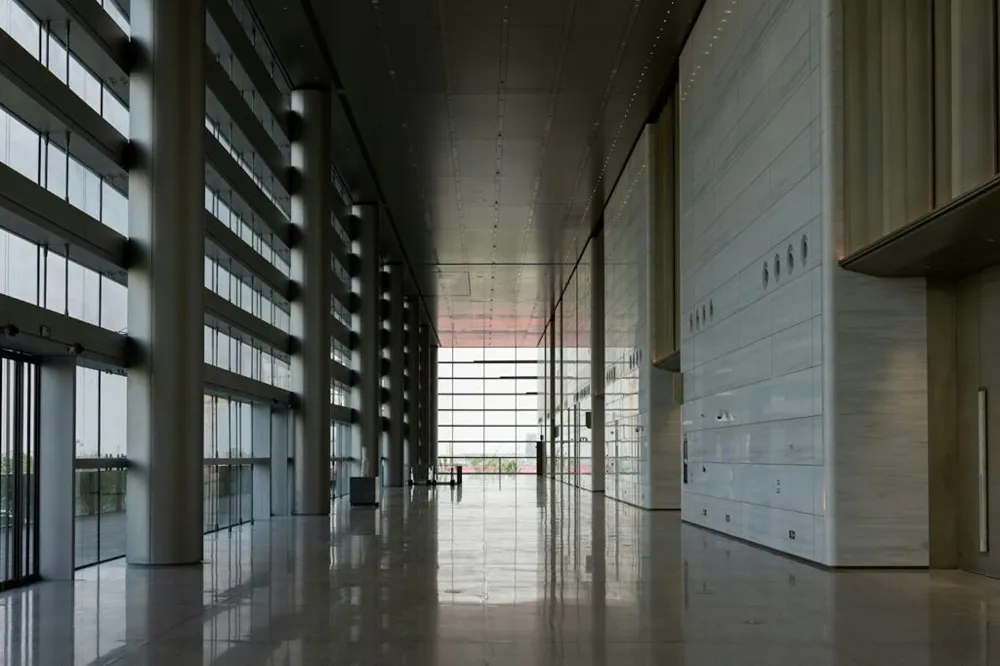
Naturally, storefront systems are generally cheaper and faster to secure, simply because there is less glass involved and fewer structural constraints.
Curtain wall security upgrades can be more involved, but with the right materials and engineering, both systems can achieve exceptional performance levels, including meeting sustainability targets, when paired with the right glazing materials.
Both storefront and curtain wall systems offer architects powerful tools for shaping the aesthetics and performance of modern commercial buildings.
Storefronts excel in ground-floor retail and low-rise applications where cost efficiency and visibility are key.
Curtain walls, on the other hand, are ideal for multi-story structures, architectural statement façades, and environments requiring advanced structural and thermal performance.
Both system types can be fully upgraded to meet increasing demand for high-security glazing, storefronts more easily and cost-effectively, and curtain walls with more advanced engineering support.
The best choice ultimately depends on span requirements, design intent, budget, and the building’s unique performance needs.
Not necessarily. Curtain walls generally offer more advanced thermal-break technology, but high-performance storefront systems can achieve strong energy ratings for low-rise applications. The difference becomes more pronounced as building height and environmental exposure increase.
Storefront systems are designed primarily for single-story spans. They can be used on multiple levels, but not as continuous multi-floor façades. Each level must be structurally broken and supported.
It can be, depending on glass size and mullion depth. Larger curtain wall lites may require heavier or custom-sized security glazing, whereas storefronts typically use standard dimensions that retrofit easily.
Often yes, but not inherently. Curtain walls are more commonly paired with high-performance insulated or laminated units that reduce noise transfer. However, the glazing makeup, not the system type, ultimately determines acoustic performance.
In many cases, yes. Both can use similar finishes, glass types, and mullion profiles. The biggest aesthetic difference is scale: curtain walls support larger spans and taller façades, creating a more seamless and continuous all-glass appearance.
Want to discuss best-fit security glazing for your storefront or curtain wall design? Contact Riot Glass for specification support or a free consultation.
Blast-proof windows, more accurately known as blast-resistant windows, are designed to help mitigate the devastating effects of nearby explosions on commercial buildings and the people inside them.
While no window system can be considered truly 100% blast-proof, these specialized glazing systems play a critical role in reducing injuries, limiting property damage, and improving overall building resilience when an explosion occurs in close proximity.
Understanding how blast-resistant security glazing works, and just as importantly, what its limitations are, is essential for property owners, architects, and security professionals who are responsible for protecting people and assets from accidental or intentional blast events.
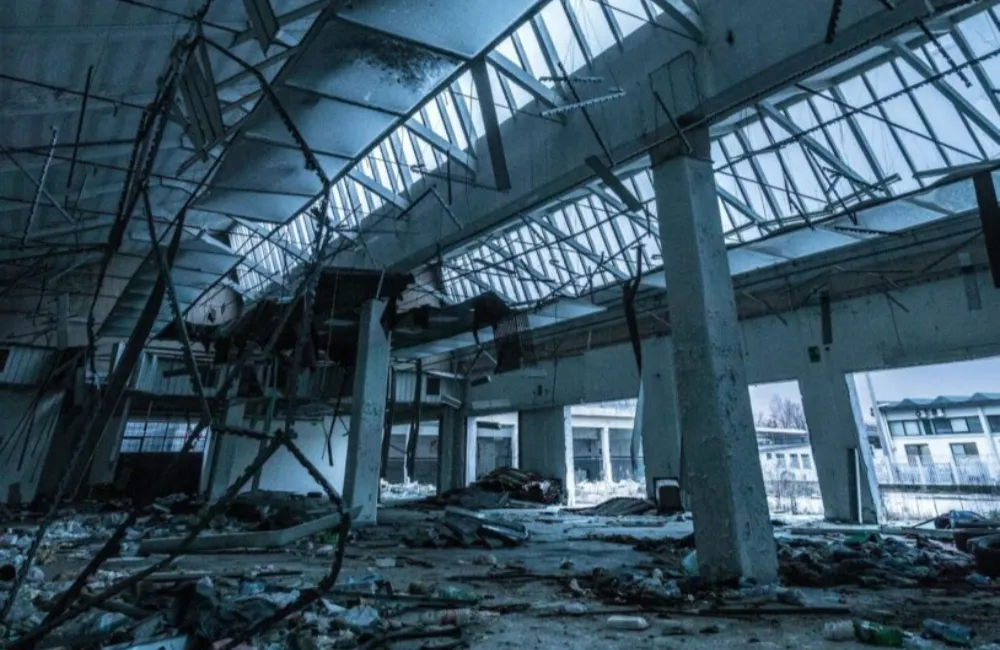
The term blast-proof windows is commonly used to describe window systems engineered to withstand the extreme pressures generated by explosions. In technical and engineering contexts, however, the more accurate term is blast-resistant windows.
This distinction is important because no window, wall, or other building component can be guaranteed to survive every possible explosion. A powerful enough blast, or one that occurs close enough to the structure, can overwhelm even the most robust systems. Blast-resistant windows are not designed to make a building indestructible, but rather to reduce harm.
The primary purpose of blast-resistant glazing is to:
In many explosion-related incidents, flying glass is the leading cause of injury. Blast-resistant security glazing addresses this risk directly.
Blast-resistant windows rely on a combination of advanced glazing materials, specialized framing, and secure anchoring methods. Each component plays a role in managing the energy produced by an explosion.
Blast-resistant windows typically incorporate polycarbonate, which offers high impact resistance and energy absorption with no spalling (glass fragmentation). When a blast wave hits the window, the material flexes and absorbs energy instead of shattering into sharp, high-velocity shards.
Explosions create intense pressure waves that move faster than hurricane-force winds, and blast-resistant windows are designed to manage that pressure rather than stop it entirely.
If a blast shockwave reaches a blast-proof window system, it may bow inward or even fail, depending on the blast intensity and distance. However, any resulting failure is relatively controlled, meaning the windows remain largely intact rather than turning into dangerous airborne projectiles.
The glazing itself is only part of the equation. Blast-proof windows also rely on reinforced framing, strong attachment to the building structure, and proper installation methods. Without these components, even the strongest blast-resistant security glazing can be easily pushed out of a window opening during a blast event.
As with any type of security glazing, it’s important to set realistic expectations for the performance of blast-resistant windows.
Remember: no window is truly blast-proof. A sufficiently large or close enough explosion can compromise any window system.
Blast-resistant windows are designed to perform within specific threat levels, which may be based on:
When blast pressures exceed those design parameters, damage can occur, but that doesn’t mean the system failed. Blast-proof window systems perform as intended by reducing the severity of the outcome.
Even when windows are damaged during a blast, blast-resistant glazing offers significant protection over standard annealed or even tempered safety glass.
Standard window glass can shatter into thousands of sharp, jagged shards that travel at high speed, causing severe injuries or fatalities. Blast-resistant windows, on the other hand, are designed to:
Blast waves can cause sudden pressure changes inside buildings, damaging interiors and harming occupants. Blast-proof windows help:
Since blast-resistant glazing can keep windows largely intact in the event of a nearby explosion, it can:
Blast-resistant security glazing is used across a wide range of commercial, institutional, and high-risk facilities.
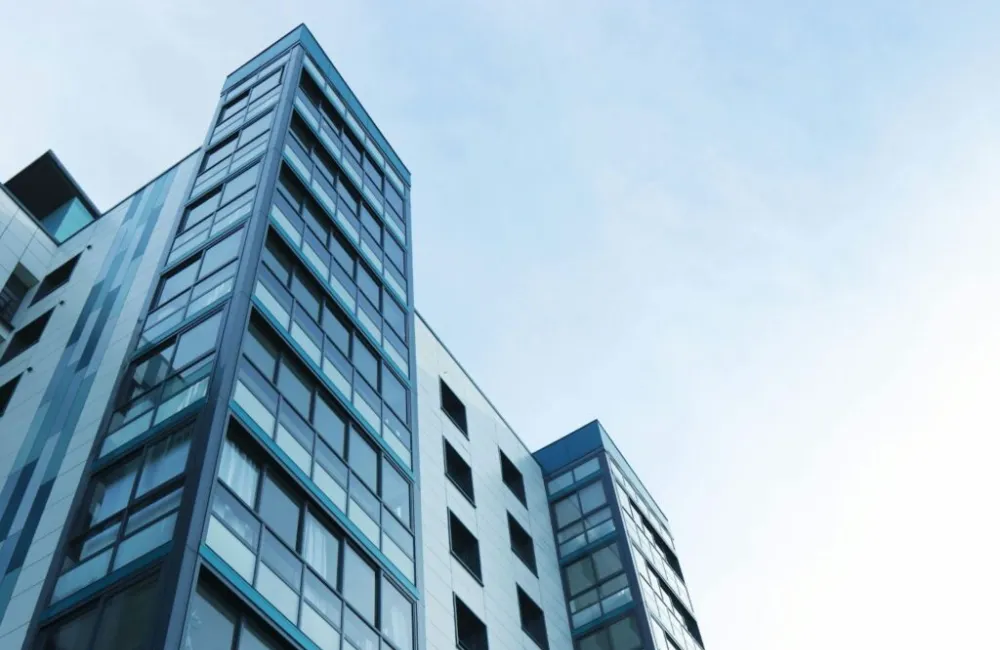
Blast-proof windows are built to address a range of real-life threats, from accidental to intentional blast-related threats.
A ruptured gas line or industrial accident can result in a powerful explosion near a commercial property. In these situations:
This is especially important for buildings located in urban environments or near utility infrastructure.
In high-risk locations, vehicle-borne explosive devices pose a serious concern. While no window can guarantee protection at close range, blast-resistant systems:
Manufacturing and processing facilities face risks from accidental explosions caused by:
Blast-resistant windows help contain damage and protect workers in adjacent spaces.
Blast-resistant glazing is most effective when integrated into a layered security approach. This may include:
Windows are often one of the most vulnerable points in a building envelope. Strengthening them significantly improves overall resilience, but it’s essential to address other physical and procedural vulnerabilities as well.
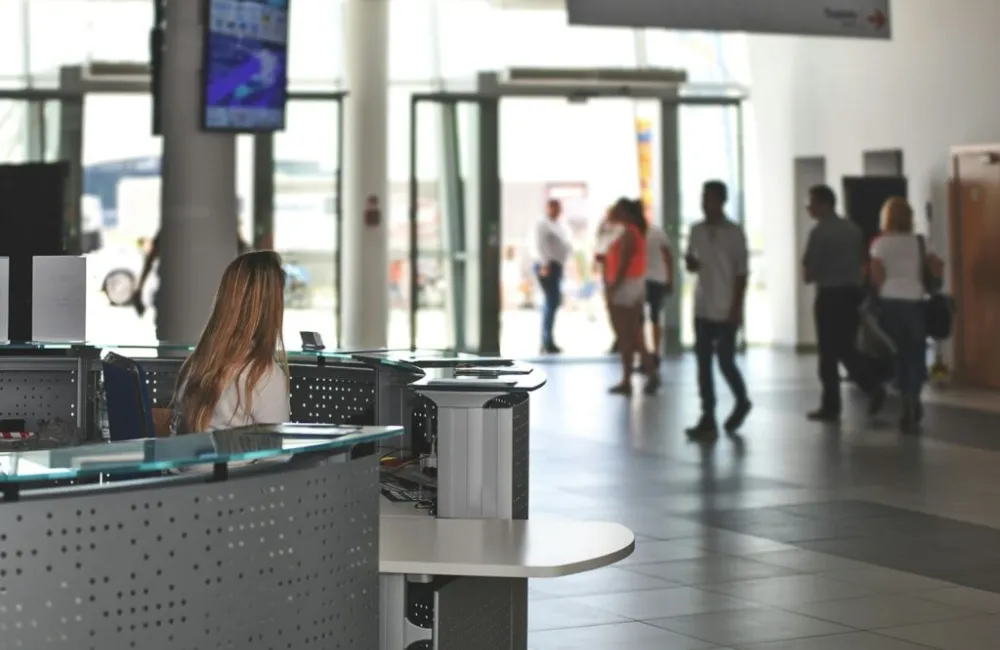
Selecting the appropriate blast-proof window system depends on several factors:
Professional evaluation and proper installation are essential to ensure the system performs as intended.
Blast-proof windows may sound like an absolute solution, but the reality is more nuanced. No window can be completely blast-proof, and claiming otherwise would be misleading. What blast-resistant windows do offer is something far more valuable: risk reduction.
By mitigating shockwaves, preventing dangerous glass fragmentation, and limiting property damage, blast-resistant security glazing plays a vital role in protecting people and assets when explosions occur nearby whether from accidental industrial incidents or intentional acts.
For commercial properties facing elevated threat levels, blast-resistant windows won’t eliminate every possible threat, but they can make the outcome far less devastating when the unthinkable happens.
Contact Riot Glass today to discuss or blast mitigation solutions.