
Sports bar security goes beyond personnel. Sports bars need layered security measures, including physical barriers, to combat a range of threats, including after-hours forced entry and burglary.
Break-ins in bars and restaurants are nothing new. Cash, laptops, and expensive liquor are all big draws for criminals.
The negative impact of a sports bar break-in isn’t limited to what’s stolen, either. Broken windows, expensive repairs, and operational disruptions are all part of the cleanup, and a smashed, boarded-up storefront hurts curb appeal and reputation.
Forced-entry-resistant security glazing addresses many of the risks these types of establishments face, deterring and preventing forced entry attempts at the glass, before the damage is done.
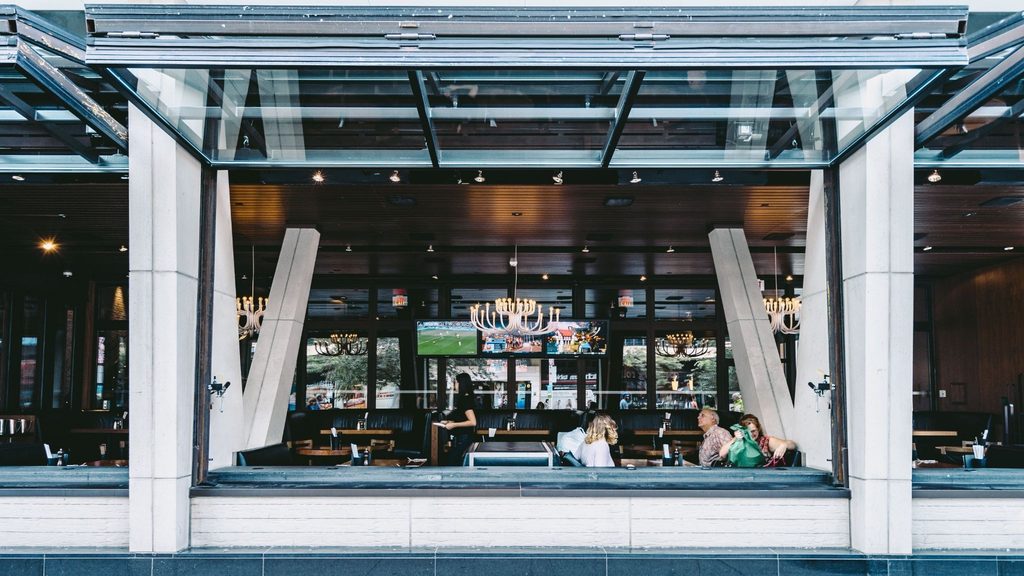
Bar burglary happens in cities across the world, big and small. Criminals like to target bars and restaurants, sports bars included, because they know some cash is often stored on the premises overnight, liquor is always on hand, and there’s equipment like laptops and tablets to grab.
Thieves also tend to return. They often hit multiple establishments in the same area, or the same one more than once.
Even when insurance covers the damage, the cost doesn’t end with the claim. Claims can raise insurance premiums, so a single break-in can keep costing a business down the road.
Cameras and alarms are essential components of any sports bar security system. They alert owners, security companies, and law enforcement, and they capture evidence that aids in identifying and prosecuting offenders. What they can’t do is physically stop a break-in. Forced entry and smash-and-grab burglary are usually over before anyone can react.
That’s why physical security measures matter so much for sports bars. The most cost-effective option is retrofitting security glazing that resists impacts and blows from common burglary tools, including bricks, rocks, bats, crowbars, and even sledgehammers.
Unprotected storefront glass offers the most direct path into a sports bar after hours. Large windows and glass entry doors give a venue visibility, natural light, and a welcoming look, but they are also the quickest point of entry for someone armed with a brick, a bat, or a crowbar.
Once standard glass fails, an intruder can reach in to unlock a door or climb through the opening itself.
Because the glass is usually the first barrier a burglar meets, strengthening it completely changes the outcome of the attempt itself.
Instead of an easy opening, the intruder faces a barrier that absorbs repeated blows and stays in place. For sports bar security, that means a break-in is stopped at the exterior rather than discovered the next morning.
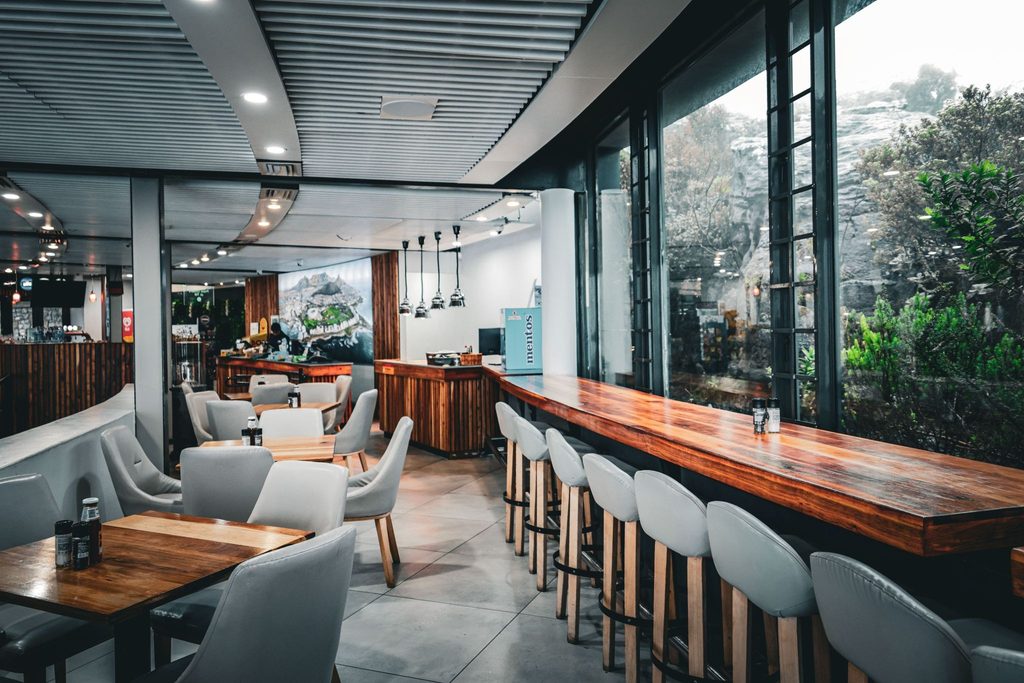
Retrofit security glazing can be installed over existing storefront glass, including doors and windows, using specialized retrofittable framing adapters. There’s no need to tear out and replace the glass already in place.
Once installed, the glazing creates a protective shield over the existing glass. When the shield is struck, whether deliberately or accidentally, the glass behind it is kept from breaking.
Security glazing is made from special formulations of polycarbonate and other plastics, or from glass-clad polycarbonate (GCP). These materials render it virtually unbreakable. Even if it’s damaged, it won’t allow an opening large enough for an intruder to reach through and unlock a door from the inside, for example.
Polycarbonate containment-grade (non-ballistic) glazing is often the chosen solution for sports bars and similar establishments. It’s the easiest to retrofit and provides all the forced-entry protection these businesses need.
Polycarbonate security glazing looks and feels very similar to real glass, and it’s coated to resist scratching. For businesses that want a true glass finish on the exterior, GCP is also an option.
Burglars rely on speed. Within a few seconds of striking security glazing, they realize they aren’t getting through, and many abandon the attempt rather than risk taking too long and getting caught.
Sports bar security glazing works best as one layer in a broader system, with each measure covering a gap the others leave open.
Together, these measures create a sports bar security system that detects, deters, and physically prevents forced entry, rather than only recording it.
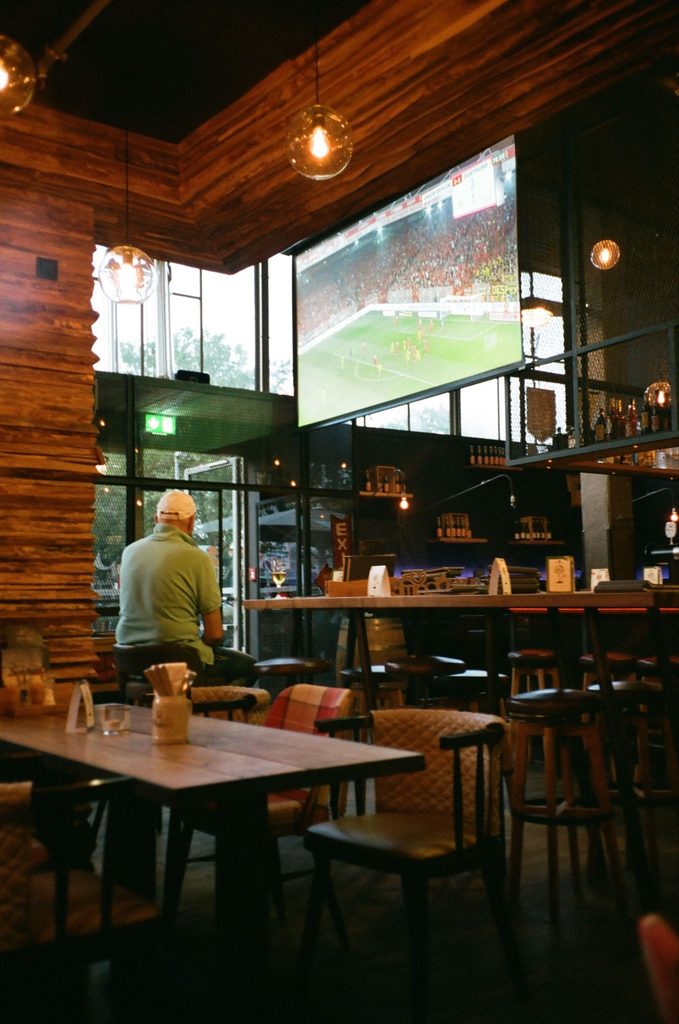
Sports bars face constant forced entry and burglary risk, and cameras and alarms alone can’t physically stop a break-in. Retrofit security glazing adds the missing layer of bar glass protection.
Installed over existing windows and doors, it protects the glass from common burglary tools, deters would-be intruders, and helps owners avoid the repair costs, downtime, and reputational damage of a break-in.
To learn more about security glazing options for your sports bar, contact Riot Glass.
After-hours forced entry and burglary are the most common. Criminals target cash on the premises, liquor, and electronics like laptops and tablets.
No. They alert people and capture evidence, but they can’t physically prevent a break-in, which is often over before anyone can respond.
Security glazing is a forced-entry-resistant material made from polycarbonate and other plastics, or glass-clad polycarbonate, designed to withstand repeated impacts from tools like bricks, bats, crowbars, and sledgehammers.
Yes. Retrofit security glazing is installed over existing storefront glass using specialized framing adapters, so the original glass doesn’t need to be replaced.
Polycarbonate security glazing looks and feels very similar to real glass and is coated to resist scratching. Glass-clad polycarbonate is available for businesses that want a true glass finish on the exterior.
Yes. Even when insurance covers the damage, a claim can raise premiums, so a break-in can keep costing the business money even after repairs are done.
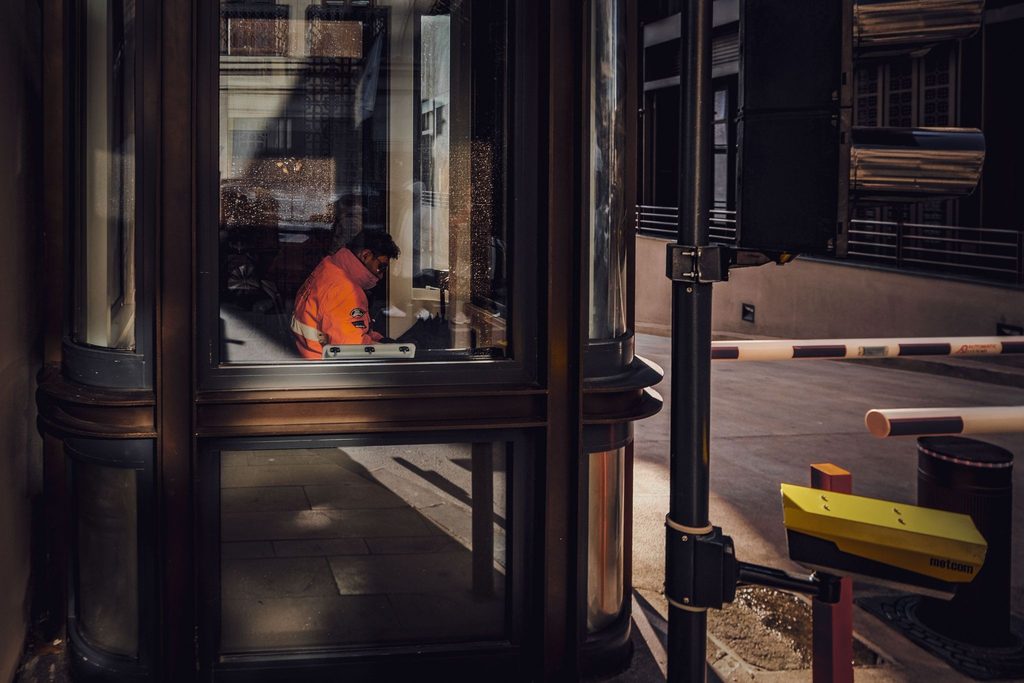
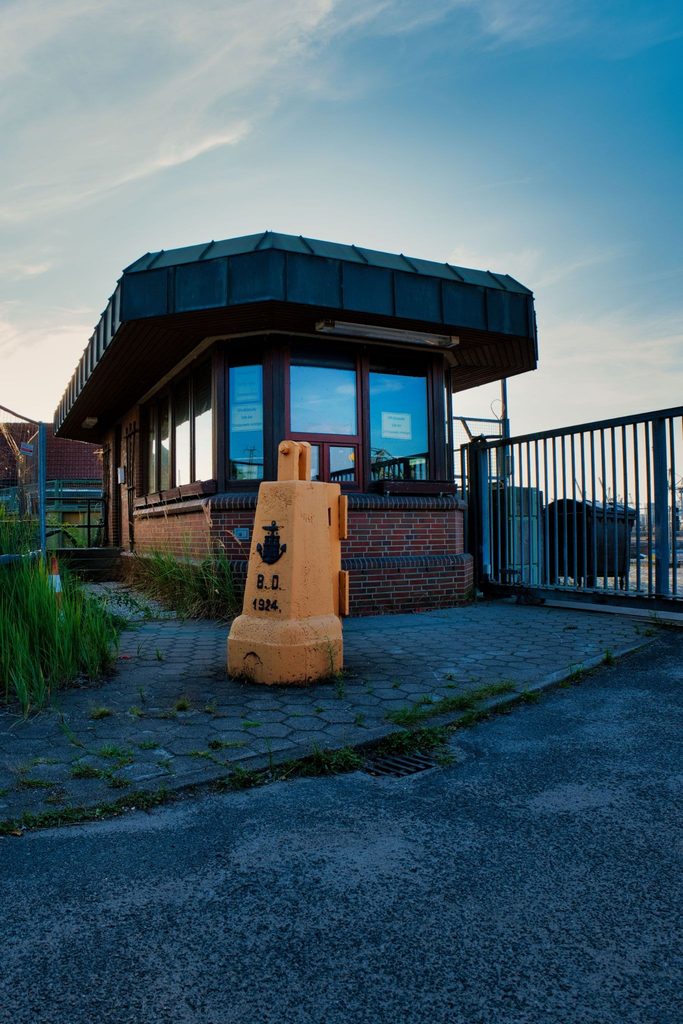
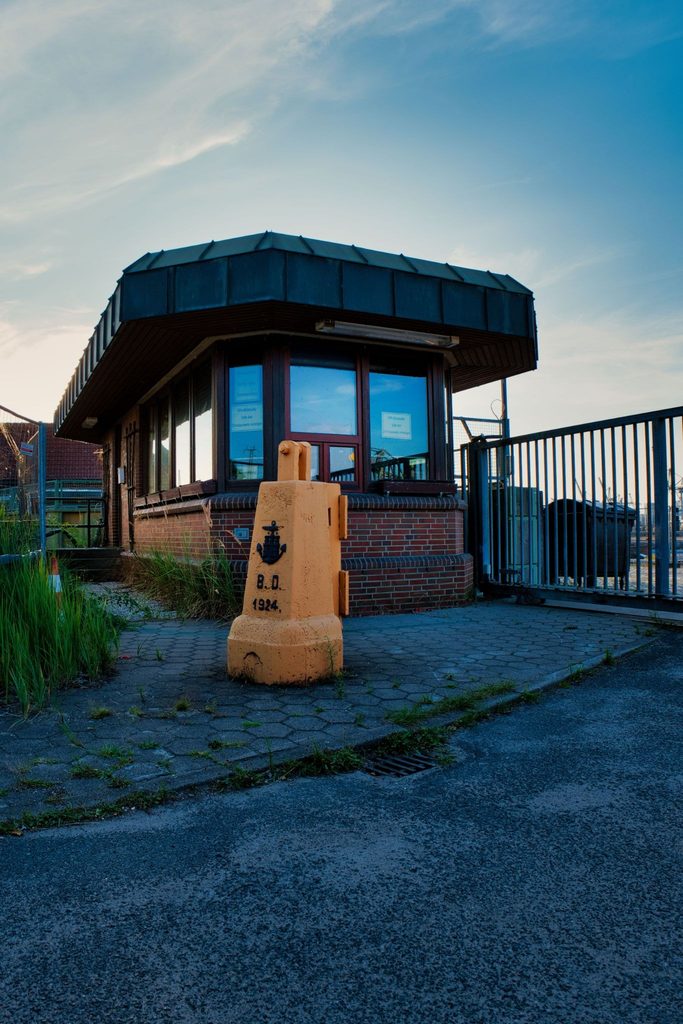
A guard shack is often the first structure a visitor sees and the first one an intruder studies. It sits at the entrance of a private neighborhood, a corporate campus, a warehouse yard, a parking facility, a school or hospital drive, or a government site, and one person inside is responsible for deciding who gets through. That person usually works behind glass in a small booth that is exposed on several sides.
Standard window glass, even tempered glass, does not provide adequate protection for guard shacks and those inside. It breaks quickly, and a broken window gives an attacker direct access to the guard and to the access controls inside.
Guard shack window security solutions reduce risks by pairing the right security glazing with the right threat level, while still letting the guard see out, speak with visitors, and handle transactions as needed.
Guard shacks are small, often isolated, and built around glass. Windows usually wrap three or four sides so the guard has a clear view of approaching vehicles and pedestrians. That visibility is essential to the job, and it also means the glass is the weakest part of the structure.
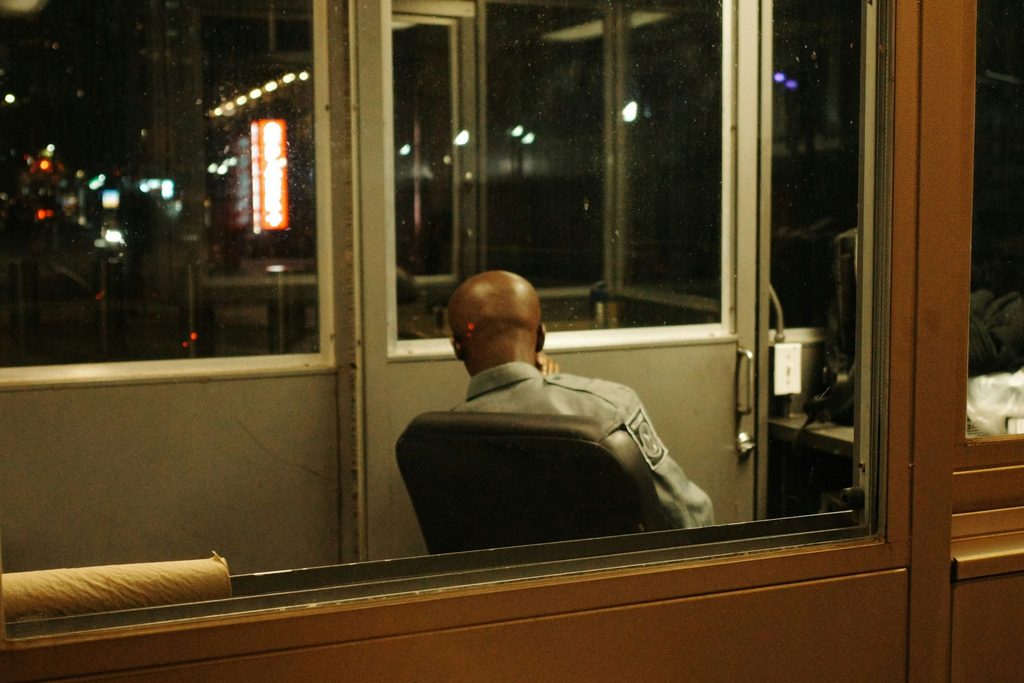
Several factors raise the risk:
The threats themselves range widely, from thrown or swung objects to forced entry attempts with hammers, crowbars, or other tools. At higher-risk sites, ballistic threats are a realistic consideration.
A site threat assessment should look at who approaches the shack, what the facility protects, what incidents have occurred nearby, and how quickly help can arrive. Those answers point toward the right level of protection when it comes to guard shack window security glazing.
Security glazing replaces or reinforces ordinary glass with glazing materials built to withstand deliberate attack. For guard shack windows, adding resistance to forced entry is essential. Ballistic resistance is also an option when the threat assessment calls for it.
Retrofit security glazing systems allow some types of guard shack windows to be upgraded without tearing out the existing structure. Glazing can often be mounted into or onto the current window framing, using specialized security framing adapters, so the booth keeps its appearance and the guard keeps a clear view. New guard shacks can also be constructed with security glazing already incorporated.
Forced-entry-resistant glazing is built from layers of tough polycarbonate or other laminated security glazing materials. Where regular glass shatters and falls away after a few blows, this type of glazing absorbs repeated impacts and stays in the frame, preventing the attacker from reaching through.
This is the right starting point for many guard shack windows. Standard tempered safety glass is meant to prevent injury from accidental breakage, while security glazing is designed to withstand intentional attack. It addresses the most frequent real-world threats, including vandalism, thrown objects, and attempts to break in with common tools.
Every extra minute an attacker spends fighting the glazing is also a minute for the guard to call for help, lock down the booth, and trigger an alarm.
Ballistic-grade glazing, commonly called bullet-resistant glazing, is designed for sites where the threat assessment calls for resistance to firearm attacks. It is typically built as a glass-clad polycarbonate laminate or a full polycarbonate laminate, and rated to UL 752, the standard used to rate bullet-resisting materials and systems.
UL 752 organizes ratings into levels, and each level corresponds to specific firearms and ammunition and a set number of shots from a certain distance. Lower levels address handgun threats, while higher levels address rifles.
It’s important to understand that bullet-resistant does not mean bulletproof. No glazing is guaranteed to stop every round from every weapon under every circumstance. A rating describes performance against the specific threat the glazing was tested for, and a stronger weapon, a different type of ammunition, or repeated hits concentrated in one spot can penetrate it.
A sealed, protected booth still has to serve people. Guards check IDs, hand out visitor passes, collect parking payments, receive deliveries, and answer questions. Pass-through and communication hardware lets those exchanges happen while guards stay safe behind the glazing.
Common options include:
Guard shacks put one person at the front line of a facility’s security, usually in a glass-walled booth with limited backup.
Forced-entry-resistant glazing stands up to the most common attacks and buys the guard valuable time, while bullet-resistant glazing adds ballistic protection at sites where firearm threats are a credible risk.
Add well-matched pass-through and communication options, and the booth stays functional and still works the way a security checkpoint should.
If you’re planning a guard shack window upgrade, contact Riot Glass for a consultation to review your site and match the glazing to the threat.
Often, yes. Retrofit systems can usually be mounted into or onto existing window framing, though sometimes it makes more sense to replace the glazed panels.
It depends on your threat assessment. Forced-entry-resistant glazing suits many sites, while ballistic-grade glazing fits locations where firearms are a realistic concern.
Not significantly. Riot Glass security glazing has a sleek profile and looks and feels like regular glass, so the booth retains its appearance and the guard has a clear view.
Yes. Speak-through ports, amplified intercoms, and similar options allow clear two-way communication.
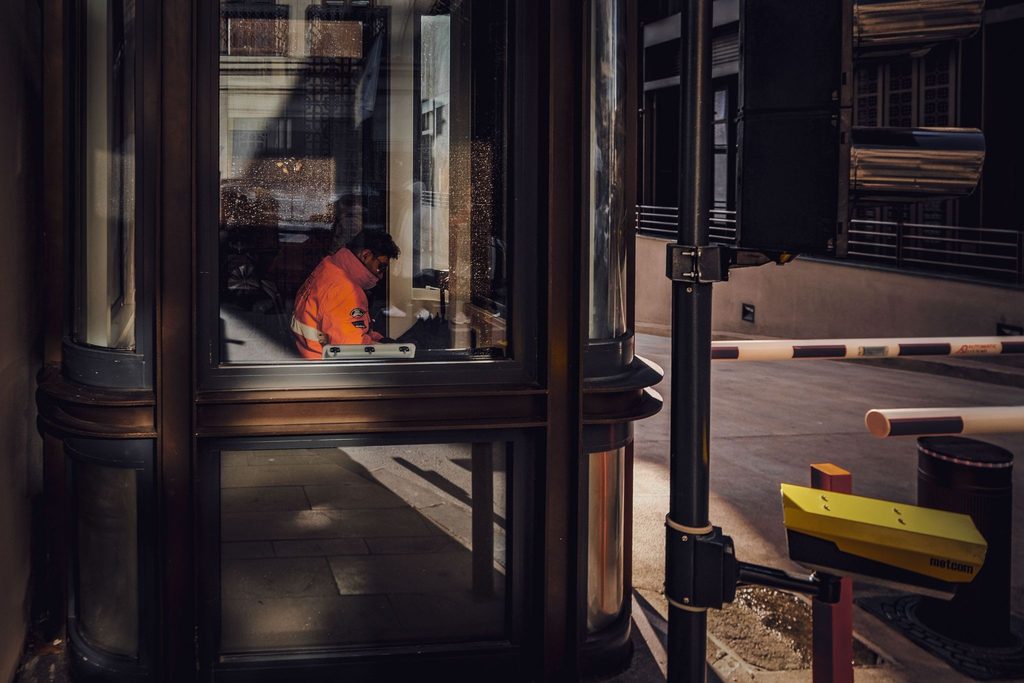
A guard shack is often the first structure a visitor sees and the first one an intruder studies. It sits at the entrance of a private neighborhood, a corporate campus, a warehouse yard, a parking facility, a school or hospital drive, or a government site, and one person inside is responsible for deciding who gets through. That person usually works behind glass in a small booth that is exposed on several sides.
Standard window glass, even tempered glass, does not provide adequate protection for guard shacks and those inside. It breaks quickly, and a broken window gives an attacker direct access to the guard and to the access controls inside.
Guard shack window security solutions reduce risks by pairing the right security glazing with the right threat level, while still letting the guard see out, speak with visitors, and handle transactions as needed.
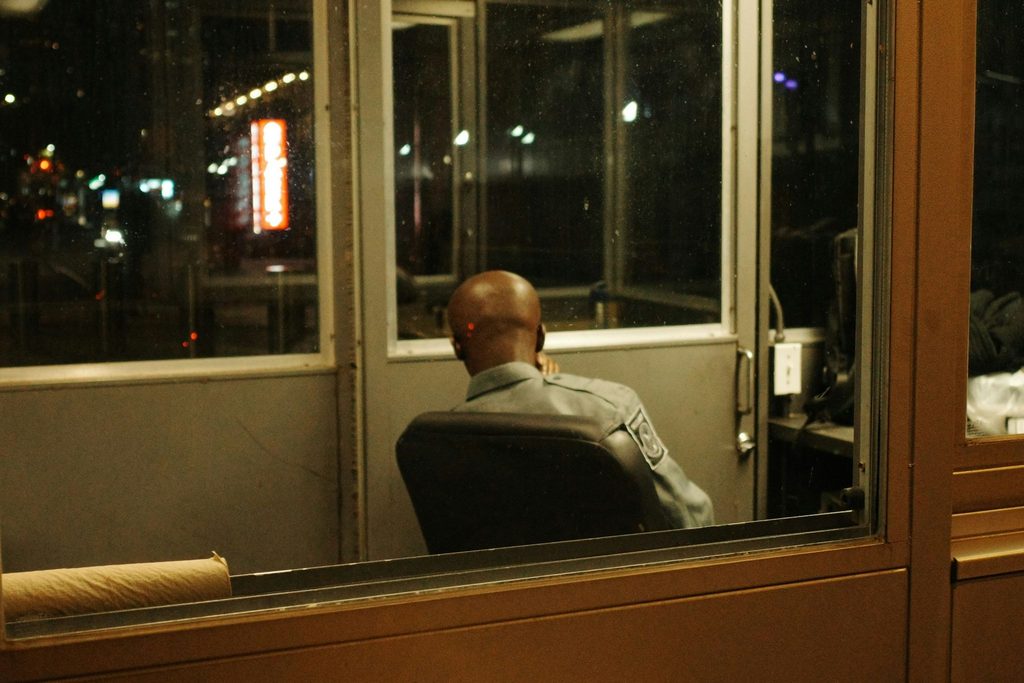
Guard shacks are small, often isolated, and built around glass. Windows usually wrap three or four sides so the guard has a clear view of approaching vehicles and pedestrians. That visibility is essential to the job, and it also means the glass is the weakest part of the structure.
Several factors raise the risk:
The threats themselves range widely, from thrown or swung objects to forced entry attempts with hammers, crowbars, or other tools. At higher-risk sites, ballistic threats are a realistic consideration.
A site threat assessment should look at who approaches the shack, what the facility protects, what incidents have occurred nearby, and how quickly help can arrive. Those answers point toward the right level of protection when it comes to guard shack window security glazing.
Security glazing replaces or reinforces ordinary glass with glazing materials built to withstand deliberate attack. For guard shack windows, adding resistance to forced entry is essential. Ballistic resistance is also an option when the threat assessment calls for it.
Retrofit security glazing systems allow some types of guard shack windows to be upgraded without tearing out the existing structure. Glazing can often be mounted into or onto the current window framing, using specialized security framing adapters, so the booth keeps its appearance and the guard keeps a clear view. New guard shacks can also be constructed with security glazing already incorporated.
Forced-entry-resistant glazing is built from layers of tough polycarbonate or other laminated security glazing materials. Where regular glass shatters and falls away after a few blows, this type of glazing absorbs repeated impacts and stays in the frame, preventing the attacker from reaching through.
This is the right starting point for many guard shack windows. Standard tempered safety glass is meant to prevent injury from accidental breakage, while security glazing is designed to withstand intentional attack. It addresses the most frequent real-world threats, including vandalism, thrown objects, and attempts to break in with common tools.
Every extra minute an attacker spends fighting the glazing is also a minute for the guard to call for help, lock down the booth, and trigger an alarm.
Ballistic-grade glazing, commonly called bullet-resistant glazing, is designed for sites where the threat assessment calls for resistance to firearm attacks. It is typically built as a glass-clad polycarbonate laminate or a full polycarbonate laminate, and rated to UL 752, the standard used to rate bullet-resisting materials and systems.
UL 752 organizes ratings into levels, and each level corresponds to specific firearms and ammunition and a set number of shots from a certain distance. Lower levels address handgun threats, while higher levels address rifles.
It’s important to understand that bullet-resistant does not mean bulletproof. No glazing is guaranteed to stop every round from every weapon under every circumstance. A rating describes performance against the specific threat the glazing was tested for, and a stronger weapon, a different type of ammunition, or repeated hits concentrated in one spot can penetrate it.
A sealed, protected booth still has to serve people. Guards check IDs, hand out visitor passes, collect parking payments, receive deliveries, and answer questions. Pass-through and communication hardware lets those exchanges happen while guards stay safe behind the glazing.
Common options include:
Guard shacks put one person at the front line of a facility’s security, usually in a glass-walled booth with limited backup.
Forced-entry-resistant glazing stands up to the most common attacks and buys the guard valuable time, while bullet-resistant glazing adds ballistic protection at sites where firearm threats are a credible risk.
Add well-matched pass-through and communication options, and the booth stays functional and still works the way a security checkpoint should.
If you’re planning a guard shack window upgrade, contact Riot Glass for a consultation to review your site and match the glazing to the threat.
Often, yes. Retrofit systems can usually be mounted into or onto existing window framing, though sometimes it makes more sense to replace the glazed panels.
It depends on your threat assessment. Forced-entry-resistant glazing suits many sites, while ballistic-grade glazing fits locations where firearms are a realistic concern.
Not significantly. Riot Glass security glazing has a sleek profile and looks and feels like regular glass, so the booth retains its appearance and the guard has a clear view.
Yes. Speak-through ports, amplified intercoms, and similar options allow clear two-way communication.
Running a daycare comes along with one of the biggest responsibilities a business can take on: ensuring the safety and security of children.
When a parent leaves their child at daycare, they trust that the facility’s security measures are strong enough to protect them from threats, from everyday accidents to worst-case active threat scenarios.
This means that daycare security plans must include everything from access control and surveillance systems to physical access denial barriers, including forced entry-resistant glazing for vulnerable glass doors and windows.
No single security measure keeps a daycare safe on its own. The strongest facilities combine several layers of protection, so if one is bypassed, others are still in place to prevent unauthorized access or limit the risks from an accident, storm, or other unexpected event.
Controlling who enters the building is the foundation of daycare security. Keycard or keypad entry systems, video intercoms at the front door, and single-point-of-entry designs all help staff verify visitors before granting access.
Many daycares now pair these access control systems with electronic sign-in logs that record exactly who picked up which child and when, giving directors an accurate record if questions ever come up.
Here are a few daycare access control practices to prioritize:
Cameras covering entrances, hallways, playgrounds, and parking areas serve two purposes: they deter bad behavior before it happens, and they give directors a clear record if an incident does occur.
Placing monitors where staff can see them during the day, rather than just recording footage and reviewing it after the fact, adds a layer of real-time awareness, enabling staff members to react quickly to potential threats.
Every daycare security plan should include a clear, consistent process for visitors, including parents, delivery drivers, and maintenance staff.
Requiring everyone to check in at a front desk, wear a visible badge, and be escorted through non-public areas keeps the building predictable and makes it easy for staff to notice when something is out of place.
Daycare security measures only work as well as the people using them. Regular training on lockdown procedures, severe weather response, and basic first aid ensures staff can act quickly and calmly if something goes wrong.
Practicing drills with children, in age-appropriate ways, also helps reduce panic and confusion during a real event.
Access control and staff protocols address the human side of daycare security, but the building itself also plays a critical role.
Doors and windows are often the most vulnerable points in any facility, and daycares are no exception.
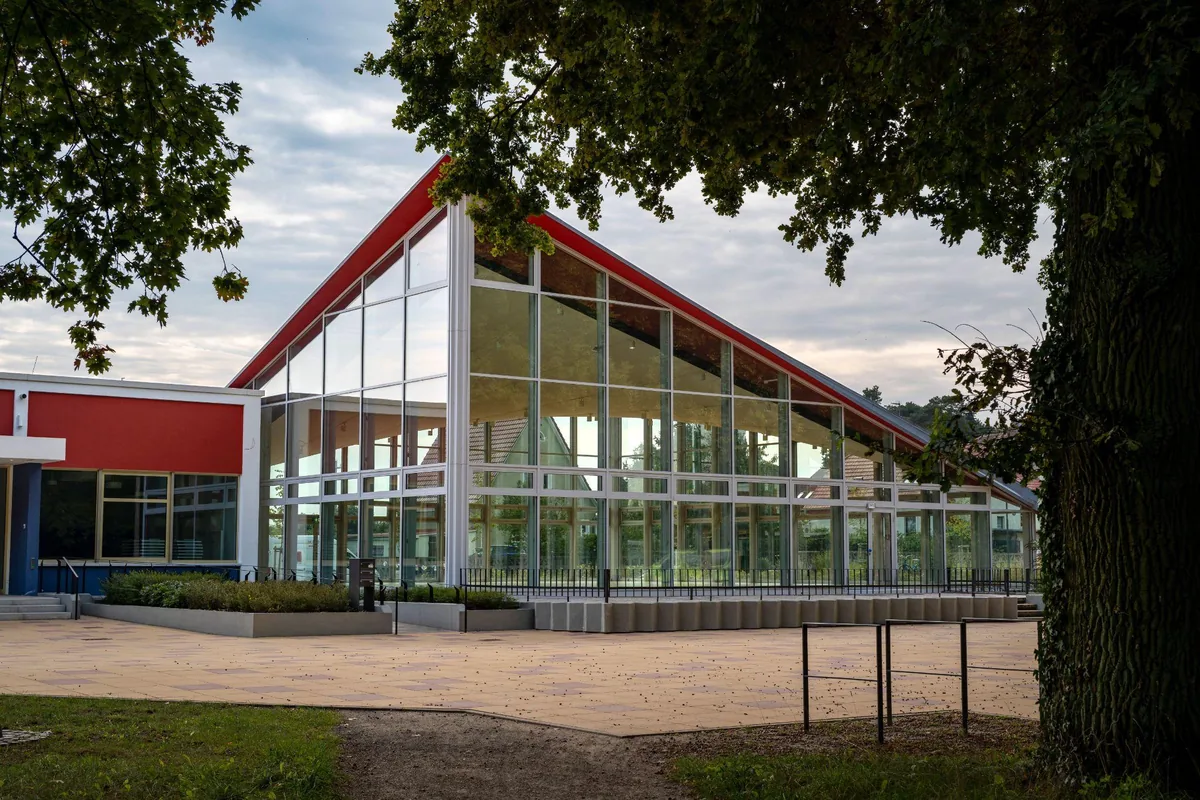
Standard glass can shatter under a range of conditions, from a stray ball or an accidental fall to severe weather or unexpected impacts, leaving an opening that puts children and staff at risk.
Security glazing addresses this vulnerability directly. Unlike standard glass, security glazing is engineered to stay intact under impact rather than shattering into sharp, dangerous fragments.
That impact resistance holds up in several everyday and emergency scenarios a daycare might face.
Daycares located in regions prone to high winds, hail storms, or hurricanes face a real risk of windborne debris breaking windows during a storm.
Impact-resistant glazing is built to withstand these forces, keeping the building envelope intact and reducing the chance of injury from flying glass.
Children are active, and daycare environments are full of movement, from moving toys and furniture to the everyday bumps and falls that come with young kids at play.
Security glazing holds up against accidental impacts that might otherwise crack or shatter standard glass, reducing the risk of cuts and injuries during ordinary daily activity.
Beyond accidents and weather, security glazing also adds an access denial barrier against unauthorized entry.
Rather than breaking on the first strike, reinforced glazing can absorb repeated impacts, buying valuable time for staff to lock down the facility and for help to arrive in a worst-case active threat scenario.
From earthquakes to other structural stresses, security glazing helps keep windows and doors intact when a building is under strain, reducing one more variable staff have to manage during an already stressful situation.
The goal of any daycare security solution isn't to make the building feel like a fortress. It's to give parents confidence that their child is in a safe environment, and to free up staff to focus on what actually matters: caring for children and creating a space where they can learn, play, and grow.
When access control, staff protocols, and physical building security measures work together, daycare directors spend less time worrying about threat scenarios and more time supporting the day-to-day experience that makes a daycare a good one.
Security glazing plays a quiet but important role in daycare security. It's not something parents or children think about walking through the door, but it's working in the background to reduce risk across a range of potential scenarios, from the everyday to the exceptional.
Every daycare is different, and a security plan should reflect the specific layout, location, and risks of each facility.
A single-entry building in a mild climate has different priorities than a multi-door facility in a storm-prone region.
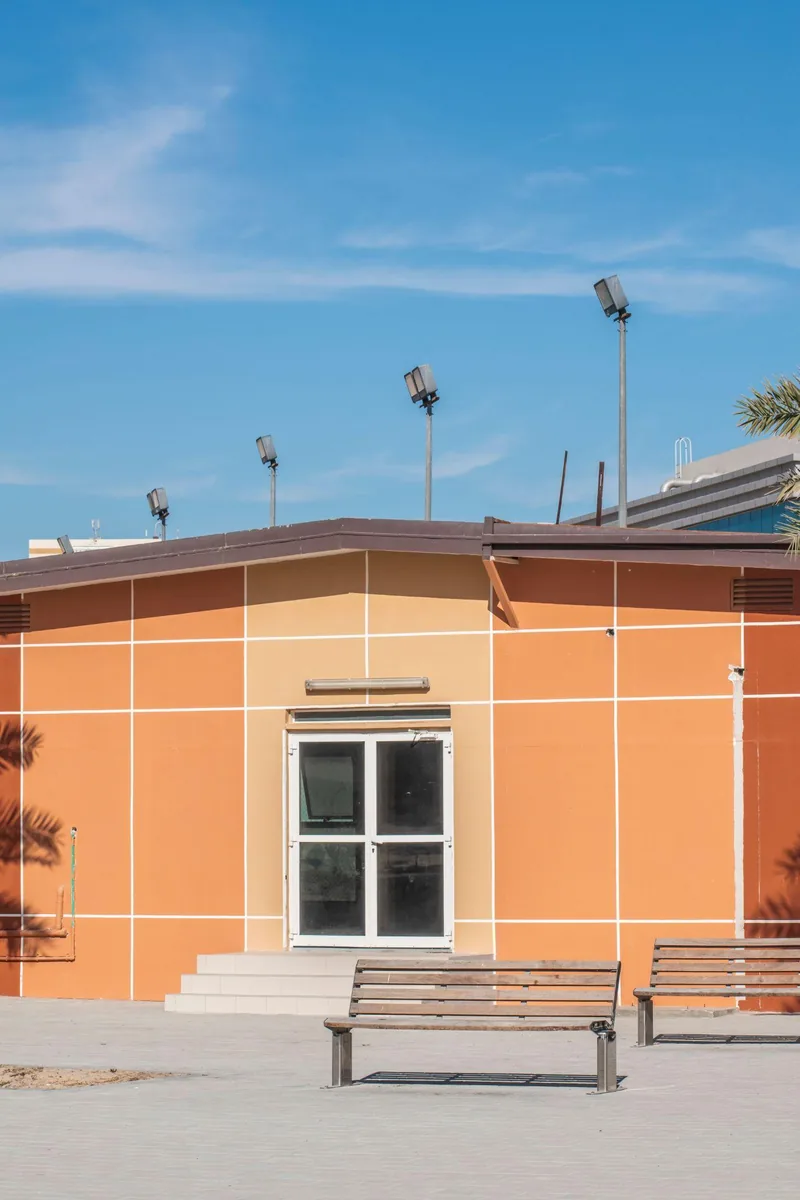
Walking through the building with a security professional, identifying the most vulnerable doors and windows, and prioritizing upgrades based on real risk levels leads to a plan that actually holds up.
In facilities like daycares and schools, forced entry and impact-resistant glazing is typically installed as a retrofit, meaning existing windows and doors are upgraded without a full renovation. This makes it a cost-effective, minimally disruptive solution for daycares looking to strengthen their facility without disrupting daily operations.
A comprehensive daycare security plan combines strong access control, clear protocols, trained staff, and a building that can hold up under pressure.
Security glazing is one of the most effective ways to strengthen the building’s physical security, giving daycare directors and parents alike the confidence that comes from knowing the building itself is built to protect the people inside it.
If you're evaluating security upgrades for your daycare facility, Riot Glass can help you identify the right glazing solution for your doors and windows. Contact our team today to discuss your facility's specific needs.
No. Security glazing is designed to look like standard glass while providing significantly more impact resistance.
Yes. Riot Glass security glazing can be installed as a retrofit, so daycares don't need to replace their entire window or door systems.
Yes. It also helps protect against storm damage, accidental impacts, and other everyday risks that can break standard glass.
A walkthrough with a security professional helps identify the most vulnerable doors and windows based on the facility's layout and location.
No. It works best as part of a layered plan that also includes access control, visitor protocols, surveillance, and staff training.