
Written By: Brad Campbell | November 13, 2026
A lobby security desk plays an important role in managing building access, assisting visitors, and maintaining a secure environment. In office buildings, government facilities, corporate headquarters, and other commercial properties, its design can influence how effectively security personnel monitor entrances and respond to potential threats.
However, a desk equipped with a computer, visitor log, and access control system offers limited physical protection on its own. Facilities must consider how the desk interacts with surrounding entrances, glazing, doors, and visitor circulation to create an effective security checkpoint.
By incorporating appropriate protective materials and access control measures into the design, building owners can improve both lobby and facility security while maintaining a professional, welcoming environment.
A lobby security desk serves as a central point for monitoring activity and managing access to a building. Depending on the facility, security personnel may verify visitor credentials, issue temporary badges, confirm appointments, monitor surveillance feeds, and authorize entry into restricted areas.
The desk's location often gives security personnel a useful vantage point over the main entrance and surrounding lobby. However, visibility alone does not guarantee effective security. Personnel also need suitable communication systems, clear procedures, and a physical environment that supports their responsibilities.
An effective lobby security desk should therefore be considered part of the building's broader security infrastructure. Its placement, construction, and relationship to entryways can affect how well personnel perform their duties and how much protection they have during an incident.
A lobby security desk should provide personnel with a clear view of the primary entrance, visitor waiting areas, and important circulation routes. Poor placement can create blind spots or make it difficult to monitor people approaching the building.
Facilities should also consider how visitors move through the lobby. A well-planned layout directs visitors toward the appropriate checkpoint without allowing them to enter employee-only areas inadvertently.
In larger buildings, the desk may need to accommodate multiple security personnel, monitoring equipment, and visitor processing stations. These operational requirements should be considered alongside the available space and the physical protection required.
Open lobby layouts can make reception areas feel accessible, but they may also leave security personnel exposed to individuals who approach the desk aggressively or attempt to gain unauthorized access by force.
Depending on the facility's risk profile, a physical barrier may be appropriate. Security glazing integrated into the desk can separate personnel from visitors while preserving visibility and allowing communication to continue.
The design should account for the areas through which visitors interact with security staff, including document exchange points and other openings. A protective barrier should support normal operations without creating unnecessary obstacles for employees or visitors with accessibility needs.
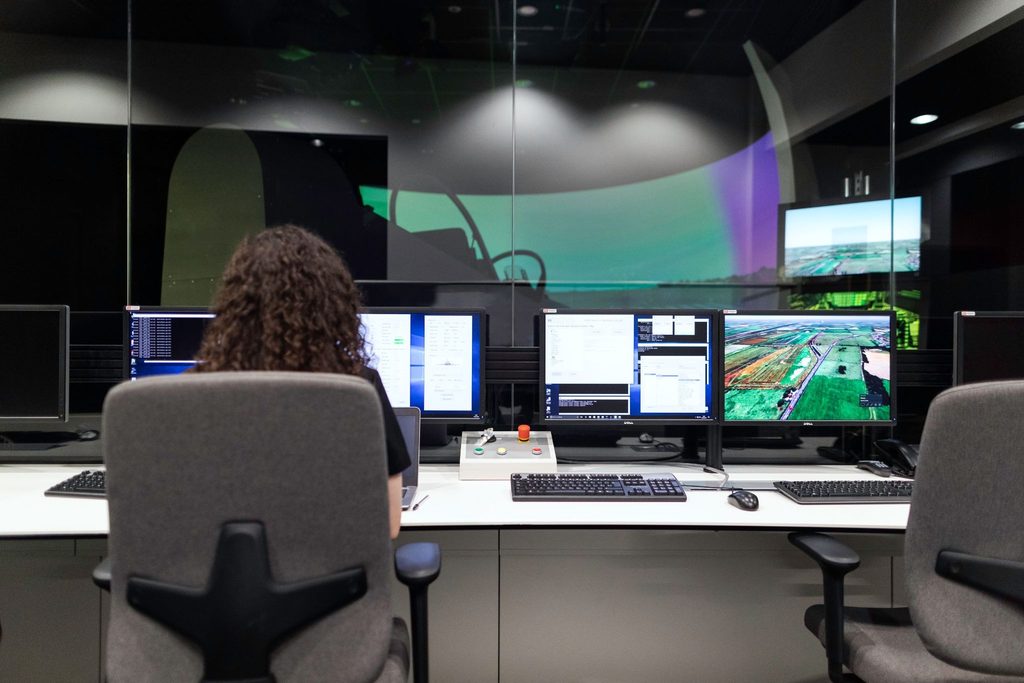
The level of protection required at a lobby security desk depends on the building's use, location, occupancy, and identified threats. Several types of security glazing can help address different vulnerabilities.
Security glazing can be incorporated into a purpose-built lobby security desk or added to certain existing configurations, depending on their construction and the required performance.
A glazed barrier allows security personnel to observe visitors and communicate with them while providing a physical separation. Depending on the system, it may incorporate side panels and carefully designed transaction openings to address different points of exposure.
This approach may be particularly relevant for government offices, corporate headquarters, financial institutions, and other facilities where security personnel manage access to sensitive areas or face elevated security risks.
The best lobby desk security glazing depends on the anticipated threat. Systems designed to resist physical impacts, forced entry, or ballistic threats offer different levels of protection. Facilities should select a system with documented performance appropriate to their security requirements.
A protected lobby security desk cannot compensate for every weakness in the building entrance. If adjacent doors or windows offer an easier route inside, an intruder may be able to bypass the checkpoint altogether.
Forced-entry-resistant glazing can help strengthen these vulnerable areas. Depending on the building's design, it may be incorporated into entryway doors, windows, and other glazed sections surrounding the lobby.
This can be especially useful in commercial buildings with expansive glass entrances, where maintaining visibility and natural light without compromising on security is important to the architectural design.
Where ballistic threats are a concern, facilities should separately evaluate whether bullet-resistant glazing is required.
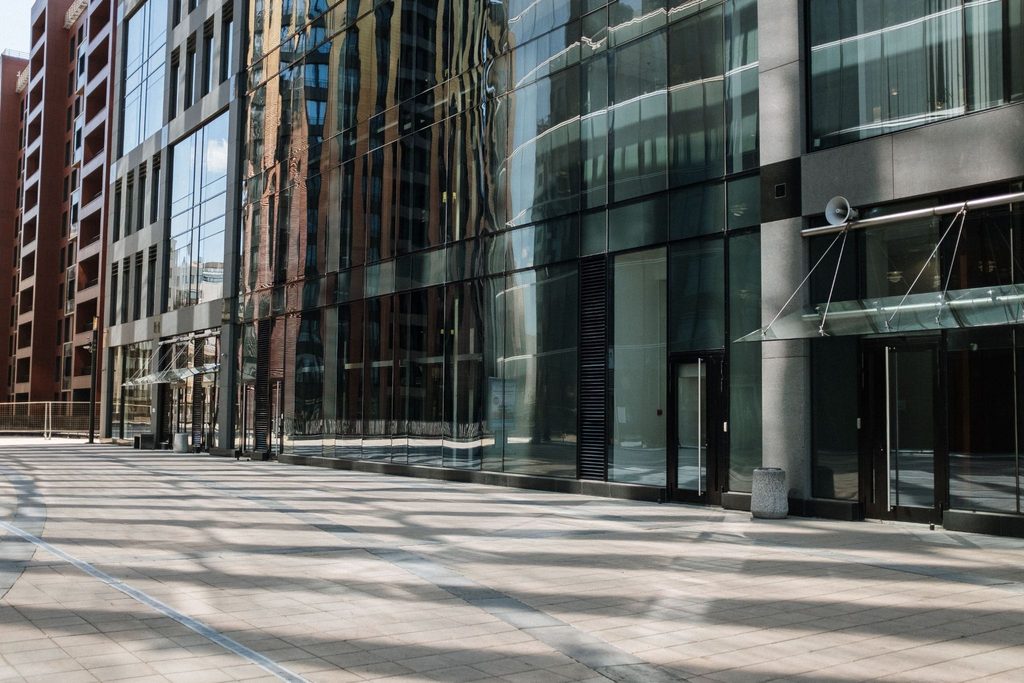
For buildings that require tighter control over visitor movement, an access control vestibule can extend the security checkpoint beyond the desk itself.
A vestibule creates an intermediate space between the exterior entrance and the main building interior. Security personnel can use this space to verify credentials, confirm appointments, and determine whether a visitor is authorized to proceed before allowing access.
When security glazing and equivalent framing, doors, and locking systems are incorporated, the vestibule can also resist forced entry or provide ballistic protection where required.
This arrangement can be useful in government facilities, corporate headquarters, and buildings that house sensitive operations or valuable assets. It allows security personnel to make access decisions before visitors reach the main interior, rather than relying exclusively on a desk positioned inside a lobby that’s open to the public.
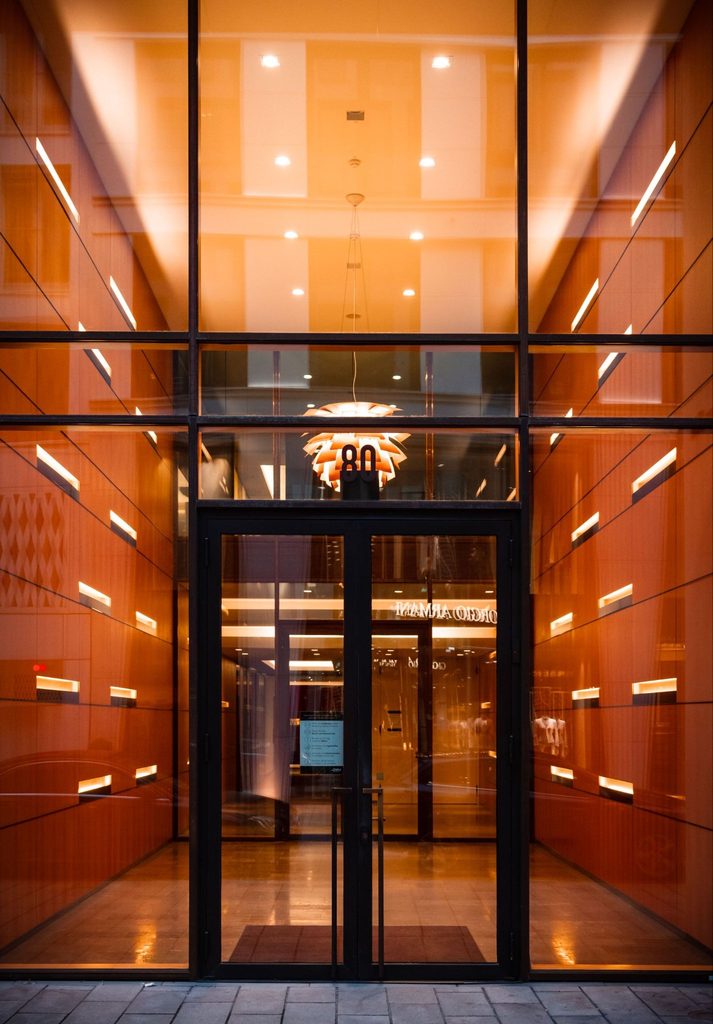
Not every building requires the same security configuration. The desk, surrounding barriers, and entry controls should reflect how the facility operates and the potential consequences of unauthorized access.
Physical protection is only one part of an effective lobby security strategy. Building operators should also consider how the desk supports other security measures.
Lobby security desk design involves more than choosing a desk and installing access control equipment. The layout, physical barriers, surrounding glazing, and entrance configuration all influence how effectively personnel can manage access and perform their duties.
Security glazing, forced-entry-resistant entrance systems, and access control vestibules can provide additional protection where the building's risk profile warrants them. The right combination depends on the facility's operations, architectural constraints, and security requirements.
Treating the lobby security desk as part of an integrated security system creates an entrance that supports visitor management, protects personnel, and maintains appropriate control over access to the facility.
Contact Riot Glass to learn more about security glazing for commercial building entrances and lobby areas.
Depending on the facility, it may include visitor registration equipment, access control interfaces, communication systems, surveillance monitors, and protective barriers.
Security glazing can create a physical barrier between security personnel and visitors while preserving visibility and communication.
Government buildings, corporate headquarters, financial institutions, and other facilities with elevated security requirements may benefit from protective desk glazing.
Bullet-resistant glazing may be appropriate when a risk assessment identifies ballistic threats; the required protection level depends on the specific risks.
A desk can serve as a central access checkpoint, but effective building security also depends on controlled doors, visitor management, appropriate physical barriers, and clear security procedures.

HOW CAN WE HELP YOU?