
When students and parents are searching for good safety schools, they are often looking beyond academics and admissions. Campus security, classroom safety, and the ability of a school to protect students and staff during emergencies have become increasingly important factors in higher education decision-making.
In college admissions, good safety schools are colleges or universities where a student has a high likelihood of acceptance based on academic qualifications. These schools often serve as backups in case more competitive first-choice applications are unsuccessful.
However, many people, especially concerned parents, also search for “good safety schools” when they want to ensure their children attend a higher-ed institution that is physically safe. In this sense, the term refers to colleges and universities that offer:
As concerns about campus violence, classroom safety, and emergency preparedness at higher-ed institutions continue to grow, the safest college campuses are implementing more robust security measures to protect their communities.
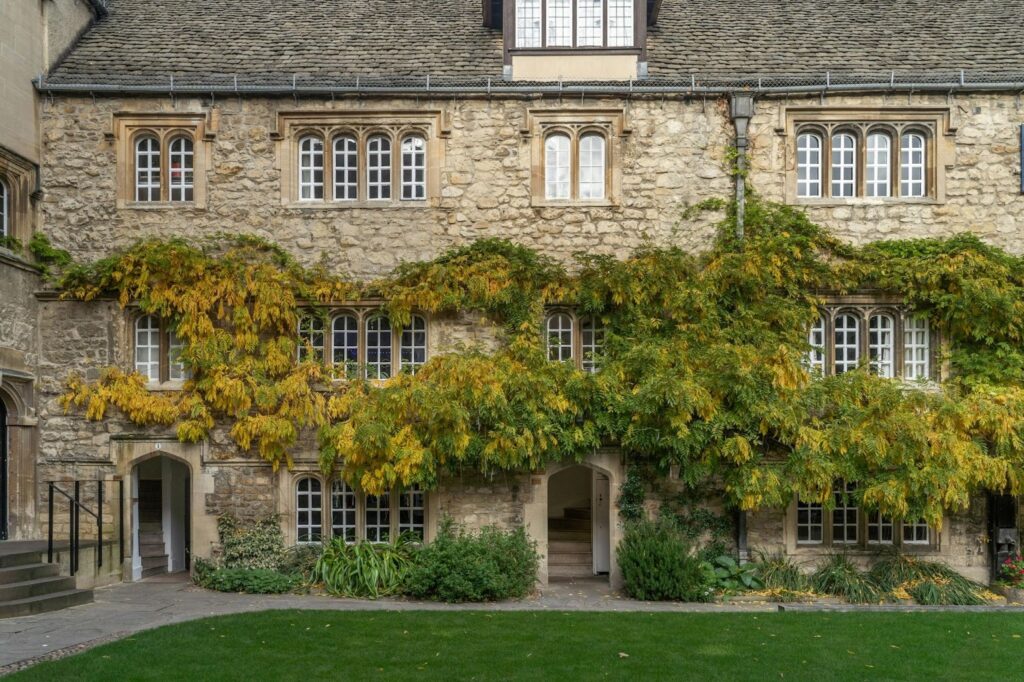
When evaluating colleges from a physical safety perspective, some schools stand out because of their comprehensive, proactive approach to security. While no campus can eliminate risks entirely, the safest college campuses tend to share several key characteristics.
Schools committed to safety track incidents carefully and make crime statistics readily available. Transparency builds trust and signals accountability.
The safest colleges limit unauthorized access through measures such as:
These steps help prevent threats from moving freely through academic and residential spaces.
Good safety schools also tend to invest in:
Preparedness can significantly reduce harm during critical incidents.
One of the most overlooked aspects of campus safety is classroom security, particularly when it comes to their doors and windows. These are often the weakest points in a building during a forced-entry attempt.
The safest college campuses may reinforce glass doors and windows with security glazing to keep active threats out and provide safe areas for students and professors to lock down during emergency scenarios.
While campuses vary greatly in their size, layout, and threat profiles, the safest colleges in America typically adopt a layered approach to security. This includes a combination of people, policies, and physical infrastructure.
Key features often include:
Increasingly, higher-ed institutions are also addressing physical vulnerabilities in older buildings that were never designed to withstand violent threats, including by retrofitting vulnerable doors and windows with ballistic-resistant security glazing.
Classrooms are at the heart of campus life, and during an emergency, they must also serve as places of refuge. Unfortunately, the same glass doors and windows that make classrooms feel open and bright also present security risks.
Standard glass can easily be broken, allowing an intruder to unlock doors from the inside and gain unauthorized access. In a worst-case active threat scenario, this means an attacker can get into supposedly secure classrooms where they can do the most harm.
Bulletproof door and window glazing helps address this vulnerability by strengthening the most common points offailure.
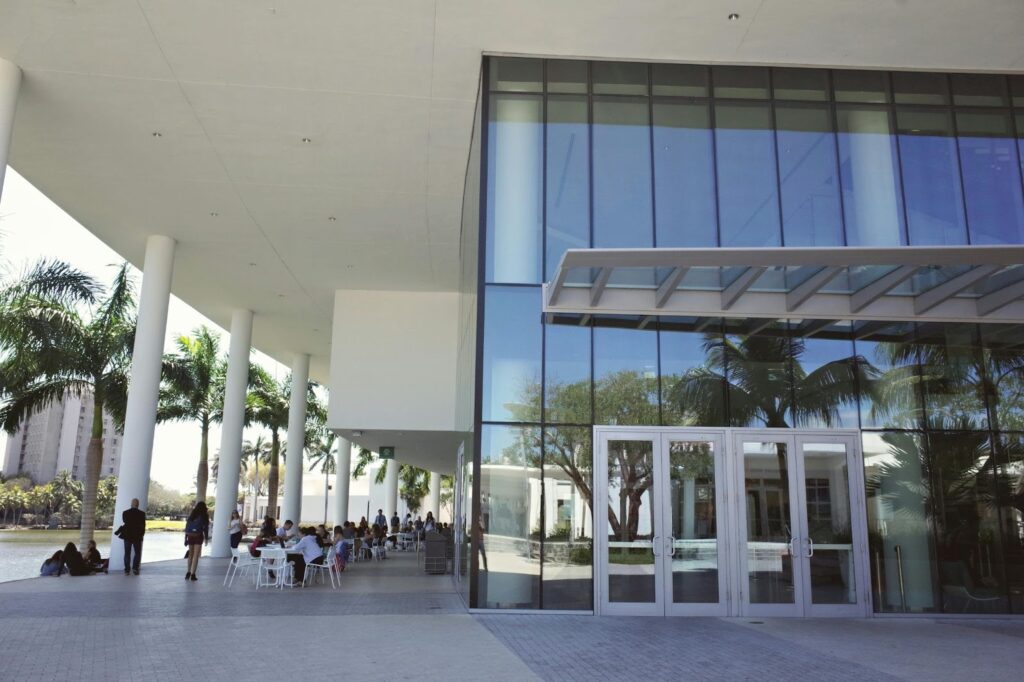
In an active threat scenario, bullet-resistant glazing can:
When there’s an active threat on campus, even delaying access to classrooms by seconds or minutes can save lives.
Modern bullet-resistant glass maintains transparency and natural light, helping colleges preserve open, welcoming learning environments while significantly improving security.
Many of the safest college campuses improve security by retrofitting existing doors and windows rather than rebuilding from scratch. This allows schools to:
School shootings aren’t limited to K-12 schools. In recent years, active threat incidents at universities, such as the one at Brown University in Providence, Rhode Island have resulted in tragic loss of life.
Buildings on higher-ed campuses present unique security risks because they are often open throughout the day, densely occupied, and designed for accessibility rather than defense.
Because of this, colleges and universities focused on campus and classroom safety are increasingly reinforcing doors, windows, and other glazing to prevent unauthorized access and protect building occupants from active threats.
Security experts widely recognize hardened entryways as a critical layer in a comprehensive campus safety strategy.
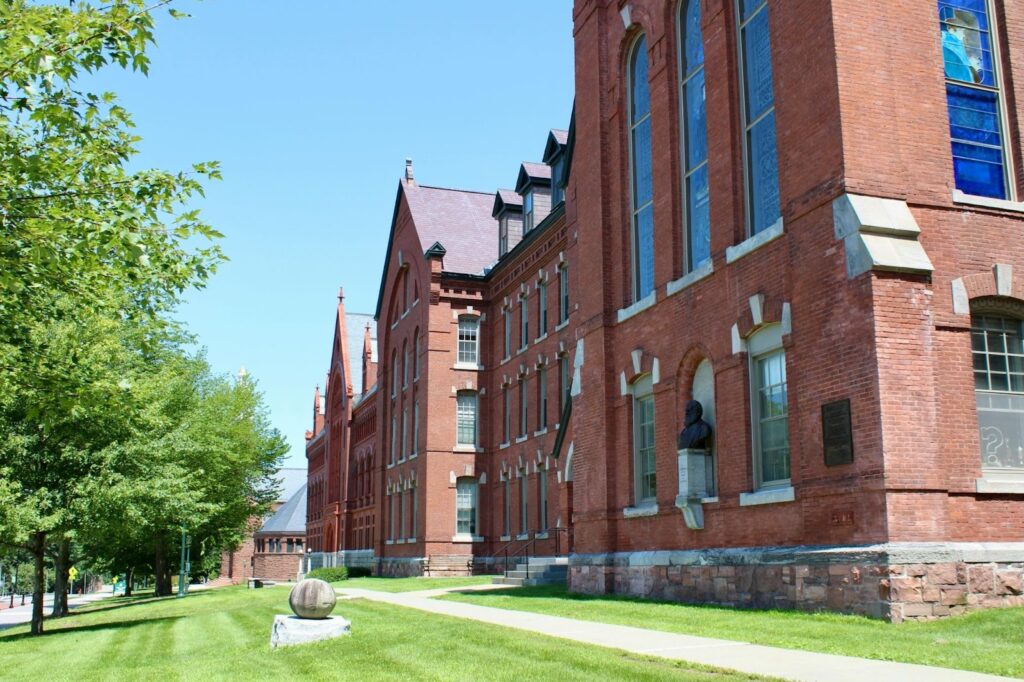
One challenge colleges face when implementing more robust security measures is balancing safety with the openness that defines higher education. Higher-ed institutions want campuses that feel inviting, not fortress-like.
Fortunately, advancements in transparent, high-strength glazing solutions make this possible. Bullet-resistant doors and windows can blend seamlessly into existing architecture, offering ballistic and forced entry protection without changing the character of campus.
For colleges striving to be among the safest in the nation, implementing ballistic-grade security glazing alongside other university security solutions can help strike this essential balance.
While “choosing a safety school” often refers to an admissions strategy, good safety schools are also those that prioritize preparedness, protection, and proactive security design.
The safest colleges in America share a commitment to:
As parent and student expectations for campus safety continue to rise, physical safety measures, including bulletproof glass doors and windows, are becoming a defining feature of truly safe college campuses.
Riot Glass is working with schools across the country to improve safety and security, providing a safer learning environment for all. Contact our team today to learn how we can help create a more resilient campus.
In general terms, a safety school is a college where a student has a strong chance of acceptance based on academic credentials. However, good safety schools are also those that prioritize campus and classroom safety and security.
Low crime rates, emergency preparedness, controlled access, and secure classrooms/facilities all contribute to a safer campus environment.
Many colleges and universities are reinforcing door and window glass in classrooms and high-risk areas as part of broader campus safety initiatives.
Upgrading doors and windows, improving lockdown capabilities, and addressing forced-entry vulnerabilities are key steps towards safer classrooms.
As tragic shootings continue to plague schools across the United States, districts are constantly working to improve lockdown effectiveness and implement more robust security measures to keep active threats out and protect school occupants from harm.
However, while locked doors and school lockdown protocols are crucial parts of active threat mitigation, school buildings are only as safe as their weakest link, which is often an unprotected pane of glass set within (or next to) a door.
An attacker can easily shoot out a vulnerable glass panel to open a door from the inside, quickly gaining access to supposedly secure areas where they can do the most harm.
That’s where bulletproof doors for schools come in.
The term bulletproof is widely used but often misunderstood. In reality, nothing is truly 100% bulletproof. Given enough time, ammunition, or firepower, virtually any material can eventually be compromised.
So, when we talk about bulletproof doors for schools, what we’re really referring to are ballistic-resistant door systems designed to stop, slow, and withstand one or more rounds from specific types of firearms, particularly those most commonly used in active threat scenarios.
These systems are engineered to:
In a school environment, the additional reaction time provided by ballistic-grade school doors is crucial. Every second an attacker is delayed is more time for students and staff to barricade, escape, communicate with first responders, or await law enforcement intervention.
Many school doors appear secure at a glance. They lock. They’re solid. They comply with fire codes. Unfortunately, most fail to protect against active threats when glass is involved.
Common school door vulnerabilities include:
During an attack, the perpetrator often doesn’t even need to break through the door itself. Instead, they can:
This tactic has been documented in real-world incidents and security assessments, and it can turn a locked classroom into an unsecured space in seconds. Bullet-resistant school door systems address this vulnerability.
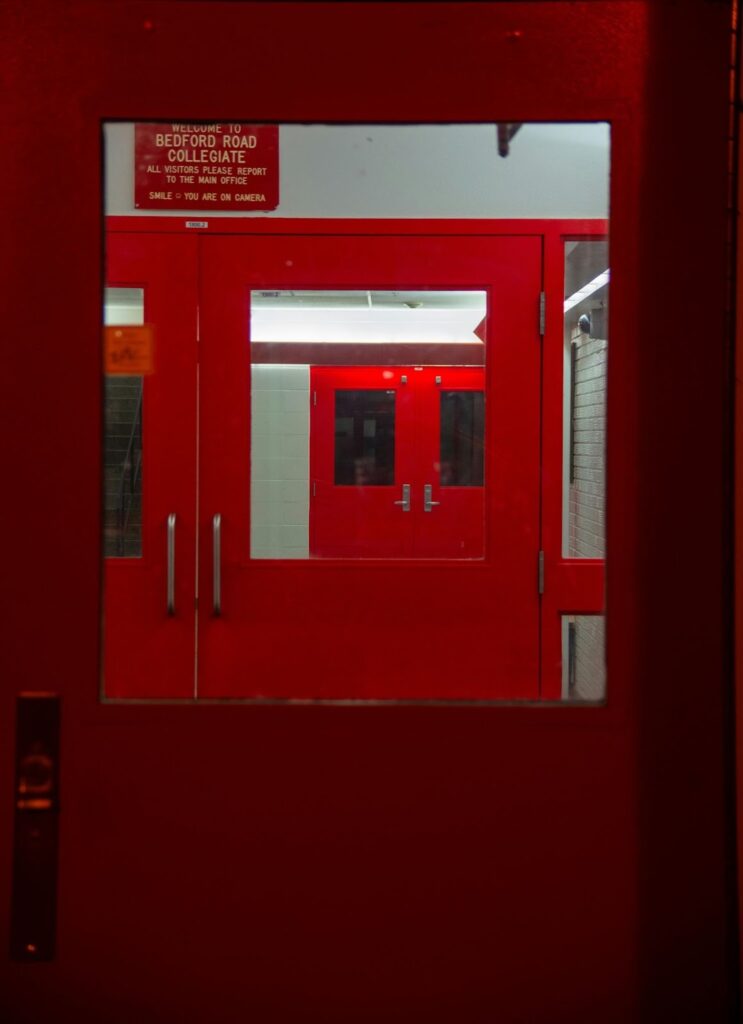
Riot Glass offers ballistic-resistant security glazing systems specifically engineered for school environments, including both classroom doors and main entryway doors.
Rather than replacing entire doors and frames, which can be costly, disruptive, and often unnecessary, Riot Glass specializes in retrofittable security glazing solutions available in multiple protection levels, including up to UL 752 Level 7 ballistic-grade systems.
UL 752 Level 7-rated security glazing is tested to stop 5.56mm M193 ball ammunition fired from rifles such as the AR-15, one of the most common firearm platforms used in school shootings.
These systems are designed to absorb and disperse ballistic energy, preventing penetration and, just as importantly, preventing glass fallout that would otherwise create an access point.
The primary goal of Riot Glass ballistic solutions is access denial during active threat scenarios. Even if an attacker fires multiple rounds at a door retrofitted with Riot Glass:
It’s incredibly important to understand that, when it comes to active threat mitigation, stopping bullets is only part of the equation. Preventing the attacker from entering the room is what ultimately saves lives.
When vulnerable door glass (and any adjacent window glass) is reinforced with Riot Glass school security glazing, attackers are unable to bypass locked doors through the glass, ensuring lockdown procedures remain effective.
Riot Glass ballistic-resistant systems can be applied to:
Classroom Doors:
Main Entryway Doors:
Thanks to Riot Glass’s retrofittable Universal Framing System, these upgrades are cost-effective, efficient, and minimally disruptive, making them ideal for occupied schools that cannot afford prolonged construction projects.
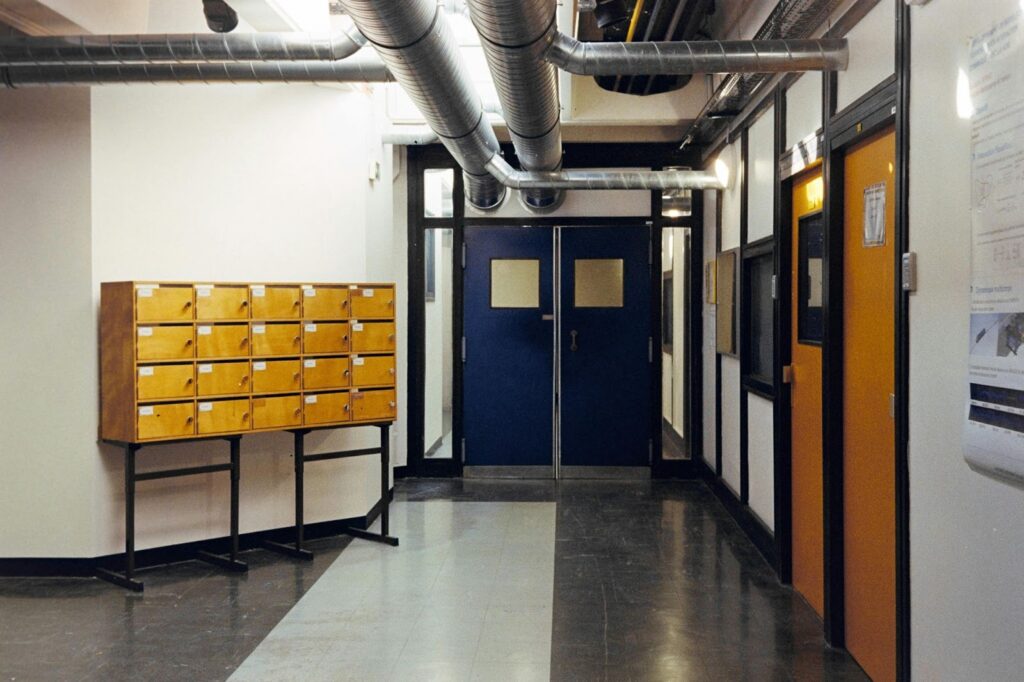
Riot Glass also offers ASTM F3561-tested systems designed specifically to address the realities of active shooter and forced-entry scenarios in schools.
ASTM F3561 testing:
This testing provides schools with peace of mind and confidence that their security glazing systems will perform when it matters most.

When it comes to school safety and security, reaction time and access control are the goals. Bullet-resistant school doors and windows won’t make a building indestructible, but they can prevent one of the most common failure points in lockdowns: broken glass that allows attackers inside.
Ultimately, Riot Glass school security solutions delay threats and keep attackers out of secure spaces, giving students, staff, and first responders the time they need in those critical moments.
There are door systems and materials designed to stop bullets, including ballistic-resistant glazing, frames, and door components used in school security applications. However, with enough time, firepower, or sustained attack, any material can eventually be defeated.
What matters most is access denial. Bullet-resistant doors significantly delay attackers, prevent unauthorized access, and keep secured spaces closed. That delay saves lives by giving occupants time to respond and allowing law enforcement time to intervene.
Riot Glass offers ballistic-rated solutions up to UL 752 Level 7, which are tested to stop 5.56mm M193 ammunition commonly fired from AR-15-style rifles. These systems are designed to prevent penetration and maintain door integrity during attack scenarios.
Yes. Riot Glass specializes in retrofittable solutions that reinforce existing doors and windows without requiring full replacement. This allows schools to upgrade security quickly and cost-effectively.
No. Riot Glass systems are designed to be clear and discreet. They preserve visibility, natural light, and a welcoming learning environment while providing powerful security benefits.
Riot Glass solutions also protect against forced entry, vandalism, riots and civil unrest, burglary, and smash-and-grab attempts. This makes them a comprehensive safety upgrade for schools concerned about multiple threats.
School safety and security are top priorities for administrators, districts, and communities alike. Educational environments must balance openness and accessibility with the need to protect students, staff, and valuable assets from a wide range of risks.
One of the most effective ways to strengthen school security without compromising an open, inviting learning environment is through impact-resistant glass for schools. This formidable glazing is built to withstand powerful impacts that would normally shatter standard school window and door glass.
From preventing unauthorized entry to minimizing damage caused by vandalism, storms, or accidental impacts, this type of security glazing plays a critical role in modern school safety strategies.
The term “impact-resistant glass” refers to a range of advanced security glazing systems that are designed to resist breaking under high-force, high-velocity impacts.
Unlike traditional annealed or tempered glass, which both easily shatter upon impact, impact-resistant glazing materials absorb and disperse kinetic energy, remaining intact even when struck repeatedly.
In school settings, impact-resistant glass is commonly used in:
Impact-resistant glass for schools is specifically built to resist threats such as blunt-force strikes, thrown objects, flying debris, and, in certain configurations, ballistic impacts (bullets). Instead of shattering into dangerous fragments, the glazing stays in place, maintaining a physical barrier that protects school occupants and property.
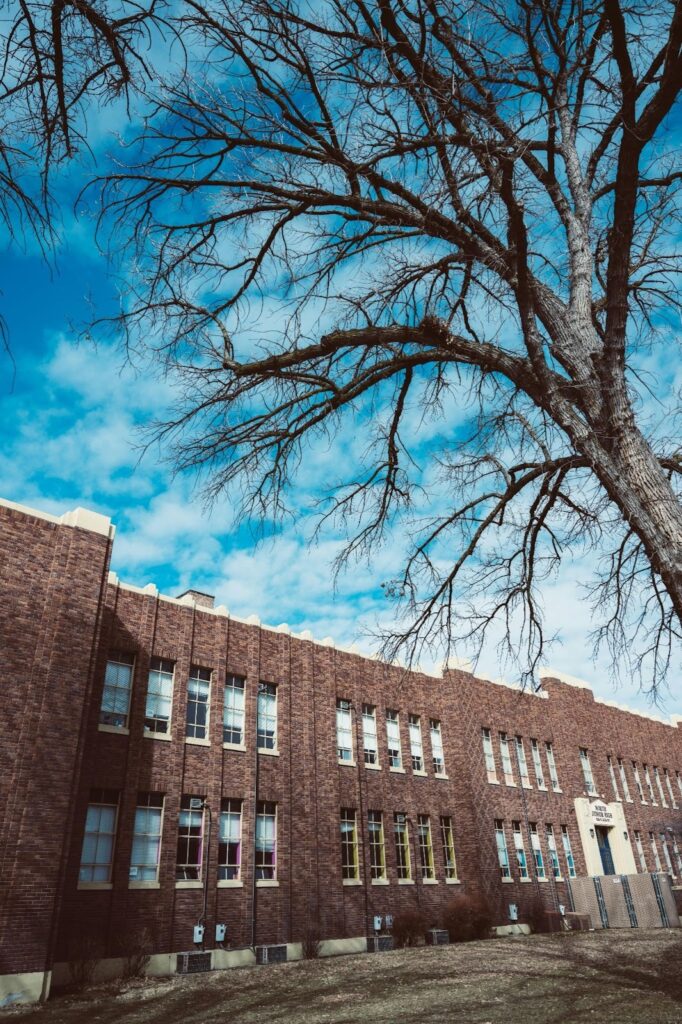
While there are several security glazing options available for schools, two of the most commonly used, cost-effective solutions are polycarbonate and glass-clad polycarbonate (GCP). Each offers unique advantages depending on performance needs and budget.
Polycarbonate is a transparent, high-strength plastic known for its exceptional impact resistance. Polycarbonate security glazing is significantly stronger than standard glass (read: virtually unbreakable) and is often used in high-stress environments where durability is the primary concern.
Glass-clad polycarbonate contains multiple layers of security glass and polycarbonate, with glass on the exterior (attack side) and polycarbonate on the interior (safe side). This hybrid construction delivers the best of both worlds, offering the strength and safety of polycarbonate while maintaining the exact appearance, scratch resistance, and optical clarity of glass.
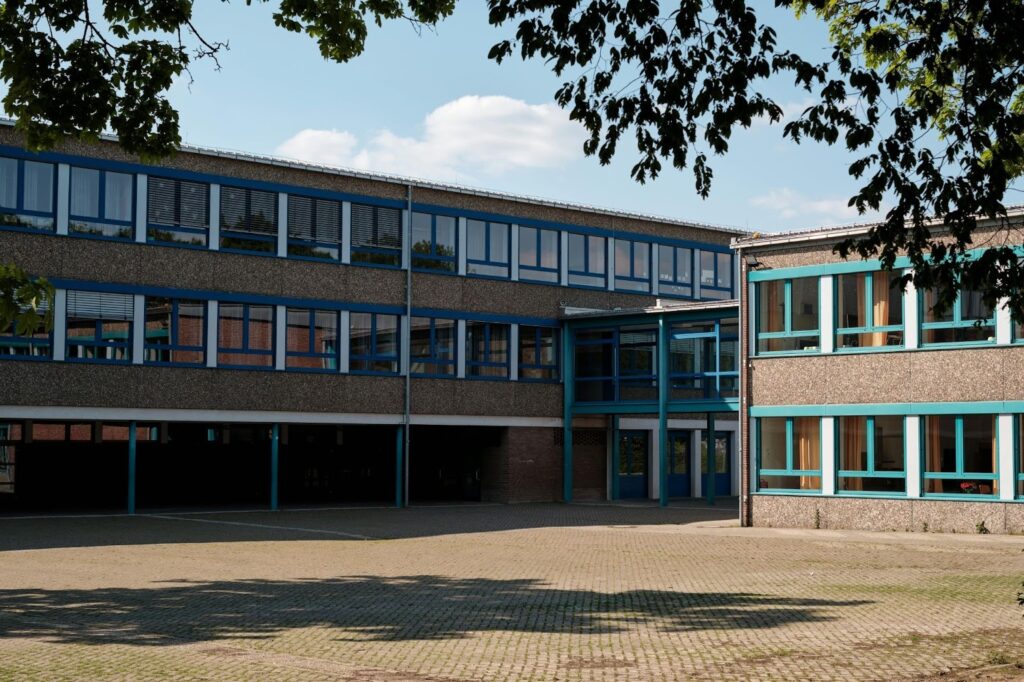
Both options provide strong glass protection and can achieve high levels of ballistic resistance. One distinct advantage of full polycarbonate solutions is that they can be easily retrofitted on top of existing windows and doors using specialized framing adapters. The same is sometimes possible for GCP, but it may be more complex depending on the school’s existing framing.
Riot Glass offers two lines of impact-resistant security glazing for schools and other commercial applications: the polycarbonate-based AP-Series and the glass-clad polycarbonate RG-Series lines.
Whether you want containment-grade (non-ballistic) or ballistic-grade (bullet-resistant) reinforcement for school doors and windows, there’s a cost-effective retrofit solution available from Riot Glass.
For schools, impact-resistant glass delivers an added layer of robust physical protection that addresses both everyday risks and worst-case scenarios. Its benefits extend beyond physical security, contributing to a safer, more resilient learning environment.
In a worst-case active threat scenario, time is critical. Impact-resistant glass helps protect students and staff by preventing attackers from quickly breaching doors or windows leading into occupied areas.
Impact-resistant school security glazing keeps barriers intact to:
Even when subjected to repeated impacts or penetrated by bullets, impact-resistant glass is designed to retain its structure and remain in place, preserving the integrity of the barrier and greatly reducing the likelihood of immediate access.
Schools house valuable equipment, including computers, audiovisual gear, laboratory materials, and athletic equipment. These assets are often targeted in after-hours break-ins.
Impact-resistant glass for schools mitigates this by:
When school windows and doors cannot be easily breached, criminals are more likely to abandon the attempt altogether.
Vandalism is one of the most common causes of broken windows in schools, and it leads to costly repairs, safety hazards, and disruptions to learning.
Impact-resistant window glazing helps prevent damage from:
Because the glazing remains intact even when struck, it significantly reduces replacement costs and minimizes downtime caused by damaged facilities.
Schools in many regions must also be prepared for severe weather. High winds, hail, and flying storm debris can all easily shatter conventional glass, exposing interiors to further damage and creating safety risks.
Impact-resistant glass provides schools with protection against:
Security glazing keeps the building envelope intact during weather-related incidents, protecting both occupants and assets during environmental events.
Not all impacts are intentional or weather-related. Schools are dynamic environments where accidental collisions happen regularly, especially in gyms, hallways, and common areas, or where school windows face athletic fields.
Impact-resistant glass for schools helps prevent breakage caused by:
This added durability improves overall safety while reducing glass maintenance and replacement costs over time.
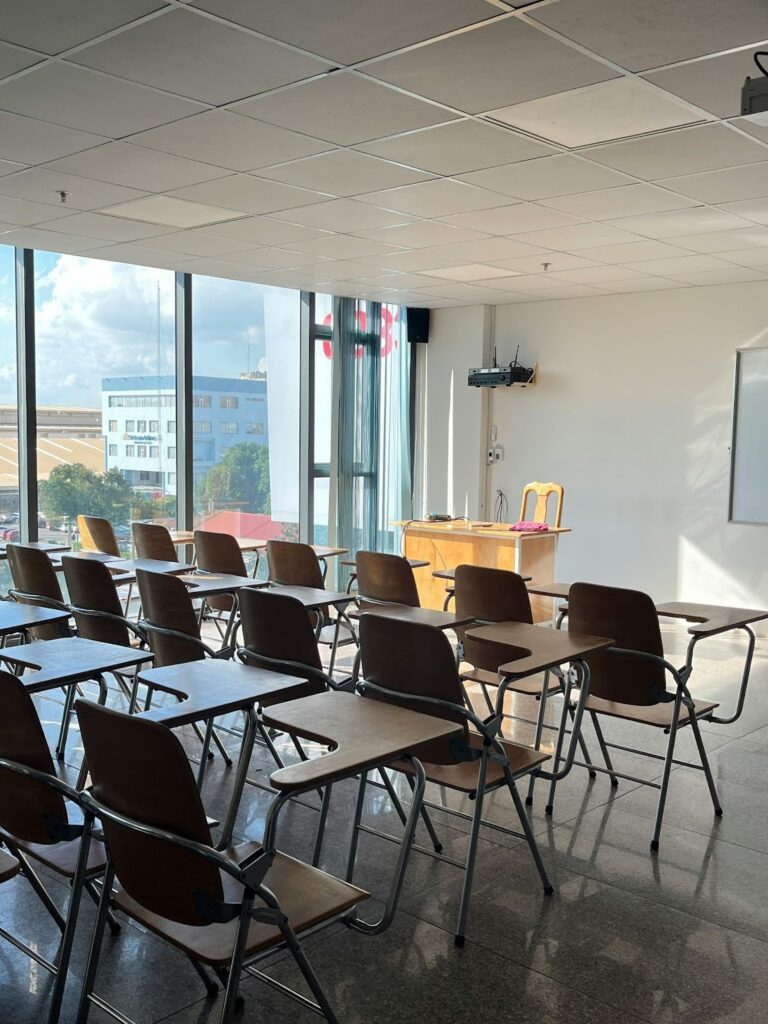
Installing impact-resistant glazing is a proactive investment schools can make in safety, security, and peace of mind. It strengthens glass doors and windows against active threats, forced entry, burglary, vandalism, storm damage, and accidental impacts, protecting students, staff, and valuable property without sacrificing visibility or functionality.
Whether using polycarbonate or glass-clad polycarbonate glazing systems, schools can significantly boost their overall security stance while maintaining a welcoming and open learning environment.
Riot Glass provides advanced impact-resistant glazing solutions for schools, designed to meet the unique needs of educational facilities and deliver long-term strength, clarity, and protection where it matters most. Contact us today for a free consultation.
In an ideal world, we wouldn’t even have to think about the benefits of having bulletproof glass for schools, because students, teachers, and families would never have to worry about violent attacks on school grounds. However, the unfortunate reality is that an active threat scenario can unfold at any school. The more prepared schools are, the less likely such an incident is to result in a tragic loss of life.
One proactive step schools and districts can take to mitigate the risks of active threats and incidents of targeted violence is to retrofit glass doors and windows with bulletproof glass, more accurately called ballistic-grade security glazing. While this glazing can indeed stop bullets, more importantly, it keeps attackers out of classrooms and other vulnerable areas where they can do the most harm, buying valuable time for school occupants to react and law enforcement to arrive.
The benefits of bulletproof glass in schools go far beyond active threat protection, too, making it a cost-effective investment in all-around safety and security. From preventing forced entry and burglary to safeguarding school property from vandalism and accidental damage, there are many reasons to consider reinforcing school doors and windows with ballistic-grade security glazing.

As we touched on above, one of the most critical benefits of having bulletproof glass for schools is its ability to slow, deter, or stop an active threat before it can reach students and staff. Ballistic-grade glazing is specifically engineered to withstand gunfire and blunt-force impacts, maintaining its structural integrity even after repeated impacts or ballistic penetration.
This delay is crucial. It buys valuable time for lockdown procedures, emergency response, and law enforcement intervention.
Unlike standard glass, which shatters easily upon impact and can create dangerous secondary hazards, bullet-resistant glass remains intact, preventing both projectile penetration and glass fragmentation. This reduces the risk of injury from flying shards while maintaining a protective barrier between the threat and occupied areas.
In many cases, reinforced glazing can prevent an active threat from gaining access altogether, forcing them to abandon their attempt or redirecting them away from populated spaces.
In schools, ballistic-grade glazing can be seamlessly integrated into existing doors and windows without creating an atmosphere that looks or feels fortified and prison-like. Modern security glazing is available in clear, distortion-free formats that preserve visibility, natural light, and a welcoming school environment. This allows schools to boost protection without compromising aesthetics or students’ learning experience.
When paired with access control systems and emergency protocols, bullet-resistant glass is a passive yet powerful layer of defense — one that works 24/7 without requiring human intervention. In high-risk situations where every second matters, this added layer of always-there protection can make a life-saving difference.
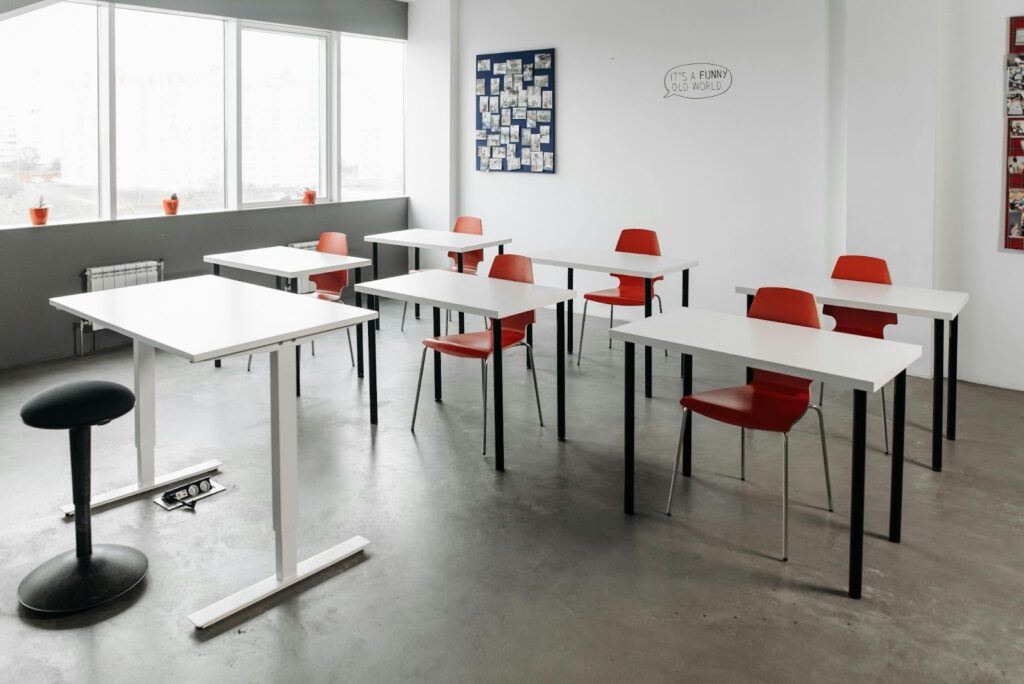
Schools are frequent targets for forced entry and burglary, particularly after hours when buildings are unoccupied. Bullet-resistant glass offers a strong deterrent against these incidents by significantly increasing the time, effort, and noise required to break through doors or windows.
Unlike traditional commercial glazing, including tempered safety glass, which can be quickly smashed, ballistic-grade window and door glass resists repeated blows from heavy hand tools or thrown objects. In fact, it can be virtually unbreakable under normal circumstances.
This resistance often discourages would-be intruders altogether. Criminals tend to seek easy access points, and reinforced glazing removes one of the most common vulnerabilities in school buildings. Even if an attempted break-in occurs, the glass’s ability to remain intact under high stress helps prevent unauthorized access long enough for alarms to trigger and authorities to respond.
Ultimately, bulletproof glass reinforces vulnerable entry points to protect valuable school assets, such as athletic gear, computers, and lab equipment, from theft, reducing not only potential replacement expenses but also downtime that can interfere with school operations and activities.
Vandalism is another persistent issue for many schools, leading to costly repairs, safety concerns, and visual deterioration of educational facilities. Another major benefit of having bulletproof glass for schools is that it provides a highly effective solution to this problem.
Ballistic-grade glazing withstands impacts that would normally crack, break, or completely shatter regular glass. Whenever damage could normally be caused by thrown objects, blunt-force strikes, or other impacts, reinforced glazing remains intact and functional.
Because bullet-resistant glazing doesn’t shatter, it also eliminates the cleanup hazard associated with broken glass. This helps prevent injuries to students, staff, and maintenance personnel while minimizing disruptions to school operations. Classrooms, offices, and common areas can remain usable rather than closed for emergency repairs.
From a financial perspective, vandalism-resistant bulletproof glass can significantly reduce recurring glass replacement costs. Schools that experience frequent window damage often spend thousands of dollars annually on glass repairs. Installing bulletproof glass shifts spending from repeated fixes to a one-time, long-term investment that pays off over years of use.
There is also a strong deterrent effect. When vandals realize a school’s windows and doors are protected and cannot be easily damaged, incidents tend to decrease over time. This helps preserve the appearance and reputation of school facilities.
To sum up, bulletproof glass protects school windows and doors against both intentional damage and everyday wear and tear, helping schools maintain safer, more resilient buildings that support uninterrupted learning.
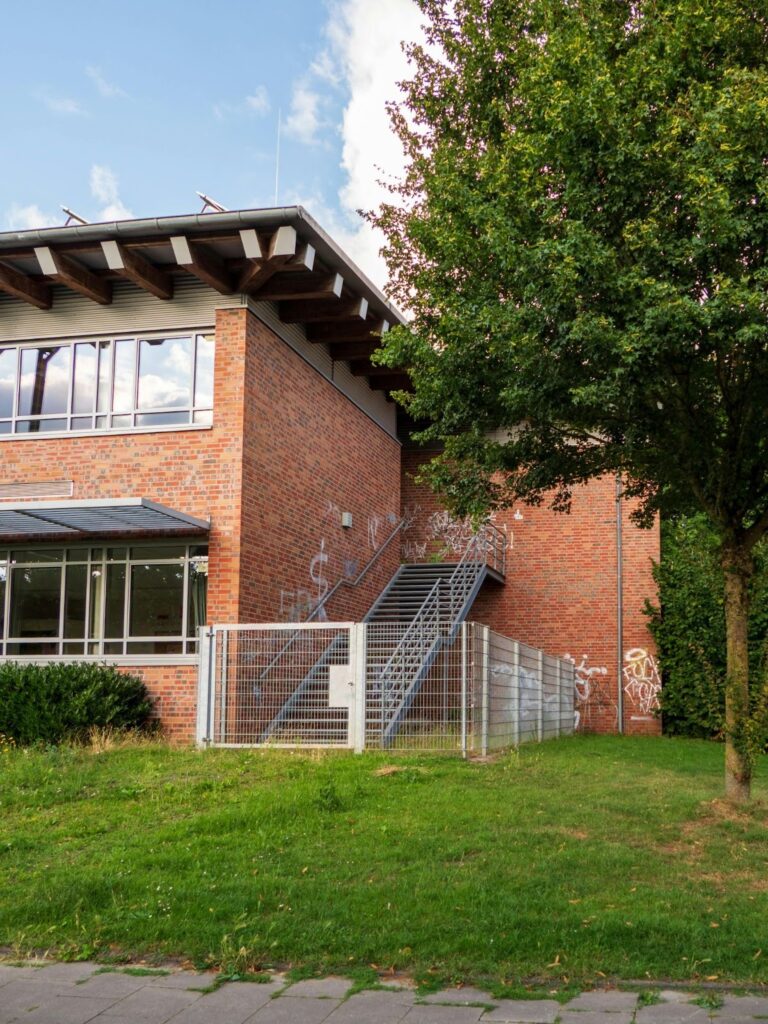
Creating a safe learning environment requires more than policies and procedures. It requires physical protection that works quietly, consistently, and effectively. Bulletproof school security solutions offer schools a powerful way to harden their security without disrupting daily operations or compromising the welcoming atmosphere.
Retrofitting or replacing school windows and doors with ballistic-grade glazing adds a critical layer of defense against everything from worst-case active threat scenarios to common day-to-day risks like burglary, vandalism, and accidental damage.
While no single solution can eliminate every risk, the benefits of having bulletproof glass in schools go a long way towards creating a more secure, prepared environment.
Riot Glass offers a full range of security glazing solutions for schools. Contact our compassionate team of school security experts today for a free consultation.
The benefits of having bulletproof glass for schools fall into three main categories: active threat mitigation, forced entry and burglary prevention, and vandalism and property damage protection. Together, these benefits help schools slow or stop threats, protect students and staff, and reduce costly damage to buildings and assets.
Yes. Most schools can retrofit existing doors and windows with ballistic-grade glazing systems without major renovations.
No. Modern security glazing is clear, distortion-free, and visually identical to standard glass, preserving light transmission, views of the outdoors, and aesthetics.
Absolutely. The benefits of having bulletproof glass in schools include protecting against forced entry, burglary, vandalism, and accidental impacts, making it a comprehensive safety and security upgrade.
While the upfront investment is higher than traditional glass, long-term savings from reduced repairs, replacements, and incidents make it a cost-effective investment.