
Modern luxury homes are defined by open sightlines, natural light, and dramatic architectural glass. Floor-to-ceiling windows, multi-panel sliders, and panoramic glass walls blur the boundary between indoors and outdoors, and they’ve become a signature element of high-end residential design.
But as these glass expanses grow larger, so do the security concerns.
Wealthy homeowners, executives, high-profile individuals, and those living in secluded estates face a difficult challenge: finding practical, aesthetically acceptable, high-security options for oversized windows.
Fortunately, with the right products and materials, it’s possible to take a layered approach that properly secures extra-large window openings without compromising architectural beauty or the value of the property.
Large-format glass is one of the most attractive features of a luxury home, but it’s also one of the weakest points in the perimeter. The vulnerabilities go well beyond what you would find in a standard suburban home.
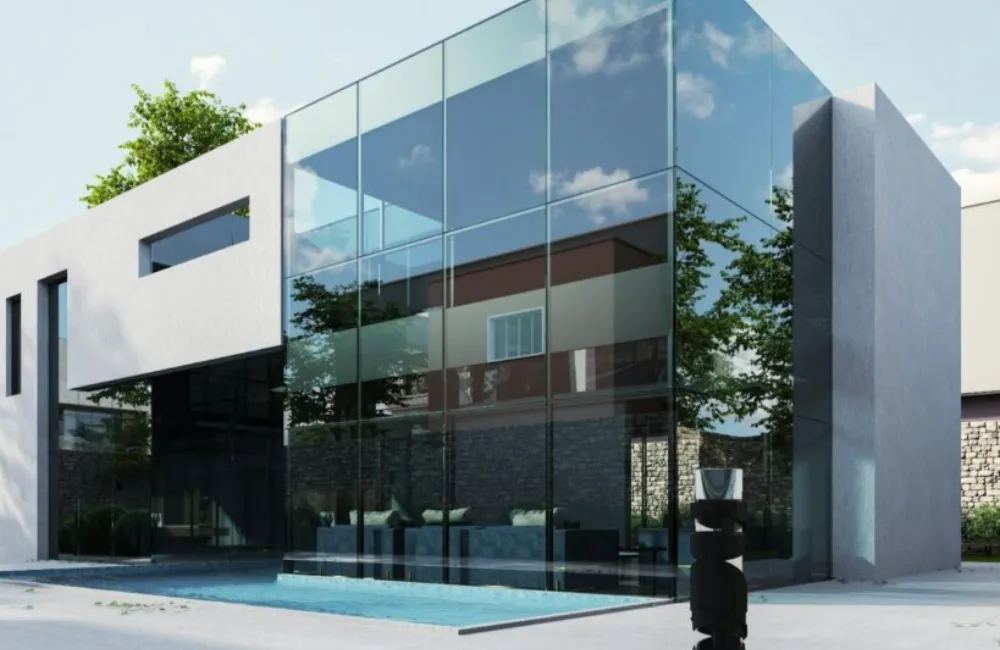
Traditional residential glass can be breached in seconds. With oversized panes, the size and surface area make attacks even easier, especially when windows are rear-facing or positioned away from street view, where it’s easier for home intruders to hide their activities.
For affluent or well-known individuals, threats often go beyond simple opportunistic burglary:
These are not hypothetical risks. They’re realities many luxury homeowners plan for.
The problem is that most generic security glazing and other residential window security products on the market simply aren’t manufactured in sizes appropriate for modern luxury architecture. Oversized windows often exceed the maximum dimensions of conventional security glass or can’t support its weight.
This is why many homeowners are told their oversized windows “can’t be secured.” In reality, they just need solutions engineered for large-format openings.
No single product can completely secure floor-to-ceiling windows against all threat types. For high-end homes, experts increasingly recommend a layered approach, combining physical glazing reinforcement, smart technology, and in some cases additional mechanical barriers. In other words: multiple layers that work together to reduce vulnerability without significantly altering the architecture.
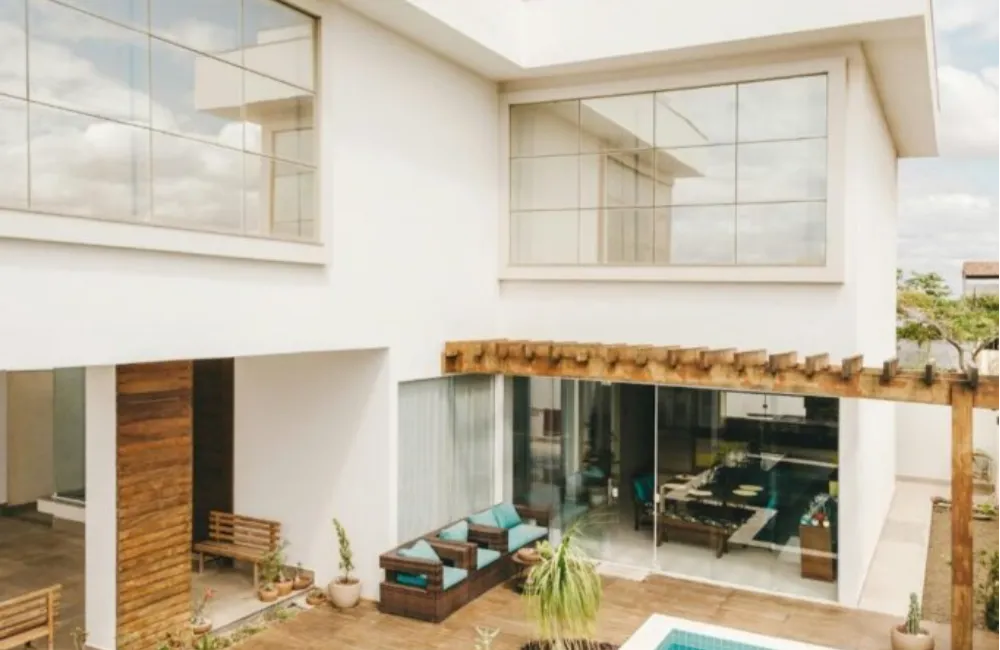
The first, “always-there” layer is the most essential: making sure the glass itself can withstand forced entry attempts long enough to prevent or delay intrusion.
Riot Glass RG1-XL: A Breakthrough for Oversized Windows
Most security glazing maxes out at standard commercial panel sizes. This is why Riot Glass developed RG1-XL, a high-end home window security option specifically designed to solve this problem for large-format openings in luxury homes.
RG1-XL offers:
This means homeowners finally have an invisible security option that preserves the elegance of their glass walls without adding bulk or metal bars.
High-end security shutters give homeowners a second, optional layer of defense — a physical barrier that sits in front of the glass when deployed. In high-risk scenarios, shutters are used in tandem with security glazing to create a dual-layer system.
Why Shutters Matter for Oversized Windows
For certain luxury properties, the threat profile demands more than impact-resistant glass alone. Examples include:
In these cases, shutters add a secondary physical barrier that dramatically increases the time and effort required to breach an opening.
QMi High-End Residential Security Shutters
QMi is a residential, commercial, and retail security company that manufactures security shutters specifically designed for upscale homes. These shutters are engineered to be discreet, seamlessly-operating, and architecturally compatible with modern designs.
Features include:
When paired with a product like RG1-XL, shutters create an environment where the glass stays intact while a second reinforced barrier protects the opening — a luxury-grade version of a “double wall.”
Physical protection is essential, but detection completes the layered approach.
Luxury homes often integrate:
Even when physical layers delay entry, early detection ensures the homeowner and security personnel have the time to respond effectively.
Oversized windows don’t just let in natural light and offer sweeping views — they also allow bad actors to see inside homes when casing potential targets.
This is why luxury homeowners typically add:
The goal is to enjoy the view outward without making the interior visible and appealing to would-be intruders.
Here's how layering luxury-level home window security options might look:
These layers give luxury homeowners the ability to maintain the clean aesthetic of their oversized glass while achieving a level of protection that standard products simply cannot deliver.
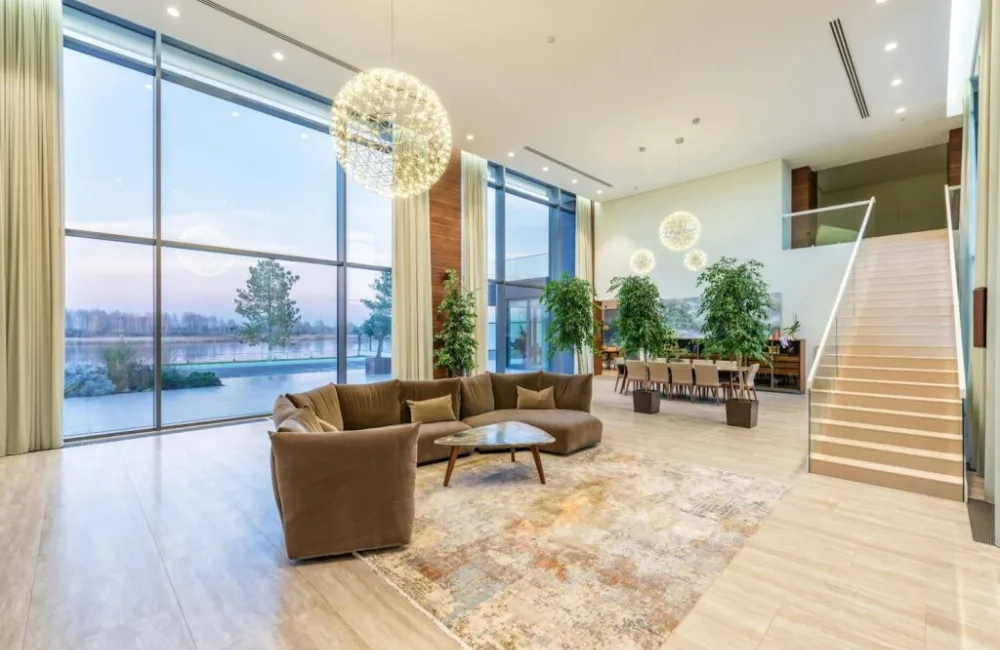
Securing expansive architectural glass is entirely achievable — but only with solutions purpose-built for oversized openings and installed as part of a layered, strategic plan.
For high-end residences, true protection comes from combining multiple defenses: reinforced glazing that can withstand serious attack, premium shutters that add a second, deployable line of resistance, and smart technology that provides detection and visibility control.
When these elements work together, luxury homeowners can enjoy the sweeping views and modern design they invested in, without accepting unnecessary risk or compromising aesthetics.
Riot Glass specializes in advanced security glazing engineered specifically for the extra-large window designs found in modern architecture, both commercial and residential.
If you’re ready to protect your property with a customized, architecturally seamless solution, contact Riot Glass today to schedule a consultation or request a tailored quote. Our security experts will work with your architect, builder, designer, or glass contractor to create the ideal system for your home’s unique needs.
Active threats, burglary, smash-and-grab theft, rioting and looting — these are all very real threats to commercial properties and the people inside them.
Whether it’s after-hours burglary or a brazen daytime smash-and-grab theft targeting a high-end retail store, or an active threat scenario at a school or government building, hardening your building’s vulnerable glass doors and windows is one of the most effective ways to mitigate risks.
Polycarbonate security glazing systems offer a cost-effective solution that can often be retrofitted right over existing doors and windows, negating the need for full glass replacement and securing buildings in a fraction of the time.
There are generally two types of polycarbonate-based security glazing:
While both types of polycarbonate security glazing can be used for similar applications, there are some key differences to understand.
Polycarbonate security glazing is composed primarily of polycarbonate plastic, a non-glass glazing material that can be made to look and feel very much like traditional commercial window and door glass, but contains no glass itself. The reason for bypassing glass altogether is to create an incredibly light, yet virtually unbreakable, type of security glazing that is highly retrofittable.
Traditional laminated security glass is much thicker and heavier than polycarbonate, making it more complex to retrofit into existing buildings. It may require removing and replacing the existing glass, and in some cases may require a full rebuild of the surrounding framing.
On the other hand, polycarbonate security glazing can typically be retrofitted into or onto existing window and door frames using specialized framing adapters, which hold the glazing securely in place. This protects the existing glass from impacts and breakage and, most importantly, makes forced entry incredibly difficult.
Now, you might be wondering just how strong is polycarbonate security glazing? You may be surprised to find out that polycarbonate on its own can actually achieve very high levels of ballistic resistance, meaning it can stop bullets. For example, Riot Glass AP-Series glazing comes in ballistic-grade models up to UL 752 Level 6, capable of stopping five shots of 9mm ammunition at increased velocity (e.g., an Uzi submachine gun attack).
Their unique properties and incredible resistance to both blunt-force and ballistic threats make full polycarbonate security glazing systems ideal for hardening windows and doors in everything from luxury boutiques to schools.
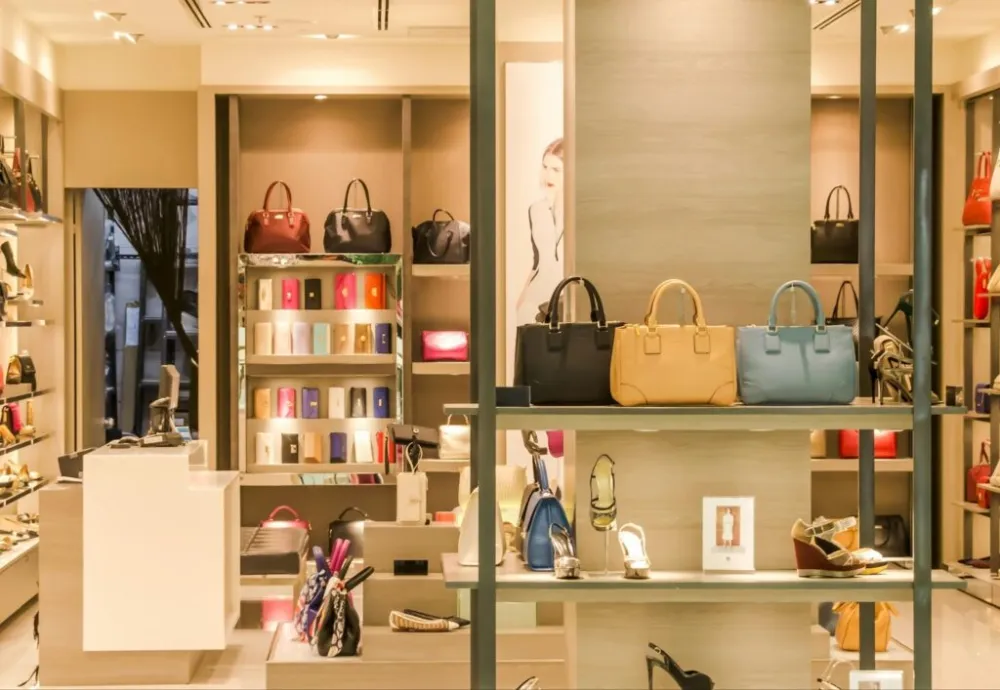
Glass-clad polycarbonate security glazing combines the flexibility and virtually unbreakable strength of polycarbonate with the hardness and bullet-resistance of laminated security glass.
What this typically looks like is an outer layer (attack side) made of strengthened, ballistic-grade security glass, and an inner layer (safe side) of polycarbonate, hence the name “glass-clad polycarbonate.” The two layers are bonded together to create a single, high-strength security glazing system.
Some building owners prefer GCP over full polycarbonate or glass because the attack side has the hardness and appearance of glass (it is glass, after all), while the safe side prevents spalling (pieces of glass flying inwards) in the event of an attack, since polycarbonate does not chip or shatter like glass when impacted or penetrated.
Like full polycarbonate systems, GCP security glazing can provide high levels of ballistic resistance. For instance, Riot Glass RG-Series glazing is available with up to a UL 752 Level 7 rating for 5.56mm M193 ball ballistic attacks.
| Feature | Full Polycarbonate Security Glazing | Glass-Clad Polycarbonate (GCP) Security Glazing |
| Primary Material | 100% polycarbonate or mix of polycarbonate and acrylic (no glass) | Laminated security glass bonded to polycarbonate |
| Weight | Very lightweight compared to glass | Heavier than full polycarbonate, lighter than all-glass ballistic systems |
| Breakage Behavior | Will not shatter, crack, or spall | Glass may fracture on impact; polycarbonate layer prevents spalling inward |
| Appearance | Can closely mimic standard glass | True glass appearance on the attack side |
| Impact Resistance | Extremely high resistance to blunt-force and forced-entry attacks | Very high resistance with added surface hardness from glass |
| Ballistic Capability | Available in ballistic-rated configurations (up to UL 752 Level 6) | Available in ballistic-rated configurations (up to UL 752 Level 7) |
| Retrofit Compatibility | Highly retrofittable over existing glass and frames | May require more robust framing solutions |
| Spall Protection | Inherent (no glass present) | Polycarbonate safe-side layer retains glass fragments |
| Maintenance Considerations | More resistant to repeated impacts; may show surface abrasion over time | Glass attack side resists scratching better than polycarbonate, but can spall |
| Ideal Use Cases | Retail storefronts, schools, government buildings, high-risk forced-entry environments | Applications requiring glass hardness, appearance, and ballistic protection |
Polycarbonate security glazing systems are used across a wide range of industries to protect people, assets, and critical infrastructure without sacrificing visibility or natural light. Their strength, versatility, and retrofit-friendly design make them well-suited for both new construction and existing buildings.
Retail environments are frequent targets for smash-and-grab theft, burglary, and civil unrest. Polycarbonate security glazing helps protect high-value merchandise by reinforcing storefront windows and doors against repeated impacts and forced entry attempts.
Because these systems maintain clear sightlines and can closely resemble traditional glass, they allow retailers to preserve curb appeal while significantly increasing security.
Schools require security solutions that protect students and staff while maintaining a welcoming environment.
Polycarbonate security glazing is commonly used to harden school entryways, classroom windows, and administrative areas against forced entry and active threat scenarios. Its resistance to shattering and spalling helps reduce the risk of secondary injuries, while its lightweight construction allows for faster retrofits with minimal disruption.
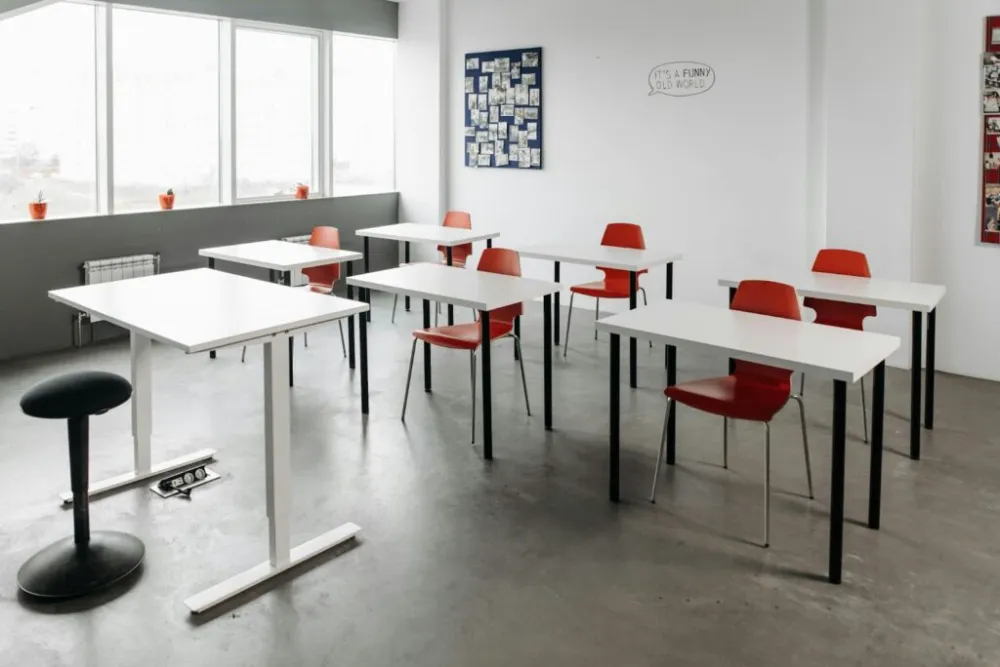
Courthouses, city halls, and other government facilities often face elevated security risks. Polycarbonate security glazing systems are used to reinforce doors, windows, and public-facing areas where ballistic resistance and impact protection are critical.
Both full polycarbonate and glass-clad polycarbonate options can meet stringent security requirements while supporting compliance with building and safety standards.
Banks, credit unions, and other financial service centers rely on security glazing to protect teller windows, entrances, and customer-facing areas.
Polycarbonate-based systems provide high levels of forced-entry and ballistic resistance while maintaining transparency, helping create a secure environment without feeling closed off or intimidating to customers.
Hospitals, clinics, and behavioral health facilities benefit from glazing solutions that prioritize safety, durability, and visibility.
Polycarbonate security glazing is often used in entrances, waiting areas, and sensitive zones where breakage resistance and occupant safety are essential. The non-shattering properties of polycarbonate make it especially valuable in environments where injury prevention is critical.
Office buildings and corporate campuses use polycarbonate security glazing to protect lobbies, ground-floor windows, and controlled access points. These systems help deter unauthorized entry and vandalism while maintaining a professional appearance and allowing natural light to flow throughout the space.
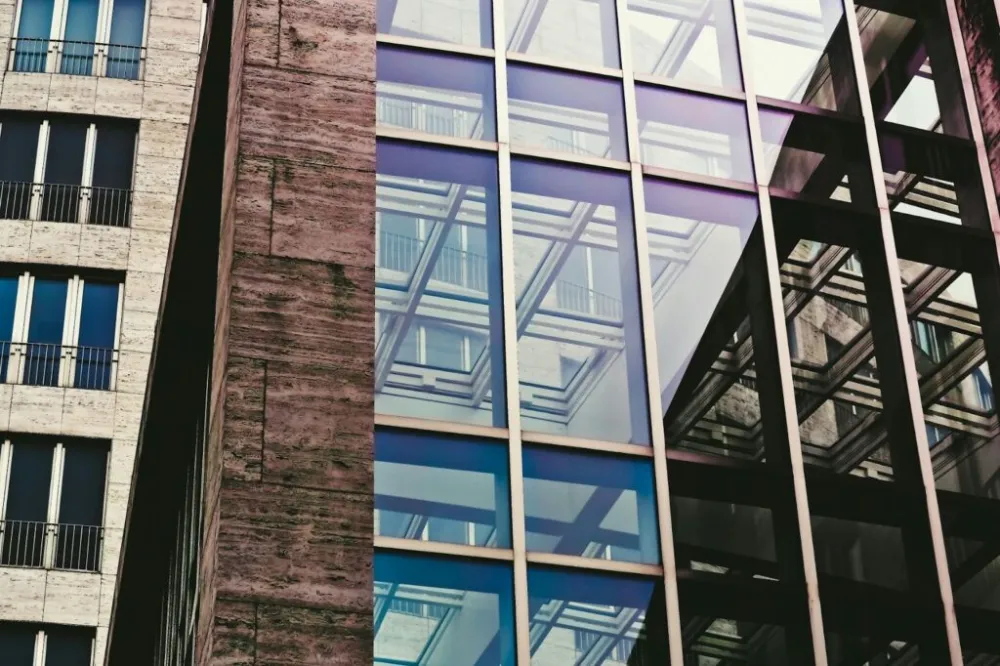
Because they’re so adaptable to different risk levels, building types, and aesthetic requirements, polycarbonate security glazing systems are an incredibly flexible and cost-effective solution for protecting both property and people across a wide range of applications.
Whether you choose full polycarbonate or glass-clad polycarbonate, the right security glazing system can dramatically strengthen your building’s most vulnerable points without sacrificing visibility, functionality, or design.
Riot Glass can help you assess your threat level and retrofit requirements to customize a polycarbonate security glazing solution that delivers the protection you need today while remaining adaptable for the risks of tomorrow. Contact us today to get started.
School windows play many important roles. They let in natural light, provide outdoor views, and contribute to a positive learning environment. In fact, studies consistently show that classrooms with access to daylight and outdoor views support better student focus, test performance, and overall well-being.
But unfortunately, traditional glass windows, whether annealed or tempered, are fragile and easy to break. A single strike with a blunt object or even a thrown rock is often enough to shatter them. This leaves schools vulnerable to break-ins, burglary, vandalism, and in the worst-case scenario, active threats such as an armed intruder.
In recent years, tragic incidents have highlighted the importance of strengthening physical security in schools. While there is no single solution that can completely eliminate risks, fortifying glass openings has emerged as one of the most important steps schools can take. That’s because windows and doors with glass inserts are often the weakest link in a building’s security envelope.
This is why more educational institutions are prioritizing school window security as part of their overall safety strategy. One option is full school window replacement with security glass, but that’s not always the most practical (or cost-effective) solution. Let’s break down the pros, cons, and alternatives so you can make an informed decision for your campus.
Replacing standard windows with laminated security glass or a hybrid solution, such as glass-clad polycarbonate, is a powerful way to increase school security. However, it comes with trade-offs that administrators, facilities managers, and security teams must carefully weigh.
| Pros of Replacing School Windows With Security Glass | Cons of Replacing School Windows With Security Glass |
| Highly impact-resistant and can be bullet-resistant | Extremely costly, often not feasible for budget-strapped schools |
| Effective against forced entry, burglary, and active threats | Large-scale projects can be disruptive to learning during installation |
| Provides long-term durability and protection | May not be compatible with older window frames (too heavy/thick) |
| Improves peace of mind for staff, students, and parents | Longer lead times and complex logistics |
Cost is often the deciding factor. Many schools operate with limited budgets, and replacing every classroom window with security glass can be prohibitively expensive. On top of that, depending on the size of the campus, installation timelines may stretch for months, creating disruptions to the school’s operations.
Because of these challenges, many schools look for alternative ways to fortify windows without the high costs and logistical difficulties of full replacement.
While replacing every classroom window with security glass is one option, it’s not always realistic for schools with limited budgets or older infrastructure. The good news is that there is a highly effective alternative: retrofitting existing glass with polycarbonate-based glazing shields.
This approach allows schools to strengthen their most vulnerable points of entry without the cost, disruption, or compatibility issues of full replacement.
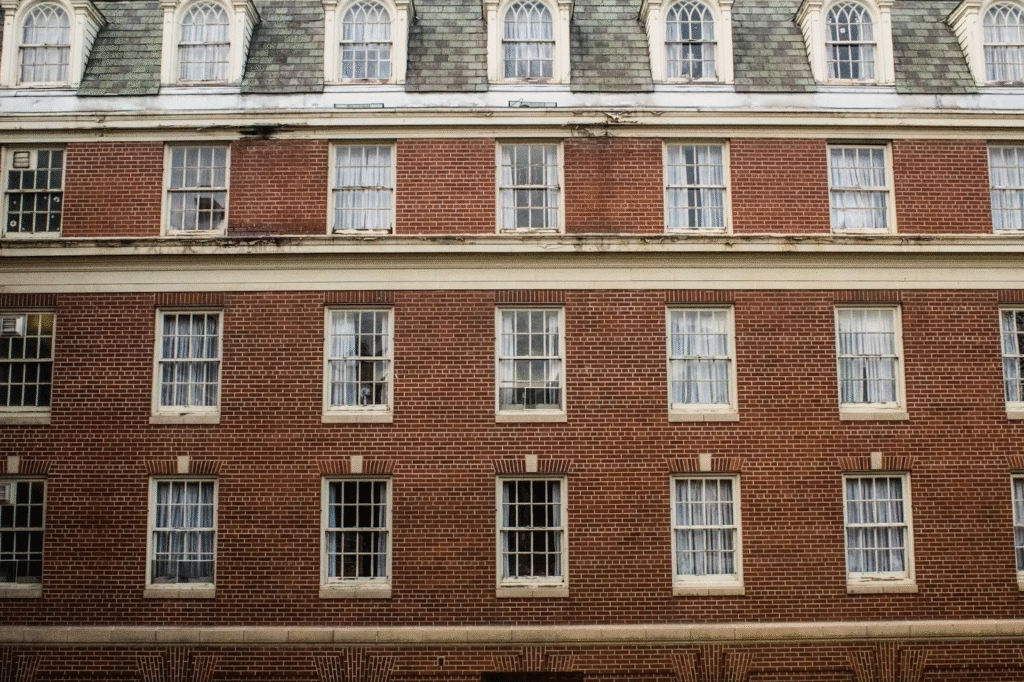
Polycarbonate is a lightweight yet incredibly strong material that is virtually unbreakable (it can even be bullet-resistant). When installed as a protective shield over existing glass doors and windows, it creates a barrier that denies intruders access while maintaining the look and feel of standard windows.
| Advantage | Benefit for Schools |
| Lightweight | Can be fitted into most existing window and door frames without costly structural upgrades |
| Virtually unbreakable | Resists prolonged attacks from blunt force, tools, or firearms |
| Ballistic options available | UL 752-rated versions can stop multiple rounds from common firearms |
| Preserves visibility and natural light | Classrooms stay bright and open, maintaining an optimal learning environment |
| Cost-effective | Faster installation with less labor compared to full window replacement |
| Added performance | Built-in UV protection and glare reduction enhance indoor comfort |
Polycarbonate glazing shields don’t just delay an intruder — they deny entry altogether. Even under sustained attack, they hold strong and prevent an attacker from passing through.
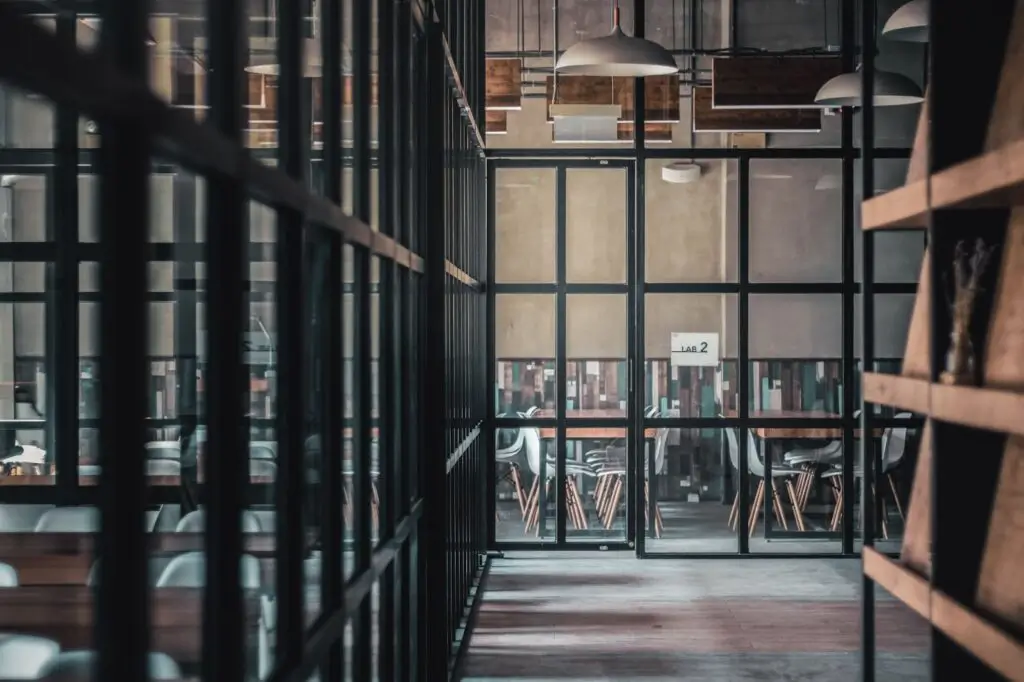
Retrofitting school windows and doors with polycarbonate glazing shields provides multiple advantages that go beyond security:
For administrators balancing safety, budgets, and aesthetics, polycarbonate glazing hits the sweet spot between performance and practicality.
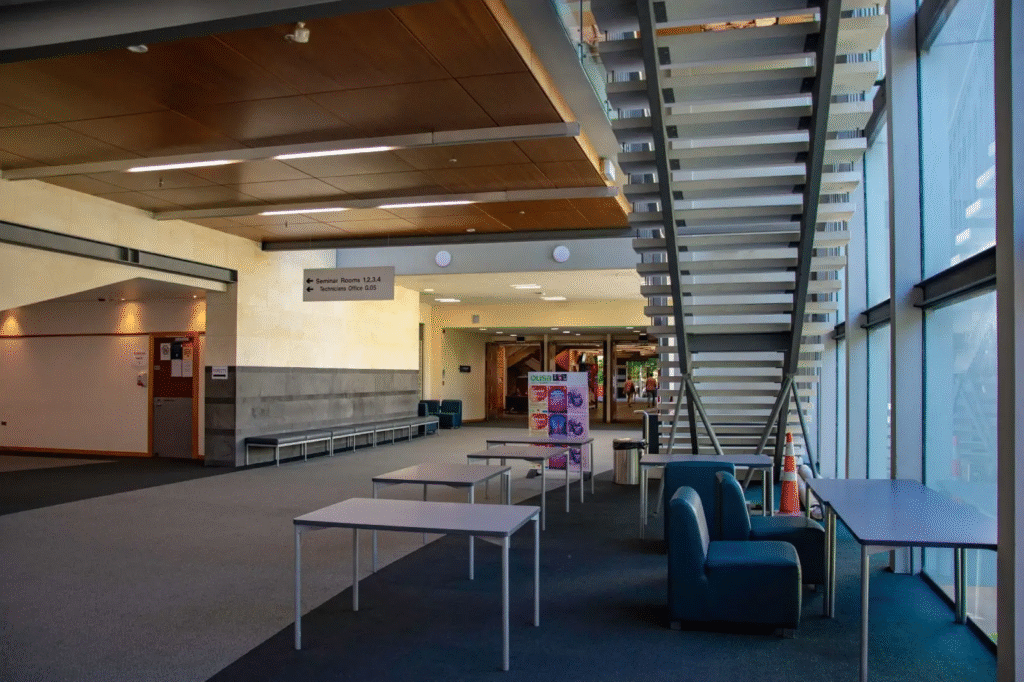
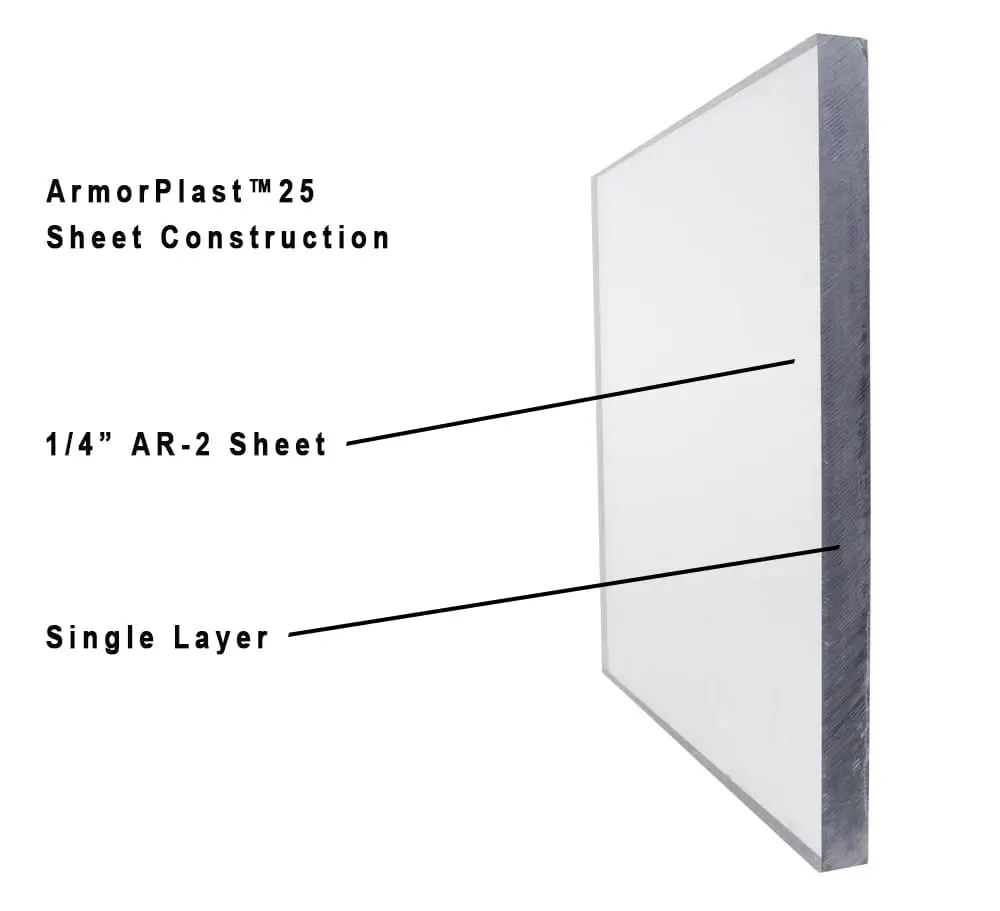
For most K-12 schools, colleges, and universities, AP-Series AP25 is the ideal retrofit solution.
For schools seeking higher levels of protection, other AP-Series models are available with UL 752 ballistic ratings, capable of stopping one or more rounds from firearms commonly used in active shooter scenarios.
Laminated glass is stronger than standard glass but is still breakable under heavy force. Polycarbonate is virtually unbreakable and offers higher forced-entry protection without requiring full replacement.
No. Polycarbonate glazing is clear and designed to blend with existing windows. It maintains visibility, natural light, and curb appeal.
Installation is far faster and less invasive than full school window replacement. Projects can often be completed during breaks or off-hours, minimizing classroom disruption.
High-quality products like AP-Series models are treated with UV-resistant coatings, ensuring long-term clarity and durability.
Not necessarily. Containment-grade models like AP25 provide excellent protection by denying entry. Ballistic-rated glazing is recommended for schools with heightened security concerns or located in higher-risk regions.
Strengthening windows is one of the most important steps schools can take to improve security and mitigate active threats. While full window replacement may be out of reach for many districts, retrofitting with polycarbonate glazing shields offers unmatched protection at a fraction of the cost.
Choosing polycarbonate-based AP-Series Riot Glass helps schools:
Contact us today for a free consultation on fortifying your school’s windows and doors with AP-Series glazing solutions.
Not all commercial glass is created equal. From standard annealed glass to advanced security glazing, each type offers different levels of strength, safety, and protection. Here’s what you need to know before choosing the right glass for your building.
When it comes to choosing the right commercial glass, there’s no one-size-fits-all solution. Each type has its own unique advantages, drawbacks, and ideal use cases. Understanding these differences is essential for making informed decisions about safety, performance, and budget.
Below is a comparison of five main types of commercial glass and glazing, outlining what each is best suited for:
Annealed glass is the most basic type of glass, commonly used in both commercial and residential applications. When you hear someone referring to “standard” or “regular” glass, this is what they’re talking about.
During fabrication, annealed glass panels go through a special slow-cooling process, known as “annealing.” This process relieves internal stress and improves the overall strength of the glass compared to older types of window and door glass, but it’s important to understand that annealed glass is still the weakest type of commercial glass on the market.
Not only is it incredibly easy to break annealed glass, but when it does break, it shatters into sharp, jagged shards that can fly dangerously inwards and cause serious injury to anyone inside the building. That’s why it’s always preferable to use a stronger type of glass in any commercial application, especially when safety and security are top concerns.
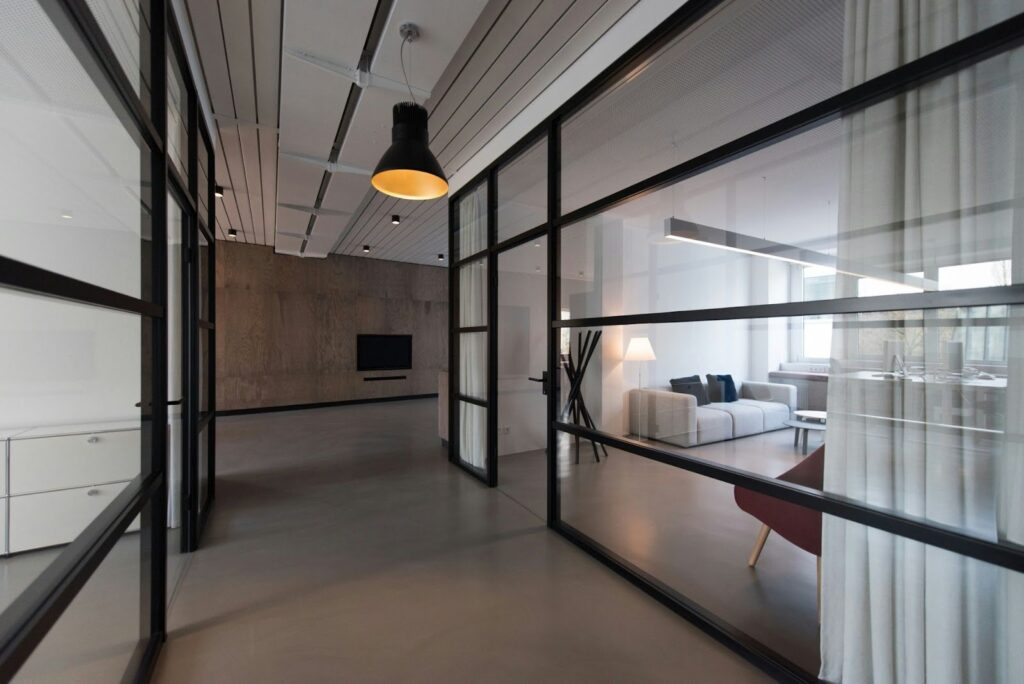
Tempered glass is a type of safety glass that’s used to mitigate broken glass hazards in commercial properties. It starts its life out as annealed glass, but undergoes an additional “tempering process” that involves heating it up to 1150 degrees Fahrenheit, then rapidly cooling it.
Tempering serves to greatly strengthen the glass, resulting in panels that are approximately 4 to 5 times stronger than standard glass. However, the main purpose of tempering is to change the way the glass breaks. Instead of shattering into multiple large, dangerous shards, tempered glass essentially crumbles into small, granular pieces that are virtually harmless.
Because of its increased strength and the way in which it breaks, tempered glass is frequently used in architectural glass wherever human safety is a concern. Whether it’s a glass building facade or glass office partitions, tempered glass greatly reduces the risk of injury in the event of accidental or intentional breakage.
Laminated glass is the first type of glass on our list that can be considered “commercial security glass.” While there are many different types of laminated glass on the market, with varying levels of strength, they all provide some level of impact resistance, making laminated glass a suitable alternative to tempered glass when you want a higher level of security.
Laminated security glass consists of two or more layers of strengthened glass bonded together by a thermoplastic interlayer, which holds the glass together in the event of breakage. So, even if a strong enough impact or a sustained attack causes the glass to crack and spall, it won’t shatter or fall apart — it retains its shape and remains a barrier.
Depending on its specific composition, laminated security glass can be up to 100 times stiffer and five times stronger than other types of commercial glass.
Perhaps counterintuitively, the next type of commercial security glass on our list isn’t actually glass at all, but rather a type of plastic: polycarbonate.
Polycarbonate-based window and door glazing is a specialized type of non-glass security glazing that, thanks to modern processes and materials, looks and feels very much like standard commercial glass, yet is virtually unbreakable.
In recent years, polycarbonate security glazing has been rapidly gaining popularity across industries for its ability to stop everything from after-hours burglary and smash-and-grab theft to vandalism and looting.
Because polycarbonate is much lighter than glass, it’s also incredibly easy to retrofit over existing glass, making it ideal for reinforcing glass storefronts, school windows and doors, and other commercial glass surfaces that would be prohibitively expensive and time-consuming to fully replace.
Last, but certainly not least, we have glass-clad polycarbonate (GCP). This type of commercial security glass combines laminated glass on the exterior (attack side) and polycarbonate glazing on the interior (safe side), gaining the strengths and benefits of both solutions.
The glass outer layer provides superior scratch resistance and a hard surface that can withstand repeated impacts, while the polycarbonate backing adds flexibility and helps prevent penetration. This combination gives glass-clad polycarbonate exceptional performance against forced entry, ballistic, and blast threats.
Glass-clad polycarbonate is commonly used in high-security applications such as government buildings, banks, high-risk retail stores, schools, and C-Suite executive offices,anywhere that requires a balance between aesthetics and robust protection.
While it’s one of the more costly options and may require full glass replacement, GCP offers unmatched peace of mind. It’s a long-term investment in safety, resilience, and durability, making it the preferred choice for organizations that can’t afford to compromise on security.
| Type of Glass | Description | Pros | Cons | Relative Cost | Ideal Applications |
| Annealed Glass | Standard glass cooled slowly to relieve internal stress | Inexpensive; easy to cut and fabricate | Weakest type; breaks into dangerous shards; poor security | $ (Lowest) | Decorative glass, low-risk areas |
| Tempered Glass | Heat-treated glass that’s 4-5x stronger than annealed | Safer break pattern; durable; widely available | Cannot be cut after tempering; not security-rated | $$ | Doors, windows, facades, interior glass walls, safety glazing |
| Laminated Glass | Two or more glass layers bonded with a plastic interlayer | Holds together on impact; resists breakage; stronger security | Heavier and costlier than tempered; may need replacement after strong impact | $$$ | Storefronts, skylights, schools, offices, and retail spaces needing added security |
| Polycarbonate Glazing | Transparent thermoplastic used as non-glass security glazing | Virtually unbreakable; lightweight; easy to retrofit; clear visibility | More prone to scratching than glass; can yellow over time without proper coating | $$$$ | Retail storefronts, schools, government buildings, and high-risk entry points |
| Glass-Clad Polycarbonate (GCP) | Layers of laminated glass bonded to polycarbonate backing | Combines hardness and flexibility; impact-, ballistic-, and blast-resistant; long lifespan | Highest cost; heavier than pure polycarbonate | $$$$$ (Highest) | Banks, government facilities, schools, police stations, and any building needing maximum protection |
Riot Glass offers two proprietary lines of commercial security glazing systems designed to meet different threat levels and budgets:
Both systems are engineered for maximum durability, retrofit compatibility, and long-term performance,giving you the peace of mind that your glass openings are reinforced against forced entry, vandalism, and ballistic threats, without compromising visibility or aesthetics.
Riot Glass AP-Series is a virtually unbreakable polycarbonate glazing system that provides superior protection against common forced entry methods, such as blunt-force impacts from tools like sledgehammers, pry bars, or bricks.
Despite being a non-glass material, AP-Series panels maintain excellent optical clarity and a professional glass-like appearance, making them ideal for storefronts, schools, and other public-facing properties.
This series can be retrofitted directly into existing framing systems without replacing the entire window or door unit, minimizing downtime and installation costs. The AP-Series is the perfect balance between affordability, strength, and easy integration, a reliable choice for properties looking to deter crime and damage without the expense of full window replacement.
For environments that demand the highest level of protection, Riot Glass RG-Series delivers elite performance through a layered glass-clad polycarbonate construction. These systems combine a hard, laminated glass exterior with a tough polycarbonate backing, creating a barrier capable of withstanding sustained attacks, ballistic threats, and even blast impacts.
RG-Series glazing provides the best of both worlds, the scratch resistance and aesthetic appeal of real glass with the virtually unbreakable resilience of polycarbonate. It’s an ideal solution for government facilities, banks, schools, and high-risk commercial sites that cannot afford any compromise on security.
The strongest and most impact-resistant option is glass-clad polycarbonate. It combines laminated glass with a polycarbonate backing, offering superior resistance to forced entry, ballistic threats, and blasts.
Tempered glass is heat-treated to increase its strength and safety upon breakage, while laminated glass uses multiple layers bonded by an interlayer that keeps it intact even when cracked. Laminated glass offers higher security.
Yes. Polycarbonate glazing like Riot Glass’s AP-Series can be retrofitted over or installed in place of existing glass, allowing property owners to cost-effectively upgrade security.
Modern polycarbonate glazing is optically clear and virtually indistinguishable from glass to the naked eye. Many products, like Riot Glass AP-Series glazing, include abrasion-resistant coatings to maintain clarity over time.
GCP offers the ultimate balance between aesthetics, security, and longevity. It provides the strengths of both laminated security glass and polycarbonate, making it ideal for high-risk or high-security properties.
Not significantly. Both laminated glass and polycarbonate glazing are designed to maintain excellent transparency and allow ample daylight through, preserving the look and feel of glass storefronts and offices.
With proper installation and maintenance, high-quality systems like Riot Glass’s AP-Series and RG-Series can last decades. They’re built to withstand repeated impact, UV exposure, and weathering without losing strength or clarity.
It depends on your goals. For basic safety and break resistance in lower-risk environments, tempered or laminated glass works well. For maximum protection against forced entry or ballistic threats, polycarbonate or glass-clad polycarbonate systems like those from Riot Glass are the best options.
Selecting the right type of commercial glass comes down to understanding your property’s security needs, aesthetic goals, and budget. From strengthened tempered and laminated glass to advanced polycarbonate and GCP security glazing systems, today’s options make it possible to achieve the perfect balance of safety, clarity, and performance.
Riot Glass specializes in providing tailored solutions for every threat level, whether you’re protecting a retail storefront from theft or fortifying a government facility against riots and ballistic attacks. With expert installation and precision-engineered materials, Riot Glass ensures your windows and doors aren’t just clear. They’re secure, resilient, and built to last. Contact us today for a free consultation.