
Traditionally, retail security systems have relied heavily on measures like surveillance cameras and alarms. While these are important components of any comprehensive commercial security system, there’s one important thing they don’t do: physically keep bad actors out.
Cameras and alarms work as deterrents and can help catch criminals in the act or, in the case of cameras, aid with prosecution later on, but they don’t prevent forced entry, burglary, smash-and-grab theft, or looting.
This is why it’s so important for retail business owners to safeguard their property and merchandise using additional retail store security system components that provide physical security.
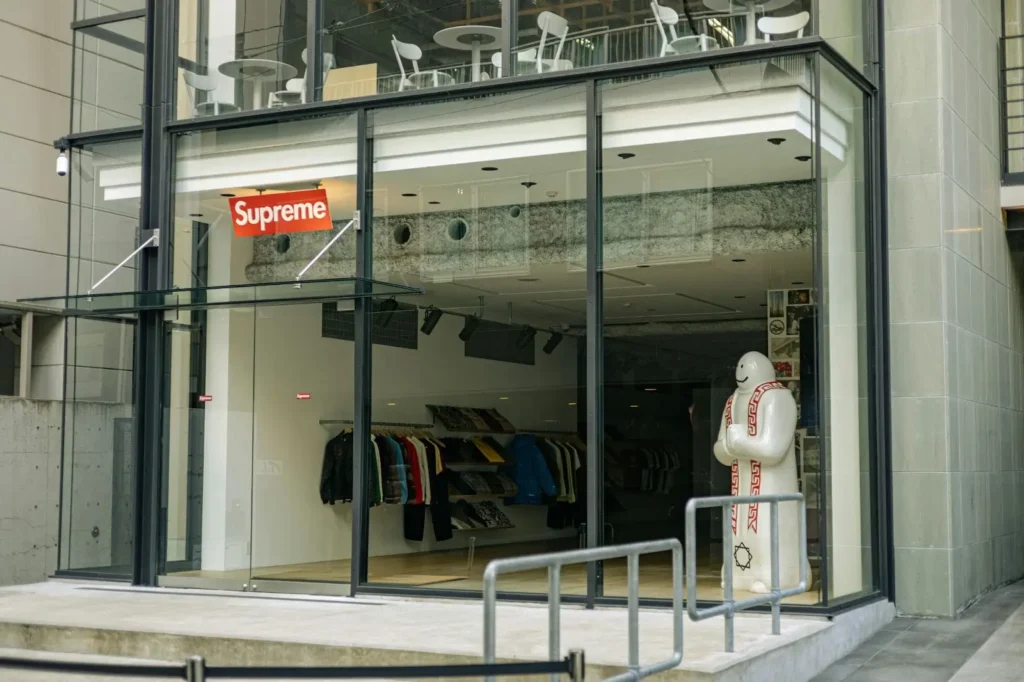
If you can choose only one physical retail security system upgrade to implement, Riot Glass forced entry-resistant security glazing should be your top choice.
Riot Glass retail security glass solutions are built using specific formulations of polycarbonates, acrylics, and other impact-resistant plastics, resulting in security glazing shields that outperform and outlast comparable types of security glass.
For most retail store security applications, we typically recommend containment-grade (non-ballistic) glazing, such as AP-Series AP25, which won’t stop bullets, yet is virtually unbreakable in the face of even the most determined forced entry attempts.
For high-risk retail environments, there are also bullet-resistant glazing solutions that can provide even higher levels of protection against both ballistic attacks and forced entry. These are ideal for businesses that are more likely to be a target of armed robbery or repeat smash-and-grabs, including jewelry stores, cannabis dispensaries, and 24-hour convenience stores or minimarkets.
Many forced entry-resistant glazing solutions from Riot Glass can be retrofitted right on top of a storefront’s existing glass using specialized retrofittable framing adapters that fit into or onto the storefront windows’ and doors’ existing framing systems. This results in a highly cost-effective solution for store owners, since it doesn’t require costly glass replacement or framing upgrades.
The best part about Riot Glass, especially compared to some traditional solutions like permanent window bars, is that it provides always-there storefront glass protection — without altering the appearance or functionality of the glass.
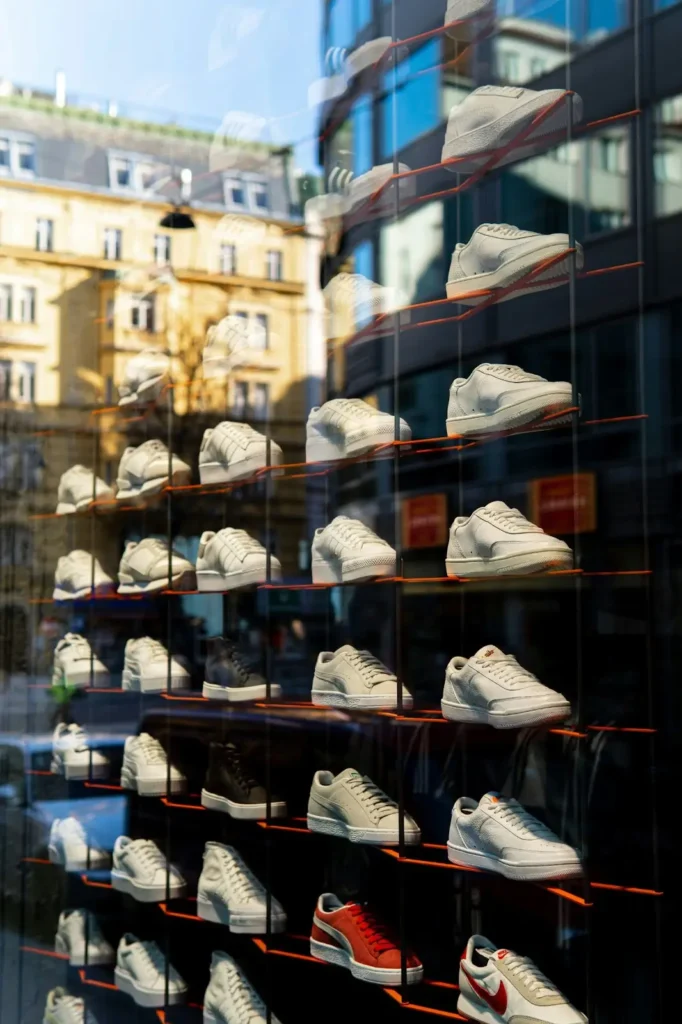
The high optical clarity and glass-like appearance of Riot Glass solutions mean that your storefront windows retain full visibility, continue to allow natural light in, and keep showcasing your products to attract window shoppers — you retain the full curb appeal of your storefront.
Benefits of reinforcing retail security systems with Riot Glass solutions:
While Riot Glass provides always-there storefront glass protection, many businesses can still benefit from additional after-hours retail security. This is where security shutters and similar solutions, like side-folding grilles, come into play.
Rolling shutters and side-folding grilles and gates, such as those offered by QMi Security Innovations, are an excellent option for providing additional after-hours protection as part of a multi-layered retail security system. These shutters and grilles slide over the glass and lock into place, making it even more difficult for would-be intruders or vandals to even reach the glass in the first place.
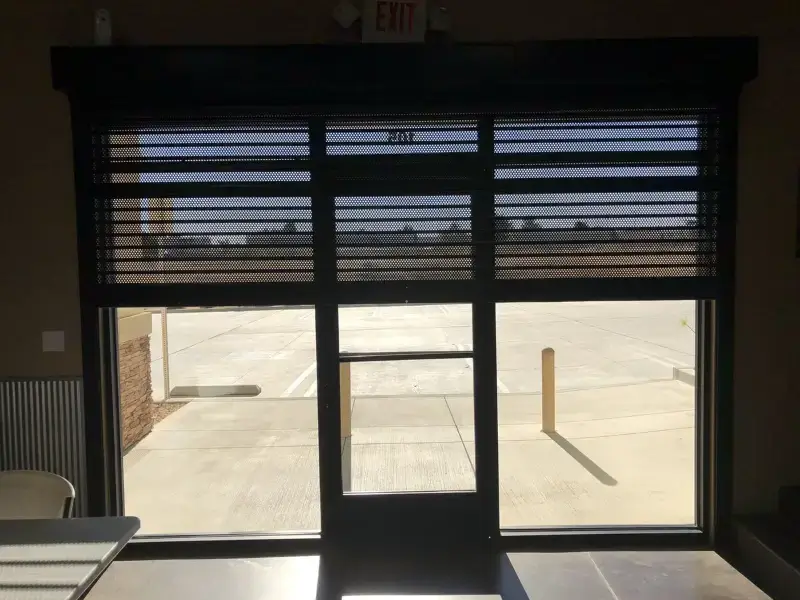
While these types of solutions only provide protection when businesses are closed, they complement an always-there solution like Riot Glass very well.
Riot Glass’s invisible glass protection works 24/7 to prevent all types of forced entry, smash-and-grab-proofing retail display glass during business hours, while QMi security shutters provide an additional layer of after-hours glass protection.
These two solutions working in tandem offer a comprehensive, virtually impenetrable physical security system for retailers, providing you with even more peace of mind in knowing that your store is fully protected against a full range of threats, from daytime flash robberies to after-hours burglary or rioting and looting.
Benefits of adding QMi security shutters to retail store security systems:
For certain types of high-risk retail businesses, such as luxury jewelry stores, pawn shops, cannabis dispensaries, and cash-handling businesses, you can create an extra secure buffer zone through the addition of an access control vestibule, also known as a mantrap.
Access control vestibules are essentially a double entrance with a set of at least two interlocking doors, one on either side of a self-contained vestibule. In order for someone to enter the store, they must first come through the front door, which then closes and locks behind them, and wait for authorization to pass through the second door.
The buffer zone created can help prevent an unauthorized individual from following another customer in, as well as mitigate the threat of armed robbery that certain types of high-risk businesses face.
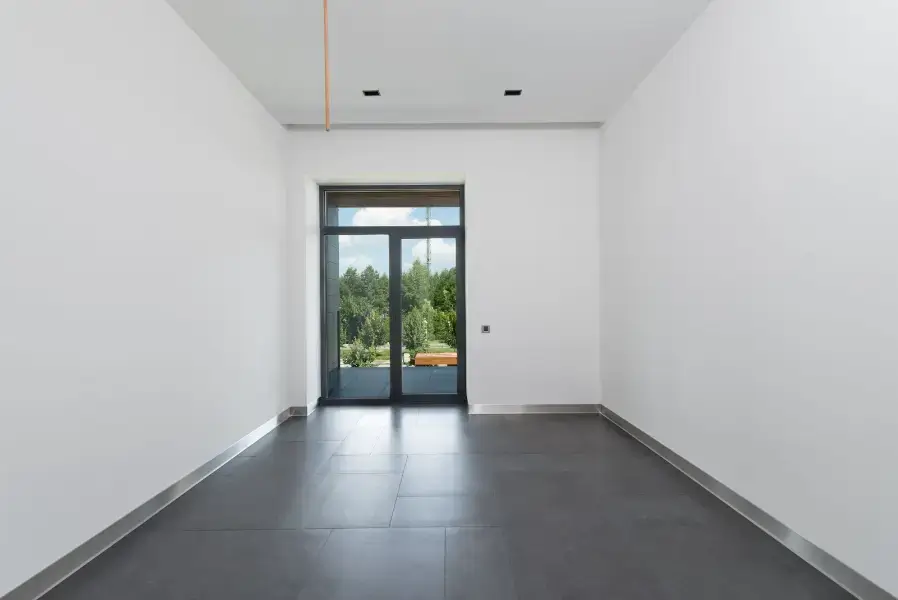
An access control vestibule can be made even more secure through the use of ballistic-grade Riot Glass, ensuring that criminals cannot force their way through either of the doors. Using bullet-resistant security glazing (like RG-Series security glass) for an access control vestibule can provide active threat mitigation, protecting employees and customers already inside from armed robbery and ballistic attacks.
Benefits of access control vestibules for retail store security systems in high-risk environments:
Modern retail security systems should extend far beyond conventional measures, such as alarm and surveillance systems, and incorporate physical security measures to not only deter would-be intruders, but also physically keep them out.
Depending on the threat level, a multi-layered system should typically include some form of always-there storefront glass protection as well as additional after-hours security measures. In particularly risky retail environments, bullet-resistant glazing and additional measures like access control vestibules can provide even higher levels of physical security.
Ready to harden your retail security system to help protect your bottom line? Contact Riot Glass today for a commitment-free consultation.
When you think of commercial interior design, bullet-resistant glass probably isn’t the first thing that comes to mind. However, with all the modern security threats that facilities face, finding new ways to provide high levels of security without sacrificing aesthetics is at the top of commercial designers’ minds.
Security and aesthetics are often treated as separate design goals, but they don’t have to be. In fact, the most forward-thinking commercial spaces are proving that protection and visual appeal can go hand in hand.
From retail stores and office lobbies to schools and medical facilities, designers and architects are increasingly integrating ballistic-grade glazing into interior environments without compromising their look and feel.
So how can bullet-resistant glass become part of your next interior design project? Let’s take a look at why more designers are hardening interiors with ballistic-grade materials — and how to do it without sacrificing the open, inviting atmosphere today’s commercial buildings demand.
At its core, bullet-resistant glass (or more broadly, bullet-resistant glazing) is about one thing: buying time. Time for employees to find safety. Time for first responders to arrive. Time to prevent a bad situation from getting worse.
Here’s what makes bullet-resistant glass such an appealing solution for commercial interiors:
When considering the potential benefits of incorporating bullet-resistant glass into a building’s interior, it’s important to understand the distinction between “bullet-resistant” and “bulletproof” — there’s simply no such thing as 100% bulletproof glass.
Given enough time and force, any material can be breached, but using bullet-resistant glass for interior design glazing is about creating enough delay and providing enough protection to make a difference.
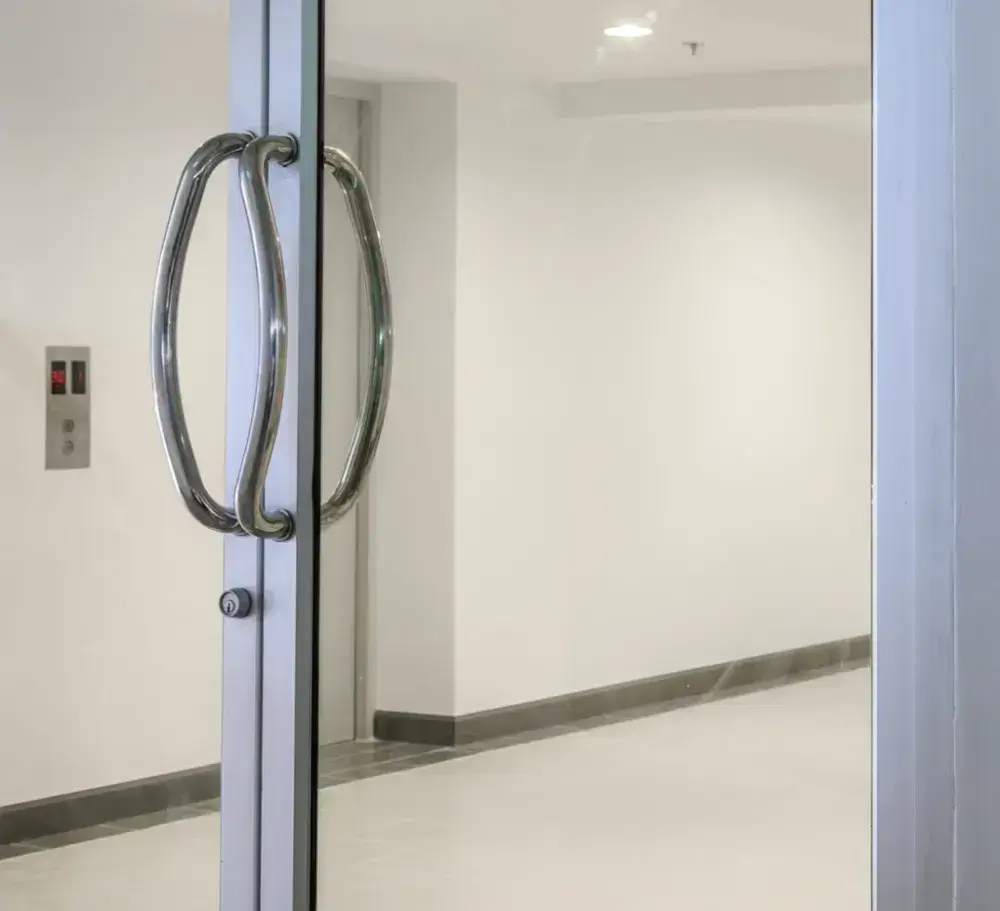
You might be surprised at how seamlessly bullet-resistant glass can be integrated into a building’s interior design. Let’s look at four key applications where functionality meets form.
Glass partitions are a staple of modern commercial interiors. They create an open, collaborative environment while letting in natural light and maintaining clear sightlines, but from a security standpoint, they’re a vulnerability.
Traditional glass can be shattered or shot through in seconds, but by upgrading to bullet-resistant glazing, you create a transparent wall that can’t be breached easily, giving intruders second thoughts and giving occupants critical time to react.
Perfect for:
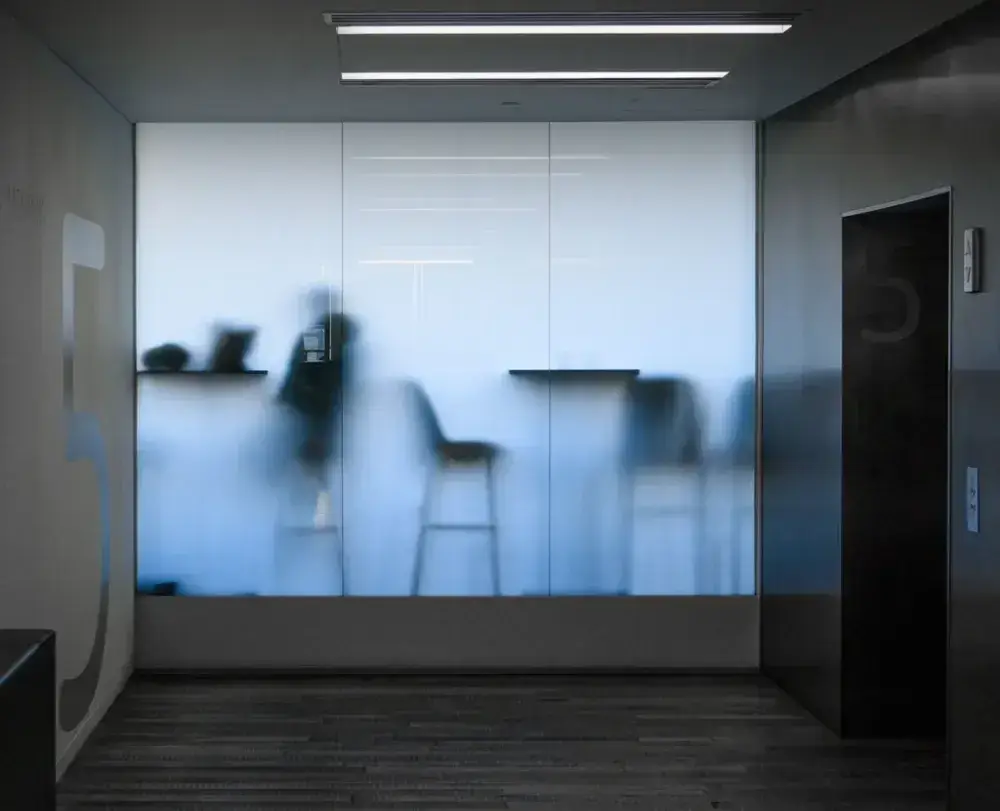
Design tip: Use tinted or frosted films to add privacy to things like conference rooms or reception areas.
In high-risk industries, the front desk isn’t just a welcome center or a transaction center — it’s also a potential weak point. Bullet-resistant transaction windows provide a discreet but powerful layer of protection for employees who interact directly with the public.
From convenience stores and cannabis dispensaries to check-cashing businesses and pawn shops, having a secure transaction window can deter attacks and help staff stay safe without creating a hostile or closed-off environment.
Perfect for:
Design tip: Combine ballistic windows with solid counters and pass-through trays to create a fully secure transaction zone that still feels approachable.
It’s not just storefronts and reception areas that benefit from ballistic protection. Executives, government officials, and other high-profile individuals often require additional security for private offices and meeting rooms.
Incorporating bullet-resistant glass into these spaces provides a subtle form of protection — one that doesn’t interrupt the look of high-end executive interiors but still offers peace of mind.
Perfect for:
Design tip: Use clear ballistic glass for modern, upscale interiors or opt for tinted or frosted versions for a more discreet, private feel.
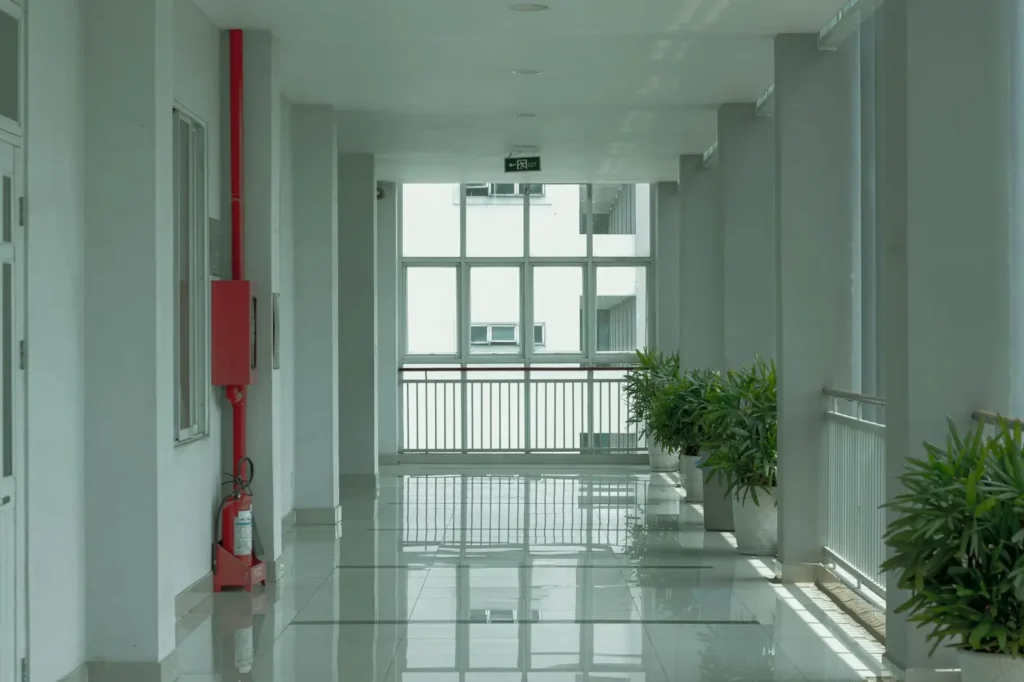
Mitigating safety issues, including targeted violence, is an ongoing concern in school design, and bullet-resistant interior glass is gaining traction as a way to harden educational environments without making them look fortified.
Many schools have windows or full glass panels between classrooms and corridors to allow light in and increase visibility. However, in an active threat situation, those same windows can become liabilities.
Retrofitting school windows with bullet-resistant glazing adds a critical barrier that can slow or stop attackers, protecting students and staff during a worst-case scenario while maintaining the learning environment’s openness day to day.
Perfect for:
Design tip: Reinforce hallway-facing windows while improving aesthetics by choosing ballistic glass with subtle tints or decorative patterns.
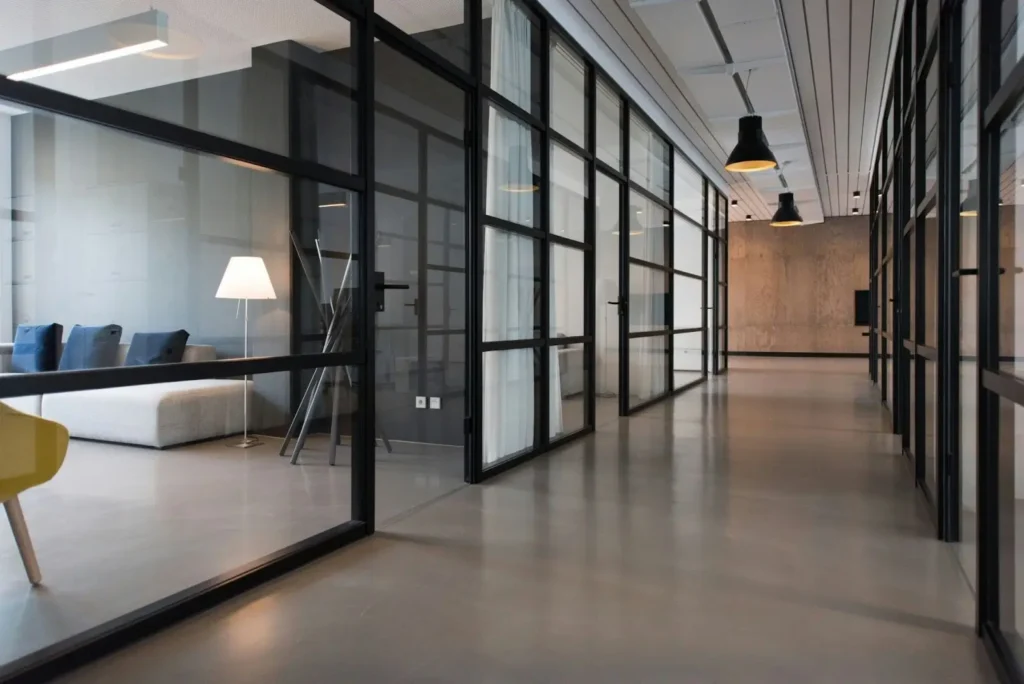
The beauty of bullet-resistant interior glass lies in its dual function: it serves a vital, potentially life-saving purpose while integrating almost invisibly into a commercial building’s interior design.
Plus, thanks to innovations in ballistic glazing, today’s options don’t look like the thick, heavy bulletproof glass of old (which wouldn’t even work in most commercial applications).
The glazing can also be customized to match your design vision, whether that means clean and modern, private and frosted, or bold and branded.
Security glazing isn’t just for exterior windows anymore — think of it as part of a holistic interior design strategy that balances style, transparency, and safety and security.
Whether you’re building out an office, upgrading a retail space, or hardening a school interior, bullet-resistant glass can help you create an interior that protects people while still feeling open, welcoming, and beautifully designed.
At Riot Glass, we specialize in helping architects, designers, and business owners find the right ballistic-grade glazing solutions for both interior and exterior applications. If you’re interested in exploring how bullet-resistant glass can boost the safety and security of your commercial space, reach out to our experts today for a free consultation.
The goal of sustainable commercial architecture is to reduce the carbon footprint of commercial buildings, lessening their negative impact on the environment through environmentally-friendly building design.
Although sustainable architecture is not a new concept, it has gained more popularity in recent years, and commercial building owners and architects alike are increasingly looking for ways to make their buildings greener, especially in terms of energy efficiency.
Now, you may not think of energy efficiency and security glass as related when it comes to architectural design, but the two can actually go hand-in-hand.
While security glass is primarily designed to increase the safety and security of commercial buildings by protecting people and property against various hazards and threats, it can also be used to improve a building’s overall sustainability.
Modern commercial buildings are expected to do more than just provide a functional space — they must also be secure, resilient, and environmentally responsible.
As sustainability goals continue to shape commercial architecture, one increasingly popular solution is retrofitting security glass over existing windows and doors. While this type of glazing is most often associated with physical protection, it also offers measurable benefits for energy efficiency and long-term sustainability.
Rather than requiring full window replacements or complex upgrades, security glazing retrofits add an extra layer of protection and insulation over existing glass. This simple, non-invasive approach improves thermal performance, reduces HVAC reliance, and even helps minimize waste over the lifespan of a building.
At its core, retrofitting security glazing involves adding a pane of durable, impact-resistant glazing over existing glass surfaces. These systems are engineered to fit into or onto existing framing systems using specialized adapters. The result is similar to converting a single-pane window into a double-pane system — but with the added benefit of advanced impact resistance.
The added pane of security glazing creates a new insulating air gap between the existing glass and the retrofitted glazing. This reduces the transfer of heat between indoor and outdoor environments, helping stabilize indoor temperatures and decreasing the load on HVAC systems.
By creating a physical barrier to hot or cold air, retrofitted glazing helps limit unwanted heat gain in the summer and heat loss in the winter. This makes temperature regulation more efficient, particularly in older buildings with less energy-efficient original windows.

With improved thermal performance, HVAC systems don’t have to work as hard to maintain comfortable temperatures. Over time, this translates into energy savings and reduced greenhouse gas emissions associated with heating and cooling.
These benefits are especially valuable for older commercial properties, where replacing entire window and door systems may be cost-prohibitive or logistically challenging. Retrofitting security glass for sustainable commercial architecture allows for a meaningful upgrade with less disruption and a faster return on investment.
Security glazing isn’t just energy-efficient — it’s also incredibly durable. This longevity adds to a commercial building’s sustainability in a couple of ways.
Commercial windows are exposed to numerous threats, including break-ins, vandalism, accidents, and extreme weather. Traditional glass can easily shatter under these conditions, leading to costly replacements and increased material waste. Security glazing is designed to withstand high levels of force without breaking apart, reducing waste.
Even if the glazing cracks or spalls under impact, it typically remains in place, protecting the underlying glass and maintaining the integrity of the building envelope. This minimizes the need for emergency board-ups, glass replacements, and ongoing repair cycles, thus conserving resources over time.
Because retrofitted security glazing shields the existing glass from direct impacts and exposure to the elements, it helps extend the usable life of the underlying windows and doors. In this way, building owners avoid premature replacements and reduce the overall consumption of raw materials involved in window manufacturing and installation.
This is a particularly important consideration in sustainable architecture, where reducing embodied carbon — the total carbon footprint of building materials and systems — is just as important as improving operational energy efficiency.
In addition to its energy efficiency and durability advantages, retrofitted security glass supports sustainable commercial architectural performance in several indirect but important ways.
The extra pane of glazing and the air gap created by retrofits help dampen external noise. This can improve indoor environmental quality — one of the key pillars of green building design — especially in urban environments, near airports, or close to roadways and rail lines.
A more stable indoor temperature and reduced noise pollution create a more comfortable space for occupants. This aligns with the goals of modern sustainable building design, which prioritizes health, well-being, and productivity.
Retrofitting security glass for sustainable commercial architecture allows property owners to retain the original design of a building while upgrading its performance. This is especially beneficial for historical or architecturally significant structures that must meet modern standards without major renovations that could detract from their visual appeal.
While retrofitting is a standout solution for existing commercial properties, the same security glazing technology can be used in new construction to create highly secure and energy-efficient fenestration systems from the start!
Of course, the primary reason commercial building owners and architects choose security glazing solutions is security. From retail storefronts to schools, religious institutions, government buildings, and healthcare facilities, Riot Glass provides an essential barrier against:
What makes Riot Glass ideal for sustainable architecture is that it accomplishes all of this without sacrificing energy performance. In fact, it can improve it.
Riot Glass security glazing doesn’t shatter dangerously like standard annealed glass, or crumble apart like tempered safety glass. Instead, it maintains its integrity under stress, reducing injury risks and keeping buildings sealed. That means fewer emergency responses, less broken glass sent to landfills, and more resilient infrastructure in the face of increasingly common natural and human-made threats.
Security and sustainability don’t have to be competing priorities. With retrofitted security glazing, commercial building owners can reinforce their properties against modern threats while taking meaningful steps toward reduced energy consumption, less waste, and a smaller carbon footprint.
At Riot Glass, we partner with commercial property owners, developers, and architects to provide customized retrofit solutions that strengthen building performance across the board.
Want to explore how Riot Glass can help make your building more energy-efficient and secure?
Contact us today to get started!
Due to its impact resistance, durability, and versatility, polycarbonate is one of the most popular materials used for modern security glazing.
Polycarbonate glazing is used in everything from storm windows to bullet-resistant entryway doors, offering high levels of physical protection against all types of impacts, whether due to a forced entry attempt, flying storm debris, an active threat scenario, or anything in between.
In case you’re not familiar with polycarbonate and its security glazing applications, we put together this guide to answer questions like “what is polycarbonate made of” and FAQs about its use in commercial building security.
Polycarbonate is a type of thermoplastic polymer that contains carbonate groups in its structure. It is made from bisphenol A (BPA) and phosgene (COCl₂) through a polymerization process. This combination creates a durable, lightweight material that is highly resistant to impact and temperature, making polycarbonate ideal for engineering applications.
Polycarbonate is also naturally transparent and transmits light virtually as well as glass, making it a popular alternative to glass in architectural glazing and other applications where visibility and light transmission are important.
For example, polycarbonate is commonly used for eyewear and headlight lenses and construction materials, including various types of security glazing for windows and doors.

Polycarbonate is a suitable material for virtually any type of security glazing. Whether you want to protect against vandalism, burglary, smash-and-grab theft, storm damage, or even active threats, polycarbonate-based security glazing is an excellent option.
Polycarbonate is frequently used in forced entry-resistant security glazing systems, which are designed to withstand deliberate attempts to break through a building’s windows or doors.
These systems are highly effective in preventing burglaries, vandalism, and smash-and-grab thefts, providing a robust barrier without sacrificing visibility or aesthetics.
For high-risk environments requiring advanced protection against potential ballistic threats, such as banks, government facilities, or schools, ballistic-grade polycarbonate glazing is the gold standard.

This type of glazing is engineered to resist firearm impacts while maintaining its structural integrity to continue providing access denial. Its lightweight nature compared to traditional bullet-resistant glass compositions makes it easier to install while offering superior protection.
Polycarbonate can also be combined with laminated security glass, resulting in glass-clad polycarbonate (GCP) glazing that can provide some of the highest levels of ballistic resistance.
In regions prone to extreme weather, polycarbonate-based hurricane windows are a popular alternative to traditional hurricane shutters, storm panels, and plywood board-ups.
These windows are designed to resist flying debris and high wind pressure during severe storms, ensuring the safety of occupants and minimizing property damage.

Unlike traditional storm shutters, hurricane windows made from polycarbonate glazing allow natural light to enter and maintain visibility while providing unmatched durability.
We’ve already touched on some of the reasons why polycarbonate is the perfect material for various types of security glazing, including its incredible impact resistance and ability to transmit natural light almost as well as glass does.
However, polycarbonate has other properties that make it one of the most popular choices for reinforcing commercial doors and windows these days.
For example, polycarbonate is very lightweight compared to traditional glass, making it easier to handle, install, and integrate into existing structures without requiring significant modifications. This lightweight property reduces the strain on door and window frames while maintaining superior strength. In many cases, polycarbonate security glazing can even be retrofitted right on top of existing windows and doors.
Additionally, polycarbonate offers excellent flexibility, allowing it to absorb and dissipate energy from impacts more effectively than rigid materials like glass. This means that polycarbonate security glazing can withstand repeated blows without cracking or shattering, making it ideal for situations where sustained attacks or extreme forces are anticipated.

Another critical advantage is its resistance to environmental factors. Polycarbonate security glazing is designed to endure exposure to UV rays, extreme temperatures, and moisture without yellowing, warping, or losing its structural integrity. These characteristics ensure that polycarbonate security glazing remains effective and visually clear for years, even in harsh climates or high-traffic environments.
Finally, polycarbonate is highly versatile and can be combined with other materials to create layered security glazing systems. For instance, it can be paired with other security glazing laminates or coatings to enhance ballistic resistance, fire resistance, or scratch resistance, making it customizable for virtually any security application.
Yes! Riot Glass develops, manufactures, supplies, and installs the AP-Series system of polycarbonate security glazing, a virtually unbreakable, retrofittable security glazing solution for commercial facilities.
The AP line offers a range of options suitable to all levels of security needs. For example, our flagship AP25 security glazing is a containment-grade (non-ballistic) glazing shield that is the best option for business glass protection.
AP25 resists even the most determined forced entry attempts using sledgehammers or other common burglary tools, making it ideal for protecting retail stores against smash-and-grab theft, for example.
For a combination of forced entry protection and UL 752 Level 1 bullet resistance, there’s also AP75, which has passed the ASTM F3808 forced entry test, certifying it for use in high-risk environments like government buildings. These testing protocols simulate an armed group of attackers, such as a mob of rioters, attempting to force entry using a variety of tools, including firearms, over several minutes.
If you want even higher levels of ballistic resistance, the AP-Series offers different ballistic-grade models going up to a UL 752 Level 6 rating for high speed multi-shot 9mm (Uzi) ballistic attack.
All AP-Series security glazing can be retrofitted over or into virtually any existing doors or windows using our Universal Framing System. It can also be used to replace existing glass or in new construction, including in the construction of interior glass surfaces, such as retail store display cases or cash-handling windows.
Now that you know what polycarbonate is made of and what some of its potential security glazing applications are, you may still be wondering if it’s right for your needs.
Polycarbonate security glazing can be customized to meet all your specific requirements, whether you need to protect a retail storefront, reinforce school doors, or secure a storm-prone building. Its combination of strength, transparency, and versatility makes it a go-to material for safety and security-conscious property owners across industries and regions.
If you're considering polycarbonate for your security glazing needs, consulting with one of our experts at Riot Glass can help you select the best solution for your unique circumstances. Contact us today to get started!